
South Africa Plate and Tube Heat Exchanger Market (2023-2028)

The South Africa Plate and Tube Heat Exchanger Market was valued at $5165 Million in 2023 and projected to reach to $6671 Million by 2028, representing a compound annual growth rate of 5.2%. South Africa's plate and tube heat exchanger market is poised for moderate but consistent growth through 2028, supported by ongoing industrialization and modernization of existing thermal systems.


| Market Size in | USD 26.32 MN |
| Market Forecast in | |
| CAGR | |
| Forecast Period | |
| Units Considered | Value (USD MN) |
South Africa Plate and Tube Heat Exchanger Market Trends and Insights
- South Africa's industrial sector, particularly in chemicals, petrochemicals, and energy production, drives demand for efficient thermal management solutions.
- South Africa's strategic position in the Middle East Africa region positions it as a key market for heat exchanger adoption across manufacturing and processing industries. The growth trajectory for South Africa reflects increasing investments in industrial infrastructure and process optimization.
- South Africa's chemical and material processing sectors are modernizing operations, creating sustained demand for advanced plate and tube heat exchanger technologies.
- Between 2023 and 2028, South Africa's market expansion will be supported by rising energy efficiency standards and industrial capacity expansion across the country..
Key Market Statistics
- CAGR (2023-2028) 5.2% CAGR
- Market Size, 2023 ~USD 5165 Million
- Forecast, 2028 ~USD 6671 Million
- Country South Africa
South Africa Plate and Tube Heat Exchanger Market Overview
Market Valuation :
South Africa's plate and tube heat exchanger market reached USD 5,165 million in 2023, with projected growth to USD 6,671 million by 2028, representing a steady 5.2% CAGR driven by industrial expansion.
Industrial Demand Drivers :
South Africa's chemicals, petrochemicals, and energy production sectors are primary demand catalysts, requiring advanced thermal management solutions for operational efficiency and regulatory compliance.
Regional Growth Trajectory :
At 5.2% CAGR, South Africa's market growth slightly lags the global 6.5% rate, reflecting localized economic conditions and industrial investment patterns specific to the country's manufacturing landscape.
Strategic Market Position :
South Africa's geographic and economic positioning in the African continent positions it as a critical hub for heat exchanger technology adoption across mining, refining, and chemical processing industries.
South Africa Plate and Tube Heat Exchanger Market Dynamics
- The country's chemicals and petrochemicals sectors continue to invest in energy-efficient equipment to reduce operational costs and meet environmental standards.
- Expansion in renewable energy projects and industrial infrastructure upgrades will further stimulate demand for advanced heat exchange solutions. Challenges including currency volatility and capital constraints may temper growth rates compared to global benchmarks.
- However, South Africa's strategic importance in African manufacturing and its established industrial base provide long-term market stability.
- Local manufacturers and international suppliers are increasingly tailoring solutions to meet South African industry specifications, creating competitive opportunities throughout the forecast period..
Market Ecosystem
Related Ecosystem
Equipment Machine And Tooling
- Wastewater Treatment
- Air Cooled Heat Exchangers
- Diaphragm Pumps
- Fiberglass
- HVAC System
- Alfa Laval Corporate AB
- Johnson Controls International plc
- Veolia
- Daikin Industries,Ltd.
- Carrier Global Corporation
Industrial Equipment
- HVAC System
- Fiberglass
- Actuators
- Cartridge Filters
- Electrostatic Precipitators
- Siemens ag
- GRUNDFOS GROUP
- ABB India Limited
- SCHNEIDER ELECTRIC SE
- Eaton Corporation plc
Industrial Gases
- Dry Cooling Tower
- HVAC System
- Heat Exchanger
- Hybrid Cooling Tower
- Industrial Refrigeration
- Linde plc
- MESSER GROUP GMBH
- Air Products and Chemicals, Inc.
- AIR LIQUIDE
- Iwatani Corporation
Key Takeaways
- South Africa's plate and tube heat exchanger market reached USD 5,165 million in 2023 with a projected value of USD 6,671 million by 2028.
- South Africa is experiencing a 5.2% CAGR, driven by industrial modernization and energy efficiency requirements across the chemicals and materials sector.
- South Africa's chemical processing and petrochemical industries are primary demand drivers for heat exchanger technology adoption.
- South Africa's market growth is supported by infrastructure investments and stricter industrial thermal management standards through 2028.
Plate and Tube Heat Exchanger Market Report Scope
| Report Metric | Details |
|---|---|
| Base Year | 2023 |
| Fastest Growing Segment | CHEMICALS (End-Use Industry) |
| Forecast Period | 2023-2028 |
| Growth Rate | CAGR of 6.5% from 2023 to 2028 |
| Largest Segment | STAINLESS STEEL (Material Type) |
| Market Size Base Year (Billions) | ~USD 0.65 (2023) |
| Revenue Forecast (Billions) | ~USD 0.884 (2028) |
| Segments Covered | End-Use Industry, Material Type |
South Africa Plate and Tube Heat Exchanger Market Report Segmentation
2 segment dimensions are covered across the global market.
By End-Use Industry
- Chemicals
- Food & Beverage
- Hvac & Refrigeration
- Petrochemicals & Oil & Gas
- Power Generation
- Pulp & Paper
By Material Type
- Aluminum
- Copper
- Nickel Alloys
- Stainless Steel
- Titanium Alloy
Target Audience
- Industrial Equipment Manufacturers : South African and international manufacturers need market data to assess demand for plate and tube heat exchangers, identify customer segments, and develop localized product offerings for chemicals and petrochemical applications.
- Chemical & Petrochemical Operators : Plant managers and procurement teams require market insights to benchmark equipment costs, evaluate supplier options, and plan thermal system upgrades aligned with South Africa's industrial efficiency standards.
- Energy Sector Stakeholders : Power generation and renewable energy companies need market intelligence to understand heat exchanger demand trends, technology adoption rates, and investment opportunities in South Africa's evolving energy landscape.
- Investment & Strategy Consultants : Business strategists and investment firms require detailed South African market analysis to evaluate sector opportunities, assess competitive dynamics, and guide client expansion or acquisition strategies in the region.
- Engineering & Procurement Firms : EPC contractors and engineering consultants need country-specific market data to estimate project costs, identify qualified suppliers, and advise clients on heat exchanger specifications for South African industrial projects.
Reasons to Buy this Report
- Localized Market Intelligence : Gain country-specific insights into South Africa's plate and tube heat exchanger market dynamics, including sector-specific demand patterns, competitive landscape, and growth opportunities unique to the South African industrial ecosystem.
- Investment Decision Support : Access detailed market sizing and forecasts (2023-2028) to inform capital allocation decisions, facility expansion plans, and market entry strategies tailored to South Africa's industrial growth trajectory.
- Competitive Positioning : Understand South Africa's market structure, key players, and customer preferences to develop targeted go-to-market strategies and competitive advantages in the country's chemicals, petrochemicals, and energy sectors.
- Regulatory & Compliance Alignment : Identify South African industry standards, environmental regulations, and operational requirements driving heat exchanger specifications and purchasing decisions across local manufacturing and processing industries.
- Growth Opportunity Identification : Discover emerging applications and underserved segments within South Africa's industrial base, including renewable energy integration, mining operations, and infrastructure modernization initiatives driving equipment demand.
Frequently asked questions
What is the current market size of plate and tube heat exchangers in South Africa?
South Africa's plate and tube heat exchanger market was valued at USD 5,165 million in 2023 according to verified market data.
What is the projected market size for South Africa by 2028?
South Africa's plate and tube heat exchanger market is forecast to reach USD 6,671 million by 2028, representing significant growth from the 2023 baseline.
What is the CAGR for South Africa's heat exchanger market?
South Africa's plate and tube heat exchanger market is projected to grow at a compound annual growth rate of 5.2% between 2023 and 2028.
Which industries drive demand for heat exchangers in South Africa?
South Africa's chemical processing, petrochemical refining, and industrial manufacturing sectors are the primary drivers of plate and tube heat exchanger demand.
Why is South Africa's heat exchanger market growing?
South Africa's market growth is driven by industrial modernization, energy efficiency regulations, infrastructure investments, and increased capacity expansion in processing industries.
RESEARCH METHODOLOGY
The study involved four major activities in estimating the market size of the plate and tube heat exchanger market. Exhaustive secondary research was done to collect information on the market, the peer market, and the parent market. The next step was to validate these findings, assumptions, and sizing with industry experts across the value chain through primary research. Both top-down and bottom-up approaches were employed to estimate the complete market size. Thereafter, the market breakdown and data triangulation procedures were used to estimate the market size of the segments and subsegments.
Secondary Research
In the secondary research process, various secondary sources have been referred to for identifying and collecting information for this study. These secondary sources include annual reports, press releases, investor presentations of companies, white papers, certified publications, trade directories, certified publications, articles from recognized authors, gold standard and silver standard websites, and databases.
Secondary research has been used to obtain key information about the value chain of the industry, monetary chain of the market, the total pool of key players, market classification and segmentation according to industry trends to the bottom-most level, and regional markets. It was also used to obtain information about the key developments from a market-oriented perspective.
Primary Research
The plate and tube heat exchanger market comprises several stakeholders in the value chain, which include raw material suppliers, manufacturers, and end users. Various primary sources from the supply and demand sides of the plate and tube heat exchanger market have been interviewed to obtain qualitative and quantitative information. The primary interviewees from the demand side include key opinion leaders in end-use sectors. The primary sources from the supply side include manufacturers, associations, and institutions involved in the plate and tube heat exchanger industry.
Primary interviews were conducted to gather insights such as market statistics, data of revenue collected from the products and services, market breakdowns, market size estimations, market forecasting, and data triangulation. Primary research also helped in understanding the various trends related to technology, raw material, application type, end-use industries, and region. Stakeholders from the demand side, such as CIOs, CTOs, and CSOs were interviewed to understand the buyer’s perspective on the suppliers, products, component providers, and their current usage of plate and tube heat exchanger and outlook of their business which will affect the overall market.
The breakdown of profiles of the primary interviewees is illustrated in the figure below:
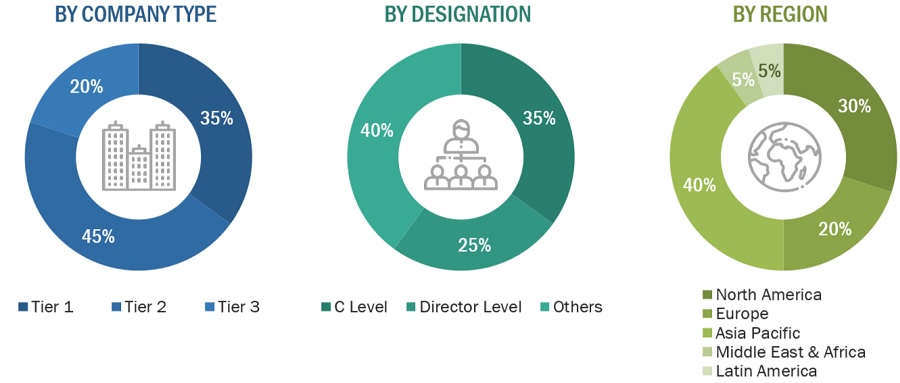
Note: Tier 1, Tier 2, and Tier 3 companies are classified based on their market revenue in 2022 available in the public domain, product portfolios, and geographical presence.
Other designations include consultants and sales, marketing, and procurement managers.
To know about the assumptions considered for the study, download the pdf brochure
|
Company Name |
Designation |
|
Alfa Laval |
Individual Industry Expert |
|
Kelvion Holding GmbH |
Sales Manager |
|
Xylem |
Director |
|
API Heat Transfer |
Marketing Manager |
|
HRS Heat Exchanger |
R&D Manager |
|
|
|
Market Size Estimation
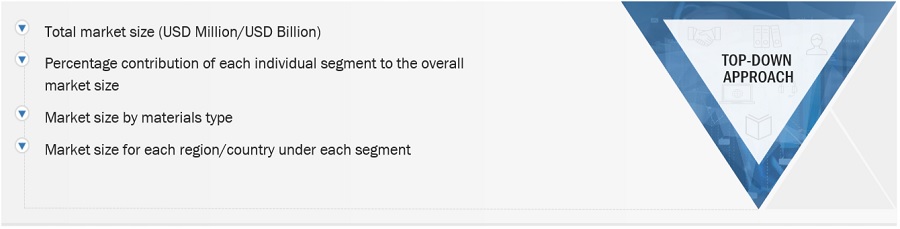
The top-down and bottom-up approaches have been used to estimate and validate the size of the plate and tube heat exchanger market.
- The key players in the industry have been identified through extensive secondary research.
- The supply chain of the industry has been determined through primary and secondary research.
- All percentage shares, splits, and breakdowns have been determined using secondary sources and verified through primary sources.
- All possible parameters that affect the markets covered in this research study have been accounted for, viewed in extensive detail, verified through primary research, and analyzed to obtain the final quantitative and qualitative data.
- The research includes the study of reports, reviews, and newsletters of the key market players, along with extensive interviews for opinions with leaders such as directors and marketing executives.
Plate And Tube Heat Exchanger Market: Bottum-Up Approach
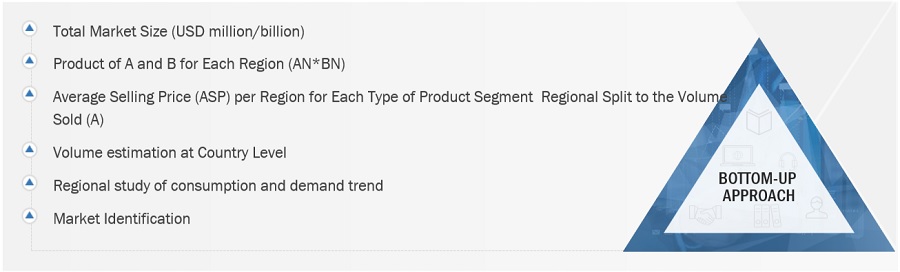
Note: All the shares are based on the global market size.
Source: Secondary Research, Interviews with Experts, and MarketsandMarkets Analysis
To know about the assumptions considered for the study, Request for Free Sample Report
Plate And Tube Heat Exchanger Market: Top-Down Approach
Data Triangulation
After arriving at the total market size from the estimation process explained above, the overall market has been split into several segments and sub-segments. To complete the overall market engineering process and arrive at the exact statistics for all the segments and sub-segments, the data triangulation and market breakdown procedures have been employed, wherever applicable. The data has been triangulated by studying various factors and trends from both the demand and supply sides. Along with this, the market size has been validated by using both the top-down and bottom-up approaches and primary interviews. Hence, for every data segment, there have been three sources—top-down approach, bottom-up approach, and expert interviews. The data was assumed correct when the values arrived from the three sources matched.
Market Definition
A plate and tube heat exchanger is a specialized heat transfer device that combines multiple heat exchange techniques or materials within a single unit to optimize efficiency, adaptability, and performance in various industrial applications. These heat exchangers typically integrate different heat transfer mechanisms, such as tube-and-fin configurations, enhanced surfaces, phase-change materials, or multiple materials like stainless steel and titanium alloys, to cater to specific industrial needs, maximize heat transfer rates, and minimize energy consumption.
Key Stakeholders
- Senior Management
- End User
- Finance/Procurement Department
- R&D Department
Report Objectives
- To define, describe, and forecast the size of the plate and tube heat exchanger market, in terms of value and volume.
- To provide detailed information regarding the major factors (drivers, opportunities, restraints, and challenges) influencing the growth of the market
- To estimate and forecast the market size based on material type, end-use industry and region.
- To forecast the size of the market with respect to major regions, namely, Europe, North America, Asia Pacific, Middle East & Africa, and South America, along with their key countries
- To strategically analyze micromarkets1 with respect to individual growth trends, prospects, and their contribution to the overall market
- To analyze opportunities in the market for stakeholders and provide a competitive landscape of market leaders.
- To track and analyze recent developments such as expansions, new product launches, partnerships & agreements, and acquisitions in the market.
- To strategically profile key market players and comprehensively analyze their core competencies.
Available Customizations
Along with the given market data, MarketsandMarkets offers customizations according to the company’s specific needs. The following customization options are available for the report:
Regional Analysis
- Further breakdown of a region with respect to a particular country or additional application
Company Information
- Detailed analysis and profiles of additional market players
Get the Full Plate and Tube Heat Exchanger Market Report
Full forecast, segment splits, and company analysis for all Plate and Tube Heat Exchanger Market.
- China Plate and Tube Heat Exchanger Market
- Japan Plate and Tube Heat Exchanger Market
- India Plate and Tube Heat Exchanger Market
- South Korea Plate and Tube Heat Exchanger Market
- Germany Plate and Tube Heat Exchanger Market
- Italy Plate and Tube Heat Exchanger Market
- France Plate and Tube Heat Exchanger Market
- Spain Plate and Tube Heat Exchanger Market
- UK Plate and Tube Heat Exchanger Market
- Canada Plate and Tube Heat Exchanger Market
- Mexico Plate and Tube Heat Exchanger Market
- US Plate and Tube Heat Exchanger Market
- Brazil Plate and Tube Heat Exchanger Market
- Argentina Plate and Tube Heat Exchanger Market
- Rest Of Europe Plate and Tube Heat Exchanger Market
- Rest Of Asia Pacific Plate and Tube Heat Exchanger Market
- GCC Countries Plate and Tube Heat Exchanger Market
- -Rest Of GCC Countries Plate and Tube Heat Exchanger Market
- Rest Of South America Plate and Tube Heat Exchanger Market
Need a Tailored Report?
Customize this report to your needs
Get 10% FREE Customization
Customize This Report
