Image-guided Navigation Market: Growth, Size, Share, and Trends

Image-guided Navigation Market by Product (Workstation, Software, Navigator), Therapy Area (Neurology, ENT), Type of Navigation (Optical, EM), Care Setting (Interventional Radiology Suite, Surgical), Reference Modality, End User - Global Forecast to 2030




OVERVIEW
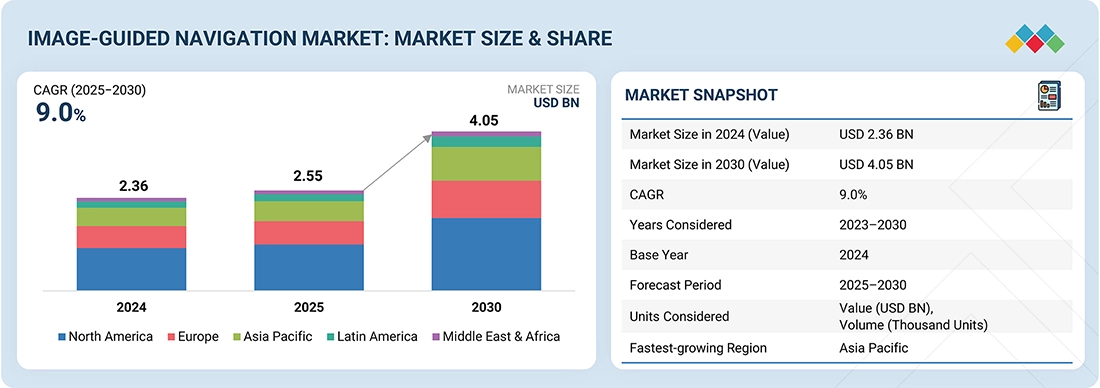
Source: Secondary Research, Interviews with Experts, MarketsandMarkets Analysis
The image-guided navigation market is expected to grow from USD 2,545.6 million in 2025 to USD 3,912.5 million by 2030, at a CAGR of 9.0% during the forecast period. This growth is mainly due to the increased use of minimally invasive procedures and robotics in surgical methods. Governmental organizations worldwide are also propelling the market with grants and investments. The market is also witnessing new avenues with increased product approvals, collaborations, and agreements among major players. These avenues are propelling image-guided navigation systems to become more sophisticated, available, and common in healthcare facilities.
KEY TAKEAWAYS
-
By product typeThe workstations & software segment accounted for the largest share of the image-guided navigation market in 2024. This large market share of this segment is mainly due to the increasing demand for advanced surgical planning tools and real-time intraoperative navigation systems.
-
By care settingsThe surgical segment accounted for the largest share of the image-guided navigation market in 2024. The growing volume of complex surgeries requiring precise navigation is one of the driving factors for the growth of the surgical market segment.
-
By therapy areaThe ENT segment is projected to grow with the fastest CAGR during the forecast period due to the rising number of ENT-related injuries and conditions requiring precise surgical intervention.
-
By Type of NavigationThe optical navigation segment accounted for the largest share of the image-guided navigation market in 2024, due to the high accuracy and reliability of these types of navigation systems during surgeries.
-
By reference modality typesThe MRI-based reference segment is projected to witness the highest CAGR during the forecast period. This high growth of the MRI-based segment is due to the widespread adoption of MRI-based image-guided navigation systems, which is again driven by its superior imaging capabilities and the growing demand for minimally invasive surgeries.
-
By End UserThe hospitals segment accounted for the largest share of the image-guided navigation market in 2024, mainly due to their capability to better manage the high installation and operational costs of image-guided navigation systems.
-
By regionThe Asia Pacific region is expected to grow at the highest CAGR during the forecast period. The regional market is growing steadily due to the expanding medical device sector and an increasing adoption of advanced surgical techniques.
-
Competitive LandscapeThe image-guided navigation market is competitive yet slowly fragmenting, with players focusing on expansions, product launches, acquisitions, and partnerships to broaden portfolios and strengthen positions. Established across North America, Europe, and the Asia Pacific, companies are driving growth by offering comprehensive solutions and introducing advanced technologies in existing and emerging markets.
Image-guided navigation combines pre-operative imaging (CT, MRI, ultrasound) with real-time tracking systems to improve surgical precision, minimize tissue damage, and enhance clinical outcomes. Its growth is driven by the rise of minimally invasive procedures, robotics integration, increased funding, and broader applications across specialties such as neurosurgery, orthopedics, and cardiology. However, challenges such as product recalls and limited access in emerging markets remain.
TRENDS & DISRUPTIONS IMPACTING CUSTOMERS' CUSTOMERS
The image-guided navigation market is undergoing a notable transformation, shaped by continuous advancements in surgical technologies and evolving clinical practices. Emerging trends such as higher integration of digital platforms, adoption of hybrid navigation systems, and AI-driven visualization tools are redefining how procedures are planned and executed. The market is experiencing disruptions linked to rapid technological shifts, increasing complexity, and the need for standardization. Together, these factors illustrate a market in transition, where innovation and disruption coexist.
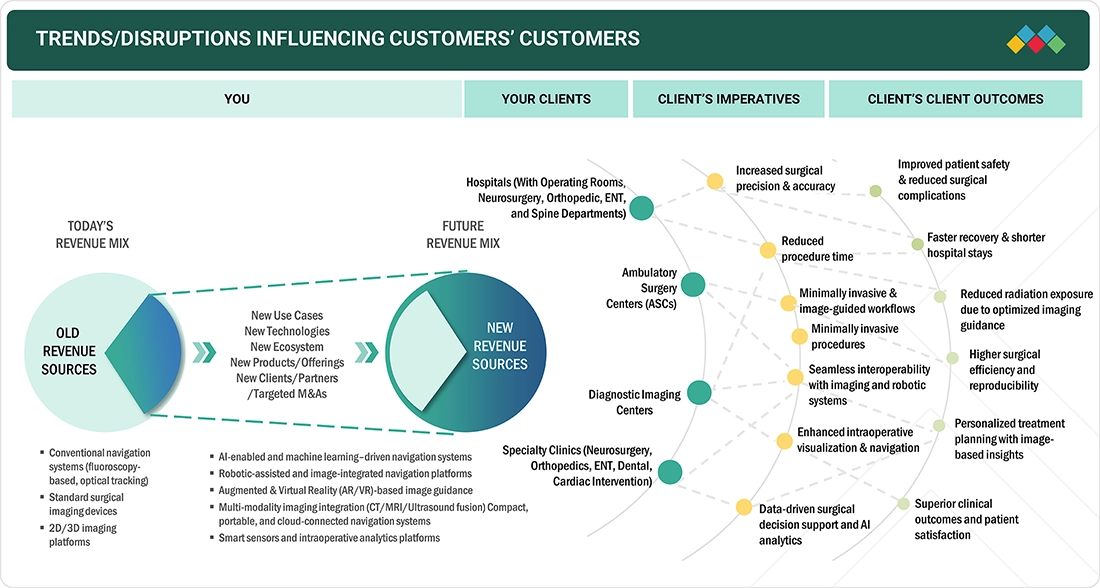
Source: Secondary Research, Interviews with Experts, MarketsandMarkets Analysis
MARKET DYNAMICS

Level
-
Growing adoption of minimally invasive surgical procedures

-
Rising uptake of robotics in surgeries


Level
-
High cost of image-guided navigation systems in surgical and interventional procedures

-
Lack of system accuracy and reliability


Level
-
Rising investments in healthcare AI and big data analytics

-
Increasing partnerships and collaborations among large industry players


Level
-
Rising number of product recalls

-
Limited adoption of image-guided navigation surgeries in emerging economies

Source: Secondary Research, Interviews with Experts, MarketsandMarkets Analysis
Driver: Growing adoption of minimally invasive surgical procedures
Growing use of minimally invasive surgical (MIS) procedures is one of the key drivers of the image-guided navigation market. MIS procedures such as laparoscopic, endoscopic, and robot-assisted surgery are gaining popularity due to advantages such as less trauma, shorter hospital stay, quicker recovery, and reduced healthcare costs. High precision and real-time imaging are required for these operations; thus, image-guided navigation systems are necessary. Surgeons are increasingly using sophisticated imaging equipment such as fluoroscopy, MRI, CT, and ultrasound for better results. Hence, demand for these machines is growing at a very fast rate. For instance, a November 2024 Journal of the Association for Surgical Education article reported the steady increase in MIS and underscored how imperative it is that general surgery residents receive proper training in them, particularly given that the US has a shortage of general surgeons. A September 2024 University of Tennessee report chronicled that MIS, particularly laparoscopy, is widely used in colorectal surgery, whereas robot-assisted surgery is growing quickly. Open surgery continues to be prevalent in emergencies and risky surgeries, but MIS adoption is on the increase.
Restraint: High cost of image-guided navigation systems in surgical and interventional procedures
The cost of image-guided navigation systems is one of the major hindrances to their widespread application in surgeries and interventional therapies. The equipment relies on advanced imaging technology like 3D navigation, CT, MRI, and fluoroscopy, which is characterized by expensive hardware and software. Installation ranges between USD 200,000 and over USD 2 million, depending on the vendor and technology. For example, the Medtronic StealthStation S7 Surgical Navigation System retails for USD 18,000 to USD 25,000. Besides acquisition costs, hospitals need to plan for maintenance costs of recurring nature, software updating, and training personnel. Installing such systems also requires redesigning existing surgical procedures, which may require infrastructure renewal and the addition of personnel, thus increasing operating expenses. Small hospitals, especially in developing countries, may lack the funds to make such an investment, especially where reimbursement for such procedures does not exist or is uncertain. They are mostly adopted by well-financed hospitals, thus limiting access to their benefits. Breaking through the challenge using cost-saving innovations, better insurance cover, and economical system availability is paramount to improved adoption and expansion of the market.
Opportunity: Increasing partnerships and collaborations among large industry players
In the last few years, the image-guided navigation market has proliferated due to increased partnerships, collaborations, and product approvals by key market players. Given their collaboration, these companies are acquiring more skills and technologies, enhancing their product line and expanding globally across a wider network. AI is being implemented into the navigation systems developed under these deals to improve real-time surgical decisions. For instance, in November 2024, Zeta Surgical received FDA 510(k) clearance for its AI-enabled Zeta navigation system. In July 2024, GE Healthcare acquired Intelligent Ultrasound Group to further the use of AI in ultrasound imaging. In February 2023, Karl Storz acquired AventaMed to add to the image-guided surgery portfolio. In May 2022, Brainlab acquired MedPhoton GmbH after the two companies partnered to develop the Loop mobile imaging robot. These mergers and acquisitions build product lines and joint synergies into new markets, increasing accessibility of the systems. Thus, such activities are driving the development of image-guided surgical navigation systems and the growth of the entire market.
Challenges: Limited adoption of image-guided navigation surgeries in emerging economies
The limited access of image-guided navigation systems in emerging markets remains a serious barrier, slowing the adoption of advanced surgical technologies. The equipment cost may go over USD 60,000 in addition to trained staff, software, and infrastructure requirements. Most medical centers operate under tight budgets and basic health care priorities. Reimbursement issues and limited funding also further discourage investment. The World Health Organization states that 70% of all medical equipment in developing countries is non-functional because of poor infrastructure and lack of trained personnel, and access to imaging guidance systems is limited to only around 25% of young neurosurgeons in Latin America and Africa. This further limits the manpower training of surgeons, resulting in a discrepancy in skills and lower quality of surgical care compared to developed nations. Thus, it widens the gap in health care disparities that affect patient outcomes and overall standards of surgery.
IMAGE-GUIDED NAVIGATION MARKET: GROWTH, SIZE, SHARE, AND TRENDS: COMMERCIAL USE CASES ACROSS INDUSTRIES
| COMPANY | USE CASE DESCRIPTION | BENEFITS |
|---|---|---|
 |
Surgical navigation platforms for spine, cranial, and ENT procedures; integration with robotics and imaging systems | Improves surgical precision and workflow efficiency; reduces intraoperative risks by providing real-time 3D anatomical guidance and enhancing minimally invasive surgery outcomes |
 |
Advanced image-guided navigation software for neurosurgery, orthopedic, and radiotherapy applications | Offers high-resolution visualization and data integration; supports surgeons with precise targeting, reducing complication rates and enabling better preservation of healthy tissue |
 |
Navigation systems for orthopedic and cranial surgeries, particularly joint replacements and trauma procedures | Enhances implant positioning accuracy; improves functional outcomes and long-term implant survival while reducing revision surgery rates |
 |
Navigation solutions for neurosurgery and spine surgery through collaboration with technology partners | Enables safe, precise, and efficient interventions; reduces surgical complexity and supports integration with intraoperative imaging for better decision-making |
 |
Image-guided therapy systems integrating navigation with advanced imaging modalities (CT, MRI, ultrasound) | Provides real-time, minimally invasive navigation in interventional cardiology, oncology, and neurosurgery; reduces patient recovery times and enhances treatment accuracy |
Logos and trademarks shown above are the property of their respective owners. Their use here is for informational and illustrative purposes only.
MARKET ECOSYSTEM
The image-guided navigation market ecosystem includes device makers, software developers, and healthcare providers working to improve surgical accuracy and outcomes. Research bodies drive innovation, regulators ensure safety, and distributors and training institutes support adoption, collectively advancing technology and safe use in modern surgery.
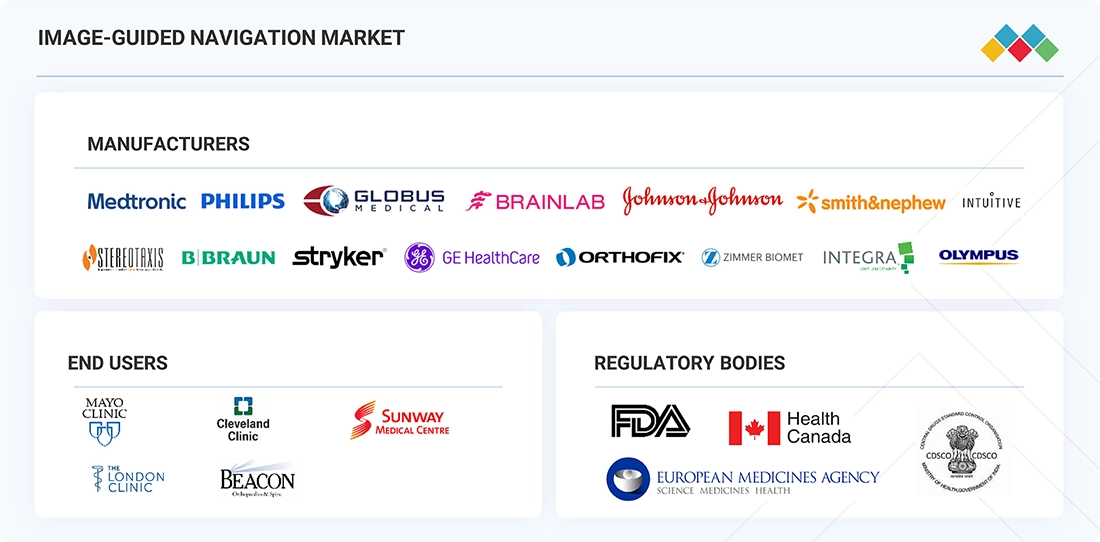
Logos and trademarks shown above are the property of their respective owners. Their use here is for informational and illustrative purposes only.
MARKET SEGMENTS
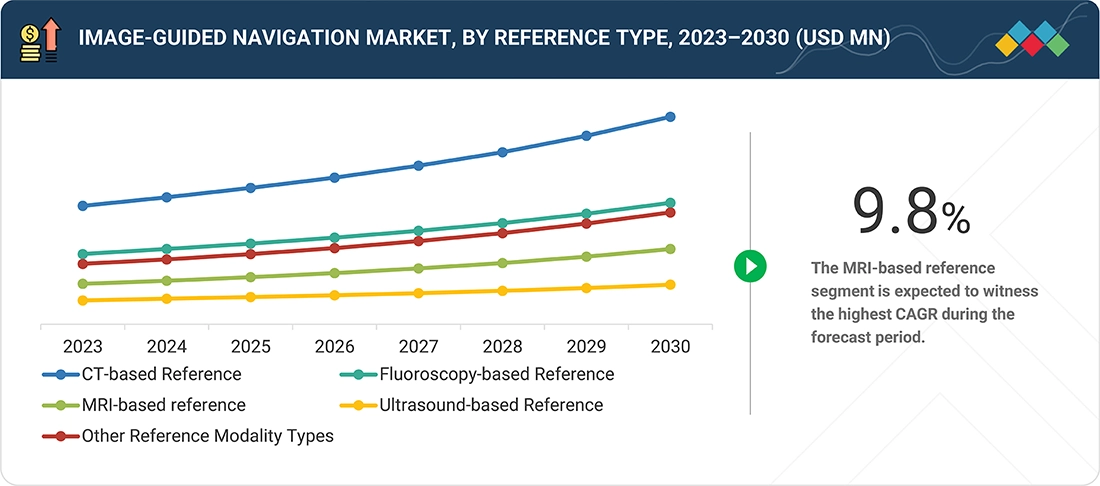
Source: Secondary Research, Interviews with Experts, MarketsandMarkets Analysis
Image-guided Navigation Market, By Reference Type
In 2024, the image-guided navigation market, by reference type, was dominated by CT-based reference. This is owing to its compatibility with high-density anatomical structures and integration with intraoperative imaging suites. CT-guided navigation allows accurate bony landmark registration, which is of utmost importance in neurosurgical and orthopedic procedures, setting it apart from MRI or ultrasound-based systems. It is also facilitated in these applications, given the widespread use of preoperative CT scans for trauma and spinal surgeries that avoid the need for repeat imaging. The solely CT-exclusive features of real-time 3D reconstruction and multiplanar reformatting also significantly improved intraoperative decision-making. The presence of automated CT-to-navigation interfacing protocols facilitates a speedy workflow during surgery and further boosts this segment.
REGION
North America dominated the market in 2024.
North America accounted for the largest share in 2024 in the image-guidance navigation market due to surgical innovations, a high patient population, and extensive capital investment in healthcare technology. For example, the US and Canada have led the integration of robotics and artificial intelligence into surgical navigation for higher precision and safety. The US market is expected to be driven by partnerships among hospitals and technological firms, increased clinical trials, and a high incidence of EHR for real-time information. The Canadian market is growing with government investments in upgrading healthcare infrastructure and improving access to advanced surgeries. Overall, the market is vastly promising for North America with technological developments, supportive policies, and increased demand for minimally invasive treatments.
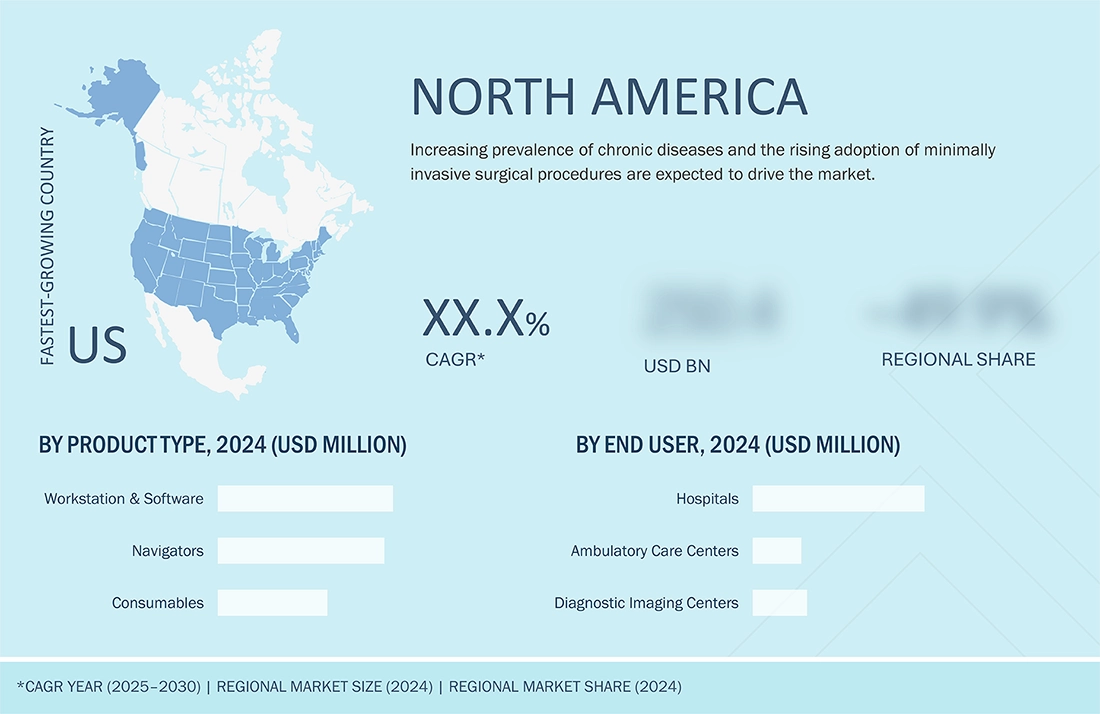
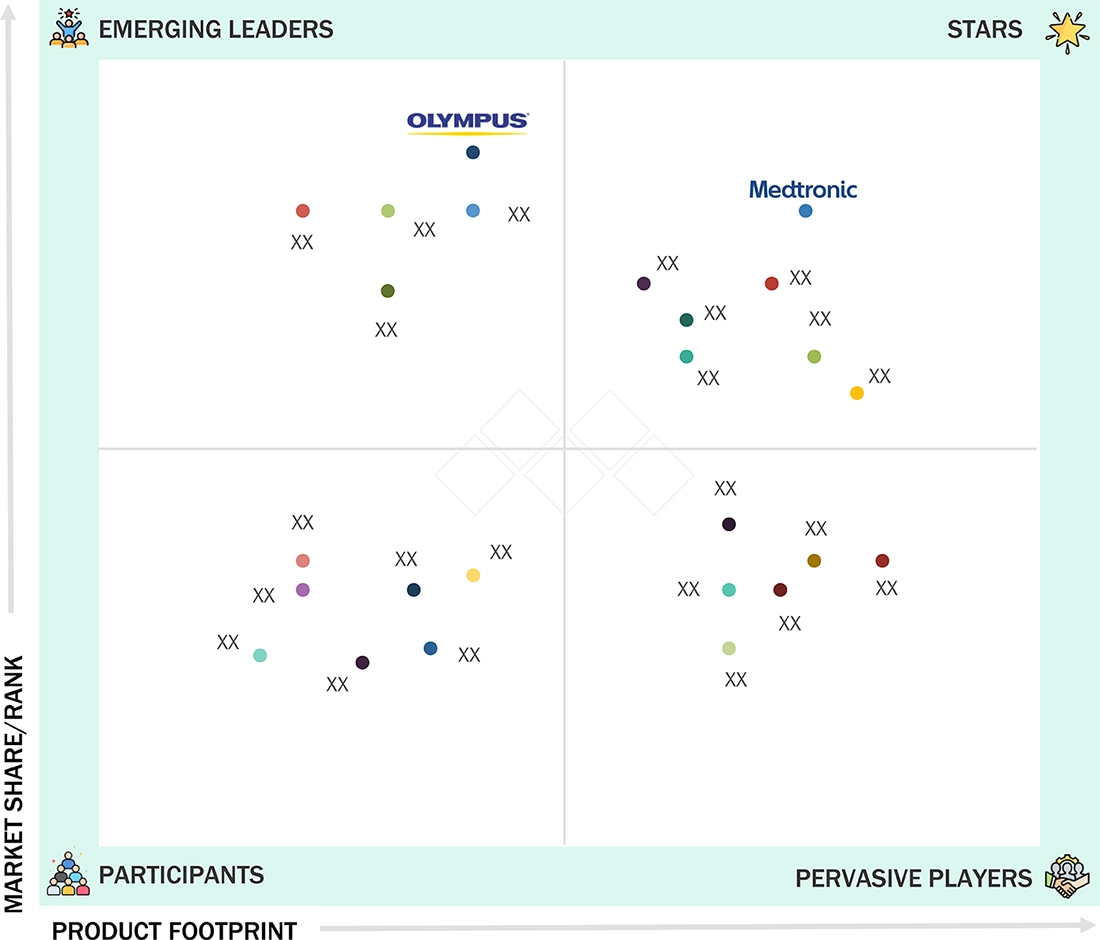
IMAGE-GUIDED NAVIGATION MARKET: GROWTH, SIZE, SHARE, AND TRENDS: COMPANY EVALUATION MATRIX
In the image-guided navigation market matrix, Medtronic (Star) holds a leading position with its global scale, strong distribution network, and comprehensive portfolio of navigation systems. Olympus Corporation (Emerging Leader) is gaining traction with innovative image-guided technologies and advanced surgical solutions. While Medtronic maintains dominance through reach and breadth, Olympus’s innovation-driven approach positions it for rapid growth and movement toward the leaders’ quadrant.
Source: Secondary Research, Interviews with Experts, MarketsandMarkets Analysis
KEY MARKET PLAYERS
- Medtronic (US)
- Brainlab (Germany)
- Stryker (US)
- B. Braun SE (Germany)
- Koninklijke Philips N.V. (Netherlands)
- GE healthcare (US)
- Olympus Corporation (Japan)
- Smith & Nephew (UK)
- Johnson & Johnson (US)
- Globus Medical (UK)
- Sterotaxis (US)
- Orthofix Medical Inc., (US)
- Integra LifeSciences Corporation (US)
- Zimmer Biomet (US)
- Intuitive Surgical (US)
MARKET SCOPE
| REPORT METRIC | DETAILS |
|---|---|
| Market Size in 2024 (Value) | USD 2.36 BN |
| Market Size in 2032 (Value) | USD 4.05 BN |
| CAGR | 9.0% |
| Years Considered | 2023–2030 |
| Base Year | 2024 |
| Forecast Period | 2025–2030 |
| Units Considered | Value (USD BN), Volume (Thousand Units) |
| Report Coverage | Revenue forecast, company ranking, competitive landscape, growth factors, and trends |
| Segments Covered | • By Product Type: Workstations & Software, Navigators, and Consumables |
| Regional Scope | North America, Asia Pacific, Europe, Latin America, and the Middle East & Africa |
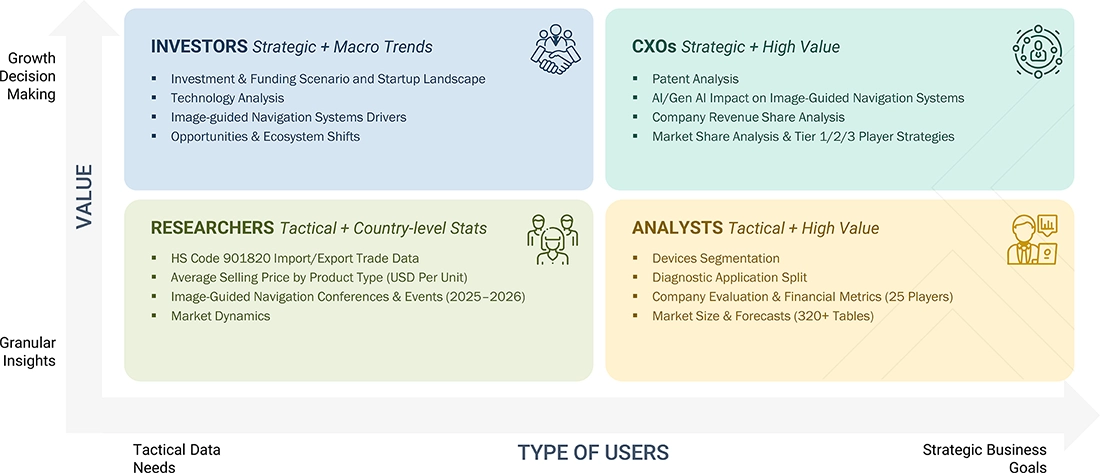
WHAT IS IN IT FOR YOU: IMAGE-GUIDED NAVIGATION MARKET: GROWTH, SIZE, SHARE, AND TRENDS REPORT CONTENT GUIDE
DELIVERED CUSTOMIZATIONS
We have successfully delivered the following deep-dive customizations:
| CLIENT REQUEST | CUSTOMIZATION DELIVERED | VALUE ADDS |
|---|---|---|
| Product Analysis | Comparison of Top Image-Guided Navigation Market: CT-based Reference, MRI-based Reference, Fluoroscopy-based Reference, Ultrasound-based Reference, Other Reference Modality Types | Helps clients identify the most suitable product type for different applications, supporting informed procurement and investment decisions |
| Company Information | Key players: Medtronic (US), Brainlab (Germany), Stryker (US), B. Braun SE (Germany), and Koninklijke Philips N.V. (Netherlands); Top 3-5 players market share analysis at the country-level for the Asia Pacific and European | Provides clarity on competitive positioning and market dynamics, enabling benchmarking against leading players and evaluating partnership or expansion opportunities |
| Geographic Analysis | Further breakdown of the rest of Europe’s market into Austria, Finland, the Netherlands, and Switzerland, and the rest of Latin America’s market into Argentina, Colombia, and Chile | Delivers deeper regional insights, allowing clients to target niche markets and tailor regional strategies for higher market penetration |
RECENT DEVELOPMENTS
- March 2025 : Olympus Corp. (Japan) announced the launch of its first AI-powered clinical decision tool through a strategic partnership with software firm Ziosoft (US).
- April 2024 : India Medtronic Private Limited, a wholly owned subsidiary of Medtronic plc, announced the launch of India’s first NeuroSmartTM Portable Micro Electrode Recording (MER) Navigation system for Parkinson’s treatment. Deep brain stimulation (DBS) is a treatment for symptoms of Parkinson’s disease, including tremors, stiffness, and difficulty walking. DBS is a therapy in which a small pacemaker-like device sends electrical signals through very thin wires, known as leads, to a targeted area in the brain related to the symptoms.
- November 2024 : Brainlab and Nexstim collaborated to develop and distribute new solutions and improved workflows in the neurosurgery field. Nexstim has created a world-leading non-invasive brain mapping technology based on navigated transcranial magnetic stimulation (nTMS).
- July 2024 : Stryker received product approval from the FDA for its Spine guidance software, a software that supports bone resection, pedicle preparation, and screw delivery to enhance patient outcomes.
- September 2023 : Globus Medical merged with NuVasive, Inc., a company renowned for its minimally invasive, procedurally integrated spine solutions, with a deal size of USD 3.1 billion.
Table of Contents
 Exclusive indicates content/data unique to MarketsandMarkets and not available with any competitors.
Methodology
This study extensively used both primary and secondary sources. The research involved studying various factors affecting the industry to identify segmentation types, industry trends, key players, competitive landscape, key market dynamics, and key player strategies.
Secondary Research
This research study involved the usage of comprehensive secondary sources; directories; databases such as Bloomberg Business, Factiva, and Dun & Bradstreet; white papers; annual reports; company house documents; investor presentations; and SEC filings of companies. Secondary research was used to identify and collect information useful for an extensive, technical, market-oriented, and commercial study of the image-guided navigation market. It was also used to obtain important information about the key players, market classification and segmentation according to industry trends to the bottommost level, and key developments related to market and technology perspectives. A database of the key industry leaders was also prepared using secondary research.
Primary Research
In the primary research process, various sources from both the supply and demand sides were interviewed to obtain qualitative and quantitative information for this report. Primary sources from the supply side include project/sales/marketing/business development managers, presidents, CEOs, vice presidents, chairpersons, chief operating officers, chief strategy officers, directors, chief information officers, and chief medical information officers related to the image-guided navigation markets. Primary sources from the demand side include healthcare professionals from hospitals, ambulatory surgery centers, and diagnostic imaging centers.
A breakdown of the primary respondents is provided below:
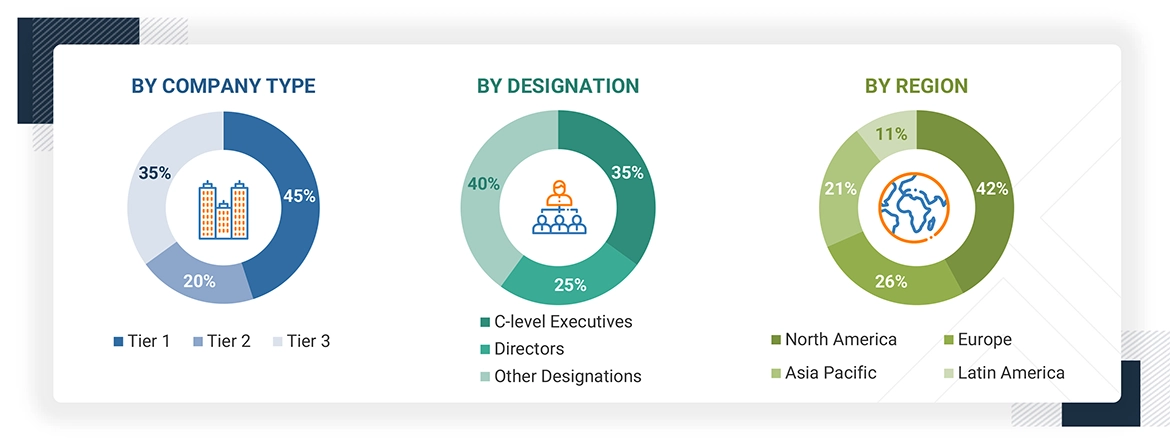
Note 1: C-level primaries include CEOs, COOs, CTOs, and VPs.
Note 2: Other designations include sales, marketing, and product managers.
Note 3: Tiers are defined based on a company’s total revenue as of 2024: Tier 1 = >USD 1 billion, Tier 2 = USD 500 million to USD 1 billion, and Tier 3 = < USD 500 million.
To know about the assumptions considered for the study, download the pdf brochure
Market Size Estimation
The total size of the image-guided navigation market was arrived at after data triangulation from two different approaches: Top-down and Bottom-up. After each approach, the weighted average of the three approaches was taken based on the level of assumptions used in each approach.
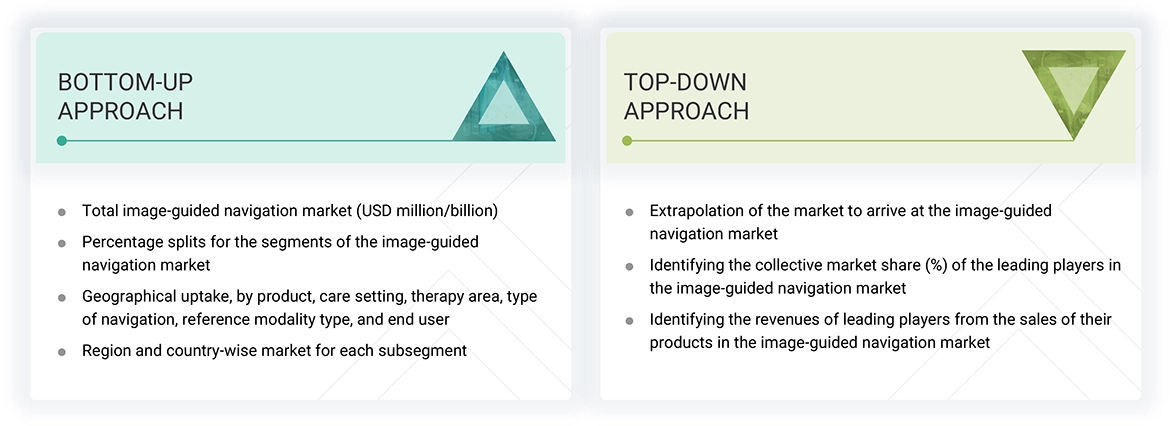
Data Triangulation
After arriving at the market size, the total market was divided into several segments and subsegments. Data triangulation and market breakdown procedures were employed wherever applicable to complete the overall market engineering process and arrive at the exact statistics for all segments and subsegments. The following figure shows the market validation, source structure, and data triangulation methodology implemented in the market engineering process.
Market Definition
Image-guided navigation (IGN) is a healthcare technology that improves the accuracy and precision of surgical and interventional procedures by offering real-time visualization of instruments about a patient's anatomy. It combines preoperative imaging, including CT, MRI, or ultrasound, with optical, electromagnetic, or robotic-assisted guidance and intraoperative tracking techniques.
Stakeholders
- Manufacturers of image-guided navigation systems
- Image-guided navigation device distributors
- Healthcare service providers
- Various research associations related to image-guided navigation
- Research institutes
- Venture capitalists and investors
- Various research and consulting companies
- World Health Organization (WHO)
- Organization for Economic Co-operation and Development (OECD)
- National Institutes of Health (NIH)
- Centers for Disease Control and Prevention (CDC)
Report Objectives
- To define, describe, segment, and forecast the image-guided navigation market, by product, care setting, therapy area, type of navigation, reference modality type & end user, and region
- To provide detailed information about the factors influencing market growth (such as drivers, restraints, opportunities, and challenges)
- To analyze micro markets with respect to individual growth trends, prospects, and contributions to the overall image-guided navigation market
- To analyze market opportunities for stakeholders and provide details of the competitive landscape for key players
- To forecast the size of the image-guided navigation market in five main regions (along with their respective key countries), namely, North America, Europe, the Asia Pacific, Latin America, and the Middle East & Africa
- To profile the key players in the image-guided navigation market and comprehensively analyze their core competencies and market shares
- To track and analyze competitive developments such as acquisitions, product launches, expansions, collaborations, agreements, and partnerships are the principal growth strategies adopted by market players in the image-guided navigation market


Personalize This Research
- Triangulate with your Own Data
- Get Data as per your Format and Definition
- Gain a Deeper Dive on a Specific Application, Geography, Customer or Competitor
- Any level of Personalization
Let Us Help You
- What are the Known and Unknown Adjacencies Impacting the Image-guided Navigation Market
- What will your New Revenue Sources be?
- Who will be your Top Customer; what will make them switch?
- Defend your Market Share or Win Competitors
- Get a Scorecard for Target Partners

Custom Market Research Services
We Will Customise The Research For You, In Case The Report Listed Above Does Not Meet With Your Requirements
Get 10% Free CustomisationTESTIMONIALS

JAYANT RAJPUROHIT
Director of Market Insights, Data and Analytics
SFI Health,
Leading Pharmaceutical Companywww.sfihealth.com/

We at SFI Health approached MarketsandMarkets for an Opportunity Assessment on "Incidence and Prevalence of Focus Indications" as we wanted to know the most attractive HCPs like Physician, Functional MD, Naturopath and Pharmacist. The project was critical for us to ensure our focus on the right target which would enable sustainable growth and profitability for SFI Health. The business insights provided exceeded our expectations and we were extremely impressed. The team at MarketsandMarkets is highly professional and detail oriented and very well understood our business needs. MarketsandMarkets offers a unique combination of expertise and dedicated engagement model. We identified 2 new products to be launched in coming months, based on the research findings provided by MarketsandMarkets. We are happy with the services and would strongly recommend MarketsandMarkets to my peers in the industry.

BEATRIZ DE LA CALLE
Head of Commercial Analytics
Qualicaps,
Leading Pharmaceutical Companywww.qualicaps.com/

We partnered with MarketsandMarkets for an assessment study on hard empty capsules. The team was extremely professional in understanding our business requirements and we received timely responses to all our queries. The market intelligence and the recommendations has met our business requirements. We were extremely impressed to see the final study results; it really exceeded our expectations. The market intelligence offered by MarketsandMarkets, and clarity on next steps will help us achieve our business objective for the Year 2021. We are happy with the services and would strongly recommend MarketsandMarkets to my peers in the industry.

Bob Williams,
Senior Director Business Development & Innovation
Bracco Diagnostics Inc.,
Italian Multinational in life sciences sector and a World Leader in imaging diagnosticsimaging.bracco.com/us-en
We were pleased with targeted insights that MarketsandMarkets identified from a custom study on the 'Radiation Dose Management Solutions Market'. Your team identified and characterized the market participants as well as underlying trends accurately. This study was useful to Bracco in formulating business strategies for our dose monitoring product lines and we thank MarketsandMarkets for the job well done.
Cody Coonradt,
Market Development and Strategy Manager
3M Health Information Systems,
Leader in Health care Coding, Payment & Analytics Solutions.www.3m.com/3M/en_US/health-information-systems-us
The value for our organization comes from three things: depth of research, specificity of segments and being easy to work with. As important as the first two are, the third can't be underestimated. MarketsandMarkets, maybe more than any other research vendor, wants to know what is top of mind for our team and what big questions we are grappling to answer.
Their customer first approach and high value engagement model, have given us great analysis and excellent value for money
- US Image-guided Navigation Market
- Canada Image-guided Navigation Market
- Germany Image-guided Navigation Market
- UK Image-guided Navigation Market
- France Image-guided Navigation Market
- Italy Image-guided Navigation Market
- Spain Image-guided Navigation Market
- China Image-guided Navigation Market
- Japan Image-guided Navigation Market
- India Image-guided Navigation Market
- South Korea Image-guided Navigation Market
- Australia Image-guided Navigation Market
- Brazil Image-guided Navigation Market
- Mexico Image-guided Navigation Market
- Argentina Image-guided Navigation Market
- Rest Of Europe Image-guided Navigation Market
- Rest Of Asia Pacific Image-guided Navigation Market
- Rest Of Latin America Image-guided Navigation Market






Growth opportunities and latent adjacency in Image-guided Navigation Market