North America Chromatography Resins Market

North America Chromatography Resins Market by Technique (Ion Exchange (Cation and Anion), Affinity, Hydrophobic Interaction, Mixed Mode), Application (Pharmaceutical & Biotechnology), Type (Natural, Synthetic, Inorganic Media), and Country - Forecast to 2030




OVERVIEW
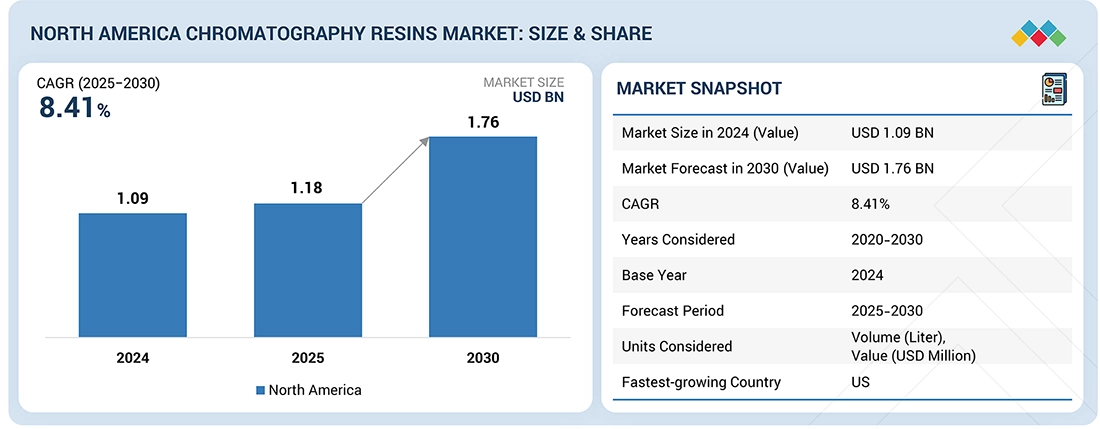
Source: Secondary Research, Interviews with Experts, MarketsandMarkets Analysis
The North America chromatography resins market is projected to reach USD 1.76 billion by 2030 from USD 1.18 billion in 2025, at a CAGR of 8.41% from 2025 to 2030. Chromatography resin is a matrix of natural and synthetic polymers (dextran, cellulose, and agarose) or inorganic materials (silica and polyacrylamide). This matrix separates or purifies complex mixtures through a set of techniques. The chromatography resins market is growing rapidly due to increasing biopharmaceutical production, rising demand for high-purity biomolecule separation, technological advancements in resin performance, expanding applications in food, diagnostics, and environmental analysis, and a growing focus on sustainable purification processes.
KEY TAKEAWAYS
-
BY TECHNIQUEThe affinity chromatography technique is projected to be the second-fastest growing technique with a CAGR of 8.69% in terms of value during the forecast period .
-
BY APPLICATIONPharmaceutical & biotechnology is projected to be the fastest-growing application with a CAGR of 8.55% in terms of value during the forecast period.
-
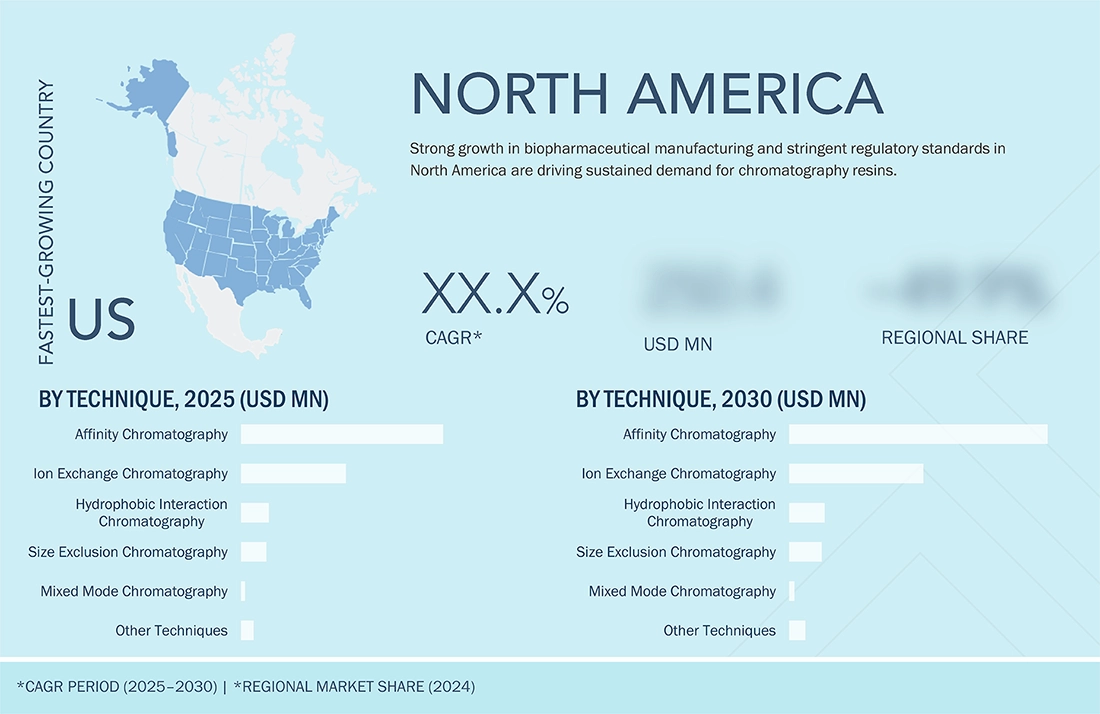
BY COUNTRYThe US dominated the North America chromatography resins market, with a share of 83.14% in terms of value in 2025.
-
COMPETITIVE LANDSCAPE - KEY PLAYERSBio-Rad Laboratories, Inc., Danaher Corporation, and Avantor, Inc. are identified as key players in the North America chromatography resins market. These companies have strong market presence and extensive product portfolios.
-
COMPETITIVE LANDSCAPE - STARTUPSPurolite, among other emerging players, has established a strong position within specialized niche segments, highlighting its potential to become a future market leader.
The North America chromatography resins market's growth is mainly driven by the high-purity biomolecules demand for pharmaceuticals & biotechnology, food and beverage, and water & environmental analysis applications. The increasing production of monoclonal antibodies, vaccines, and recombinant proteins is indirectly driving demand for effective purification solutions. New technologies, such as mixed mode and synthetic resins, play a vital role in enhancing selectivity, stability, and performance. The impeccable separation of the most complex compounds is thus made possible. Furthermore, strict regulations on product safety and quality are encouraging market acceptance more than ever.
TRENDS & DISRUPTIONS IMPACTING CUSTOMERS' CUSTOMERS
Clients’ shifting priorities in pharmaceutical, biotechnology, food & beverage, and environmental analysis are transforming market demands in North America, with a growing focus on efficiency, sustainability, and regulatory compliance driving the adoption of advanced chromatography resins. These evolving needs are reshaping business strategies and will significantly impact the future revenue mix, emphasizing innovative solutions, diversified applications, and expansion into emerging countries.
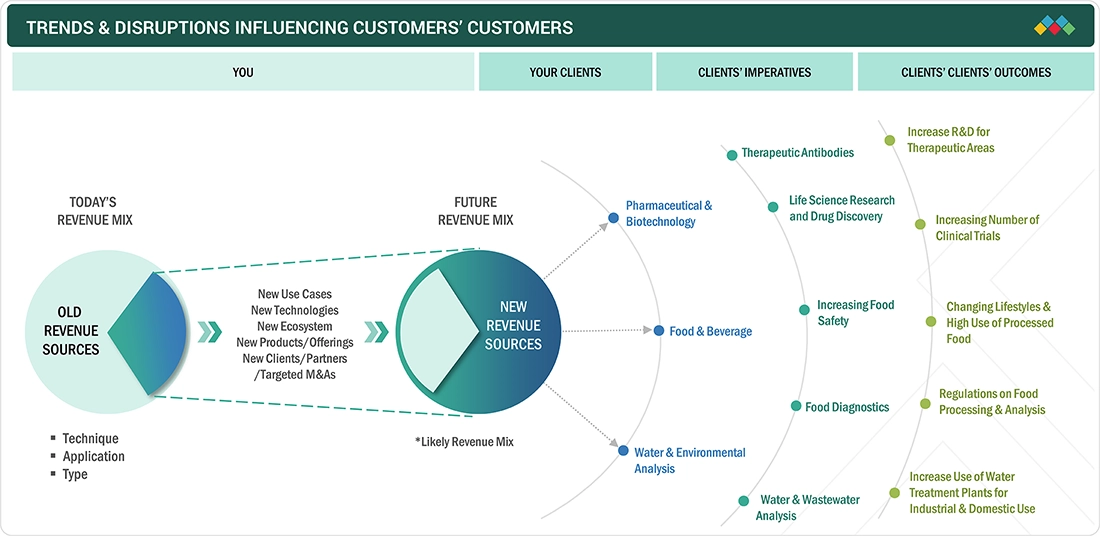
Source: Secondary Research, Interviews with Experts, MarketsandMarkets Analysis
MARKET DYNAMICS

Level
-
Rapid growth of biopharmaceutical and biologics manufacturing

-
Stringent regulatory requirements for product purity and quality compliance


Level
-
High cost of advanced chromatography resins

-
Complex validation and resin qualification requirements


Level
-
Growing adoption of continuous and intensified bioprocessing

-
Rising demand for customized and application-specific chromatography resins


Level
-
Balancing performance improvement with sustainability and environmental compliance

-
Managing supply chain reliability and resin availability

Source: Secondary Research, Interviews with Experts, MarketsandMarkets Analysis
Driver: Rapid growth of biopharmaceutical and biologics manufacturing
North America hosts one of the most advanced biopharmaceutical ecosystems worldwide, with the US being the primary player and having a considerable development pipeline in monoclonal antibodies, vaccines, cell and gene therapies, and even biosimilars. To supply these products, downstream purification processes must be highly efficient and reproducible; this is where chromatography resins play a critical role. Manufacturers of pharmaceuticals are increasingly turning to high-performance affinity, ion exchange, and mixed-mode resins to achieve the required purity levels for regulatory compliance as production volumes increase and the molecules become more complex. The big biopharma companies and CDMOs have a presence, which further stimulates the ongoing demand in the clinical and commercial manufacturing stages.
Restraint: High cost of advanced chromatography resins
The use of advanced chromatography resins, primarily affinity and specialty, incurs high manufacturing costs and ligand development expenses initially. Such costs significantly impact the overall bioprocessing expenses and may therefore limit small and mid-sized biopharma companies and research institutions in North America from making adoption or scale-up decisions. Moreover, the operational costs are raised by resin replacement, cleaning validation, and lifecycle management. Although large manufacturers are well-positioned to handle these costs, price sensitivity to some extent remains an issue for newcomers in the market, particularly during early-stage development and pilot-scale production.
Opportunity: Growing adoption of continuous and intensified bioprocessing
Continuous bioprocessing and the intensification of downstream processes are the main trends in North America, where the adoption of these technologies is widespread. This shift creates significant opportunities for chromatography resins designed for higher throughput, faster flow rates, and extended reuse cycles. Those resin manufacturers who can create products that operate continuously, remain stable over multiple cycles, and meet the requirements of automation will be the ones to benefit the most. The growing acceptance of continuous manufacturing by regulatory bodies will drive the significant demand for next-generation resins tailored for these processes.
Challenge: Balancing performance improvement with sustainability and environmental compliance
North American manufacturers are seeking improved resin performance, including higher binding capacity, selectivity, and durability, while also facing the demand for more sustainable and environmentally friendly processes. The challenge for resin developers is to reduce leachable, solvent usage, and waste generation while maintaining purification efficiency. Product development is made more difficult due to the necessity of complying with stringent regulations while simultaneously commercializing or recycling materials. The performance and sustainability demands pose a major challenge for suppliers in the area.
NORTH AMERICA CHROMATOGRAPHY RESINS MARKET: COMMERCIAL USE CASES ACROSS INDUSTRIES
| COMPANY | USE CASE DESCRIPTION | BENEFITS |
|---|---|---|
 |
Purification of monoclonal antibodies and recombinant proteins in drug manufacturing | High purity and consistency, critical for therapeutic protein production, and ensures regulatory compliance |
 |
Purification and separation of sweeteners and flavor compounds | Improves product consistency, ensures safety and quality, and supports efficient processing |
 |
Chromatography resins for heavy metal removal and water purification | Efficient contaminant removal, scalable process, and improves water quality for industrial use |
Logos and trademarks shown above are the property of their respective owners. Their use here is for informational and illustrative purposes only.
MARKET ECOSYSTEM
The chromatography resins market ecosystem in North America comprises a network of stakeholders interconnected through various relationships, including suppliers of raw materials, manufacturers, distributors, and end-users of the products. The suppliers of raw materials are those who deliver the essential materials necessary for resin production, which in turn enables manufacturers to create chromatography resins based on specialized technologies. It is the distributors and suppliers who build the bridge between manufacturing companies and the consumers at the end of the supply chain, helping to make the supply and distribution processes more efficient and thereby increasing operational efficiency and profitability.
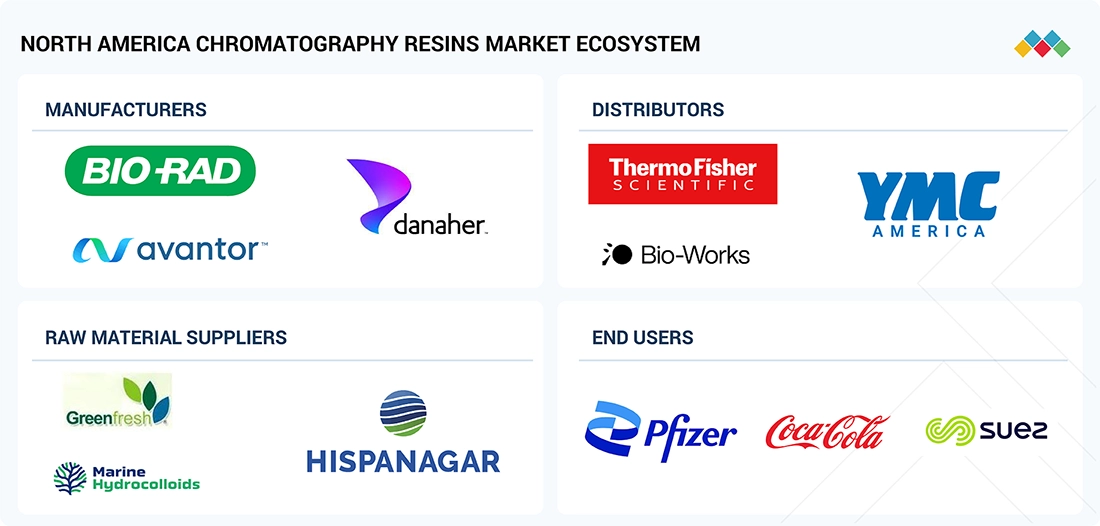
Logos and trademarks shown above are the property of their respective owners. Their use here is for informational and illustrative purposes only.
MARKET SEGMENTS
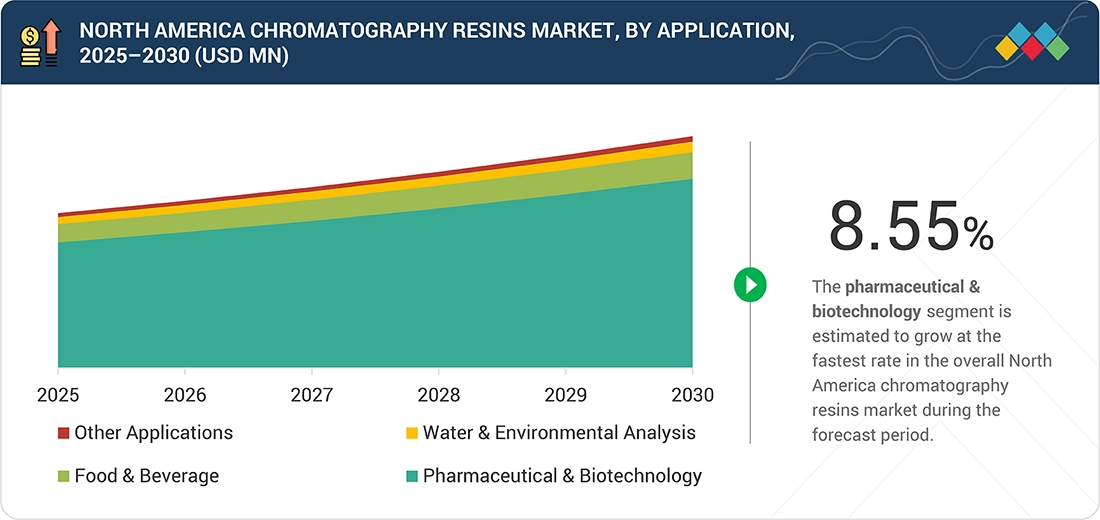
Source: Secondary Research, Interviews with Experts, MarketsandMarkets Analysis
Chromatography Resin Market, by Technique
Ion exchange chromatography is the second-largest technique in the North America chromatography resins market, owing to its wide range of applications, economical usage, and excellent performance in the separation of charged biomolecules. It finds applications in the purification of proteins, enzymes, nucleic acids, and vaccines in biopharmaceutical manufacturing and analytical laboratories. Manufacturers in North America prefer ion exchange resins for intermediate and polishing steps since the performative benefits such as high binding capacity, scalability, and operational flexibility under cGMP condition are key. Moreover, their compatibility with high-throughput applications and relatively low cost compared to affinity resins contribute to making them the choice for large-scale production. Continuous enhancements in resin chemistry and durability conditions further support their wide acceptance in the region.
Chromatography Resin Market, by Application
The food & beverage application segment accounted for the second-largest share in the North America market, driven by the region's emphasis on food safety, quality control, and regulatory compliance. The wide array of applications for chromatography resins includes food additives, sweeteners, flavor compounds, vitamins, and protein analysis and purification, as well as the detection of contaminants like pesticides, toxins, and residues. Stringent regulations imposed by organizations like the US FDA and Canadian Food Inspection Agency (CFIA) lead to a constant need for separation technologies that are both reliable and reproducible. At the same time, the rising trend toward clean-label and natural food products has also led to an increase in the demand for sophisticated analytical testing. The ongoing advancements in liquid chromatography techniques are also a factor contributing to the growing use of resins in food processing and testing laboratories in North America.
REGION
US accounted for the largest share of the North America chromatography resins market in 2024
The US accounts for the largest share of the North America chromatography resins market, primarily due to the presence of a robust and secure pharmaceutical & biotechnology industry, as well as strong leadership in the area of biologics development. The country is home to a large number of biopharmaceutical producers, contract development and manufacturing organizations (CDMOs), and research centers that are completely dependent on chromatography resins for their downstream purification and analytical methods. The US FDA's rigorous regulation facilitates the demand for high-performance and validated resins. In addition to this, substantial investments in R&D for biopharmaceuticals, huge production capacity, and state-of-the-art analytical facilities are all factors that together keep the US at the forefront of the regional market for chromatography resins.
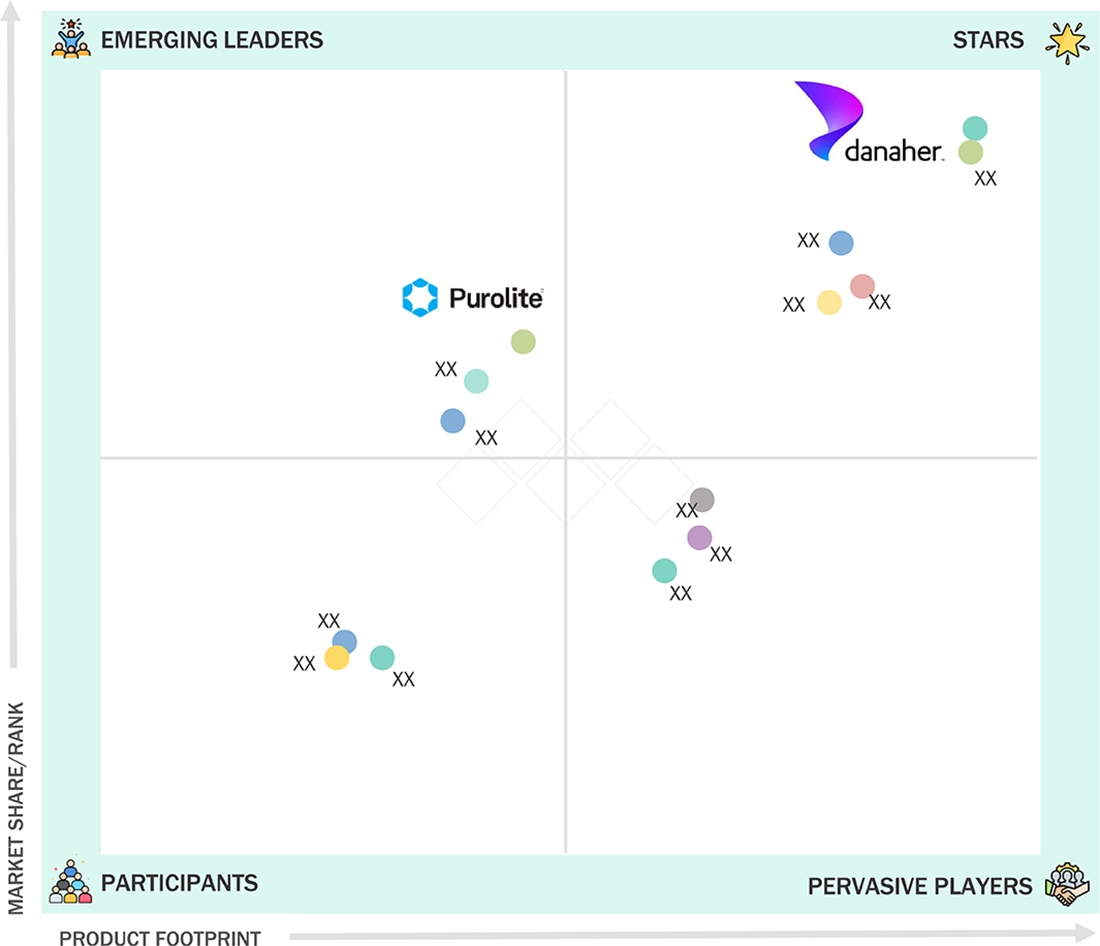
NORTH AMERICA CHROMATOGRAPHY RESINS MARKET: COMPANY EVALUATION MATRIX
In the chromatography resins market matrix, Danaher Corporation (Star) leads with a strong market presence and wide product portfolio, driving large-scale adoption across the industry. Purolite Inc. (Emerging Leader) is gaining notable momentum within the chromatography resins market through the introduction of innovative solutions. These enhancements are positioning the company as a key player in the industry. While Danaher Corporation dominates with scale, Purolite Inc. shows strong growth potential to advance toward the leaders’ quadrant.
Source: Secondary Research, Interviews with Experts, MarketsandMarkets Analysis
KEY MARKET PLAYERS
MARKET SCOPE
| REPORT METRIC | DETAILS |
|---|---|
| Market Size in 2024 (Value) | USD 1.09 BN |
| Market Forecast in 2030 (Value) | USD 1.76 BN |
| Growth Rate | CAGR of 8.41% from 2025−2030 |
| Years Considered | 2020−2030 |
| Base Year | 2024 |
| Forecast Period | 2025−2030 |
| Units Considered | Value (USD Million), Volume (Liter) |
| Report Coverage | Revenue Forecast, Company Ranking, Competitive Landscape, Growth Factors, and Trends |
| Segments Covered |
|
| Regional Scope | North America (US, Canada, & Mexico) |
WHAT IS IN IT FOR YOU: NORTH AMERICA CHROMATOGRAPHY RESINS MARKET REPORT CONTENT GUIDE
DELIVERED CUSTOMIZATIONS
We have successfully delivered the following deep-dive customizations:
| CLIENT REQUEST | CUSTOMIZATION DELIVERED | VALUE ADDS |
|---|---|---|
| US-based Chromatography Resins Manufacturer |
|
|
| Canada-based Chromatography Resins Manufacturer |
|
|
RECENT DEVELOPMENTS
- May 2025 : Purolite launched Praesto CH1 Chromatography Resin, which is a 70µm agarose-based resin developed for specialized purification processes in biopharmaceutical manufacturing. It is engineered for high flow rates and robust performance in demanding applications.
- October 2023 : Repligen Corporation acquired Sweden-based Metenova AB to strengthen its fluid management portfolio in bioprocessing. The acquisition introduced advanced magnetic mixing technologies and the MixOne single-use platform to Repligen’s product lineup, thereby enhancing its capabilities in both upstream and downstream applications.
- November 2021 : Thermo Fisher Scientific announced its acquisition of Belgium-based PharmaFluidics, the developer of the μPAC range of micro-chip-based chromatography columns. The μPAC portfolio acquisition complements Thermo Fisher’s existing chromatography solutions, delivering extended analytical capabilities to researchers.
Table of Contents
 Exclusive indicates content/data unique to MarketsandMarkets and not available with any competitors.
Methodology
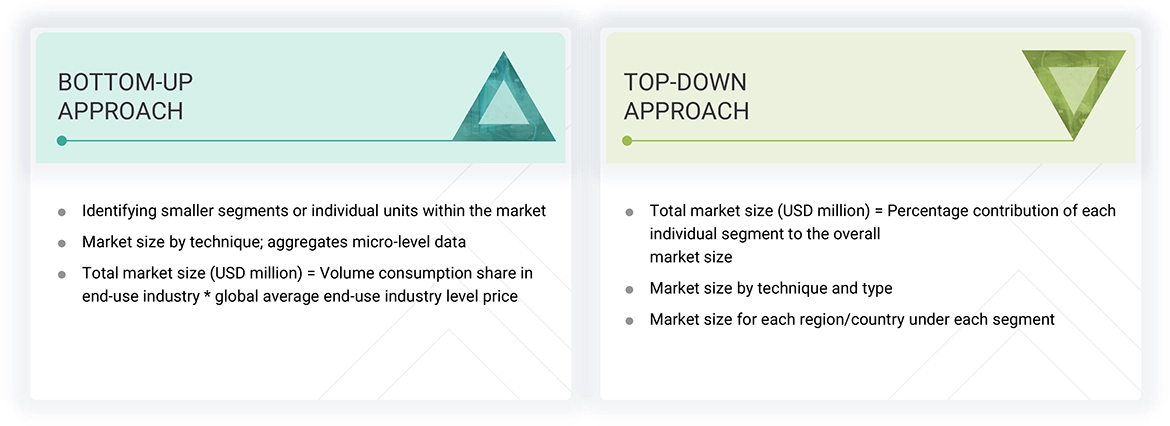
The study involved four major activities in estimating the market size for the North America chromatography resins market. Exhaustive secondary research was done to collect information on the market, the peer market, and the parent market. The next step was to validate these findings, assumptions, and sizing with industry experts across the value chain through primary research. Both top-down and bottom-up approaches were employed to estimate the complete market size. After that, the market breakdown and data triangulation procedures were used to estimate the market size of the segments and subsegments.
Secondary Research
Secondary sources used in this study included annual reports, press releases, and investor presentations of companies; white papers; certified publications; articles from recognized authors; and gold standard & silver standard websites such as Factiva, ICIS, Bloomberg, and others. The findings of this study were verified through primary research by conducting extensive interviews with key officials such as CEOs, VPs, directors, and other executives. The breakdown of profiles of the primary interviewees is illustrated in the figure below:
Primary Research
The North America chromatography resins market comprises several stakeholders, such as raw material suppliers, end-product manufacturers, and regulatory organizations in the supply chain. The demand side of this market is characterized by key opinion leaders in various applications for the North America chromatography resins market. The supply side is characterized by advancements in technology and diverse application industries. Various primary sources from both the supply and demand sides of the market were interviewed to obtain qualitative and quantitative information.
To know about the assumptions considered for the study, download the pdf brochure
| COMPANY NAME | DESIGNATION | |
|---|---|---|
| Danaher Corporation | Senior Manager | |
| Bio-Rad Laboratories, Inc. | Innovation Manager | |
| Bio-Works Technologies AB | Vice-President | |
| Tosoh Corporation | Production Supervisor | |
| Thermo Fisher Scientific Inc. | Sales Manager | |
Market Size Estimation
Both top-down and bottom-up approaches were used to estimate and validate the total size of the North America chromatography resins market. These methods were also used extensively to estimate the size of various subsegments in the market. The research methodology used to estimate the market size includes the following:
- The key players in the industry have been identified through extensive secondary research.
- The supply chain of the industry has been determined through primary and secondary research.
- All percentage shares, splits, and breakdowns have been determined using secondary sources and verified through primary sources.
- All possible parameters that affect the markets covered in this research study have been accounted for, viewed in extensive detail, verified through primary research, and analyzed to obtain the final quantitative and qualitative data.
Data Triangulation
After arriving at the overall market size—using the market size estimation processes as explained above—the market was split into several segments and subsegments. To complete the overall market engineering process and arrive at the exact statistics of each market segment and subsegment, data triangulation, and market breakdown procedures were employed, wherever applicable. The data was triangulated by studying various factors and trends from both the demand and supply sides in the North America chromatography resins industry.
Market Definition
Chromatography resins are insoluble matrix materials used in chromatography procedures to resolve, purify, or characterize complex mixtures of biological or chemical compounds. Different types of these resins have stationary phases designed to be natural polymers (agarose or cellulose), synthetic polymers, and inorganic media. They interact with target molecules, and this allows their accurate separation and purification by mechanisms that include ion exchange, affinity, hydrophobic interaction, size exclusion, and others. Chromatography resins find extensive use in industries like pharmaceutical industries, biotechnology industries, food & beverage manufacturing industries, environmental testing, and research laboratories. They are of paramount importance in single small-scale manufacturing of biopharmaceutical products, including monoclonal antibodies, vaccines, and recombinant proteins. The Chromatography resins market includes areas of production and development of these resins as well as their distribution, which have been motivated by the modernization in the bioseparation technologies, regulatory requirements, and the growing investment in the life sciences and analytical testing.
Stakeholders
- North America Chromatography Resins Manufacturers
- North America Chromatography Resins Distributors
- Raw Material Suppliers
- Service Providers
- Packaging Companies
- Government and Research Organizations
Report Objectives
- To define, describe, segment, and forecast the transfection technologies market by product type, method, application, end user, and region
- To provide detailed information about the major factors (such as drivers, restraints, opportunities, and challenges) influencing the market growth
- To strategically analyze micromarkets1 with respect to individual growth trends, prospects, and contributions to the overall market
- To analyze market opportunities for stakeholders and provide details of the competitive landscape for key players
- To profile the key players in the transfection technologies market and comprehensively analyze their core competencies2 and market shares
- To track and analyze competitive developments, such as product launches, acquisitions, expansions, collaborations, agreements, and partnerships of the leading players in the transfection technologies market
- To benchmark players within the transfection technologies market using the 'Company Evaluation Matrix' framework, which analyzes market players based on various parameters, including product portfolio, geographic reach, and market share/rank


Personalize This Research
- Triangulate with your Own Data
- Get Data as per your Format and Definition
- Gain a Deeper Dive on a Specific Application, Geography, Customer or Competitor
- Any level of Personalization
Let Us Help You
- What are the Known and Unknown Adjacencies Impacting the North America Chromatography Resins Market
- What will your New Revenue Sources be?
- Who will be your Top Customer; what will make them switch?
- Defend your Market Share or Win Competitors
- Get a Scorecard for Target Partners

Custom Market Research Services
We Will Customise The Research For You, In Case The Report Listed Above Does Not Meet With Your Requirements
Get 10% Free CustomisationTESTIMONIALS
We at Nissan Chemicals Corporation have been clients of MarketsandMarkets for more than a year now. We recently consulted MarketsandMarkets for a study, the team at MarketsandMarkets was extremely professional and organized. The business insights were very detailed and aligned well with our expectations that really helped us formulate the Business Plans and device new strategies for development themes. MarketsandMarkets offers a unique combination of expertise and dedicated engagement model. Their research findings have helped us in designing our Pricing Strategy which will make it easier for us to predict the future sales and profits for the next ten years. We look forward to working with MarketsandMarkets in the future.
VP of Strategy & New Business Development
Leading Specialty Chemical Company
The MarketsandMarkets Engagement Model, composed of both the Knowledge Store and advisory custom research, has greatly helped us in understanding our markets and making strategic decisions. The Knowledge Store is a fast way to allow everyone in our organization to understand more about most any market they are interested in. The ability to then get custom research done and get answers to specific strategic questions and market insight has been spectacular. The Markets and Markets team feel more like colleagues than vendors and their services have helped us change our culture where statements of things like growth opportunities and competitive position are always backed by industry research.

Rich Gibson,
Director, Corporate Strategy
Milliken & Company,
Leading Industrial Manufacturer of specialty chemical, floor covering, performance and protective textile materials, and healthcaremilliken.com
MarketsandMarkets is a trusted resource that helps us to better understand markets that are near-adjacencies-whether its technology, value chain or geography. Their Knowledge Store platform provides a dashboard of markets and their characteristics which is easy to use and saves us time.
Adam Shaw,
Market Development and Strategy Manager
AdvanSix Inc. USA,
An American Leader in Chemicalswww.advansix.com
The Knowledge Store from MarketsandMarkets is a valuable tool which has helped my team acquire greater insight in to the end markets that our business serves. This has enabled us to help our company build stronger strategies throughout our planning process.
TOSHIO KINOSHITA
Senior Chif Consultion Research & Consulting Division
Mitsubishi Chemical Research Corporation,
Leading Manufacturer of Chemical Productswww.mitsubishichem-res.co.jp/en/

We recently engaged with MarketsandMarkets for a study, the team not only clearly understood our business objectives but was also extremely professional in the way they handled the entire project. The study was efficiently conducted in a phase-wise manner, and the engagement model furnished us with high-quality business insights that far exceeded our expectations at each phase. We were especially happy that MarketsandMarkets could provide us with both, an English as well as a Japanese version of the study. A special thanks to the Analyst Team and Client Services Team, whose fluency in Japanese enhanced our comfort level, as we could converse with them in our preferred language.
Independent entrepreneurs
Arrow Precision
We approached MarketsandMarkets for study on Proppants Market, and their work exceeded our expectations. The study conducted was comprehensive and enabled us to view the market through the various dimensions. In addition, the team was extraordinarily responsive throughout the process and resolved our queries on time. I strongly recommend MarketsandMarkets and will certainly consider them for additional market assessments we will need in the future.
Global engineering company, Japan
Deputy Manager,
Strategic Planning OfficeThe high-quality insights shared by the MarketsandMarkets team helped us understand the pharmaceutical plant designers in a specific geography. It also captured the risks that we may likely face in communicating with our potential partners. The study would enable us identify partners, which would impact our future growth.






Growth opportunities and latent adjacency in North America Chromatography Resins Market