

Counter-Unmanned Aircraft Systems (C-UAS) Market Outlook 2030: Securing Global Airspace Against Evolving Drone Threats
Overview
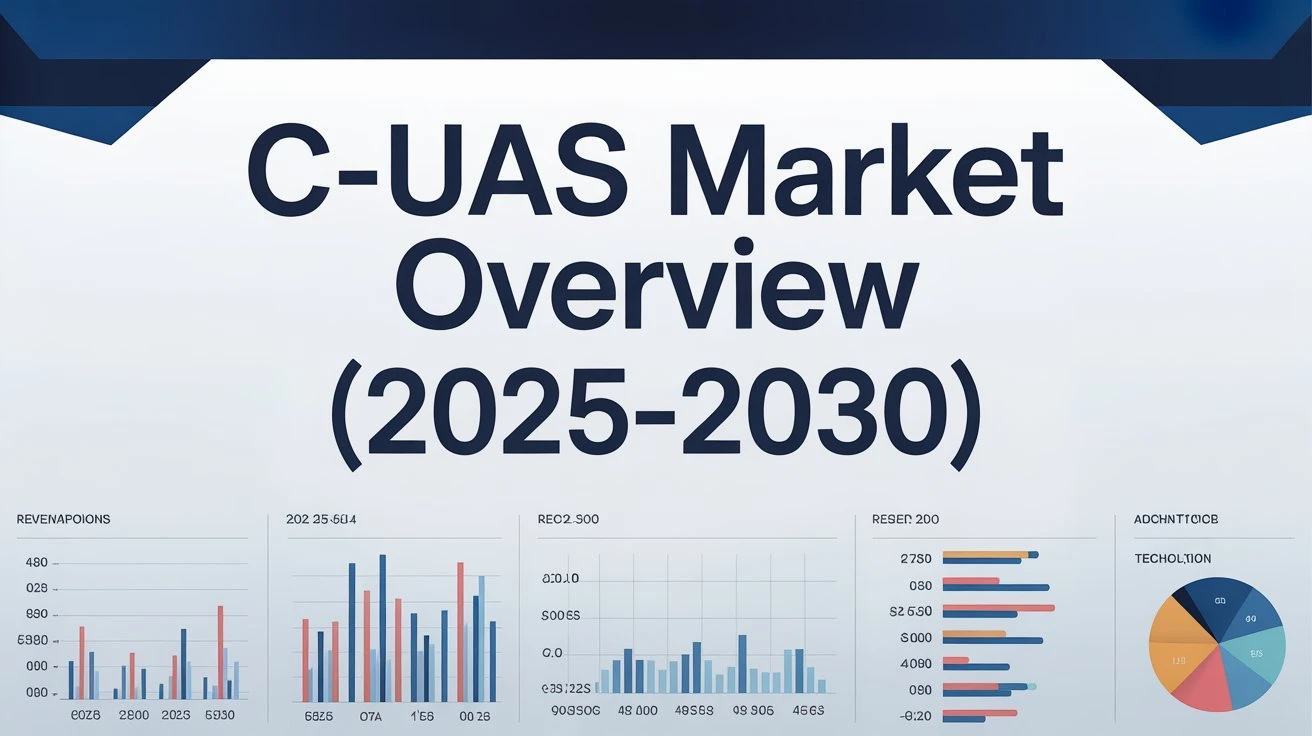
The global Counter-Unmanned Aircraft Systems (C-UAS) market is entering a transformative phase driven by escalating security threats, rapid drone proliferation, and increased defense modernization initiatives. The market is projected to grow from USD 6.64 billion in 2025 to USD 20.31 billion by 2030, representing a robust compound annual growth rate (CAGR) of 25.1%.
This exponential growth reflects an urgent global demand for advanced technologies capable of detecting, tracking, and neutralizing unauthorized or hostile unmanned aerial vehicles (UAVs). As both commercial and military drones become increasingly affordable and autonomous, the potential for misuse has heightened — ranging from espionage and smuggling to terrorism and attacks on critical infrastructure. Governments, defense organizations, and private industries are therefore investing heavily in multi-layered counter-drone architectures designed to secure the skies.
Download PDF Brochure @ https://www.marketsandmarkets.com/pdfdownloadNew.asp?id=4197284
Technological Trends: From Detection to Directed-Energy Defense
The C-UAS market is evolving rapidly with a focus on UAS mitigation and neutralization solutions, which are projected to record the highest CAGR through 2030. This segment’s growth stems from technological innovation and the diversification of countermeasure approaches, combining electronic, kinetic, and directed-energy systems to combat rogue drones effectively.
Emerging systems now employ AI-enabled jammers, machine learning-based radar signal processing, and automated threat classification algorithms to detect UAVs across multiple frequencies. These are further enhanced by directed-energy weapons—such as high-power lasers and microwave systems—that can disable or destroy drones with precision and minimal collateral damage.
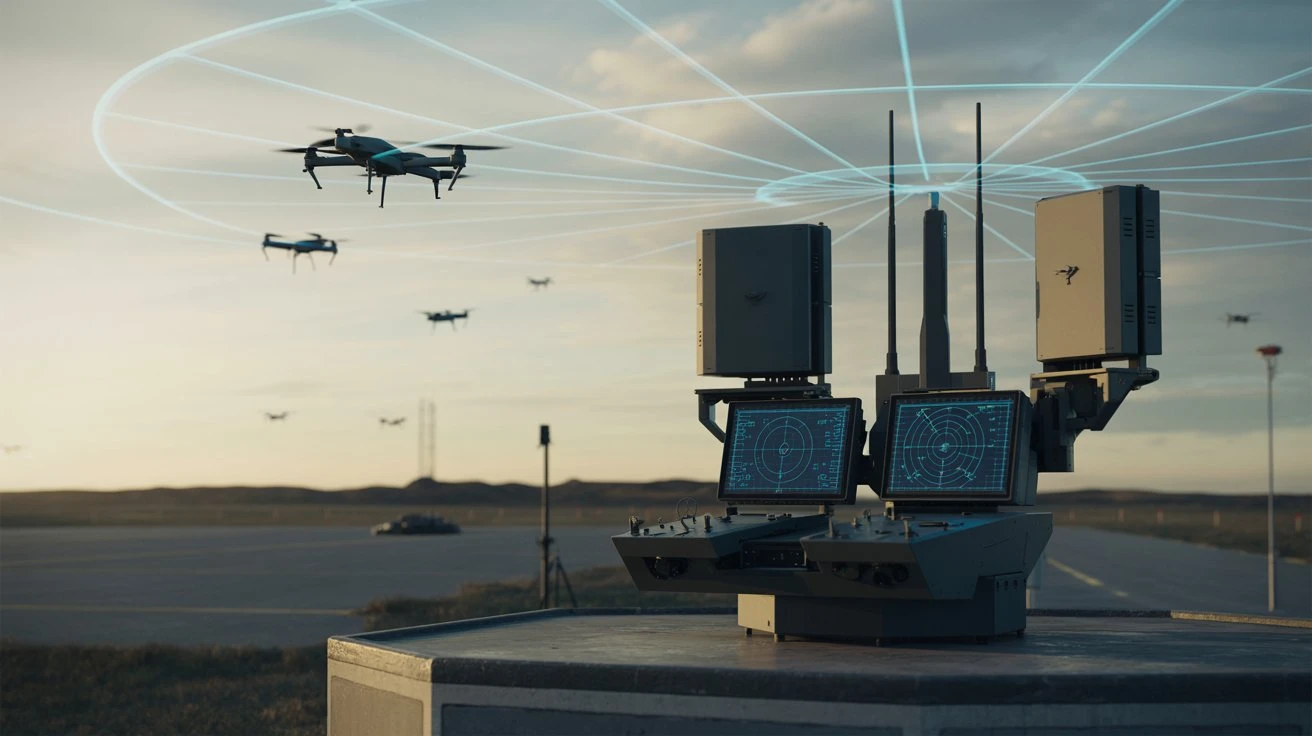
Defense forces are transitioning toward layered C-UAS architectures, integrating multiple sensors and effectors across radar, radio frequency (RF), electro-optical, and infrared (EO/IR) domains. The use of command-and-control (C2) fusion systems enables centralized situational awareness, allowing faster response times and coordinated engagements.
Artificial intelligence and data analytics are also becoming vital components of modern C-UAS systems, improving accuracy and reducing false alarms. AI-driven pattern recognition helps identify drone flight behavior, distinguish friend from foe, and recommend real-time mitigation actions — paving the way for autonomous counter-drone operations.
Rising Civil and Commercial Adoption
While defense applications currently dominate the C-UAS market, the commercial and civil segment is forecasted to experience the highest growth rate through 2030. This surge is primarily driven by the increasing use of drones in civilian airspace and the corresponding need to protect critical infrastructure and public venues.
Industries such as aviation, oil and gas, energy utilities, logistics, and event management are adopting counter-UAS technologies to prevent disruptions caused by unauthorized UAV incursions. For instance, airports are deploying C-UAS systems to avoid flight delays and collisions, while power plants and refineries use them to safeguard high-value assets. Similarly, law enforcement agencies and stadium operators rely on mobile and stationary C-UAS units to ensure public safety during mass gatherings and high-profile events.
The global expansion of drone regulations and the introduction of civil C-UAS operational approvals by aviation authorities are further enabling this trend. The shift toward compact, scalable, and AI-integrated commercial C-UAS platforms is making drone defense more accessible for non-military users, signaling a significant evolution from purely defense-focused deployments to widespread industrial and municipal adoption.
Regional Analysis: Europe’s Strategic Leadership in Counter-Drone Innovation
Europe is projected to hold the second-largest market share during the forecast period, driven by extensive defense modernization programs and collaborative NATO-led initiatives. European nations are aggressively integrating C-UAS systems into border protection, airport security, and critical infrastructure defense frameworks.
Key NATO programs such as GUARDION (Germany), AUDS (UK), and SkyWall (France) exemplify the continent’s leadership in interoperable, multi-layered counter-drone systems. These programs combine radar, RF sensors, optical tracking, and C2 capabilities to establish robust airspace protection networks.
Leading European defense firms — including Thales (France), Rheinmetall AG (Germany), BAE Systems (UK), and Saab AB (Sweden) — are spearheading innovations in detection and jamming systems. Their efforts are supported by the European Defence Fund (EDF) and regional research consortia focusing on sensor fusion, AI-based analytics, and autonomous response mechanisms.
Europe’s C-UAS ecosystem is also benefiting from cross-industry collaboration between defense contractors, aerospace manufacturers, and cybersecurity firms, promoting the development of advanced drone-neutralization tools tailored for both military and civil environments. With growing geopolitical tensions and increased NATO defense spending, Europe is expected to remain a central hub for counter-drone R&D, manufacturing, and deployment through 2030.
Market Dynamics: Drivers, Challenges, and Opportunities
Key Market Drivers
-
Rising Drone Threats and Incursions: The increasing frequency of unauthorized drone operations near airports, borders, and critical facilities continues to drive demand for advanced countermeasures.
-
Technological Advancements: Integration of AI, radar imaging, RF analytics, and directed-energy weapons has revolutionized detection and mitigation capabilities.
-
Defense Modernization Programs: Governments are allocating larger budgets to upgrade their air defense systems and integrate layered C-UAS networks.
-
Expanding Civil Applications: Regulatory clarity and safety concerns are promoting C-UAS adoption in commercial and municipal sectors.
Key Challenges
-
Regulatory Constraints: Ambiguity in drone engagement laws, especially in civilian settings, can delay system deployment.
-
Technological Complexity: The need to distinguish between friendly and hostile UAVs increases system sophistication and cost.
-
Rapid Drone Evolution: The continuous innovation in UAV stealth, autonomy, and swarm technologies poses ongoing adaptation challenges.
Emerging Opportunities
-
Integration with Air Traffic Management (ATM): C-UAS systems are being designed to integrate seamlessly with UAV Traffic Management (UTM) frameworks, supporting safer shared airspace operations.
-
AI and Cloud-Based Defense Networks: Cloud-linked data-sharing across defense and civil agencies will enhance real-time situational awareness and cross-border threat collaboration.
-
Miniaturized and Mobile Platforms: Compact, vehicle-mounted C-UAS systems will expand accessibility for law enforcement and tactical defense units.
Competitive Landscape
The global C-UAS market is characterized by strong competition among established defense primes and innovative technology companies. Leading players include:
-
RTX (US)
-
Lockheed Martin Corporation (US)
-
Northrop Grumman (US)
-
Israel Aerospace Industries (IAI)
-
Thales Group (France)
-
Rheinmetall AG (Germany)
-
RAFAEL Advanced Defense Systems Ltd. (Israel)
-
BAE Systems (UK)
-
Elbit Systems Ltd. (Israel)
-
Saab AB (Sweden)
These companies are leveraging global manufacturing presence, R&D strength, and strategic partnerships to diversify their product portfolios. Many are focusing on AI-based threat detection, autonomous neutralization systems, and directed-energy technologies to address the next generation of aerial threats. Strategic collaborations with smaller tech startups and research institutes are also fostering innovation across the ecosystem.
Future Outlook
Looking ahead to 2030, the Counter-Unmanned Aircraft Systems market will continue to evolve toward fully integrated, autonomous defense ecosystems that merge AI-driven surveillance, cyber-defense layers, and multi-sensor fusion across land, air, and maritime platforms. The convergence of AI, directed energy, and electronic warfare will enable faster, more precise threat detection and engagement.
In the civil domain, widespread regulatory support will accelerate the deployment of C-UAS solutions in airports, energy infrastructure, and smart cities. Governments will increasingly view C-UAS systems as a core element of national security infrastructure, supporting both defense resilience and public safety.
The long-term success of the industry will depend on achieving a balance between innovation, interoperability, and ethical regulation. As drones become an integral part of global logistics, surveillance, and defense ecosystems, C-UAS technologies will remain vital to ensuring the safe coexistence of manned and unmanned aircraft in shared airspace.
80% of the Forbes Global 2000 B2B companies rely on MarketsandMarkets to identify growth opportunities in emerging technologies and use cases that will have a positive revenue impact.
- Food Packaging Market Size Set for Strong Growth Through 2030 Amid Rising Demand for Convenience Foods
- Crop Protection Chemical Market Size, Share & Growth Forecast (2025–2030)
- Mulch Films Market: Driving Sustainable Agriculture Through Innovation
- Agricultural Adjuvants Market Analysis, Trends, and Growth Outlook (2026–2031)
- Japan Enterprise Asset Management Market Growth: AI and Smart Infrastructure Drive Demand

