

Rio Tinto and Glencore Merger Talks Signal a New Era for Global Mining
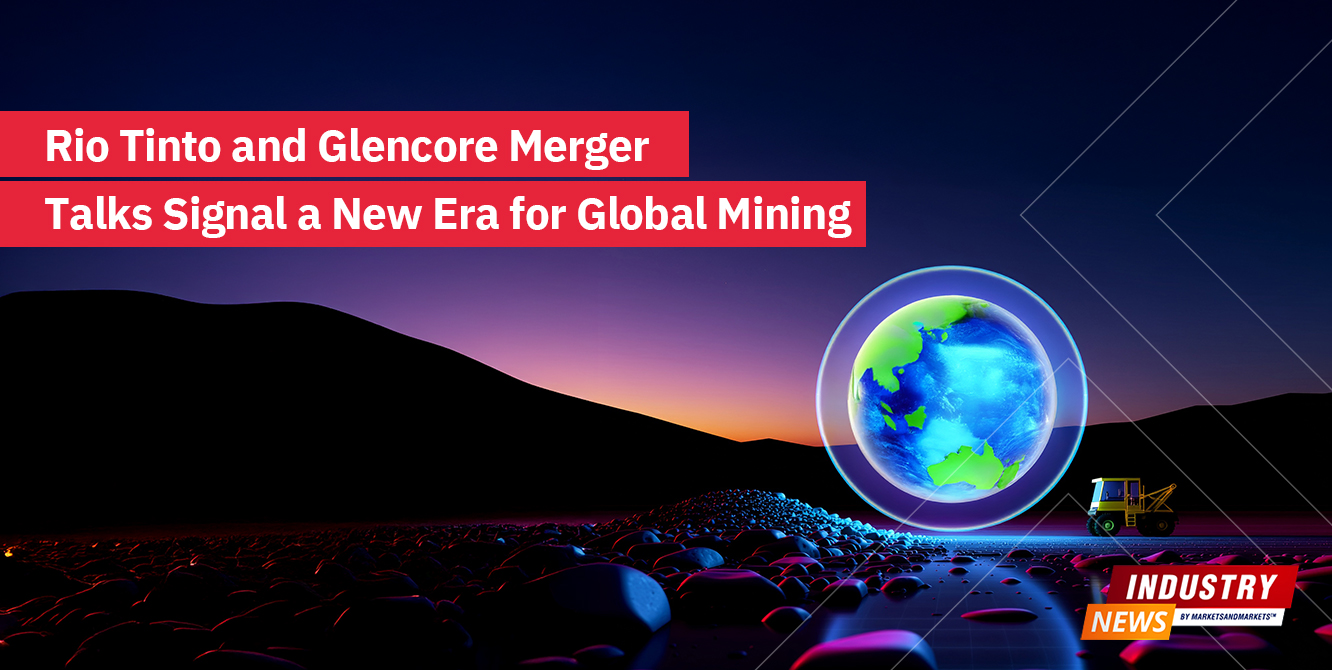
Imagine reshaping the global mining landscape with a single stroke—that’s exactly what could happen as Rio Tinto and Glencore edge closer to merger talks that might create the world’s largest mining powerhouse. For years, such a union seemed out of reach. But a recent leadership shake-up at Rio Tinto has dramatically altered the equation.
The departure of CEO Jakob Stausholm—widely regarded as a cautious dealmaker—has paved the way for the board, led by Chairman Dominic Barton, to pursue bold, transformative strategies. Now, the board isn’t just open to change; it’s actively pushing for it. As a result, the previously skeptical view of a Rio Tinto–Glencore merger is rapidly giving way to serious consideration.
What’s at stake is difficult to overstate: a combined market value approaching $150 billion, with a diversified portfolio spanning iron ore, copper, aluminum, and coal. Glencore’s commodity trading expertise could significantly enhance Rio Tinto’s iron ore business, potentially generating an additional $1–2 per ton in EBITDA. Meanwhile, Rio Tinto’s stronghold in iron ore and aluminum would benefit from Glencore’s recent investments and global footprint.
The real prize, however, is copper—a metal critical to electrification and the global energy transition. A merger would instantly create the world’s leading copper producer. This deal isn’t just about scale—it’s about securing the metals that will power the future.
Hurdles on the Path to Consolidation
Yet, the road ahead is far from smooth. Glencore’s substantial coal portfolio poses a major challenge, especially given Rio Tinto’s previous exit from the coal sector. Beyond that, the companies differ significantly in corporate culture and governance, including their dual-listed structures. Regulatory scrutiny across jurisdictions—Australia, the UK, and the EU—adds further complexity.
Analysts acknowledge the potential for synergies, particularly in copper, but they also point out the limited overlap in other assets. That means this merger is as much about long-term vision as it is about operational fit.
A Broader Industry Shift
This potential mega-merger is emblematic of a larger trend sweeping the mining industry. As global demand for critical minerals intensifies amid the push for decarbonization, companies face mounting pressure to consolidate, streamline operations, and fortify supply chains.
The Rio Tinto–Glencore talks are just the most high-profile signal of a broader movement toward consolidation. Should discussions proceed, formal announcements could follow in the coming months—though regulatory approvals could take over a year.
According to MarketsandMarkets, in its latest report on the global mining equipment industry consolidation and the pursuit of sustainable, high-tech mining practices are accelerating demand for next-generation equipment. The report highlights that giants like Rio Tinto and Glencore are increasingly investing in automation, electrification, and digitalization to enhance efficiency and minimize environmental impact.
These strategic shifts—especially large-scale mergers—are not only redefining corporate structures but also transforming the very tools and technologies that drive the sector. This evolution is expected to accelerate as the world adapts to rising demand for critical minerals and the transition to cleaner energy sources.
What’s Next?
The industry is abuzz with speculation. Some analysts argue that a full merger may prove too complex, pointing instead to joint ventures or partial asset combinations, particularly around copper. Others suggest that Glencore may need to spin off or restructure its coal assets before any deal can move forward.
Whatever path is taken, one thing is certain: the mining sector stands on the brink of historic transformation. A successful merger would not only create a global titan but also set a powerful precedent for further consolidation in an industry now central to the world’s energy future.
For a deeper dive into the emerging wave of mega-mining deals, including the Rio Tinto–Glencore talks and others potentially worth over $300 billion, see the original coverage by Forbes: Mega Mining Mergers Valued At $315 Billion Taking Shape.
MarketsandMarkets Industry News Desk
 Letter to Editor
GET AHEAD
Top Research Reports to Fuel Your Industry KnowledgeEditor's Pick

Healthcare
Cellevate’s Nanofiber Revolution 13× Higher Vaccine Yields, 85% Lower Costs.jpg)
Chemical and Materials
Semiconductor and IC Packaging Materials Gains Momentum as Amkor Invests $7B in Arizona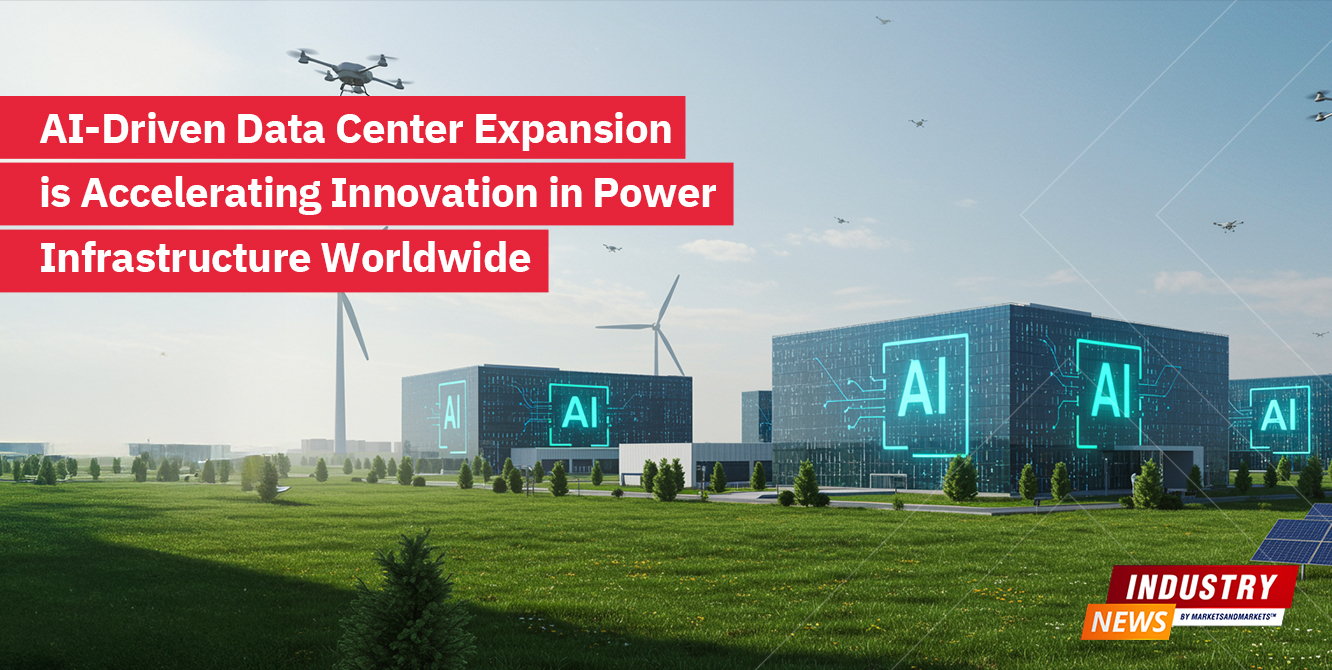
Information and Communication Technology
AI-Driven Data Center Expansion is Accelerating Innovation in Power Infrastructure WorldwidePODCASTS
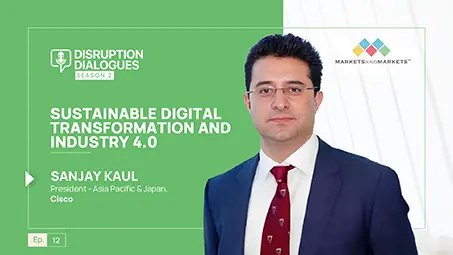
Sustainable Digital Transformation & Industry 4.0
Sanjay Kaul, President-Asia Pacific & Japan, Cisco, and host Aashish Mehra, Chief Research Officer, MarketsandMarkets, in conversation on unraveling 'Sustainable Digital Transformation and Industry 4.0'
11 July 2023|S2E12|Listen Now

Generative AI
Prasad Joshi, Senior Vice President-Emerging Technology Solutions, Infosys, and host, Vinod Chikkareddy, CCO, MarketsandMarkets, in exploring the recent advances in AI and the generative AI space.
7 Nov 2023|S2E13|Listen Now


Mining Machinery Market


Mega Mergers Are Reshaping the Future of Global Mining
The mining machinery market needs to be more cohesive. Caterpillar Inc. (US), Komatsu Ltd. (Japan), Sandvik AB (Sweden), Epiroc AB (Sweden), and Liebherr (Switzerland) are the key companies operating in it.
A Defining Moment in Mining History
Asia Oceania leads the global mining machinery market, with China, Australia, India, and Japan driving demand



