
North America Seed Treatment Market
 Request Customisation
 Speak to Analyst
 Get Free Sample Pages
North America Seed Treatments Market by Type, Application Technique (Coating, Dressing, Pelleting), Function (Seed Protection And Seed Enhancement), Formulation, Crop Type (Cereals & Grains, Oilseeds, Fruits & Vegetables), and Country - Forecast to 2030




OVERVIEW
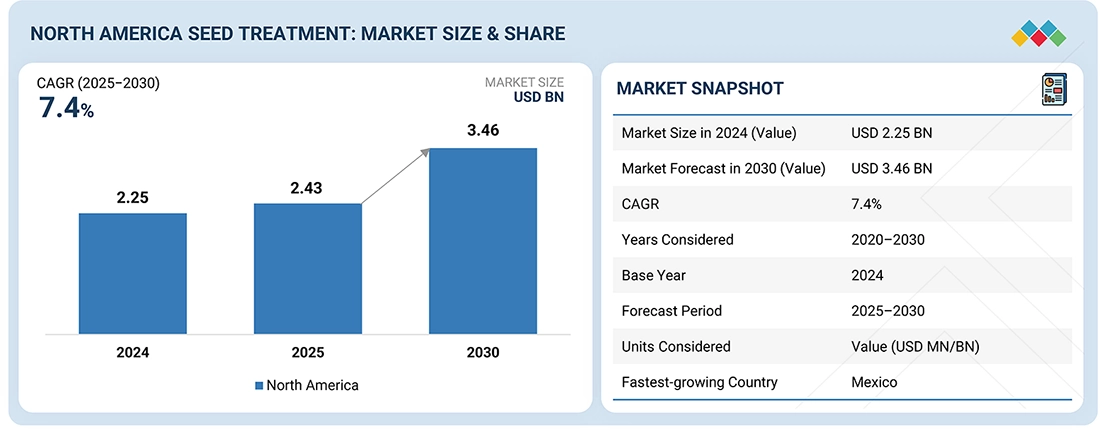
Source: Secondary Research, Interviews with Experts, MarketsandMarkets Analysis
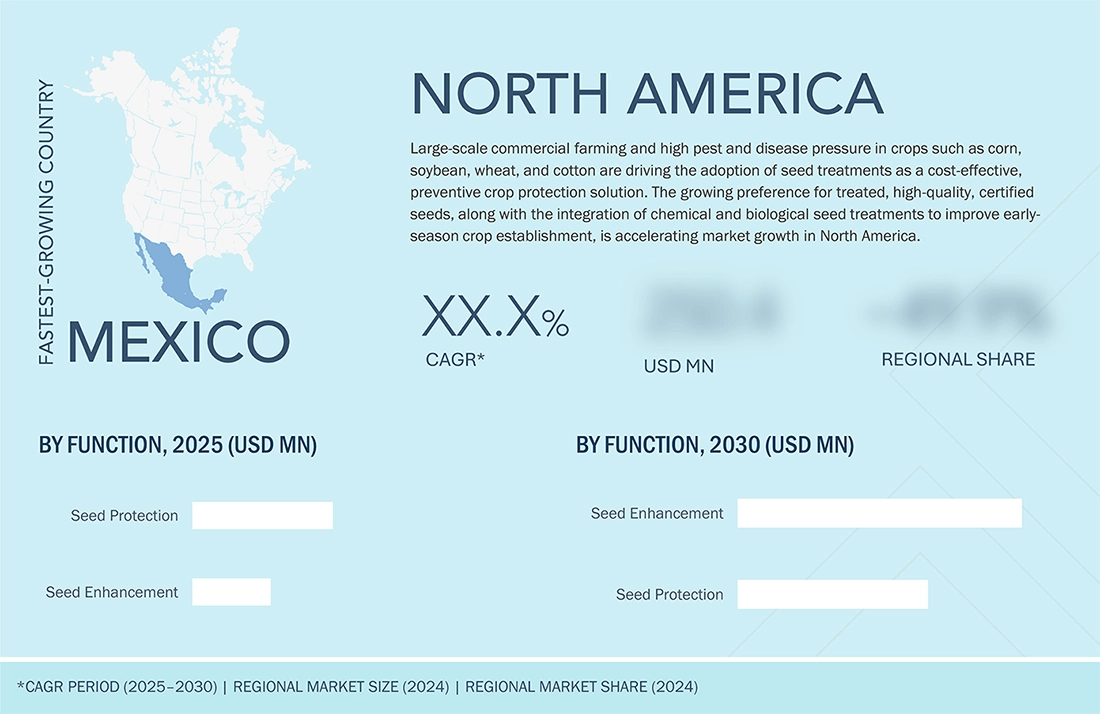
The North American seed treatment market is projected to reach USD 3.46 billion by 2030, up from USD 2.43 billion in 2025, at a CAGR of 7.4% from 2025 to 2030. The North American seed treatment market is a mature yet rapidly evolving segment, driven by the adoption of high-value hybrid and genetically modified seeds. Key crops include corn, soybeans, wheat, and cereals, for which seed-applied fungicides, insecticides, nematicides, and biologicals protect against pests, diseases, and environmental stresses. Growth is supported by technological advancements in formulations, coatings, and digital agronomy tools, as well as regulatory support for sustainable practices. Strong distribution networks, farmer awareness programs, and R&D investments further reinforce market adoption and innovation across the region.
KEY TAKEAWAYS
-
BY COUNTRYIn the North America seed treatment market, Mexico is expected to exhibit the highest CAGR of 8.2% in 2025-2030.
-
BY FUNCTIONBy function, the seed protection segment is expected to dominate the North American seed treatment market.
-
BY CROP TYPEBy crop type, the fruits & vegetables segment is expected to register a significant CAGR of 7.8% in 2025-2030.
-
BY TYPEBy type, the chemical seed treatment segment holds the largest market share, accounting for more than 70%.
-
BY FORMULATIONBy formulation, the liquid solution segment is projected to grow significantly at an 8.0% CAGR during the forecast period 2025-2030.
-
BY APPLICATION TECHNIQUEBy application technique, the seed dressing segment holds the major market share.
-
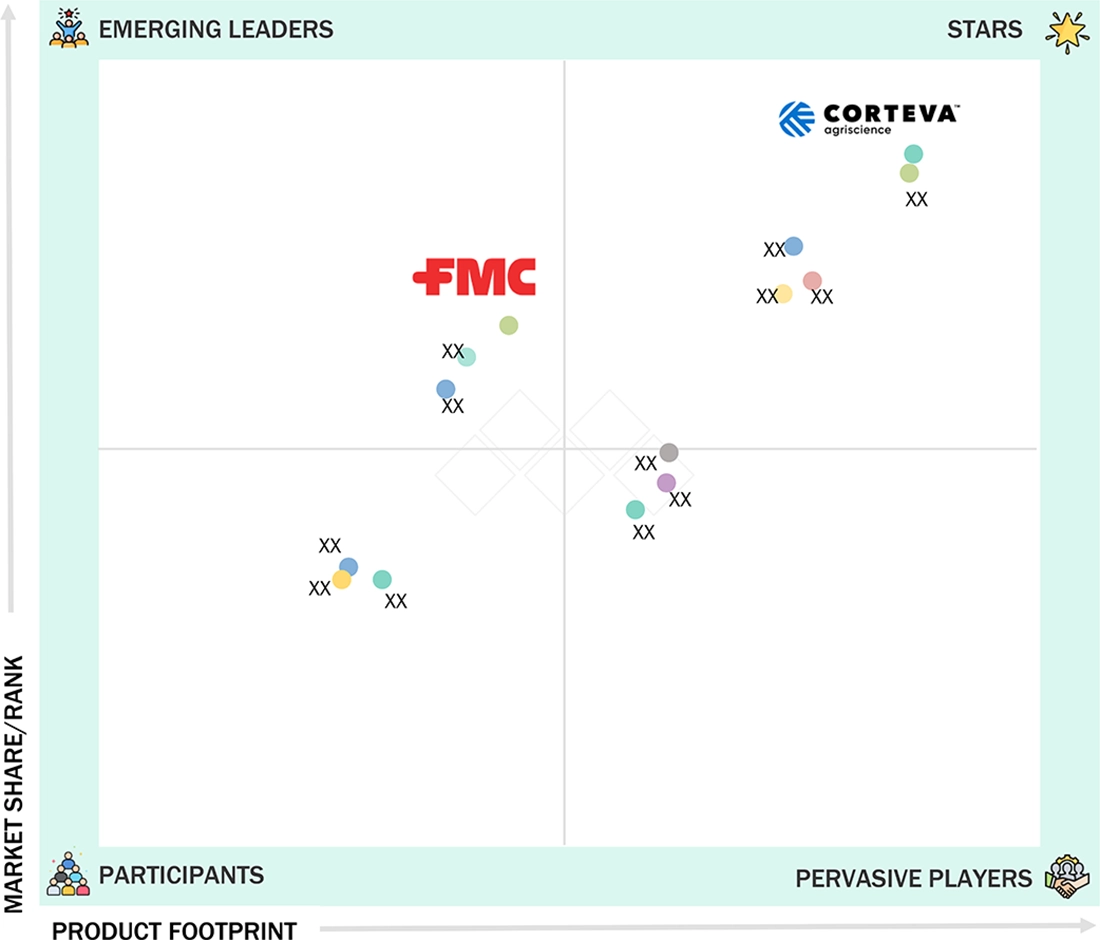
COMPETITIVE LANDSCAPEUPL, Corteva, Bayer AG, BASF, and Syngenta were identified as some of the star players in the market, given their strong market share and product footprint.
The North America seed treatment market is expanding rapidly, driven by the increasing adoption of high-value hybrid and genetically modified seeds that require effective early-stage protection. Key drivers include rising demand for higher crop yields, widespread use of seed-applied fungicides, insecticides, nematicides, and biologicals, and growing awareness of sustainable and precision agriculture practices. Technological innovations in formulation, coating, and digital agronomy tools, combined with strong distribution networks and supportive regulatory frameworks, are accelerating adoption and enabling growers to optimize crop performance and productivity across major row crops.
TRENDS & DISRUPTIONS IMPACTING CUSTOMERS' CUSTOMERS
The rising preference for biological and sustainable alternatives to chemical seed treatments is one key disruption in the North American seed treatment market. This trend thus poses a challenge to traditional chemical-based portfolios that require companies to rapidly innovate in biologically based fungicides, insecticides, nematicides, and biostimulants, while remaining efficacious and less environmentally harmful. Investment into research, formulation technology, and integrated digital agronomy platforms to optimize application and performance is thus being disrupted. The inability to adapt will cause companies to lose their market share, while those who adapt earliest to sustainable solutions will gain, effectively positioning themselves to respond to the ever-evolving regulatory landscape.
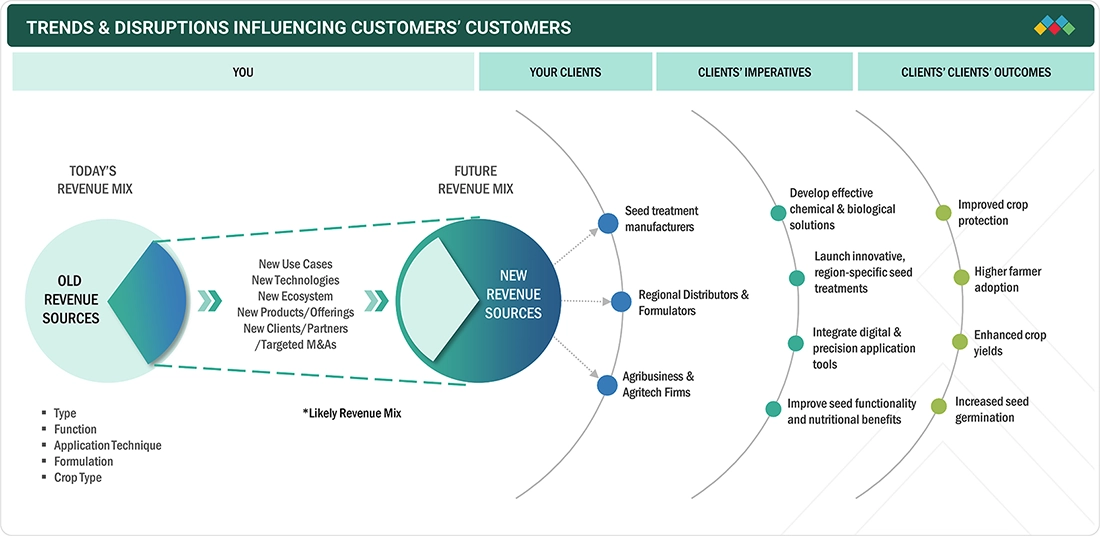
Source: Secondary Research, Interviews with Experts, MarketsandMarkets Analysis
MARKET DYNAMICS

Level
-
Rising demand for high-quality and high-yield seeds

-
Increased incidence of soil-borne diseases and insect pests


Level
-
Stringent regulatory constraints on chemical actives

-
High treatment costs for advanced formulations


Level
-
Growing adoption of biological and bio-based seed treatments

-
Rising use of precision agriculture and treated certified seeds


Level
-
Resistance development in pests and pathogens

-
Performance variability of biological seed treatments under different soil and climatic conditions

Source: Secondary Research, Interviews with Experts, MarketsandMarkets Analysis
Driver: Rising demand for high-quality and high-yield seeds
The rising demand for high-quality, high-yield seeds is a key driver of the North American seed treatment market. Farmers are increasingly adopting hybrid and genetically modified seeds to maximize productivity and profitability. These seeds require effective protection against early-season pests, diseases, and environmental stresses to ensure uniform germination and strong crop establishment. Seed treatments, including chemical, biological, and nutritional solutions, play a critical role in safeguarding these high-value seeds, improving stand uniformity, enhancing early vigor, and ultimately supporting higher yields and better return on investment.
Restraint: Stringent regulatory constraints on chemical actives
A major restraint in the North America seed treatment market is the stringent regulatory constraints on chemical actives. Regulatory authorities, including the US Environmental Protection Agency (EPA) and Canadian regulatory bodies, impose strict guidelines on the use, labeling, and residue limits of chemical fungicides, insecticides, and nematicides. These regulations limit the availability of certain active ingredients, increase compliance costs for manufacturers, and slow down the launch of new chemical seed treatments. Consequently, companies are pushed to innovate with biological alternatives and safer formulations, which can increase R&D costs and impact adoption timelines.
Opportunity: Growing adoption of biological and bio-based seed treatments
A key opportunity in the North America seed treatment market is the growing adoption of biological and bio-based seed treatments. Farmers and seed companies are increasingly seeking sustainable, environmentally friendly alternatives to traditional chemical treatments, driven by regulatory pressure, consumer demand for residue-free crops, and integrated pest management practices. Biological seed treatments, including microbial inoculants, biostimulants, and bio-nematicides, enhance soil health, improve nutrient uptake, and protect against early-season pests and diseases. This trend opens opportunities for manufacturers to innovate, expand product portfolios, and capture market share in high-value row crops and specialty seeds.
Challenge: Resistance development in pests and pathogens
A significant challenge in the North American seed treatment market is the development of pest and pathogen resistance. Continuous use of the same chemical actives, particularly fungicides, insecticides, and nematicides, can lead to reduced efficacy as pests and pathogens evolve resistance. This threatens the effectiveness of crop protection, increases the need for higher dosages or alternative chemistries, and raises production costs for growers. To address this, manufacturers must invest in developing novel actives, rotate treatment modes of action, and integrate biological and sustainable solutions, while educating farmers on resistance management strategies.
NORTH AMERICA SEED TREATMENT MARKET: COMMERCIAL USE CASES ACROSS INDUSTRIES
| COMPANY | USE CASE DESCRIPTION | BENEFITS |
|---|---|---|
 |
Offers integrated chemical and biological seed treatments for corn, soybean, and wheat, including nematicides, fungicides, and nutritional enhancers. | Enhances early vigor, uniform emergence, and yield potential |
 |
Offers chemical and biological seed-applied solutions for soybeans, corn, and wheat to control soil-borne diseases and pathogens. | Disease control, early crop protection, and improved plant health |
 |
Focused on nematicides, insecticides, and seed-applied solutions for corn and soybean, protecting roots and early-stage seedlings. | Root protection and early-season stand establishment |
 |
Specializes in nutritional seed treatments, micronutrient delivery, and microbial coatings for corn, soybean, and wheat. | Improves nutrient uptake, seedling vigor, and early crop performance |
Logos and trademarks shown above are the property of their respective owners. Their use here is for informational and illustrative purposes only.
MARKET ECOSYSTEM
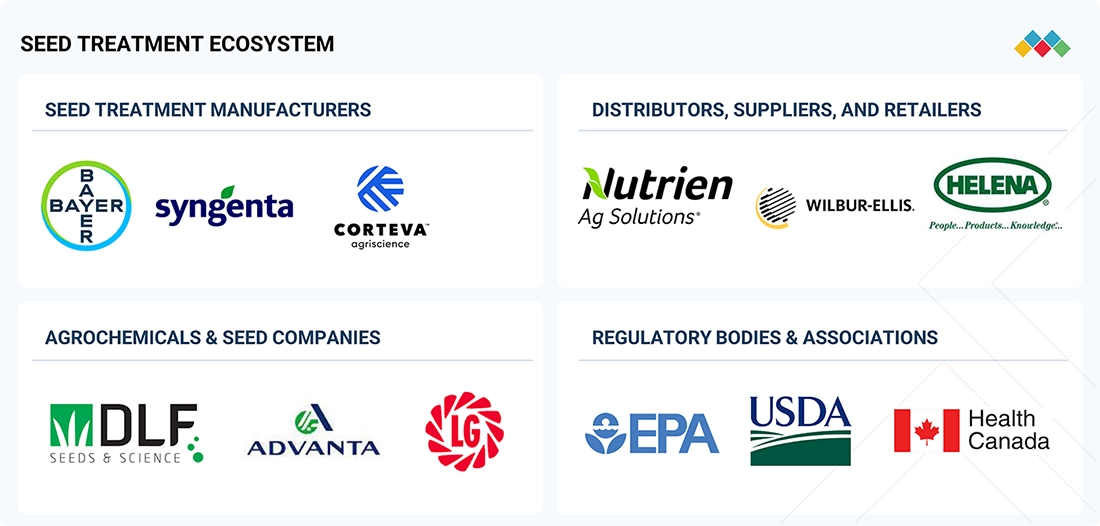
Some prominent companies in this market include well-established, financially sound manufacturers of seed treatment products. These companies have been operational in the market for over a decade and have diversified portfolios, latest technologies, and excellent global sales and marketing networks. The seed treatment ecosystem comprises manufacturers, regulatory bodies, and end users. Key manufacturers like Syngenta Group, BASF SE, Bayer CropScience, and Corteva Agriscience have a strong presence in the global market.
Logos and trademarks shown above are the property of their respective owners. Their use here is for informational and illustrative purposes only.
MARKET SEGMENTS
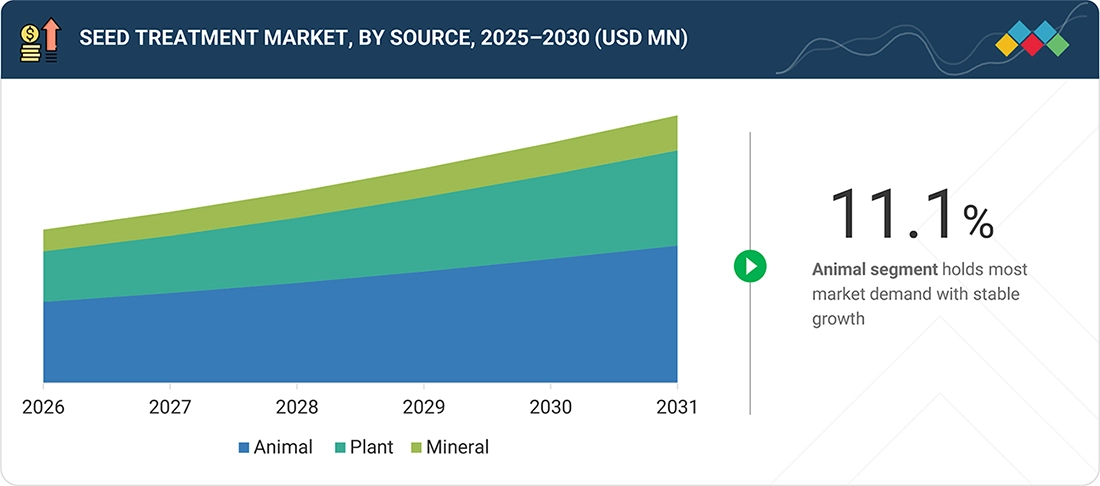
Source: Secondary Research, Interviews with Experts, MarketsandMarkets Analysis
North America Seed Treatment Market, By Type
The North American seed treatment market, by type, is classified into chemical and non-chemical seed treatments, with the non-chemical segment accounting for the largest share in the region. Non-chemical seed treatments, such as microbial inoculants, biostimulants, and bio-based nematicides, are being increasingly accepted because of their environmental sustainability and compatibility with integrated pest management practices. Chemical treatments such as fungicides, insecticides, and nematicides still help protect seeds against crucial early-season pests and diseases. Growth in the non-chemical segment is fueled by increased farmer awareness and advances in formulation technologies, as well as demand for residue-free, sustainable crop production in North American row crops.
North America Seed Treatment Market, By Crop Type
The crop type segment includes cereals & grains, oilseeds & pulses, fruits & vegetables, and other crops. Among these segments, fruits & vegetables take the largest share because horticultural crops are the most valuable and require excellent and uniform emergence, disease protection, and quality assurance. Thus, nowadays, producers apply seed-applied fungicides, insecticides, biologicals, and biostimulants to protect seedlings from soil-borne pathogens and early-season pests. The segment's dominance will also be fueled by increased stringent residue regulations, the need for sustainable approaches, and precision seed treatment technologies for large-scale vegetable and fruit production systems throughout North America.
North America Seed Treatment Market, By Function
The North America seed treatment by function segment includes both seed protection (chemical seed protection, biological seed protection) and seed enhancement (biologicals, seed priming, seed disinfection). Seed enhancement, however, is the leading section in the region, driven by growing practices for improving seed vigor, stress resistance, and nutrient uptake. The biological treatment, seed priming, and disinfection techniques enhance germination and uniform establishment of crops while underpinning sustainable and residue-free agriculture. The increasing focus on high-value crops, integration with precision farming, and demand for better crop performance are the primary factors driving the dominance of seed enhancement solutions across North America.
North America Seed Treatment Market, By Application Techniques
In the North American seed treatment market, by application technique, the main methods include seed coating, seed dressing, seed pelleting, and others. Among these, the seed pelleting segment holds the largest share, driven by its ability to deliver precise, uniform, and efficient application of active ingredients directly onto seeds. Seed pelleting enhances early germination, improves stand establishment, and protects seeds against pests, diseases, and environmental stresses. Its popularity is particularly high in high-value row crops and vegetable seeds, where uniformity, ease of handling, and compatibility with chemical, biological, and micronutrient treatments are critical for maximizing yield and crop performance.
North America Seed Treatment Market, By Formulation
Formulations include powder for dry seed treatment, water-dispersible powder (WS), water-dispersible granules (WG), water-soluble powder (SS), liquid solution (LS), emulsion (ES), flowable concentrate (FS), capsule suspension (CF), and gels. Among these, emulsions (ES) hold the highest share in the region due to their high demand in Asian countries, versatility across seed types, and ability to deliver active ingredients efficiently. This formulation also ensures uniform coating, minimizes dust-off, and enhances seed protection and germination. The increasing adoption of high-value crops, smallholder-focused solutions, and sustainable agriculture practices further drives the dominance of emulsion formulations across North America.
REGION
Mexico to be the fastest-growing country in the North America seed treatment market during the forecast period
Mexico is positioned as the fastest-growing country in the North America seed treatment market, reflecting rapid adoption of advanced seed protection technologies and evolving agronomic practices. Growth in Mexico is driven by the expansion of cultivated acreage for key crops such as corn, soybean, and sorghum, where early-stage protection against pests, diseases, and abiotic stresses is critical for yield stability. Increasing awareness of seed treatment benefits, combined with rising use of biological and integrated solutions, is encouraging growers to shift from traditional inputs to more sophisticated seed-applied chemistries and biologicals.
NORTH AMERICA SEED TREATMENT MARKET: COMPANY EVALUATION MATRIX
In the North America Seed Treatment market, Corteva Agriscience (Star) is leading the market due to its innovation in blended and seed treatment products, offering sustainable solutions for soil health and crop productivity across major agricultural regions. On the other hand, Indigo Ag, Inc. (Emerging Leader) is positioning itself as a rising force, driven by its specialized seed treatment solutions for high-value crops and strategic expansion, positioning the company to challenge established players with eco-friendly, high-performance alternatives.
Source: Secondary Research, Interviews with Experts, MarketsandMarkets Analysis
KEY MARKET PLAYERS
- Syngenta Group AG (Switzerland)
- BASF SE (Germany)
- Bayer AG (Germany)
- Corteva Agriscience (US)
- UPL Limited (India)
- FMC Corporation (US)
- Nufarm Limited (Australia)
- Croda International Plc (UK)
- Albaugh, LLC (US)
- Loveland Products, Inc. (US)
- Valent U.S.A. LLC (US)
- Verdesian Life Sciences, LLC (US)
- Indigo Ag, Inc. (US)
- Koppert Biological Systems B.V. (Netherlands)
- Plant Health Care plc (US)
MARKET SCOPE
| REPORT METRIC | DETAILS |
|---|---|
| Market Size in 2025 (Value) | USD 2.43 Billion |
| Market Forecast in 2030 (value) | USD 3.46 Billion |
| Growth Rate | CAGR of 7.4% during 2025-2030 |
| Years Considered | 2020-2030 |
| Base Year | 2024 |
| Forecast Period | 2025-2030 |
| Units Considered | Value (USD Million/Billion) |
| Report Coverage | Revenue forecast, company ranking, competitive landscape, growth factors, and trends. |
| Segments Covered |
|
| Countries Covered | US, Canada, Mexico |
WHAT IS IN IT FOR YOU: NORTH AMERICA SEED TREATMENT MARKET REPORT CONTENT GUIDE
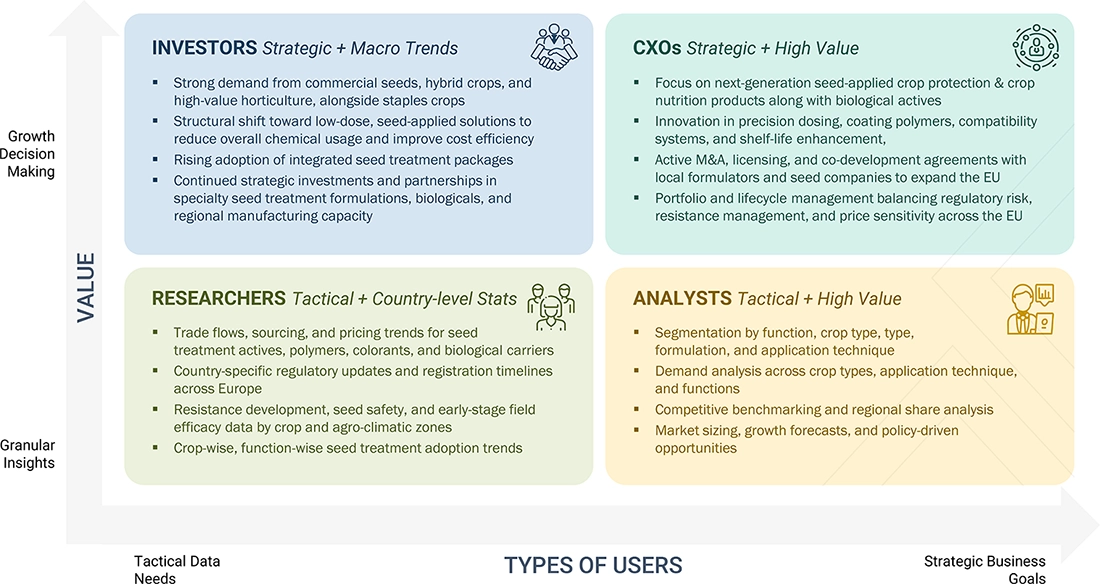
DELIVERED CUSTOMIZATIONS
We have successfully delivered the following deep-dive customizations:
| CLIENT REQUEST | CUSTOMIZATION DELIVERED | VALUE ADDS |
|---|---|---|
| North America–based Seed Treatment Manufacturer |
|
|
| Global Agrochemical Multinational |
|
|
| North America Agribusiness / Agritech Firm |
|
|
| Regional Distributor / Formulator |
|
|
| Investor / Private Equity Firm |
|
|
RECENT DEVELOPMENTS
- July 2025 : Corteva Agriscience announced the launch of Lumidapt Valta LS, a naturally derived nutritional seed treatment introduced as part of its LumiGEN corn seed treatment portfolio. The product is formulated using lignosulfonates to deliver essential nutrients that enhance early corn emergence and promote root development. Lumidapt Valta LS is designed to complement existing fungicide and nematicide seed treatment components, supporting improved stand uniformity and early-season vigor.
- April 2025 : Nufarm launched Pretium SDS, a new biological seed treatment for soybeans in the US. This product is formulated with natamycin, a biologically derived active ingredient, and is designed to protect soybean seeds from Sudden Death Syndrome (SDS) and Red Crown Rot (RCR), two significant soil-borne diseases that can severely reduce yields.
- July 2025 : Bayer AG introduced Yoalo, a biostimulant seed treatment based on Bacillus velezensis that enhances nutrient availability and supports stronger early growth, designed to improve plant performance and yield potential when used alone or integrated into seed treatment packages.
- October 2023 : BASF SE launched Poncho Votivo Precise, a dual-action seed treatment combining an insecticidal component with the biological agent Bacillus firmus to create a living protective barrier around roots, delivering early-season insect control and nematode suppression for healthier crop establishment.
Table of Contents
 Exclusive indicates content/data unique to MarketsandMarkets and not available with any competitors.
Methodology
The study involves four major activities to estimate the current size of the North America seed treatment market. Exhaustive secondary research was done to collect information on the market, peer market, and parent market. These findings, assumptions, and market sizes were validated with industry experts across the value chain through primary research. Both the top-down and bottom-up approaches were employed to estimate the complete market size. Thereafter, the market breakdown and data triangulation approaches were used to estimate the market size of segments and subsegments.
Secondary Research
In the secondary research process, various secondary sources such as Hoovers, Bloomberg BusinessWeek, and Dun & Bradstreet were referred to, to identify and collect information for this study. These secondary sources included annual reports, press releases & investor presentations of companies, white papers, certified publications, articles by recognized authors, gold standard & silver standard websites, food safety organizations, regulatory bodies, trade directories, and databases.
Primary Research
The North America seed treatment market comprises several stakeholders, such as manufacturers, importers and exporters, traders, distributors and suppliers of Biopesticides, biofertilizers, biostimulants and government & research organizations. It also includes manufacturers of inoculants, biologicals and seed companies. The demand-side of this market is characterized by the rising demand for North America seed treatment in seed industries. The supply-side is characterized by the supply of raw materials in the North America seed treatment market from various suppliers in the market. Various primary sources from both the supply and demand sides of the market were interviewed to obtain qualitative and quantitative information. Following is the breakdown of primary respondents:
To know about the assumptions considered for the study, download the pdf brochure
Market Size Estimation
Both the top-down and bottom-up approaches were used to estimate and validate the total size of the seed treatment market. These methods were also used extensively to estimate the size of various subsegments in the market. The research methodology used to estimate the market size includes the following:
- The key players in the industry and markets were identified through extensive secondary research.
- Major regions were identified, along with countries contributing to the maximum share.
- The industry’s supply chain and market size, in terms of value, was determined through primary and secondary research processes.
- All percentage shares, splits, and breakdowns were determined using secondary sources and verified through primary respondents
Data Triangulation
After arriving at the overall North America seed treatment market size—using the market size estimation processes as explained above—the market was split into several segments and subsegments. In order to complete the overall market engineering process and arrive at the exact statistics of each market segment and subsegment, the data triangulation and market breakdown procedures were employed. The data was triangulated by studying various factors and trends from both the demand and supply sides in the seed treatment market.
Report Objectives
- To define, segment, and project the market size of the North America seed treatment market
- To understand the North America seed treatment market by identifying its various subsegments
- To provide detailed information about the key factors influencing the growth of the market (drivers, restraints, opportunities, and industry-specific challenges) in the North America seed treatment market
- To analyze the micromarkets with respect to individual growth trends, future prospects, and their contribution to the total North America seed treatment market
- To project the size of the North America seed treatment market and its submarkets, in terms of value, with respect to the region (along with respective key countries)
- To profile the key players and comprehensively analyze their core competencies in the North America seed treatment market
- To understand the competitive landscape and identify major growth strategies adopted by players across the North America seed treatment market
- To analyze the competitive developments such as expansions & investments, mergers & acquisitions, new product launches, partnerships, joint ventures, collaborations, divestments, disinvestments, and agreements in the North America seed treatment market
Available Customizations
With the given market data, MarketsandMarkets offers customizations according to company-specific scientific needs.
The following customization options are available for the report:
Product Analysis
- Product matrix, which gives a detailed comparison of the product portfolio of each company
Geographic Analysis
- Further breakdown of the Rest of Europe seed treatment market into UK, Greece and Ukraine.
- Further breakdown of the Rest of Asia Pacific seed treatment market into Vietnam, the Philippines and Indonesia.
- Further breakdown of South America seed treatment market into Colombia and Peru.
- Further breakdown of the others in the RoW seed treatment market into other African countries and the Middle East.
Need a Tailored Report?
Customize this report to your needs
Get 10% FREE Customization
Customize This ReportPersonalize This Research
- Triangulate with your Own Data
- Get Data as per your Format and Definition
- Gain a Deeper Dive on a Specific Application, Geography, Customer or Competitor
- Any level of Personalization
Let Us Help You
- What are the Known and Unknown Adjacencies Impacting the North America Seed Treatments Market
- What will your New Revenue Sources be?
- Who will be your Top Customer; what will make them switch?
- Defend your Market Share or Win Competitors
- Get a Scorecard for Target Partners

Custom Market Research Services
We Will Customise The Research For You, In Case The Report Listed Above Does Not Meet With Your Requirements
Get 10% Free CustomisationTESTIMONIALS

Business Innovation Director
US Based Leading Agribusiness,
Food and Ingredients ManufacturerI highly appreciate the team's efficiency for a well conducted study that helped us clarify some blind spots in food and agricultural niche markets. Although compiling information for B2B markets is very difficult, the MnM team pulled out the task successfully. The quality of research, level of insights, and responsiveness of team were commendable.






Growth opportunities and latent adjacency in North America Seed Treatments Market