Asia Pacific Medical Aesthetics Market

Asia Pacific Medical Aesthetics Market by Product (Botox, filler, peel, liposuction, microneedling, hair removal, laser resurfacing, RF), Device (Multimodal, At-home), Procedure (Surgical, Non-surgical), Enduser (Hospital, Beauty clinic) Forecast to 2031




ASIA PACIFIC MEDICAL AESTHETICS MARKET SIZE, SHARE & GROWTH SNAPSHOT
Source: Secondary Research, Interviews with Experts, MarketsandMarkets Analysis
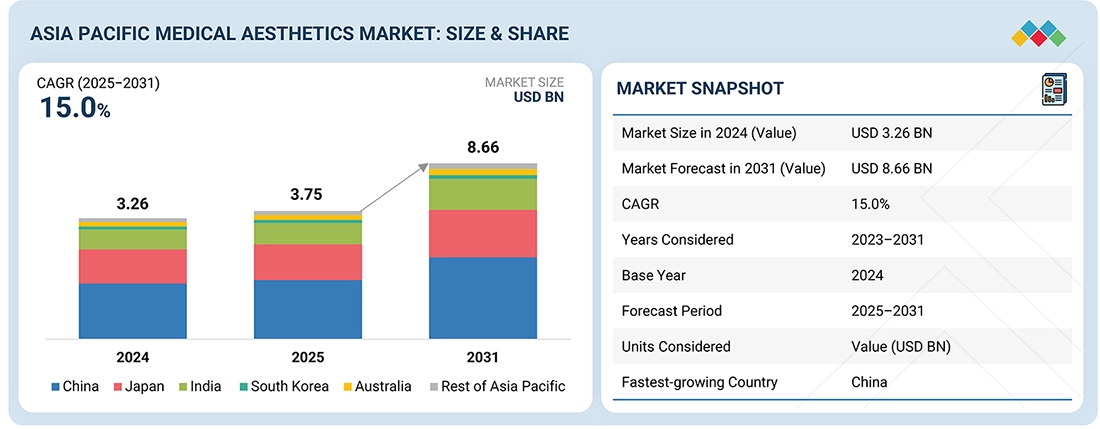
The asia pacific medical aesthetics market is projected to grow from USD 3.75 billion in 2025 to USD 8.66 billion by 2031, at a CAGR of 15.0% during the forecast period. The market was valued at USD 3.26 billion in 2024. This positive growth outlook is primarily driven by an increasing interest in and the widespread use of non-invasive treatments, particularly those aimed at reducing redness. Several factors are contributing to this trend. These factors include urbanization, the influence of social media, and a growing acceptance of cosmetic surgery, all of which are transforming consumer behaviors. Countries such as South Korea, Thailand, India, and Singapore have become popular destinations for medical tourism, attracting patients who seek high-quality cosmetic procedures at affordable prices. Moreover, the rapid expansion of the private healthcare sector is stimulating technological advancements, further boosting the growth of the cosmetic surgery industry in this region. This dynamic environment is creating new business opportunities for cosmetic surgeons.
KEY TAKEAWAYS
-
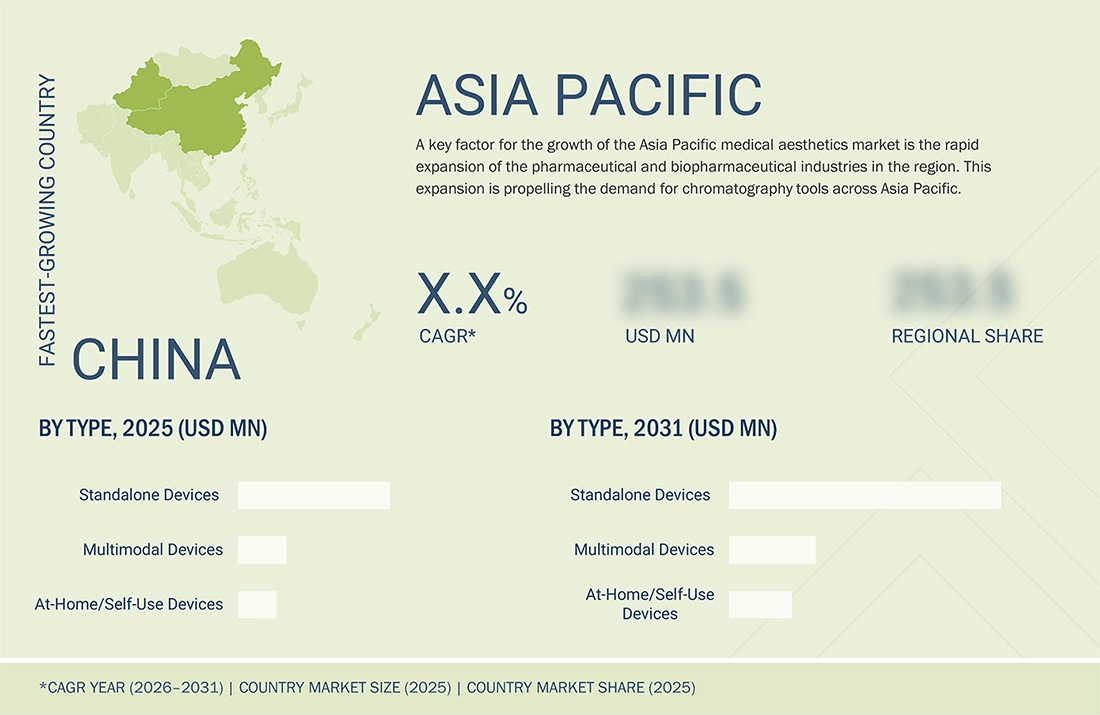
By RegionThe China medical aesthetics market is projected to achieve a 16.0% CAGR during the forecast period.
-
By ProductBy product, the facial aesthetics products segment accounted for a 47.0% share in 2024.
-
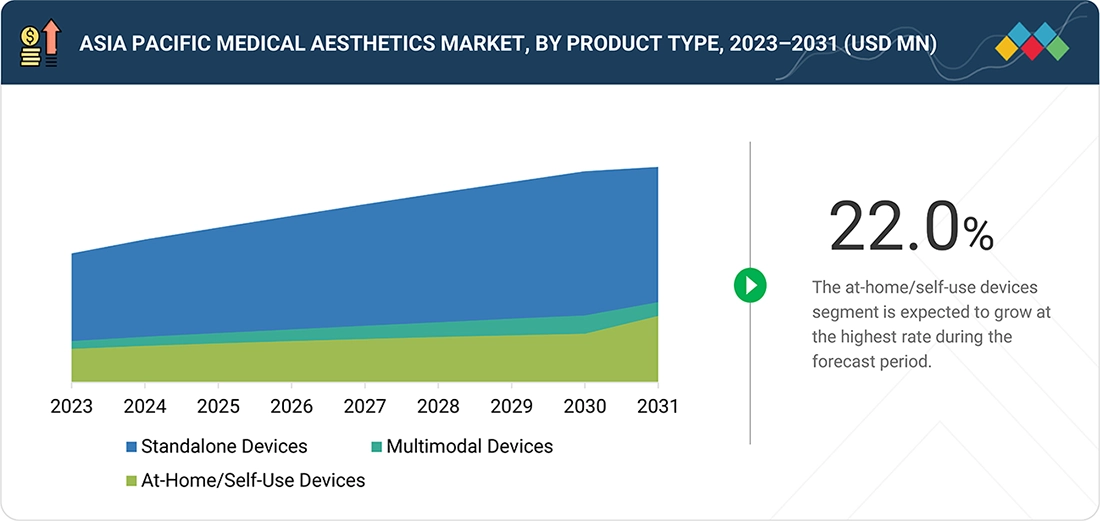
By Product TypeBy product type, the at-home/self-use devices segment is projected to achieve a higher CAGR (22.0%) than the standalone devices segment during the forecast period.
-
By ProcedureBy procedure, the surgical procedures segment is projected to register a higher CAGR (15.5%) than the non-surgical procedures segment during the forecast period.
-
By End UserBy end user, the dermatology clinics, hospitals, and medical spas segment accounted for a share of 95.0% of the Asia Pacific medical aesthetics market in 2024.
-
Competitive Landscape - Key PlayersAbbvie (US), Galderma (Switzerland), Cynosure Lutronic (US), and Johnson & Johnson (US) are recognized as key players in the Asia Pacific medical aesthetics market. These companies are strengthening their regional presence through strategic collaborations with hospitals, dermatology clinics, and rapidly expanding medispas across countries such as China, India, South Korea, and Japan. Additionally, adherence to international safety and efficacy standards enhances brand credibility, driving strong demand and enabling large-scale adoption of aesthetic procedures in the region.
-
Competitive Landscape - Startups/SMEsSinnclair (UK), Medytox (South Korea), and Recosmo (Canada), among others, have built a solid foothold in the Asia Pacific medical aesthetics market by focusing on emerging trends like at-home/self-use devices or non-invasive treatments. These SMEs are capturing market share through collaborations with local distributors, beauty centers, and small medispas.
The Asia Pacific medical aesthetics market is projected to grow steadily from 2026 to 2031. The rapidly growing market is largely driven by an increase in the number of people interested in non-invasive and minimally invasive aesthetic procedures. Factors such as urbanization, the influence of social media, and greater societal acceptance of cosmetic enhancements are shaping consumer behavior towards higher aesthetic standards in their lives. Medical tourism is also on the rise, with countries like South Korea, Thailand, India, and Singapore attracting patients from around the world due to their advanced cosmetic procedures offered at competitive prices. Additionally, technological advancements and the ongoing expansion of the private healthcare sector have accelerated innovation in the field, creating new opportunities for cosmetic surgeons throughout the region.
TRENDS & DISRUPTIONS IMPACTING CUSTOMERS' CUSTOMERS
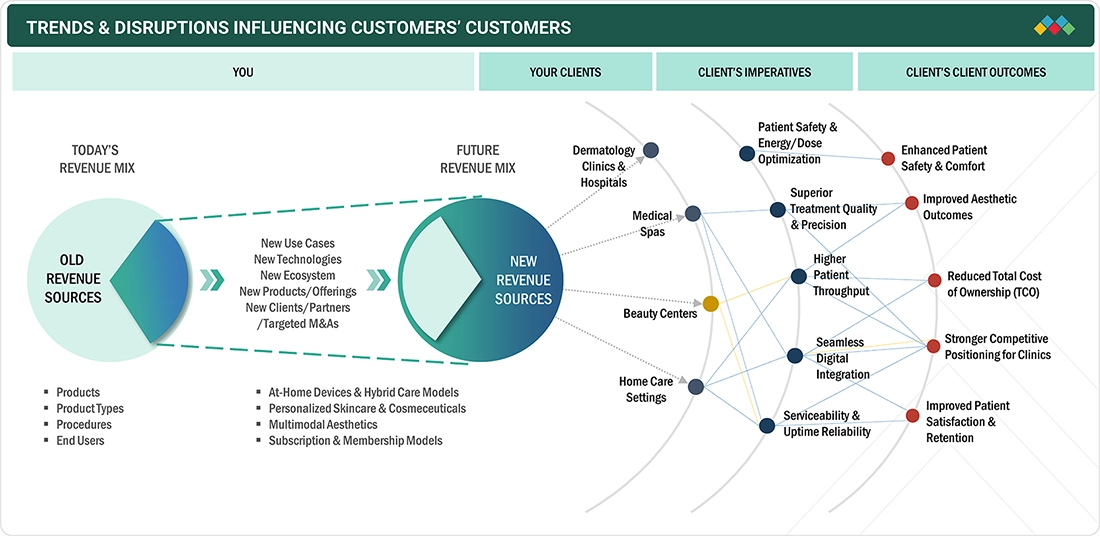
The medical aesthetics industry in the Asia Pacific (APAC) region is experiencing a major paradigm shift with the emergence of new trends and dynamic factors in the medical field. Due to the growing demand for the adoption of non-invasive medical aesthetics, leading firms, such as Allergan Aesthetics, Galderma, Merz, and Cutera, have triggered a new approach in their strategy to cater to the emerging needs of the new generation of consumers interested in medical aesthetics. The firms have stressed the importance of high-quality injectables, minimally invasive treatments, and energy devices, which can cater to the shape and characteristics of the Asia Pacific facial structure, in addition to the region's skin and health trends associated with the medical wellness standards. Due to the growing requirements for more natural and customized outcomes, the medical aesthetics industry has experienced new challenges and a growing emphasis on customer retention and overall treatment. Leveraging the growing trends, the medical aesthetics industry has entered a new phase where firms have the opportunity to generate substantial revenues and make their contributions towards the medical wellness requirements associated with the Asia Pacific medical trends.
Source: Secondary Research, Interviews with Experts, MarketsandMarkets Analysis
MARKET DYNAMICS

Level
-
Growing preference for minimally invasive and non-invasive aesthetic procedures

-
Rising demand for aesthetic treatments among elderly population


Level
-
Concerns related to infection risks and overall safety

-
Stringent regulatory frameworks and compliance requirements


Level
-
Growth of medical tourism across Asia Pacific

-
Introduction of advanced technologies and innovative products


Level
-
High treatment costs and expensive aesthetic devices

-
Social stigma and cultural constraints

Source: Secondary Research, Interviews with Experts, MarketsandMarkets Analysis
Driver: Rising demand for aesthetic treatments among elderly population
The growing proportion of health-conscious older adults is driving the expansion of the medical aesthetics market in the Asia Pacific region. Geriatric aesthetics specifically addresses cosmetic concerns related to aging and offers comprehensive body care. As people age, they experience skin degeneration, resulting in visible signs such as wrinkles and loss of skin elasticity. Consequently, there is an increasing demand among elderly individuals for anti-aging treatments, wrinkle reduction, and skin tightening procedures. The rise in the elderly population in Asia Pacific is contributing to market growth, especially with the increasing availability of minimally invasive and non-invasive aesthetic procedures. These options align well with seniors' preferences for lower risks, quicker recovery times, and effective results, allowing them to maintain a youthful appearance and improve their overall quality of life. The World Health Organization (WHO) projects that by 2030, one in six people worldwide will be aged 60 or older, leading to a significant increase in the population over 60. This trend will likely result in a substantial surge in demand for geriatric-oriented medical aesthetic services in the Asia Pacific region.
Restraint: Concerns related to infection risks and overall safety
Infection risks and overall patient safety concerns remain significant challenges for the medical aesthetics market in the Asia Pacific region. This is particularly true with the rise of minimally invasive and non-invasive treatments. Variations in medical legislation across populations, inconsistent enforcement of medical standards, and a shortage of certified practitioners in certain areas contribute to the risk of infections following these procedures. Additionally, poor sterilization practices, inappropriate use of injectable materials, and insufficient practitioner expertise can heighten safety concerns, leading to negative outcomes. These issues may ultimately erode consumer confidence in these treatments. As a result, many individuals might be reluctant to pursue medical aesthetics options in the Asia Pacific market due to a lack of awareness about the associated risks.`
Opportunity: Introduction of advanced technologies and innovative products
The medical aesthetics market in Asia Pacific is brimming with huge opportunities for new technological innovations and advanced products, as rapid technological development continues to reshape aesthetic procedures across the region. Greater access to energy-based devices, AI-assisted diagnostic and treatment planning tools, and next-generation injectables improves the precision, safety, and clinical outcome of treatments and thus makes these treatments effective and less invasive. This development also significantly emboldens the demand from an increasingly tech-savvy population to know and seek customized aesthetic solutions that have shorter recoveries. Besides, heavy research and development investments with the presence of both local and international manufacturers can fast-track the launch of products tailored to a number of skin types and regional preferences for beauty. Generally speaking, supportive regulatory reforms in a number of Asia Pacific nations, together with medical tourism, increase market potential further and thereby make this an ideal platform for clinics and hospitals to introduce new technologies and ensure differential positioning in their services for sustained growth of the market.
Challenge: Social stigma and cultural constraints
Social and cultural constraints exist in some emerging markets, such as East Asia and Africa, which hinder the acceptance of medical aesthetic procedures. These constraints include cultural beliefs that prioritize natural beauty and view medical aesthetics as vain or unconventional. In these societies, social taboos and perceptions often deem procedures like contouring enhancements unnecessary or inappropriate. Moreover, social stigmas surrounding surgical and non-surgical medical aesthetic procedures stem from negative perceptions and certain religious and ethical standards, particularly related to body modifications. Although there is a growing interest among the elderly in appearing younger, there can be negative consequences associated with using cosmetic alterations to conceal age. These social stigmas serve as significant barriers to the acceptance of medical aesthetic procedures, thereby obstructing growth in this industry. Additionally, a lack of privacy makes open discussions about these procedures difficult, resulting in decreased awareness, which further perpetuates stigma. Variations in regulations and the cost of procedures present further challenges. To address these obstacles, efforts focused on education, awareness, and safety, alongside consideration of cultural preferences regarding medical aesthetics, are essential.
ASIA PACIFIC MEDICAL AESTHETICS MARKET: COMMERCIAL USE CASES ACROSS INDUSTRIES
| COMPANY | USE CASE DESCRIPTION | BENEFITS |
|---|---|---|
 |
Partners with dermatology and aesthetic clinics across Asia Pacific to deliver premium injectable solutions for facial enhancement, anti-aging, and skin quality, addressing both preventive and corrective aesthetic needs | Supports strong patient loyalty in highly competitive urban markets | Reinforces premium and international brand positioning | Drives predictable recurring revenue through long-term treatment plans and maintenance programs |
 |
Offers minimally invasive aesthetic treatments tailored to diverse APAC facial anatomies and skin types, focusing on volume balance, wrinkle management, and overall skin health | Meets rising consumer preference for subtle, natural-looking outcomes | Reduces downtime for working professionals | Builds trust in physician-led clinics through clinically proven, science-driven solutions |
 |
Supports aesthetic clinics and medical spas by integrating injectables and neuromodulators with holistic beauty, wellness, and advanced skincare services. | Aligns well with APAC’s beauty and wellness culture | Enables bundled treatment offerings | Increases average spend per patient, and helps clinics differentiate through personalized, natural-looking aesthetic results |
 |
Provides non-invasive, energy-based aesthetic devices for skin brightening, tightening, body shaping, and vascular treatments that appeal to downtime-sensitive APAC consumers | Strengthens clinic competitiveness through technology-led treatments | Attracts first-time aesthetic patients seeking non-surgical options | Drives high device utilization through repeat sessions and combination therapies |
Logos and trademarks shown above are the property of their respective owners. Their use here is for informational and illustrative purposes only.
MARKET ECOSYSTEM
The Asia Pacific market for medical aesthetics is characterized by an integrated value chain that includes global and regional manufacturers, such as InMode, Cynosure-Lutronic, AbbVie, Cutera, and Sisram Medical. These companies are driving innovations in energy-based systems, injectables, and aesthetic solutions, all under the scrutiny of various national regulatory bodies in the region. Notable regulators include the NMPA in China, CDSCO in India, PMDA/MHLW in Japan, HSA in Singapore, and TGA in Australia. Additionally, distributors and local channel partners play a key role in expanding market reach by facilitating product availability, regulatory compliance, and after-sales support across diverse regional markets. The ecosystem also features crucial middlemen that facilitate the globalization of technology through well-developed aesthetic supply chains. On the demand side, the market is supported by an increasing number of end users, including large hospital chains, laser clinics, and high-end aesthetic clinics. This growth is driven by rising disposable incomes, an increasing adoption of minimally invasive treatments, and a surge in medical tourism across key Asia Pacific markets. As a result, the ecosystem is exhibiting strong momentum, with advancements in technological adoption, continuous regulatory development, and increasing demands from downstream end users.
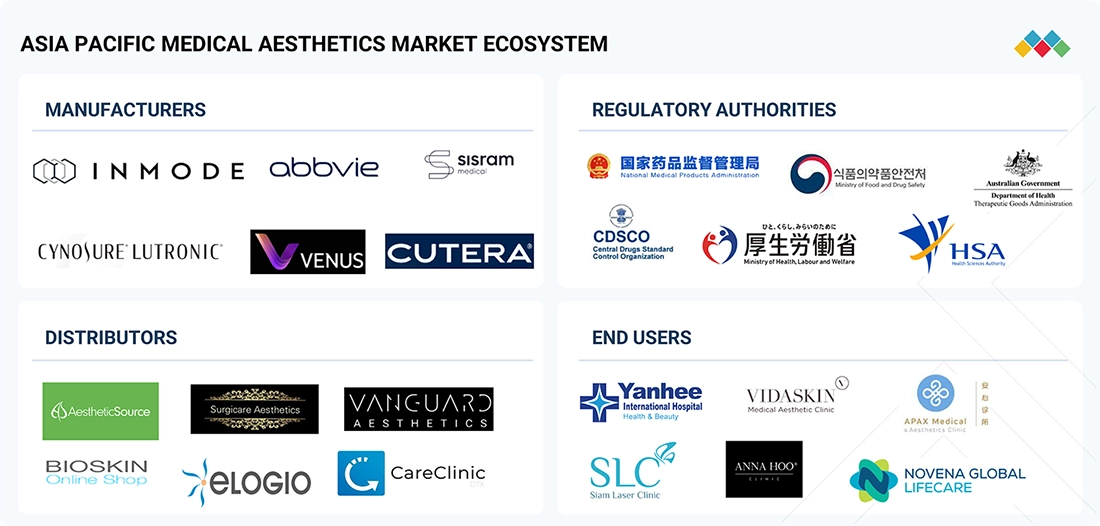
Logos and trademarks shown above are the property of their respective owners. Their use here is for informational and illustrative purposes only.
MARKET SEGMENTS
Source: Secondary Research, Interviews with Experts, MarketsandMarkets Analysis
Asia Pacific Medical Aesthetics Market, By Product
In 2025, the facial aesthetic products segment is expected to dominate the medical aesthetics market in the Asia Pacific region. This trend can be attributed to several key factors. Firstly, there is a growing acceptance of non-invasive procedures among individuals in this area, many of whom are increasingly concerned about their appearance. Additionally, the population in these countries consists of a significant number of young and relatively young middle-aged individuals. The influence of social media and celebrities has further driven the demand for aesthetic treatments, as people seek to enhance their beauty. Consequently, there is a marked increase in the use of Botox and dermal fillers across Asia Pacific nations. Furthermore, advancements in technology related to the administration of aesthetic treatments have further boosted the market by enhancing safety, improving efficiency, and reducing treatment times.
Asia Pacific Medical Aesthetics Market, By Product Type
The medical aesthetics market is categorized into standalone devices, multimodal devices, and at-home/self-use devices. In the Asia Pacific region, the rise in standalone devices is primarily driven by the increasing popularity of minimally invasive and non-invasive medical aesthetics. These standalone devices are convenient and deliver efficient results, which encourages more people to adopt them. Social media, along with a growing middle-class population with higher disposable income, is raising awareness about medical aesthetics. This awareness motivates medical and cosmetic centers to incorporate standalone devices into their services. Additionally, advancements in energy platforms, as well as improvements in safety and ease of use, have made these devices more accessible. This enables medical and cosmetic practitioners to develop customized treatments for their patients. The growing number of dermatology and cosmetic centers in Asian countries like China, South Korea, Japan, and other Southeast Asian nations has also led to a significant increase in the adoption of standalone devices, allowing for faster treatment turnaround times.
Asia Pacific Medical Aesthetics Market, By Procedure
The medical aesthetics market is divided into surgical and non-surgical procedures. Surgical procedures include options such as breast augmentation, rhinoplasty, facelifts, body lifts, and similar interventions. In contrast, non-surgical procedures encompass treatments like anti-aging and skin rejuvenation, tattoo and scar removal, hair removal, lipolysis, and various other non-invasive options. The Asia Pacific market for non-cosmetic aesthetic procedures, including tattoo removal, has grown due to changing lifestyle choices, personal preferences, and professional demands. There is an increasing desire to minimize the risks and downtime associated with aesthetic procedures. Factors such as rising urbanization, higher per capita income, and greater awareness of advanced laser-based technologies for aesthetic corrections have encouraged people to seek tattoo removal procedures. Additionally, evolving social and workplace norms, life transitions such as weddings, and social media pressures have heightened interest in removing or covering tattoos. Improvements in laser technology have enhanced its effectiveness and its application for individuals with varying skin tones. Moreover, the widespread availability of aesthetic practitioners throughout the Asia Pacific region has further facilitated market growth.
Asia Pacific Medical Aesthetics Market, By End User
The medical aesthetics market is categorized into dermatology clinics, hospitals, medical spas; beauty centers; and homecare settings. Among these, dermatology clinics, hospitals, and medical spas are the primary users of medical aesthetics in the Asia Pacific region. This trend can be attributed to the increasing demand for non-invasive and minimally invasive cosmetic procedures, driven by the large population's concern for appearance and rising affluence. A key factor contributing to the popularity of clinics in the Asia Pacific market is the advancements in dermatological technology. Additionally, innovations such as lasers, injectable fillers, and other energy-based systems have improved the safety, efficacy, and results of procedures, enhancing patients' trust in dermatology clinics. Moreover, the high skill level of dermatologists, the demand for personalized care, growing interests from the male cosmetic segment, and the establishment of the private health care sector are significant factors influencing the use of dermatology clinics in the cosmetic medical aesthetics market in this region.
REGION
China to be fastest-growing country in Asia Pacific medical aesthetics market during forecast period
The Asia Pacific medical aesthetics market is divided into five key countries: China, Japan, India, South Korea, and Australia. Among these, Japan serves as the primary driving force behind the region's medical aesthetics market. The country boasts an excellent healthcare infrastructure, a well-informed patient population, and a significant demand for safe, high-quality aesthetic procedures that are clinically validated. The growing number of aging but health-conscious individuals has increased the demand for non-invasive to minimally invasive procedures, such as injectables, skin renewal treatments, and laser procedures, which provide natural-looking results with minimal or no side effects. Furthermore, Japan's strict regulatory policies, well-trained professionals, and the presence of headquarters for major aesthetic device and pharmaceutical companies make it a key hub for innovation in the medical aesthetics industry within the Asia Pacific region.
ASIA PACIFIC MEDICAL AESTHETICS MARKET: COMPANY EVALUATION MATRIX
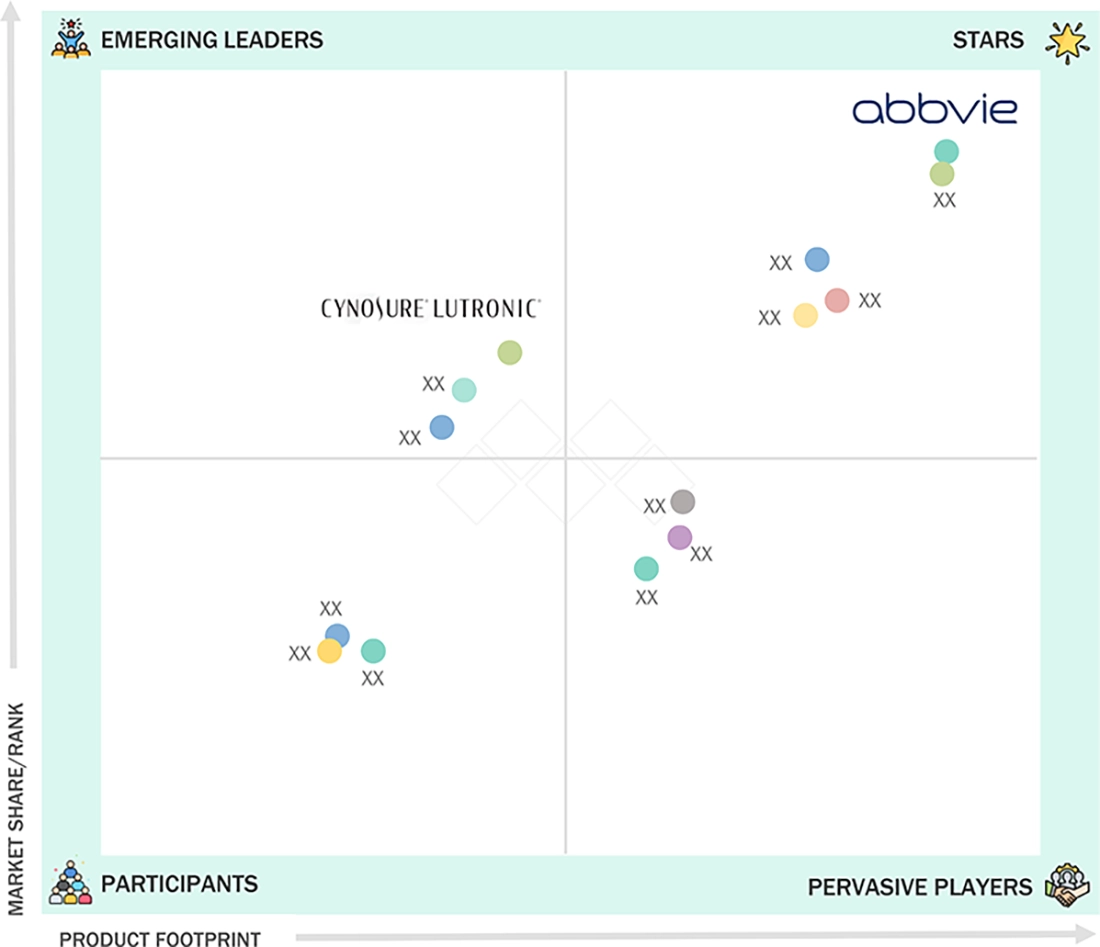
The comparison matrix for the Asia Pacific medical aesthetics market reveals a clear stratification among players based on their product reach and market share/ranking, indicating their levels of competitiveness and maturity. AbbVie stands out in the 'Stars' category, highlighting its strong leadership and growth in the Asia Pacific medical aesthetics market, driven by a wide-ranging product portfolio and strong brand recognition. Other companies perform well and are rapidly expanding in their respective markets, demonstrating their ability to scale up through innovation and expansion efforts. Cynosure Lutronic is an emerging key player in the Asia Pacific medical aesthetics market, supported by the strategic merger of Cynosure and Lutronic Corporation, which has significantly strengthened its portfolio of advanced energy-based devices. The company is expanding its footprint across major APAC markets through increasing regulatory approvals in countries such as China and Japan, enabling faster commercialization of key platforms like Clarity II and enhancing its competitive positioning. Conversely, some companies fall into the lower left segment, characterized by limited product portfolios and smaller markets that are still developing as newcomers. These companies occupy a middle ground, showcasing moderate product reach and improving market positions. Overall, the Asia Pacific medical aesthetics comparison matrix indicates that the market is competitive and ripe with opportunities. Success in leadership is heavily dependent on overall product portfolio reach and the ability to scale up across the Asia Pacific markets.
Source: Secondary Research, Interviews with Experts, MarketsandMarkets Analysis
KEY MARKET PLAYERS
- AbbVie Inc. (US)
- Alma Lasers (Israel)
- Cynosure (US)
- Johnson & Johnson (US)
- Bausch Health Companies Inc. (Canada)
- Cutera (US)
- Galderma (Switzerland)
- El.En. S.p.A. (Italy)
- InMode Ltd (Israel)
- Revance (US)
MARKET SCOPE
| REPORT METRIC | DETAILS |
|---|---|
| Market Size in 2024 (Value) | USD 3.26 Billion |
| Market Forecast in 2031 (Value) | USD 8.66 Billion |
| Growth Rate | CAGR of 15.0% from 2025–2031 |
| Years Considered | 2023–2031 |
| Base Year | 2024 |
| Forecast Period | 2025–2031 |
| Units Considered | Value (USD Billion), Volume (Units Sold) |
| Report Coverage | Revenue forecast, company ranking, competitive landscape, growth factors, and trends |
| Segments Covered |
|
| Country Covered | China, Japan, India, South Korea, Australia, Rest of Asia Pacific |
| Parent & Related Segment Reports |
Medical Aesthetics Market Energy Based Medical Aesthetics Market Europe Medical Aesthetics Market United States Medical Aesthetics Market |
WHAT IS IN IT FOR YOU: ASIA PACIFIC MEDICAL AESTHETICS MARKET REPORT CONTENT GUIDE
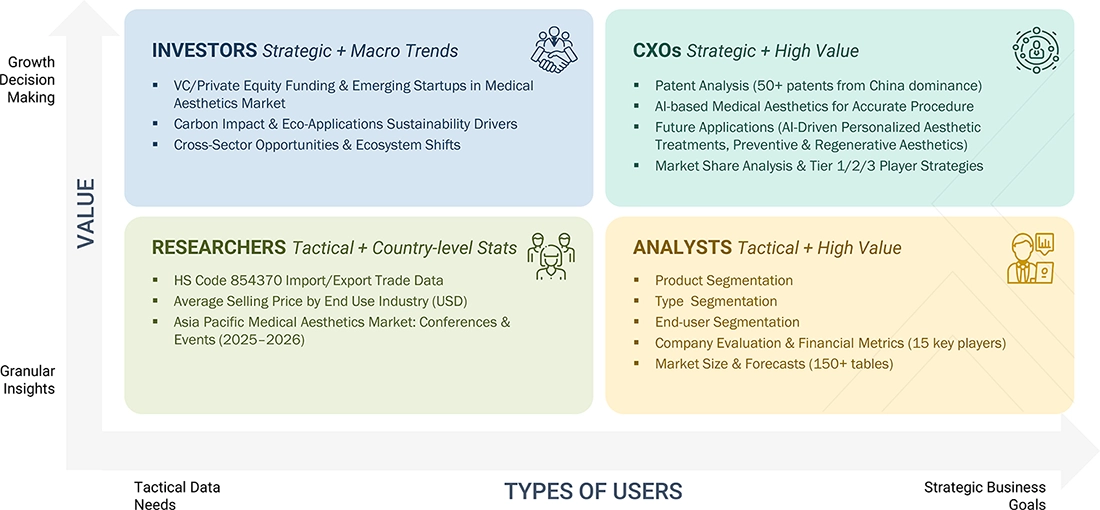
DELIVERED CUSTOMIZATIONS
We have successfully delivered the following deep-dive customizations:
| CLIENT REQUEST | CUSTOMIZATION DELIVERED | VALUE ADDS |
|---|---|---|
| Biopharmaceutical Companies |
|
|
RECENT DEVELOPMENTS
- June 2025 : Alma Lasers introduced and expanded its next-generation Alma Harmony platform in India, marking a significant development in advancing and redefining aesthetic care through innovative in-office treatment solutions.
- April 2025 : Alma Lasers developed and launched Alma Harmony, an advanced, state-of-the-art aesthetic platform designed to deliver next-generation, high-performance in-office treatments across a wide range of clinical applications.
- July 2024 : Fotona (Slovenia) expanded its presence in Malaysia by launching the Laser & Health (LA&HA) Malaysia Training Center, with the aim of enhancing the skills of Fotona users through specialized workshops.
Table of Contents
 Exclusive indicates content/data unique to MarketsandMarkets and not available with any competitors.
Methodology
Four primary studies have been undertaken to size the Asia Pacific Medical Aesthetics Market. Secondary research has been used to obtain preliminary data for the Asia Pacific Medical Aesthetics Market and peer and parent markets. Data were collected from 3-5 secondary sources, and validated by primary sources for assumptions and market sizing. Through top-down and bottom-up approaches, the overall market size was informed and further broken down, and data was triangulated for segment and subsegment sizing.
Secondary Research
These included directories, Factiva, white papers, Bloomberg Businessweek, annual reports, SEC filings, business filings, and investor presentations, among others Through these souces, one can gain critical data about market leaders, how the industry is divided into sectors, and how technology varies from one industry level to another within medical aesthetics.
Primary Research
Primary research consisted of interviewing people from the supply side of the business and the demand side to get quantitative and qualitative insights. On the demand side, primary sources involved in the study included physicians, researchers, department heads, staff from diagnostic centers, hospital staff, and those attached to the research institutes, while on the supply side, it involved CEOs, area sales managers, territory and regional sales managers, and various other top executives of relevant companies. These direct meetings with people in key leadership positions helped validate assumptions arising from secondary research and bring them face-to-face so that any assumptions could also be directly
To know about the assumptions considered for the study, download the pdf brochure
Market Size Estimation
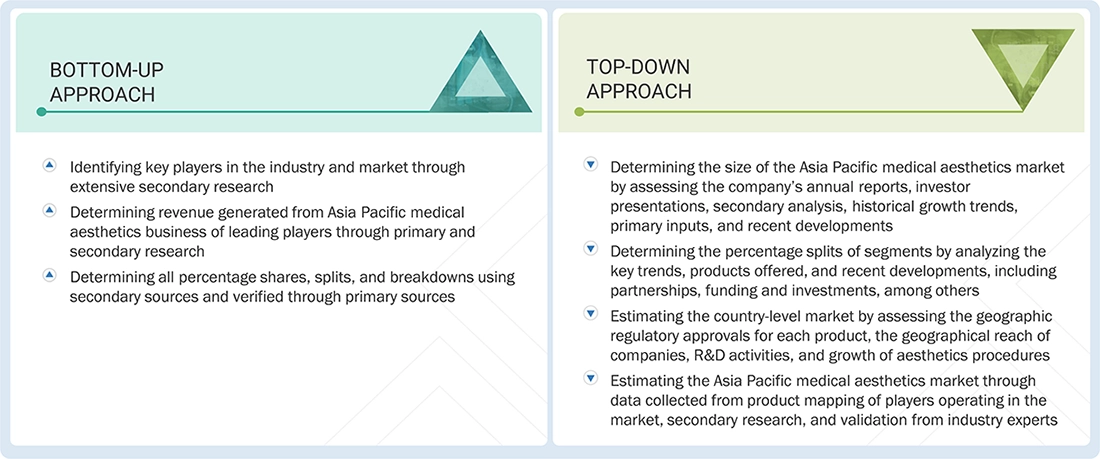
The revenue share analysis of major companies was used in this report to determine the size of the Asia Pacific Medical Aesthetics Market. This was accomplished by identifying the major market participants and calculating their medical aesthetics business revenues using a variety of information acquired throughout the primary and secondary research stages. Examining the annual and financial reports of the leading market participants was one aspect of secondary research. On the other hand, primary research involved in-depth interviews with important thought leaders, including directors, CEOs, and important marketing executives.
Segmental revenues were computed using the revenue mapping of the leading solution/service providers to determine the worldwide market value. The following steps were engaged in this process:
- Making a list of the leading international companies in the medical aesthetics industry
- Charting the annual profits made by the leading companies in the medical aesthetics sector (or the closest stated business unit/product category)
- As of 2023, revenue mapping of leading companies to cover a significant portion of the global market
- Calculating the medical aesthetics industry's global value
Asia Pacific Medical Aesthetics Market: Bottom-up and Top-down approach
Data Triangulation
After determining the overall market size through the process of estimation as discussed above, the Asia Pacific Medical Aesthetics Market has been segmented and subsegmented. Data triangulation and market breakdown methods have been used to refine the accuracy of these estimates. This process is based on the analysis of multiple factors and trends from both the demand and supply perspectives. The Asia Pacific Medical Aesthetics Market has been validated through both the top-down and bottom-up approaches, ensuring the accuracy of the segment and subsegment statistics.
Market Definition
The Asia Pacific Medical Aesthetics Market comprises a broad scope of nonsurgical and minimally invasive treatments and products to improve the aesthetic appearance of an individual. Such procedures are usually aimed at issues concerning skin, body, and dental appearance and are specifically customized to meet individual needs. The use of advanced technologies makes it possible to rejuvenate, contour the body, and enhance dental aesthetics.
Applications under this Asia Pacific Medical Aesthetics Market include facial aesthetics, body shaping, skin rejuvenation, hair removal, scar reduction, and pigmentation correction. The market has several end customers, including dermatology and cosmetic clinics, hospitals, beauty centers, medical spas, and even home device consumers.
Stakeholders
- Medical Aesthetic Clinics
- Cosmetic Product Manufacturers
- Aesthetic Device Manufacturers
- Pharmaceutical Companies
- Hospitals and Surgical Centers
- Aesthetic Product Retailers
- Medical Spas and Beauty Spas
- Cosmetologists and Plastic Surgeons
- Media and Influencers
- Medical Aesthetics Device Distributors and Suppliers
- Market Research and Consulting Firms
Report Objectives
- To define, describe, and forecast the Asia Pacific Medical Aesthetics Market based on product, device type, procedure, end user, and region
- To provide detailed information regarding the major factors influencing the market growth (such as drivers, restraints, opportunities, and challenges)
- To analyze the micro markets for individual growth trends, prospects, and contributions to the overall Asia Pacific Medical Aesthetics Market
- To analyze the opportunities for stakeholders and provide details of the competitive landscape for market leaders
- To forecast the size of the market segments for five regions, namely, North America, Europe, the Asia Pacific, Latin America, and the Middle East & Africa
- To profile the key players and analyze their market shares and core competencies
- To track and analyze competitive developments, such as product launches, funding and grants, partnerships, agreements, collaborations, expansions, strategic alliances, and acquisitions
- To benchmark players within the market using the proprietary “Company Evaluation Matrix” framework to analyze players on various parameters within the broad categories of business and product excellence strategy.


Personalize This Research
- Triangulate with your Own Data
- Get Data as per your Format and Definition
- Gain a Deeper Dive on a Specific Application, Geography, Customer or Competitor
- Any level of Personalization
Let Us Help You
- What are the Known and Unknown Adjacencies Impacting the Asia Pacific Medical Aesthetics Market
- What will your New Revenue Sources be?
- Who will be your Top Customer; what will make them switch?
- Defend your Market Share or Win Competitors
- Get a Scorecard for Target Partners

Custom Market Research Services
We Will Customise The Research For You, In Case The Report Listed Above Does Not Meet With Your Requirements
Get 10% Free CustomisationTESTIMONIALS

JAYANT RAJPUROHIT
Director of Market Insights, Data and Analytics
SFI Health,
Leading Pharmaceutical Companywww.sfihealth.com/

We at SFI Health approached MarketsandMarkets for an Opportunity Assessment on "Incidence and Prevalence of Focus Indications" as we wanted to know the most attractive HCPs like Physician, Functional MD, Naturopath and Pharmacist. The project was critical for us to ensure our focus on the right target which would enable sustainable growth and profitability for SFI Health. The business insights provided exceeded our expectations and we were extremely impressed. The team at MarketsandMarkets is highly professional and detail oriented and very well understood our business needs. MarketsandMarkets offers a unique combination of expertise and dedicated engagement model. We identified 2 new products to be launched in coming months, based on the research findings provided by MarketsandMarkets. We are happy with the services and would strongly recommend MarketsandMarkets to my peers in the industry.

BEATRIZ DE LA CALLE
Head of Commercial Analytics
Qualicaps,
Leading Pharmaceutical Companywww.qualicaps.com/

We partnered with MarketsandMarkets for an assessment study on hard empty capsules. The team was extremely professional in understanding our business requirements and we received timely responses to all our queries. The market intelligence and the recommendations has met our business requirements. We were extremely impressed to see the final study results; it really exceeded our expectations. The market intelligence offered by MarketsandMarkets, and clarity on next steps will help us achieve our business objective for the Year 2021. We are happy with the services and would strongly recommend MarketsandMarkets to my peers in the industry.

Bob Williams,
Senior Director Business Development & Innovation
Bracco Diagnostics Inc.,
Italian Multinational in life sciences sector and a World Leader in imaging diagnosticsimaging.bracco.com/us-en
We were pleased with targeted insights that MarketsandMarkets identified from a custom study on the 'Radiation Dose Management Solutions Market'. Your team identified and characterized the market participants as well as underlying trends accurately. This study was useful to Bracco in formulating business strategies for our dose monitoring product lines and we thank MarketsandMarkets for the job well done.
Cody Coonradt,
Market Development and Strategy Manager
3M Health Information Systems,
Leader in Health care Coding, Payment & Analytics Solutions.www.3m.com/3M/en_US/health-information-systems-us
The value for our organization comes from three things: depth of research, specificity of segments and being easy to work with. As important as the first two are, the third can't be underestimated. MarketsandMarkets, maybe more than any other research vendor, wants to know what is top of mind for our team and what big questions we are grappling to answer.
Their customer first approach and high value engagement model, have given us great analysis and excellent value for money






Growth opportunities and latent adjacency in Asia Pacific Medical Aesthetics Market