Enterprise File Synchronization and Sharing (EFSS) Market

Enterprise File Synchronization and Sharing (EFSS) Market by Application (File Storage & Backup, Content Management System, Document Collaboration), Business Function (HR, Sales & Marketing, Legal, Finance & Accounting) - Global Forecast to 2031




OVERVIEW
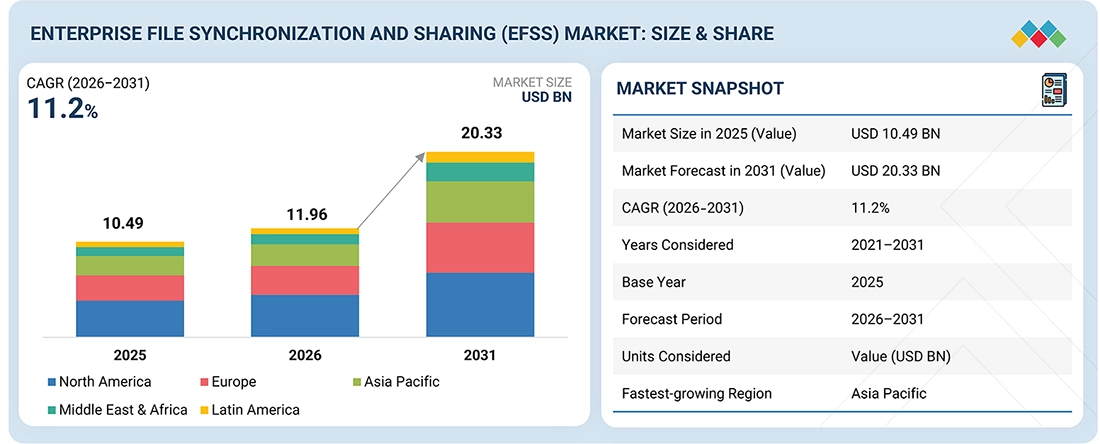
Source: Secondary Research, Interviews with Experts, MarketsandMarkets Analysis
The enterprise file synchronization and sharing (EFSS) market is projected to grow from USD 11.96 billion in 2026 to USD 20.33 billion by 2031, at a CAGR of 11.2% during the forecast period. Enterprise data volumes continue to rise, particularly unstructured content such as documents, media files, and internal records. Many companies are therefore reconsidering how files are stored and accessed. Traditional file servers are gradually being replaced by platforms that allow employees to retrieve documents from different devices and locations. Integration with productivity software has also become an important requirement. At the same time, regulatory expectations related to data governance continue to strengthen. These developments are increasing the adoption of EFSS platforms that support controlled file sharing and enterprise data management.
KEY TAKEAWAYS
-
By RegionNorth America is estimated to account for the largest market share of 37.34% in 2026.
-
By OfferingBased on solutions, the integrated solutions segment is estimated to grow at a CAGR of 12.0% during the forecast period.
-
By Business FunctionThe sales & marketing segment is expected to hold the largest market.
-
By ApplicationThe mobile access & productivity segment is projected to grow at the highest CAGR of 13.6% during the forecast period.
-
By VerticalThe healthcare segment is projected to register the highest CAGR during the forecast period.
-
Competitive Landscape- Key PlayersMicrosoft, Google, and VMware were identified as leading players in the market due to their strong product innovation, broad industry coverage, and solid operational and financial performance.
-
Competitive Landscape-StartupsAccellion, ownCloud, and Egnyte have distinguished themselves among startups and SMEs through robust product portfolios and effective business strategies.
Enterprise file sync and share solutions allow employees to store, retrieve, and collaborate on documents from multiple devices. In most deployments, cloud storage acts as the foundation while collaboration tools enable teams to edit and exchange files easily. Encryption and permission-based access controls help organizations protect sensitive business information. Version tracking is commonly available and helps teams monitor document updates. Access through mobile devices is also important, especially when employees work outside the office.
TRENDS & DISRUPTIONS IMPACTING CUSTOMERS' CUSTOMERS
The EFSS market is expanding as companies continue to support remote and hybrid work. Employees need to access and share files from different devices and locations, which has increased the demand for secure file-sharing platforms. At the same time, organizations must make sure their data is protected and handled according to regulatory requirements. Security threats and the complexity of managing files across different systems remain ongoing challenges. Because of this, many businesses are adopting EFSS platforms that provide stronger security controls, encryption, and better tools to manage and organize company data.
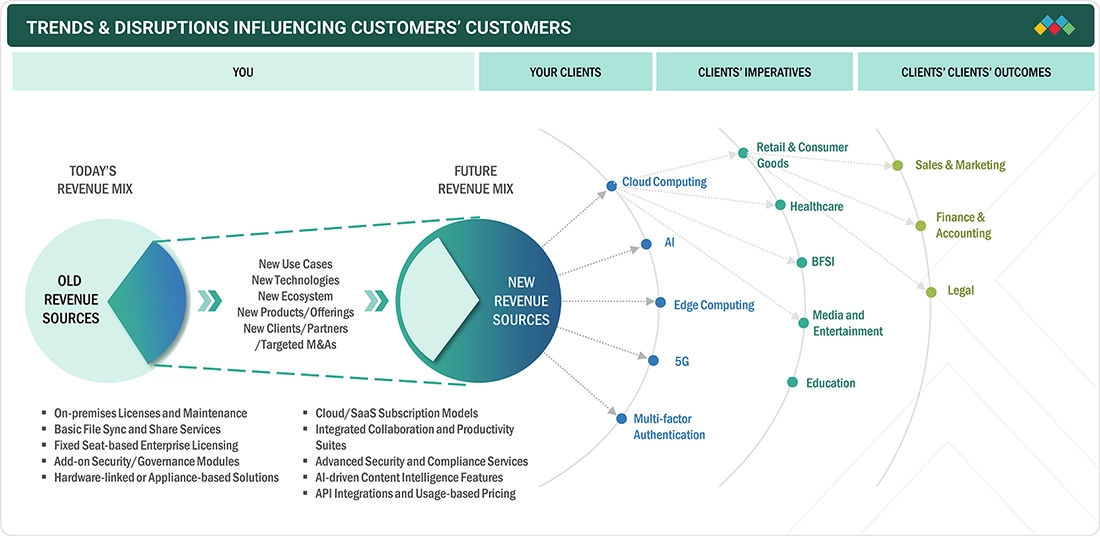
Source: Secondary Research, Interviews with Experts, MarketsandMarkets Analysis
MARKET DYNAMICS

Level
-
Growing demand for secure, cloud-based file collaboration across distributed workforces

-
Rising need for compliance-ready file storage and auditability


Level
-
Legacy infrastructure and inconsistent endpoint environments limit smooth adoption

-
Security concerns around multi-tenant cloud storage and external file sharing


Level
-
Advanced content lifecycle automation, intelligent sync, and metadata-driven governance

-
Integration of AI-powered content insights, DLP, and automated risk detection


Level
-
Balancing ease of access with strong security posture across devices and external users

-
Maintaining performance, sync reliability, and consistency across high-volume enterprise datasets

Source: Secondary Research, Interviews with Experts, MarketsandMarkets Analysis
Driver: Growing demand for secure, cloud-based file collaboration across distributed workforces
Hybrid and remote work arrangements have changed how teams handle document collaboration. Employees now work across multiple offices and time zones. Because of this, access to shared files must be immediate and reliable. Files remain synchronized across devices, allowing users to access the latest version regardless of where the document was last edited. Multiple users can update the same file, and documents may also be shared with external partners when required. Connections with SaaS applications allow employees to access shared files while continuing to use familiar work tools.
Restraint: Legacy infrastructure and inconsistent endpoint environments limit smooth adoption
Moving data from traditional storage systems to EFSS platforms is not always straightforward. Many companies still use legacy file servers, older SharePoint environments, or network drives that contain years of stored information. During migration, folder structures, permissions, and metadata must be transferred carefully. Differences between operating systems and security tools can make the process more complicated. Because of this, organizations often move data gradually rather than migrating everything at once.
Opportunity: Advanced content lifecycle automation, intelligent sync, and metadata-driven governance
Interest is also growing in EFSS platforms that provide stronger automation and governance features. Managing large volumes of enterprise content manually is becoming difficult. Automation tools such as file classification and policy-driven access controls help manage this complexity. Some platforms also use intelligent synchronization to optimize file transfers depending on network conditions or device type. Metadata tagging and automated workflows also help improve content organization.
Challenge: Balancing ease of access with strong security posture across devices and external users
Security remains a central consideration when organizations deploy EFSS platforms. Employees and external partners must be able to exchange files while sensitive information remains protected. Technologies such as multi-factor authentication, encryption, and detailed access permissions support secure collaboration. At the same time, platforms must remain simple for employees to use. Vendors therefore continue to focus on balancing strong security with usability.
ENTERPRISE FILE SYNCHRONIZATION AND SHARING (EFSS) MARKET: COMMERCIAL USE CASES ACROSS INDUSTRIES
| COMPANY | USE CASE DESCRIPTION | BENEFITS |
|---|---|---|
 |
Santander partnered with CTERA to deploy a fully secure, scalable file sync and collaboration solution within its own data centers. The goal was to meet strict compliance requirements while optimizing storage efficiency through deduplication, compression, and secure data transmission. | CTERA’s EFSS platform integrated seamlessly with Santander’s existing infrastructure and authentication systems. Its white-labeling capability allowed Santander to deliver a fully branded, IT-approved file-sharing service for over 100M customers and employees worldwide. |
 |
Balfour Beatty adopted Egnyte to streamline document sharing across teams, sites, and devices, supporting large-scale construction and infrastructure projects, including a major airport renovation. | The solution helped the company save over USD 5 million, driven by reduced hardware and software costs, VPN elimination, and lower administrative overhead. Improved access to digital documentation enhanced collaboration, boosting revenue and profitability. |
 |
Gemalto implemented the Accellion platform to modernize and centralize its secure file-sharing ecosystem, replacing several fragmented tools that slowed productivity. | Accellion enabled global staff to securely access and share large files—up to 80GB—from any device. The improved collaboration workflows boosted productivity while maintaining strict security and compliance standards. |
Logos and trademarks shown above are the property of their respective owners. Their use here is for informational and illustrative purposes only.
MARKET ECOSYSTEM
The EFSS ecosystem includes software providers as well as service partners. Technology vendors develop platforms that manage enterprise file storage, synchronization, and collaboration. Service providers typically assist with deployment, migration, and integration projects. They may also provide security and compliance guidance. Together, these participants enable organizations to implement secure enterprise file-sharing environments.
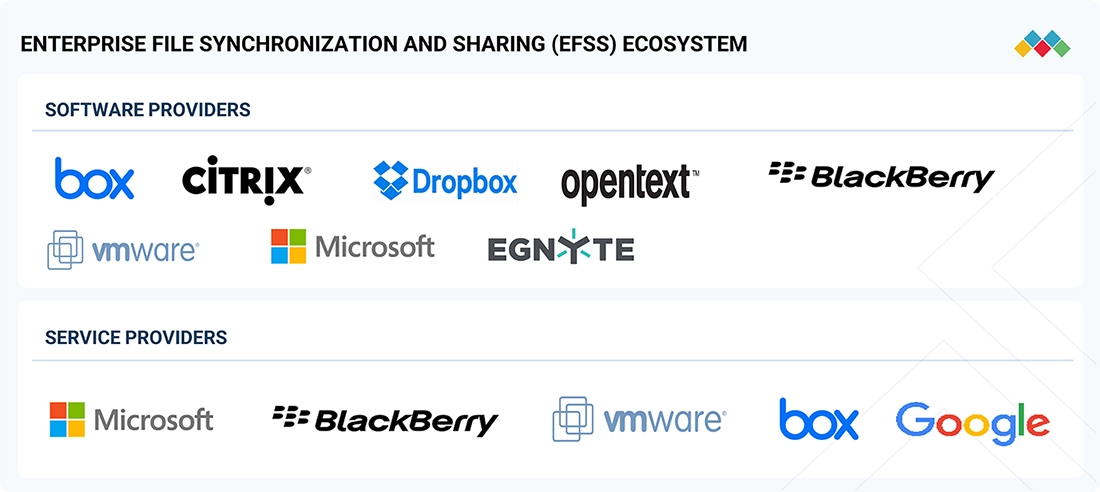
Logos and trademarks shown above are the property of their respective owners. Their use here is for informational and illustrative purposes only.
MARKET SEGMENTS
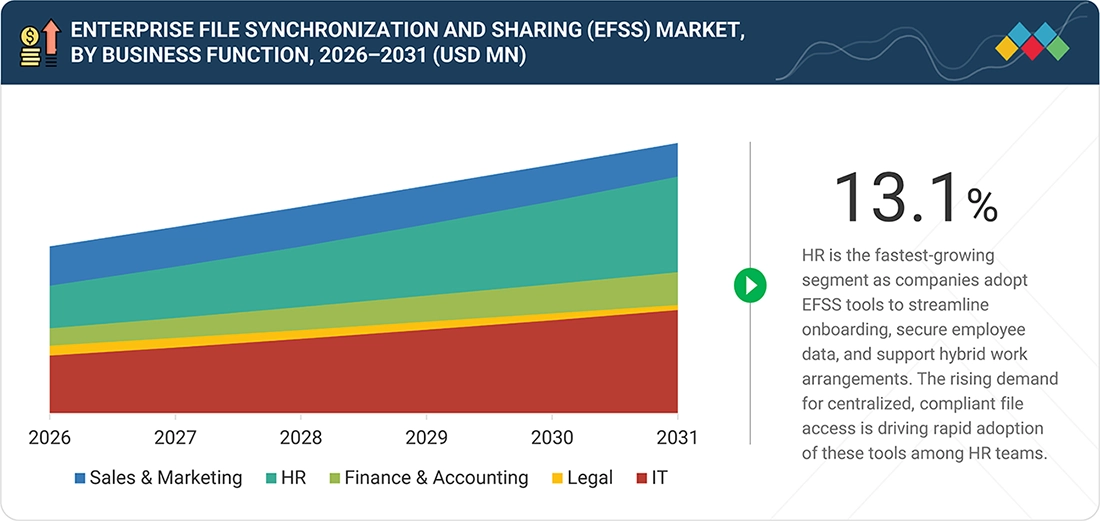
Source: Secondary Research, Interviews with Experts, MarketsandMarkets Analysis
Enterprise File Synchronization and Sharing (EFSS) Market, by Offering
Integrated EFSS solutions are currently seeing the fastest growth among offering types. Many organizations prefer using one platform that handles file storage, document collaboration, access control, and security functions together. Managing these capabilities in a single environment reduces the need to operate multiple separate tools. It also makes it easier for IT teams to apply the same governance rules across users, departments, and devices.
Enterprise File Synchronization and Sharing (EFSS) Market, by Application
File storage and backup are still the most commonly used features in EFSS deployments. Companies rely on them to manage the growing amount of business documents while keeping sensitive information secure. Most EFSS platforms store files in a central location so authorized employees can access them when needed. Functions like version history and automatic backups also help prevent files from being lost or accidentally replaced.
Enterprise File Synchronization and Sharing (EFSS) Market, by Business Function
Human resources teams are among the fastest adopters of EFSS platforms by business function. HR departments routinely work with sensitive documents related to employees, recruitment, and regulatory compliance. Secure file sharing and controlled access help protect these materials during everyday operations. EFSS systems also make it easier for HR staff to organize records and retrieve documents when required.
Enterprise File Synchronization and Sharing (EFSS) Market, by Vertical
The BFSI sector represents the largest vertical market for EFSS platforms. Financial institutions manage large amounts of confidential information, including customer records and regulatory documentation. Secure file sharing therefore becomes essential. EFSS platforms provide encryption, detailed access control, and audit tracking features that support regulatory compliance in this industry.
REGION
Asia Pacific to be fastest-growing region in global EFSS market during forecast period
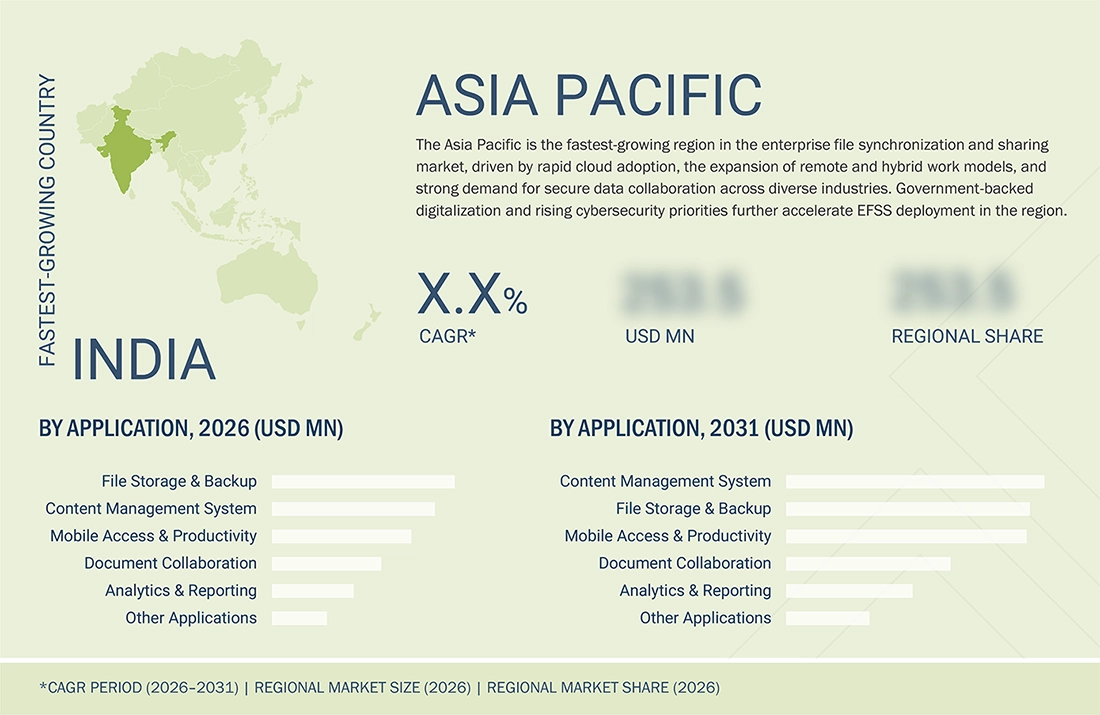
Asia Pacific is the fastest-growing regional market for EFSS solutions. Organizations across India, Japan, Australia, and Southeast Asia are increasing their adoption of cloud collaboration tools. Regulations related to data sovereignty and cybersecurity are pushing companies to adopt more secure file-sharing systems. Distributed workforces and cross-border digital operations are also contributing to rising demand for EFSS solutions.
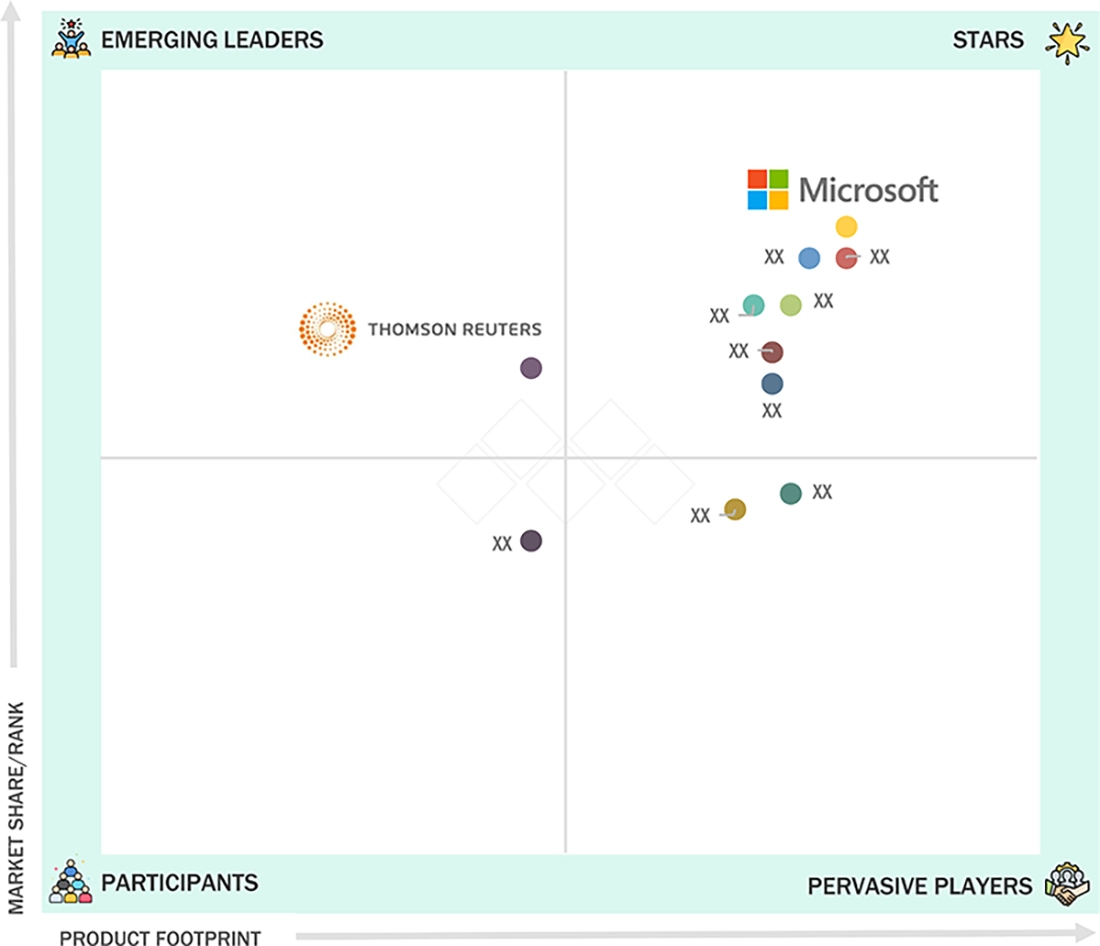
ENTERPRISE FILE SYNCHRONIZATION AND SHARING (EFSS) MARKET: COMPANY EVALUATION MATRIX
In the EFSS market matrix, Microsoft (Star) maintains a leading position due to the widespread enterprise use of OneDrive and SharePoint within the Microsoft 365 ecosystem. Thomson Reuters (Emerging Leader) is expanding its presence by offering secure document collaboration solutions designed for industries with strict regulatory requirements.
Source: Secondary Research, Interviews with Experts, MarketsandMarkets Analysis
KEY MARKET PLAYERS
- Box (US)
- Citrix Systems (US)
- Dropbox (US)
- Microsoft (US)
- Google (US)
- Thomson Reuters (Canada)
- IBM (US)
- Blackberry (Canada)
- OpenText (Canada)
- VMware (US)
- Acronis (Switzerland)
- Thru (US)
- Accellion (US)
- Syncplicity by Axway (US)
- Egnyte (US)
- SugarSync (US)
- Nextcloud (Germany)
- Northbridge Secure Systems (Australia)
- ownCloud (Germany)
MARKET SCOPE
| REPORT METRIC | DETAILS |
|---|---|
| Market Size in 2025 (Value) | USD 10.49 Billion |
| Market Size in 2026 (Value) | USD 11.96 Billion |
| Market Forecast in 2031 (Value) | USD 20.33 Billion |
| CAGR | 11.2% |
| Years Considered | 2021-2031 |
| Base Year | 2025 |
| Forecast Period | 2026-2031 |
| Units Considered | USD Billion |
| Report Coverage | Revenue Forecast, Company Ranking, Competitive Landscape, Growth Factors, and Trends |
| Segments Covered |
|
| Regions Covered | North America, Asia Pacific, Europe, the Middle East & Africa, and Latin America |
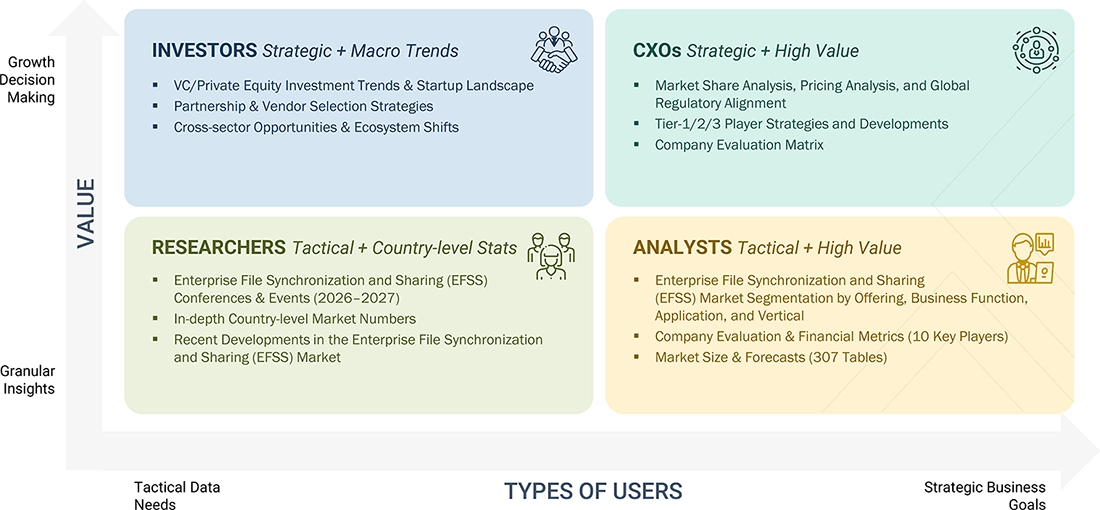
WHAT IS IN IT FOR YOU: ENTERPRISE FILE SYNCHRONIZATION AND SHARING (EFSS) MARKET REPORT CONTENT GUIDE
DELIVERED CUSTOMIZATIONS
We have successfully delivered the following deep-dive customizations:
| CLIENT REQUEST | CUSTOMIZATION DELIVERED | VALUE ADDS |
|---|---|---|
| Leading EFSS Vendor |
|
|
| Leading EFSS Vendor |
|
|
RECENT DEVELOPMENTS
- February 2025 : Dropbox expanded its AI strategy by enhancing Dropbox Dash, enabling unified search and knowledge discovery across enterprise apps and cloud content repositories to improve productivity and content accessibility.
- January 2025 : Box strengthened its Box AI platform with new enterprise AI capabilities that allow organizations to extract insights, summarize documents, and automate workflows across content stored in Box.
- November 2024 : Microsoft enhanced Microsoft OneDrive and SharePoint with Copilot-powered capabilities, enabling AI-driven document summarization, collaboration insights, and improved enterprise content management within Microsoft 365 environments.
- September 2024 : Egnyte introduced new Egnyte AI features for content intelligence and governance, helping enterprises automatically classify sensitive data and strengthen compliance within hybrid and cloud file environments.
- August 2024 : Google expanded Google Drive enterprise security features, including advanced data loss prevention and AI-powered file classification within Google Workspace to help organizations manage and secure shared content.
Table of Contents
 Exclusive indicates content/data unique to MarketsandMarkets and not available with any competitors.
Methodology
The research methodology for the EFSS market report involved extensive secondary sources and directories, as well as various reputable open-source databases, to identify and collect relevant information for this technical and market-oriented study. In-depth interviews were conducted with various primary respondents, including offering solutions, services by deployment mode, end user, high-level executives of multiple companies offering enterprise file synchronization and sharing (EFSS) software, services, and industry consultants, to obtain and verify critical qualitative and quantitative information and assess the market prospects and industry trends.
Secondary Research
During the secondary research process, various secondary sources were consulted to identify and collect information for the study. The secondary sources included annual reports, press releases, and investor presentations of companies, white papers, and certified publications.
Secondary research was used to gather key information on the industry’s value chain, the market’s monetary chain, the overall pool of key players, market classification and segmentation based on industry trends, regional markets, and key developments from both market- and technology-oriented perspectives.
Primary Research
In the primary research process, a diverse range of stakeholders from both the supply and demand sides of the enterprise file synchronization and sharing ecosystem were interviewed to gather qualitative and quantitative insights specific to this market. From the supply side, key industry experts, including chief executive officers (CEOs), vice presidents (VPs), marketing directors, technology & innovation directors, and technical leads from vendors offering EFSS software & services, were consulted. Additionally, system integrators, service providers, and IT service firms that implement and support enterprise file synchronization and sharing were included in the study. On the demand side, input from IT decision-makers, infrastructure managers, and business heads of prominent industry verticals was collected to understand the user perspectives and adoption challenges within targeted industries.
The primary research ensured that all crucial parameters affecting the enterprise File Synchronization and Sharing (EFSS) market, from technological advancements and evolving use cases to regulatory and compliance needs, were considered. Each factor was thoroughly analyzed, verified through primary research, and evaluated to obtain precise quantitative and qualitative data for this market.
Once the initial phase of market engineering was completed, including detailed calculations for market statistics, segment-specific growth forecasts, and data triangulation, a second round of primary research was conducted. This step was crucial for refining and validating critical data points, such as enterprise file synchronization and sharing (EFSS) offerings (software, by deployment mode, services), industry adoption trends, the competitive landscape, and key market dynamics like demand drivers (growing demand for secure, cloud-based file collaboration across distributed workforces), challenges (balancing ease of access with strong security posture across devices and external users), opportunities (advanced content lifecycle automation, intelligent sync, and metadata-driven governance), restraints (legacy infrastructure and inconsistent endpoint environments limit smooth adoption).
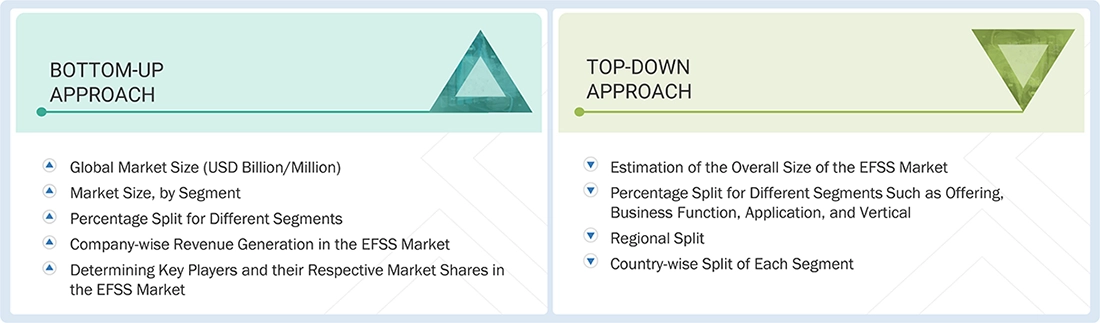
In the comprehensive market engineering process, the top-down and bottom-up approaches, along with several data triangulation methods, were extensively employed to perform market estimation and forecasting for the overall market segments and subsegments listed in this report. Extensive qualitative and quantitative analysis was performed on the complete market engineering process to record the critical information/insights throughout the report.
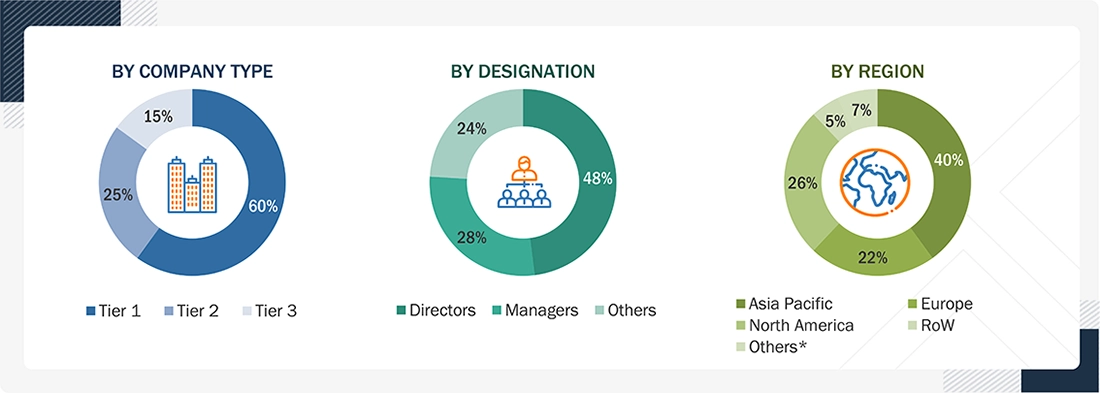
Note: Tier 1 companies’ revenue is over USD 1 billion, tier 2 companies revenue range between USD 500 million and USD 1 billion, and tier 3 companies revenue range between USD 100 and USD 500 million.
Others include sales managers, marketing managers, and product managers.
To know about the assumptions considered for the study, download the pdf brochure
Market Size Estimation
The top-down and bottom-up approaches were employed to estimate and forecast the enterprise file synchronization and sharing market, as well as its dependent submarkets. This multi-layered analysis was further reinforced through data triangulation, which incorporated primary and secondary research inputs. The market figures were also validated against the existing MarketsandMarkets repository for accuracy.
Data Triangulation
The market was divided into several segments and subsegments after determining the overall market size using the market size estimation processes described above. To complete the overall market engineering process and determine the exact statistics for each market segment and subsegment, data triangulation and market segmentation procedures were employed, wherever applicable. The overall market size was then used in the top-down approach to estimate the size of other individual markets by applying percentage splits to the market segmentation.
Market Definition
According to Box, an enterprise file synchronization and sharing (EFSS) platform is a secure cloud-based content management solution that enables organizations to store, access, synchronize, and collaborate on files across devices and teams. It provides capabilities such as secure file sharing, workflow automation, access governance, and integrations with enterprise applications to support streamlined digital operations. By combining cloud storage with advanced security controls and intelligent content services, EFSS platforms help organizations improve productivity, maintain regulatory compliance, and enable secure collaboration across distributed workforces and business ecosystems.
Key Stakeholders
- EFSS Solution Vendors
- Mobile Device Manufacturers
- EFSS Service Providers
- Application Developers
- Manufacturers of Mobile Device Operating Systems
- System Integrators
- Information Technology (IT) Developers
- Third-party Vendors
- Cloud Service Providers
- Network Operators
- Infrastructure Providers
- EFSS End Users
- Government Agencies and Organizations
- Regulatory and Compliance Agencies
Report Objectives
- To define, describe, and predict the enterprise file synchronization and sharing market by offering (software, services), business function, application, end user, and region
- To provide detailed information related to major factors (drivers, restraints, opportunities, and challenges) impacting the EFSS market growth
- To analyze opportunities in the market and provide details of the competitive landscape for stakeholders and market leaders
- To forecast the market size of segments with respect to five main regions: North America, Europe, Asia Pacific, the Middle East & Africa, and Latin America
- To analyze each submarket with respect to individual growth trends, prospects, and contributions to the overall EFSS market
- To analyze competitive developments, such as partnerships, product launches, and mergers & acquisitions, in the EFSS market
- To analyze the impact of macroeconomic factors on the EFSS market across all regions
Available customizations:
Using the provided market data, MarketsandMarkets offers customizations tailored to the company’s specific needs. The following customization options are available for the report.
Product analysis
- Product comparative analysis, which gives a detailed comparison of innovative products being offered by prominent vendors
Geographic analysis
- Further breakup of additional European countries by offering, business function, application, and end user.
- Further breakup of additional Asia Pacific countries by offering, business function, application, and end user.
- Further breakup of additional Middle East & African countries by offering, business function, application, and end user.
- Further breakup of additional Latin American countries by offering, business function, application, and end user.
Company information
- Detailed analysis and profiling of additional market players (up to five)
Key Questions Addressed by the Report
What is the current size of the Enterprise File Synchronization and Sharing (EFSS) Market?
The Enterprise File Synchronization and Sharing (EFSS) Market is valued at USD 11.96 billion in 2026 and is projected to reach USD 20.33 billion by 2031, growing at a CAGR of 11.2% during the forecast period.
What is driving the growth of the Enterprise File Synchronization and Sharing (EFSS) Market?
The market is growing due to increasing enterprise data volumes, rising demand for secure file sharing, hybrid work adoption, and the need for unified document access across devices.
Which solution segment is expected to lead the Enterprise File Synchronization and Sharing (EFSS) Market?
Integrated EFSS solutions are expected to account for the largest market share as organizations seek secure, centralized file collaboration and content management.
Which business function is expected to adopt EFSS solutions the most?
Sales and marketing is expected to hold the largest market share, driven by the need for secure content collaboration and rapid document sharing.
Which application is expected to grow the fastest in the Enterprise File Synchronization and Sharing (EFSS) Market?
Mobile access and productivity is projected to register the highest growth as enterprises increasingly support remote and hybrid workforces.
Why are Enterprise File Synchronization and Sharing (EFSS) solutions becoming essential for organizations?
EFSS solutions enable secure file access, collaboration, governance, and cross-device synchronization while improving productivity and protecting enterprise data.


Personalize This Research
- Triangulate with your Own Data
- Get Data as per your Format and Definition
- Gain a Deeper Dive on a Specific Application, Geography, Customer or Competitor
- Any level of Personalization
Let Us Help You
- What are the Known and Unknown Adjacencies Impacting the Enterprise File Synchronization and Sharing (EFSS) Market
- What will your New Revenue Sources be?
- Who will be your Top Customer; what will make them switch?
- Defend your Market Share or Win Competitors
- Get a Scorecard for Target Partners

Custom Market Research Services
We Will Customise The Research For You, In Case The Report Listed Above Does Not Meet With Your Requirements
Get 10% Free CustomisationTESTIMONIALS






Growth opportunities and latent adjacency in Enterprise File Synchronization and Sharing (EFSS) Market