Fire Stopping Materials Market

Fire Stopping Materials Market by Type (Mortar, Sealant, Cast-in Devices, Boards, Putty & Putty Pads, Collars, Wrap/Strips, Other Types), Application (Mechanical, Plumbing, Electrical, Other Applications), End-use Industry (Commercial, Industrial, Residential), and Region – Global Forecast to 2030




OVERVIEW
Source: Secondary Research, Interviews with Experts, MarketsandMarkets Analysis
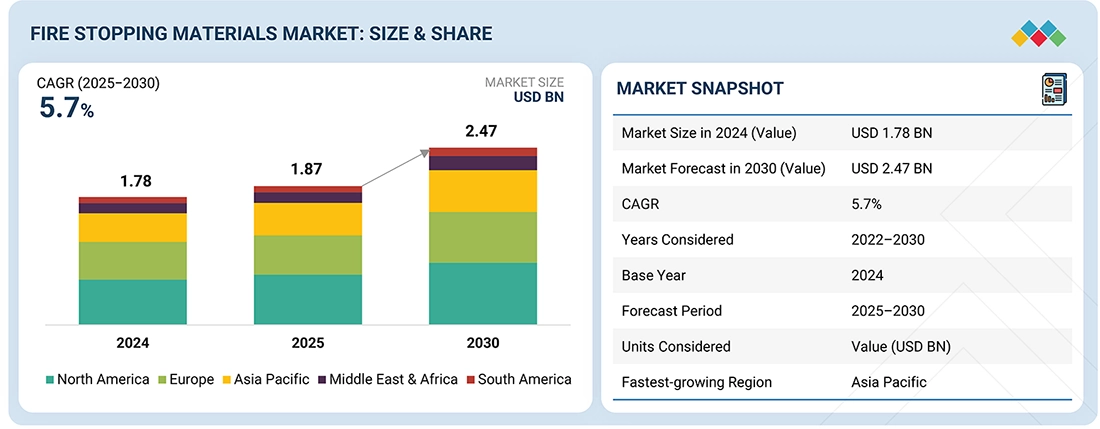
The fire stopping materials market is projected to reach USD 2.47 billion by 2030 from USD 1.87 billion in 2025, at a CAGR of 5.7% from 2025 to 2030. The fire stopping materials market is growing because of the increase in construction activities and the implementation of fire safety regulations in buildings. The fire stopping materials are useful in the prevention of the spread of fire, smoke, and gases through wall and floor openings in buildings. There is an increase in the use of passive fire protection systems and the development of infrastructure.
KEY TAKEAWAYS
-
By RegionAsia Pacific dominated the fire stopping materials market with a share of 35.6% in terms of value in 2024.
-
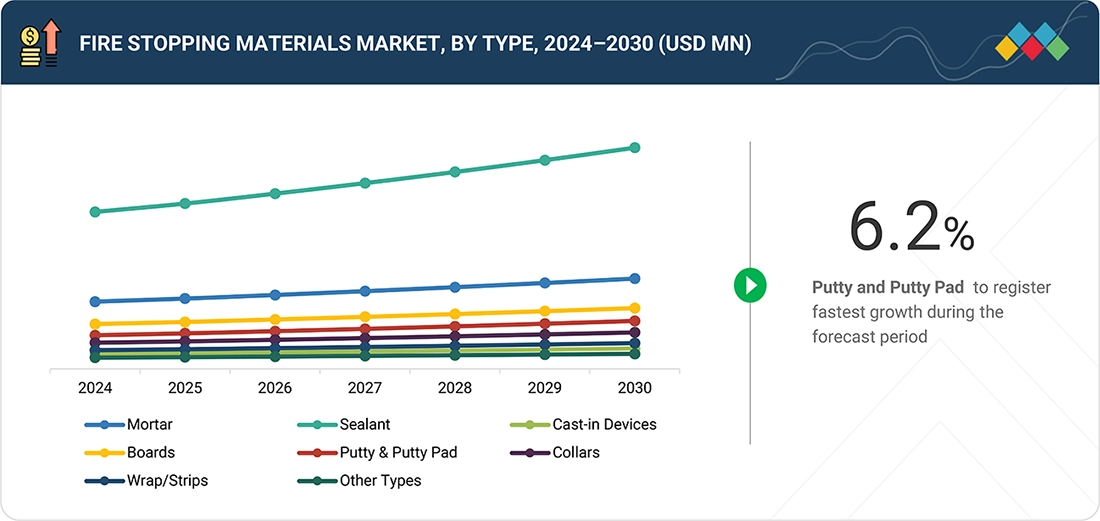
By TypeThe putty and putty pads segment is projected to grow at the highest CAGR of 6.2% during the forecast period.
-
By ApplicationThe electrical segment dominated the fire stopping materials market with a share of 35.3% in terms of value in 2024.
-
By End-use IndustryThe commercial segment held the largest share of the fire stopping materials market.
-
Competitive Landscape - Key PlayersHilti Corporation, 3M, Sika AG, Etex Group, and RPM International Inc. are star players in the fire stopping materials market, given their broad industry coverage and strong operational & financial strength.
-
Competitive Landscape - StartupsEverkem Diversified Products and RWC (Holdrite) have distinguished themselves among startups and SMEs due to their well-developed marketing channels and extensive funding to build their product portfolios.
Increased development of high-rise buildings and complex infrastructures is one of the key factors contributing to the growth of the fire stopping materials market. Today's buildings have complex mechanical, electrical, and plumbing systems, resulting in several penetrations in fire-rated walls and floors. This has resulted in the increased demand for fire stopping materials. Fire stopping materials include fire stop sealants, mortars, boards, and wraps used to close the openings and maintain the fire compartmentation of buildings to prevent the spread of fire and smoke. As the world is witnessing urbanization, complex infrastructures like large commercial buildings, hospitals, airports, and data centers continue to grow in size, thereby boosting the fire stopping materials market.
TRENDS & DISRUPTIONS IMPACTING CUSTOMERS' CUSTOMERS
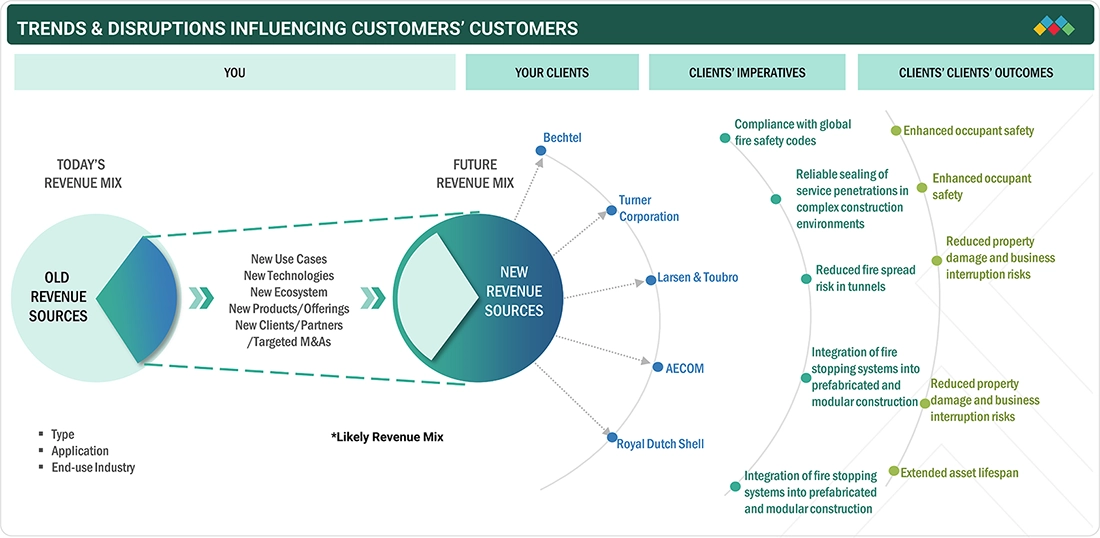
Changes in customer trends or disruptions impact consumers’ businesses. These shifts impact the revenues of end users. Consequently, the revenue impact on end users is expected to affect the revenues of fire stopping materials suppliers, which, in turn, impacts the revenues of fire stopping materials manufacturers.
Source: Secondary Research, Interviews with Experts, MarketsandMarkets Analysis
MARKET DYNAMICS

Level
-
Increasing fire safety regulations

-
Rising fire incidents and property loss driving demand


Level
-
Frequent cable re-penetration and airflow management

-
High cost sensitivity and budget constraints in construction projects


Level
-
Development of innovative fire stopping systems

-
Stringent fire regulations in Middle East to boost demand for fire stopping materials


Level
-
Non-compliance with regulations in emerging markets

-
Technical complexity in installing fire stopping systems

Source: Secondary Research, Interviews with Experts, MarketsandMarkets Analysis
Driver: Increasing fire safety regulations
Increasing fire safety regulations in the construction industry are the primary factor contributing to the growth of the fire stopping materials industry. Governments and regulatory bodies in the world are implementing strict building codes and fire safety regulations in the construction industry. They are demanding the implementation of effective passive fire protection systems in residential buildings, commercial buildings, and industrial buildings. Fire stopping materials such as sealants, mortars, boards, and wraps are commonly used in the construction industry for fire-stopping purposes in fire-rated walls and floors by filling gaps in fire stopping walls and floors where pipes, cables, and ducts penetrate. Meeting fire safety regulations set by fire protection organizations such as the National Fire Protection Association and the International Code Council is encouraging the use of fire stopping materials in the construction industry. Therefore, the increase in fire safety regulations in the construction industry is significantly contributing to the growth of the fire stopping materials industry.
Restraint: High cost sensitivity and budget constraints in construction projects
The high level of cost sensitivity and budget constraints in the construction industry is also limiting the use of fire stopping materials, especially in construction projects where the aim is to reduce the total construction costs. Fire stopping systems involve the use of certified fire materials, trained labor, and compliance with fire safety tests, making them costly in comparison to other fire-resistant materials used in construction. In cost-sensitive construction markets, especially in small residential or low-budget commercial construction projects, the budget allocated to structural and finishing components may be limited, making it difficult to implement fire stopping systems in buildings. In this regard, budget constraints are limiting the use of fire stopping materials, even in construction projects where the need for fire safety is well understood.
Opportunity: Development of innovative fire stopping systems
The development of innovative fire stopping systems has created a huge opportunity in the fire stopping materials industry because modern construction projects are demanding efficient and effective fire stopping systems. The fire stopping industry has witnessed the introduction of innovative fire stopping systems such as intumescent sealants, pre-engineered fire stop devices, fire stop blocks, and high-performance boards. All these technologies are efficient and effective in providing fire protection in modern construction projects. Moreover, the demand for smart buildings, data centers, and high-rise buildings has encouraged the use of technologically advanced fire stopping systems in the fire stopping industry.
Challenge: Non-compliance with regulations in emerging markets
Non-compliance with fire safety regulations in emerging markets is one of the major challenges for the fire stopping materials market. In many emerging markets in developing nations, building codes and fire safety standards are in place, but the enforcement and inspection of these standards are often lacking. In addition, a lack of awareness among contractors and developers regarding proper fire stop material installation and certified products is one of the challenges for the market. Furthermore, in many cases, economic constraints in building projects can cause builders to avoid using certified fire stopping materials and opt for inferior products instead, which are often non-compliant with building and fire safety standards. Thus, non-compliance with building and fire safety standards is one of the major challenges for the growth of the fire stopping materials market in many emerging markets.
FIRE STOPPING MATERIALS MARKET: COMMERCIAL USE CASES ACROSS INDUSTRIES
| COMPANY | USE CASE DESCRIPTION | BENEFITS |
|---|---|---|
 |
Uses fire stopping materials in large data centers and fulfillment centers to seal cable penetrations, server room walls, and electrical pathways, preventing the spread of fire and smoke between compartments. | Enhances fire safety of critical IT infrastructure, protects high-value equipment, and ensures compliance with building safety regulations. |
 |
Installs fire stopping solutions in retail stores and distribution centers to seal joints, ducts, and service penetrations across large commercial spaces. | Improves occupant safety, protects assets and inventory, and maintains fire-resistance ratings in high-traffic commercial buildings. |
 |
Implements fire stopping materials in hospitals and healthcare facilities to seal pipe and cable penetrations across walls and floors in critical care environments. | Prevents fire and smoke spread, supports patient safety, and ensures compliance with strict healthcare fire protection standards. |
Logos and trademarks shown above are the property of their respective owners. Their use here is for informational and illustrative purposes only.
MARKET ECOSYSTEM
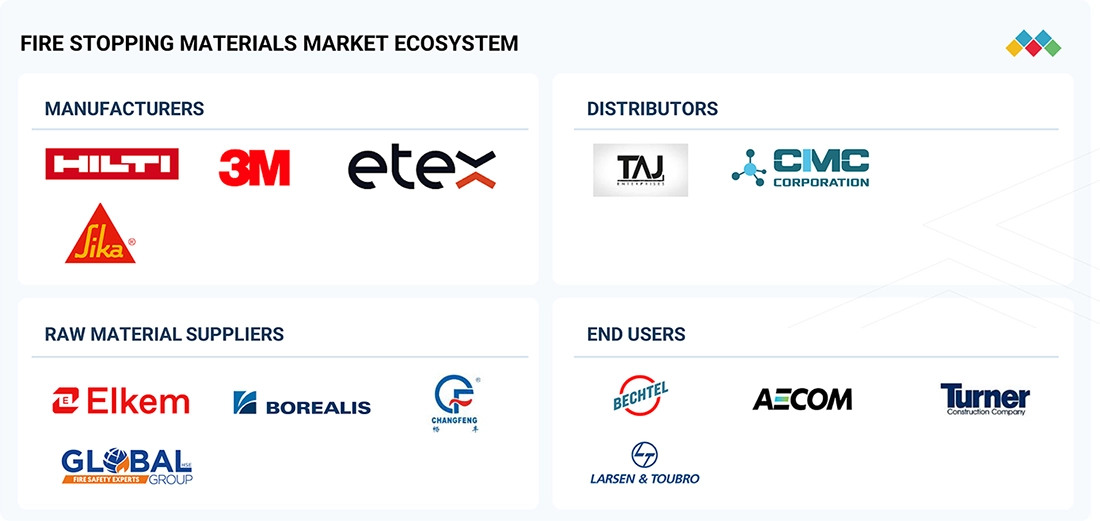
Fire stopping materials market ecosystem consists of raw material suppliers, manufacturers, distributors, contractors, and industries. Raw materials include silicone, intumescent chemical materials, and mineral wool materials used by manufacturers to produce fire stop sealants, mortars, boards, and foams. These products are delivered to contractors and EPCs who install these products in building structures. This is complemented by regulatory authorities and certification organizations that monitor fire safety regulations. The fire stopping materials market is mainly driven by industries such as commercial, residential, industrial, and infrastructure constructions.
Logos and trademarks shown above are the property of their respective owners. Their use here is for informational and illustrative purposes only.
MARKET SEGMENTS
Source: Secondary Research, Interviews with Experts, MarketsandMarkets Analysis
Fire Stopping Materials Market, By Type
Sealants are expected to be the largest segment in the fire stopping materials market because they are highly versatile and can be easily applied and are widely used in various areas of the building. Firestop sealants are generally used for the sealing of joints and spaces where there are cables, pipes, ducts, and wall and floor openings. This helps in the prevention of the spread of fire, smoke, and harmful gases. The versatility of firestop sealants enables them to move and expand according to the building's needs and is therefore highly suitable for modern buildings. Moreover, the growing need for efficient and fast-installed fire protection products in commercial buildings, data centers, hospitals, and residential buildings is promoting the use of firestop sealants in the market.
Fire Stopping Materials Market, By Application
The electrical application of the fire stopping materials market is anticipated to exhibit the highest CAGR during the forecast period, owing to the increasing electrical infrastructure in modern buildings. The rising demand for power cables, cable trays, conduits, electrical distribution systems, etc., in commercial buildings, data centers, industrial establishments, smart city infrastructure, etc., has led to a number of wall and floor penetrations, which are being sealed with fire stopping materials to stop the spread of fire and smoke through cable penetrations. In addition, the rising demand for data centers, renewable power plants, smart electrical systems, and advanced communication systems has led to an increase in the demand for fire stopping materials in the electrical application.
Fire Stopping Materials Market, By End-use Industry
The commercial segment of the fire stopping materials market is anticipated to exhibit the highest CAGR, owing to the increasing rate of construction of commercial establishments such as offices, malls, hospitals, hotels, and data centers, which are usually equipped with complex mechanical, electrical, and plumbing systems, resulting in a number of penetrations in fire rated walls and floors, thereby necessitating the need for fire stopping materials. In addition, stringent fire safety regulations and codes are followed in commercial establishments, necessitating the usage of certified passive fire protection systems to ensure safety, thereby boosting the fire stopping materials market in this segment. The construction of high-rise commercial buildings, as well as smart infrastructure, is also boosting this segment.
REGION
Asia Pacific to be fastest-growing market for fire stopping materials during forecast period
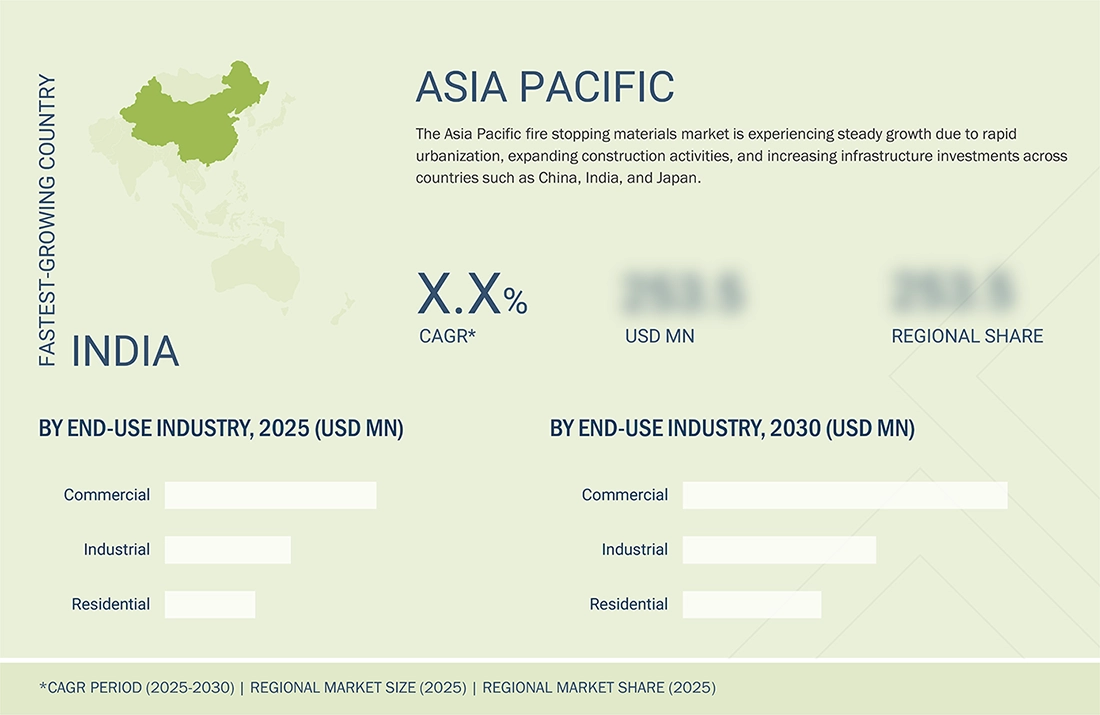
Asia Pacific is the fastest-growing market for fire stopping materials, and this can be attributed to the rise in urbanization, increasing construction activities, and investments in infrastructure development in countries like China, India, and Southeast Asia. The increasing construction of high-rise buildings, commercial buildings, industrial facilities, and data centers is creating huge opportunities for the growth of the fire stopping materials market. In addition, building safety and fire protection regulations are becoming more stringent in the Asia Pacific region, and this is encouraging the growth of passive fire protection solutions like fire stopping materials. In addition, increasing awareness of fire safety and the rise of modern electrical and mechanical facilities in buildings are contributing to the growth of the market in the Asia Pacific region.
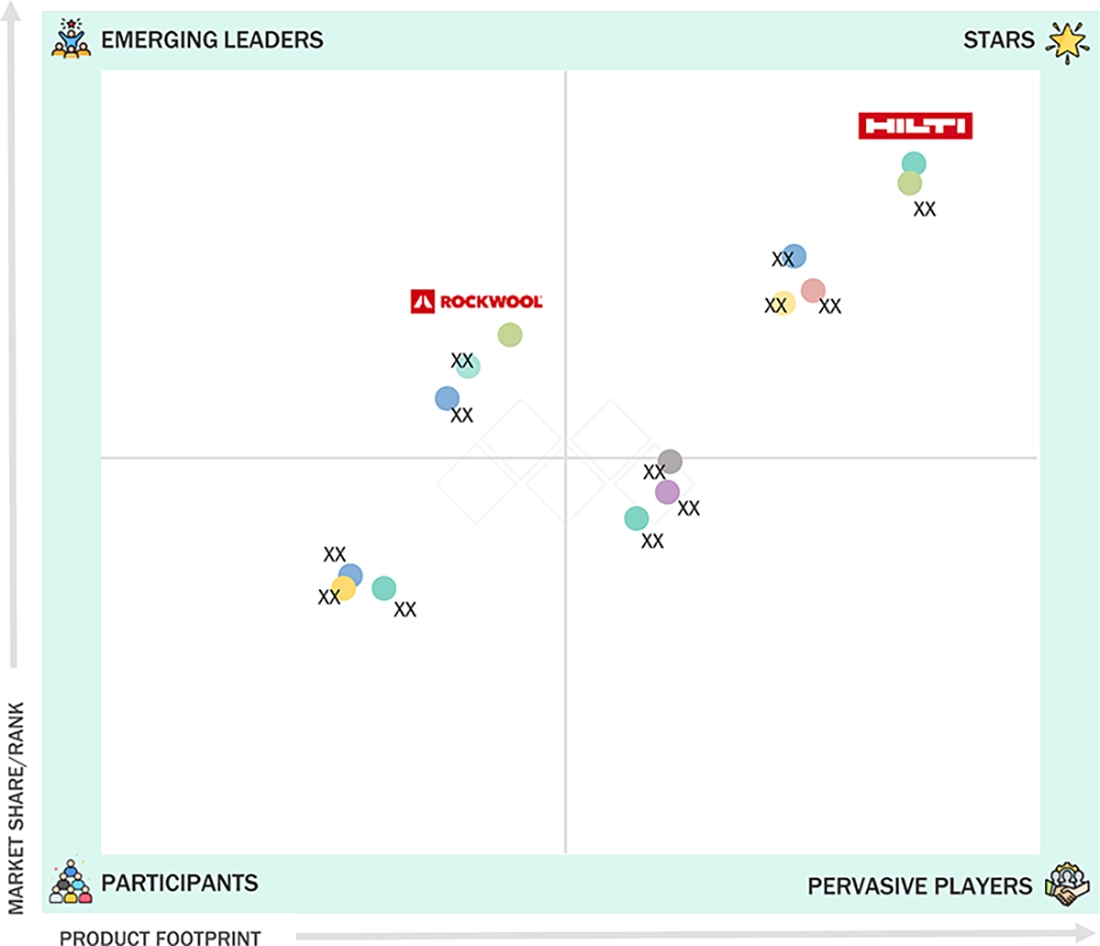
FIRE STOPPING MATERIALS MARKET: COMPANY EVALUATION MATRIX
In the fire stopping materials market, Hilti Corporation (Star) leads with a dominant market share and an extensive global footprint, driven by its vertically integrated manufacturing and strategic focus on specialty applications. ROCKWOOL Group (Emerging Leader) is rapidly gaining visibility, leveraging its expertise in non-combustible stone wool insulation and fire-resistant building materials. While Hilti is categorized as a Star player because of its comprehensive product range, strong global market share, and advanced technical ecosystem, Rockwool Group is an Emerging Player as it is steadily expanding its fire stopping solutions portfolio and strengthening its presence in the market.
Source: Secondary Research, Interviews with Experts, MarketsandMarkets Analysis
KEY MARKET PLAYERS
- Hilti Corporation (Liechtenstein)
- 3M (US)
- Sika AG (Switzerland)
- Etex Group (Belgium)
- RPM International Inc. (US)
- Armacell (Luxembourg)
- Specified Technologies Inc. (US)
- Quelfire (UK)
- Fischer Group (Germany)
- ROCKWOOL Group (Denmark)
- Owens Corning (Finland)
- ZAPP-ZIMMERMANN GmbH (Germany)
- TGroup (Australia)
- BOSS Passive Fire (Australia)
- Saverto holding Gmbh (Germany)
- Tenmat Ltd (UK)
MARKET SCOPE
| REPORT METRIC | DETAILS |
|---|---|
| Market Size in 2024 (Value) | USD 1.78 Billion |
| Market Size in 2025 (Value) | USD 1.87 Billion |
| Market Forecast in 2030 (Value) | USD 2.47 Billion |
| Growth Rate | CAGR of 5.7% from 2025 to 2030 |
| Years Considered | 2022–2030 |
| Base Year | 2024 |
| Forecast Period | 2025–2030 |
| Units Considered | Value (USD Million) |
| Report Coverage | Revenue Forecast, Company Ranking, Competitive Landscape, Growth Factors, and Trends |
| Segments Covered |
|
| Regions Covered | North America, Asia Pacific, Europe, South America, Middle East & Africa |
WHAT IS IN IT FOR YOU: FIRE STOPPING MATERIALS MARKET REPORT CONTENT GUIDE
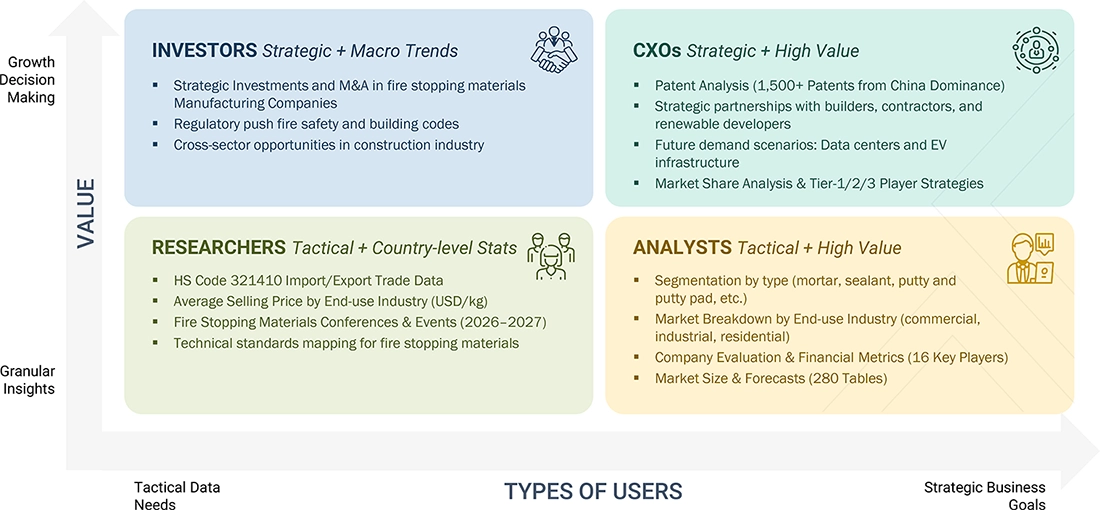
DELIVERED CUSTOMIZATIONS
We have successfully delivered the following deep-dive customizations:
| CLIENT REQUEST | CUSTOMIZATION DELIVERED | VALUE ADDS |
|---|---|---|
| Raw Material Suppliers (Silicone, Intumescent Chemicals, Graphite, Mineral Wool, Fire-resistant Additives) |
|
|
| Fire Stopping Material Manufacturers (Sealants, Mortars, Boards, Putty, Wraps, Foams) |
|
|
| OEMs, Contractors & Construction Service Providers (EPCs, MEP Contractors, Installers) |
|
|
| End-use Industries (Commercial Buildings, Residential, Industrial, Infrastructure, Data Centers) |
|
|
RECENT DEVELOPMENTS
- February 2026 : Sika AG agreed to acquire Akkim to strengthen its global adhesives and sealants business and expand its geographic reach. The deal will add production capacity, broaden Sika’s product portfolio, and enhance access to distribution channels across Eastern Europe, Central Asia, the Middle East, and North Africa, with completion expected in the third quarter of 2026, subject to regulatory approvals.
- October 2025 : Sika AG acquired Marlon Tørmørtel A/S to expand its mortar business and strengthen its presence in Denmark and the Nordic region. The deal enhances production capacity, distribution reach, and cross-selling opportunities while improving customer proximity, sustainability positioning, and cost efficiency across regional construction markets.
- December 2025 : Etex Group expanded its industrial and passive fire protection portfolio in 2025 through the acquisition of Drumarkon, a Dutch specialist in fire protection panels for shipbuilding and yacht construction. The deal strengthens Etex’s Promat platform by adding advanced marine fire panels that integrate fire resistance, acoustic insulation, and thermal performance, enhancing its global presence in the growing marine safety market.
Table of Contents
 Exclusive indicates content/data unique to MarketsandMarkets and not available with any competitors.
Methodology
The study involves two major activities in estimating the current market size for fire stopping materials. Exhaustive secondary research was done to collect information on the market, peer market, and parent market. The next step was to validate these findings, assumptions, and sizing with industry experts across the value chain through primary research. Both top-down and bottom-up approaches were employed to estimate the complete market size. After that, market breakdown and data triangulation were used to estimate the market size of segments and subsegments.
Secondary Research
Secondary sources referred to for this research study include financial statements of companies offering fire stopping materials and information from various trade, business, and professional associations. Secondary research has been used to obtain critical information about the industry’s value chain, the total pool of key players, market classification, and segmentation according to industry trends to the bottom-most level and regional markets. The secondary data was collected and analyzed to arrive at the overall size of the fire stopping materials market, which was validated by primary respondents.
Primary Research
Extensive primary research was conducted after obtaining information regarding the fire stopping materials market scenario through secondary research. Several primary interviews were conducted with market experts from both the demand and supply sides across major countries of North America, Europe, Asia Pacific, the Middle East & Africa, and South America. Primary data was collected through questionnaires, emails, and telephone interviews. The primary sources from the supply side included various industry experts, such as CXOs, VPs, directors from business development, marketing, product development/innovation teams, and related key executives from fire stopping materials industry vendors; system integrators; component providers; distributors; and key opinion leaders.
Primary interviews were conducted to gather insights such as market statistics, data on revenue collected from the products and services, market breakdowns, market size estimations, market forecasting, and data triangulation. Primary research also helped in understanding the various trends related to product type, conductor material, voltage type, application, end-use industry, and region.
Stakeholders from the demand side, such as CIOs, CTOs, CSOs, and installation teams of the customers/end users who are using fire stopping materials, were interviewed to understand the buyer’s perspective on the suppliers, products, component providers, and their current usage of fire stopping materials and future outlook of their business, which will affect the overall market.
Breakup of Primary Research:
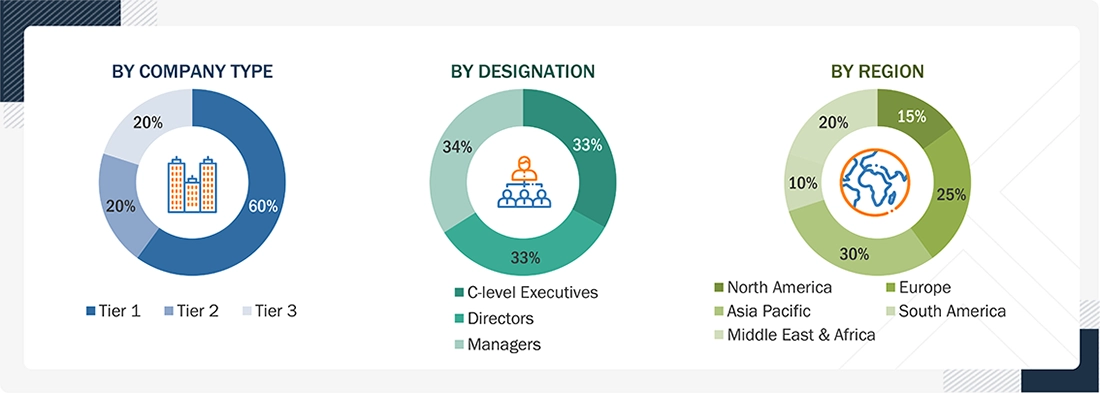
To know about the assumptions considered for the study, download the pdf brochure
Market Size Estimation
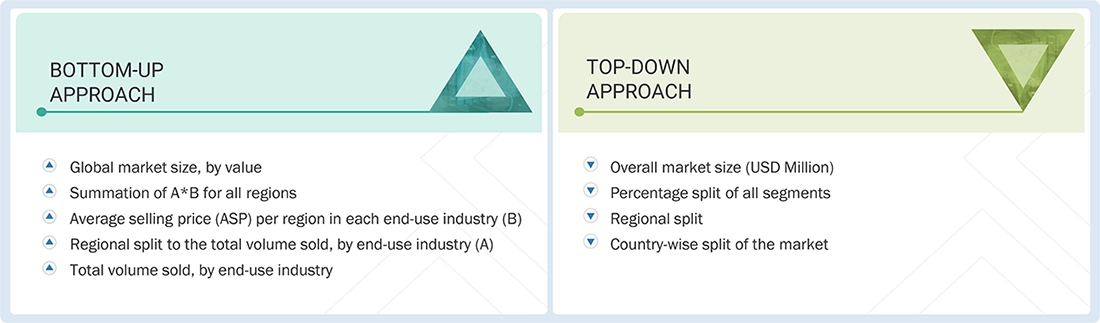
The research methodology used to estimate the size of the fire stopping materials market includes the following details. The market sizing was undertaken from the demand side. The market was upsized based on procurements and modernizations in fire stopping materials in different end-use industries at a regional level. Such procurements provide information on the demand aspects of the fire stopping materials industry for each application. For each end-use industry, all possible segments of the fire stopping materials market were integrated and mapped.
Fire Stopping Materials Market : Top-Down and Bottom-Up Approach
Data Triangulation
After arriving at the overall size from the market size estimation process explained above, the total market was split into several segments and subsegments. The data triangulation and market breakdown procedures explained below were implemented, wherever applicable, to complete the overall market engineering process and arrive at the exact statistics for various market segments and subsegments. The data was triangulated by studying various factors and trends from the demand and supply sides. Along with this, the market size was validated using both the top-down and bottom-up approaches.
Market Definition
Passive fire protection is the blanket reference to all products/systems used to enhance fire safety in buildings (fire stopping, structural protection, air ducts, cable ducts, partitions, ceilings, fire-rated glass, etc.). Fire stopping systems comprise penetration seals used to insulate services that run through fire-rated walls or ceilings.
According to the International Building Code definition, fire stopping is an assemblage consisting of a fire-resistance-rated floor, floor/ceiling, or wall assembly. Fire stopping materials or devices, or both, are installed to resist the spread of fire through the assembly for a prescribed period of time.
Key Stakeholders
- Fire stopping material manufacturers
- Raw material manufacturers
- Government and research organizations
- R&D institutions
- National and local government organizations
- Institutional investors
- Fire stopping material suppliers
- End users
Report Objectives
- To define, describe, and forecast the fire stopping materials market size in terms of value
- To provide detailed information regarding the key factors, such as drivers, restraints, opportunities, and challenges influencing market growth
- To analyze and project the global fire stopping materials market by type, application, end-use industry, and region
- To forecast the market size concerning five main regions (along with country-level data), namely, North America, Europe, Asia Pacific, the Middle East & Africa, and South America, and analyze the significant region-specific trends
- To strategically analyze micromarkets with respect to individual growth trends, prospects, and contributions of the submarkets to the overall market
- To analyze the market opportunities and the competitive landscape for stakeholders and market leaders
- To assess the recent market developments and competitive strategies, such as agreements, contracts, acquisitions, and product developments/product launches, to draw the competitive landscape
- To strategically profile the key market players and comprehensively analyze their core competencies
Available customizations:
MarketsandMarkets offers the following customizations for this market report:
- Additional country-level analysis of the fire stopping materials market
Product Analysis
- Product matrix, which provides a detailed comparison of the product portfolio of each company’s market


Personalize This Research
- Triangulate with your Own Data
- Get Data as per your Format and Definition
- Gain a Deeper Dive on a Specific Application, Geography, Customer or Competitor
- Any level of Personalization
Let Us Help You
- What are the Known and Unknown Adjacencies Impacting the Fire Stopping Materials Market
- What will your New Revenue Sources be?
- Who will be your Top Customer; what will make them switch?
- Defend your Market Share or Win Competitors
- Get a Scorecard for Target Partners

Custom Market Research Services
We Will Customise The Research For You, In Case The Report Listed Above Does Not Meet With Your Requirements
Get 10% Free CustomisationTESTIMONIALS
We at Nissan Chemicals Corporation have been clients of MarketsandMarkets for more than a year now. We recently consulted MarketsandMarkets for a study, the team at MarketsandMarkets was extremely professional and organized. The business insights were very detailed and aligned well with our expectations that really helped us formulate the Business Plans and device new strategies for development themes. MarketsandMarkets offers a unique combination of expertise and dedicated engagement model. Their research findings have helped us in designing our Pricing Strategy which will make it easier for us to predict the future sales and profits for the next ten years. We look forward to working with MarketsandMarkets in the future.
VP of Strategy & New Business Development
Leading Specialty Chemical Company
The MarketsandMarkets Engagement Model, composed of both the Knowledge Store and advisory custom research, has greatly helped us in understanding our markets and making strategic decisions. The Knowledge Store is a fast way to allow everyone in our organization to understand more about most any market they are interested in. The ability to then get custom research done and get answers to specific strategic questions and market insight has been spectacular. The Markets and Markets team feel more like colleagues than vendors and their services have helped us change our culture where statements of things like growth opportunities and competitive position are always backed by industry research.

Rich Gibson,
Director, Corporate Strategy
Milliken & Company,
Leading Industrial Manufacturer of specialty chemical, floor covering, performance and protective textile materials, and healthcaremilliken.com
MarketsandMarkets is a trusted resource that helps us to better understand markets that are near-adjacencies-whether its technology, value chain or geography. Their Knowledge Store platform provides a dashboard of markets and their characteristics which is easy to use and saves us time.
Adam Shaw,
Market Development and Strategy Manager
AdvanSix Inc. USA,
An American Leader in Chemicalswww.advansix.com
The Knowledge Store from MarketsandMarkets is a valuable tool which has helped my team acquire greater insight in to the end markets that our business serves. This has enabled us to help our company build stronger strategies throughout our planning process.
TOSHIO KINOSHITA
Senior Chif Consultion Research & Consulting Division
Mitsubishi Chemical Research Corporation,
Leading Manufacturer of Chemical Productswww.mitsubishichem-res.co.jp/en/

We recently engaged with MarketsandMarkets for a study, the team not only clearly understood our business objectives but was also extremely professional in the way they handled the entire project. The study was efficiently conducted in a phase-wise manner, and the engagement model furnished us with high-quality business insights that far exceeded our expectations at each phase. We were especially happy that MarketsandMarkets could provide us with both, an English as well as a Japanese version of the study. A special thanks to the Analyst Team and Client Services Team, whose fluency in Japanese enhanced our comfort level, as we could converse with them in our preferred language.
Independent entrepreneurs
Arrow Precision
We approached MarketsandMarkets for study on Proppants Market, and their work exceeded our expectations. The study conducted was comprehensive and enabled us to view the market through the various dimensions. In addition, the team was extraordinarily responsive throughout the process and resolved our queries on time. I strongly recommend MarketsandMarkets and will certainly consider them for additional market assessments we will need in the future.
Global engineering company, Japan
Deputy Manager,
Strategic Planning OfficeThe high-quality insights shared by the MarketsandMarkets team helped us understand the pharmaceutical plant designers in a specific geography. It also captured the risks that we may likely face in communicating with our potential partners. The study would enable us identify partners, which would impact our future growth.
- US Fire Stopping Materials Market
- Canada Fire Stopping Materials Market
- Mexico Fire Stopping Materials Market
- Germany Fire Stopping Materials Market
- UK Fire Stopping Materials Market
- France Fire Stopping Materials Market
- Italy Fire Stopping Materials Market
- Russia Fire Stopping Materials Market
- Spain Fire Stopping Materials Market
- China Fire Stopping Materials Market
- Japan Fire Stopping Materials Market
- India Fire Stopping Materials Market
- South Korea Fire Stopping Materials Market
- Indonesia Fire Stopping Materials Market
- Brazil Fire Stopping Materials Market
- Argentina Fire Stopping Materials Market
- South Africa Fire Stopping Materials Market
- Benelux Fire Stopping Materials Market
- Rest Of Europe Fire Stopping Materials Market
- Rest Of Apac Fire Stopping Materials Market
- GCC Countries Fire Stopping Materials Market
- –Rest Of GCC Countries Fire Stopping Materials Market
- Rest Of South America Fire Stopping Materials Market






Growth opportunities and latent adjacency in Fire Stopping Materials Market