Polymer Foams Market

Polymer Foam Market by Resin Type (PU, PS, Polyolefin, Phenolic), Foam Type (Rigid, Flexible), End-Use Industry (Building & Construction, Packaging, Automotive, Furniture & Bedding, Footwear, Sports & Recreational), and Region - Global Forecast to 2031




OVERVIEW
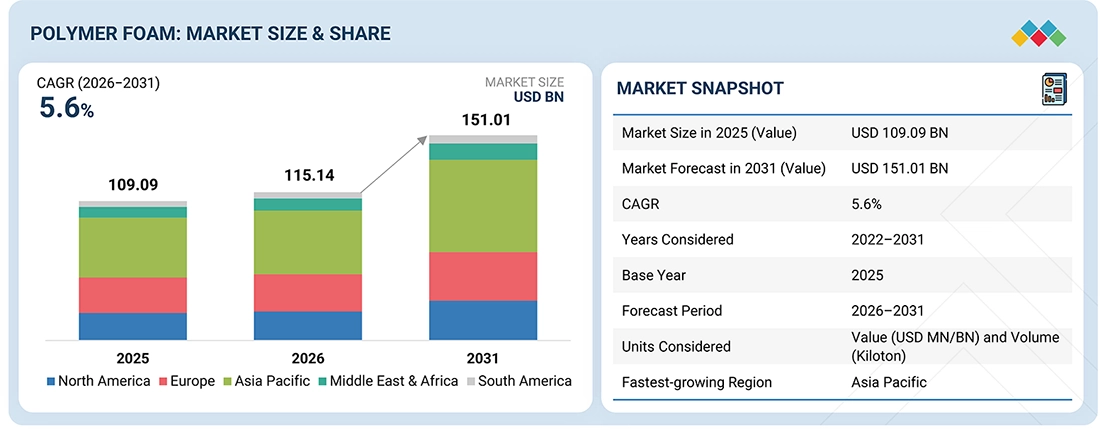
Source: Secondary Research, Interviews with Experts, MarketsandMarkets Analysis
The polymer foam market is projected to grow from USD 115.14 billion in 2026 to USD 151.01 billion by 2031, at a CAGR of 5.6% during the forecast period. The market is rapidly growing, primarily driven by strong demand from the construction, automotive, furniture, and packaging industries. This growth is supported by rapid urbanization and an expanding manufacturing capacity. The increasing adoption of energy-efficient building materials, along with the Asia Pacific region's dominance in global vehicle production, is enhancing the availability of polyurethane (PU) foam while reducing costs. Additionally, the rise of e-commerce, higher appliance production, and growing consumption among the middle class are further promoting the use of PU foam in comfort and packaging applications.
KEY TAKEAWAYS
-
By RegionAsia Pacific is projected to grow at the highest CAGR of 6.4%, in terms of value, during the forecast period.
-
By Resin TypeBy resin type, the polyurethane segment accounted for a share of 51.5% in terms of value in 2025.
-
By Foam TypeBy foam type, the flexible foam segment is expected to dominate the polymer foam market during the forecast period.
-
By End-Use IndustryBy end-use industry, the building & construction segment accounted for the largest share of 30.9%, in terms of value, in 2025.
-
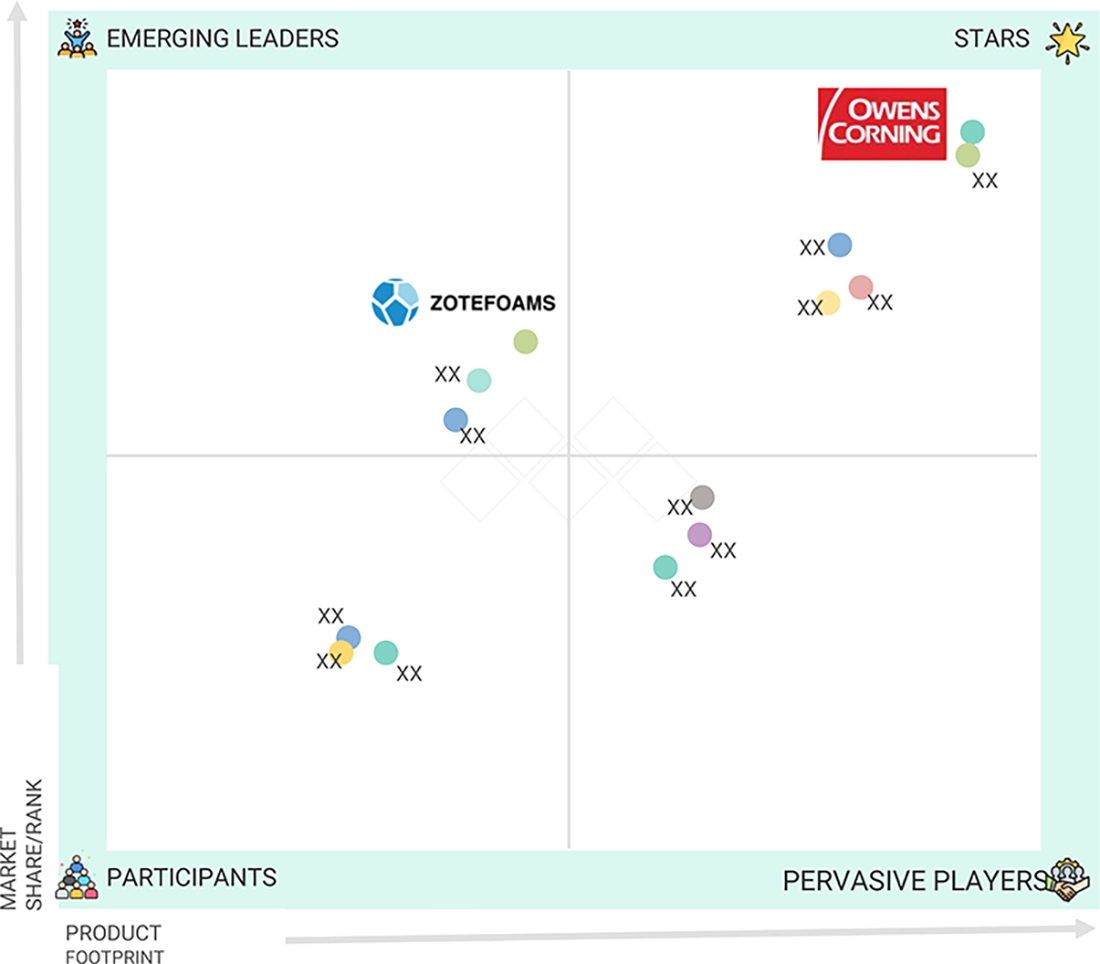
Competitive Landscape - Key PlayersOwens Corning, Kingspan Insulation, LLC, and Armacell were identified as star players in the polymer foam market, given their strong market share and product footprint.
-
Competitive Landscape - StartupsWoodbridge, Boyd, and UFP Technologies, Inc., among others, have distinguished themselves as startups and SMEs by securing strong footholds in specialized niche areas, underscoring their potential as emerging market leaders.
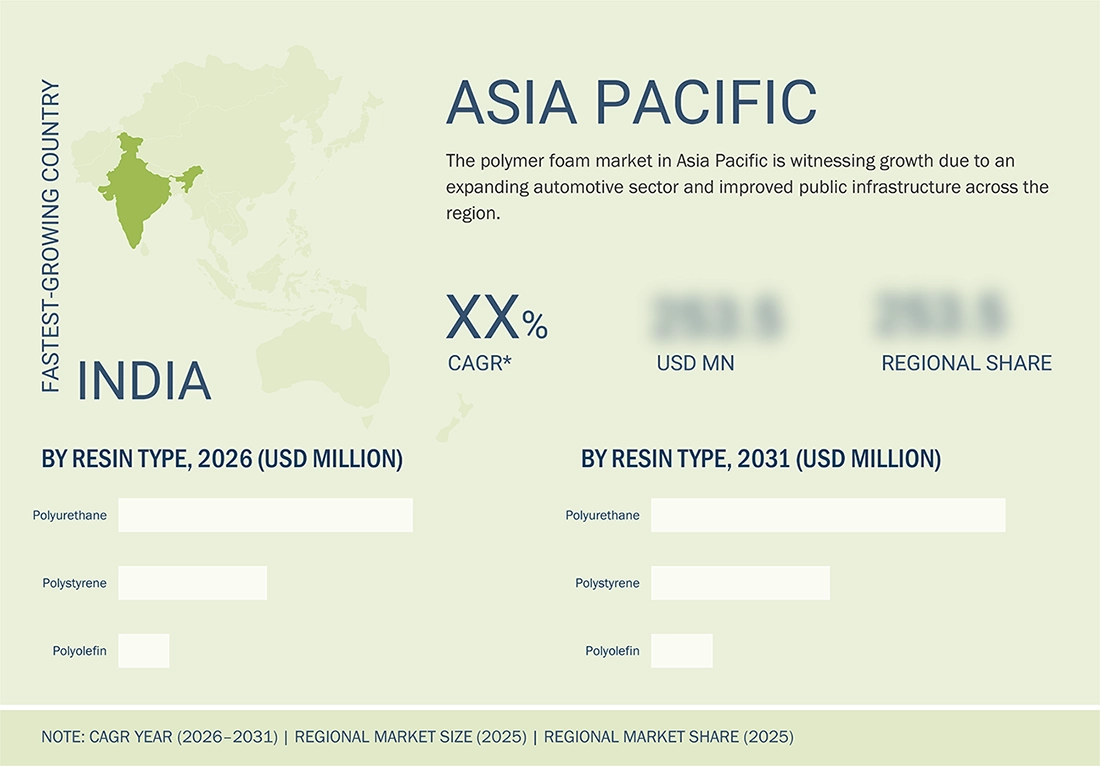
Rapid urbanization, strong construction activity, and high automotive production are driving the demand for lightweight and energy-efficient materials. Additionally, expanding PU manufacturing capacity, competitive production costs, and rising consumption of furniture, bedding, and packaging goods support the accelerated growth of polymer foams across key Asia Pacific economies.
TRENDS & DISRUPTIONS IMPACTING CUSTOMERS' CUSTOMERS
The polymer foam market is shifting from a primarily volume-driven revenue model to one that focuses on higher-value, performance-oriented applications. This change is driven by evolving end user requirements and regulatory pressures. Currently, the main sources of revenue come from sectors such as construction, building insulation, automotive & transportation, packaging, furniture & bedding, appliances and cold storage, and electronics. In these areas, polymer foams are valued for their lightweight properties, insulation performance, cushioning ability, and cost efficiency. Looking ahead, the revenue mix is expected to pivot toward energy-efficient and net-zero buildings, electric vehicles and battery systems, renewable energy and energy storage solutions, sustainable and circular foam materials, advanced packaging options, and medical & healthcare applications. This transition is fueled by rising demand for superior thermal and acoustic insulation, lightweight materials, fire resistance, sustainability compliance, and performance tailored to specific applications. As a result, manufacturers are focusing on innovative technologies, unique use cases, ecosystem partnerships, and strategic investments to seize future growth opportunities.
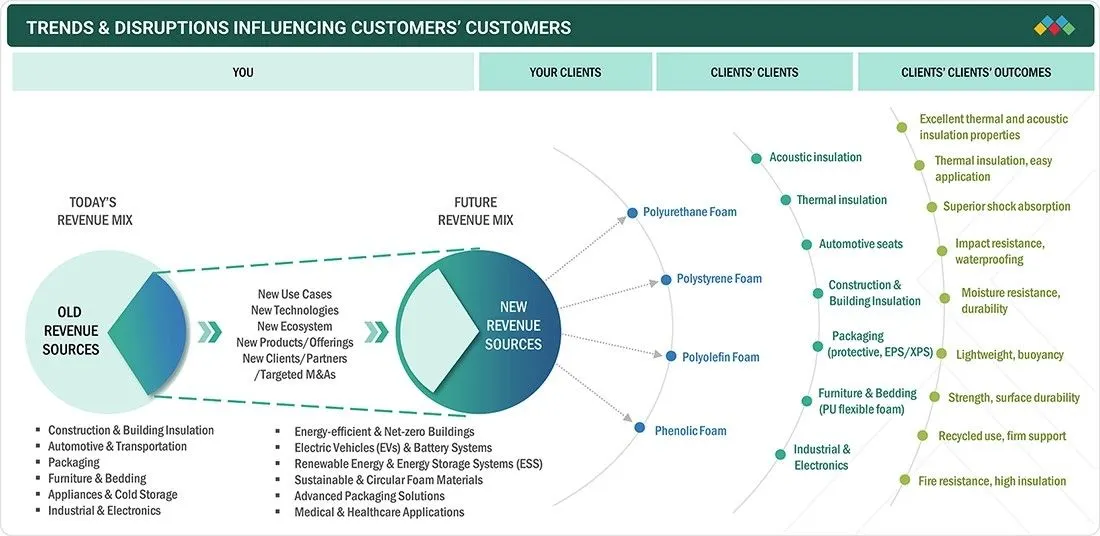
Source: Secondary Research, Interviews with Experts, MarketsandMarkets Analysis
MARKET DYNAMICS

Level
-
Growth of major end-use industries of polymer foams

-
High demand for polymer foams in Asia Pacific


Level
-
Volatility in raw material prices


Level
-
Growing demand for bio-based polyols

-
Rising demand for CO2-based polyols


Level
-
High pricing pressure to cause fluctuations in crude oil prices

-
Stringent regulations

Source: Secondary Research, Interviews with Experts, MarketsandMarkets Analysis
Driver: Growth of major end-use industries of polymer foams
The expansion of the polymer foam market is primarily fueled by rising demand across industries such as building & construction, automotive, packaging, bedding & furniture, footwear, and sports & recreational. Polymer foams are characterized by their lightweight properties, enhanced thermal and acoustic insulation capabilities, excellent cushioning performance, durability, and design flexibility. The current pace of urbanization, combined with substantial infrastructure development and the growth of e-commerce, is accelerating market dynamics. Furthermore, the automotive industry is witnessing an uptick in vehicle production, coinciding with consumer tendencies toward purchasing comfort-oriented and lifestyle-related products. Concurrently, a global shift toward energy-efficient architectures, lightweight vehicle designs, and sustainable manufacturing practices is driving the demand for advanced polymer foams, particularly those that are recyclable or bio-based.
Restraint: Volatility in raw material prices
Fluctuations in raw material prices pose a significant challenge for the polymer foam industry. This is primarily due to the reliance on petroleum-derived feedstocks such as benzene, toluene, polyols, propylene oxide, and phosgene in the production process. The costs of these materials are closely tied to variations in crude oil prices, influenced by geopolitical dynamics, supply chain disruptions, and regulatory changes. Consequently, these price oscillations lead to increased manufacturing costs, compress profit margins, and complicate efforts for producers to maintain price stability and secure long-term supply agreements.
Opportunity: Growing demand for bio-based polyols
The escalating demand for bio-based polyols presents significant growth opportunities in the polymer foam market, as various industries gradually pivot toward sustainable, renewable materials to reduce their dependence on petroleum-sourced feedstocks. These bio-derived polyols, extracted from renewable resources such as soybean, castor, and sunflower oils, play a crucial role in mitigating carbon emissions and supporting circular economy principles alongside Environmental, Social, and Governance (ESG) objectives. Advancements in material technology have enhanced the mechanical robustness of these polyols, improving thermal insulation properties and extending their lifespan in everyday applications. Consequently, they have proven beneficial across a diverse array of sectors, including construction, automotive, furniture, packaging, and footwear. Moreover, the interplay among government incentives, green building initiatives, and increased funding for biorefineries and renewable chemical production is accelerating commercialization. This momentum allows manufacturers to expand their product offerings with high-performance polymer foam solutions that meet evolving market demands.
Challenge: Stringent regulations
The polymer foam market continues to navigate stringent environmental health and chemical safety regulations, necessitating that manufacturers remain vigilant regarding evolving legislative landscapes governing raw material usage, emissions standards, and production methodologies. Chemicals such as methylene diphenyl diisocyanate (MDI), styrene, and various other petrochemical derivatives are subject to rigorous scrutiny due to their potential health risks and environmental impacts. Concurrently, regulations aimed at limiting harmful blowing agents have accelerated the industry's transition toward more sustainable alternatives, fostering innovation in eco-friendly foam production processes.
POLYMER FOAMS MARKET: COMMERCIAL USE CASES ACROSS INDUSTRIES
| COMPANY | USE CASE DESCRIPTION | BENEFITS |
|---|---|---|
 |
Polyurethane foam used in car seats, headrests, armrests, dashboard padding, and NVH insulation | Lightweight improves vehicle fuel efficiency | Enhanced comfort and durability | Better acoustic absorption and vibration control | Cost-effective mass production |
 |
PU and polystyrene foams used in wall insulation, roofing boards, HVAC insulation, sealing, and structural panels | Superior thermal insulation, reducing energy bills by 20-40% | Improved fire resistance and moisture control | High mechanical strength for structural applications | Meets green building and energy-saving standards |
 |
Flexible PU foam used for mattresses, sofas, cushions, pillows, and ergonomic bedding | High comfort and pressure relief | Long product life and shape retention | Wide density range for premium comfort products | Lightweight and easy to fabricate |
 |
Expanded polyethylene (EPE), expanded polystyrene (EPS), and EPP foam used for packaging electronics, appliances, and fragile goods | Excellent shock absorption and drop protection | Lightweight reduces logistics cost | Reusable and recyclable in many formats | Suitable for precision electronics due to anti-static options |
 |
EVA, PU, and PE foams used in midsoles, protective gear, helmets, and yoga mats | Superior cushioning and energy return | Impact resistance for sports safety | Lightweight for performance products | High flexibility and comfort |
Logos and trademarks shown above are the property of their respective owners. Their use here is for informational and illustrative purposes only.
MARKET ECOSYSTEM
The polymer foam market ecosystem is highly integrated and consists of a robust network of manufacturers, raw material suppliers, distributors, and end-use industries. Leading foam producers such as Sheela Foam, Toray, and Duroflex are driving large-scale production across flexible, rigid, and specialty foam categories to meet the rapidly growing demands in sectors like construction, automotive, furniture, and electronics. Global chemical companies like BASF and Covestro supply essential raw materials, including polyols, MDI, TDI, and specialty additives, which enable continuous innovation in performance, sustainability, and cost efficiency. Distributors such as Foamtec International enhance supply chain efficiency by facilitating the flow of materials across both industrial and consumer segments. Major end users, including Hyundai Engineering & Construction, Daikin, and Larsen & Toubro, contribute to demand through their expansion in regional infrastructure, HVAC installations, appliance manufacturing, and automotive production. Together, this interconnected ecosystem fosters product innovation, ensures stable supply chains, and supports strong market growth across the Asia Pacific region.
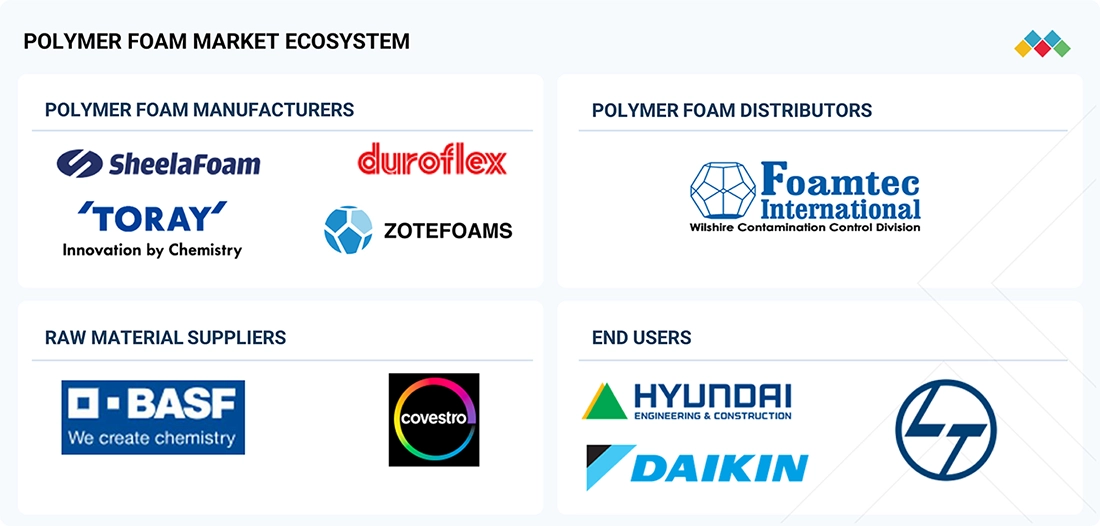
Logos and trademarks shown above are the property of their respective owners. Their use here is for informational and illustrative purposes only.
MARKET SEGMENTS
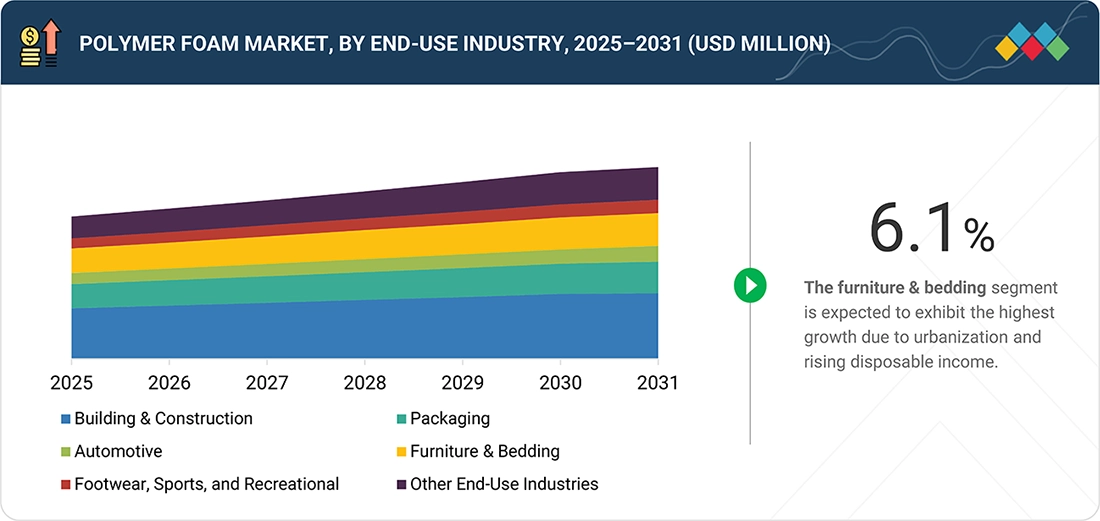
Source: Secondary Research, Interviews with Experts, MarketsandMarkets Analysis
Polymer Foam Market, By Resin Type
The polyurethane segment is expected to occupy the largest share of the polymer foam market during the forecast period. The growth of this segment can be attributed to its versatility and the wide range of applications in various industries. Polyurethane foams are extensively used in construction insulation, automotive interiors, furniture and bedding, appliances, and packaging due to their excellent thermal insulation, cushioning performance, lightweight nature, and design flexibility. Both rigid and flexible polyurethane foams are widely accepted in the construction sector because they provide heat efficiency and comfort, easily meeting modern building standards and evolving mobility requirements. Additionally, continuous innovations in bio-based and low-emission polyurethane formulations are crucial, especially as environmental regulations become stricter. This trend is leading to a wider adoption of these materials. In the polymer foam market, polyurethane is increasingly becoming the preferred material, poised to dominate and drive market growth as the demand rises for high-performance, cost-effective, and energy-efficient materials.
Polymer Foam Market, By End-use Industry
The building & construction segment is anticipated to maintain the largest share of the polymer foam market throughout the forecast period. This growth is primarily driven by rapid urbanization, ongoing infrastructural advancements, and an increasing emphasis on energy-efficient building practices. Polymer foam manufacturers are integral to the insulation market, with key variants including polyurethane, expanded polystyrene (EPS), extruded polystyrene (XPS), and phenolic foams. These materials are notably favored for their effectiveness in thermal insulation and soundproofing applications in roofing, wall assemblies, and flooring systems, attributed to their lightweight characteristics, superior insulation performance, and straightforward installation processes. The tightening of environmental regulations and the implementation of stringent energy performance standards within the construction industry have further fueled the demand for high-performance insulation solutions. This transition aims to optimize energy efficiency and mitigate carbon emissions. Additionally, the increasing volume of new residential units, commercial developments, and renovation initiatives continues to bolster the demand for polymer foams. Consequently, the building & construction industry is positioned as a pivotal driver of growth within the polymer foam market.
REGION
Asia Pacific is expected to account for the largest market share during the forecast period.
Asia Pacific is expected to account for the largest share of the polymer foam market during the forecast period. This growth is primarily driven by rapid urbanization, industrial development, and increasing manufacturing activities. Key countries influencing this market include China, India, Japan, and the Southeast Asian nations, all of which demonstrate significant demand from the construction, automotive, packaging, and consumer goods industries. The consumption of insulation and cushioning foams is being enhanced by large-scale infrastructure projects, including residential and commercial construction, as well as public demand for energy-efficient buildings. Furthermore, the region benefits from a strong automotive and electronics manufacturing base, along with cost-effective production methods and easy access to raw materials, which facilitate large-scale foam production. These factors collectively contribute to Asia Pacific being the largest and fastest-growing market for polymer foams in the coming years.
POLYMER FOAMS MARKET: COMPANY EVALUATION MATRIX
In the polymer foam market matrix, Owens Corning (Star) leads with a strong market share and an extensive product footprint, driven by its polymer foam solutions adopted by various end users. On the other hand, Zotefoams plc (Emerging Leader) demonstrates substantial product innovations compared to its competitors. Zotefoams plc shows significant potential to move toward the leaders’ quadrant as the demand for polymer foam continues to rise.
Source: Secondary Research, Interviews with Experts, MarketsandMarkets Analysis
KEY MARKET PLAYERS
- Owens Corning (US)
- Kingspan Insulation, LLC (Ireland)
- ARMACELL (Luxembourg)
- Sheela Foam Limited (India)
- Saint-Gobain (France)
- Aeroflex USA, Inc. (US)
- Duroflex Foam (India)
- FXI (US)
- Zotefoams Plc (UK)
MARKET SCOPE
| REPORT METRIC | DETAILS |
|---|---|
| Market Size in 2026 (Value) | USD 115.14 BN |
| Market Forecast in 2031 (Value) | USD 151.01 BN |
| CAGR (2026–2031) | 5.6% |
| Years Considered | 2022–2031 |
| Base Year | 2025 |
| Forecast Period | 2026–2031 |
| Units Considered | Value (USD Million/Billion) and Volume (Kiloton) |
| Report Coverage | Revenue forecast, company ranking, competitive landscape, growth factors, and trends |
| Segments Covered |
|
| Regional Scope | North America, Europe, Asia Pacific, Middle East & Africa, South America |
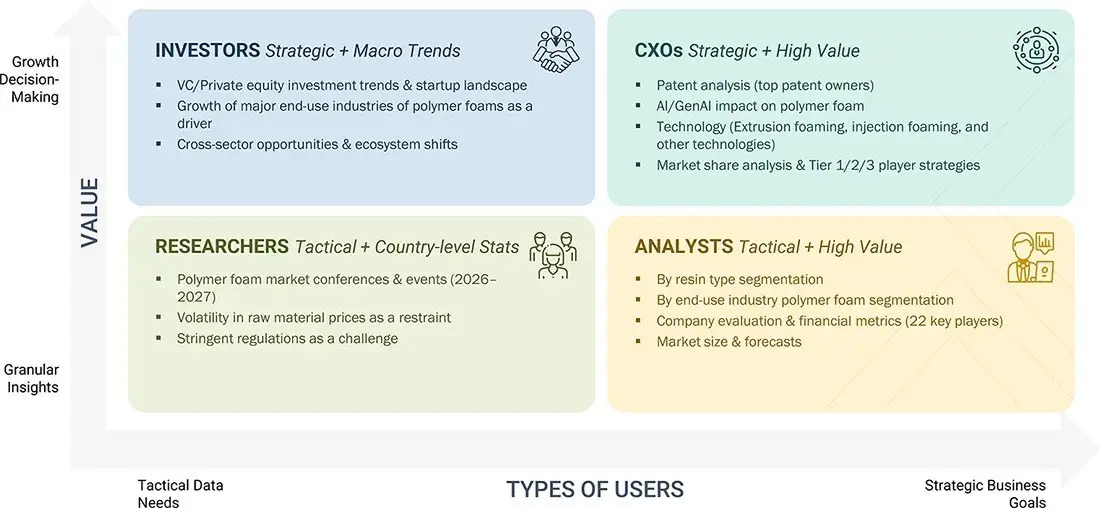
WHAT IS IN IT FOR YOU: POLYMER FOAMS MARKET REPORT CONTENT GUIDE
DELIVERED CUSTOMIZATIONS
We have successfully delivered the following deep-dive customizations:
| CLIENT REQUEST | CUSTOMIZATION DELIVERED | VALUE ADDS |
|---|---|---|
| Polymer Foam Manufacturers (PU, PS, PO, Phenolic) |
|
|
| Automotive OEMs & Tier 1 Suppliers (Seating, Interiors, NVH Components) |
|
|
| Building & Construction Companies (Insulation, Panels, Roofing) |
|
|
| Furniture & Bedding Manufacturers (Mattresses, Cushions, Upholstery) |
|
|
| Packaging & E-Commerce Logistics Companies |
|
|
RECENT DEVELOPMENTS
- December 2025 : Furlenco raised USD 1.4 million in a new funding round led by Sheela Foam Ltd., as it prepares for a potential future IPO. The company will use the funds to expand in existing and new Indian markets, enhance product innovation and technology, improve customer experience, strengthen its supply chain, broaden its furniture and home-lifestyle portfolio, and scale its offline and omnichannel presence to reach more urban consumers.
- December 2022 : Sheela Foam, India’s largest mattress maker, is reportedly set to acquire its competitor Kurlon for about USD 23 million. Kurlon, known for its Kurl-on branded mattresses, has a strong nationwide presence with 10,000+ dealers, 72 branches and stock points, and nine manufacturing facilities across several states, including Karnataka, Odisha, Madhya Pradesh, Uttarakhand, and Gujarat. The acquisition would significantly expand Sheela Foam’s market footprint.
Table of Contents
 Exclusive indicates content/data unique to MarketsandMarkets and not available with any competitors.
Methodology
The research methodology used to estimate the current size of the polymer foam market consisted of four major activities: a) Extensive secondary research was performed to acquire detailed information about the market, peer markets, and parent markets; b) These findings, assumptions, and metrics were verified through primary research with experts from the demand and supply sides of the polymer foam value chain; c) Both top-down and bottom-up approaches were used to estimate the total market size; and d) The estimation of market sizes for various segments and subsegments in the market was finalized using complete market segmentation and data triangulation techniques.
Secondary Research
The research methodology for estimating and forecasting the polymer foam market begins with gathering data on key vendors’ revenue by doing secondary research. The secondary research process involves consulting a range of secondary sources, including Hoover’s, Bloomberg Businessweek, Factiva, the World Bank, and industry-specific journals. These secondary sources encompass annual reports, press releases, investor presentations, white papers, certified publications, articles from recognized authors, regulatory notifications, trade directories, and databases. Also, vendor offerings are taken into consideration to inform market segmentation.
Primary Research
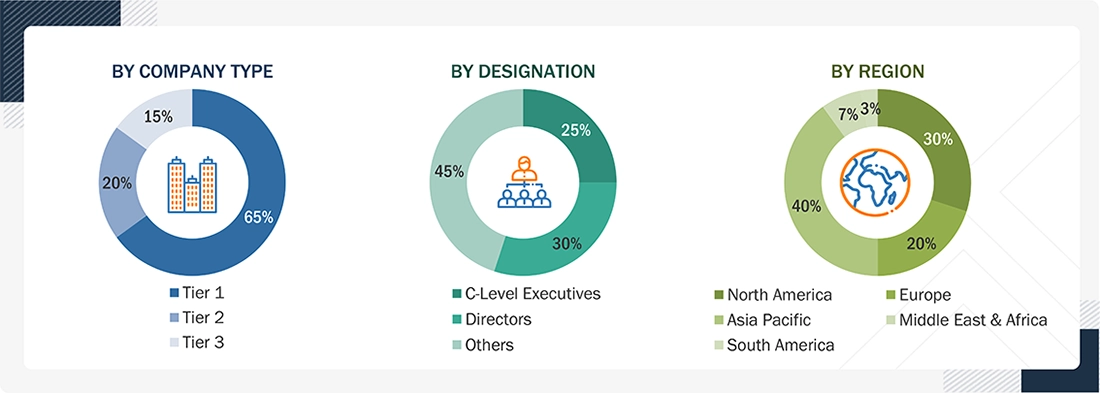
The polymer foam market comprises several stakeholders, including raw material suppliers, processors, end-product manufacturers, and regulatory organizations, throughout the supply chain. The demand side of this market is characterized by the development of various industries, including building & construction, bedding & furniture, packaging, automotive, footwear, sports & recreational, and others. The supply side is characterized by advancements in technology and a wide range of diverse applications. Various primary sources from the supply and demand sides of the market were interviewed to obtain qualitative and quantitative information.
To know about the assumptions considered for the study, download the pdf brochure
Market Size Estimation
The top-down and bottom-up approaches were employed to estimate and validate the total size of the polymer foam market. These approaches were also used extensively to estimate the size of various dependent market subsegments.
The following considerations were made in these approaches:
- Extensive primary research and secondary research were done to identify the key players.
- The value chain and market size of the polymer foam market, in terms of value, were determined through primary and secondary research.
- All percentage shares, splits, and breakdowns were collected through secondary sources and verified through primary sources.
- All possible parameters that affect the market were covered in this research study and are viewed in extensive detail, verified through primary research, and analyzed to obtain the final quantitative and qualitative data.
- The study of reports, reviews, and newsletters of top market players, along with extensive interviews for opinions from key leaders, such as CEOs, directors, and marketing executives, is included in this research.
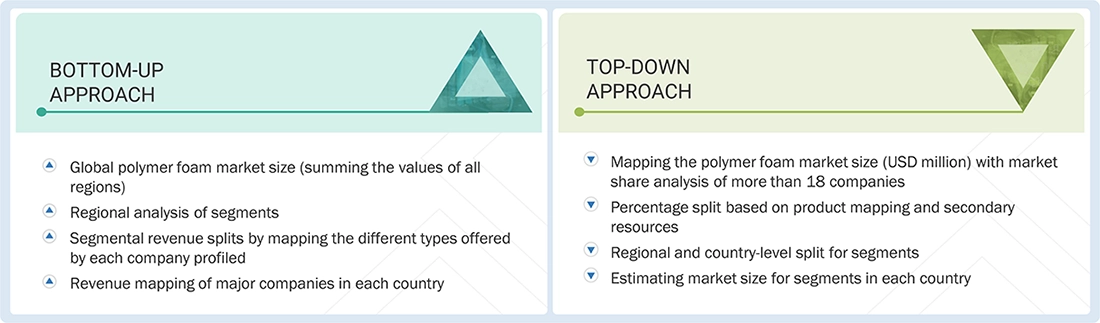
Data Triangulation
After estimating the overall market size, the market was split into various segments and subsegments. Data triangulation and market segmentation techniques, along with the market engineering process, were employed to obtain precise market analysis data for each segment and its subsegments. The research methodology used to estimate and forecast the global market size began by aggregating data and information from various levels, including country-level data.
Market Definition
Polymer foams are made of polymers, blowing agents, and additives. They are produced using different processing methods, such as slab stock by pouring, extrusion, and different molding forms. They are used in various industries such as packaging, furniture & bedding, building & construction, and automotive. These foams are classified based on their structures as closed and open cells. Closed-cell foam is rigid, whereas open-cell foam is flexible.
Key Stakeholders
- Polymer foam manufacturers, processors, and technology providers
- End-use industries, including building & construction, bedding & furniture, packaging, automotive, footwear, and sports & recreational
- Research Institutions, standards organizations, and regulatory agencies such as ASTM, ISO, IAEA, and national materials authorities
- NGOs, governments, investment banks, venture capitalists, and private equity firms
Report Objectives
- To define, describe, and forecast the market size of polymer foam, in terms of value and volume
- To provide detailed information regarding the key factors, such as drivers, restraints, opportunities, and industry-specific challenges, influencing the growth of the market
- To analyze and forecast the size of various segments (resin type and end-use industry) of the market based on five major regions: North America, Europe, Asia Pacific, South America, and the Middle East & Africa, along with key countries in each of these regions
- To analyze recent developments and competitive strategies, including acquisition, product launch, and others, to understand the market's competitive landscape
- To strategically profile the key players in the market and comprehensively analyze their core competencies
Available customizations:
With the given market data, MarketsandMarkets offers customizations according to the client-specific needs.
The following customization options are available for the report:
- Additional country-level analysis of the polymer foam market
- Profiling of additional market players (up to 5)
Product Analysis
- Product matrix, which provides a detailed comparison of each company's product portfolio


Personalize This Research
- Triangulate with your Own Data
- Get Data as per your Format and Definition
- Gain a Deeper Dive on a Specific Application, Geography, Customer or Competitor
- Any level of Personalization
Let Us Help You
- What are the Known and Unknown Adjacencies Impacting the Polymer Foam Market
- What will your New Revenue Sources be?
- Who will be your Top Customer; what will make them switch?
- Defend your Market Share or Win Competitors
- Get a Scorecard for Target Partners

Custom Market Research Services
We Will Customise The Research For You, In Case The Report Listed Above Does Not Meet With Your Requirements
Get 10% Free CustomisationTESTIMONIALS
We at Nissan Chemicals Corporation have been clients of MarketsandMarkets for more than a year now. We recently consulted MarketsandMarkets for a study, the team at MarketsandMarkets was extremely professional and organized. The business insights were very detailed and aligned well with our expectations that really helped us formulate the Business Plans and device new strategies for development themes. MarketsandMarkets offers a unique combination of expertise and dedicated engagement model. Their research findings have helped us in designing our Pricing Strategy which will make it easier for us to predict the future sales and profits for the next ten years. We look forward to working with MarketsandMarkets in the future.
VP of Strategy & New Business Development
Leading Specialty Chemical Company
The MarketsandMarkets Engagement Model, composed of both the Knowledge Store and advisory custom research, has greatly helped us in understanding our markets and making strategic decisions. The Knowledge Store is a fast way to allow everyone in our organization to understand more about most any market they are interested in. The ability to then get custom research done and get answers to specific strategic questions and market insight has been spectacular. The Markets and Markets team feel more like colleagues than vendors and their services have helped us change our culture where statements of things like growth opportunities and competitive position are always backed by industry research.

Rich Gibson,
Director, Corporate Strategy
Milliken & Company,
Leading Industrial Manufacturer of specialty chemical, floor covering, performance and protective textile materials, and healthcaremilliken.com
MarketsandMarkets is a trusted resource that helps us to better understand markets that are near-adjacencies-whether its technology, value chain or geography. Their Knowledge Store platform provides a dashboard of markets and their characteristics which is easy to use and saves us time.
Adam Shaw,
Market Development and Strategy Manager
AdvanSix Inc. USA,
An American Leader in Chemicalswww.advansix.com
The Knowledge Store from MarketsandMarkets is a valuable tool which has helped my team acquire greater insight in to the end markets that our business serves. This has enabled us to help our company build stronger strategies throughout our planning process.
TOSHIO KINOSHITA
Senior Chif Consultion Research & Consulting Division
Mitsubishi Chemical Research Corporation,
Leading Manufacturer of Chemical Productswww.mitsubishichem-res.co.jp/en/

We recently engaged with MarketsandMarkets for a study, the team not only clearly understood our business objectives but was also extremely professional in the way they handled the entire project. The study was efficiently conducted in a phase-wise manner, and the engagement model furnished us with high-quality business insights that far exceeded our expectations at each phase. We were especially happy that MarketsandMarkets could provide us with both, an English as well as a Japanese version of the study. A special thanks to the Analyst Team and Client Services Team, whose fluency in Japanese enhanced our comfort level, as we could converse with them in our preferred language.
Independent entrepreneurs
Arrow Precision
We approached MarketsandMarkets for study on Proppants Market, and their work exceeded our expectations. The study conducted was comprehensive and enabled us to view the market through the various dimensions. In addition, the team was extraordinarily responsive throughout the process and resolved our queries on time. I strongly recommend MarketsandMarkets and will certainly consider them for additional market assessments we will need in the future.
Global engineering company, Japan
Deputy Manager,
Strategic Planning OfficeThe high-quality insights shared by the MarketsandMarkets team helped us understand the pharmaceutical plant designers in a specific geography. It also captured the risks that we may likely face in communicating with our potential partners. The study would enable us identify partners, which would impact our future growth.
- China Polymer Foam Market
- Japan Polymer Foam Market
- India Polymer Foam Market
- South Korea Polymer Foam Market
- Indonesia Polymer Foam Market
- Thailand Polymer Foam Market
- Malaysia Polymer Foam Market
- Italy Polymer Foam Market
- Spain Polymer Foam Market
- Germany Polymer Foam Market
- France Polymer Foam Market
- UK Polymer Foam Market
- Turkey Polymer Foam Market
- Russia Polymer Foam Market
- Mexico Polymer Foam Market
- Canada Polymer Foam Market
- US Polymer Foam Market
- Saudi Arabia Polymer Foam Market
- UAE Polymer Foam Market
- South Africa Polymer Foam Market
- Brazil Polymer Foam Market
- Argentina Polymer Foam Market
- Chile Polymer Foam Market
- South America Polymer Foam Market
- Rest Of Europe Polymer Foam Market
- Middle East Polymer Foam Market
- Rest Of Asia Pacific Polymer Foam Market
Growth opportunities and latent adjacency in Polymer Foam Market






Tom
Jul, 2022
Need market intelligence on materials used to make composites, including resins, reinforcements, fillers, etc. in the US..