
Brazil Elastomeric Infusion Pumps Market (2025-2030)

The Brazil Elastomeric Infusion Pumps Market was valued at $21.6 Million in 2025 and projected to reach to $27.1 Million by 2030, representing a compound annual growth rate of 4.6%. Brazil's elastomeric infusion pumps market is positioned for sustained growth as healthcare providers increasingly prioritize portable and cost-effective drug delivery solutions.


| Market Size in | USD 26.32 MN |
| Market Forecast in | |
| CAGR | |
| Forecast Period | |
| Units Considered | Value (USD MN) |
Brazil Elastomeric Infusion Pumps Market Trends and Insights
- Brazil represents a significant opportunity within South America's medical device landscape, driven by increasing healthcare infrastructure investments and rising demand for portable drug delivery solutions.
- The market in Brazil is supported by growing adoption in hospital settings, ambulatory care centers, and home healthcare applications, reflecting broader trends in patient-centric treatment delivery. During the 2025–2030 forecast period, Brazil's elastomeric infusion pumps market will benefit from enhanced regulatory frameworks, improved reimbursement policies, and expanding pharmaceutical partnerships.
- Brazil's healthcare sector continues to modernize, creating favorable conditions for advanced infusion technologies.
- Market players operating in Brazil are focusing on localized manufacturing and distribution networks to strengthen their competitive position and improve accessibility across the country's diverse regions..
Key Market Statistics
- CAGR (2025-2030) 4.6% CAGR
- Market Size, 2025 ~USD 21.6 Million
- Forecast, 2030 ~USD 27.1 Million
- Country Brazil
Brazil Elastomeric Infusion Pumps Market Overview
Market Valuation :
Brazil's elastomeric infusion pumps market is valued at USD 21.6 million in 2025, with projections to reach USD 27.1 million by 2030, representing steady growth in South America's medical device sector.
Growth Trajectory :
The Brazilian market is expanding at a CAGR of 4.6% through 2030, driven by increasing healthcare infrastructure investments and growing adoption of portable drug delivery solutions across hospitals and home care settings.
Healthcare Infrastructure Development :
Brazil's expanding healthcare system and rising government spending on medical devices are creating favorable conditions for elastomeric infusion pump adoption, particularly in oncology and chronic disease management.
Portable Drug Delivery Demand :
Increasing preference for patient-centric, portable infusion solutions in Brazil is driving market growth, with elastomeric pumps gaining traction in ambulatory care and home-based treatment protocols.
Brazil Elastomeric Infusion Pumps Market Dynamics
- The country's expanding middle class and improving healthcare access are driving demand for advanced medical devices, particularly in urban centers and emerging secondary cities.
- Government initiatives to modernize healthcare infrastructure and reduce hospital dependency are accelerating adoption of elastomeric pumps in outpatient and home care settings. The market outlook remains positive through 2030, supported by rising prevalence of chronic diseases, increased cancer treatment rates, and growing awareness of infusion pump benefits among healthcare professionals.
- Strategic partnerships between local distributors and international manufacturers, combined with regulatory improvements, are expected to enhance market penetration.
- Brazil's position as Latin America's largest economy provides significant scaling opportunities for elastomeric infusion pump manufacturers targeting the broader South American region..
Market Ecosystem
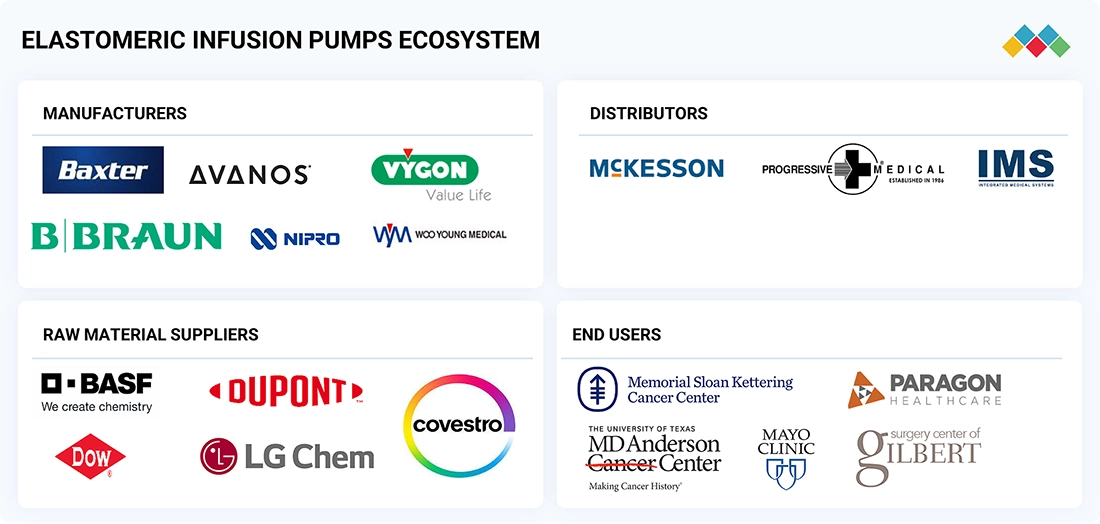
Elastomeric Infusion Pumps Market: COMMERCIAL USE CASES ACROSS INDUSTRIES
| COMPANY | USE CASE DESCRIPTION | BENEFITS |
|---|---|---|
 |
A 46-year-old patient received weekly 5-hour magnesium and calcium infusions via a balloon pump instead of a traditional electronic pump and drip stand. The pump was easy to set up, compact, and allowed mobility during treatment. | Improved patient mobility and comfort, increased satisfaction, easier setup after practice, and reduced hindrance compared to traditional infusion methods. |
 |
Elastomeric pumps were used for postoperative patient-controlled analgesia (PCA) as a cost-effective, mobile alternative to electric PCA pumps. The pumps provide continuous or adjustable basal/bolus analgesia without electricity, supporting systemic or regional pain management in hospital and outpatient settings. | Significant cost savings (up to 50–70% per patient in low-volume settings), enhanced patient mobility and satisfaction, reduced personnel requirements, multi-day use without extra disposables, lower infection risk, and improved economic efficiency compared to electric pumps. |
|
|
A 51-year-old colorectal cancer patient used the Surefuser+ ambulatory pump for a 46-hour Fluorouracil infusion via a PICC line at home. The pump allowed discreet, uninterrupted infusion, with minimal nurse intervention and patient education for home use. | Eliminated a 2-day hospital stay, improved sleep quality, supported daily activities, enhanced patient comfort and satisfaction, and maintained normal routines during chemotherapy. |
 |
Offers EZ-FLOW™ elastomeric pumps for chemotherapy and long-duration infusion therapies. | Eliminates need for pinch clamps; simplifies priming process; ensures consistent drug delivery. |
Logos and trademarks shown above are the property of their respective owners. Their use here is for informational and illustrative purposes only.
Related Ecosystem
Key Takeaways
- Brazil's elastomeric infusion pumps market is valued at USD 21.6 million in 2025 and will reach USD 27.1 million by 2030.
- Brazil is experiencing steady growth at a 4.6% CAGR, driven by healthcare modernization and increased adoption of portable drug delivery systems.
- Brazil's market expansion is supported by improved regulatory frameworks and expanding reimbursement coverage for infusion therapies.
- Brazil's healthcare infrastructure investments and growing home healthcare sector are key drivers of elastomeric infusion pump demand through 2030.
Elastomeric Infusion Pumps Market Report Scope
| Report Metric | Details |
|---|---|
| Base Year | 2025 |
| Fastest Growing Segment | HOME CARE SETTINGS (Setting) |
| Forecast Period | 2025–2030 |
| Growth Rate | CAGR of 5.3% from 2025 to 2030 |
| Largest Segment | ACCESSORIES AND CONSUMABLES (Product) |
| Market Size Base Year (Billions) | ~USD 1.15 (2025) |
| Revenue Forecast (Billions) | ~USD 1.49 (2030) |
| Segments Covered | Type, Application, End-Use Industry, Product, Setting |
Brazil Elastomeric Infusion Pumps Market Report Segmentation
5 segment dimensions are covered across the global market.
By Type
- Continuous Rate
- Variable Rate
By Application
- Analgesia/Pain Management
- Antibiotics
- Chemotherapy
- Chemotherapy/Oncology
- Diabetes Management
- Gastroenterology
- Hematology
- Other Applications
- Pain Management
- Pediatrics/Neonatology
By End-Use Industry
- Ambulatory Surgical Centers (Ascs)
- Homecare Settings
- Hospitals
- Other End-Use Industries
By Product
- Accessories And Consumables
- Devices
By Setting
- Academic And Research Institutes
- Ambulatory Care Settings
- Home Care Settings
- Hospitals
BRAZIL: ELASTOMERIC INFUSION PUMPS MARKET, BY END-USE INDUSTRY, 2023–2030
| Segment | 2023 | 2024 | 2025 | 2026 | 2027 | 2028 | 2029 | 2030 | CAGR (%) |
|---|---|---|---|---|---|---|---|---|---|
| AMBULATORY SURGICAL CENTERS (ASCS) | 5.28 | 5.47 | 5.73 | 6 | 6.28 | 6.58 | 6.89 | 7.21 | 4.7 |
| HOMECARE SETTINGS | 4.76 | 4.95 | 5.21 | 5.49 | 5.78 | 6.08 | 6.4 | 6.74 | 5.3 |
| HOSPITALS | 8.61 | 8.91 | 9.3 | 9.69 | 10.11 | 10.54 | 10.99 | 11.46 | 4.3 |
| OTHER END-USE INDUSTRIES | 1.26 | 1.3 | 1.35 | 1.41 | 1.47 | 1.53 | 1.6 | 1.66 | 4.2 |
| TOTAL | 19.91 | 20.63 | 21.59 | 22.59 | 23.64 | 24.73 | 25.88 | 27.08 | 4.6 |
Target Audience
- Medical Device Manufacturers : Manufacturers seeking to expand elastomeric infusion pump portfolios in Brazil need market intelligence on local demand patterns, competitive dynamics, pricing strategies, and distribution channels to optimize product launches and market penetration.
- Healthcare System Operators : Hospital networks, clinics, and healthcare providers in Brazil require market data to evaluate elastomeric pump adoption ROI, understand patient outcomes, benchmark procurement costs, and plan capital equipment investments.
- Distributors & Importers : Local and regional distributors need comprehensive market analysis to assess demand forecasts, identify growth segments, evaluate supplier partnerships, and develop effective go-to-market strategies for elastomeric infusion pumps.
- Private Equity & Investors : Investment firms evaluating opportunities in Brazil's medical device sector require detailed market sizing, growth projections, and competitive analysis to assess portfolio companies, identify acquisition targets, and evaluate investment returns.
- Healthcare Policy Makers : Government agencies and healthcare administrators in Brazil need market intelligence to inform reimbursement policies, procurement guidelines, and healthcare infrastructure planning for elastomeric infusion pump integration into public health systems.
Key Companies in the Brazil Elastomeric Infusion Pumps Market
| Company | HQ | Ownership | Strongest segments |
|---|---|---|---|
| BAXTER | United States | Public Company | Continuous Rate Elastomeric Pumps,Variable Rate Elastomeric Pumps,Chemotherapy Applications, |
| NIPRO | Japan | Public Company | Continuous Rate Elastomeric Pumps,Variable Rate Elastomeric Pumps,Chemotherapy Applications, |
| AVNS | United States | Private Company | Continuous Rate Elastomeric Pumps,Variable Rate Elastomeric Pumps,Chemotherapy Applications, |
| WOOYOUNG MEDICAL CO., LTD. | South Korea | Private Company | Continuous Rate Elastomeric Pumps,Variable Rate Elastomeric Pumps,Electronic Infusion Pumps (adjacent), |
| SHANGHAI INT MEDICAL INSTRUMENTS CO., LTD. | China | Public Company | Continuous Rate Elastomeric Pumps,Variable Rate Elastomeric Pumps,Accessories & Disposables for Elastomeric Pumps, |
| AMBU A/S | Denmark | Public Company | Continuous Rate Elastomeric Pumps,Variable Rate Elastomeric Pumps,Chemotherapy Applications, |
| DAIKEN MEDICAL CO., LTD. | Japan | Public Company | Continuous Rate Elastomeric Pumps,Variable Rate / PCA Elastomeric Pumps,Chemotherapy Applications, |
BAXTER
Baxter is a publicly traded American healthcare company founded in 1931 that employs 37,500 people. The company operates in the medical devices and pharmaceuticals sector.
NIPRO
Nipro is a Japanese public company founded in 1947 with 38,593 employees operating in the medical devices sector. The company serves global healthcare markets.
AVNS
AVNS is a privately held American company founded in 2014 with 2,287 employees. The company operates in the medical devices industry.
WOOYOUNG MEDICAL CO., LTD.
Wooyoung Medical Co., Ltd. is a privately held South Korean company founded in 1996. The company operates in the medical devices sector.
SHANGHAI INT MEDICAL INSTRUMENTS CO., LTD.
Shanghai Int Medical Instruments Co., Ltd. is a publicly traded Chinese medical device company founded in 2006 with 2,088 employees. The company serves the healthcare market.
AMBU A/S
Ambu A/S is a publicly traded Danish medical device company founded in 1937 with 5,200 employees. The company specializes in emergency and surgical equipment.
DAIKEN MEDICAL CO., LTD.
Daiken Medical Co., Ltd. is a publicly traded Japanese medical device company founded in 1968 with 185 employees. The company serves the healthcare industry.
Reasons to Buy this Report
- Market Entry Strategy : Gain comprehensive insights into Brazil's elastomeric infusion pumps market dynamics, competitive landscape, and growth drivers to develop effective market entry and expansion strategies in South America's largest economy.
- Investment Decision Support : Access detailed market sizing, CAGR projections, and revenue forecasts through 2030 to support investment decisions, capital allocation, and business development initiatives in Brazil's medical device sector.
- Competitive Positioning : Understand Brazil-specific market trends, customer preferences, and regulatory requirements to benchmark competitive positioning and identify differentiation opportunities against local and international competitors.
- Growth Opportunity Identification : Identify high-potential segments and geographic regions within Brazil where elastomeric infusion pump adoption is accelerating, enabling targeted marketing and sales resource allocation for maximum ROI.
- Risk Mitigation : Evaluate Brazil-specific market risks, regulatory landscape, healthcare infrastructure challenges, and economic factors to develop informed risk management strategies and contingency planning for market operations.
Frequently asked questions
What is the current market size of elastomeric infusion pumps in Brazil?
Brazil's elastomeric infusion pumps market is valued at USD 21.6 million in 2025, according to verified market data.
What is the projected market size for elastomeric infusion pumps in Brazil by 2030?
Brazil's elastomeric infusion pumps market is forecast to reach USD 27.1 million by 2030, representing growth from the 2025 baseline.
What is the CAGR for Brazil's elastomeric infusion pumps market?
Brazil's elastomeric infusion pumps market is expected to grow at a compound annual growth rate of 4.6% between 2025 and 2030.
What factors are driving growth in Brazil's elastomeric infusion pumps market?
Key growth drivers in Brazil include healthcare infrastructure modernization, increased adoption of home healthcare solutions, improved regulatory frameworks, and expanding reimbursement policies for infusion therapies.
How does Brazil's elastomeric infusion pumps market compare to other South American countries?
Brazil represents the largest market opportunity in South America for elastomeric infusion pumps, with significant healthcare spending and a growing demand for advanced drug delivery technologies across hospitals and home care settings.
RESEARCH METHODOLOGY
The study involved four major activities to estimate the current size of the global elastomeric infusion pumps market. Exhaustive secondary research was conducted to gather information on the market, the peer product market, and the parent product group market. The next step was to validate these findings, assumptions, and sizes with the industry experts across the value chain of elastomeric infusion pumps through primary research. The top-down and bottom-up approaches were employed to estimate the overall size of the elastomeric infusion pumps market. After that, market breakdown and data triangulation procedures were used to determine the size of different segments and sub-segments of the market.
Secondary Research
The market for companies offering elastomeric infusion pumps is determined by secondary data obtained from paid and unpaid sources, analyzing the product portfolios of major companies in the ecosystem, and evaluating companies based on their performance and quality. Various secondary sources, including Business Standard, Bloomberg, the World Bank, and Factiva, were consulted to identify and collect information for this study on the elastomeric infusion pumps market. During the secondary research process, various secondary sources were consulted to identify and collect information relevant to the study. Secondary sources included annual reports, press releases, investor presentations of door vendors, forums, certified publications, and white papers. The secondary research was utilized to gather critical information on the industry’s value chain, the total pool of key players, market classification, and segmentation from both market- and technology-oriented perspectives.
Primary Research
In the primary research process, various primary sources from both the supply and demand sides were interviewed to obtain qualitative and quantitative information for this report. The primary sources from the supply side included industry experts, such as Chief Executive Officers (CEOs), Vice Presidents (VPs), marketing directors, technology and innovation directors, and related key executives from several key companies and organizations operating in the elastomeric infusion pump market. After completing the market engineering process (calculations for market statistics, market breakdown, market size estimations, market forecasting, and data triangulation), extensive primary research was conducted to gather information and verify and validate the critical numbers derived. Primary research was also conducted to identify the segmentation types, industry trends, competitive landscape of elastomeric infusion pumps offered by various market players, and key market dynamics, such as drivers, restraints, opportunities, challenges, industry trends, and key player strategies. In the complete market engineering process, the top-down and bottom-up approaches and several data triangulation methods were extensively used to perform the market estimation and market forecasting for the overall market segments and subsegments listed in this report. Extensive qualitative and quantitative analysis was performed on the complete market engineering process to list the key information/insights throughout the report.
The following is the breakdown of primary respondents:
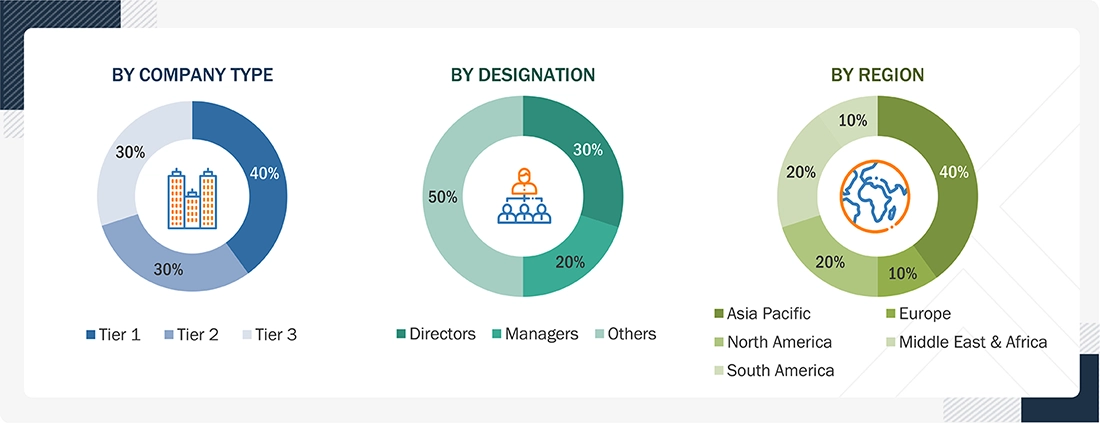
Notes: Other designations include sales, marketing, and product managers. Tier 1: >USD 1 Billion; Tier 2: USD 500 million–1 Billion; and Tier 3: < USD 500 million.
To know about the assumptions considered for the study, download the pdf brochure
Market Size Estimation
The top-down and bottom-up approaches were employed to estimate and validate the size of the global elastomeric infusion pumps market. These methods were also widely used to assess the size of various related market segments. The research methodology used to determine the market size included the following:
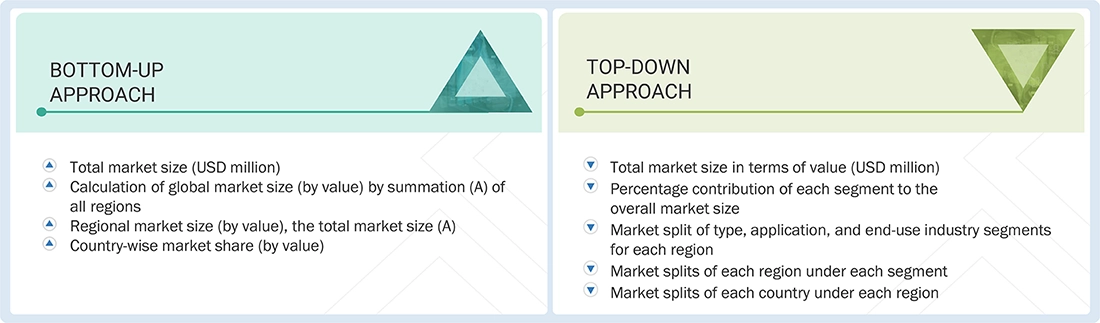
Data Triangulation
After determining the overall market size using market size estimation processes, the market was segmented into several segments and subsegments. The data triangulation and market breakup procedures were employed, wherever applicable, to complete the overall market engineering process and arrive at the exact statistics of each market segment and subsegment. The data was triangulated by studying various factors and trends from both the demand and supply sides.
Market Definition
Elastomeric infusion pumps are portable, non-electronic medical devices designed for the controlled delivery of drugs, such as analgesics, antibiotics, and chemotherapeutic agents, over a specified period. These devices utilize the elastic properties of specific elastomers to deliver accurate, continuous, or intermittent medication infusions without requiring batteries or external power sources. Elastomeric infusion pumps are recognized for their simplicity, reliability, and ease of use, making them suitable for use in hospital, outpatient, and home care environments. They are produced and tested in accordance with international medical device standards, including ISO 13485 for quality management, ISO 11608 for infusion device efficacy, and ASTM standards for elastomeric materials. The devices are extensively utilized in oncology, pain management, anesthesia, and palliative care, enhancing patient compliance, mobility, and safety. Elastomeric infusion pumps are crucial to the advancement of the field of patient-centered drug delivery and healthcare innovation, particularly in home healthcare and ambulatory care.
Stakeholders
- Elastomeric infusion pump manufacturers
- Raw material suppliers
- Converters & processors
- Distributors and traders
- Industry associations and regulatory bodies
- End users
Report Objectives
- To define, describe, and forecast the size of the global elastomeric infusion pumps market, based on type, end-use industry, and region in terms of value and volume
- To provide detailed information on the significant drivers, restraints, opportunities, and challenges influencing the market
- To strategically analyze micromarkets concerning individual growth trends, prospects, and their contribution to the market
- To assess the growth opportunities in the market for stakeholders and provide details on the competitive landscape for market leaders
- To forecast the market size of segments and subsegments for North America, Europe, Asia Pacific, South America, and the Middle East & Africa
- To strategically profile key players and comprehensively analyze their market shares and core competencies
- To analyze competitive developments such as acquisitions, expansions, partnerships, and agreements in the elastomeric infusion pumps market
- To provide the impact of AI/Gen AI on the market
Get the Full Elastomeric Infusion Pumps Market Report
Full forecast, segment splits, and company analysis for all Elastomeric Infusion Pumps Market.
- Germany Elastomeric Infusion Pumps Market
- France Elastomeric Infusion Pumps Market
- UK Elastomeric Infusion Pumps Market
- Italy Elastomeric Infusion Pumps Market
- Spain Elastomeric Infusion Pumps Market
- China Elastomeric Infusion Pumps Market
- Japan Elastomeric Infusion Pumps Market
- India Elastomeric Infusion Pumps Market
- South Korea Elastomeric Infusion Pumps Market
- Australia Elastomeric Infusion Pumps Market
- Argentina Elastomeric Infusion Pumps Market
- South Africa Elastomeric Infusion Pumps Market
- Rest Of Europe Elastomeric Infusion Pumps Market
- Rest Of Asia Pacific Elastomeric Infusion Pumps Market
- GCC Countries Elastomeric Infusion Pumps Market
- –Rest Of GCC Countries Elastomeric Infusion Pumps Market
- Rest Of South America Elastomeric Infusion Pumps Market
- US Elastomeric Infusion Pumps Market
- Canada Elastomeric Infusion Pumps Market
- Mexico Elastomeric Infusion Pumps Market
Need a Tailored Report?
Customize this report to your needs
Get 10% FREE Customization
Customize This Report
