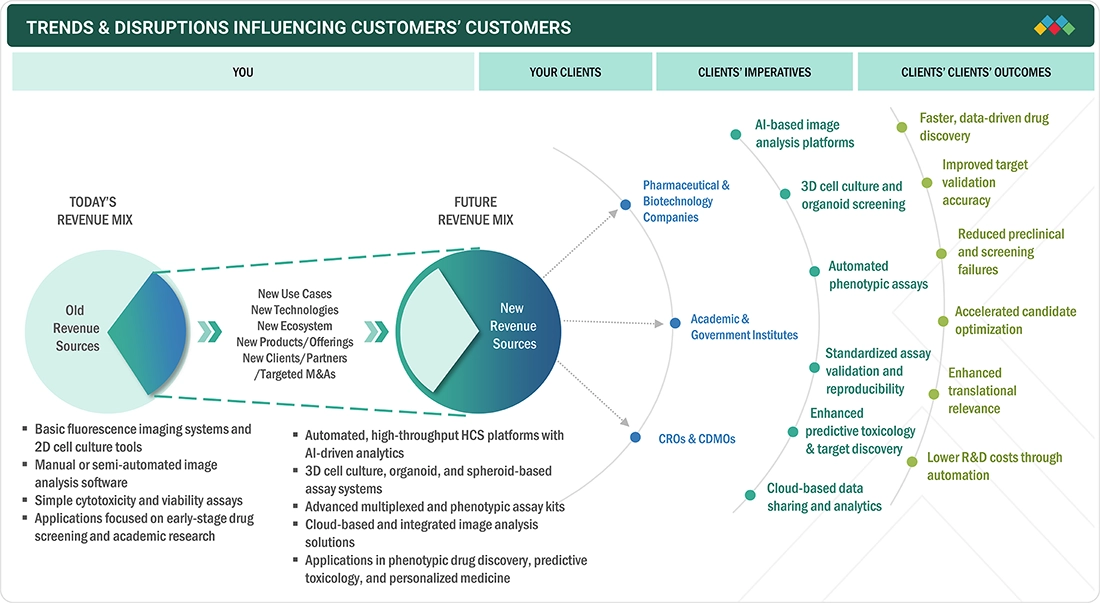
5.3
TRENDS/DISRUPTIONS IMPACTING CUSTOMERS BUSINESS
5.4.1
AVERAGE SELLING PRICE TREND OF KEY PLAYERS, BY PRODUCT
5.4.2
AVERAGE SELLING PRICE TREND, BY REGION
5.5
SUPPLY CHAIN ANALYSIS
5.9.2
COMPLEMENTARY TECHNOLOGIES
5.9.3
ADJACENT TECHNOLOGIES
5.11
REGULATORY LANDSCAPE
5.11.1
REGULATORY SCENARIO
5.11.2
REGULATORY BODIES, GOVERNMENT AGENCIES & OTHER ORGANIZATIONS
5.12
PORTER’S FIVE FORCES ANALYSIS
5.12.1
THREAT OF NEW ENTRANTS
5.12.2
THREAT OF SUBSTITUTE
5.12.3
BARGAINING POWER OF SUPPLIERS
5.12.4
BARGAINING POWER OF BUYERS
5.12.5
INTENSITY OF COMPETITION RIVALRY
5.13
KEY STAKEHOLDERS AND BUYING CRITERIA
5.13.1
KEY STAKEHOLDERS IN THE BUYING PROCESS
5.13.2
BUYING CRITERIA FOR END USERS
5.14
INVESTMENT AND FUNDING SCENARIO
6
HIGH CONTENT SCREENING MARKET, BY PRODUCT & SERVICE, 2022-2029 (USD MILLION)
6.2.1
CELL IMAGING SYSTEMS
6.2.2
CELL DETECTION AND ANALYSIS SYSTEMS
6.2.3
HIGH CONTENT IMAGING PLATFORMS
6.3
CONSUMABLES & ACCESSORIES
6.3.1
REAGENTS & ASSAY KITS
6.3.3
OTHER CONSUMABLES & ACCESSORIES
7
HIGH CONTENT SCREENING MARKET, BY APPLICATION, 2022-2029 (USD MILLION)
7.2
DRUG DISCOVERY AND DEVELOPMENT
7.2.1
TARGET IDENTIFICATION AND VALIDATION
7.2.2
PRIMARY SCREENING AND SECONDARY SCREENING
7.2.4
OTHER DRUG DISCOVERY AND DEVELOPMENT APPLICATIONS (IF ANY)
8
HIGH CONTENT SCREENING MARKET, BY END USER, 2022-2029 (USD MILLION)
8.2
PHARMACEUTICAL AND BIOTECHNOLOGY COMPANIES
8.3
ACADEMIC AND GOVERNMENT INSTITUTES
8.4
CONTRACT RESEARCH ORGANIZATIONS AND CONTRACT DEVELOPMENT & MANUFACTURING ORGANIZATIONS
9
HIGH CONTENT SCREENING MARKET, BY REGION, 2022-2029 (USD MILLION)
9.2.1
MACROECONOMIC OUTLOOK FOR NORTH AMERICA
9.3.1
MACROECONOMIC OUTLOOK FOR EUROPE
9.4.1
MACROECONOMIC OUTLOOK FOR ASIA PACIFIC
9.4.7
REST OF ASIA PACIFIC
9.5.1
MACROECONOMIC OUTLOOK FOR LATIN AMERICA
9.5.3
REST OF LATIN AMERICA
9.6.1
MACROECONOMIC OUTLOOK FOR MIDDLE EAST
9.6.2.1
UNITED ARAB EMIRATES (UAE)
9.6.2.2
KINGDOM OF SAUDI ARABIA (KSA)
9.6.2.3
REST OF GCC COUNTRIES
9.6.3
REST OF MIDDLE EAST
9.7.1
MACROECONOMIC OUTLOOK FOR AFRICA
10.2
KEY PLAYERS STRATEGIES/ RIGHT TO WIN
10.3
REVENUE SHARE ANALYSIS (TOP 4-5 PLAYERS)
10.4
MARKET SHARE ANALYSIS (TOP 4-5 PLAYERS)
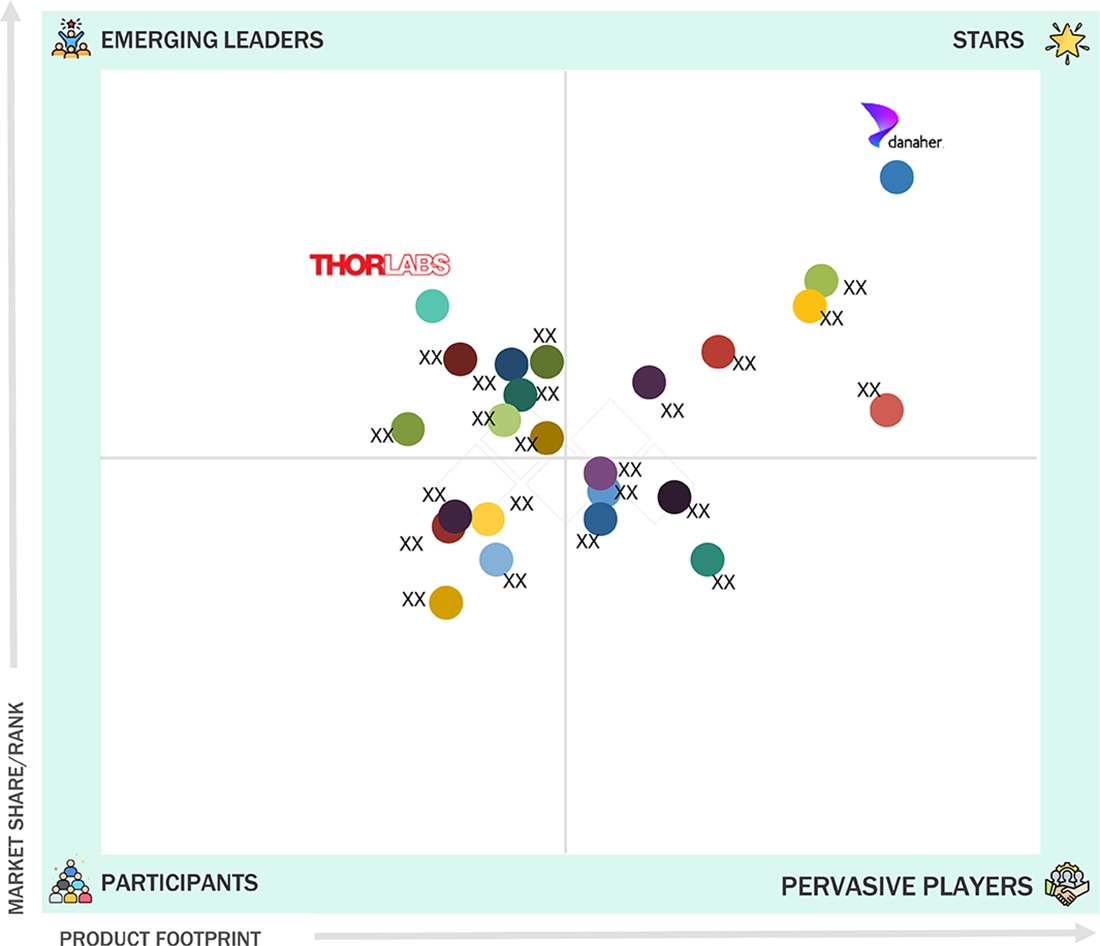
10.5
COMPANY EVALUATION MATRIX: KEY PLAYERS
10.5.5
COMPANY FOOTPRINT: KEY PLAYERS
10.5.5.1
COMPANY FOOTPRINT
10.5.5.2
PRODUCT FOOTPRINT
10.5.5.3
SERVICE FOOTPRINT
10.5.5.4
APPLICATION FOOTPRINT
10.5.5.5
REGION FOOTPRINT
10.6
COMPANY EVALUATION MATRIX: START-UPS/SMES,
10.6.1
PROGRESSIVE COMPANIES
10.6.2
RESPONSIVE COMPANIES
10.6.5
COMPETITIVE BENCHMARKING: STARTUPS/SMES,
10.6.5.1
DETAILED LIST OF KEY STARTUPS/ SMES
10.6.5.2
COMPETITIVE BENCHMARKING OF KEY STARTUPS/ SMES
10.7
COMPETITIVE SCENARIO
10.7.2
OTHER DEVELOPMENTS
10.8
BRAND/ PRODUCT COMPARATIVE ANALYSIS
10.9
VENDOR VALUATION AND FINANCIAL METRICS OF THE RESIDUAL DNA TESTING MARKET
11.1.1
DANAHER CORPORATION
11.1.4
THERMO FISHER SCIENTIFIC INC.
11.1.5
AGILENT TECHNOLOGIES
11.1.7
BIO-RAD LABORATORIES, INC.
11.1.8
NIKON INSTRUMENTS INC.
11.1.11
YOKOGAWA ELECTRIC CORPORATION
11.1.13
CORNING INCORPORATED
11.1.14
CHARLES RIVER LABORATORIES
11.2.2
PROMEGA CORPORATION
11.2.4
SYSMEX CORPORATION
11.2.5
ENZO LIFE SCIENCES
11.2.6
STRATEDIGM CORPORATION
11.2.9
CREATIVE BIOSTRUCTURE
11.2.10
CREATIVE BIOARRAY
11.2.11
CELL SIGNALLING TECHNOLOGY
11.2.12
STANDARD BIOTOOLS
11.2.13
ARACELI BIOSCIENCES
12.2
KNOWLEDGE STORE: MARKETSANDMARKETS’ SUBSCRIPTION PORTAL
12.3
INTRODUCING RT: REAL-TIME MARKET INTELLIGENCE
12.4
AVAILABLE CUSTOMIZATIONS
TABLE 1
IMPACT ANALYSIS OF SUPPLY-SIDE AND DEMAND-SIDE FACTORS
TABLE 2
HIGH-CONTENT SCREENING MARKET: RISK ANALYSIS
TABLE 3
IMPORT DATA FOR HS CODE 901190, 2019–2023 (USD)
TABLE 4
EXPORT DATA FOR HS CODE 901190, 2019–2023 (USD)
TABLE 5
HIGH-CONTENT SCREENING MARKET, BY PRODUCT & SERVICE, 2023–2030 (USD MILLION)
TABLE 6
HIGH-CONTENT SCREENING INSTRUMENTS MARKET, BY TYPE, 2023–2030 (USD MILLION)
TABLE 7
HIGH-CONTENT SCREENING INSTRUMENTS MARKET, BY REGION, 2023–2030 (USD MILLION)
TABLE 8
NORTH AMERICA: HIGH-CONTENT SCREENING MARKET, BY COUNTRY, 2023–2030 (USD MILLION)
TABLE 9
EUROPE: HIGH-CONTENT SCREENING MARKET, BY COUNTRY, 2023–2030 (USD MILLION)
TABLE 10
ASIA PACIFIC: HIGH-CONTENT SCREENING MARKET, BY COUNTRY, 2023–2030 (USD MILLION)
TABLE 11
LATIN AMERICA: HIGH-CONTENT SCREENING MARKET, BY COUNTRY, 2023–2030 (USD MILLION)
TABLE 12
MIDDLE EAST: HIGH-CONTENT SCREENING MARKET, BY COUNTRY, 2023–2030 (USD MILLION)
TABLE 13
GCC COUNTRIES: HIGH-CONTENT SCREENING MARKET, BY COUNTRY, 2023–2030 (USD MILLION)
TABLE 14
HIGH-CONTENT IMAGING PLATFORMS MARKET, BY REGION, 2023–2030 (USD MILLION)
TABLE 15
NORTH AMERICA: HIGH-CONTENT IMAGING PLATFORMS MARKET, BY COUNTRY, 2023–2030 (USD MILLION)
TABLE 16
EUROPE: HIGH-CONTENT IMAGING PLATFORMS MARKET, BY COUNTRY, 2023–2030 (USD MILLION)
TABLE 17
HIGH-CONTENT IMAGING PLATFORMS MARKET, BY COUNTRY, 2023–2030 (USD MILLION)
TABLE 18
LATIN AMERICA: HIGH-CONTENT IMAGING PLATFORMS MARKET, BY COUNTRY, 2023–2030 (USD MILLION)
TABLE 19
MIDDLE EAST: HIGH-CONTENT IMAGING PLATFORMS MARKET, BY COUNTRY, 2023–2030 (USD MILLION)
TABLE 20
GCC COUNTRIES: HIGH-CONTENT IMAGING PLATFORMS MARKET, BY COUNTRY, 2023–2030 (USD MILLION)
TABLE 21
GCC COUNTRIES: HIGH-CONTENT IMAGING PLATFORMS MARKET, BY COUNTRY, 2023–2030 (USD MILLION)
TABLE 22
NORTH AMERICA: CELL IMAGING SYSTEMS MARKET, BY COUNTRY, 2023–2030 (USD MILLION)
TABLE 23
EUROPE: CELL IMAGING SYSTEMS MARKET, BY COUNTRY, 2023–2030 (USD MILLION)
TABLE 24
ASIA PACIFIC: CELL IMAGING SYSTEMS MARKET, BY COUNTRY, 2023–2030 (USD MILLION)
TABLE 25
LATIN AMERICA: CELL IMAGING SYSTEMS MARKET, BY COUNTRY, 2023–2030 (USD MILLION)
TABLE 26
MIDDLE EAST: CELL IMAGING SYSTEMS MARKET, BY COUNTRY, 2023–2030 (USD MILLION)
TABLE 27
GCC COUNTRIES: CELL IMAGING SYSTEMS MARKET, BY COUNTRY, 2023–2030 (USD MILLION)
TABLE 28
CELL DETECTION & ANALYSIS SYSTEMS MARKET, BY REGION, 2023–2030 (USD MILLION)
TABLE 29
NORTH AMERICA: CELL DETECTION & ANALYSIS SYSTEMS MARKET, BY COUNTRY, 2023–2030 (USD MILLION)
TABLE 30
EUROPE: CELL DETECTION & ANALYSIS SYSTEMS MARKET, BY COUNTRY, 2023–2030 (USD MILLION)
TABLE 31
ASIA PACIFIC: CELL DETECTION & ANALYSIS SYSTEMS MARKET, BY COUNTRY, 2023–2030 (USD MILLION)
TABLE 32
LATIN AMERICA: CELL DETECTION & ANALYSIS SYSTEMS MARKET, BY COUNTRY, 2023–2030 (USD MILLION)
TABLE 33
MIDDLE EAST: CELL DETECTION & ANALYSIS SYSTEMS MARKET, BY COUNTRY, 2023–2030 (USD MILLION)
TABLE 34
GCC COUNTRIES: CELL DETECTION & ANALYSIS SYSTEMS MARKET, BY COUNTRY, 2023–2030 (USD MILLION)
TABLE 35
HIGH-CONTENT SCREENING CONSUMABLES & ACCESSORIES MARKET, BY TYPE, 2023–2030 (USD MILLION)
TABLE 36
HIGH-CONTENT SCREENING CONSUMABLES & ACCESSORIES MARKET, BY REGION, 2023–2030 (USD MILLION)
TABLE 37
NORTH AMERICA: HIGH-CONTENT SCREENING CONSUMABLES & ACCESSORIES MARKET, BY COUNTRY, 2023–2030 (USD MILLION)
TABLE 38
EUROPE: HIGH-CONTENT SCREENING CONSUMABLES & ACCESSORIES MARKET, BY COUNTRY, 2023–2030 (USD MILLION)
TABLE 39
ASIA PACIFIC: HIGH-CONTENT SCREENING CONSUMABLES & ACCESSORIES MARKET, BY COUNTRY, 2023–2030 (USD MILLION)
TABLE 40
LATIN AMERICA: HIGH-CONTENT SCREENING CONSUMABLES & ACCESSORIES MARKET, BY COUNTRY, 2023–2030 (USD MILLION)
TABLE 41
MIDDLE EAST: HIGH-CONTENT SCREENING CONSUMABLES & ACCESSORIES MARKET, BY COUNTRY, 2023–2030 (USD MILLION)
TABLE 42
GCC COUNTRIES: HIGH-CONTENT SCREENING CONSUMABLES & ACCESSORIES MARKET, BY COUNTRY, 2023–2030 (USD MILLION)
TABLE 43
REAGENTS & ASSAY KITS MARKET, BY REGION, 2023–2030 (USD MILLION)
TABLE 44
NORTH AMERICA: REAGENTS & ASSAY KITS MARKET, BY COUNTRY, 2023–2030 (USD MILLION)
TABLE 45
EUROPE: REAGENTS & ASSAY KITS MARKET, BY COUNTRY, 2023–2030 (USD MILLION)
TABLE 46
ASIA PACIFIC: REAGENTS & ASSAY KITS MARKET, BY COUNTRY, 2023–2030 (USD MILLION)
TABLE 47
LATIN AMERICA: REAGENTS & ASSAY KITS MARKET, BY COUNTRY, 2023–2030 (USD MILLION)
TABLE 48
MIDDLE EAST: REAGENTS & ASSAY KITS MARKET, BY COUNTRY, 2023–2030 (USD MILLION)
TABLE 49
GCC COUNTRIES: REAGENTS & ASSAY KITS MARKET, BY COUNTRY, 2023–2030 (USD MILLION)
TABLE 50
MICROPLATES MARKET, BY REGION, 2023–2030 (USD MILLION)
TABLE 51
NORTH AMERICA: MICROPLATES MARKET, BY COUNTRY, 2023–2030 (USD MILLION)
TABLE 52
EUROPE: MICROPLATES MARKET, BY COUNTRY, 2023–2030 (USD MILLION)
TABLE 53
ASIA PACIFIC: MICROPLATES MARKET, BY COUNTRY, 2023–2030 (USD MILLION)
TABLE 54
LATIN AMERICA: MICROPLATES MARKET, BY COUNTRY, 2023–2030 (USD MILLION)
TABLE 55
MIDDLE EAST: MICROPLATES MARKET, BY COUNTRY, 2023–2030 (USD MILLION)
TABLE 56
GCC COUNTRIES: MICROPLATES MARKET, BY COUNTRY, 2023–2030 (USD MILLION)
TABLE 57
OTHER CONSUMABLES & ACCESSORIES MARKET, BY REGION, 2023–2030 (USD MILLION)
TABLE 58
NORTH AMERICA: OTHER CONSUMABLES & ACCESSORIES MARKET, BY COUNTRY, 2023–2030 (USD MILLION)
TABLE 59
EUROPE: OTHER CONSUMABLES & ACCESSORIES MARKET, BY COUNTRY, 2023–2030 (USD MILLION)
TABLE 60
ASIA PACIFIC: OTHER CONSUMABLES & ACCESSORIES MARKET, BY COUNTRY, 2023–2030 (USD MILLION)
TABLE 61
LATIN AMERICA: OTHER CONSUMABLES & ACCESSORIES MARKET, BY COUNTRY, 2023–2030 (USD MILLION)
TABLE 62
MIDDLE EAST: OTHER CONSUMABLES & ACCESSORIES MARKET, BY COUNTRY, 2023–2030 (USD MILLION)
TABLE 63
GCC COUNTRIES: OTHER CONSUMABLES & ACCESSORIES MARKET, BY COUNTRY, 2023–2030 (USD MILLION)
TABLE 64
HIGH-CONTENT SCREENING SOFTWARE MARKET, BY REGION, 2023–2030 (USD MILLION)
TABLE 65
NORTH AMERICA: HIGH-CONTENT SCREENING SOFTWARE MARKET, BY COUNTRY, 2023–2030 (USD MILLION)
TABLE 66
EUROPE: HIGH-CONTENT SCREENING SOFTWARE MARKET, BY COUNTRY, 2023–2030 (USD MILLION)
TABLE 67
ASIA PACIFIC: HIGH-CONTENT SCREENING SOFTWARE MARKET, BY COUNTRY, 2023–2030 (USD MILLION)
TABLE 68
LATIN AMERICA: HIGH-CONTENT SCREENING SOFTWARE MARKET, BY COUNTRY, 2023–2030 (USD MILLION)
TABLE 69
MIDDLE EAST: HIGH-CONTENT SCREENING SOFTWARE MARKET, BY COUNTRY, 2023–2030 (USD MILLION)
TABLE 70
GCC COUNTRIES: HIGH-CONTENT SCREENING SOFTWARE MARKET, BY COUNTRY, 2023–2030 (USD MILLION)
TABLE 71
HIGH-CONTENT SCREENING SERVICES MARKET, BY REGION, 2023–2030 (USD MILLION)
TABLE 72
NORTH AMERICA: HIGH-CONTENT SCREENING SERVICES MARKET, BY COUNTRY, 2023–2030 (USD MILLION)
TABLE 73
EUROPE: HIGH-CONTENT SCREENING SERVICES MARKET, BY COUNTRY, 2023–2030 (USD MILLION)
TABLE 74
ASIA PACIFIC: HIGH-CONTENT SCREENING SERVICES MARKET, BY COUNTRY, 2023–2030 (USD MILLION)
TABLE 75
LATIN AMERICA: HIGH-CONTENT SCREENING SERVICES MARKET, BY COUNTRY, 2023–2030 (USD MILLION)
TABLE 76
MIDDLE EAST: HIGH-CONTENT SCREENING SERVICES MARKET, BY COUNTRY, 2023–2030 (USD MILLION)
TABLE 77
GCC COUNTRIES: HIGH-CONTENT SCREENING SERVICES MARKET, BY COUNTRY, 2023–2030 (USD MILLION)
TABLE 78
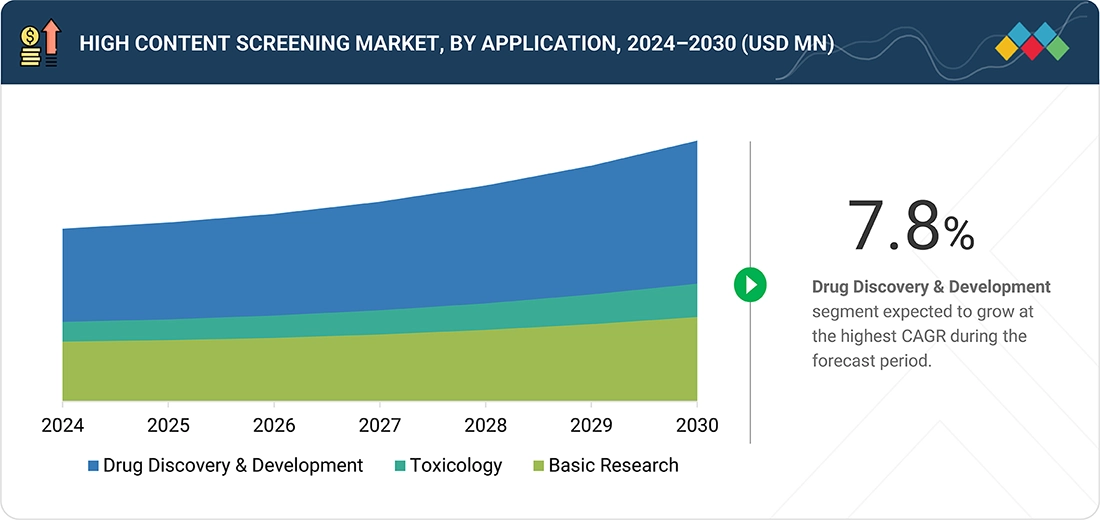
HIGH-CONTENT SCREENING MARKET, BY APPLICATION, 2023–2030 (USD MILLION)
TABLE 79
HIGH-CONTENT SCREENING MARKET FOR DRUG DISCOVERY & DEVELOPMENT APPLICATIONS, BY REGION, 2023–2030 (USD MILLION)
TABLE 80
NORTH AMERICA: HIGH-CONTENT SCREENING MARKET FOR DRUG DISCOVERY & DEVELOPMENT APPLICATIONS, BY COUNTRY, 2023–2030 (USD MILLION)
TABLE 81
EUROPE: HIGH-CONTENT SCREENING MARKET FOR DRUG DISCOVERY & DEVELOPMENT APPLICATIONS, BY COUNTRY, 2023–2030 (USD MILLION)
TABLE 82
ASIA PACIFIC: HIGH-CONTENT SCREENING MARKET FOR DRUG DISCOVERY & DEVELOPMENT APPLICATIONS, BY COUNTRY, 2023–2030 (USD MILLION)
TABLE 83
LATIN AMERICA: HIGH-CONTENT SCREENING MARKET FOR DRUG DISCOVERY & DEVELOPMENT APPLICATIONS, BY COUNTRY, 2023–2030 (USD MILLION)
TABLE 84
MIDDLE EAST: HIGH-CONTENT SCREENING MARKET FOR DRUG DISCOVERY & DEVELOPMENT APPLICATIONS, BY COUNTRY, 2023–2030 (USD MILLION)
TABLE 85
GCC COUNTRIES: HIGH-CONTENT SCREENING MARKET FOR DRUG DISCOVERY & DEVELOPMENT APPLICATIONS, BY COUNTRY, 2023–2030 (USD MILLION)
TABLE 86
HIGH-CONTENT SCREENING MARKET FOR DRUG DISCOVERY & DEVELOPMENT APPLICATIONS, BY TYPE, 2023–2030 (USD MILLION)
TABLE 87
HIGH-CONTENT SCREENING MARKET FOR PRIMARY & SECONDARY SCREENING APPLICATIONS, BY REGION, 2023–2030 (USD MILLION)
TABLE 88
NORTH AMERICA: HIGH-CONTENT SCREENING MARKET FOR PRIMARY & SECONDARY SCREENING APPLICATIONS, BY COUNTRY, 2023–2030 (USD MILLION)
TABLE 89
EUROPE: HIGH-CONTENT SCREENING MARKET FOR PRIMARY & SECONDARY SCREENING APPLICATIONS, BY COUNTRY, 2023–2030 (USD MILLION)
TABLE 90
ASIA PACIFIC: HIGH-CONTENT SCREENING MARKET FOR PRIMARY & SECONDARY SCREENING APPLICATIONS, BY COUNTRY, 2023–2030 (USD MILLION)
TABLE 91
LATIN AMERICA: HIGH-CONTENT SCREENING MARKET FOR PRIMARY & SECONDARY SCREENING APPLICATIONS, BY COUNTRY, 2023–2030 (USD MILLION)
TABLE 92
MIDDLE EAST: HIGH-CONTENT SCREENING MARKET FOR PRIMARY & SECONDARY SCREENING APPLICATIONS, BY COUNTRY, 2023–2030 (USD MILLION)
TABLE 93
GCC COUNTRIES: HIGH-CONTENT SCREENING MARKET FOR PRIMARY & SECONDARY SCREENING APPLICATIONS, BY COUNTRY, 2023–2030 (USD MILLION)
TABLE 94
HIGH-CONTENT SCREENING MARKET FOR TARGET IDENTIFICATION & VALIDATION APPLICATIONS, BY REGION, 2023–2030 (USD MILLION)
TABLE 95
NORTH AMERICA: HIGH-CONTENT SCREENING MARKET FOR TARGET IDENTIFICATION & VALIDATION APPLICATIONS, BY COUNTRY, 2023–2030 (USD MILLION)
TABLE 96
EUROPE: HIGH-CONTENT SCREENING MARKET FOR TARGET IDENTIFICATION & VALIDATION APPLICATIONS, BY COUNTRY, 2023–2030 (USD MILLION)
TABLE 97
ASIA PACIFIC: HIGH-CONTENT SCREENING MARKET FOR TARGET IDENTIFICATION & VALIDATION APPLICATIONS, BY COUNTRY, 2023–2030 (USD MILLION)
TABLE 98
LATIN AMERICA: HIGH-CONTENT SCREENING MARKET FOR TARGET IDENTIFICATION & VALIDATION APPLICATIONS, BY COUNTRY, 2023–2030 (USD MILLION)
TABLE 99
MIDDLE EAST: HIGH-CONTENT SCREENING MARKET FOR TARGET IDENTIFICATION & VALIDATION APPLICATIONS, BY COUNTRY, 2023–2030 (USD MILLION)
TABLE 100
GCC COUNTRIES: HIGH-CONTENT SCREENING MARKET FOR TARGET IDENTIFICATION & VALIDATION APPLICATIONS, BY COUNTRY, 2023–2030 (USD MILLION)
TABLE 101
HIGH-CONTENT SCREENING MARKET FOR COMPOUND PROFILING APPLICATIONS, BY REGION, 2023–2030 (USD MILLION)
TABLE 102
NORTH AMERICA: HIGH-CONTENT SCREENING MARKET FOR COMPOUND PROFILING APPLICATIONS, BY COUNTRY, 2023–2030 (USD MILLION)
TABLE 103
EUROPE: HIGH-CONTENT SCREENING MARKET FOR COMPOUND PROFILING APPLICATIONS, BY COUNTRY, 2023–2030 (USD MILLION)
TABLE 104
ASIA PACIFIC: HIGH-CONTENT SCREENING MARKET FOR COMPOUND PROFILING APPLICATIONS, BY COUNTRY, 2023–2030 (USD MILLION)
TABLE 105
LATIN AMERICA: HIGH-CONTENT SCREENING MARKET FOR COMPOUND PROFILING APPLICATIONS, BY COUNTRY, 2023–2030 (USD MILLION)
TABLE 106
MIDDLE EAST: HIGH-CONTENT SCREENING MARKET FOR COMPOUND PROFILING APPLICATIONS, BY COUNTRY, 2023–2030 (USD MILLION)
TABLE 107
GCC COUNTRIES: HIGH-CONTENT SCREENING MARKET FOR COMPOUND PROFILING APPLICATIONS, BY COUNTRY, 2023–2030 (USD MILLION)
TABLE 108
HIGH-CONTENT SCREENING MARKET FOR OTHER DRUG DISCOVERY & DEVELOPMENT APPLICATIONS, BY REGION, 2023–2030 (USD MILLION)
TABLE 109
NORTH AMERICA: HIGH-CONTENT SCREENING MARKET FOR OTHER DRUG DISCOVERY & DEVELOPMENT APPLICATIONS, BY COUNTRY, 2023–2030 (USD MILLION)
TABLE 110
EUROPE: HIGH-CONTENT SCREENING MARKET FOR OTHER DRUG DISCOVERY & DEVELOPMENT APPLICATIONS, BY COUNTRY, 2023–2030 (USD MILLION)
TABLE 111
ASIA PACIFIC: HIGH-CONTENT SCREENING MARKET FOR OTHER DRUG DISCOVERY & DEVELOPMENT APPLICATIONS, BY COUNTRY, 2023–2030 (USD MILLION)
TABLE 112
LATIN AMERICA: HIGH-CONTENT SCREENING MARKET FOR OTHER DRUG DISCOVERY & DEVELOPMENT APPLICATIONS, BY COUNTRY, 2023–2030 (USD MILLION)
TABLE 113
MIDDLE EAST: HIGH-CONTENT SCREENING MARKET FOR OTHER DRUG DISCOVERY & DEVELOPMENT APPLICATIONS, BY COUNTRY, 2023–2030 (USD MILLION)
TABLE 114
GCC COUNTRIES: HIGH-CONTENT SCREENING MARKET FOR OTHER DRUG DISCOVERY & DEVELOPMENT APPLICATIONS, BY COUNTRY, 2023–2030 (USD MILLION)
TABLE 115
HIGH-CONTENT SCREENING MARKET FOR TOXICOLOGY APPLICATIONS, BY REGION, 2023–2030 (USD MILLION)
TABLE 116
NORTH AMERICA: HIGH-CONTENT SCREENING MARKET FOR TOXICOLOGY APPLICATIONS, BY COUNTRY, 2023–2030 (USD MILLION)
TABLE 117
EUROPE: HIGH-CONTENT SCREENING MARKET FOR TOXICOLOGY APPLICATIONS, BY COUNTRY, 2023–2030 (USD MILLION)
TABLE 118
ASIA PACIFIC: HIGH-CONTENT SCREENING MARKET FOR TOXICOLOGY APPLICATIONS, BY COUNTRY, 2023–2030 (USD MILLION)
TABLE 119
LATIN AMERICA: HIGH-CONTENT SCREENING MARKET FOR TOXICOLOGY APPLICATIONS, BY COUNTRY, 2023–2030 (USD MILLION)
TABLE 120
MIDDLE EAST: HIGH-CONTENT SCREENING MARKET FOR TOXICOLOGY APPLICATIONS, BY COUNTRY, 2023–2030 (USD MILLION)
TABLE 121
GCC COUNTRIES: HIGH-CONTENT SCREENING MARKET FOR TOXICOLOGY APPLICATIONS, BY COUNTRY, 2023–2030 (USD MILLION)
TABLE 122
HIGH-CONTENT SCREENING MARKET FOR BASIC RESEARCH APPLICATIONS, BY REGION, 2023–2030 (USD MILLION)
TABLE 123
NORTH AMERICA: HIGH-CONTENT SCREENING MARKET FOR BASIC RESEARCH APPLICATIONS, BY COUNTRY, 2023–2030 (USD MILLION)
TABLE 124
EUROPE: HIGH-CONTENT SCREENING MARKET FOR BASIC RESEARCH APPLICATIONS, BY COUNTRY, 2023–2030 (USD MILLION)
TABLE 125
ASIA PACIFIC: HIGH-CONTENT SCREENING MARKET FOR BASIC RESEARCH APPLICATIONS, BY COUNTRY, 2023–2030 (USD MILLION)
TABLE 126
LATIN AMERICA: HIGH-CONTENT SCREENING MARKET FOR BASIC RESEARCH APPLICATIONS, BY COUNTRY, 2023–2030 (USD MILLION)
TABLE 127
MIDDLE EAST: HIGH-CONTENT SCREENING MARKET FOR BASIC RESEARCH APPLICATIONS, BY COUNTRY, 2023–2030 (USD MILLION)
TABLE 128
GCC COUNTRIES: HIGH-CONTENT SCREENING MARKET FOR BASIC RESEARCH APPLICATIONS, BY COUNTRY, 2023–2030 (USD MILLION)
TABLE 129
HIGH-CONTENT SCREENING MARKET, BY END USER, 2023–2030 (USD MILLION)
TABLE 130
HIGH-CONTENT SCREENING MARKET FOR PHARMACEUTICAL & BIOTECHNOLOGY COMPANIES, BY REGION, 2023–2030 (USD MILLION)
TABLE 131
NORTH AMERICA: HIGH-CONTENT SCREENING MARKET FOR PHARMACEUTICAL & BIOTECHNOLOGY COMPANIES, BY COUNTRY, 2023–2030 (USD MILLION)
TABLE 132
EUROPE: HIGH-CONTENT SCREENING MARKET FOR PHARMACEUTICAL & BIOTECHNOLOGY COMPANIES, BY COUNTRY, 2023–2030 (USD MILLION)
TABLE 133
ASIA PACIFIC: HIGH-CONTENT SCREENING MARKET FOR PHARMACEUTICAL & BIOTECHNOLOGY COMPANIES, BY COUNTRY, 2023–2030 (USD MILLION)
TABLE 134
LATIN AMERICA: HIGH-CONTENT SCREENING MARKET FOR PHARMACEUTICAL & BIOTECHNOLOGY COMPANIES, BY COUNTRY, 2023–2030 (USD MILLION)
TABLE 135
MIDDLE EAST: HIGH-CONTENT SCREENING MARKET FOR PHARMACEUTICAL & BIOTECHNOLOGY COMPANIES, BY COUNTRY, 2023–2030 (USD MILLION)
TABLE 136
GCC COUNTRIES: HIGH-CONTENT SCREENING MARKET FOR PHARMACEUTICAL & BIOTECHNOLOGY COMPANIES, BY COUNTRY, 2023–2030 (USD MILLION)
TABLE 137
HIGH-CONTENT SCREENING MARKET FOR ACADEMIC & GOVERNMENT INSTITUTES, BY REGION, 2023–2030 (USD MILLION)
TABLE 138
NORTH AMERICA: HIGH-CONTENT SCREENING MARKET FOR ACADEMIC & GOVERNMENT INSTITUTES, BY COUNTRY, 2023–2030 (USD MILLION)
TABLE 139
NORTH AMERICA: HIGH-CONTENT SCREENING MARKET FOR ACADEMIC & GOVERNMENT INSTITUTES, BY COUNTRY, 2023–2030 (USD MILLION)
TABLE 140
ASIA PACIFIC: HIGH-CONTENT SCREENING MARKET FOR ACADEMIC & GOVERNMENT INSTITUTES, BY COUNTRY, 2023–2030 (USD MILLION)
TABLE 141
LATIN AMERICA: HIGH-CONTENT SCREENING MARKET FOR ACADEMIC & GOVERNMENT INSTITUTES, BY COUNTRY, 2023–2030 (USD MILLION)
TABLE 142
MIDDLE EAST: HIGH-CONTENT SCREENING MARKET FOR ACADEMIC & GOVERNMENT INSTITUTES, BY COUNTRY, 2023–2030 (USD MILLION)
TABLE 143
GCC COUNTRIES: HIGH-CONTENT SCREENING MARKET FOR ACADEMIC & GOVERNMENT INSTITUTES, BY COUNTRY, 2023–2030 (USD MILLION)
TABLE 144
HIGH-CONTENT SCREENING MARKET FOR CROS & CDMOS, BY REGION, 2023–2030 (USD MILLION)
TABLE 145
NORTH AMERICA: HIGH-CONTENT SCREENING MARKET FOR CROS & CDMOS, BY COUNTRY, 2023–2030 (USD MILLION)
TABLE 146
EUROPE: HIGH-CONTENT SCREENING MARKET FOR CROS & CDMOS, BY COUNTRY, 2023–2030 (USD MILLION)
TABLE 147
ASIA PACIFIC: HIGH-CONTENT SCREENING MARKET FOR CROS & CDMOS, BY COUNTRY, 2023–2030 (USD MILLION)
TABLE 148
LATIN AMERICA: HIGH-CONTENT SCREENING MARKET FOR CROS & CDMOS, BY COUNTRY, 2023–2030 (USD MILLION)
TABLE 149
MIDDLE EAST: HIGH-CONTENT SCREENING MARKET FOR CROS & CDMOS, BY COUNTRY, 2023–2030 (USD MILLION)
TABLE 150
GCC COUNTRIES: HIGH-CONTENT SCREENING MARKET FOR CROS & CDMOS, BY COUNTRY, 2023–2030 (USD MILLION)
TABLE 151
HIGH-CONTENT SCREENING MARKET, BY REGION, 2023–2030 (USD MILLION)
TABLE 152
NORTH AMERICA: HIGH-CONTENT SCREENING MARKET, BY COUNTRY, 2023–2030 (USD MILLION)
TABLE 153
NORTH AMERICA: HIGH-CONTENT SCREENING MARKET, BY PRODUCT & SERVICE, 2023–2030 (USD MILLION)
TABLE 154
NORTH AMERICA: HIGH-CONTENT SCREENING INSTRUMENTS MARKET, BY TYPE, 2023–2030 (USD MILLION)
TABLE 155
NORTH AMERICA: HIGH-CONTENT SCREENING CONSUMABLES & ACCESSORIES MARKET, BY TYPE, 2023–2030 (USD MILLION)
TABLE 156
NORTH AMERICA: HIGH-CONTENT SCREENING MARKET, BY APPLICATION, 2023–2030 (USD MILLION)
TABLE 157
NORTH AMERICA: HIGH-CONTENT SCREENING MARKET FOR DRUG DISCOVERY & DEVELOPMENT APPLICATIONS, BY TYPE, 2023–2030 (USD MILLION)
TABLE 158
NORTH AMERICA: HIGH-CONTENT SCREENING MARKET, BY END USER, 2023–2030 (USD MILLION)
TABLE 159
US: HIGH-CONTENT SCREENING MARKET, BY PRODUCT & SERVICE, 2023–2030 (USD MILLION)
TABLE 160
US: HIGH-CONTENT SCREENING INSTRUMENTS MARKET, BY TYPE, 2023–2030 (USD MILLION)
TABLE 161
US: HIGH-CONTENT SCREENING CONSUMABLES & ACCESSORIES MARKET, BY TYPE, 2023–2030 (USD MILLION)
TABLE 162
US: HIGH-CONTENT SCREENING MARKET, BY APPLICATION, 2023–2030 (USD MILLION)
TABLE 163
US: HIGH-CONTENT SCREENING MARKET FOR DRUG DISCOVERY & DEVELOPMENT APPLICATIONS, BY TYPE, 2023–2030 (USD MILLION)
TABLE 164
US: HIGH-CONTENT SCREENING MARKET, BY END USER, 2023–2030 (USD MILLION)
TABLE 165
CANADA: HIGH-CONTENT SCREENING MARKET, BY PRODUCT & SERVICE, 2023–2030 (USD MILLION)
TABLE 166
CANADA: HIGH-CONTENT SCREENING INSTRUMENTS MARKET, BY TYPE, 2023–2030 (USD MILLION)
TABLE 167
CANADA: HIGH-CONTENT SCREENING CONSUMABLES & ACCESSORIES MARKET, BY TYPE, 2023–2030 (USD MILLION)
TABLE 168
CANADA: HIGH-CONTENT SCREENING MARKET, BY APPLICATION, 2023–2030 (USD MILLION)
TABLE 169
CANADA: HIGH-CONTENT SCREENING MARKET FOR DRUG DISCOVERY & DEVELOPMENT APPLICATIONS, BY TYPE, 2023–2030 (USD MILLION)
TABLE 170
CANADA: HIGH-CONTENT SCREENING MARKET, BY END USER, 2023–2030 (USD MILLION)
TABLE 171
EUROPE: HIGH-CONTENT SCREENING MARKET, BY COUNTRY, 2023–2030 (USD MILLION)
TABLE 172
EUROPE: HIGH-CONTENT SCREENING MARKET, BY PRODUCT & SERVICE, 2023–2030 (USD MILLION)
TABLE 173
EUROPE: HIGH-CONTENT SCREENING INSTRUMENTS MARKET, BY TYPE, 2023–2030 (USD MILLION)
TABLE 174
EUROPE: HIGH-CONTENT SCREENING CONSUMABLES & ACCESSORIES MARKET, BY TYPE, 2023–2030 (USD MILLION)
TABLE 175
EUROPE: HIGH-CONTENT SCREENING MARKET, BY APPLICATION, 2023–2030 (USD MILLION)
TABLE 176
EUROPE: HIGH-CONTENT SCREENING MARKET FOR DRUG DISCOVERY & DEVELOPMENT APPLICATIONS, BY TYPE, 2023–2030 (USD MILLION)
TABLE 177
EUROPE: HIGH-CONTENT SCREENING MARKET, BY END USER, 2023–2030 (USD MILLION)
TABLE 178
EUROPE: HIGH-CONTENT SCREENING MARKET, BY END USER, 2023–2030 (USD MILLION)
TABLE 179
GERMANY: HIGH-CONTENT SCREENING INSTRUMENTS MARKET, BY TYPE, 2023–2030 (USD MILLION)
TABLE 180
GERMANY: HIGH-CONTENT SCREENING CONSUMABLES & ACCESSORIES MARKET, BY TYPE, 2023–2030 (USD MILLION)
TABLE 181
GERMANY: HIGH-CONTENT SCREENING MARKET, BY APPLICATION, 2023–2030 (USD MILLION)
TABLE 182
GERMANY: HIGH-CONTENT SCREENING MARKET FOR DRUG DISCOVERY & DEVELOPMENT APPLICATIONS, BY TYPE, 2023–2030 (USD MILLION)
TABLE 183
GERMANY: HIGH-CONTENT SCREENING MARKET, BY END USER, 2023–2030 (USD MILLION)
TABLE 184
UK: HIGH-CONTENT SCREENING MARKET, BY PRODUCT & SERVICE, 2023–2030 (USD MILLION)
TABLE 185
UK: HIGH-CONTENT SCREENING MARKET, BY PRODUCT & SERVICE, 2023–2030 (USD MILLION)
TABLE 186
UK: HIGH-CONTENT SCREENING CONSUMABLES & ACCESSORIES MARKET, BY TYPE, 2023–2030 (USD MILLION)
TABLE 187
UK: HIGH-CONTENT SCREENING MARKET, BY APPLICATION, 2023–2030 (USD MILLION)
TABLE 188
UK: HIGH-CONTENT SCREENING MARKET FOR DRUG DISCOVERY & DEVELOPMENT APPLICATIONS, BY TYPE, 2023–2030 (USD MILLION)
TABLE 189
UK: HIGH-CONTENT SCREENING MARKET, BY END USER, 2023–2030 (USD MILLION)
TABLE 190
FRANCE: HIGH-CONTENT SCREENING MARKET, BY PRODUCT & SERVICE, 2023–2030 (USD MILLION)
TABLE 191
FRANCE: HIGH-CONTENT SCREENING INSTRUMENTS MARKET, BY TYPE, 2023–2030 (USD MILLION)
TABLE 192
FRANCE: HIGH-CONTENT SCREENING CONSUMABLES & ACCESSORIES MARKET, BY TYPE, 2023–2030 (USD MILLION)
TABLE 193
FRANCE: HIGH-CONTENT SCREENING MARKET, BY APPLICATION, 2023–2030 (USD MILLION
TABLE 194
FRANCE: HIGH-CONTENT SCREENING MARKET FOR DRUG DISCOVERY & DEVELOPMENT APPLICATIONS, BY TYPE, 2023–2030 (USD MILLION)
TABLE 195
FRANCE: HIGH-CONTENT SCREENING MARKET, BY END USER, 2023–2030 (USD MILLION)
TABLE 196
ITALY: HIGH-CONTENT SCREENING MARKET, BY PRODUCT & SERVICE, 2023–2030 (USD MILLION)
TABLE 197
ITALY: HIGH-CONTENT SCREENING INSTRUMENTS MARKET, BY TYPE, 2023–2030 (USD MILLION)
TABLE 198
ITALY: HIGH-CONTENT SCREENING CONSUMABLES & ACCESSORIES MARKET, BY TYPE, 2023–2030 (USD MILLION)
TABLE 199
ITALY: HIGH-CONTENT SCREENING MARKET, BY APPLICATION, 2023–2030 (USD MILLION)
TABLE 200
ITALY: HIGH-CONTENT SCREENING MARKET FOR DRUG DISCOVERY & DEVELOPMENT APPLICATIONS, BY TYPE, 2023–2030 (USD MILLION)
TABLE 201
ITALY: HIGH-CONTENT SCREENING MARKET, BY END USER, 2023–2030 (USD MILLION)
TABLE 202
SPAIN: HIGH-CONTENT SCREENING MARKET, BY PRODUCT & SERVICE, 2023–2030 (USD MILLION)
TABLE 203
SPAIN: HIGH-CONTENT SCREENING INSTRUMENTS MARKET, BY TYPE, 2023–2030 (USD MILLION)
TABLE 204
SPAIN: HIGH-CONTENT SCREENING CONSUMABLES & ACCESSORIES MARKET, BY TYPE, 2023–2030 (USD MILLION)
TABLE 205
SPAIN: HIGH-CONTENT SCREENING MARKET, BY APPLICATION, 2023–2030 (USD MILLION)
TABLE 206
SPAIN: HIGH-CONTENT SCREENING MARKET FOR DRUG DISCOVERY & DEVELOPMENT APPLICATIONS, BY TYPE, 2023–2030 (USD MILLION)
TABLE 207
SPAIN: HIGH-CONTENT SCREENING MARKET, BY END USER, 2023–2030 (USD MILLION
TABLE 208
REST OF EUROPE: HIGH-CONTENT SCREENING MARKET, BY PRODUCT & SERVICE, 2023–2030 (USD MILLION)
TABLE 209
REST OF EUROPE: HIGH-CONTENT SCREENING INSTRUMENTS MARKET, BY TYPE, 2023–2030 (USD MILLION)
TABLE 210
REST OF EUROPE: HIGH-CONTENT SCREENING CONSUMABLES & ACCESSORIES MARKET, BY TYPE, 2023–2030 (USD MILLION)
TABLE 211
REST OF EUROPE: HIGH-CONTENT SCREENING MARKET, BY APPLICATION, 2023–2030 (USD MILLION)
TABLE 212
REST OF EUROPE: HIGH-CONTENT SCREENING MARKET FOR DRUG DISCOVERY & DEVELOPMENT APPLICATIONS, BY TYPE, 2023–2030 (USD MILLION)
TABLE 213
REST OF EUROPE: HIGH-CONTENT SCREENING MARKET, BY END USER, 2023–2030 (USD MILLION)
TABLE 214
ASIA PACIFIC: HIGH-CONTENT SCREENING MARKET, BY COUNTRY, 2023–2030 (USD MILLION)
TABLE 215
ASIA PACIFIC: HIGH-CONTENT SCREENING MARKET, BY PRODUCT & SERVICE, 2023–2030 (USD MILLION)
TABLE 216
ASIA PACIFIC: HIGH-CONTENT SCREENING INSTRUMENTS MARKET, BY TYPE, 2023–2030 (USD MILLION)
TABLE 217
ASIA PACIFIC: HIGH-CONTENT SCREENING CONSUMABLES & ACCESSORIES MARKET, BY TYPE, 2023–2030 (USD MILLION)
TABLE 218
ASIA PACIFIC: HIGH-CONTENT SCREENING MARKET, BY APPLICATION, 2023–2030 (USD MILLION)
TABLE 219
ASIA PACIFIC: HIGH-CONTENT SCREENING MARKET FOR DRUG DISCOVERY & DEVELOPMENT APPLICATIONS, BY TYPE, 2023–2030 (USD MILLION)
TABLE 220
ASIA PACIFIC: HIGH-CONTENT SCREENING MARKET, BY END USER, 2023–2030 (USD MILLION)
TABLE 221
CHINA: HIGH-CONTENT SCREENING MARKET, BY PRODUCT & SERVICE, 2023–2030 (USD MILLION)
TABLE 222
CHINA: HIGH-CONTENT SCREENING INSTRUMENTS MARKET, BY TYPE, 2023–2030 (USD MILLION)
TABLE 223
CHINA: HIGH-CONTENT SCREENING CONSUMABLES & ACCESSORIES MARKET, BY TYPE, 2023–2030 (USD MILLION)
TABLE 224
CHINA: HIGH-CONTENT SCREENING MARKET, BY APPLICATION, 2023–2030 (USD MILLION)
TABLE 225
CHINA: HIGH-CONTENT SCREENING MARKET FOR DRUG DISCOVERY & DEVELOPMENT APPLICATIONS, BY TYPE, 2023–2030 (USD MILLION)
TABLE 226
CHINA: HIGH-CONTENT SCREENING MARKET, BY END USER, 2023–2030 (USD MILLION)
TABLE 227
JAPAN: HIGH-CONTENT SCREENING MARKET, BY PRODUCT & SERVICE, 2023–2030 (USD MILLION)
TABLE 228
JAPAN: HIGH-CONTENT SCREENING INSTRUMENTS MARKET, BY TYPE, 2023–2030 (USD MILLION)
TABLE 229
JAPAN: HIGH-CONTENT SCREENING CONSUMABLES & ACCESSORIES MARKET, BY TYPE, 2023–2030 (USD MILLION)
TABLE 230
JAPAN: HIGH-CONTENT SCREENING MARKET, BY APPLICATION, 2023–2030 (USD MILLION)
TABLE 231
JAPAN: HIGH-CONTENT SCREENING MARKET FOR DRUG DISCOVERY & DEVELOPMENT APPLICATIONS, BY TYPE, 2023–2030 (USD MILLION)
TABLE 232
JAPAN: HIGH-CONTENT SCREENING MARKET, BY END USER, 2023–2030 (USD MILLION)
TABLE 233
INDIA: HIGH-CONTENT SCREENING MARKET, BY PRODUCT & SERVICE, 2023–2030 (USD MILLION)
TABLE 234
INDIA: HIGH-CONTENT SCREENING INSTRUMENTS MARKET, BY TYPE, 2023–2030 (USD MILLION)
TABLE 235
INDIA: HIGH-CONTENT SCREENING CONSUMABLES & ACCESSORIES MARKET, BY TYPE, 2023–2030 (USD MILLION)
TABLE 236
INDIA: HIGH-CONTENT SCREENING MARKET, BY APPLICATION, 2023–2030 (USD MILLION)
TABLE 237
INDIA: HIGH-CONTENT SCREENING MARKET FOR DRUG DISCOVERY & DEVELOPMENT APPLICATIONS, BY TYPE, 2023–2030 (USD MILLION)
TABLE 238
INDIA: HIGH-CONTENT SCREENING MARKET, BY END USER, 2023–2030 (USD MILLION)
TABLE 239
SOUTH KOREA: HIGH-CONTENT SCREENING MARKET, BY PRODUCT & SERVICE, 2023–2030 (USD MILLION)
TABLE 240
SOUTH KOREA: HIGH-CONTENT SCREENING INSTRUMENTS MARKET, BY TYPE, 2023–2030 (USD MILLION
TABLE 241
SOUTH KOREA: HIGH-CONTENT SCREENING CONSUMABLES & ACCESSORIES MARKET, BY TYPE, 2023–2030 (USD MILLION)
TABLE 242
SOUTH KOREA: HIGH-CONTENT SCREENING MARKET, BY APPLICATION, 2023–2030 (USD MILLION)
TABLE 243
SOUTH KOREA: HIGH-CONTENT SCREENING MARKET FOR DRUG DISCOVERY & DEVELOPMENT APPLICATIONS, BY TYPE, 2023–2030 (USD MILLION)
TABLE 244
SOUTH KOREA: HIGH-CONTENT SCREENING MARKET, BY END USER, 2023–2030 (USD MILLION)
TABLE 245
AUSTRALIA: HIGH-CONTENT SCREENING MARKET, BY PRODUCT & SERVICE, 2023–2030 (USD MILLION)
TABLE 246
AUSTRALIA: HIGH-CONTENT SCREENING INSTRUMENTS MARKET, BY TYPE, 2023–2030 (USD MILLION)
TABLE 247
AUSTRALIA: HIGH-CONTENT SCREENING CONSUMABLES & ACCESSORIES MARKET, BY TYPE, 2023–2030 (USD MILLION)
TABLE 248
AUSTRALIA: HIGH-CONTENT SCREENING CONSUMABLES & ACCESSORIES MARKET, BY TYPE, 2023–2030 (USD MILLION)
TABLE 249
AUSTRALIA: HIGH-CONTENT SCREENING MARKET FOR DRUG DISCOVERY & DEVELOPMENT APPLICATIONS, BY TYPE, 2023–2030 (USD MILLION)
TABLE 250
AUSTRALIA: HIGH-CONTENT SCREENING MARKET, BY END USER, 2023–2030 (USD MILLION)
TABLE 251
REST OF ASIA PACIFIC: HIGH-CONTENT SCREENING MARKET, BY PRODUCT & SERVICE, 2023–2030 (USD MILLION)
TABLE 252
REST OF ASIA PACIFIC: HIGH-CONTENT SCREENING INSTRUMENTS MARKET, BY TYPE, 2023–2030 (USD MILLION)
TABLE 253
REST OF ASIA PACIFIC: HIGH-CONTENT SCREENING CONSUMABLES & ACCESSORIES MARKET, BY TYPE, 2023–2030 (USD MILLION)
TABLE 254
REST OF ASIA PACIFIC: HIGH-CONTENT SCREENING MARKET, BY APPLICATION, 2023–2030 (USD MILLION)
TABLE 255
REST OF ASIA PACIFIC: HIGH-CONTENT SCREENING MARKET FOR DRUG DISCOVERY & DEVELOPMENT APPLICATIONS, BY TYPE, 2023–2030 (USD MILLION)
TABLE 256
REST OF ASIA PACIFIC: HIGH-CONTENT SCREENING MARKET, BY END USER, 2023–2030 (USD MILLION)
TABLE 257
LATIN AMERICA: HIGH-CONTENT SCREENING MARKET, BY COUNTRY, 2023–2030 (USD MILLION)
TABLE 258
LATIN AMERICA: HIGH-CONTENT SCREENING MARKET, BY PRODUCT & SERVICE, 2023–2030 (USD MILLION)
TABLE 259
LATIN AMERICA: HIGH-CONTENT SCREENING INSTRUMENTS MARKET, BY TYPE, 2023–2030 (USD MILLION)
TABLE 260
LATIN AMERICA: HIGH-CONTENT SCREENING CONSUMABLES & ACCESSORIES MARKET, BY TYPE, 2023–2030 (USD MILLION)
TABLE 261
LATIN AMERICA: HIGH-CONTENT SCREENING MARKET, BY APPLICATION, 2023–2030 (USD MILLION)
TABLE 262
LATIN AMERICA: HIGH-CONTENT SCREENING MARKET FOR DRUG DISCOVERY & DEVELOPMENT APPLICATIONS, BY TYPE, 2023–2030 (USD MILLION)
TABLE 263
LATIN AMERICA: HIGH-CONTENT SCREENING MARKET, BY END USER, 2023–2030 (USD MILLION)
TABLE 264
BRAZIL: HIGH-CONTENT SCREENING MARKET, BY PRODUCT & SERVICE, 2023–2030 (USD MILLION)
TABLE 265
BRAZIL: HIGH-CONTENT SCREENING INSTRUMENTS MARKET, BY TYPE, 2023–2030 (USD MILLION)
TABLE 266
BRAZIL: HIGH-CONTENT SCREENING CONSUMABLES & ACCESSORIES MARKET, BY TYPE, 2023–2030 (USD MILLION)
TABLE 267
BRAZIL: HIGH-CONTENT SCREENING MARKET, BY APPLICATION, 2023–2030 (USD MILLION)
TABLE 268
BRAZIL: HIGH-CONTENT SCREENING MARKET FOR DRUG DISCOVERY & DEVELOPMENT APPLICATIONS, BY TYPE, 2023–2030 (USD MILLION)
TABLE 269
BRAZIL: HIGH-CONTENT SCREENING MARKET, BY END USER, 2023–2030 (USD MILLION)
TABLE 270
MEXICO: HIGH-CONTENT SCREENING MARKET, BY PRODUCT & SERVICE, 2023–2030 (USD MILLION)
TABLE 271
MEXICO: HIGH-CONTENT SCREENING INSTRUMENTS MARKET, BY TYPE, 2023–2030 (USD MILLION)
TABLE 272
MEXICO: HIGH-CONTENT SCREENING CONSUMABLES & ACCESSORIES MARKET, BY TYPE, 2023–2030 (USD MILLION)
TABLE 273
MEXICO: HIGH-CONTENT SCREENING MARKET, BY APPLICATION, 2023–2030 (USD MILLION)
TABLE 274
MEXICO: HIGH-CONTENT SCREENING MARKET FOR DRUG DISCOVERY & DEVELOPMENT APPLICATIONS, BY TYPE, 2023–2030 (USD MILLION)
TABLE 275
MEXICO: HIGH-CONTENT SCREENING MARKET, BY END USER, 2023–2030 (USD MILLION)
TABLE 276
REST OF LATIN AMERICA: HIGH-CONTENT SCREENING MARKET, BY PRODUCT & SERVICE, 2023–2030 (USD MILLION)
TABLE 277
REST OF LATIN AMERICA: HIGH-CONTENT SCREENING INSTRUMENTS MARKET, BY TYPE, 2023–2030 (USD MILLION)
TABLE 278
REST OF LATIN AMERICA: HIGH-CONTENT SCREENING CONSUMABLES & ACCESSORIES MARKET, BY TYPE, 2023–2030 (USD MILLION)
TABLE 279
REST OF LATIN AMERICA: HIGH-CONTENT SCREENING MARKET, BY APPLICATION, 2023–2030 (USD MILLION)
TABLE 280
REST OF LATIN AMERICA: HIGH-CONTENT SCREENING MARKET FOR DRUG DISCOVERY & DEVELOPMENT APPLICATIONS, BY TYPE, 2023–2030 (USD MILLION)
TABLE 281
REST OF LATIN AMERICA: HIGH-CONTENT SCREENING MARKET, BY END USER, 2023–2030 (USD MILLION)
TABLE 282
MIDDLE EAST: HIGH-CONTENT SCREENING MARKET, BY COUNTRY, 2023–2030 (USD MILLION)
TABLE 283
MIDDLE EAST: HIGH-CONTENT SCREENING MARKET, BY PRODUCT & SERVICE, 2023–2030 (USD MILLION)
TABLE 284
MIDDLE EAST: HIGH-CONTENT SCREENING INSTRUMENTS MARKET, BY TYPE, 2023–2030 (USD MILLION)
TABLE 285
MIDDLE EAST: HIGH-CONTENT SCREENING CONSUMABLES & ACCESSORIES MARKET, BY TYPE, 2023–2030 (USD MILLION)
TABLE 286
MIDDLE EAST: HIGH-CONTENT SCREENING MARKET, BY APPLICATION, 2023–2030 (USD MILLION)
TABLE 287
MIDDLE EAST: HIGH-CONTENT SCREENING MARKET FOR DRUG DISCOVERY & DEVELOPMENT APPLICATIONS, BY TYPE, 2023–2030 (USD MILLION)
TABLE 288
MIDDLE EAST: HIGH-CONTENT SCREENING MARKET, BY END USER, 2023–2030 (USD MILLION)
TABLE 289
GCC COUNTRIES: HIGH-CONTENT SCREENING MARKET, BY COUNTRY, 2023–2030 (USD MILLION)
TABLE 290
GCC COUNTRIES: HIGH-CONTENT SCREENING MARKET, BY PRODUCT & SERVICE, 2023–2030 (USD MILLION)
TABLE 291
GCC COUNTRIES: HIGH-CONTENT SCREENING INSTRUMENTS MARKET, BY TYPE, 2023–2030 (USD MILLION)
TABLE 292
GCC COUNTRIES: HIGH-CONTENT SCREENING CONSUMABLES & ACCESSORIES MARKET, BY TYPE, 2023–2030 (USD MILLION)
TABLE 293
GCC COUNTRIES: HIGH-CONTENT SCREENING MARKET, BY APPLICATION, 2023–2030 (USD MILLION)
TABLE 294
GCC COUNTRIES: HIGH-CONTENT SCREENING MARKET FOR DRUG DISCOVERY & DEVELOPMENT APPLICATIONS, BY TYPE, 2023–2030 (USD MILLION)
TABLE 295
GCC COUNTRIES: HIGH-CONTENT SCREENING MARKET, BY END USER, 2023–2030 (USD MILLION)
TABLE 296
SAUDI ARABIA: HIGH-CONTENT SCREENING MARKET, BY PRODUCT & SERVICE, 2023–2030 (USD MILLION)
TABLE 297
SAUDI ARABIA: HIGH-CONTENT SCREENING INSTRUMENTS MARKET, BY TYPE, 2023–2030 (USD MILLION)
TABLE 298
SAUDI ARABIA: HIGH-CONTENT SCREENING CONSUMABLES & ACCESSORIES MARKET, BY TYPE, 2023–2030 (USD MILLION
TABLE 299
SAUDI ARABIA: HIGH-CONTENT SCREENING MARKET, BY APPLICATION, 2023–2030 (USD MILLION)
TABLE 300
SAUDI ARABIA: HIGH-CONTENT SCREENING MARKET FOR DRUG DISCOVERY & DEVELOPMENT APPLICATIONS, BY TYPE, 2023–2030 (USD MILLION)
TABLE 301
SAUDI ARABIA: HIGH-CONTENT SCREENING MARKET, BY END USER, 2023–2030 (USD MILLION)
TABLE 302
UAE: HIGH-CONTENT SCREENING MARKET, BY PRODUCT & SERVICE, 2023–2030 (USD MILLION)
TABLE 303
UAE: HIGH-CONTENT SCREENING INSTRUMENTS MARKET, BY TYPE, 2023–2030 (USD MILLION)
TABLE 304
UAE: HIGH-CONTENT SCREENING CONSUMABLES & ACCESSORIES MARKET, BY TYPE, 2023–2030 (USD MILLION)
TABLE 305
UAE: HIGH-CONTENT SCREENING MARKET, BY APPLICATION, 2023–2030 (USD MILLION)
TABLE 306
UAE: HIGH-CONTENT SCREENING MARKET FOR DRUG DISCOVERY & DEVELOPMENT APPLICATIONS, BY TYPE, 2023–2030 (USD MILLION)
TABLE 307
UAE: HIGH-CONTENT SCREENING MARKET, BY END USER, 2023–2030 (USD MILLION)
TABLE 308
REST OF GCC COUNTRIES: HIGH-CONTENT SCREENING MARKET, BY PRODUCT & SERVICE, 2023–2030 (USD MILLION)
TABLE 309
REST OF GCC COUNTRIES: HIGH-CONTENT SCREENING INSTRUMENTS MARKET, BY TYPE, 2023–2030 (USD MILLION)
TABLE 310
REST OF GCC COUNTRIES: HIGH-CONTENT SCREENING CONSUMABLES & ACCESSORIES MARKET, BY TYPE, 2023–2030 (USD MILLION)
TABLE 311
REST OF GCC COUNTRIES: HIGH-CONTENT SCREENING CONSUMABLES & ACCESSORIES MARKET, BY TYPE, 2023–2030 (USD MILLION)
TABLE 312
REST OF GCC COUNTRIES: HIGH-CONTENT SCREENING MARKET FOR DRUG DISCOVERY & DEVELOPMENT APPLICATIONS, BY TYPE, 2023–2030 (USD MILLION)
TABLE 313
REST OF GCC COUNTRIES: HIGH-CONTENT SCREENING MARKET, BY END USER, 2023–2030 (USD MILLION)
TABLE 314
REST OF MIDDLE EAST: HIGH-CONTENT SCREENING MARKET, BY PRODUCT & SERVICE, 2023–2030 (USD MILLION)
TABLE 315
REST OF MIDDLE EAST: HIGH-CONTENT SCREENING INSTRUMENTS MARKET, BY TYPE, 2023–2030 (USD MILLION)
TABLE 316
REST OF MIDDLE EAST: HIGH-CONTENT SCREENING CONSUMABLES & ACCESSORIES MARKET, BY TYPE, 2023–2030 (USD MILLION)
TABLE 317
REST OF MIDDLE EAST: HIGH-CONTENT SCREENING MARKET, BY APPLICATION, 2023–2030 (USD MILLION)
TABLE 318
REST OF MIDDLE EAST: HIGH-CONTENT SCREENING MARKET FOR DRUG DISCOVERY & DEVELOPMENT APPLICATIONS, BY TYPE, 2023–2030 (USD MILLION)
TABLE 319
REST OF MIDDLE EAST: HIGH-CONTENT SCREENING MARKET, BY END USER, 2023–2030 (USD MILLION)
TABLE 320
AFRICA: HIGH-CONTENT SCREENING MARKET, BY PRODUCT & SERVICE, 2023–2030 (USD MILLION)
TABLE 321
AFRICA: HIGH-CONTENT SCREENING INSTRUMENTS MARKET, BY TYPE, 2023–2030 (USD MILLION)
TABLE 322
AFRICA: HIGH-CONTENT SCREENING CONSUMABLES & ACCESSORIES MARKET, BY TYPE, 2023–2030 (USD MILLION)
TABLE 323
AFRICA: HIGH-CONTENT SCREENING MARKET, BY APPLICATION, 2023–2030 (USD MILLION)
TABLE 324
AFRICA: HIGH-CONTENT SCREENING MARKET FOR DRUG DISCOVERY & DEVELOPMENT APPLICATIONS, BY TYPE, 2023–2030 (USD MILLION)
TABLE 325
AFRICA: HIGH-CONTENT SCREENING MARKET, BY END USER, 2023–2030 (USD MILLION)
TABLE 326
DANAHER CORPORATION: PRODUCTS/SERVICES OFFERED
TABLE 327
DANAHER CORPORATION: PRODUCT/SERVICE LAUNCHES, JANUARY 2022–FEBRUARY
TABLE 328
REVVITY: PRODUCTS/SERVICES OFFERED
TABLE 329
REVVITY: PRODUCT/SERVICE LAUNCHES, JANUARY 2022–FEBRUARY
TABLE 330
BD: PRODUCTS /SERVICES OFFERED
TABLE 331
BD: DEALS, JANUARY 2022–FEBRUARY
TABLE 332
THERMO FISHER SCIENTIFIC INC.: PRODUCTS/SERVICES OFFERED
TABLE 333
AGILENT TECHNOLOGIES: PRODUCTS/SERVICES OFFERED
TABLE 334
MERCK KGAA: PRODUCTS/SERVICES OFFERED
TABLE 335
BIO-RAD LABORATORIES: PRODUCTS/SERVICES OFFERED
TABLE 336
BIO-RAD LABORATORIES: DEALS, JANUARY 2022–FEBRUARY
TABLE 337
NIKON CORPORATION: PRODUCTS/SERVICES OFFERED
TABLE 338
NIKON CORPORATION: PRODUCT/SERVICE LAUNCHES, JANUARY 2022–FEBRUARY
TABLE 339
NIKON CORPORATION: EXPANSIONS, JANUARY 2022–FEBRUARY
TABLE 340
CARL ZEISS AG: PRODUCTS/SERVICES OFFERED
TABLE 341
CARL ZEISS AG: DEALS, JANUARY 2022–FEBRUARY
TABLE 342
SARTORIUS AG: PRODUCTS/SERVICES OFFERED
TABLE 343
SARTORIUS AG: DEALS, JANUARY 2022–FEBRUARY
TABLE 344
YOKOGAWA ELECTRIC CORPORATION: PRODUCTS/SERVICES OFFERED
TABLE 345
YOKOGAWA ELECTRIC CORPORATION: PRODUCT/SERVICE LAUNCHES, JANUARY 2022–FEBRUARY
TABLE 346
TECAN: PRODUCTS/SERVICES OFFERED
TABLE 347
CORNING INCORPORATED: PRODUCTS/SERVICES OFFERED
TABLE 348
CHARLES RIVER LABORATORIES: PRODUCTS/SERVICES OFFERED
TABLE 349
EVIDENT: PRODUCTS/SERVICES OFFERED
TABLE 350
PROMEGA CORPORATION: PRODUCTS/SERVICES OFFERED
TABLE 351
CREATIVE BIOLABS: PRODUCTS/SERVICES OFFERED
TABLE 352
SYSMEX CORPORATION: PRODUCTS/SERVICES OFFERED
TABLE 353
ENZO LIFE SCIENCES: PRODUCTS /SERVICES OFFERED
TABLE 354
STRATEDIGM: PRODUCTS/SERVICES OFFERED
TABLE 355
AKOYA BIOSCIENCES: PRODUCTS/SERVICES OFFERED
TABLE 356
SPHERE FLUIDICS: PRODUCTS/SERVICES OFFERED
TABLE 357
CREATIVE BIOSTRUCTURE: PRODUCTS/SERVICES OFFERED
TABLE 358
CREATIVE BIOARRAY: PRODUCTS/SERVICES OFFERED
TABLE 359
CELL SIGNALING TECHNOLOGY: PRODUCTS/SERVICES OFFERED
TABLE 360
STANDARD BIOTOOLS: PRODUCTS/SERVICES OFFERED
TABLE 361
ARACELI BIOSCIENCES: PRODUCTS/SERVICES OFFERED
FIGURE 1
HIGH-CONTENT SCREENING MARKET SEGMENTATION AND REGIONAL SCOPE
FIGURE 2
HIGH-CONTENT SCREENING MARKET: BREAKDOWN OF PRIMARY INTERVIEWS
FIGURE 3
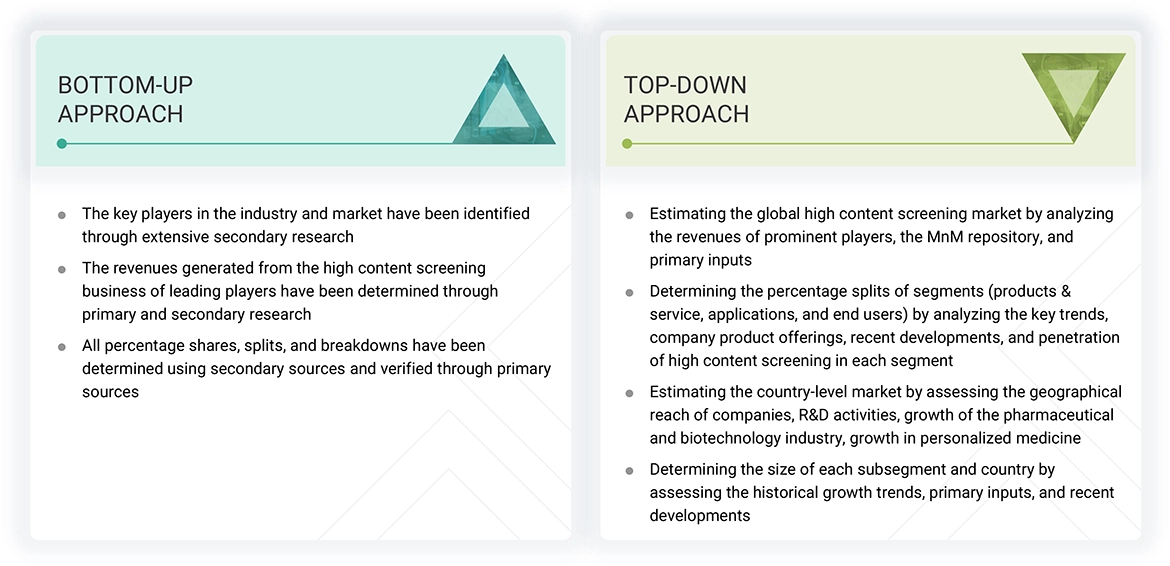
HIGH-CONTENT SCREENING MARKET SIZE ESTIMATION,
FIGURE 4
APPROACH 1: COMPANY REVENUE ANALYSIS-BASED MARKET ESTIMATION,
FIGURE 5
ILLUSTRATIVE EXAMPLE OF DANAHER CORPORATION: REVENUE SHARE ANALYSIS (2024)
FIGURE 6
SEGMENTAL SIZE ESTIMATION METHODOLOGY: TOP-DOWN APPROACH (2024)
FIGURE 7
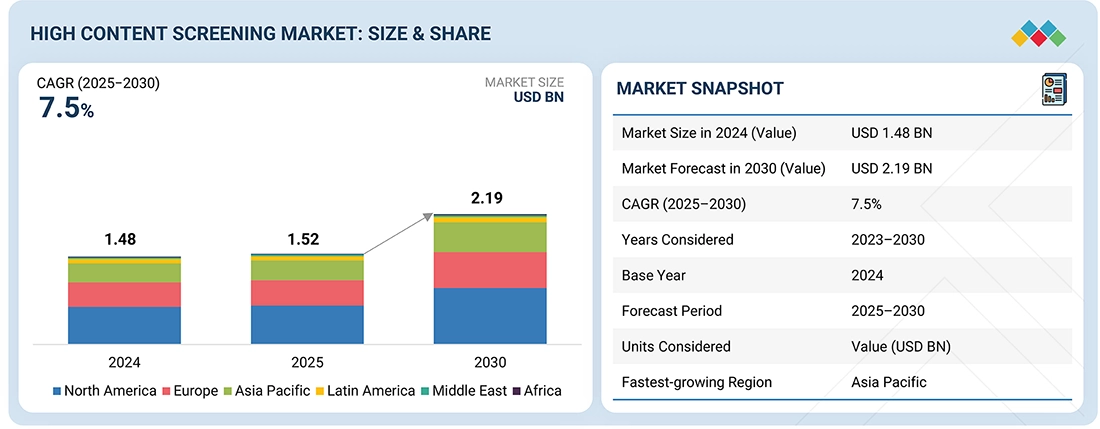
HIGH-CONTENT SCREENING MARKET: CAGR PROJECTIONS
FIGURE 8
HIGH-CONTENT SCREENING MARKET: CAGR PROJECTIONS
FIGURE 9
HIGH-CONTENT SCREENING MARKET: GEOGRAPHIC ANALYSIS
FIGURE 10
TECHNOLOGICAL ADVANCEMENTS IN HIGH-CONTENT SCREENING INSTRUMENTS TO DRIVE MARKET GROWTH
FIGURE 11
INSTRUMENTS ACCOUNTED FOR LARGEST SHARE OF ASIA PACIFIC MARKET IN
FIGURE 12
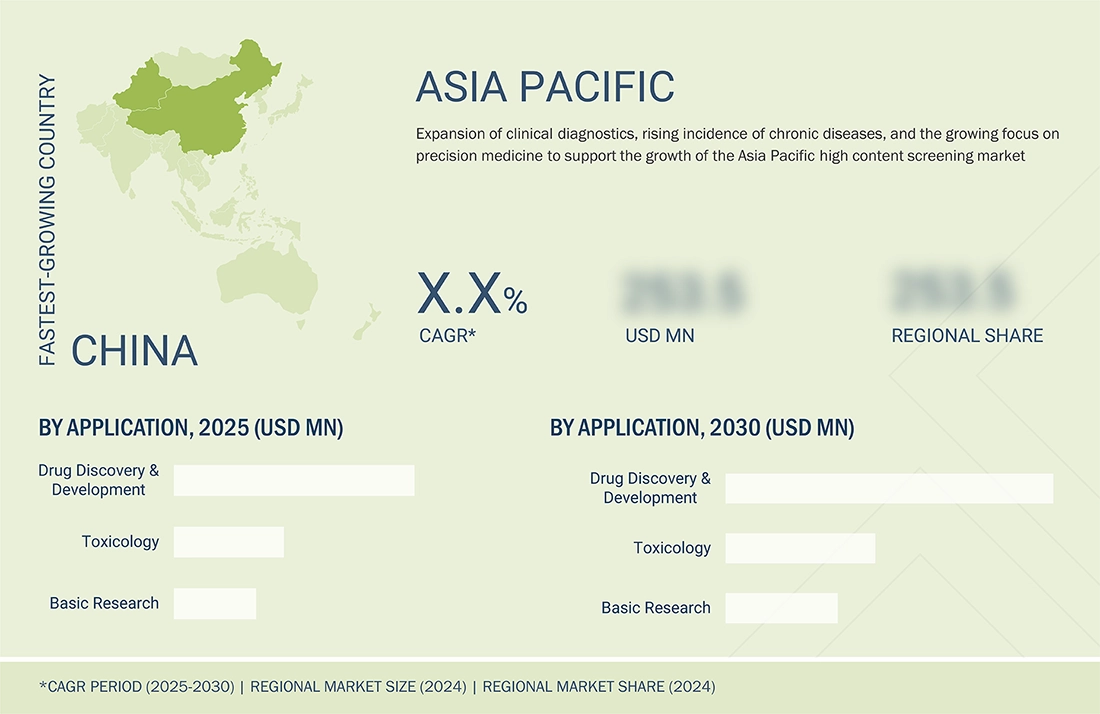
CHINA LIKELY TO REGISTER HIGHEST GROWTH IN GLOBAL HIGH-CONTENT SCREENING MARKET OVER FORECAST PERIOD
FIGURE 13
HIGH-CONTENT SCREENING MARKET, BY END USER,
FIGURE 14
HIGH-CONTENT SCREENING MARKET: VALUE CHAIN ANALYSIS
FIGURE 15
HIGH-CONTENT SCREENING MARKET: PORTER’S FIVE FORCES ANALYSIS
FIGURE 16
KEY BUYING CRITERIA FOR HCS PRODUCTS, BY END USER
FIGURE 17
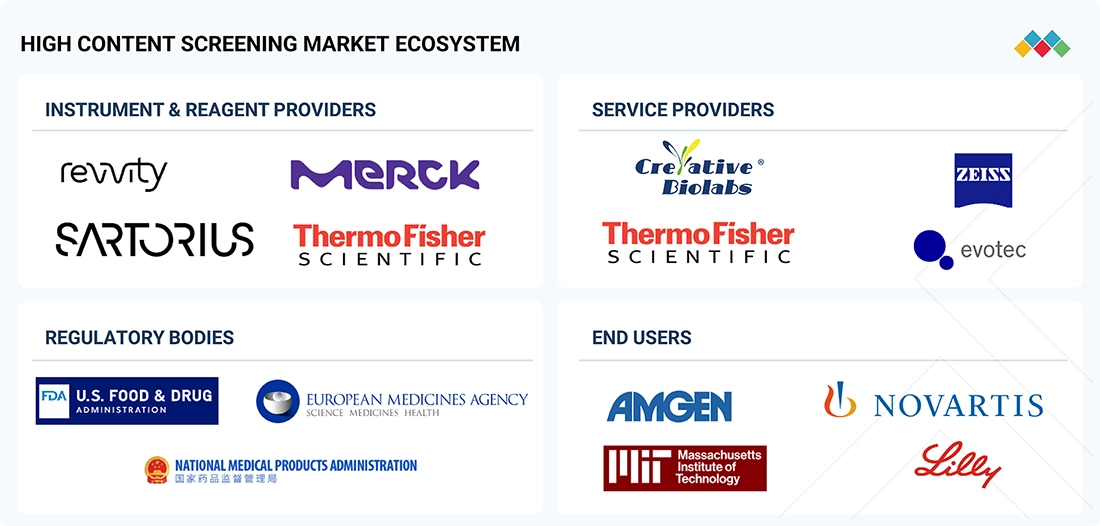
HIGH-CONTENT SCREENING MARKET: ECOSYSTEM ANALYSIS
FIGURE 18
IMPACT OF AI ON HIGH-CONTENT SCREENING ECOSYSTEM
FIGURE 19
HIGH-CONTENT SCREENING MARKET: INVESTMENT & FUNDING SCENARIO
FIGURE 20
HIGH-CONTENT SCREENING MARKET SHARE ANALYSIS,
FIGURE 21
EV/EBIDTA OF KEY VENDORS,
FIGURE 22
YEAR-TO-DATE (YTD) PRICE TOTAL RETURN AND 5-YEAR STOCK BETA OF KEY VENDORS,



















 Exclusive indicates content/data unique to MarketsandMarkets and not available with any competitors.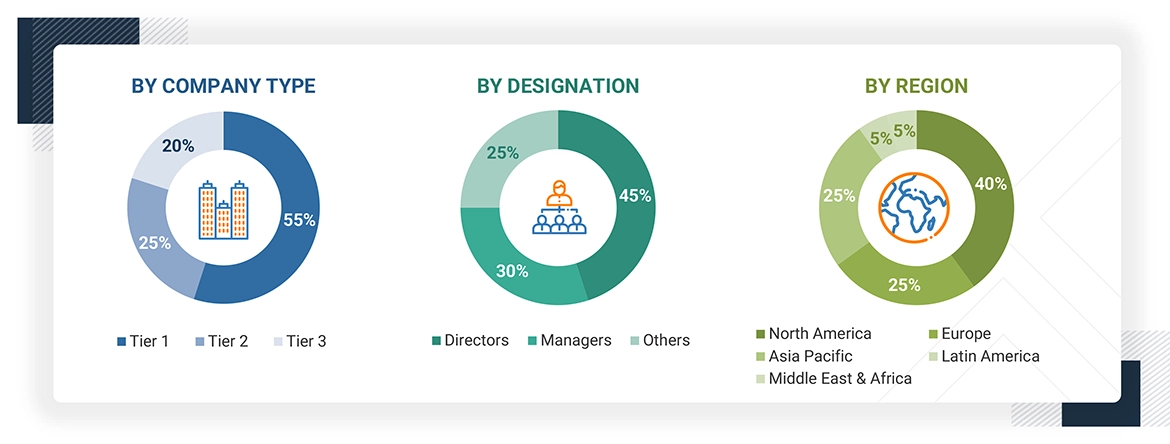







Vasthi
Dec, 2019
Hydrogen Purity Analyzer : Vasthi Portable Hydrogen Purity Gas Analyzers Model VHP- 200 is a light weight, easy to handle, battery-powered analyzer, used to verify measurements and for spot-checking when other methods provide questionable results..
mahidigital
Dec, 2019
Thanks for sharing this article, it would be nice if you give detailed overview and market analysis about Hydrogen Purity Analyzer.