



Project Portfolio Management Market Size, Share, Growth & Latest Trends
Report Code
TC 2938
Published in
Aug, 2026, By MarketsandMarkets™
Project Portfolio Management Market by Software Type (Strategic Portfolio Management Software, Project, Program & Resource Management, Financial Portfolio Management, Governance, Risk & Compliance Management, Agile & Collaborative)-Global Forecast to 2031

USD 17.75 BN
MARKET SIZE, 2031

CAGR 12.6%
(2026-2031)

341
REPORT PAGES

348
MARKET TABLES
OVERVIEW
Source: Secondary Research, Interviews with Experts, MarketsandMarkets Analysis
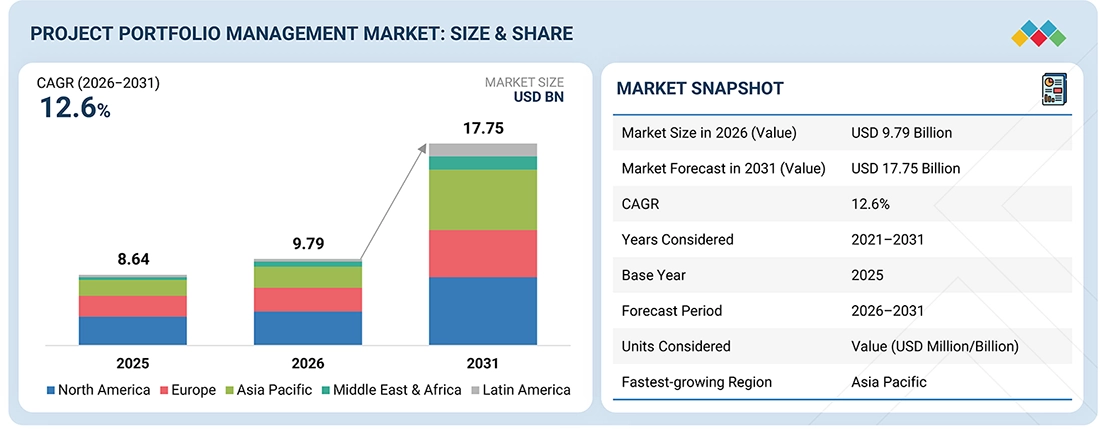
The project portfolio management market is expanding as enterprises centralize project governance and modernize delivery. The project portfolio management market valued at USD 9.79 billion in 2026 and expected to reach USD 17.75 billion by 2031, driven by continuous vendor investment in AI-enabled portfolio planning, resource optimization, predictive analytics, and cloud-based PPM platforms to improve enterprise decision-making.
Market Size and Forecast:
- 2025 Market Size: USD 8.64 Billion
- 2026 Projected Market Size: USD 9.79 Billion
- 2031 Forecasted Market Size: USD 17.75 Billion
- Growth Rate (2026-2031): CAGR of 12.6%
- Data available from 2025 to 2031
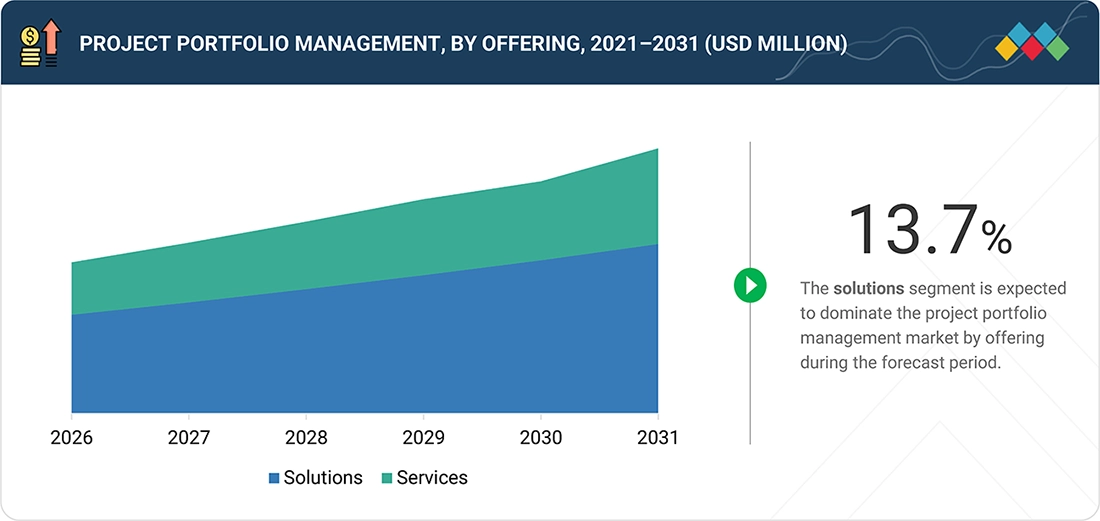
- Solution Segment is predicted to dominate Project Portfolio Management Market with growing CAGR of 13.7%
Key Market Trends and Insights
- Fastest Growing region: Asia Pacific
-
Growth Drivers: Advanced PPM needs and maximizing project ROI.
- Latest Trends: cloud-based PPM, AI-driven analytics, automation, and improved portfolio visibility.
- Emerging Opportunities: cloud-based PPM and rising enterprise digital transformation.
- AI Impact: AI is transforming the Project Portfolio Management Market through predictive analytics, resource optimization, and portfolio intelligence.
- Leading Companies: Planview (US), Broadcom (US), Smartsheet (US), ServiceNow (US), Microsoft (US), Oracle (US), SAP (Germany), Atlassian (Australia)
KEY TAKEAWAYS
-
By RegionAsia Pacific is projected to be the fastest-growing region at a 15.7% CAGR, driven by aggressive digitalization, large-scale PMO modernization, IT infrastructure expansion in China and India, and rising enterprise demand for standardized project governance across rapidly scaling organizations.
-
By OfferingSoftware is expected to hold the largest segment as enterprises rely on feature-rich platforms for planning, portfolio modeling, resource allocation, and reporting, supported by the increasing need for centralized, integrated, and real-time project governance tools.
-
By ServiceProfessional services lead due to high demand for implementation, configuration optimization, dashboard creation, integrations, and governance enablement needed to scale enterprise PPM maturity and accelerate return on investment.
-
By Software TypePortfolio analytics & AI intelligence is driven by growing enterprise adoption of AI-enabled predictive analytics, scenario planning, risk forecasting, and portfolio optimization.
-
By PortfolioStrategic initiative & transformation portfolio is set to record the highest CAGR of 15.4%, driven by rising enterprise investments in digital transformation, AI adoption, cloud modernization, and business restructuring initiatives.
-
By Deployment ModeCloud deployment leads the market as enterprises prefer rapid implementation, lower infrastructure burden, seamless updates, multi-device accessibility, and easier integrations that support scalable, collaborative, and continuously optimized portfolio execution across business functions.
-
By Organization SizeSmall enterprises are estimated to expand the fastest at a 14.8% CAGR, as they shift from spreadsheets to cloud PPM solutions that simplify governance, improve visibility, support distributed teams, and streamline planning and resource allocation with minimal IT complexity.
-
By VerticalHealthcare & life sciences is the fastest-growing vertical at a 20.0% CAGR, fueled by strict regulatory requirements, R&D portfolio oversight, multi-site coordination needs, and the growing urgency to standardize compliance, quality management, and clinical project execution processes.
-
Competitive LandscapeOracle, Asana, and Planview continue to strengthen their presence in the PPM market through broad product capabilities, strong integrations, and increasing enterprise adoption across industries requiring scalable portfolio planning, resource management, and strategic alignment tools.
-
Competitive LandscapeEOS Software, Uppwise, and Completix are gaining traction among midmarket organizations by offering flexible pricing, quick deployment, and easy-to-use PPM capabilities that support growing project portfolios and evolving governance needs.
The PPM market is evolving as organizations adopt cloud-based governance, integrate project planning with strategic objectives, enhance visibility across portfolios, and shift toward real-time decision intelligence, automation, and value-driven delivery models.
TRENDS & DISRUPTIONS IMPACTING CUSTOMERS' CUSTOMERS
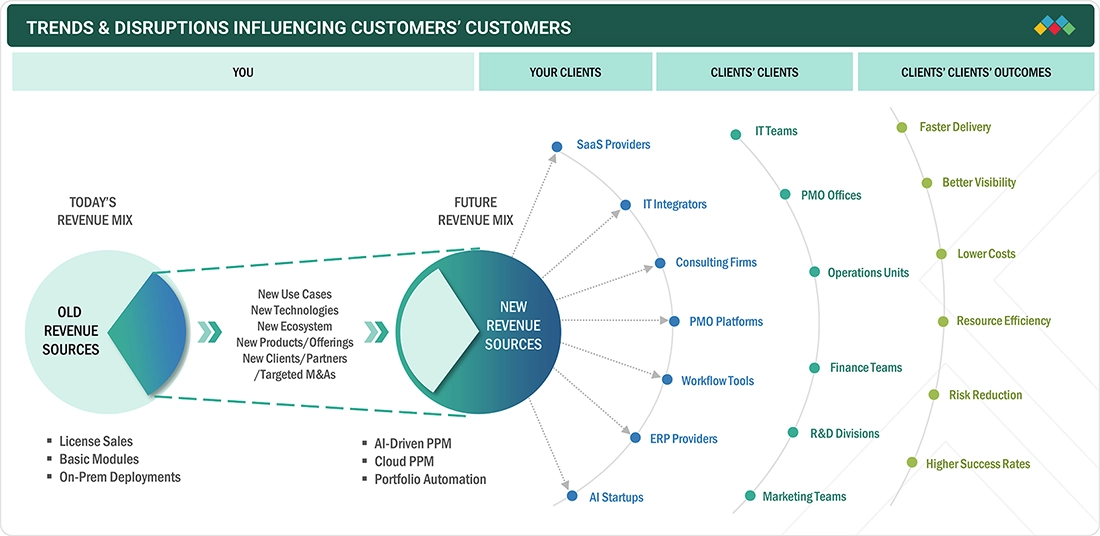
The PPM market is shifting toward AI-driven forecasting, real-time resource optimization, and automated portfolio reporting. Integrations with DevOps, agile delivery, and cloud platforms are disrupting traditional PMO workflows. Developers face rising demand for configurable, API-first PPM tools, while end-users seek unified visibility, predictive insights, and faster decision-making.
Source: Secondary Research, Interviews with Experts, MarketsandMarkets Analysis
MARKET DYNAMICS

Drivers
Impact
Level
Level
-
Growing need for advanced PPM capabilities

-
Increasing focus on maximizing project ROI


RESTRAINTS
Impact
Level
Level
-
Organizational resistance to process change

-
High upfront and implementation expenses


OPPORTUNITIES
Impact
Level
Level
-
Accelerating shift toward cloud-based PPM tools

-
Rising enterprise demand for digital transformation


CHALLENGES
Impact
Level
Level
-
Managing diverse methodologies and process variations

-
Ensuring effective user training and adoption

Source: Secondary Research, Interviews with Experts, MarketsandMarkets Analysis
Driver: Growing need for advanced PPM capabilities
Rising project complexity driven by globalization, distributed teams, and expanding execution cycles increases demand for advanced PPM solutions. These platforms help organizations coordinate cross-functional tasks, manage diverse resources, and maintain delivery quality, accelerating adoption as enterprises seek structured oversight and improved execution control.
Restraint: Organizational resistance to process change
Shifting from traditional project management practices to structured PPM systems often faces resistance. Employees accustomed to established workflows hesitate to adopt new tools, fearing disruptions and new learning requirements. This cultural rigidity slows adoption and limits the ability of organizations to benefit from modernized portfolio processes.
Opportunity: Rising enterprise demand for digital transformation
Digital transformation initiatives create strong growth potential as organizations emphasize process modernization, innovation, and the adoption of technology-driven workflows. PPM platforms help support these initiatives by aligning resources, managing high-value projects, and enabling transparency across teams, positioning them as critical tools in digital enterprise ecosystems.
Challenge: Managing diverse methodologies and process variations
Inconsistent project methodologies and a lack of standardized processes create barriers to efficient portfolio management. Without clear frameworks, prioritization becomes inconsistent, and visibility becomes fragmented, complicating alignment with strategic goals. These variations hinder organizations’ ability to leverage shared best practices and maintain project discipline across teams.
PROJECT PORTFOLIO MANAGEMENT MARKET : COMMERCIAL USE CASES ACROSS INDUSTRIES
| COMPANY | USE CASE DESCRIPTION | BENEFITS |
|---|---|---|
 |
Cognizant implemented Planview’s cloud-native PPM platform to centralize over 40 programs, eliminate manual processes, and unify demand intake, project governance, and investment visibility after a major security breach disrupted portfolio consistency and slowed modernization efforts. | Improved portfolio visibility and reporting accuracy, faster decision-making, standardized demand intake, automated reporting workflows, enhanced governance, and significantly reduced manual effort enable faster project delivery and better alignment of investments with modernization goals. |
 |
STIHL adopted SAP EPPM to digitize and standardize quality-management workflows across global operations. The company needed a unified PPM system to streamline project planning, execution, and monitoring while improving consistency and managing complex quality-related projects efficiently. | SAP EPPM enabled full digital quality management, automated workflows reducing manual work, improved operational efficiency, enhanced quality oversight, and ensured consistent processes—leading to higher product quality and stronger customer satisfaction across regions. |
 |
Georgia State University deployed Upland’s Eclipse PPM to consolidate project data, improve visibility for 40–180 annual projects, enhance decision-making, and enable centralized reporting without custom development. The university required improved alignment between IT PMO operations and strategic planning. | Eclipse PPM improved audit readiness, increased project success rates, strengthened stakeholder satisfaction, accelerated reporting, and expanded PMO influence—driving better governance and ensuring projects were delivered on time, within budget, and aligned with long-term strategic objectives. |
Logos and trademarks shown above are the property of their respective owners. Their use here is for informational and illustrative purposes only.
MARKET ECOSYSTEM
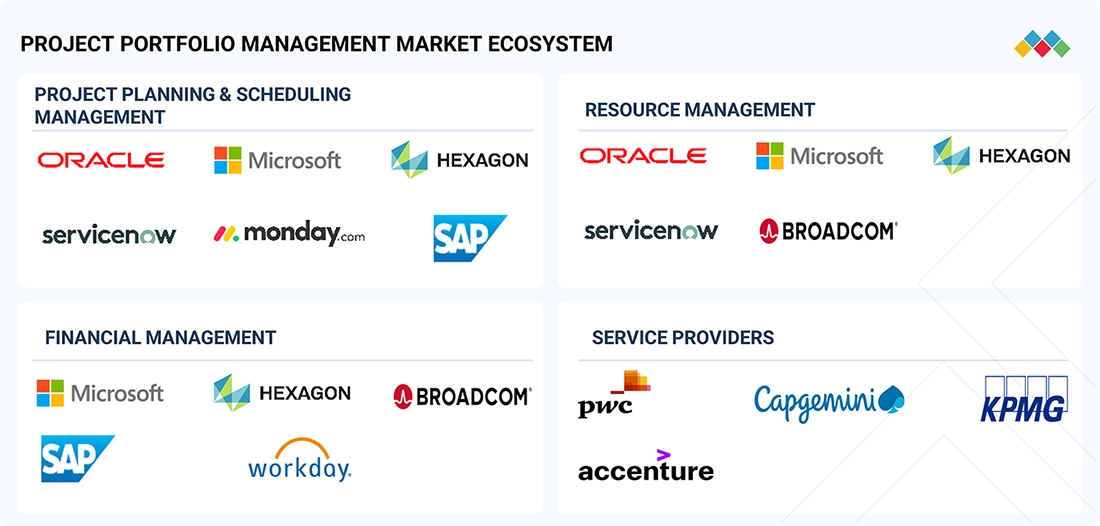
The PPM ecosystem spans four key categories: project planning, resource management, financial management, and service providers. Core vendors like Oracle, Microsoft, SAP, ServiceNow, Broadcom, and Hexagon deliver planning, resource, and financial capabilities, while consulting firms enable implementation and optimization.
Logos and trademarks shown above are the property of their respective owners. Their use here is for informational and illustrative purposes only.
MARKET SEGMENTS
Source: Secondary Research, Interviews with Experts, MarketsandMarkets Analysis
Project Portfolio Management Market, By Offering
Software is the largest offering segment as enterprises prioritize integrated PPM platforms for project planning, resource visibility, portfolio tracking, and governance. Their ability to unify workflows, reduce tool fragmentation, and support enterprise-wide standardization accelerates adoption, especially across digitally transforming organizations managing diverse and complex project portfolios.
Project Portfolio Management Market, By Service
Professional services lead the service segment because organizations require expert implementation, configuration, integration, and user training to maximize ROI from PPM platforms. Increasing complexity in governance models, multi-project environments, and change management drives demand for consulting, onboarding, and optimization support, making professional services essential for successful deployments.
Project Portfolio Management Market, By Software Type
Project, program & resource management holds the largest market share due to its broad use across enterprise project execution and resource coordination. Organizations rely on these solutions for project planning, scheduling, resource allocation, and program dependency management. Growing project complexity is increasing demand for centralized visibility across multiple projects and programs. Enterprises are also using these platforms to optimize workforce capacity, skills utilization, and project delivery timelines.
Project Portfolio Management Market, By Portfolio Type
IT & digital portfolio holds the largest market share due to widespread enterprise investment in application modernization, cloud migration, cybersecurity, data platforms, and digital initiatives. Organizations use PPM solutions to prioritize and govern large portfolios of IT projects across business functions. The need to align technology investments with strategic objectives strengthens adoption of portfolio planning and tracking tools.
Project Portfolio Management Market, By Deployment Mode
Cloud deployment dominates the market as organizations shift from legacy systems to scalable, low-maintenance SaaS models. Cloud PPM reduces upfront costs, accelerates deployment, supports distributed teams, integrates easily with enterprise tools, and enables real-time collaboration—making it the preferred choice for modern, agile, and hybrid work environments.
Project Portfolio Management Market, By Organization Size
Large enterprises represent the largest organization-size segment because they manage extensive project portfolios, multi-department coordination, and global delivery programs. Their higher budgets, complex governance needs, and demand for advanced analytics, resource management, and cross-functional visibility drive large-scale adoption of comprehensive PPM platforms and enterprise-grade integrations.
Project Portfolio Management Market, By Vertical
IT & telecom is the largest vertical due to continuous technology upgrades, rapid product cycles, and high project complexity. Digital transformation, cloud migration, AI initiatives, and software-driven operations increase reliance on PPM tools for portfolio visibility, resource optimization, and faster execution across global technology programs.
REGION
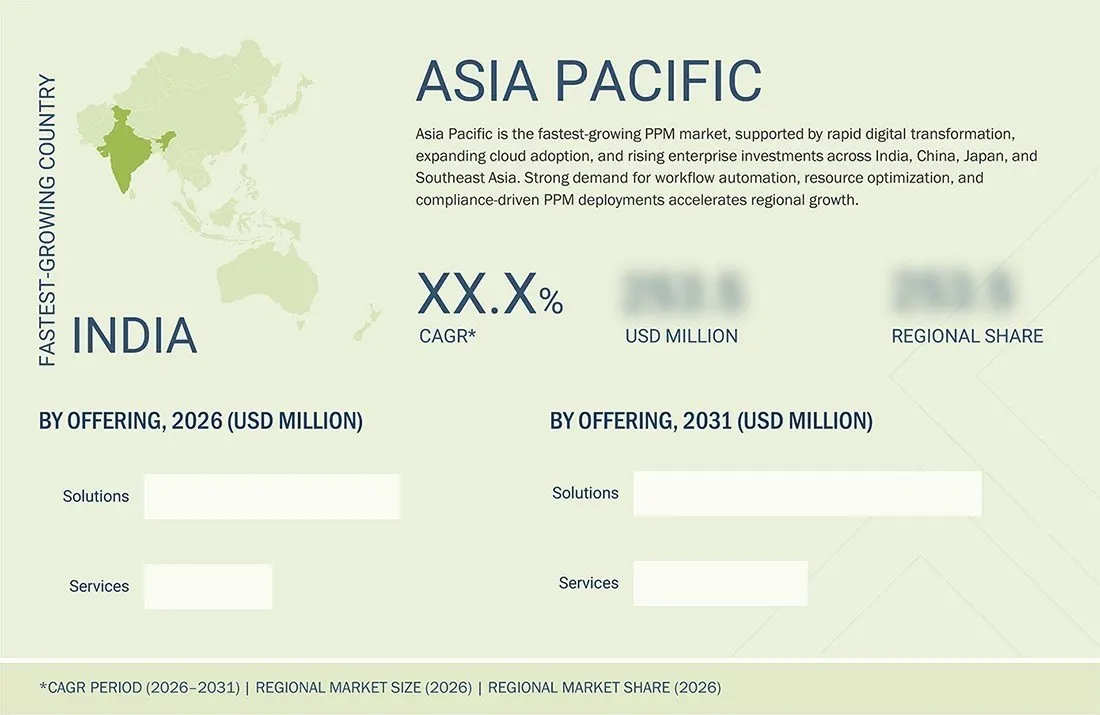
Asia Pacific to be the fastest-growing region in the project portfolio management market during the forecast period
Asia Pacific is the fastest-growing PPM market with the highest CAGR of 15.7%, driven by rapid digital transformation across China, India, Japan, and Southeast Asia. Enterprises in these regions are scaling multi-project portfolios, increasing cloud adoption, and investing in advanced PPM tools to improve delivery speed, resource efficiency, and cross-team coordination.
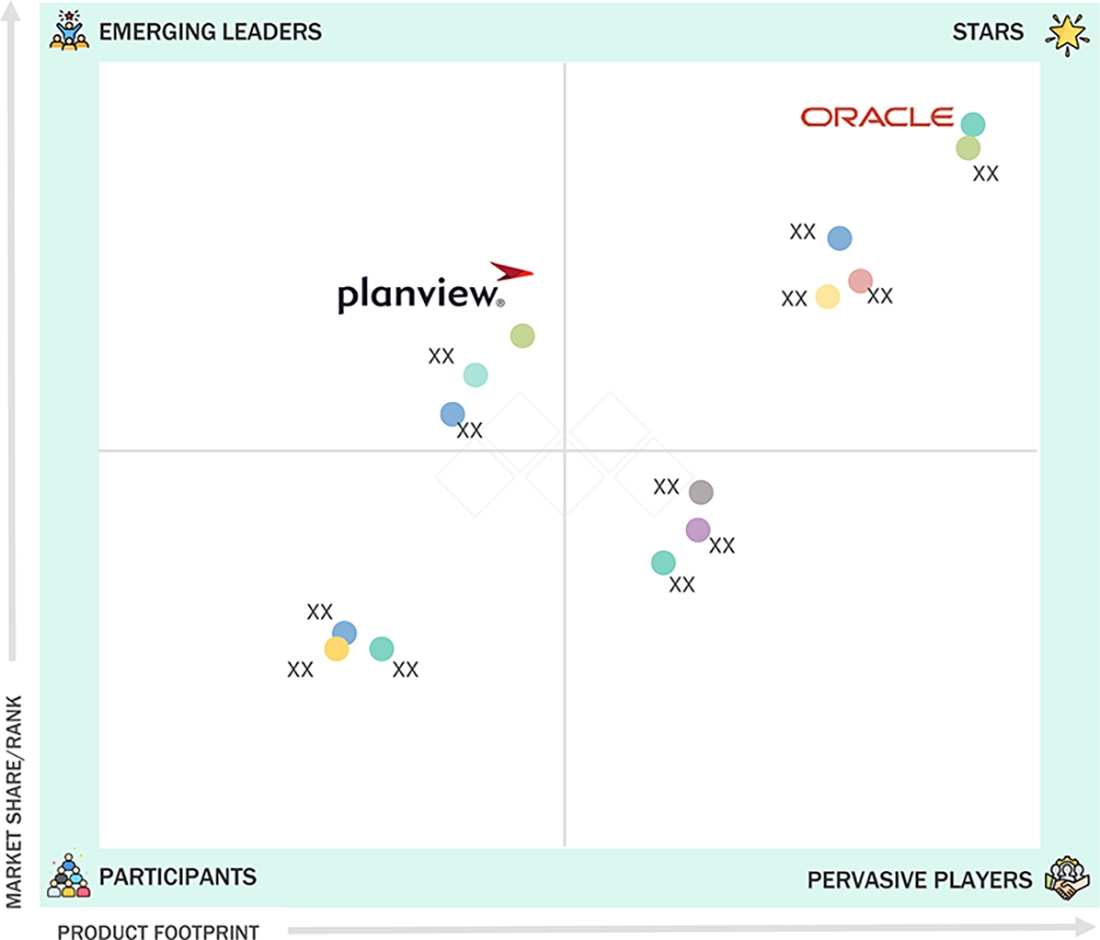
PROJECT PORTFOLIO MANAGEMENT MARKET : COMPANY EVALUATION MATRIX
Oracle is placed in the stars quadrant for its strong enterprise adoption, advanced analytics, and deep integrations across finance and IT ecosystems. Planview is placed in the emerging leaders quadrant due to its strategy-to-delivery capabilities and broad portfolio execution support aligned with complex PMO workflows.
Source: Secondary Research, Interviews with Experts, MarketsandMarkets Analysis
KEY MARKET PLAYERS
- Oracle (US)
- Smartsheet (US)
- Microsoft (US)
- Asana (US)
- ServiceNow (US)
- Planview (US)
- SAP (Germany)
- Atlassian (Australia)
- Adobe (US)
- Workday (US)
- GFT Technologies (Germany)
- Wrike (US)
- Monday.com (Israel)
- OpenText (Canada)
- Hexagon (Sweden)
- Broadcom (US)
- Upland Software (US)
- Planisware (France)
- Planforge (Austria)
- Celoxis (India)
- Cerri (Canada)
- Sciforma (US)
- Project Objects (Italy)
- Workotter (US)
- Ivanti (US)
- Corporater (Norway)
- Cora Systems (Ireland)
- Teamwork (Ireland)
- Meisterplan (Germany)
- ITM Platform (Spain)
- Acuity PPM (US)
- ProjectManager (US)
MARKET SCOPE
| REPORT METRIC | DETAILS |
|---|---|
| Market Size in 2025 (Value) | USD 8.64 Billion |
| Market Size in 2026 (Value) | USD 9.79 Billion |
| Market Forecast in 2031 (Value) | USD 17.75 Billion |
| Growth Rate | CAGR of 12.6% |
| Years Considered | 2021–2031 |
| Base Year | 2025 |
| Forecast Period | 2026–2031 |
| Report Coverage | Revenue forecast, company ranking, competitive landscape, vendor positioning, segment-wise analysis, regional trends, technological developments, key commercial use cases, and growth factors |
| Segments Covered |
|
| Regions Covered | North America, Europe, Asia Pacific, Middle East & Africa, Latin America |
WHAT IS IN IT FOR YOU: PROJECT PORTFOLIO MANAGEMENT MARKET REPORT CONTENT GUIDE
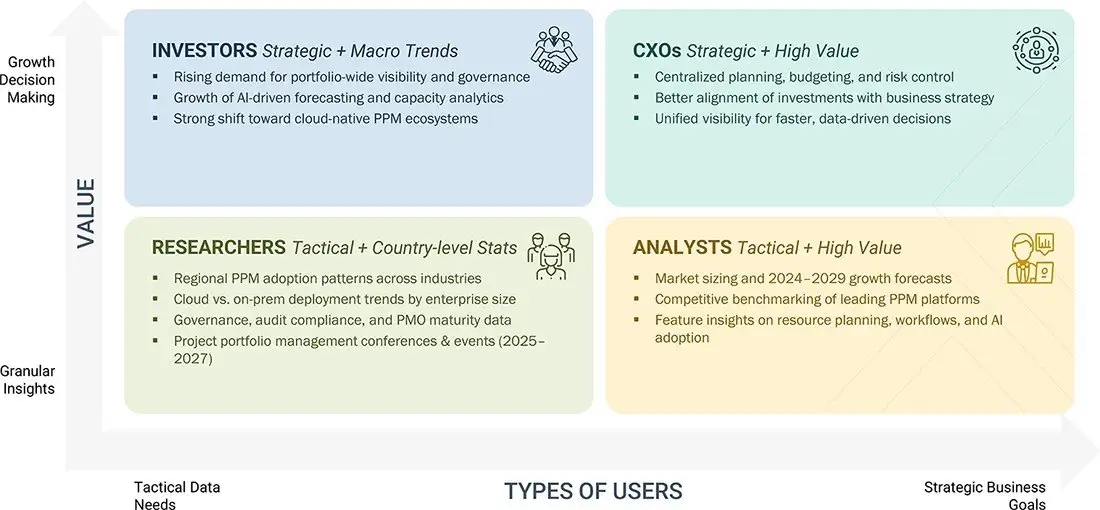
DELIVERED CUSTOMIZATIONS
We have successfully delivered the following deep-dive customizations:
| CLIENT REQUEST | CUSTOMIZATION DELIVERED | VALUE ADDS |
|---|---|---|
| Global Enterprise PMO | Delivered competitive benchmarking of leading PPM vendors, comparing pricing, deployment models, and capabilities across enterprise portfolios | Helps shortlist suitable vendors, reduce evaluation time, and support informed procurement decisions based on clear capability and pricing comparisons |
| IT & Software Development Team | Conducted market sizing of Agile-focused PPM tools and assessed adoption trends across software development organizations | Enables better budgeting for tooling, aligns tool selection with adoption maturity, and supports realistic planning for software project governance |
| BFSI Organization | Provided benchmarking of PPM solutions used in financial services, highlighting strengths in compliance tracking, risk management, and reporting | Supports tool selection for regulated environments, improves visibility into vendor capabilities, and assists in aligning tools with compliance-driven requirements |
RECENT DEVELOPMENTS
- September 2025 : Moveworks and Asana announced a partnership in September 2025 to embed Moveworks’ agentic AI assistant directly into Asana’s work management platform. The integration would let employees create tasks, update projects, and orchestrate cross-application workflows via natural language, reducing manual effort and improving visibility across complex project portfolios.
- July 2025 : Mindsprint and Planview formed a strategic partnership to modernize digital value chains using integrated project and portfolio management. Mindsprint’s consulting, data, and integration services combined with Planview’s SPM and PPM platform to break tool silos, improve portfolio visibility, and align execution with strategic priorities.
- May 2025 : IBM’s May 2025 THINK announcements introduced expanded watsonx Orchestrate agents, webMethods Hybrid Integration, and upgraded watsonx.data features that connect applications, APIs, and data across hybrid clouds. These capabilities helped enterprises automate workflows, orchestrate AI agents, and gain unified visibility across complex projects and transformation portfolios.
- February 2025 : Planview completed its acquisition of Sciforma, adding complementary PPM and product development solutions to its portfolio. The deal strengthened Planview’s European footprint and lets customers choose from a broader range of deployment models and maturity-aligned offerings for managing large, multi-project enterprise portfolios.
- January 2025 : ServiceNow and SoftwareOne entered a multi-year strategic partnership in January 2025 to accelerate IT modernization in the cloud. The joint offerings combined ServiceNow’s AI-driven workflow automation with SoftwareOne’s licensing and cloud advisory services, helping customers optimize software spend, improve IT asset visibility, and fund digital transformation initiatives.
Table of Contents
 Exclusive indicates content/data unique to MarketsandMarkets and not available with any competitors.
TITLE
PAGE NO
1
INTRODUCTION
38
2
EXECUTIVE SUMMARY
44
3
PREMIUM INSIGHTS
50
4
MARKET OVERVIEW
AI-driven automation and ERP integration drive unified, agile PPM adoption amid governance complexity.
53
4.1
INTRODUCTION
4.2
MARKET DYNAMICS
4.2.1
DRIVERS
4.2.1.1
AI-DRIVEN AGENTIC PORTFOLIO AUTOMATION ENABLING OUTCOME-BASED DECISION-MAKING
4.2.1.2
ERP-INTEGRATED PORTFOLIO ECOSYSTEMS ACCELERATING ENTERPRISE-WIDE ADOPTION
4.2.1.3
RISING CROSS-FUNCTIONAL GOVERNANCE COMPLEXITY STRENGTHENING DEMAND FOR UNIFIED PORTFOLIO PLATFORMS
4.2.1.4
GROWTH OF ENTERPRISE AGILE AND HYBRID DELIVERY MODELS DRIVING PPM SOFTWARE ADOPTION
4.2.2
RESTRAINTS
4.2.2.1
SHORTAGE OF SKILLED PMO AND PORTFOLIO MANAGEMENT TALENT
4.2.2.2
HIGH INTEGRATION COMPLEXITY WITH LEGACY ERP AND FINANCE SYSTEMS
4.2.3
OPPORTUNITIES
4.2.3.1
AI-POWERED PREDICTIVE PORTFOLIO ANALYTICS EXPANSION
4.2.3.2
INDUSTRY-SPECIFIC PPM BUNDLES FOR PROJECT-BASED INDUSTRIES
4.2.3.3
CLOUD-NATIVE, LOW-CODE PPM PLATFORMS EXPANDING ACCESS AMONG SMES
4.2.4
CHALLENGES
4.2.4.1
BALANCING PLATFORM STANDARDIZATION WITH PORTFOLIO FLEXIBILITY ACROSS BUSINESS UNITS
4.2.4.2
MULTI-TOOL INTEROPERABILITY ACROSS AGILE, WATERFALL, AND FINANCE SYSTEMS
4.3
UNMET NEEDS AND WHITE SPACES
4.3.1
UNMET NEEDS IN THE PROJECT PORTFOLIO MANAGEMENT MARKET
4.3.2
WHITE SPACE OPPORTUNITIES
4.4
INTERCONNECTED MARKETS AND CROSS-SECTOR OPPORTUNITIES
4.4.1
INTERCONNECTED MARKETS
4.4.2
CROSS-SECTOR OPPORTUNITIES
4.5
EMERGING BUSINESS MODELS AND ECOSYSTEM SHIFTS
4.5.1
EMERGING BUSINESS MODELS
4.5.1.1
PPM BUSINESS MODELS
4.5.2
ECOSYSTEM SHIFTS
4.6
STRATEGIC MOVES BY TIER-1/2/3 PLAYERS
4.6.1
KEY MOVES AND STRATEGIC FOCUS
5
INDUSTRY TRENDS
Navigate competitive forces and global market trends to optimize strategic planning and investment decisions.
65
5.1
PORTER’S FIVE FORCES ANALYSIS
5.1.1
THREAT OF NEW ENTRANTS
5.1.2
THREAT OF SUBSTITUTES
5.1.3
BARGAINING POWER OF BUYERS
5.1.4
BARGAINING POWER OF SUPPLIERS
5.1.5
INTENSITY OF COMPETITIVE RIVALRY
5.2
MACROECONOMIC INDICATORS
5.2.1
INTRODUCTION
5.2.2
GDP TRENDS & FORECASTS
5.2.3
TRENDS IN THE GLOBAL ENTERPRISE AGILE PLANNING MARKET
5.2.4
TRENDS IN THE GLOBAL IT FINANCIAL MANAGEMENT (ITFM) AND FINOPS MARKET
5.3
SUPPLY CHAIN ANALYSIS
5.4
ECOSYSTEM ANALYSIS
5.5
PRICING ANALYSIS
5.5.1
AVERAGE SELLING PRICE TRENDS OF VENDORS, BY REGION, 2025
5.5.1.1
NORTH AMERICA
5.5.1.2
EUROPE
5.5.1.3
ASIA PACIFIC
5.5.1.4
MIDDLE EAST & AFRICA
5.5.1.5
LATIN AMERICA
5.5.2
PRICING LANDSCAPE FOR PROJECT PORTFOLIO MANAGEMENT MARKET, 2025
5.5.3
INDICATIVE PRICING TRENDS, BY KEY VENDOR, 2025
5.6
KEY CONFERENCES AND EVENTS, 2026-2027
5.7
TRENDS/DISRUPTIONS IMPACTING CUSTOMER BUSINESS
5.8
INVESTMENT AND FUNDING SCENARIO
5.9
CASE STUDY ANALYSIS
5.9.1
PLANVIEW AND ASTON MARTIN LAGONDA STRENGTHEN PORTFOLIO GOVERNANCE FOR PRODUCT PROGRAMS
5.9.2
SERVICENOW AND WESTERN GOVERNORS UNIVERSITY IMPROVE DEMAND AND VALUE STREAM MANAGEMENT
5.9.3
SERVICENOW AND JUNIPER NETWORKS ENHANCE DEMAND MANAGEMENT ACROSS TECHNOLOGY PORTFOLIOS
5.9.4
MONDAY.COM AND MOTOROLA SOLUTIONS DRIVE MEASURABLE ROI THROUGH WORK OS ADOPTION
5.10
IMPACT OF 2025 INDIRECT TARIFF - PROJECT PORTFOLIO MANAGEMENT MARKET
5.10.1
INTRODUCTION
5.10.2
PRICE IMPACT ANALYSIS
5.10.3
IMPACT ON COUNTRY/REGION
5.10.3.1
NORTH AMERICA
5.10.3.2
EUROPE
5.10.3.3
ASIA PACIFIC
5.10.4
IMPACT ON VERTICALS
5.10.4.1
CONSTRUCTION & ENGINEERING
5.10.4.2
AEROSPACE & DEFENSE
5.10.4.3
MANUFACTURING
5.10.4.4
GOVERNMENT & PUBLIC SECTOR
STRATEGIC DISRUPTION THROUGH TECHNOLOGY, PATENTS, DIGITAL,
6.1
TECHNOLOGY ANALYSIS
6.1.1
KEY EMERGING TECHNOLOGIES
6.1.1.1
ARTIFICIAL INTELLIGENCE & GENERATIVE AI
6.1.1.2
ENTERPRISE AGILE & ADAPTIVE PLANNING TECHNOLOGIES
6.1.1.3
PORTFOLIO DATA ANALYTICS AND PREDICTIVE INTELLIGENCE
6.1.2
COMPLEMENTARY TECHNOLOGIES
6.1.2.1
ERP & FINANCIAL MANAGEMENT SYSTEM INTEGRATION
6.1.2.2
TIME TRACKING & RESOURCE CAPACITY MANAGEMENT TECHNOLOGIES
6.1.2.3
MOBILE PPM APPLICATIONS & STAKEHOLDER ENGAGEMENT TECHNOLOGIES
6.1.3
ADJACENT TECHNOLOGIES
6.1.3.1
ENTERPRISE PERFORMANCE MANAGEMENT & STRATEGIC PLANNING TECHNOLOGIES
6.1.3.2
BENEFITS REALIZATION & VALUE MANAGEMENT TECHNOLOGIES
6.1.3.3
WORKFORCE ENGAGEMENT & LEARNING MANAGEMENT TECHNOLOGIES
6.2
TECHNOLOGY/PRODUCT ROADMAP
6.2.1
SHORT-TERM (2026–2028) | AI-ASSISTED PORTFOLIO AUTOMATION & DATA DIGITIZATION
6.2.2
MID-TERM (2029–2031) | PREDICTIVE PORTFOLIO INTELLIGENCE & CONNECTED STRATEGY-TO-VALUE WORKFLOWS
6.2.3
LONG-TERM (2032–2035+) | AUTONOMOUS PORTFOLIO ORCHESTRATION & AGENTIC DELIVERY ECOSYSTEMS
6.3
PATENT ANALYSIS
6.4
IMPACT OF AI/GENERATIVE AI ON THE PROJECT PORTFOLIO MANAGEMENT MARKET
6.4.1
TOP USE CASES AND MARKET POTENTIAL
6.4.2
BEST PRACTICES IN PROJECT PORTFOLIO MANAGEMENT SOFTWARE MANAGEMENT
6.4.3
CASE STUDY OF AI IMPLEMENTATION IN THE PROJECT PORTFOLIO MANAGEMENT MARKET
6.4.4
INTERCONNECTED ADJACENCY ECOSYSTEM AND IMPACT ON MARKET PLAYERS
6.4.5
CLIENT READINESS TO ADOPT GENERATIVE AI IN THE PROJECT PORTFOLIO MANAGEMENT MARKET
7
REGULATORY LANDSCAPE
Navigate complex global regulations with region-specific insights and key regulatory bodies.
101
7.1
REGULATORY BODIES, GOVERNMENT AGENCIES, AND OTHER ORGANIZATIONS
7.1.1
REGULATIONS, BY REGION
7.1.1.1
NORTH AMERICA
7.1.1.2
EUROPE
7.1.1.3
ASIA PACIFIC
7.1.1.4
MIDDLE EAST & AFRICA
7.1.1.5
LATIN AMERICA
7.1.2
INDUSTRY STANDARDS, BY REGION
7.1.2.1
NORTH AMERICA
7.1.2.2
EUROPE
7.1.2.3
ASIA PACIFIC
7.1.2.4
REST OF THE WORLD
8
CUSTOMER LANDSCAPE AND BUYER BEHAVIOR
Unlock hidden market profitability by understanding stakeholder influence and unmet needs across key industries.
107
8.1
DECISION-MAKING PROCESS
8.2
BUYER STAKEHOLDERS AND BUYING EVALUATION CRITERIA
8.2.1
KEY STAKEHOLDERS IN BUYING PROCESS
8.2.2
BUYING CRITERIA
8.3
ADOPTION BARRIERS AND INTERNAL CHALLENGES
8.4
UNMET NEEDS IN VARIOUS END-USER INDUSTRIES
8.5
MARKET PROFITABILITY
8.5.1
REVENUE POTENTIAL
8.5.2
COST DYNAMICS
8.5.3
MARGIN OPPORTUNITIES IN KEY APPLICATIONS
9
PROJECT PORTFOLIO MANAGEMENT MARKET, BY OFFERING
Market Size & Growth Rate Forecast Analysis to 2031 in USD Million | 10 Data Tables
118
9.1
INTRODUCTION
9.1.1
OFFERING: PROJECT PORTFOLIO MANAGEMENT MARKET DRIVERS
9.2
SOFTWARE
9.2.1
UNIFIED, AI-ENABLED PORTFOLIO PLATFORMS TO DRIVE SOFTWARE SEGMENT DOMINANCE
9.3
SERVICES
9.3.1
RISING PORTFOLIO GOVERNANCE COMPLEXITY TO DRIVE DEMAND FOR PROJECT PORTFOLIO MANAGEMENT SERVICES
9.3.2
PROFESSIONAL SERVICES
9.3.3
MANAGED SERVICES
10
PROJECT PORTFOLIO MANAGEMENT MARKET, BY SOFTWARE
Market Size & Growth Rate Forecast Analysis to 2031 in USD Million | 62 Data Tables
126
10.1
INTRODUCTION
10.1.1
SOFTWARE: PROJECT PORTFOLIO MANAGEMENT MARKET DRIVERS
10.2
STRATEGIC PORTFOLIO MANAGEMENT SOFTWARE
10.2.1
BOARD-LEVEL STRATEGY-TO-EXECUTION ALIGNMENT TO DRIVE ADOPTION OF STRATEGIC PORTFOLIO MANAGEMENT SOFTWARE
10.2.2
PORTFOLIO PLANNING
10.2.3
INVESTMENT PLANNING
10.2.4
DEMAND & INNOVATION MANAGEMENT
10.2.5
OTHER STRATEGIC PORTFOLIO MANAGEMENT SOFTWARE
10.3
PROJECT, PROGRAM, AND RESOURCE MANAGEMENT
10.3.1
RISING CROSS-PROJECT RESOURCE CONTENTION TO DRIVE ADOPTION OF INTEGRATED PROGRAM AND RESOURCE MANAGEMENT SOFTWARE
10.3.2
RESOURCE PLANNING & SCHEDULING
10.3.3
PROJECT & PROGRAM DEPENDENCY MANAGEMENT
10.3.4
SKILLS & WORKFORCE MANAGEMENT
10.3.5
OTHER PROJECT, PROGRAM, AND RESOURCE MANAGEMENT SOFTWARE
10.4
FINANCIAL PORTFOLIO MANAGEMENT
10.4.1
TIGHTENING CAPITAL DISCIPLINE TO DRIVE ADOPTION OF FINANCIAL PORTFOLIO MANAGEMENT SOFTWARE
10.4.2
BUDGET PLANNING & CONTROL
10.4.3
COST MANAGEMENT
10.4.4
FINANCIAL FORECASTING
10.4.5
OTHER FINANCIAL PORTFOLIO MANAGEMENT SOFTWARE
10.5
GOVERNANCE, RISK, AND COMPLIANCE MANAGEMENT
10.5.1
EXPANDING REGULATORY SCRUTINY OF CAPITAL PROGRAMS TO DRIVE ADOPTION OF GOVERNANCE, RISK, AND COMPLIANCE MANAGEMENT SOFTWARE
10.5.2
RISK & CHANGE MANAGEMENT
10.5.3
COMPLIANCE MANAGEMENT
10.5.4
AUDIT & APPROVAL WORKFLOWS
10.5.5
OTHER GOVERNANCE, RISK, AND COMPLIANCE MANAGEMENT SOFTWARE
10.6
AGILE AND COLLABORATIVE WORK MANAGEMENT SOFTWARE
10.6.1
ENTERPRISE-WIDE SHIFT TOWARD AGILE DELIVERY TO DRIVE ADOPTION OF AGILE & COLLABORATIVE WORK MANAGEMENT SOFTWARE
10.6.2
AGILE PLANNING & DELIVERY
10.6.3
COLLABORATIVE WORK MANAGEMENT (CWM)
10.6.4
VALUE STREAM MANAGEMENT
10.6.5
OTHER AGILE & COLLABORATIVE WORK MANAGEMENT SOFTWARE
10.7
PORTFOLIO ANALYTICS & AI INTELLIGENCE
10.7.1
AI-ASSISTED FORECASTING TO DRIVE FASTEST GROWTH IN PORTFOLIO ANALYTICS & AI INTELLIGENCE SOFTWARE
10.7.2
PREDICTIVE PORTFOLIO ANALYTICS & INTELLIGENCE
10.7.3
AI-ASSISTED PORTFOLIO DECISION SUPPORT
10.7.4
EXECUTIVE DASHBOARDS & PERFORMANCE REPORTING
10.7.5
OTHER PORTFOLIO ANALYTICS & AI INTELLIGENCE SOFTWARE
11
PROJECT PORTFOLIO MANAGEMENT MARKET, BY DEPLOYMENT TYPE
Market Size & Growth Rate Forecast Analysis to 2031 in USD Million | 6 Data Tables
161
11.1
INTRODUCTION
11.1.1
DEPLOYMENT TYPE: PROJECT PORTFOLIO MANAGEMENT MARKET DRIVERS
11.2
CLOUD
11.2.1
REDUCED INFRASTRUCTURE OVERHEAD AND FASTER AI FEATURE ACCESS TO DRIVE CLOUD ADOPTION IN PROJECT PORTFOLIO MANAGEMENT
11.3
ON-PREMISES
11.3.1
PERSISTENT DATA RESIDENCY REQUIREMENTS TO SUSTAIN ON-PREMISES DEPLOYMENT IN REGULATED SECTORS
12
PROJECT PORTFOLIO MANAGEMENT MARKET, BY ORGANIZATION SIZE
Market Size & Growth Rate Forecast Analysis to 2031 in USD Million | 6 Data Tables
166
12.1
INTRODUCTION
12.1.1
ORGANIZATION SIZE: PROJECT PORTFOLIO MANAGEMENT MARKET DRIVERS
12.2
LARGE ENTERPRISES
12.2.1
ENTERPRISE-WIDE GOVERNANCE CONSOLIDATION TO DRIVE PORTFOLIO SOFTWARE ADOPTION AMONG LARGE ORGANIZATIONS
12.3
SMALL & MEDIUM-SIZED ENTERPRISES
12.3.1
ACCESSIBLE, CLOUD-BASED PRICING MODELS TO ACCELERATE PORTFOLIO SOFTWARE ADOPTION AMONG SMES
13
PROJECT PORTFOLIO MANAGEMENT MARKET, BY PORTFOLIO TYPE
Market Size & Growth Rate Forecast Analysis to 2031 in USD Million | 12 Data Tables
171
13.1
INTRODUCTION
13.1.1
PORTFOLIO TYPE: PROJECT PORTFOLIO MANAGEMENT MARKET DRIVERS
13.2
IT & DIGITAL PORTFOLIO
13.2.1
CONTINUED DIGITAL TRANSFORMATION INVESTMENT TO SUSTAIN IT & DIGITAL PORTFOLIO LEADERSHIP
13.3
PRODUCT INNOVATION & NPD PORTFOLIO
13.3.1
COMPETITIVE PRESSURE TO ACCELERATE TIME-TO-MARKET TO DRIVE FORMAL GOVERNANCE OF PRODUCT INNOVATION PORTFOLIOS
13.4
CAPITAL PROJECT PORTFOLIO
13.4.1
PERSISTENT INFLATION IN CONSTRUCTION AND INFRASTRUCTURE COSTS TO INCREASE CAPITAL PROJECT PORTFOLIO GOVERNANCE
13.5
STRATEGIC INITIATIVE & TRANSFORMATION PORTFOLIO
13.5.1
ENTERPRISE RESTRUCTURING TO EXPAND STRATEGIC INITIATIVE AND TRANSFORMATION PORTFOLIO CATEGORY
13.6
OTHER PORTFOLIO TYPES
14
PROJECT PORTFOLIO MANAGEMENT MARKET, BY VERTICAL
Market Size & Growth Rate Forecast Analysis to 2031 in USD Million | 24 Data Tables
180
14.1
INTRODUCTION
14.1.1
VERTICAL: PROJECT PORTFOLIO MANAGEMENT MARKET DRIVERS
14.2
BFSI
14.2.1
RISING REGULATORY REPORTING REQUIREMENTS TO DRIVE PORTFOLIO GOVERNANCE ADOPTION WITHIN BFSI
14.3
IT & TELECOMMUNICATIONS
14.3.1
GROWING 5G AND NETWORK MODERNIZATION INVESTMENT TO DRIVE PORTFOLIO GOVERNANCE ACROSS IT & TELECOM
14.4
HEALTHCARE & LIFE SCIENCES
14.4.1
EXPANDING CLINICAL AND DIGITAL HEALTH INVESTMENT TO DRIVE COMPLIANT PORTFOLIO GOVERNANCE IN HEALTHCARE & LIFE SCIENCES
14.5
MANUFACTURING
14.5.1
RISING FACTORY AUTOMATION INVESTMENT TO DRIVE PORTFOLIO SOFTWARE ADOPTION IN MANUFACTURING
14.6
AUTOMOTIVE
14.6.1
ACCELERATING ELECTRIFICATION AND SOFTWARE-DEFINED VEHICLE INVESTMENT TO DRIVE PORTFOLIO GOVERNANCE IN AUTOMOTIVE
14.7
ENERGY & UTILITIES
14.7.1
GRID MODERNIZATION AND ELECTRIFICATION INVESTMENT TO EXPAND PORTFOLIO GOVERNANCE NEEDS IN ENERGY & UTILITIES
14.8
CONSTRUCTION & HEAVY INDUSTRIES
14.8.1
PERSISTENT INFRASTRUCTURE INVESTMENT AND COST INFLATION TO DRIVE PORTFOLIO SOFTWARE ADOPTION IN CONSTRUCTION & HEAVY INDUSTRIES
14.9
GOVERNMENT & PUBLIC SECTOR
14.9.1
PUBLIC-SECTOR DIGITAL MODERNIZATION MANDATES TO EXPAND PORTFOLIO GOVERNANCE REQUIREMENTS
14.10
RETAIL & CONSUMER GOODS
14.10.1
RISING OMNICHANNEL INVESTMENT TO DRIVE PORTFOLIO SOFTWARE ADOPTION ACROSS RETAIL & CONSUMER GOODS
14.11
TRANSPORTATION & LOGISTICS
14.11.1
RISING SUPPLY CHAIN INVESTMENT TO DRIVE PORTFOLIO SOFTWARE ADOPTION IN TRANSPORTATION & LOGISTICS
14.12
OTHER VERTICALS
15
PROJECT PORTFOLIO MANAGEMENT MARKET, BY REGION
Comprehensive coverage of 8 Regions with country-level deep-dive of 19 Countries | 194 Data Tables.
198
15.1
INTRODUCTION
15.2
NORTH AMERICA
15.2.1
US
15.2.1.1
ENTERPRISE PORTFOLIO GOVERNANCE AND AI-DRIVEN RESOURCE PLANNING TO ACCELERATE PPM SOFTWARE GROWTH IN THE US
15.2.2
CANADA
15.2.2.1
PUBLIC SECTOR PORTFOLIO MODERNIZATION AND BILINGUAL COMPLIANCE REQUIREMENTS TO DRIVE PPM SOFTWARE ADOPTION IN CANADA
15.3
EUROPE
15.3.1
UK
15.3.1.1
FINANCIAL SERVICES TRANSFORMATION PROGRAMS AND DATA GOVERNANCE REQUIREMENTS TO ACCELERATE PPM SOFTWARE ADOPTION IN THE UK
15.3.2
GERMANY
15.3.2.1
INDUSTRIAL ENGINEERING PROGRAM COMPLEXITY AND MANUFACTURING DIGITALIZATION TO ACCELERATE PPM SOFTWARE ADOPTION IN GERMANY
15.3.3
FRANCE
15.3.3.1
AEROSPACE PROGRAM COMPLEXITY AND DIGITAL SOVEREIGNTY PRIORITIES TO DRIVE PPM SOFTWARE ADOPTION IN FRANCE
15.3.4
ITALY
15.3.4.1
SME DIGITAL TRANSFORMATION AND INDUSTRIAL MACHINERY PROGRAM GROWTH TO DRIVE PPM SOFTWARE ADOPTION IN ITALY
15.3.5
SPAIN
15.3.5.1
DIGITAL PUBLIC ADMINISTRATION MODERNIZATION AND RENEWABLE ENERGY PROGRAM GROWTH TO DRIVE PPM SOFTWARE ADOPTION IN SPAIN
15.3.6
NETHERLANDS
15.3.6.1
LOGISTICS HUB COORDINATION AND FINANCIAL SERVICES INNOVATION TO ACCELERATE PPM SOFTWARE ADOPTION IN THE NETHERLANDS
15.3.7
REST OF EUROPE
15.4
ASIA PACIFIC
15.4.1
CHINA
15.4.1.1
MANUFACTURING DIGITALIZATION AND DOMESTIC PLATFORM LOCALIZATION TO ACCELERATE PPM SOFTWARE ADOPTION IN CHINA
15.4.2
INDIA
15.4.2.1
IT SERVICES PORTFOLIO GROWTH AND GOVERNMENT DIGITALIZATION PROGRAMS TO DRIVE PPM SOFTWARE ADOPTION IN INDIA
15.4.3
JAPAN
15.4.3.1
PRECISION MANUFACTURING PROGRAM COMPLEXITY AND ENTERPRISE DIGITALIZATION TO DRIVE PPM SOFTWARE ADOPTION IN JAPAN
15.4.4
AUSTRALIA & NEW ZEALAND
15.4.4.1
PUBLIC INFRASTRUCTURE INVESTMENT AND ENTERPRISE AGILE ADOPTION TO SUPPORT PPM SOFTWARE ADOPTION IN ANZ
15.4.5
SOUTH KOREA
15.4.5.1
TECHNOLOGY R&D PORTFOLIO DENSITY AND SMART MANUFACTURING INVESTMENT TO ACCELERATE PPM SOFTWARE ADOPTION IN SOUTH KOREA
15.4.6
SINGAPORE
15.4.6.1
REGIONAL HEADQUARTERS CONCENTRATION AND SMART NATION DIGITAL GOVERNMENT INITIATIVES TO DRIVE PPM SOFTWARE ADOPTION IN SINGAPORE
15.4.7
REST OF ASIA PACIFIC
15.5
MIDDLE EAST & AFRICA
15.5.1
GCC COUNTRIES
15.5.1.1
SAUDI ARABIA
15.5.1.1.1
VISION 2030 GIGA-PROJECT GOVERNANCE TO ACCELERATE PPM SOFTWARE ADOPTION IN SAUDI ARABIA
15.5.1.2
UAE
15.5.1.2.1
GLOBAL BUSINESS HUB STATUS AND INNOVATION-LED DIVERSIFICATION TO POSITION UAE AS A PPM GROWTH MARKET
15.5.1.3
OTHER GCC COUNTRIES
15.5.2
SOUTH AFRICA
15.5.2.1
FINANCIAL SERVICES TRANSFORMATION PROGRAMS AND REGIONAL BUSINESS HUB STATUS TO DRIVE PPM SOFTWARE ADOPTION IN SOUTH AFRICA
15.5.3
REST OF MIDDLE EAST & AFRICA
15.6
LATIN AMERICA
15.6.1
BRAZIL
15.6.1.1
FINANCIAL SERVICES TRANSFORMATION DENSITY AND INFRASTRUCTURE PROGRAM DIGITALIZATION TO DRIVE PPM SOFTWARE ADOPTION IN BRAZIL
15.6.2
MEXICO
15.6.2.1
NEARSHORING-LED CORPORATE EXPANSION TO ACCELERATE PPM SOFTWARE ADOPTION IN MEXICO
15.6.3
REST OF LATIN AMERICA
16
COMPETITIVE LANDSCAPE
Uncover strategic advantages and market positioning of tech giants and emerging startups by 2026.
275
16.1
INTRODUCTION
16.2
KEY PLAYERS’ STRATEGIES/RIGHT TO WIN
16.3
REVENUE ANALYSIS, 2021–2025
16.4
MARKET SHARE ANALYSIS, 2025
16.4.1
ORACLE
16.4.2
SERVICENOW
16.4.3
MICROSOFT
16.4.4
SMARTSHEET
16.4.5
BROADCOM
16.5
COMPANY EVALUATION MATRIX: KEY PLAYERS, 2026
16.5.1
STARS
16.5.2
EMERGING LEADERS
16.5.3
PERVASIVE PLAYERS
16.5.4
PARTICIPANTS
16.5.5
COMPANY FOOTPRINT: KEY PLAYERS, 2026
16.5.5.1
COMPANY FOOTPRINT
16.5.5.2
REGIONAL FOOTPRINT
16.5.5.3
OFFERING FOOTPRINT
16.5.5.4
DEPLOYMENT TYPE FOOTPRINT
16.5.5.5
VERTICAL FOOTPRINT
16.6
COMPANY EVALUATION MATRIX: STARTUPS/SMES, 2026
16.6.1
PROGRESSIVE COMPANIES
16.6.2
RESPONSIVE COMPANIES
16.6.3
DYNAMIC COMPANIES
16.6.4
STARTING BLOCKS
16.6.5
COMPETITIVE BENCHMARKING: STARTUPS/SMES, 2026
16.6.5.1
DETAILED LIST OF KEY STARTUPS/SMES
16.6.5.2
COMPETITIVE BENCHMARKING OF KEY STARTUPS/SMES
16.7
COMPANY VALUATION AND FINANCIAL METRICS
16.7.1
COMPANY VALUATION OF KEY VENDORS
16.7.2
FINANCIAL METRICS OF KEY VENDORS
16.8
COMPETITIVE SCENARIO
16.8.1
PRODUCT LAUNCHES/ENHANCEMENTS
16.8.2
DEALS
17
COMPANY PROFILES
In-depth Company Profiles of Leading Market Players with detailed Business Overview, Product and Service Portfolio, Recent Developments, and Unique Analyst Perspective (MnM View)
307
17.1
INTRODUCTION
17.2
MAJOR PLAYERS
17.2.1
ORACLE
17.2.1.1
BUSINESS OVERVIEW
17.2.1.2
PRODUCTS/SOLUTIONS/SERVICES OFFERED
17.2.1.3
RECENT DEVELOPMENTS
17.2.1.3.1
PRODUCT/SERVICE LAUNCHES AND ENHANCEMENTS
17.2.1.3.2
DEALS
17.2.1.4
MNM VIEW
17.2.1.4.1
RIGHT TO WIN
17.2.1.4.2
STRATEGIC CHOICES
17.2.1.4.3
WEAKNESSES AND COMPETITIVE THREATS
17.2.2
SERVICENOW
17.2.3
MICROSOFT
17.2.4
SMARTSHEET
17.2.5
BROADCOM
17.2.6
PLANVIEW
17.2.7
ATLASSIAN
17.2.8
SAP
17.2.9
ASANA
17.2.10
MONDAY.COM
17.3
OTHER PLAYERS
17.3.1
ADOBE
17.3.2
HEXAGON
17.3.3
OPENTEXT
17.3.4
NORTH HIGHLAND
17.3.5
PLANISWARE
17.3.6
WRIKE
17.3.7
AIRTABLE
17.3.8
UPLAND
17.3.9
CORA SYSTEMS
17.3.10
WELLSPRING
17.3.11
BIZZDESIGN
17.3.12
SHIBUMI
17.3.13
GFT TECHNOLOGIES
17.3.14
TEAMWORK.COM
17.3.15
CELOXIS
17.3.16
UPPWISE
17.3.17
COMPLETIX
17.3.18
ELECOSOFT (BESTOUTCOME)
17.3.19
CERRI
17.3.20
PRISM PPM
17.3.21
CORPORATER
17.3.22
CLICKUP
17.3.23
ZOHO
17.3.24
EOS SOFTWARE
17.3.25
ONEPLAN
17.3.26
QUICKBASE
17.3.27
DRAGONBOAT
17.3.28
MEISTERPLAN BY ITDESIGN
17.3.29
WORKDAY
17.3.30
IVANTI
18
RESEARCH METHODOLOGY
388
18.1
RESEARCH APPROACH
18.1.1
SECONDARY DATA
18.1.1.1
KEY DATA FROM SECONDARY SOURCES
18.1.1.2
BREAKUP OF PRIMARY PROFILES
18.1.1.3
KEY INDUSTRY INSIGHTS
18.2
MARKET BREAKUP AND DATA TRIANGULATION
18.3
MARKET SIZE ESTIMATION
18.4
MARKET FORECAST
18.5
RESEARCH ASSUMPTIONS
18.6
RESEARCH LIMITATIONS
19
APPENDIX
401
19.1
DISCUSSION GUIDE
19.2
KNOWLEDGESTORE: MARKETSANDMARKETS’ SUBSCRIPTION PORTAL
19.3
CUSTOMIZATION OPTIONS
19.4
RELATED REPORTS
19.5
AUTHOR DETAILS
LIST OF TABLES
TABLE 1
USD EXCHANGE RATES, 2020–2025
TABLE 2
IMPACT OF PORTER’S FIVE FORCES ON PROJECT PORTFOLIO MANAGEMENT MARKET
TABLE 3
GDP PERCENTAGE CHANGE, BY KEY COUNTRIES, 2021–2029
TABLE 4
AVERAGE SELLING PRICE TREND OF VENDORS, BY REGION, 2025 (USD PER USER/MONTH)
TABLE 5
PRICING LANDSCAPE FOR PROJECT PORTFOLIO MANAGEMENT, 2025
TABLE 6
PROJECT PORTFOLIO MANAGEMENT MARKET: INDICATIVE PRICING ANALYSIS, BY KEY VENDOR, 2025
TABLE 7
PROJECT PORTFOLIO MANAGEMENT MARKET: LIST OF KEY CONFERENCES AND EVENTS, 2026-2027
TABLE 8
LIST OF GRANTED PATENTS IN THE PROJECT PORTFOLIO MANAGEMENT MARKET, 2025-2026
TABLE 9
TOP USE CASES AND MARKET POTENTIAL
TABLE 10
BEST PRACTICES: COMPANIES IMPLEMENTING USE CASES
TABLE 11
ENDRESS+HAUSER AND PLANVIEW: IMPLEMENTING AI-POWERED PORTFOLIO VISIBILITY AND INTEGRATED PROJECT PORTFOLIO MANAGEMENT FOR STRATEGY EXECUTION
TABLE 12
INTERCONNECTED ADJACENT ECOSYSTEM AND IMPLICATIONS FOR MARKET PLAYERS
TABLE 13
NORTH AMERICA: REGULATORY BODIES, GOVERNMENT AGENCIES, AND OTHER ORGANIZATIONS
TABLE 14
EUROPE: REGULATORY BODIES, GOVERNMENT AGENCIES, AND OTHER ORGANIZATIONS
TABLE 15
ASIA PACIFIC: REGULATORY BODIES, GOVERNMENT AGENCIES, AND OTHER ORGANIZATIONS
TABLE 16
REST OF THE WORLD: REGULATORY BODIES, GOVERNMENT AGENCIES, AND OTHER ORGANIZATIONS
TABLE 17
INFLUENCE OF STAKEHOLDERS ON BUYING PROCESS FOR THE TOP THREE VERTICALS (%)
TABLE 18
KEY BUYING CRITERIA FOR TOP THREE VERTICALS
TABLE 19
PROJECT PORTFOLIO MANAGEMENT MARKET: UNMET NEEDS IN KEY END-USER INDUSTRIES
TABLE 20
PROJECT PORTFOLIO MANAGEMENT MARKET, BY OFFERING, 2021–2025 (USD MILLION)
TABLE 21
PROJECT PORTFOLIO MANAGEMENT MARKET, BY OFFERING, 2026–2031 (USD MILLION)
TABLE 22
PROJECT PORTFOLIO MANAGEMENT SOFTWARE MARKET, BY REGION, 2021–2025 (USD MILLION)
TABLE 23
PROJECT PORTFOLIO MANAGEMENT SOFTWARE MARKET, BY REGION, 2026–2031 (USD MILLION)
TABLE 24
PROJECT PORTFOLIO MANAGEMENT SERVICES MARKET, BY REGION, 2021–2025 (USD MILLION)
TABLE 25
PROJECT PORTFOLIO MANAGEMENT SERVICES MARKET, BY REGION, 2026–2031 (USD MILLION)
TABLE 26
PROJECT PORTFOLIO MANAGEMENT PROFESSIONAL SERVICES MARKET, BY REGION, 2021–2025 (USD MILLION)
TABLE 27
PROJECT PORTFOLIO MANAGEMENT PROFESSIONAL SERVICES MARKET, BY REGION, 2026–2031 (USD MILLION)
TABLE 28
PROJECT PORTFOLIO MANAGEMENT MANAGED SERVICES MARKET, BY REGION, 2021–2025 (USD MILLION)
TABLE 29
PROJECT PORTFOLIO MANAGEMENT MANAGED SERVICES MARKET, BY REGION, 2026–2031 (USD MILLION)
TABLE 30
PROJECT PORTFOLIO MANAGEMENT MARKET, BY SOFTWARE, 2021–2025 (USD MILLION)
TABLE 31
PROJECT PORTFOLIO MANAGEMENT MARKET, BY SOFTWARE, 2026–2031 (USD MILLION)
TABLE 32
STRATEGIC PORTFOLIO MANAGEMENT SOFTWARE MARKET, BY REGION, 2021–2025 (USD MILLION)
TABLE 33
STRATEGIC PORTFOLIO MANAGEMENT SOFTWARE MARKET, BY REGION, 2026–2031 (USD MILLION)
TABLE 34
PORTFOLIO PLANNING MARKET, BY REGION, 2021–2025 (USD MILLION)
TABLE 35
PORTFOLIO PLANNING MARKET, BY REGION, 2026–2031 (USD MILLION)
TABLE 36
INVESTMENT PLANNING MARKET, BY REGION, 2021–2025 (USD MILLION)
TABLE 37
INVESTMENT PLANNING MARKET, BY REGION, 2026–2031 (USD MILLION)
TABLE 38
DEMAND & INNOVATION MANAGEMENT MARKET, BY REGION, 2021–2025 (USD MILLION)
TABLE 39
DEMAND & INNOVATION MANAGEMENT MARKET, BY REGION, 2026–2031 (USD MILLION)
TABLE 40
OTHER STRATEGIC PORTFOLIO MANAGEMENT SOFTWARE MARKET, BY REGION, 2021–2025 (USD MILLION)
TABLE 41
OTHER STRATEGIC PORTFOLIO MANAGEMENT SOFTWARE, BY REGION, 2026–2031 (USD MILLION)
TABLE 42
PROJECT, PROGRAM, AND RESOURCE MANAGEMENT SOFTWARE MARKET, BY REGION, 2021–2025 (USD MILLION)
TABLE 43
PROJECT, PROGRAM, AND RESOURCE MANAGEMENT SOFTWARE MARKET, BY REGION, 2026–2031 (USD MILLION)
TABLE 44
RESOURCE PLANNING & SCHEDULING SOFTWARE MARKET, BY REGION, 2021–2025 (USD MILLION)
TABLE 45
RESOURCE PLANNING & SCHEDULING SOFTWARE MARKET, BY REGION, 2026–2031 (USD MILLION)
TABLE 46
PROJECT & PROGRAM DEPENDENCY MANAGEMENT SOFTWARE MARKET, BY REGION, 2021–2025 (USD MILLION)
TABLE 47
PROJECT & PROGRAM DEPENDENCY MANAGEMENT SOFTWARE MARKET, BY REGION, 2026–2031 (USD MILLION)
TABLE 48
SKILLS & WORKFORCE MANAGEMENT SOFTWARE MARKET, BY REGION, 2021–2025 (USD MILLION)
TABLE 49
SKILLS & WORKFORCE MANAGEMENT SOFTWARE MARKET, BY REGION, 2026–2031 (USD MILLION)
TABLE 50
OTHER PROJECT, PROGRAM, AND RESOURCE MANAGEMENT SOFTWARE MARKET, BY REGION, 2021–2025 (USD MILLION)
TABLE 51
OTHER PROJECT, PROGRAM, AND RESOURCE MANAGEMENT SOFTWARE MARKET, BY REGION, 2026–2031 (USD MILLION)
TABLE 52
FINANCIAL PORTFOLIO MANAGEMENT SOFTWARE MARKET, BY REGION, 2021–2025 (USD MILLION)
TABLE 53
FINANCIAL PORTFOLIO MANAGEMENT SOFTWARE MARKET, BY REGION, 2026–2031 (USD MILLION)
TABLE 54
BUDGET PLANNING & CONTROL SOFTWARE MARKET, BY REGION, 2021–2025 (USD MILLION)
TABLE 55
BUDGET PLANNING & CONTROL SOFTWARE MARKET, BY REGION, 2026–2031 (USD MILLION)
TABLE 56
PROJECT PORTFOLIO COST MANAGEMENT SOFTWARE MARKET, BY REGION, 2021–2025 (USD MILLION)
TABLE 57
PROJECT PORTFOLIO COST MANAGEMENT SOFTWARE MARKET, BY REGION, 2026–2031 (USD MILLION)
TABLE 58
FINANCIAL FORECASTING SOFTWARE MARKET, BY REGION, 2021–2025 (USD MILLION)
TABLE 59
FINANCIAL FORECASTING SOFTWARE MARKET, BY REGION, 2026–2031 (USD MILLION)
TABLE 60
OTHER FINANCIAL PORTFOLIO MANAGEMENT SOFTWARE MARKET, BY REGION, 2021–2025 (USD MILLION)
TABLE 61
OTHER FINANCIAL PORTFOLIO MANAGEMENT SOFTWARE MARKET, BY REGION, 2026–2031 (USD MILLION)
TABLE 62
GOVERNANCE, RISK, AND COMPLIANCE MANAGEMENT SOFTWARE MARKET, BY REGION, 2021–2025 (USD MILLION)
TABLE 63
GOVERNANCE, RISK, AND COMPLIANCE MANAGEMENT SOFTWARE MARKET, BY REGION, 2026–2031 (USD MILLION)
TABLE 64
RISK & CHANGE MANAGEMENT SOFTWARE MARKET, BY REGION, 2021–2025 (USD MILLION)
TABLE 65
RISK & CHANGE MANAGEMENT SOFTWARE MARKET, BY REGION, 2026–2031 (USD MILLION)
TABLE 66
COMPLIANCE MANAGEMENT SOFTWARE MARKET, BY REGION, 2021–2025 (USD MILLION)
TABLE 67
COMPLIANCE MANAGEMENT SOFTWARE MARKET, BY REGION, 2026–2031 (USD MILLION)
TABLE 68
AUDIT & APPROVAL WORKFLOWS MANAGEMENT SOFTWARE MARKET, BY REGION, 2021–2025 (USD MILLION)
TABLE 69
AUDIT & APPROVAL WORKFLOWS MANAGEMENT SOFTWARE MARKET, BY REGION, 2026–2031 (USD MILLION)
TABLE 70
OTHER GOVERNANCE, RISK, AND COMPLIANCE MANAGEMENT SOFTWARE MARKET, BY REGION, 2021–2025 (USD MILLION)
TABLE 71
OTHER GOVERNANCE, RISK, AND COMPLIANCE MANAGEMENT SOFTWARE MARKET, BY REGION, 2026–2031 (USD MILLION)
TABLE 72
AGILE & COLLABORATIVE WORK MANAGEMENT SOFTWARE MARKET, BY REGION, 2021–2025 (USD MILLION)
TABLE 73
AGILE & COLLABORATIVE WORK MANAGEMENT SOFTWARE MARKET, BY REGION, 2026–2031 (USD MILLION)
TABLE 74
AGILE PLANNING & DELIVERY MANAGEMENT SOFTWARE MARKET, BY REGION, 2021–2025 (USD MILLION)
TABLE 75
AGILE PLANNING & DELIVERY MANAGEMENT SOFTWARE MARKET, BY REGION, 2026–2031 (USD MILLION)
TABLE 76
COLLABORATIVE WORK MANAGEMENT (CWM) SOFTWARE MARKET, BY REGION, 2021–2025 (USD MILLION)
TABLE 77
COLLABORATIVE WORK MANAGEMENT (CWM) SOFTWARE MARKET, BY REGION, 2026–2031 (USD MILLION)
TABLE 78
VALUE STREAM MANAGEMENT SOFTWARE MARKET, BY REGION, 2021–2025 (USD MILLION)
TABLE 79
VALUE STREAM MANAGEMENT SOFTWARE MARKET, BY REGION, 2026–2031 (USD MILLION)
TABLE 80
OTHER AGILE & COLLABORATIVE WORK MANAGEMENT SOFTWARE MARKET, BY REGION, 2021–2025 (USD MILLION)
TABLE 81
OTHER AGILE & COLLABORATIVE WORK MANAGEMENT SOFTWARE MARKET, BY REGION, 2026–2031 (USD MILLION)
TABLE 82
PORTFOLIO ANALYTICS & AI INTELLIGENCE SOFTWARE MARKET, BY REGION, 2021–2025 (USD MILLION)
TABLE 83
PORTFOLIO ANALYTICS & AI INTELLIGENCE SOFTWARE MARKET, BY REGION, 2026–2031 (USD MILLION)
TABLE 84
PREDICTIVE PORTFOLIO ANALYTICS & INTELLIGENCE SOFTWARE MARKET, BY REGION, 2021–2025 (USD MILLION)
TABLE 85
PREDICTIVE PORTFOLIO ANALYTICS & INTELLIGENCE SOFTWARE MARKET, BY REGION, 2026–2031 (USD MILLION)
TABLE 86
AI-ASSISTED PORTFOLIO DECISION SUPPORT SOFTWARE MARKET, BY REGION, 2021–2025 (USD MILLION)
TABLE 87
AI-ASSISTED PORTFOLIO DECISION SUPPORT SOFTWARE MARKET, BY REGION, 2026–2031 (USD MILLION)
TABLE 88
EXECUTIVE DASHBOARDS & PERFORMANCE REPORTING SOFTWARE MARKET, BY REGION, 2021–2025 (USD MILLION)
TABLE 89
EXECUTIVE DASHBOARDS & PERFORMANCE REPORTING SOFTWARE MARKET, BY REGION, 2026–2031 (USD MILLION)
TABLE 90
OTHER PORTFOLIO ANALYTICS & AI INTELLIGENCE SOFTWARE MARKET, BY REGION, 2021–2025 (USD MILLION)
TABLE 91
OTHER PORTFOLIO ANALYTICS & AI INTELLIGENCE SOFTWARE MARKET, BY REGION, 2026–2031 (USD MILLION)
TABLE 92
PROJECT PORTFOLIO MANAGEMENT MARKET, BY DEPLOYMENT TYPE, 2021–2025 (USD MILLION)
TABLE 93
PROJECT PORTFOLIO MANAGEMENT MARKET, BY DEPLOYMENT TYPE, 2026–2031 (USD MILLION)
TABLE 94
CLOUD-BASED PROJECT PORTFOLIO MANAGEMENT MARKET, BY REGION, 2021–2025 (USD MILLION)
TABLE 95
CLOUD-BASED PROJECT PORTFOLIO MANAGEMENT MARKET, BY REGION, 2026–2031 (USD MILLION)
TABLE 96
ON-PREMISE PROJECT PORTFOLIO MANAGEMENT MARKET, BY REGION, 2021–2025 (USD MILLION)
TABLE 97
ON-PREMISE PROJECT PORTFOLIO MANAGEMENT MARKET, BY REGION, 2026–2031 (USD MILLION)
TABLE 98
PROJECT PORTFOLIO MANAGEMENT MARKET, BY ORGANIZATION SIZE, 2021–2025 (USD MILLION)
TABLE 99
PROJECT PORTFOLIO MANAGEMENT MARKET, BY ORGANIZATION SIZE, 2026–2031 (USD MILLION)
TABLE 100
PROJECT PORTFOLIO MANAGEMENT MARKET FOR LARGE ENTERPRISES, BY REGION, 2021–2025 (USD MILLION)
TABLE 101
PROJECT PORTFOLIO MANAGEMENT MARKET FOR LARGE ENTERPRISES, BY REGION, 2026–2031 (USD MILLION)
TABLE 102
PROJECT PORTFOLIO MANAGEMENT MARKET FOR SMALL & MEDIUM-SIZED ENTERPRISES, BY REGION, 2021–2025 (USD MILLION)
TABLE 103
PROJECT PORTFOLIO MANAGEMENT MARKET FOR SMALL & MEDIUM-SIZED ENTERPRISES, BY REGION, 2026–2031 (USD MILLION)
TABLE 104
PROJECT PORTFOLIO MANAGEMENT MARKET, BY PORTFOLIO TYPE, 2021–2025 (USD MILLION)
TABLE 105
PROJECT PORTFOLIO MANAGEMENT MARKET, BY PORTFOLIO TYPE, 2026–2031 (USD MILLION)
TABLE 106
IT & DIGITAL PORTFOLIO MANAGEMENT MARKET, BY REGION, 2021–2025 (USD MILLION)
TABLE 107
IT & DIGITAL PORTFOLIO MANAGEMENT MARKET, BY REGION, 2026–2031 (USD MILLION)
TABLE 108
PRODUCT INNOVATION & NPD PORTFOLIO MANAGEMENT MARKET, BY REGION, 2021–2025 (USD MILLION)
TABLE 109
PRODUCT INNOVATION & NPD PORTFOLIO MANAGEMENT MARKET, BY REGION, 2026–2031 (USD MILLION)
TABLE 110
CAPITAL PROJECT PORTFOLIO MANAGEMENT MARKET, BY REGION, 2021–2025 (USD MILLION)
TABLE 111
CAPITAL PROJECT PORTFOLIO MANAGEMENT MARKET, BY REGION, 2026–2031 (USD MILLION)
TABLE 112
STRATEGIC INITIATIVE & TRANSFORMATION PORTFOLIO MANAGEMENT MARKET, BY REGION, 2021–2025 (USD MILLION)
TABLE 113
STRATEGIC INITIATIVE & TRANSFORMATION PORTFOLIO MANAGEMENT MARKET, BY REGION, 2026–2031 (USD MILLION)
TABLE 114
OTHER PROJECT PORTFOLIO MANAGEMENT MARKET, BY REGION, 2021–2025 (USD MILLION)
TABLE 115
OTHER PROJECT PORTFOLIO MANAGEMENT MARKET, BY REGION, 2026–2031 (USD MILLION)
TABLE 116
PROJECT PORTFOLIO MANAGEMENT MARKET, BY VERTICAL, 2021–2025 (USD MILLION)
TABLE 117
PROJECT PORTFOLIO MANAGEMENT MARKET, BY VERTICAL, 2026–2031 (USD MILLION)
TABLE 118
PROJECT PORTFOLIO MANAGEMENT MARKET IN BFSI, BY REGION, 2021–2025 (USD MILLION)
TABLE 119
PROJECT PORTFOLIO MANAGEMENT MARKET IN BFSI, BY REGION, 2026–2031 (USD MILLION)
TABLE 120
PROJECT PORTFOLIO MANAGEMENT MARKET IN IT & TELECOMMUNICATIONS, BY REGION, 2021–2025 (USD MILLION)
TABLE 121
PROJECT PORTFOLIO MANAGEMENT MARKET IN IT & TELECOMMUNICATIONS, BY REGION, 2026–2031 (USD MILLION)
TABLE 122
PROJECT PORTFOLIO MANAGEMENT MARKET IN HEALTHCARE & LIFE SCIENCES, BY REGION, 2021–2025 (USD MILLION)
TABLE 123
PROJECT PORTFOLIO MANAGEMENT MARKET IN HEALTHCARE & LIFE SCIENCES, BY REGION, 2026–2031 (USD MILLION)
TABLE 124
PROJECT PORTFOLIO MANAGEMENT MARKET IN MANUFACTURING, BY REGION, 2021–2025 (USD MILLION)
TABLE 125
PROJECT PORTFOLIO MANAGEMENT MARKET IN MANUFACTURING, BY REGION, 2026–2031 (USD MILLION)
TABLE 126
PROJECT PORTFOLIO MANAGEMENT MARKET IN AUTOMOTIVE, BY REGION, 2021–2025 (USD MILLION)
TABLE 127
PROJECT PORTFOLIO MANAGEMENT MARKET IN AUTOMOTIVE, BY REGION, 2026–2031 (USD MILLION)
TABLE 128
PROJECT PORTFOLIO MANAGEMENT MARKET IN ENERGY & UTILITIES, BY REGION, 2021–2025 (USD MILLION)
TABLE 129
PROJECT PORTFOLIO MANAGEMENT MARKET IN ENERGY & UTILITIES, BY REGION, 2026–2031 (USD MILLION)
TABLE 130
PROJECT PORTFOLIO MANAGEMENT MARKET IN CONSTRUCTION & HEAVY INDUSTRIES, BY REGION, 2021–2025 (USD MILLION)
TABLE 131
PROJECT PORTFOLIO MANAGEMENT MARKET IN CONSTRUCTION & HEAVY INDUSTRIES, BY REGION, 2026–2031 (USD MILLION)
TABLE 132
PROJECT PORTFOLIO MANAGEMENT MARKET IN GOVERNMENT & PUBLIC SECTOR, BY REGION, 2021–2025 (USD MILLION)
TABLE 133
PROJECT PORTFOLIO MANAGEMENT MARKET IN GOVERNMENT & PUBLIC SECTOR, BY REGION, 2026–2031 (USD MILLION)
TABLE 134
PROJECT PORTFOLIO MANAGEMENT MARKET IN RETAIL & CONSUMER GOODS, BY REGION, 2021–2025 (USD MILLION)
TABLE 135
PROJECT PORTFOLIO MANAGEMENT MARKET IN RETAIL & CONSUMER GOODS, BY REGION, 2026–2031 (USD MILLION)
TABLE 136
PROJECT PORTFOLIO MANAGEMENT MARKET IN TRANSPORTATION & LOGISTICS, BY REGION, 2021–2025 (USD MILLION)
TABLE 137
PROJECT PORTFOLIO MANAGEMENT MARKET IN TRANSPORTATION & LOGISTICS, BY REGION, 2026–2031 (USD MILLION)
TABLE 138
PROJECT PORTFOLIO MANAGEMENT MARKET IN OTHER VERTICALS, BY REGION, 2021–2025 (USD MILLION)
TABLE 139
PROJECT PORTFOLIO MANAGEMENT MARKET IN OTHER VERTICALS, BY REGION, 2026–2031 (USD MILLION)
TABLE 140
PROJECT PORTFOLIO MANAGEMENT MARKET, BY REGION, 2021–2025 (USD MILLION)
TABLE 141
PROJECT PORTFOLIO MANAGEMENT MARKET, BY REGION, 2026–2031 (USD MILLION)
TABLE 142
NORTH AMERICA: PROJECT PORTFOLIO MANAGEMENT MARKET, BY OFFERING, 2021–2025 (USD MILLION)
TABLE 143
NORTH AMERICA: PROJECT PORTFOLIO MANAGEMENT MARKET, BY OFFERING, 2026–2031 (USD MILLION)
TABLE 144
NORTH AMERICA: PROJECT PORTFOLIO MANAGEMENT MARKET, BY SOFTWARE, 2021–2025 (USD MILLION)
TABLE 145
NORTH AMERICA: PROJECT PORTFOLIO MANAGEMENT MARKET, BY SOFTWARE, 2026–2031 (USD MILLION)
TABLE 146
NORTH AMERICA: PROJECT PORTFOLIO MANAGEMENT MARKET, BY PROJECT, PROGRAM & RESOURCE MANAGEMENT, 2021–2025 (USD MILLION)
TABLE 147
NORTH AMERICA: PROJECT PORTFOLIO MANAGEMENT MARKET, BY PROJECT, PROGRAM & RESOURCE MANAGEMENT, 2026–2031 (USD MILLION)
TABLE 148
NORTH AMERICA: PROJECT PORTFOLIO MANAGEMENT MARKET, BY STRATEGIC PORTFOLIO MANAGEMENT SOFTWARE, 2021–2025 (USD MILLION)
TABLE 149
NORTH AMERICA: PROJECT PORTFOLIO MANAGEMENT MARKET, BY STRATEGIC PORTFOLIO MANAGEMENT SOFTWARE, 2026–2031 (USD MILLION)
TABLE 150
NORTH AMERICA: PROJECT PORTFOLIO MANAGEMENT MARKET, BY FINANCIAL PORTFOLIO MANAGEMENT, 2021–2025 (USD MILLION)
TABLE 151
NORTH AMERICA: PROJECT PORTFOLIO MANAGEMENT MARKET, BY FINANCIAL PORTFOLIO MANAGEMENT, 2026–2031 (USD MILLION)
TABLE 152
NORTH AMERICA: PROJECT PORTFOLIO MANAGEMENT MARKET, BY GOVERNANCE, RISK & COMPLIANCE MANAGEMENT, 2021–2025 (USD MILLION)
TABLE 153
NORTH AMERICA: PROJECT PORTFOLIO MANAGEMENT MARKET, BY GOVERNANCE, RISK & COMPLIANCE MANAGEMENT, 2026–2031 (USD MILLION)
TABLE 154
NORTH AMERICA: PROJECT PORTFOLIO MANAGEMENT MARKET, BY PORTFOLIO ANALYTICS & AI INTELLIGENCE, 2021–2025 (USD MILLION)
TABLE 155
NORTH AMERICA: PROJECT PORTFOLIO MANAGEMENT MARKET, BY PORTFOLIO ANALYTICS & AI INTELLIGENCE, 2026–2031 (USD MILLION)
TABLE 156
NORTH AMERICA: PROJECT PORTFOLIO MANAGEMENT MARKET, BY AGILE & COLLABORATIVE WORK MANAGEMENT, 2021–2025 (USD MILLION)
TABLE 157
NORTH AMERICA: PROJECT PORTFOLIO MANAGEMENT MARKET, BY AGILE & COLLABORATIVE WORK MANAGEMENT, 2026–2031 (USD MILLION)
TABLE 158
NORTH AMERICA: PROJECT PORTFOLIO MANAGEMENT MARKET, BY SERVICES, 2021–2025 (USD MILLION)
TABLE 159
NORTH AMERICA: PROJECT PORTFOLIO MANAGEMENT MARKET, BY SERVICES, 2026–2031 (USD MILLION)
TABLE 160
NORTH AMERICA: PROJECT PORTFOLIO MANAGEMENT MARKET, BY ORGANIZATION SIZE, 2021–2025 (USD MILLION)
TABLE 161
NORTH AMERICA: PROJECT PORTFOLIO MANAGEMENT MARKET, BY ORGANIZATION SIZE, 2026–2031 (USD MILLION)
TABLE 162
NORTH AMERICA: PROJECT PORTFOLIO MANAGEMENT MARKET, BY DEPLOYMENT TYPE, 2021–2025 (USD MILLION)
TABLE 163
NORTH AMERICA: PROJECT PORTFOLIO MANAGEMENT MARKET, BY DEPLOYMENT TYPE, 2026–2031 (USD MILLION)
TABLE 164
NORTH AMERICA: PROJECT PORTFOLIO MANAGEMENT MARKET, BY PORTFOLIO TYPE, 2021–2025 (USD MILLION)
TABLE 165
NORTH AMERICA: PROJECT PORTFOLIO MANAGEMENT MARKET, BY PORTFOLIO TYPE, 2026–2031 (USD MILLION)
TABLE 166
NORTH AMERICA: PROJECT PORTFOLIO MANAGEMENT MARKET, BY VERTICAL, 2021–2025 (USD MILLION)
TABLE 167
NORTH AMERICA: PROJECT PORTFOLIO MANAGEMENT MARKET, BY VERTICAL, 2026–2031 (USD MILLION)
TABLE 168
NORTH AMERICA: PROJECT PORTFOLIO MANAGEMENT MARKET, BY COUNTRY, 2021–2025 (USD MILLION)
TABLE 169
NORTH AMERICA: PROJECT PORTFOLIO MANAGEMENT MARKET, BY COUNTRY, 2026–2031 (USD MILLION)
TABLE 170
US: PROJECT PORTFOLIO MANAGEMENT MARKET, BY OFFERING, 2021–2025 (USD MILLION)
TABLE 171
US: PROJECT PORTFOLIO MANAGEMENT MARKET, BY OFFERING, 2026–2031 (USD MILLION)
TABLE 172
CANADA: PROJECT PORTFOLIO MANAGEMENT MARKET, BY OFFERING, 2021–2025 (USD MILLION)
TABLE 173
CANADA: PROJECT PORTFOLIO MANAGEMENT MARKET, BY OFFERING, 2026–2031 (USD MILLION)
TABLE 174
EUROPE: PROJECT PORTFOLIO MANAGEMENT MARKET, BY OFFERING, 2021–2025 (USD MILLION)
TABLE 175
EUROPE: PROJECT PORTFOLIO MANAGEMENT MARKET, BY OFFERING, 2026–2031 (USD MILLION)
TABLE 176
EUROPE: PROJECT PORTFOLIO MANAGEMENT MARKET, BY SOFTWARE, 2021–2025 (USD MILLION)
TABLE 177
EUROPE: PROJECT PORTFOLIO MANAGEMENT MARKET, BY SOFTWARE, 2026–2031 (USD MILLION)
TABLE 178
EUROPE: PROJECT PORTFOLIO MANAGEMENT MARKET, BY PROJECT, PROGRAM & RESOURCE MANAGEMENT, 2021–2025 (USD MILLION)
TABLE 179
EUROPE: PROJECT PORTFOLIO MANAGEMENT MARKET, BY PROJECT, PROGRAM & RESOURCE MANAGEMENT, 2026–2031 (USD MILLION)
TABLE 180
EUROPE: PROJECT PORTFOLIO MANAGEMENT MARKET, BY STRATEGIC PORTFOLIO MANAGEMENT SOFTWARE, 2021–2025 (USD MILLION)
TABLE 181
EUROPE: PROJECT PORTFOLIO MANAGEMENT MARKET, BY STRATEGIC PORTFOLIO MANAGEMENT SOFTWARE, 2026–2031 (USD MILLION)
TABLE 182
EUROPE: PROJECT PORTFOLIO MANAGEMENT MARKET, BY FINANCIAL PORTFOLIO MANAGEMENT, 2021–2025 (USD MILLION)
TABLE 183
EUROPE: PROJECT PORTFOLIO MANAGEMENT MARKET, BY FINANCIAL PORTFOLIO MANAGEMENT, 2026–2031 (USD MILLION)
TABLE 184
EUROPE: PROJECT PORTFOLIO MANAGEMENT MARKET, BY GOVERNANCE, RISK & COMPLIANCE MANAGEMENT, 2021–2025 (USD MILLION)
TABLE 185
EUROPE: PROJECT PORTFOLIO MANAGEMENT MARKET, BY GOVERNANCE, RISK & COMPLIANCE MANAGEMENT, 2026–2031 (USD MILLION)
TABLE 186
EUROPE: PROJECT PORTFOLIO MANAGEMENT MARKET, BY PORTFOLIO ANALYTICS & AI INTELLIGENCE, 2021–2025 (USD MILLION)
TABLE 187
EUROPE: PROJECT PORTFOLIO MANAGEMENT MARKET, BY PORTFOLIO ANALYTICS & AI INTELLIGENCE, 2026–2031 (USD MILLION)
TABLE 188
EUROPE: PROJECT PORTFOLIO MANAGEMENT MARKET, BY AGILE & COLLABORATIVE WORK MANAGEMENT, 2021–2025 (USD MILLION)
TABLE 189
EUROPE: PROJECT PORTFOLIO MANAGEMENT MARKET, BY AGILE & COLLABORATIVE WORK MANAGEMENT, 2026–2031 (USD MILLION)
TABLE 190
EUROPE: PROJECT PORTFOLIO MANAGEMENT MARKET, BY SERVICES, 2021–2025 (USD MILLION)
TABLE 191
EUROPE: PROJECT PORTFOLIO MANAGEMENT MARKET, BY SERVICES, 2026–2031 (USD MILLION)
TABLE 192
EUROPE: PROJECT PORTFOLIO MANAGEMENT MARKET, BY ORGANIZATION SIZE, 2021–2025 (USD MILLION)
TABLE 193
EUROPE: PROJECT PORTFOLIO MANAGEMENT MARKET, BY ORGANIZATION SIZE, 2026–2031 (USD MILLION)
TABLE 194
EUROPE: PROJECT PORTFOLIO MANAGEMENT MARKET, BY DEPLOYMENT TYPE, 2021–2025 (USD MILLION)
TABLE 195
EUROPE: PROJECT PORTFOLIO MANAGEMENT MARKET, BY DEPLOYMENT TYPE, 2026–2031 (USD MILLION)
TABLE 196
EUROPE: PROJECT PORTFOLIO MANAGEMENT MARKET, BY PORTFOLIO TYPE, 2021–2025 (USD MILLION)
TABLE 197
EUROPE: PROJECT PORTFOLIO MANAGEMENT MARKET, BY PORTFOLIO TYPE, 2026–2031 (USD MILLION)
TABLE 198
EUROPE: PROJECT PORTFOLIO MANAGEMENT MARKET, BY VERTICAL, 2021–2025 (USD MILLION)
TABLE 199
EUROPE: PROJECT PORTFOLIO MANAGEMENT MARKET, BY VERTICAL, 2026–2031 (USD MILLION)
TABLE 200
EUROPE: PROJECT PORTFOLIO MANAGEMENT MARKET, BY COUNTRY, 2021–2025 (USD MILLION)
TABLE 201
EUROPE: PROJECT PORTFOLIO MANAGEMENT MARKET, BY COUNTRY, 2026–2031 (USD MILLION)
TABLE 202
UK: PROJECT PORTFOLIO MANAGEMENT MARKET, BY OFFERING, 2021–2025 (USD MILLION)
TABLE 203
UK: PROJECT PORTFOLIO MANAGEMENT MARKET, BY OFFERING, 2026–2031 (USD MILLION)
TABLE 204
GERMANY: PROJECT PORTFOLIO MANAGEMENT MARKET, BY OFFERING, 2021–2025 (USD MILLION)
TABLE 205
GERMANY: PROJECT PORTFOLIO MANAGEMENT MARKET, BY OFFERING, 2026–2031 (USD MILLION)
TABLE 206
FRANCE: PROJECT PORTFOLIO MANAGEMENT MARKET, BY OFFERING, 2021–2025 (USD MILLION)
TABLE 207
FRANCE: PROJECT PORTFOLIO MANAGEMENT MARKET, BY OFFERING, 2026–2031 (USD MILLION)
TABLE 208
ITALY: PROJECT PORTFOLIO MANAGEMENT MARKET, BY OFFERING, 2021–2025 (USD MILLION)
TABLE 209
ITALY: PROJECT PORTFOLIO MANAGEMENT MARKET, BY OFFERING, 2026–2031 (USD MILLION)
TABLE 210
SPAIN: PROJECT PORTFOLIO MANAGEMENT MARKET, BY OFFERING, 2021–2025 (USD MILLION)
TABLE 211
SPAIN: PROJECT PORTFOLIO MANAGEMENT MARKET, BY OFFERING, 2026–2031 (USD MILLION)
TABLE 212
NETHERLANDS: PROJECT PORTFOLIO MANAGEMENT MARKET, BY OFFERING, 2021–2025 (USD MILLION)
TABLE 213
NETHERLANDS: PROJECT PORTFOLIO MANAGEMENT MARKET, BY OFFERING, 2026–2031 (USD MILLION)
TABLE 214
REST OF EUROPE: PROJECT PORTFOLIO MANAGEMENT MARKET, BY OFFERING, 2021–2025 (USD MILLION)
TABLE 215
REST OF EUROPE: PROJECT PORTFOLIO MANAGEMENT MARKET, BY OFFERING, 2026–2031 (USD MILLION)
TABLE 216
ASIA PACIFIC: PROJECT PORTFOLIO MANAGEMENT MARKET, BY OFFERING, 2021–2025 (USD MILLION)
TABLE 217
ASIA PACIFIC: PROJECT PORTFOLIO MANAGEMENT MARKET, BY OFFERING, 2026–2031 (USD MILLION)
TABLE 218
ASIA PACIFIC: PROJECT PORTFOLIO MANAGEMENT MARKET, BY SOFTWARE, 2021–2025 (USD MILLION)
TABLE 219
ASIA PACIFIC: PROJECT PORTFOLIO MANAGEMENT MARKET, BY SOFTWARE, 2026–2031 (USD MILLION)
TABLE 220
ASIA PACIFIC: PROJECT PORTFOLIO MANAGEMENT MARKET, BY PROJECT, PROGRAM & RESOURCE MANAGEMENT, 2021–2025 (USD MILLION)
TABLE 221
ASIA PACIFIC: PROJECT PORTFOLIO MANAGEMENT MARKET, BY PROJECT, PROGRAM & RESOURCE MANAGEMENT, 2026–2031 (USD MILLION)
TABLE 222
ASIA PACIFIC: PROJECT PORTFOLIO MANAGEMENT MARKET, BY STRATEGIC PORTFOLIO MANAGEMENT SOFTWARE, 2021–2025 (USD MILLION)
TABLE 223
ASIA PACIFIC: PROJECT PORTFOLIO MANAGEMENT MARKET, BY STRATEGIC PORTFOLIO MANAGEMENT SOFTWARE, 2026–2031 (USD MILLION)
TABLE 224
ASIA PACIFIC: PROJECT PORTFOLIO MANAGEMENT MARKET, BY FINANCIAL PORTFOLIO MANAGEMENT, 2021–2025 (USD MILLION)
TABLE 225
ASIA PACIFIC: PROJECT PORTFOLIO MANAGEMENT MARKET, BY FINANCIAL PORTFOLIO MANAGEMENT, 2026–2031 (USD MILLION)
TABLE 226
ASIA PACIFIC: PROJECT PORTFOLIO MANAGEMENT MARKET, BY GOVERNANCE, RISK & COMPLIANCE MANAGEMENT, 2021–2025 (USD MILLION)
TABLE 227
ASIA PACIFIC: PROJECT PORTFOLIO MANAGEMENT MARKET, BY GOVERNANCE, RISK & COMPLIANCE MANAGEMENT, 2026–2031 (USD MILLION)
TABLE 228
ASIA PACIFIC: PROJECT PORTFOLIO MANAGEMENT MARKET, BY PORTFOLIO ANALYTICS & AI INTELLIGENCE, 2021–2025 (USD MILLION)
TABLE 229
ASIA PACIFIC: PROJECT PORTFOLIO MANAGEMENT MARKET, BY PORTFOLIO ANALYTICS & AI INTELLIGENCE, 2026–2031 (USD MILLION)
TABLE 230
ASIA PACIFIC: PROJECT PORTFOLIO MANAGEMENT MARKET, BY AGILE & COLLABORATIVE WORK MANAGEMENT, 2021–2025 (USD MILLION)
TABLE 231
ASIA PACIFIC: PROJECT PORTFOLIO MANAGEMENT MARKET, BY AGILE & COLLABORATIVE WORK MANAGEMENT, 2026–2031 (USD MILLION)
TABLE 232
ASIA PACIFIC: PROJECT PORTFOLIO MANAGEMENT MARKET, BY SERVICES, 2021–2025 (USD MILLION)
TABLE 233
ASIA PACIFIC: PROJECT PORTFOLIO MANAGEMENT MARKET, BY SERVICES, 2026–2031 (USD MILLION)
TABLE 234
ASIA PACIFIC: PROJECT PORTFOLIO MANAGEMENT MARKET, BY ORGANIZATION SIZE, 2021–2025 (USD MILLION)
TABLE 235
ASIA PACIFIC: PROJECT PORTFOLIO MANAGEMENT MARKET, BY ORGANIZATION SIZE, 2026–2031 (USD MILLION)
TABLE 236
ASIA PACIFIC: PROJECT PORTFOLIO MANAGEMENT MARKET, BY DEPLOYMENT TYPE, 2021–2025 (USD MILLION)
TABLE 237
ASIA PACIFIC: PROJECT PORTFOLIO MANAGEMENT MARKET, BY DEPLOYMENT TYPE, 2026–2031 (USD MILLION)
TABLE 238
ASIA PACIFIC: PROJECT PORTFOLIO MANAGEMENT MARKET, BY PORTFOLIO TYPE, 2021–2025 (USD MILLION)
TABLE 239
ASIA PACIFIC: PROJECT PORTFOLIO MANAGEMENT MARKET, BY PORTFOLIO TYPE, 2026–2031 (USD MILLION)
TABLE 240
ASIA PACIFIC: PROJECT PORTFOLIO MANAGEMENT MARKET, BY VERTICAL, 2021–2025 (USD MILLION)
TABLE 241
ASIA PACIFIC: PROJECT PORTFOLIO MANAGEMENT MARKET, BY VERTICAL, 2026–2031 (USD MILLION)
TABLE 242
ASIA PACIFIC: PROJECT PORTFOLIO MANAGEMENT MARKET, BY COUNTRY, 2021–2025 (USD MILLION)
TABLE 243
ASIA PACIFIC: PROJECT PORTFOLIO MANAGEMENT MARKET, BY COUNTRY, 2026–2031 (USD MILLION)
TABLE 244
CHINA: PROJECT PORTFOLIO MANAGEMENT MARKET, BY OFFERING, 2021–2025 (USD MILLION)
TABLE 245
CHINA: PROJECT PORTFOLIO MANAGEMENT MARKET, BY OFFERING, 2026–2031 (USD MILLION)
TABLE 246
INDIA: PROJECT PORTFOLIO MANAGEMENT MARKET, BY OFFERING, 2021–2025 (USD MILLION)
TABLE 247
INDIA: PROJECT PORTFOLIO MANAGEMENT MARKET, BY OFFERING, 2026–2031 (USD MILLION)
TABLE 248
JAPAN: PROJECT PORTFOLIO MANAGEMENT MARKET, BY OFFERING, 2021–2025 (USD MILLION)
TABLE 249
JAPAN: PROJECT PORTFOLIO MANAGEMENT MARKET, BY OFFERING, 2026–2031 (USD MILLION)
TABLE 250
ANZ: PROJECT PORTFOLIO MANAGEMENT MARKET, BY OFFERING, 2021–2025 (USD MILLION)
TABLE 251
ANZ: PROJECT PORTFOLIO MANAGEMENT MARKET, BY OFFERING, 2026–2031 (USD MILLION)
TABLE 252
SOUTH KOREA: PROJECT PORTFOLIO MANAGEMENT MARKET, BY OFFERING, 2021–2025 (USD MILLION)
TABLE 253
SOUTH KOREA: PROJECT PORTFOLIO MANAGEMENT MARKET, BY OFFERING, 2026–2031 (USD MILLION)
TABLE 254
SINGAPORE: PROJECT PORTFOLIO MANAGEMENT MARKET, BY OFFERING, 2021–2025 (USD MILLION)
TABLE 255
SINGAPORE: PROJECT PORTFOLIO MANAGEMENT MARKET, BY OFFERING, 2026–2031 (USD MILLION)
TABLE 256
REST OF ASIA PACIFIC: PROJECT PORTFOLIO MANAGEMENT MARKET, BY OFFERING, 2021–2025 (USD MILLION)
TABLE 257
REST OF ASIA PACIFIC: PROJECT PORTFOLIO MANAGEMENT MARKET, BY OFFERING, 2026–2031 (USD MILLION)
TABLE 258
MIDDLE EAST & AFRICA: PROJECT PORTFOLIO MANAGEMENT MARKET, BY OFFERING, 2021–2025 (USD MILLION)
TABLE 259
MIDDLE EAST & AFRICA: PROJECT PORTFOLIO MANAGEMENT MARKET, BY OFFERING, 2026–2031 (USD MILLION)
TABLE 260
MIDDLE EAST & AFRICA: PROJECT PORTFOLIO MANAGEMENT MARKET, BY SOFTWARE, 2021–2025 (USD MILLION)
TABLE 261
MIDDLE EAST & AFRICA: PROJECT PORTFOLIO MANAGEMENT MARKET, BY SOFTWARE, 2026–2031 (USD MILLION)
TABLE 262
MIDDLE EAST & AFRICA: PROJECT PORTFOLIO MANAGEMENT MARKET, BY PROJECT, PROGRAM & RESOURCE MANAGEMENT, 2021–2025 (USD MILLION)
TABLE 263
MIDDLE EAST & AFRICA: PROJECT PORTFOLIO MANAGEMENT MARKET, BY PROJECT, PROGRAM & RESOURCE MANAGEMENT, 2026–2031 (USD MILLION)
TABLE 264
MIDDLE EAST & AFRICA: PROJECT PORTFOLIO MANAGEMENT MARKET, BY STRATEGIC PORTFOLIO MANAGEMENT SOFTWARE, 2021–2025 (USD MILLION)
TABLE 265
MIDDLE EAST & AFRICA: PROJECT PORTFOLIO MANAGEMENT MARKET, BY STRATEGIC PORTFOLIO MANAGEMENT SOFTWARE, 2026–2031 (USD MILLION)
TABLE 266
MIDDLE EAST & AFRICA: PROJECT PORTFOLIO MANAGEMENT MARKET, BY FINANCIAL PORTFOLIO MANAGEMENT, 2021–2025 (USD MILLION)
TABLE 267
MIDDLE EAST & AFRICA: PROJECT PORTFOLIO MANAGEMENT MARKET, BY FINANCIAL PORTFOLIO MANAGEMENT, 2026–2031 (USD MILLION)
TABLE 268
MIDDLE EAST & AFRICA: PROJECT PORTFOLIO MANAGEMENT MARKET, BY GOVERNANCE, RISK & COMPLIANCE MANAGEMENT, 2021–2025 (USD MILLION)
TABLE 269
MIDDLE EAST & AFRICA: PROJECT PORTFOLIO MANAGEMENT MARKET, BY GOVERNANCE, RISK & COMPLIANCE MANAGEMENT, 2026–2031 (USD MILLION)
TABLE 270
MIDDLE EAST & AFRICA: PROJECT PORTFOLIO MANAGEMENT MARKET, BY PORTFOLIO ANALYTICS & AI INTELLIGENCE, 2021–2025 (USD MILLION)
TABLE 271
MIDDLE EAST & AFRICA: PROJECT PORTFOLIO MANAGEMENT MARKET, BY PORTFOLIO ANALYTICS & AI INTELLIGENCE, 2026–2031 (USD MILLION)
TABLE 272
MIDDLE EAST & AFRICA: PROJECT PORTFOLIO MANAGEMENT MARKET, BY AGILE & COLLABORATIVE WORK MANAGEMENT, 2021–2025 (USD MILLION)
TABLE 273
MIDDLE EAST & AFRICA: PROJECT PORTFOLIO MANAGEMENT MARKET, BY AGILE & COLLABORATIVE WORK MANAGEMENT, 2026–2031 (USD MILLION)
TABLE 274
MIDDLE EAST & AFRICA: PROJECT PORTFOLIO MANAGEMENT MARKET, BY SERVICES, 2021–2025 (USD MILLION)
TABLE 275
MIDDLE EAST & AFRICA: PROJECT PORTFOLIO MANAGEMENT MARKET, BY SERVICES, 2026–2031 (USD MILLION)
TABLE 276
MIDDLE EAST & AFRICA: PROJECT PORTFOLIO MANAGEMENT MARKET, BY ORGANIZATION SIZE, 2021–2025 (USD MILLION)
TABLE 277
MIDDLE EAST & AFRICA: PROJECT PORTFOLIO MANAGEMENT MARKET, BY ORGANIZATION SIZE, 2026–2031 (USD MILLION)
TABLE 278
MIDDLE EAST & AFRICA: PROJECT PORTFOLIO MANAGEMENT MARKET, BY DEPLOYMENT TYPE, 2021–2025 (USD MILLION)
TABLE 279
MIDDLE EAST & AFRICA: PROJECT PORTFOLIO MANAGEMENT MARKET, BY DEPLOYMENT TYPE, 2026–2031 (USD MILLION)
TABLE 280
MIDDLE EAST & AFRICA: PROJECT PORTFOLIO MANAGEMENT MARKET, BY PORTFOLIO TYPE, 2021–2025 (USD MILLION)
TABLE 281
MIDDLE EAST & AFRICA: PROJECT PORTFOLIO MANAGEMENT MARKET, BY PORTFOLIO TYPE, 2026–2031 (USD MILLION)
TABLE 282
MIDDLE EAST & AFRICA: PROJECT PORTFOLIO MANAGEMENT MARKET, BY VERTICAL, 2021–2025 (USD MILLION)
TABLE 283
MIDDLE EAST & AFRICA: PROJECT PORTFOLIO MANAGEMENT MARKET, BY VERTICAL, 2026–2031 (USD MILLION)
TABLE 284
MIDDLE EAST & AFRICA: PROJECT PORTFOLIO MANAGEMENT MARKET, BY COUNTRY, 2021–2025 (USD MILLION)
TABLE 285
MIDDLE EAST & AFRICA: PROJECT PORTFOLIO MANAGEMENT MARKET, BY COUNTRY, 2026–2031 (USD MILLION)
TABLE 286
GCC COUNTRIES: PROJECT PORTFOLIO MANAGEMENT MARKET, BY COUNTRY, 2021–2025 (USD MILLION)
TABLE 287
GCC COUNTRIES: PROJECT PORTFOLIO MANAGEMENT MARKET, BY COUNTRY, 2026–2031 (USD MILLION)
TABLE 288
GCC: PROJECT PORTFOLIO MANAGEMENT MARKET, BY OFFERING, 2021–2025 (USD MILLION)
TABLE 289
GCC: PROJECT PORTFOLIO MANAGEMENT MARKET, BY OFFERING, 2026–2031 (USD MILLION)
TABLE 290
SAUDI ARABIA: PROJECT PORTFOLIO MANAGEMENT MARKET, BY OFFERING, 2021–2025 (USD MILLION)
TABLE 291
SAUDI ARABIA: PROJECT PORTFOLIO MANAGEMENT MARKET, BY OFFERING, 2026–2031 (USD MILLION)
TABLE 292
UAE: PROJECT PORTFOLIO MANAGEMENT MARKET, BY OFFERING, 2021–2025 (USD MILLION)
TABLE 293
UAE: PROJECT PORTFOLIO MANAGEMENT MARKET, BY OFFERING, 2026–2031 (USD MILLION)
TABLE 294
OTHER GCC COUNTRIES: PROJECT PORTFOLIO MANAGEMENT MARKET, BY OFFERING, 2021–2025 (USD MILLION)
TABLE 295
OTHER GCC COUNTRIES: PROJECT PORTFOLIO MANAGEMENT MARKET, BY OFFERING, 2026–2031 (USD MILLION)
TABLE 296
SOUTH AFRICA: PROJECT PORTFOLIO MANAGEMENT MARKET, BY OFFERING, 2021–2025 (USD MILLION)
TABLE 297
SOUTH AFRICA: PROJECT PORTFOLIO MANAGEMENT MARKET, BY OFFERING, 2026–2031 (USD MILLION)
TABLE 298
REST OF MIDDLE EAST & AFRICA: PROJECT PORTFOLIO MANAGEMENT MARKET, BY OFFERING, 2021–2025 (USD MILLION)
TABLE 299
REST OF MIDDLE EAST & AFRICA: PROJECT PORTFOLIO MANAGEMENT MARKET, BY OFFERING, 2026–2031 (USD MILLION)
TABLE 300
LATIN AMERICA: PROJECT PORTFOLIO MANAGEMENT MARKET, BY OFFERING, 2021–2025 (USD MILLION)
TABLE 301
LATIN AMERICA: PROJECT PORTFOLIO MANAGEMENT MARKET, BY OFFERING, 2026–2031 (USD MILLION)
TABLE 302
LATIN AMERICA: PROJECT PORTFOLIO MANAGEMENT MARKET, BY SOFTWARE, 2021–2025 (USD MILLION)
TABLE 303
LATIN AMERICA: PROJECT PORTFOLIO MANAGEMENT MARKET, BY SOFTWARE, 2026–2031 (USD MILLION)
TABLE 304
LATIN AMERICA: PROJECT PORTFOLIO MANAGEMENT MARKET, BY PROJECT, PROGRAM & RESOURCE MANAGEMENT, 2021–2025 (USD MILLION)
TABLE 305
LATIN AMERICA: PROJECT PORTFOLIO MANAGEMENT MARKET, BY PROJECT, PROGRAM & RESOURCE MANAGEMENT, 2026–2031 (USD MILLION)
TABLE 306
LATIN AMERICA: PROJECT PORTFOLIO MANAGEMENT MARKET, BY STRATEGIC PORTFOLIO MANAGEMENT SOFTWARE, 2021–2025 (USD MILLION)
TABLE 307
LATIN AMERICA: PROJECT PORTFOLIO MANAGEMENT MARKET, BY STRATEGIC PORTFOLIO MANAGEMENT SOFTWARE, 2026–2031 (USD MILLION)
TABLE 308
LATIN AMERICA: PROJECT PORTFOLIO MANAGEMENT MARKET, BY FINANCIAL PORTFOLIO MANAGEMENT, 2021–2025 (USD MILLION)
TABLE 309
LATIN AMERICA: PROJECT PORTFOLIO MANAGEMENT MARKET, BY FINANCIAL PORTFOLIO MANAGEMENT, 2026–2031 (USD MILLION)
TABLE 310
LATIN AMERICA: PROJECT PORTFOLIO MANAGEMENT MARKET, BY GOVERNANCE, RISK & COMPLIANCE MANAGEMENT, 2021–2025 (USD MILLION)
TABLE 311
LATIN AMERICA: PROJECT PORTFOLIO MANAGEMENT MARKET, BY GOVERNANCE, RISK & COMPLIANCE MANAGEMENT, 2026–2031 (USD MILLION)
TABLE 312
LATIN AMERICA: PROJECT PORTFOLIO MANAGEMENT MARKET, BY PORTFOLIO ANALYTICS & AI INTELLIGENCE, 2021–2025 (USD MILLION)
TABLE 313
LATIN AMERICA: PROJECT PORTFOLIO MANAGEMENT MARKET, BY PORTFOLIO ANALYTICS & AI INTELLIGENCE, 2026–2031 (USD MILLION)
TABLE 314
LATIN AMERICA: PROJECT PORTFOLIO MANAGEMENT MARKET, BY AGILE & COLLABORATIVE WORK MANAGEMENT, 2021–2025 (USD MILLION)
TABLE 315
LATIN AMERICA: PROJECT PORTFOLIO MANAGEMENT MARKET, BY AGILE & COLLABORATIVE WORK MANAGEMENT, 2026–2031 (USD MILLION)
TABLE 316
LATIN AMERICA: PROJECT PORTFOLIO MANAGEMENT MARKET, BY SERVICES, 2021–2025 (USD MILLION)
TABLE 317
LATIN AMERICA: PROJECT PORTFOLIO MANAGEMENT MARKET, BY SERVICES, 2026–2031 (USD MILLION)
TABLE 318
LATIN AMERICA: PROJECT PORTFOLIO MANAGEMENT MARKET, BY ORGANIZATION SIZE, 2021–2025 (USD MILLION)
TABLE 319
LATIN AMERICA: PROJECT PORTFOLIO MANAGEMENT MARKET, BY ORGANIZATION SIZE, 2026–2031 (USD MILLION)
TABLE 320
LATIN AMERICA: PROJECT PORTFOLIO MANAGEMENT MARKET, BY DEPLOYMENT TYPE, 2021–2025 (USD MILLION)
TABLE 321
LATIN AMERICA: PROJECT PORTFOLIO MANAGEMENT MARKET, BY DEPLOYMENT TYPE, 2026–2031 (USD MILLION)
TABLE 322
LATIN AMERICA: PROJECT PORTFOLIO MANAGEMENT MARKET, BY PORTFOLIO TYPE, 2021–2025 (USD MILLION)
TABLE 323
LATIN AMERICA: PROJECT PORTFOLIO MANAGEMENT MARKET, BY PORTFOLIO TYPE, 2026–2031 (USD MILLION)
TABLE 324
LATIN AMERICA: PROJECT PORTFOLIO MANAGEMENT MARKET, BY VERTICAL, 2021–2025 (USD MILLION)
TABLE 325
LATIN AMERICA: PROJECT PORTFOLIO MANAGEMENT MARKET, BY VERTICAL, 2026–2031 (USD MILLION)
TABLE 326
LATIN AMERICA: PROJECT PORTFOLIO MANAGEMENT MARKET, BY COUNTRY, 2021–2025 (USD MILLION)
TABLE 327
LATIN AMERICA: PROJECT PORTFOLIO MANAGEMENT MARKET, BY COUNTRY, 2026–2031 (USD MILLION)
TABLE 328
BRAZIL: PROJECT PORTFOLIO MANAGEMENT MARKET, BY OFFERING, 2021–2025 (USD MILLION)
TABLE 329
BRAZIL: PROJECT PORTFOLIO MANAGEMENT MARKET, BY OFFERING, 2026–2031 (USD MILLION)
TABLE 330
MEXICO: PROJECT PORTFOLIO MANAGEMENT MARKET, BY OFFERING, 2021–2025 (USD MILLION)
TABLE 331
MEXICO: PROJECT PORTFOLIO MANAGEMENT MARKET, BY OFFERING, 2026–2031 (USD MILLION)
TABLE 332
REST OF LATIN AMERICA: PROJECT PORTFOLIO MANAGEMENT MARKET, BY OFFERING, 2021–2025 (USD MILLION)
TABLE 333
REST OF LATIN AMERICA: PROJECT PORTFOLIO MANAGEMENT MARKET, BY OFFERING, 2026–2031 (USD MILLION)
TABLE 334
OVERVIEW OF STRATEGIES ADOPTED BY KEY VENDORS
TABLE 335
PROJECT PORTFOLIO MANAGEMENT MARKET: DEGREE OF COMPETITION
TABLE 336
PROJECT PORTFOLIO MANAGEMENT MARKET: REGIONAL FOOTPRINT, 2026
TABLE 337
PROJECT PORTFOLIO MANAGEMENT MARKET: OFFERING FOOTPRINT, 2026
TABLE 338
PROJECT PORTFOLIO MANAGEMENT MARKET: DEPLOYMENT TYPE FOOTPRINT, 2026
TABLE 339
PROJECT PORTFOLIO MANAGEMENT MARKET: VERTICAL FOOTPRINT, 2026
TABLE 340
PROJECT PORTFOLIO MANAGEMENT MARKET: LIST OF KEY STARTUPS/ SMES, 2026
TABLE 341
PROJECT PORTFOLIO MANAGEMENT MARKET: COMPETITIVE BENCHMARKING OF KEY STARTUPS/SMES, 2026
TABLE 342
PROJECT PORTFOLIO MANAGEMENT MARKET: PRODUCT LAUNCHES/ENHANCEMENTS, MARCH 2024–AUGUST 2026
TABLE 343
PROJECT PORTFOLIO MANAGEMENT MARKET: DEALS, OCTOBER 2024–NOVEMBER 2025
TABLE 344
ORACLE: COMPANY OVERVIEW
TABLE 345
ORACLE: PRODUCTS/SOLUTIONS/SERVICES OFFERED
TABLE 346
ORACLE: PRODUCT/SERVICE LAUNCHES AND ENHANCEMENTS
TABLE 347
ORACLE: DEALS
TABLE 348
SERVICENOW: COMPANY OVERVIEW
TABLE 349
SERVICENOW: PRODUCTS/SOLUTIONS/SERVICES OFFERED
TABLE 350
SERVICENOW: PRODUCT/SERVICE LAUNCHES AND ENHANCEMENTS
TABLE 351
SERVICENOW: DEALS
TABLE 352
MICROSOFT: COMPANY OVERVIEW
TABLE 353
MICROSOFT: PRODUCTS/SOLUTIONS/SERVICES OFFERED
TABLE 354
MICROSOFT: PRODUCT/SERVICE LAUNCHES AND ENHANCEMENTS
TABLE 355
MICROSOFT: DEALS
TABLE 356
SMARTSHEET: COMPANY OVERVIEW
TABLE 357
SMARTSHEET: PRODUCTS/SOLUTIONS/SERVICES OFFERED
TABLE 358
SMARTSHEET: PRODUCT/SERVICE LAUNCHES AND ENHANCEMENTS
TABLE 359
SMARTSHEET: DEALS
TABLE 360
BROADCOM: COMPANY OVERVIEW
TABLE 361
BROADCOM: PRODUCTS/SOLUTIONS/SERVICES OFFERED
TABLE 362
BROADCOM: PRODUCT/SERVICE LAUNCHES AND ENHANCEMENTS
TABLE 363
BROADCOM: DEALS
TABLE 364
PLANVIEW: COMPANY OVERVIEW
TABLE 365
PLANVIEW: PRODUCTS/SOLUTIONS/SERVICES OFFERED
TABLE 366
PLANVIEW: PRODUCT/SERVICE LAUNCHES AND ENHANCEMENTS
TABLE 367
PLANVIEW: DEALS
TABLE 368
ATLASSIAN: COMPANY OVERVIEW
TABLE 369
ATLASSIAN: PRODUCTS/SOLUTIONS/SERVICES OFFERED
TABLE 370
ATLASSIAN: PRODUCT/SERVICE LAUNCHES AND ENHANCEMENTS
TABLE 371
SAP: COMPANY OVERVIEW
TABLE 372
SAP: PRODUCTS/SOLUTIONS/SERVICES OFFERED
TABLE 373
SAP: PRODUCT/SERVICE LAUNCHES AND ENHANCEMENTS
TABLE 374
SAP: DEALS
TABLE 375
ASANA: COMPANY OVERVIEW
TABLE 376
ASANA: PRODUCTS/SOLUTIONS/SERVICES OFFERED
TABLE 377
ASANA: PRODUCT/SERVICE LAUNCHES AND ENHANCEMENTS
TABLE 378
ASANA: DEALS
TABLE 379
MONDAY.COM: COMPANY OVERVIEW
TABLE 380
MONDAY.COM: PRODUCTS/SOLUTIONS/SERVICES OFFERED
TABLE 381
MONDAY.COM: PRODUCT/SERVICE LAUNCHES AND ENHANCEMENTS
TABLE 382
MONDAY.COM: DEALS
TABLE 383
FACTOR ANALYSIS
LIST OF FIGURES
FIGURE 1
PROJECT PORTFOLIO MANAGEMENT MARKET SEGMENTATION AND REGIONAL SCOPE
FIGURE 2
MARKET SCENARIO
FIGURE 3
GLOBAL PROJECT PORTFOLIO MANAGEMENT MARKET, 2021–2031
FIGURE 4
MAJOR STRATEGIES ADOPTED BY KEY PLAYERS IN PROJECT PORTFOLIO MANAGEMENT MARKET (2023–2026)
FIGURE 5
DISRUPTIONS INFLUENCING GROWTH OF PROJECT PORTFOLIO MANAGEMENT MARKET
FIGURE 6
HIGH-GROWTH SEGMENTS IN PROJECT PORTFOLIO MANAGEMENT MARKET, 2026–2031
FIGURE 7
ASIA PACIFIC TO EMERGE AS THE LARGEST MARKET BY 2031
FIGURE 8
ACCELERATING PPM ADOPTION ACROSS HIGH-GROWTH ENTERPRISE TECHNOLOGY MARKETS
FIGURE 9
SOFTWARE SEGMENT TO ACCOUNT FOR LARGEST MARKET SHARE
FIGURE 10
PROJECT, PROGRAM, AND RESOURCE MANAGEMENT TO ACCOUNT FOR LARGEST MARKET SHARE
FIGURE 11
IT & TELECOM TO HOLD LARGEST MARKET SHARE
FIGURE 12
ASIA PACIFIC TO EMERGE AS MOST SIGNIFICANT MARKET IN NEXT FIVE YEARS
FIGURE 13
PROJECT PORTFOLIO MANAGEMENT MARKET: DRIVERS, RESTRAINTS, OPPORTUNITIES, AND CHALLENGES
FIGURE 14
PROJECT PORTFOLIO MANAGEMENT MARKET: PORTER’S FIVE FORCES ANALYSIS
FIGURE 15
PROJECT PORTFOLIO MANAGEMENT MARKET: SUPPLY CHAIN ANALYSIS
FIGURE 16
PROJECT PORTFOLIO MANAGEMENT MARKET: ECOSYSTEM ANALYSIS
AVERAGE SELLING PRICE TREND OF VENDORS, BY REGION,
2025
(USD PER USER/MONTH)
75
FIGURE 18
TRENDS/DISRUPTIONS IMPACTING CUSTOMER BUSINESS
FIGURE 19
PROJECT PORTFOLIO MANAGEMENT MARKET: INVESTMENT AND FUNDING SCENARIO
FIGURE 20
PATENTS APPLIED AND GRANTED, 2015–2026
FIGURE 21
PROJECT PORTFOLIO MANAGEMENT MARKET: DECISION-MAKING FACTOR
FIGURE 22
INFLUENCE OF STAKEHOLDERS ON THE BUYING PROCESS FOR THE TOP THREE VERTICALS
FIGURE 23
KEY BUYING CRITERIA FOR TOP THREE VERTICALS
FIGURE 24
ADOPTION BARRIERS AND INTERNAL CHALLENGES
FIGURE 25
SOFTWARE SEGMENT TO HOLD LARGEST MARKET SHARE DURING FORECAST PERIOD
FIGURE 26
PORTFOLIO ANALYTICS & AI INTELLIGENCE SOFTWARE SEGMENT TO GROW AT HIGHEST CAGR DURING FORECAST PERIOD
FIGURE 27
CLOUD SEGMENT TO GROW AT HIGHEST CAGR DURING FORECAST PERIOD
FIGURE 28
LARGE ENTERPRISES SEGMENT TO HOLD LARGEST MARKET SHARE DURING FORECAST PERIOD
FIGURE 29
IT & DIGITAL PORTFOLIO SEGMENT TO HOLD LARGEST MARKET SHARE DURING FORECAST PERIOD
FIGURE 30
IT & TELCOM SEGMENT TO HOLD LARGEST MARKET SHARE DURING FORECAST PERIOD
FIGURE 31
NORTH AMERICA TO LEAD MARKET DURING FORECAST PERIOD
FIGURE 32
NORTH AMERICA: PROJECT PORTFOLIO MANAGEMENT MARKET SNAPSHOT
FIGURE 33
ASIA PACIFIC: PROJECT PORTFOLIO MANAGEMENT MARKET SNAPSHOT
FIGURE 34
PROJECT PORTFOLIO MANAGEMENT MARKET: REVENUE ANALYSIS OF KEY VENDORS, 2021–2025 (USD MILLION)
FIGURE 35
PROJECT PORTFOLIO MANAGEMENT MARKET: MARKET SHARE ANALYSIS, 2025
FIGURE 36
PROJECT PORTFOLIO MANAGEMENT MARKET: PRODUCT COMPARISON
FIGURE 37
PROJECT PORTFOLIO MANAGEMENT MARKET: COMPANY EVALUATION MATRIX, KEY PLAYERS, 2026
FIGURE 38
PROJECT PORTFOLIO MANAGEMENT MARKET: COMPANY FOOTPRINT, 2026
FIGURE 39
PROJECT PORTFOLIO MANAGEMENT MARKET: COMPANY EVALUATION MATRIX (STARTUPS/SMES), 2026
FIGURE 40
COMPANY VALUATION OF KEY VENDORS, 2026 (USD BILLION)
FIGURE 41
EV/EBITDA ANALYSIS OF KEY VENDORS, 2026
FIGURE 42
YEAR-TO-DATE (YTD) PRICE TOTAL RETURN AND 5-YEAR STOCK BETA OF KEY VENDORS, 2026
FIGURE 43
ORACLE: COMPANY SNAPSHOT
FIGURE 44
SERVICENOW: COMPANY SNAPSHOT
FIGURE 45
MICROSOFT: COMPANY SNAPSHOT
FIGURE 46
BROADCOM: COMPANY SNAPSHOT
FIGURE 47
ATLASSIAN: COMPANY SNAPSHOT
FIGURE 48
SAP: COMPANY SNAPSHOT
FIGURE 49
ASANA: COMPANY SNAPSHOT
FIGURE 50
MONDAY.COM: COMPANY SNAPSHOT
FIGURE 51
PROJECT PORTFOLIO MANAGEMENT MARKET: RESEARCH DESIGN
FIGURE 52
BREAKUP OF PRIMARY INTERVIEWS: BY COMPANY TYPE, DESIGNATION, AND REGION
FIGURE 53
MARKET BREAKUP AND DATA TRIANGULATION
FIGURE 54
PROJECT PORTFOLIO MANAGEMENT MARKET: TOP-DOWN AND BOTTOM-UP APPROACHES
FIGURE 55
MARKET SIZE ESTIMATION METHODOLOGY: SUPPLY-SIDE ANALYSIS
FIGURE 56
MARKET SIZE ESTIMATION METHODOLOGY - BOTTOM-UP APPROACH (SUPPLY SIDE): COLLECTIVE REVENUE OF PROJECT PORTFOLIO MANAGEMENT VENDORS
FIGURE 57
MARKET SIZE ESTIMATION METHODOLOGY – (SUPPLY SIDE): ILLUSTRATION OF VENDOR REVENUE ESTIMATION
FIGURE 58
MARKET SIZE ESTIMATION METHODOLOGY – APPROACH 2 (DEMAND SIDE): REVENUE GENERATED FROM OFFERINGS
FIGURE 59
MARKET SIZE ESTIMATION METHODOLOGY – APPROACH 2 (DEMAND SIDE): PROJECT PORTFOLIO MANAGEMENT MARKET
Methodology
This research study on the project portfolio management market involved extensive secondary sources, directories, association publications from bodies such as the Project Management Institute, and paid databases. Primary sources were mainly industry experts from the core and related industries, preferred project portfolio management software providers, third-party service providers, consulting service providers, end users, and other commercial enterprises. In-depth interviews with primary respondents, including key industry participants and subject matter experts, were conducted to obtain and verify critical qualitative and quantitative information and assess the market's prospects.
Secondary Research
In the secondary research process, various sources were referred to identify and collect information for this study. Secondary sources included annual reports, press releases, and investor presentations of companies; white papers, journals, and certified publications; and articles from recognized authors, directories, and databases. The data was also collected from other secondary sources, such as journals, government websites, blogs, and vendors' websites. Additionally, the project portfolio management spending of various countries was extracted from the respective sources.
Primary Research
In the primary research process, various sources from the supply and demand sides were interviewed to obtain qualitative and quantitative information on the market. The primary sources from the supply side included various industry experts, such as Chief Experience Officers (CXOs), Vice Presidents (VPs), and directors specializing in business development, portfolio management, and project portfolio management service providers. It also included key executives from project portfolio management vendors, system integrators (SIs), professional service providers, industry associations, and other key opinion leaders.
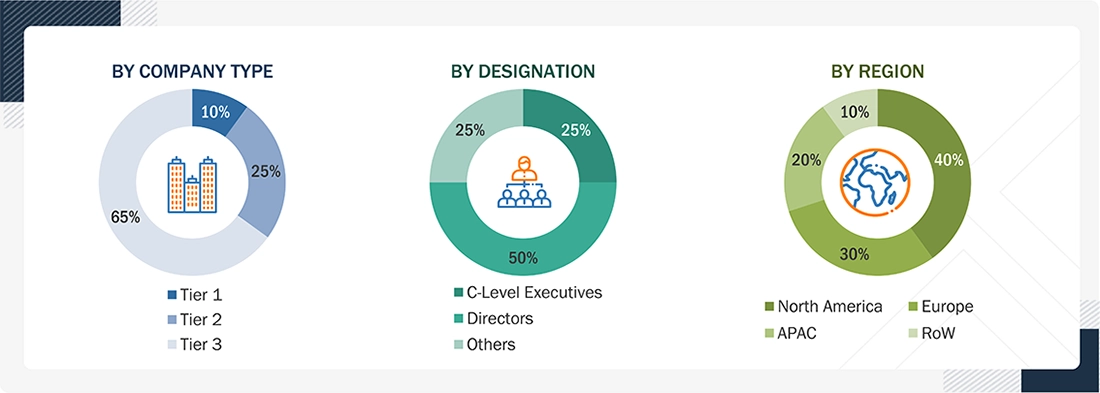
Note: Tier 1 companies’ revenues are more than USD 10 billion; tier 2 companies’ revenues range between USD 1 and 10 billion; and tier 3 companies’ revenues range between USD 500 million and USD 1 billion. Other designations include sales managers, marketing managers, and product managers.
To know about the assumptions considered for the study, download the pdf brochure
Market Size Estimation
Multiple approaches were adopted to estimate and forecast the project portfolio management market. The first approach involved estimating the market size by companies' revenue generated through the sale of project portfolio management products.
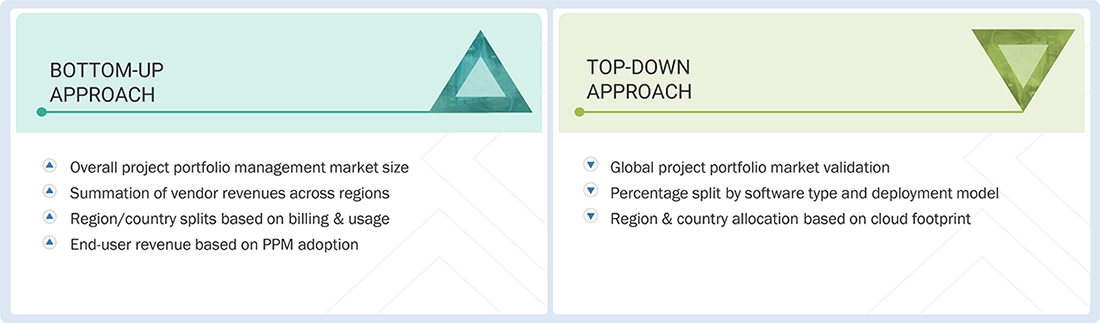
Market Size Estimation Methodology: Top-down Approach
The top-down approach prepared an exhaustive list of all the vendors offering products in the project portfolio management market. The revenue contribution of the market vendors was estimated through annual reports, press releases, funding, investor presentations, paid databases, and primary interviews. Each vendor's offerings were evaluated based on platform, degree of customization, type, application, organization size, and region. The markets were triangulated through primary and secondary research. The primary procedure included extensive interviews for key insights from industry leaders, such as CIOs, CEOs, VPs, directors, and portfolio management executives. The market numbers were further triangulated with the existing MarketsandMarkets repository for validation.
Market Size Estimation Methodology: Bottom-up Approach
The bottom-up approach identified the adoption rate of the project portfolio management products among different verticals in key countries, considering their regions contributing the most to the market share. For cross-validation, the adoption of project portfolio management products among enterprises and other use cases for their regions was identified and extrapolated. Use cases identified in different areas were weighed for the market size calculation.
Based on the market numbers, the regional split was determined by primary and secondary sources. The procedure included an analysis of the project portfolio management market's regional penetration. Based on secondary research, the regional spending on Information and Communications Technology (ICT), socioeconomic analysis of each country, strategic vendor analysis of major project portfolio management service providers, and organic and inorganic business development activities of regional and global players were estimated.
Data Triangulation
After determining the overall market size using the market size estimation processes as explained above, the market was split into several segments and subsegments. Data triangulation and market breakup procedures were employed, wherever applicable, to complete the overall market engineering process and arrive at the exact statistics of each market segment and subsegment. The overall market size was then used in the top-down procedure to estimate the size of other individual markets via percentage splits of the market segmentation.
Market Definition
The project portfolio management market comprises software platforms, tools, and services that enable organizations to plan, prioritize, govern, and forecast portfolios of projects and programs spanning IT, product, and capital investment. The market includes solutions for strategic portfolio planning, project, program, and resource management, financial portfolio management, governance, risk and compliance management, agile and collaborative work management, and portfolio analytics and AI intelligence, powered by technologies such as artificial intelligence, cloud computing, and predictive analytics. These platforms facilitate end-to-end portfolio governance through centralized planning, automated financial and resource tracking, executive dashboards, and real-time risk analytics, creating measurable investment returns for enterprises and enhancing delivery accountability across IT, product, and capital project portfolios.
Key Stakeholders
- Project portfolio management software vendors
- Project management offices (PMOs) and portfolio managers
- Corporate enterprises & finance teams
- IT and digital transformation leaders
- Capital project and infrastructure owners
- Government bodies & public sector agencies
- System integrators & consulting firms
- Cloud & infrastructure providers
- ERP & financial planning system providers
- Resource and workforce management providers
- Payment gateway & ticketing partners
- Risk & compliance software providers
- Industry associations & analyst firms
Report Objectives
- To define, describe, and forecast the project portfolio management market based on offering, software type, deployment type, organization size, portfolio type, vertical, and region
- To forecast the market size of the five major regional segments: North America, Europe, Asia Pacific, the Middle East & Africa, and Latin America
- To strategically analyze the market subsegments with respect to individual growth trends, prospects, and contributions to the total market
- To provide detailed information related to the major factors influencing market growth (drivers, restraints, opportunities, and challenges)
- To strategically analyze macro and micro markets with respect to growth trends, prospects, and their contribution to the overall market
- To analyze industry trends, patents and innovations, and pricing data related to the market
- To analyze the opportunities in the market for stakeholders and provide details of the competitive landscape for major players
- To profile key players in the market and comprehensively analyze their market share/ranking and core competencies
- To track and analyze competitive developments, such as mergers & acquisitions, product developments, and partnerships & collaborations in the market
Available customizations:
With the given market data, MarketsandMarkets offers customizations as per the company’s specific needs. The following customization options are available for the report:
Product Analysis
- The product matrix provides a detailed comparison of the product portfolio of each company.
Further breakup of the North American project portfolio management market
- Further breakup of the European project portfolio management market
- Further breakup of the Asia Pacific project portfolio management market
- Further breakup of the Middle East & Africa project portfolio management market
- Further breakup of the Latin American project portfolio management market
- Further breakup of the Latin American project portfolio management market
Company Information
- Detailed analysis and profiling of additional market players (up to five)
Key Questions Addressed by the Report
What is the current size of the Project Portfolio Management (PPM) market?
The global Project Portfolio Management market is projected to grow from USD 9.91 billion in 2026 to USD 16.87 billion by 2031 at a CAGR of 11.3%.
What key trends are shaping the Project Portfolio Management market?
AI-driven analytics, predictive portfolio intelligence, cloud-based deployments, and digital twin scenario modeling are key trends accelerating PPM adoption.
Which region holds the largest share in the Project Portfolio Management market?
North America holds the largest market share due to high enterprise digitalization and strong adoption of advanced portfolio governance solutions.
Which region is expected to grow the fastest in the PPM market?
Asia Pacific is expected to witness the highest growth during the forecast period due to increasing cloud adoption and digital transformation initiatives.
What are the major growth drivers for the Project Portfolio Management market?
Rising project complexity, growing need for ROI optimization, and enterprise-wide digital transformation are the primary growth drivers.
Who are the leading players in the Project Portfolio Management market?
Key players include Oracle, Microsoft, Asana, ServiceNow, Smartsheet, and Planview.
How does AI impact the Project Portfolio Management market?
AI enhances PPM by enabling predictive risk analysis, automated portfolio scoring, and real-time decision-making for better project outcomes.
Fact checked
Personalize This Research
- Triangulate with your Own Data
- Get Data as per your Format and Definition
- Gain a Deeper Dive on a Specific Application, Geography, Customer or Competitor
- Any level of Personalization
Let Us Help You
- What are the Known and Unknown Adjacencies Impacting the Project Portfolio Management Market
- What will your New Revenue Sources be?
- Who will be your Top Customer; what will make them switch?
- Defend your Market Share or Win Competitors
- Get a Scorecard for Target Partners

Custom Market Research Services
We Will Customise The Research For You, In Case The Report Listed Above Does Not Meet With Your Requirements
Get 10% Free CustomisationTESTIMONIALS
- US Project Portfolio Management (PPM) Market
- UK Project Portfolio Management (PPM) Market
- Germany Project Portfolio Management (PPM) Market
- France Project Portfolio Management (PPM) Market
- Italy Project Portfolio Management (PPM) Market
- Switzerland Project Portfolio Management (PPM) Market
- Spain Project Portfolio Management (PPM) Market
- Netherlands Project Portfolio Management (PPM) Market
- Poland Project Portfolio Management (PPM) Market
- Belgium Project Portfolio Management (PPM) Market
- China Project Portfolio Management (PPM) Market
- India Project Portfolio Management (PPM) Market
- Japan Project Portfolio Management (PPM) Market
- Singapore Project Portfolio Management (PPM) Market
- Australia Project Portfolio Management (PPM) Market
- South Korea Project Portfolio Management (PPM) Market
- South Africa Project Portfolio Management (PPM) Market
- Brazil Project Portfolio Management (PPM) Market
- Mexico Project Portfolio Management (PPM) Market
- Rest Of Europe Project Portfolio Management (PPM) Market
- Rest Of Asia Pacific Project Portfolio Management (PPM) Market
- Canada Project Portfolio Management (PPM) Market
Growth opportunities and latent adjacency in Project Portfolio Management Market






Jordon
Apr, 2026
From an investment point of view, which segment in the PPM software market offers the best ROI?.
Kyra
Apr, 2026
How are AI and cloud technologies shaping the Project Portfolio Management industry?.