RISC-V Market Size, Share & Trends

RISC-V Market Size, Share & Trends by Offering [(Hardware, RISC-V IP (IP Royalties, IP Licensing), Software], Bit Architecture (32-bit, 64-bit, 128-bit), Application (Industrial, Automotive, Networking, Computer, Consumer, Aerospace & Defense) – Global Forecast to 2032




RISC-V MARKET OVERVIEW
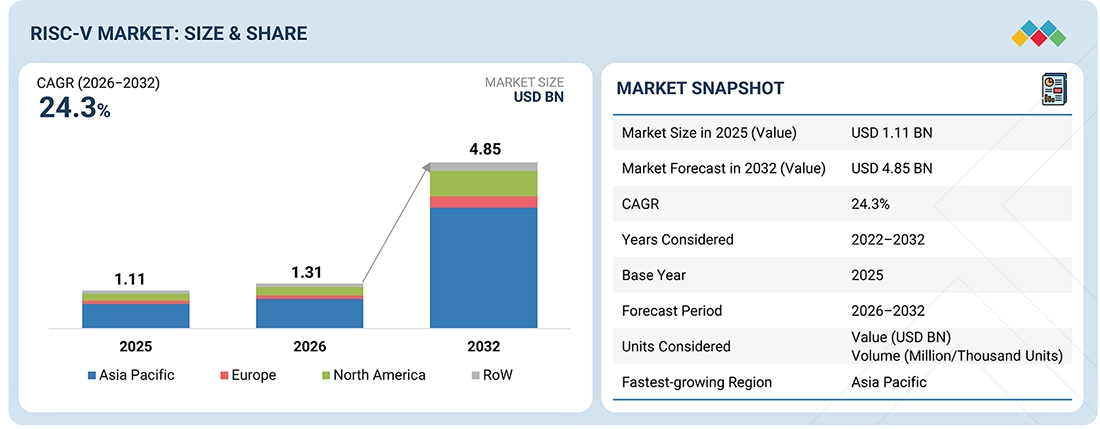
According to Marketsandmarkets, the RISC-V Market Size was valued at USD 1.11 billion in 2025 and is projected to reach USD 4.85 billion by 2032, growing at a CAGR of 24.3% from 2026 to 2032. Rising demand for customizable, open-standard processor architectures across AI, automotive, industrial automation, and IoT applications is a key factor driving market growth. Unlike proprietary Instruction Set Architectures (ISAs), the RISC-V architecture enables semiconductor manufacturers to develop workload-optimized processors while minimizing licensing costs and improving architectural flexibility. This capability supports the creation of highly customized solutions for AI accelerators, edge computing platforms, and next-generation embedded systems, where optimized performance, efficiency, and scalability are essential.REPORT SCOPE
| REPORT METRIC | DETAILS |
|---|---|
| Market Size in 2025 (Value) | USD 1.11 Billion |
| Market Forecast in 2026 (Value) | USD 1.31 Billion |
| Market Forecast in 2032 (Value) | USD 4.85 Billion |
| CAGR | CAGR of 24.3% from 2026-2032 |
| Years Considered | 2022–2032 |
| Base Year | 2025 |
| Forecast Period | 2026–2032 |
| Units Considered | Value (USD Billion), Volume (Million/Thousand Units) |
| Report Coverage | Revenue Forecast, Company Ranking, Competitive Landscape, Growth Factors, and Trends |
| Top Companies |
|
| Growth Drivers |
|
| Segments Covered |
|
| Regions Covered | North America, Europe, Asia Pacific and Rest of the World (RoW) |
RISC-V MARKET KEY TAKEAWAYS
-
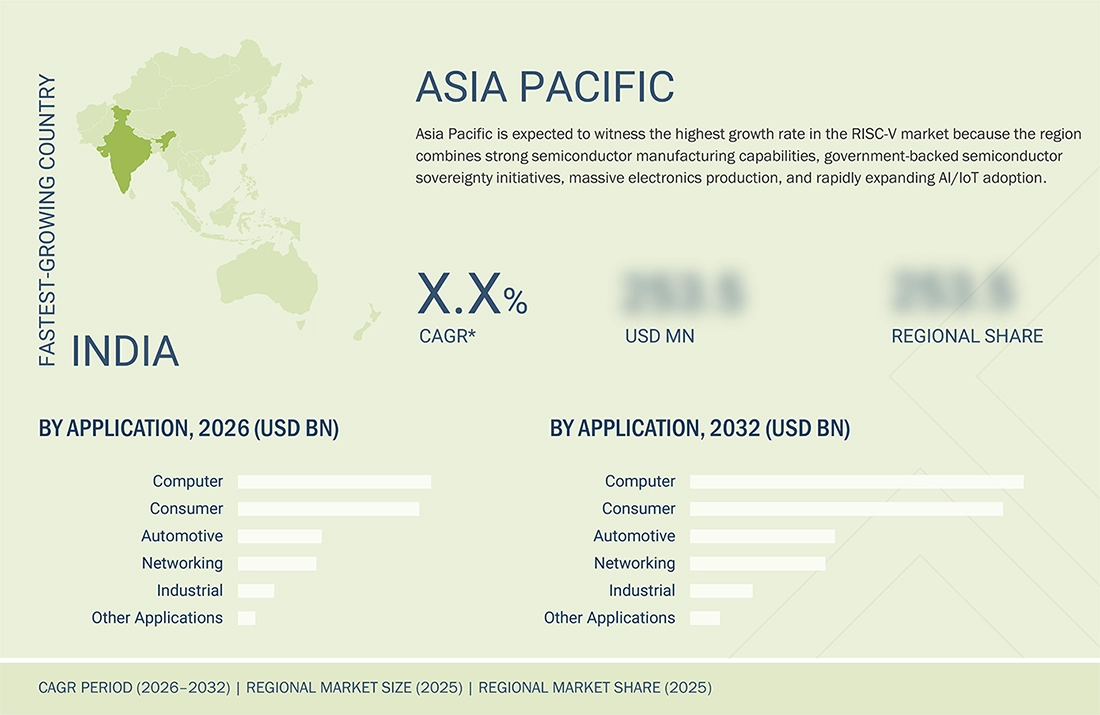
BY REGIONThe Asia Pacific region is anticipated to record the highest CAGR in the RISC-V Market Share during the forecast period due to strong government initiatives promoting semiconductor self-sufficiency and domestic processor development across countries such as China, India, Japan, and South Korea.
-
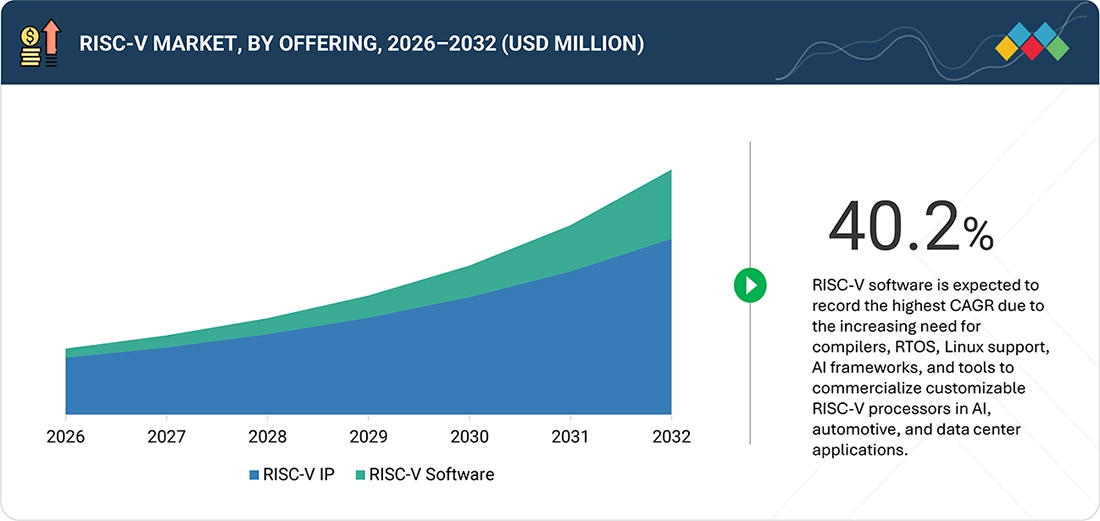
BY OFFERINGThe software segment is expected to register the highest CAGR of 40.2% in the RISC-V market, by offering, during the forecast period.
-
BY BIT ARCHITECTUREThe 128-bit segment is expected to register the highest CAGR of 27.6% in the RISC-V market, by bit architecture, during the forecast period.
-
BY APPLICATIONComputer applications are likely to account for the largest market share of 37.7% in 2032.
-
COMPETITIVE LANDSCAPE (KEY PLAYERS)SiFive, Inc. (US), Andes Technology Corporation. (Taiwan), Codasip (Germany) were identified as a star player in the RISC-V market due to its strong market share and extensive product footprint.
-
COMPETITIVE LANDSCAPE (STARTUPS/SMES)Bluespec (US) and InCore (India) has distinguished itself among startups and SMEs by securing strong footholds in specialized niche areas, underscoring its potential as an emerging market leader in the RISC-V market.
RISC-V growth is driven by rising global investments in semiconductor sovereignty and reduced dependence on proprietary processor ecosystems such as ARM and x86. Governments and enterprises across China, India, and other countries are actively promoting open hardware initiatives to strengthen domestic semiconductor capabilities. This trend is accelerating adoption of RISC-V-based processors in strategic sectors including defense, telecommunications, industrial infrastructure, and AI computing, thereby expanding commercial opportunities for RISC-V IP vendors and software providers.
Source: Secondary Research, Interviews with Experts, MarketsandMarkets Analysis
TRENDS & DISRUPTIONS IMPACTING CUSTOMERS' CUSTOMERS
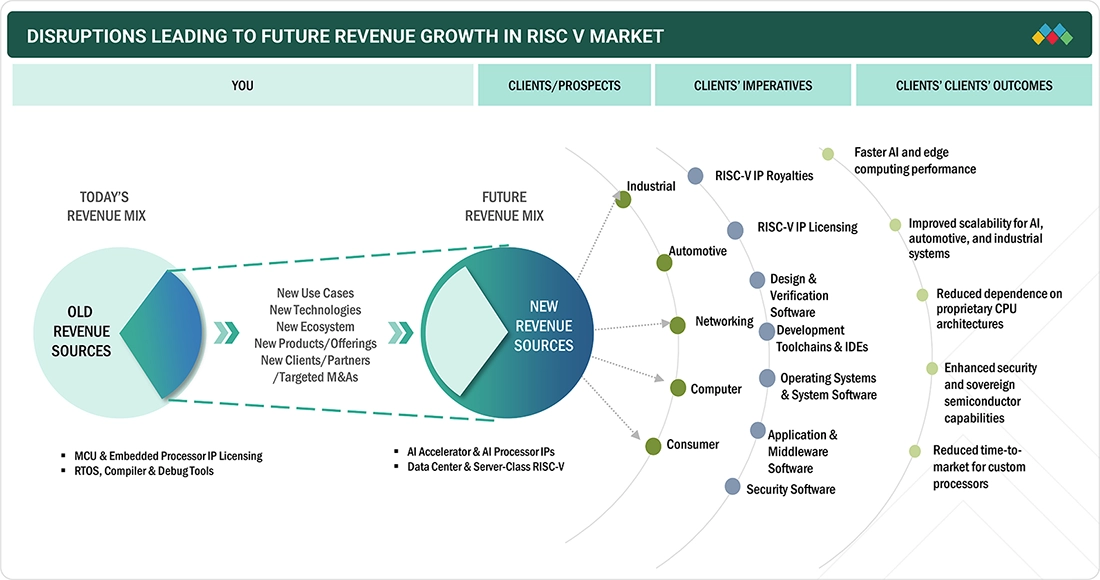
The figure highlights the ongoing disruption and future revenue transformation within the RISC-V Market Trends. Historically, the market’s revenue was primarily driven by MCU and embedded processor IP licensing, along with RTOS, compiler, and debug tools. However, over the next 7–10 years, the revenue mix is expected to shift significantly toward AI accelerator IP, AI processors, and data center/server-class RISC-V solutions, supported by new technologies, ecosystem expansion, strategic partnerships, and targeted acquisitions. This transition is being accelerated by the growing adoption across industrial, automotive, networking, computer, and consumer applications. Consequently, revenue opportunities are expanding beyond traditional IP licensing into RISC-V royalties, design and verification software, development toolchains and IDEs, operating systems, middleware, and security software. Ultimately, this evolution is expected to enable faster, more energy-efficient, customizable, and scalable computing platforms while reducing dependence on proprietary architectures and accelerating deployment of AI-driven and connected systems.
Source: Secondary Research, Interviews with Experts, MarketsandMarkets Analysis
RISC-V MARKET MARKET DYNAMICS

Level
-
Cost Efficiency & Licensing Freedom

-
Demand for Domain-specific Architectures (DSAs)


Level
-
Ecosystem Maturity Gap

-
Lack of Standardization Across Implementations


Level
-
Expansion of Edge AI and AIoT infrastructure

-
Adoption of Hyperscale Infrastructure and Emergence of Custom CPU Architectures


Level
-
Competition from Established Architectures

-
Commercialization & Monetization Challenges

Source: Secondary Research, Interviews with Experts, MarketsandMarkets Analysis
Driver: Cost Efficiency & Licensing Freedom
RISC-V enables semiconductor companies to develop processors without paying expensive ISA licensing fees associated with proprietary architectures such as ARM or x86. Its open-standard architecture reduces overall chip development costs while providing greater flexibility for processor customization. This is accelerating adoption across IoT, automotive, industrial automation, consumer electronics, and AI applications, especially among startups and regional semiconductor companies seeking cost-effective processor development platforms.
Restraint: Ecosystem Maturity Gap
Despite rapid growth, the RISC-V ecosystem remains less mature compared to ARM and x86 ecosystems in terms of software optimization, enterprise application support, commercial development tools, and operating system compatibility. Limited availability of highly optimized software stacks, middleware, and developer familiarity can slow adoption in high-performance computing, enterprise servers, and mission-critical commercial deployments.
Opportunity: Expansion of Edge AI and AIoT infrastructure
The growing deployment of edge AI and AIoT devices is creating significant opportunities for RISC-V processors due to their scalability, low-power operation, and customization capabilities. RISC-V enables integration of domain-specific AI instructions and accelerators optimized for edge inference workloads. Increasing adoption of smart devices, industrial IoT, robotics, surveillance systems, and autonomous systems is expected to drive strong demand for RISC-V IP and software solutions.
Challenge: Competition from Established Architectures
RISC-V faces intense competition from well-established architectures such as ARM and x86, which benefit from decades of ecosystem development, software optimization, broad developer adoption, and strong enterprise trust. Many OEMs and hyperscalers continue to rely on mature proprietary platforms for performance-critical workloads, making it challenging for RISC-V vendors to rapidly scale commercial adoption across servers, PCs, and advanced computing infrastructure.
RISC-V MARKET SIZE, SHARE & ANALYSIS: COMMERCIAL USE CASES ACROSS INDUSTRIES
| COMPANY | USE CASE DESCRIPTION | BENEFITS |
|---|---|---|
 |
Renesas focused on overcoming RISC-V adoption barriers through internally developed RISC-V MCUs, integrated development tools, commercial software support, and ecosystem partnerships for embedded applications. | Enabled faster embedded application development | Reduced software integration complexity | Improved developer accessibility through free IDEs and toolchains | Accelerated commercialization of RISC-V microcontroller solutions across industrial and consumer applications |
 |
SiFive collaborated with Blue Clover Devices to remotely launch its Unmatched quad-core RISC-V evaluation board during the COVID-19 pandemic using cloud-based manufacturing and testing infrastructure. | Reduced manufacturing disruption | Enabled remote programming and validation | Accelerated product launch timelines | Minimized travel-related operational delays | Demonstrated scalable cloud-enabled deployment capabilities for RISC-V hardware commercialization |
 |
Andes optimized power, performance, and area efficiency for TWS earbuds using customizable RISC-V extensions tailored for low-power audio and embedded processing applications. | Improved energy efficiency | Enhanced processing capability for audio workloads | Reduced silicon area requirements | Enabled highly optimized low-power embedded designs suitable for compact wearable consumer devices |
Logos and trademarks shown above are the property of their respective owners. Their use here is for informational and illustrative purposes only.
RISC-V MARKET ECOSYSTEM
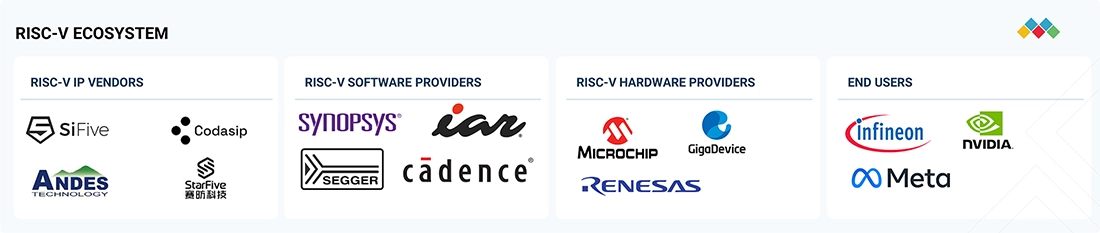
The RISC-V Market Growth Ecosystem is structured around four major participant groups: RISC-V IP vendors, software providers, hardware providers, and end users. RISC-V IP vendors develop and license customizable processor cores, CPU architectures, and royalty-based intellectual property solutions that form the foundation of the ecosystem. Software providers support ecosystem scalability through compilers, debuggers, RTOS platforms, IDEs, verification tools, Linux distributions, and middleware solutions that enable seamless processor development and deployment. Hardware providers integrate RISC-V architectures into microcontrollers, SoCs, AI accelerators, automotive processors, FPGAs, and edge computing platforms across multiple industries. End users, including automotive OEMs, industrial automation companies, consumer electronics manufacturers, hyperscalers, and AI infrastructure providers, deploy these solutions to achieve lower development costs, architectural flexibility, higher energy efficiency, and workload-specific customization.
Logos and trademarks shown above are the property of their respective owners. Their use here is for informational and illustrative purposes only.
RISC-V MARKET SEGMENTS
Source: Secondary Research, Interviews with Experts, MarketsandMarkets Analysis
RISC-V Market, By Offering
RISC-V IP is expected to hold the largest market share in 2032 because of the processor core licensing and royalty revenues form the foundation of the RISC-V value chain. Increasing demand for customizable CPU architectures across AI, automotive, industrial automation, consumer electronics, and IoT applications is driving strong adoption of licensable RISC-V cores. Semiconductor companies increasingly prefer flexible, low-cost processor IP solutions to accelerate differentiated chip development and reduce dependence on proprietary architectures.
RISC-V Market, By Bit Architecture
128-bit RISC-V architectures are expected to witness the highest growth rate during the forecast period due to rising future demand for ultra-high-performance computing, advanced AI workloads, exascale computing, and data-intensive applications. Although commercialization remains limited today, ongoing research and development activities targeting next-generation HPC, scientific computing, cryptography, and large-scale AI processing are expected to accelerate the adoption of 128-bit architectures over the long term.
RISC-V Market, By Application
The computer segment is expected to hold the largest share of the RISC-V market in 2032 due to the increasing deployment of RISC-V processors in PCs, laptops, workstations, servers, and high-performance computing systems. Growing demand for customizable and power-efficient computing architectures, rising development of Linux-capable 64-bit RISC-V processors, and increasing investments from hyperscalers and semiconductor companies are accelerating deployment across AI computing, edge servers, and next-generation computing platforms.
RISC-V MARKET BY REGION
Asia Pacific to be fastest-growing region in RISC-V market during forecast period
Asia Pacific is expected to record the highest CAGR in the RISC-V market during the forecast period due to strong government support for semiconductor self-sufficiency, rapid expansion of domestic chip design ecosystems, and increasing adoption of AI, IoT, automotive, and industrial automation technologies. The presence of major semiconductor manufacturing hubs and rising investments in AI processors, edge computing platforms, automotive semiconductors, and RISC-V startup ecosystems from regional companies such as Alibaba, Shanghai StarFive Semiconductor Co., Ltd., and Nuclei System are further accelerating commercialization of RISC-V IP and software solutions across the region.
RISC-V MARKET SIZE, SHARE & ANALYSIS: COMPANY EVALUATION MATRIX
In the RISC-V market, SiFive, Inc. (Star) leads with a strong portfolio of customizable high-performance RISC-V processor IP and software solutions targeting AI, automotive, data center, and embedded applications. Semidynamics (Emerging Leader) is gaining recognition for its high-performance RISC-V vector processors, AI acceleration capabilities, and focus on advanced computing applications such as HPC, data centers, and AI-driven workloads.
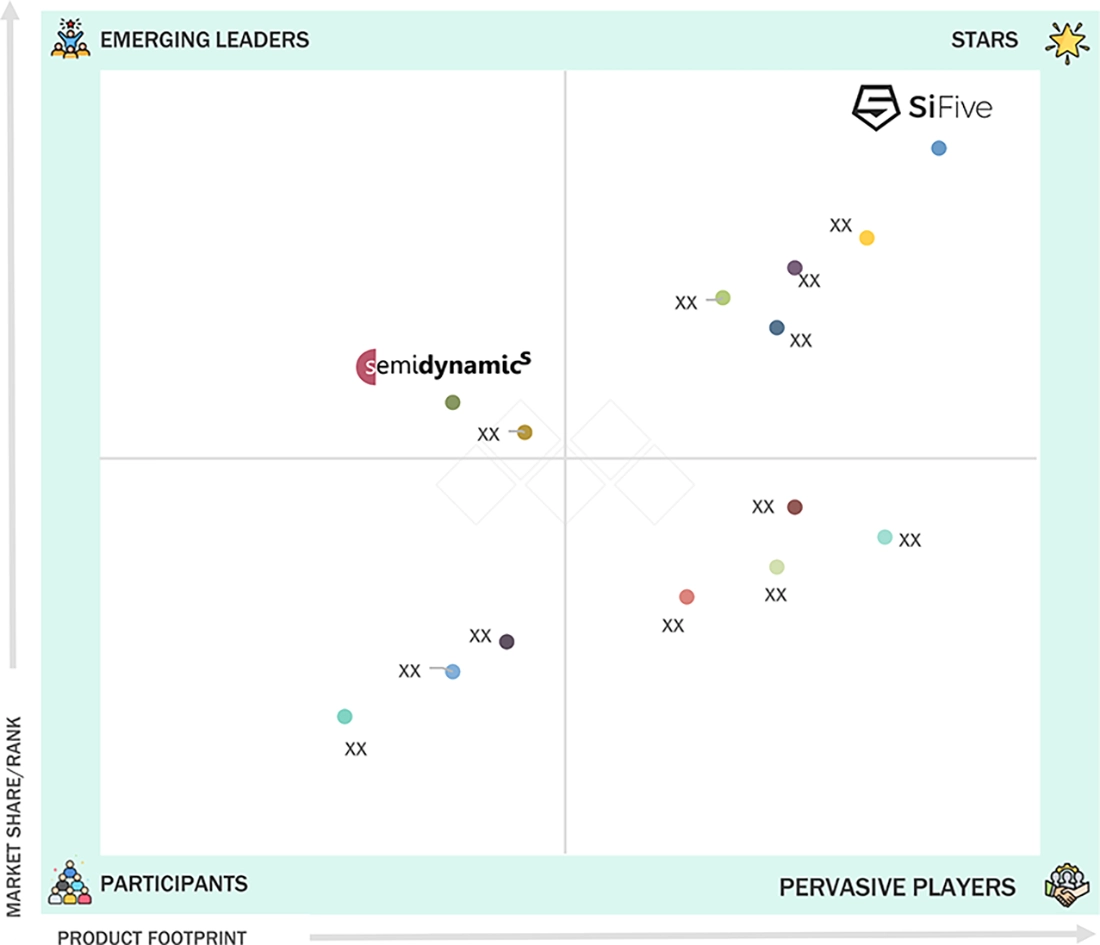
Source: Secondary Research, Interviews with Experts, MarketsandMarkets Analysis
KEY MARKET PLAYERS
- SiFive, Inc. (US)
- Andes Technology Corporation. (Taiwan)
- Codasip (Germany)
- Synopsys, Inc. (US)
- Imagination Technologies (UK)
- MIPS (US)
- Tenstorrent (US)
- Shanghai StarFive Semiconductor Co., Ltd. (China)
- Nuclei System (China)
- Efinix, Inc. (US)
WHAT IS IN IT FOR YOU: RISC-V MARKET SIZE, SHARE & ANALYSIS REPORT CONTENT GUIDE
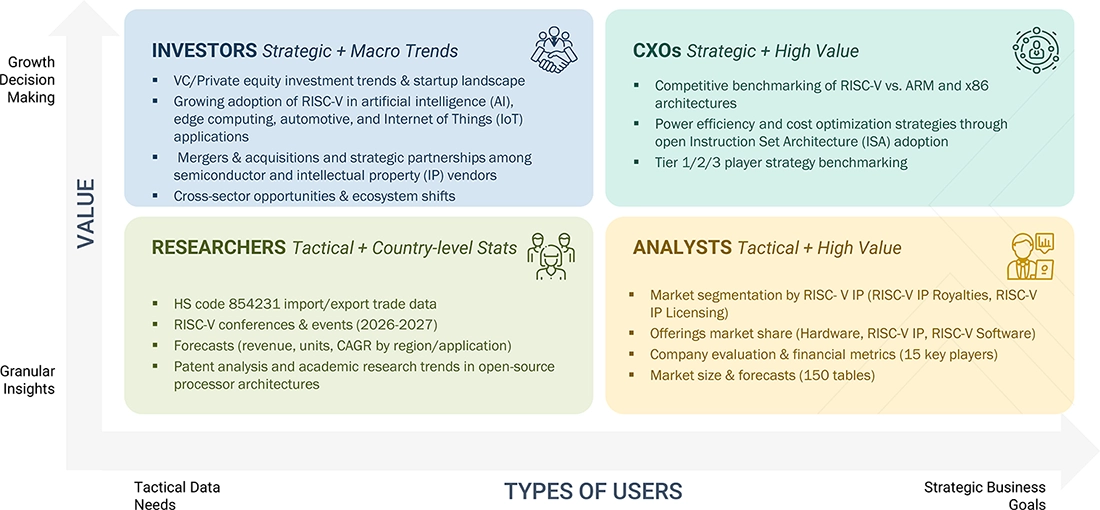
DELIVERED CUSTOMIZATIONS
We have successfully delivered the following deep-dive customizations:
| CLIENT REQUEST | CUSTOMIZATION DELIVERED | VALUE ADDS |
|---|---|---|
| Semiconductor IP Vendor | Competitive benchmarking of RISC-V processor IP portfolios, customization capabilities, licensing models, and AI/edge computing integration strategies |
|
| Embedded Hardware Manufacturer | Application-specific analysis for RISC-V MCU/SoC deployment across industrial, consumer electronics, automotive, and IoT applications |
|
| Enterprise Software & Toolchain Provider | Assessment of RISC-V software ecosystem maturity, compiler optimization trends, RTOS adoption, and development toolchain opportunities |
|
| AI & Edge Computing Company | Evaluation of RISC-V adoption for AI accelerators, edge AI processors, heterogeneous computing, and workload-specific customization trends |
|
| Automotive & Industrial OEM | Analysis of RISC-V deployment trends in automotive electronics, industrial automation, safety MCUs, and intelligent edge systems |
|
RECENT DEVELOPMENTS
- July 2026 : PINE64 introduced PineVoice, a compact RISC-V smart speaker designed for local voice control with Home Assistant. PineVoice combines local wake-word detection, dual microphones, a built-in speaker, Wi-Fi, Bluetooth, and open-source firmware. The device uses the Wyoming Protocol to connect voice commands to Home Assistant while keeping voice communication on the local network. Its privacy-focused architecture enables hands-free smart-home control without relying on cloud-based voice assistants. PineVoice offers an open, flexible, and affordable platform for private local voice automation.
- July 2026 : IndieSemiC partnered with Semtech to develop Sabarmati-1, a 64-bit RISC-V-based System-in-Package with integrated LoRa connectivity. The platform combines processing and low-power, long-range wireless communication in a compact chip design. Sabarmati-1 targets industrial automation, smart cities, asset tracking, smart metering, agriculture, logistics, and healthcare. The collaboration brings together IndieSemiC’s indigenous chip-design capabilities with Semtech’s LoRa technology. The partnership strengthens India’s semiconductor ecosystem while enabling scalable, low-power IoT solutions.
- May 2026 : HighTec EDV-Systeme partnered with SiFive to accelerate safety-ready RISC-V software development for automotive and industrial applications. The collaboration combines HighTec’s safety-qualified Rust and C/C++ toolchains with SiFive’s safety-focused RISC-V processor IP. The integrated offering supports functional safety up to ASIL D and cybersecurity requirements under ISO 21434. It helps developers simplify integration, optimize performance, and shorten time to production. The partnership strengthens the RISC-V ecosystem with scalable, secure, and production-ready solutions for safety-critical systems.
- April 2026 : Espressif Systems unveiled the ESP32-S31, a dual-core RISC-V SoC integrating Wi-Fi 6, Bluetooth 5.4, IEEE 802.15.4, and Ethernet connectivity. The ESP32-S31 combines 320 MHz processing with edge-AI acceleration, advanced HMI, and multimedia interfaces in a single chip. Its support for Thread, Zigbee, and Matter enables flexible connectivity across next-generation IoT devices. The SoC is designed for smart speakers, voice-controlled appliances, industrial automation, and connected consumer devices. ESP32-S31 delivers a compact, high-performance platform for scalable, secure, and intelligent IoT applications.
- April 2026 : Nvidia invested in SiFive as part of a $400 million Series G funding round to accelerate RISC-V processor development for AI and data-center workloads. SiFive is developing customizable RISC-V CPUs designed to address growing demand for flexible, high-performance cloud computing. The investment strengthens Nvidia’s push into CPU architecture while supporting an open alternative to Arm. RISC-V could enable greater processor customization for agentic AI and next-generation data centers. The move reinforces the growing role of RISC-V in the evolving AI computing ecosystem.
Table of Contents
 Exclusive indicates content/data unique to MarketsandMarkets and not available with any competitors.
Methodology
The research process for this technical, market-oriented, and commercial study of the RISC-V market included the systematic gathering, recording, and analysis of data about companies operating in the market. It involved the extensive use of secondary sources, directories, and databases (Factiva, Oanda) to identify and collect relevant information. In-depth interviews were conducted with various primary respondents, including experts from core and related industries and preferred manufacturers, to obtain and verify critical qualitative and quantitative information as well as to assess the growth prospects of the market. Key players in the RISC-V market were identified through secondary research, and their market rankings were determined through primary and secondary research. This included studying annual reports of top players and interviewing key industry experts, such as CEOs, directors, and marketing executives.
Secondary Research
In the secondary research process, various secondary sources have been referred to for identifying and collecting information relevant to this study. Secondary sources include annual reports, press releases, and investor presentations of companies; white papers, certified publications, and articles from recognized authors; directories; and databases. Secondary research has been mainly conducted to obtain key information about the supply chain and value chain of the industry; a total pool of key players; segmentation of the market according to the industry trends, geographic markets, and key developments from market- and technology-oriented perspectives.
Primary Research
In the primary research process, primary sources from the supply and demand sides have been interviewed to obtain qualitative and quantitative information for this report. Primary sources from the supply side include experts, such as CEOs, vice presidents, marketing directors, technology and innovation directors, subject-matter experts, consultants, and related key executives from major companies and organizations operating in the RISC-V market.
After the complete market engineering process (market statistics calculations, market breakdown, market size estimations, market forecasting, and data triangulation), extensive primary research was conducted to gather information and verify and validate the critical market numbers.
Several primary interviews were conducted with experts from the demand and supply sides across four major regions—North America, Europe, Asia Pacific, and RoW. Approximately 25% of the primary interviews were conducted with the demand side and 75% with the supply side. This primary data was collected through questionnaires, emails, and telephonic interviews.
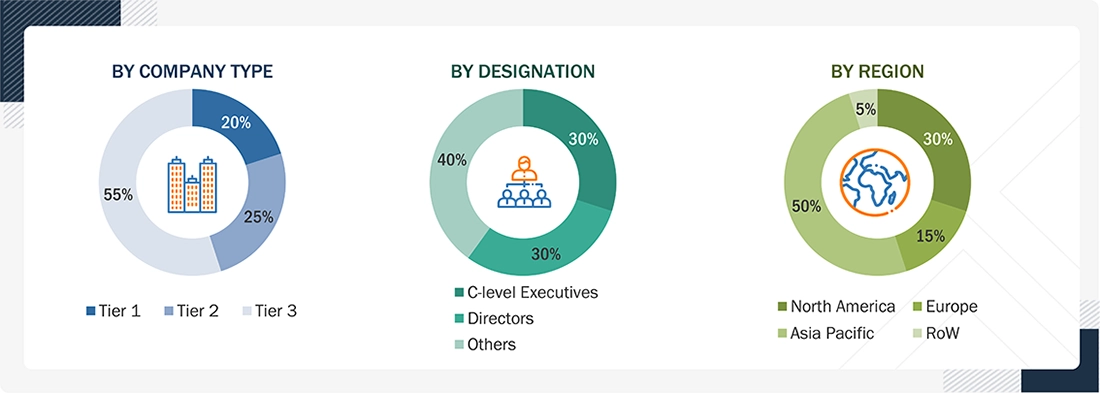
Notes: Other designations include technology heads, media analysts, sales managers, marketing managers, and product managers.
The three tiers of the companies are based on their total revenues as of 2025: Tier 1: >USD 1 billion, Tier 2: USD 500 million–1 billion, and Tier 3: USD 500 million.
To know about the assumptions considered for the study, download the pdf brochure
Market Size Estimation
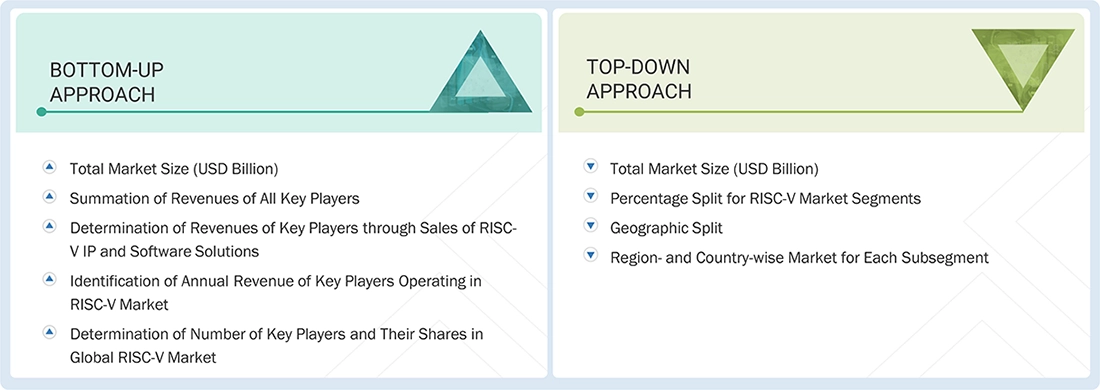
In the complete market engineering process, top-down and bottom-up approaches and several data triangulation methods were used to estimate and forecast the overall market segments and subsegments listed in this report. Key players in the market were identified through secondary research, and their market shares in the respective regions were determined through primary and secondary research. This entire procedure included the study of annual and financial reports of the top market players and extensive interviews for key insights (quantitative and qualitative) with industry experts (CEOs, VPs, directors, and marketing executives).
All percentage shares, splits, and breakdowns were determined using secondary sources and verified through primary sources. All the parameters affecting the markets covered in this research study were accounted for, viewed in detail, verified through primary research, and analyzed to obtain the final quantitative and qualitative data. This data was consolidated and supplemented with detailed inputs and analysis from MarketsandMarkets and presented in this report. The following figure represents this study’s overall market size estimation process.
Bottom-Up Approach
- Companies offering RISC-V IP and software solutions were identified, and their offerings were mapped based on their applications and regional footprint.
- The global RISC-V market size was derived through the data sanity method. The revenues from RISC-V providers were analyzed through annual reports and press releases and summed up to derive the overall market size.
- For each company, a percentage was assigned to the overall revenue to derive the revenues from the RISC-V segment.
- Each company’s percentage was assigned after analyzing various factors, including its product offerings, geographic presence, R&D expenditures and initiatives, and recent developments/strategies adopted for growth in the RISC-V market.
- For the CAGR, the market trend analysis of RISC-V was carried out by understanding the industry penetration rate and the demand and supply of RISC-V in different sectors.
- Estimates at every level were verified and cross-checked by discussing them with key opinion leaders, including sales heads, directors, operation managers, and market domain experts of MarketsandMarkets.
- Various paid and unpaid information sources, such as annual reports, press releases, white papers, and databases, were studied.
Top-Down Approach
- Focusing initially on the top-line investments and expenditures being made in the ecosystem of RISC-V, further splitting into processor type, bit architecture, application, and listing key developments in key market areas
- Identifying all major players in the RISC-V market and their penetration in various applications through secondary research, and verifying with a brief discussion with industry experts
- Analyzing revenues, product mix, geographic presence, and key applications for which all identified players serve RISC-V offerings to estimate and arrive at the percentage splits for all key segments
- Discussing these splits with the industry experts to validate the information and identify key growth pockets across all key segments
- Breaking down the total market based on verified splits and key growth pockets across all segments
RISC-V Market : Top-Down and Bottom-Up Approach
Data Triangulation
After arriving at the overall market size, the market was split into several segments and subsegments using the market size estimation processes as explained above. Data triangulation and market breakdown procedures were employed to complete the entire market engineering process and determine each market segment's and subsegment's exact statistics. The data was triangulated by studying various factors and trends from the demand and supply sides in the RISC V market.
Market Definition
RISC-V is an open-standard instruction set architecture (ISA) that defines how processors execute instructions in computing systems. Unlike proprietary ISAs, such as x86 or ARM, RISC-V is freely available and modular, allowing companies to design customized processors for a wide range of applications, including microcontrollers, CPUs, AI accelerators, and embedded systems. It is governed by RISC-V International, which ensures standardization while enabling flexibility and extensibility. This openness reduces licensing costs, encourages innovation, and supports rapid adoption across IoT, automotive, data center, and edge computing applications.
Key Stakeholders
- Government and financial institutions
- RISC-V IP vendors and semiconductor companies
- EDA and software tool providers
- Foundries and manufacturing partners
- End-use industries
Report Objectives
- To define, describe, segment, and forecast the RISC-V market size, in terms of value, based on offering, bit architecture, application, and region
- To forecast the market size, in terms of value, for four major regions—North America, Europe, Asia Pacific, and the Rest of the World (RoW)
- To define, describe, segment, and forecast the RISC-V market size, in terms of volume, for hardware offerings
- To provide detailed information regarding drivers, restraints, opportunities, and challenges influencing the growth of the market
- To provide an ecosystem analysis, case study analysis, patent analysis, technology analysis, pricing analysis, Porter's five forces analysis, investment and funding scenario, and regulations pertaining to the market
- To provide a detailed overview of the RISC-V value chain
- To strategically analyze micromarkets1 with regard to individual growth trends, prospects, and contributions to the total market
- To analyze opportunities for stakeholders by identifying high-growth segments of the market
- To strategically profile the key players, comprehensively analyze their market positions in terms of ranking and core competencies2, and provide a competitive market landscape
- To analyze strategic approaches such as product launches, acquisitions, agreements, and partnerships in the RISC-V market
- To understand and analyze the impact of the 2025 US tariff on the RISC-V market
This research report categorizes the RISC-V market by offering, bit architecture, application, and region.
1.Micromarkets are defined as the segments and subsegments of the RISC-V market included in the scope of the report.
Available Customizations
With the given market data, MarketsandMarkets offers customizations according to the company’s specific needs. The following customization options are available for the report:
Company Information
- Detailed analysis and profiling of additional market players (up to 7)
Key Questions Addressed by the Report
What is the current size of the RISC-V Market?
The RISC-V market size is estimated at USD 1.11 billion in 2025 and is growing rapidly due to increasing adoption in semiconductor design.
What is the projected market size by 2032?
The market is projected to reach approximately USD 4.85 billion by 2032.
What is the CAGR of the RISC-V Market?
The market is expected to grow at a CAGR of around 24.3% from 2025 to 2032.
What are the key growth drivers of the RISC-V market?
Growth is driven by open-source ISA adoption, cost efficiency, customization flexibility, reduced licensing fees, and increasing demand for AI and IoT devices.
Which industries are driving RISC-V adoption?
Major industries include consumer electronics, automotive, industrial automation, telecommunications, and data centers.
What are the key technology trends in the RISC-V market?
Trends include integration with AI/ML workloads, edge computing, embedded systems, and increasing use in high-performance computing (HPC).
Which regions dominate the RISC-V market?
North America leads due to strong semiconductor ecosystem, while Asia Pacific shows fastest growth driven by China and India.
Who are the key companies in the RISC-V market?
Major players include SiFive, Intel, NVIDIA, Qualcomm, Samsung, Alibaba Group (T-Head), Andes Technology, and Microchip Technology.
What segments are covered in the report?
The report covers segmentation by application (automotive, consumer electronics), deployment, and region (North America, Europe, Asia Pacific, Rest of World).
What insights does the report provide?
The report includes market forecasts, competitive landscape, growth strategies, value chain analysis, and detailed segmentation across multiple industries and regions.


Personalize This Research
- Triangulate with your Own Data
- Get Data as per your Format and Definition
- Gain a Deeper Dive on a Specific Application, Geography, Customer or Competitor
- Any level of Personalization
Let Us Help You
- What are the Known and Unknown Adjacencies Impacting the RISC-V Market
- What will your New Revenue Sources be?
- Who will be your Top Customer; what will make them switch?
- Defend your Market Share or Win Competitors
- Get a Scorecard for Target Partners

Custom Market Research Services
We Will Customise The Research For You, In Case The Report Listed Above Does Not Meet With Your Requirements
Get 10% Free CustomisationTESTIMONIALS

Tetsuya Ohhira
Business Development Manager-Technology Business
Nikon Corporation,
Leading Japanese MNC specializing in optics and imaging productswww.nikon.com
MarketsandMarkets™ response
is quick. Their attitude is flexible and positive. Analyst Insights are globally considered and
significant. Client Services quickly respond to our inquiry and demand. Their wide range of global
surveys help us make our strategic plan.
We hope Knowledge Store will be easier to search
for a report.
VP - Marketing & Business Development
Leading Provider of Process Control Solutions
We engaged with MarketsandMarkets on a study to perform an analysis and recommend a Go-To-Market strategy for metrology and process control in the semiconductor market. The study was tailored to our targets and needs with well-defined milestones. Our overall experience with the MarketsandMarkets team was very good throughout the project in all aspects including the analysis methodologies used, the quality and depth of primary and secondary data sets, the professionalism and flexibility of the team and the ability to meet the target schedule and milestones. We want to thank MarketsandMarkets team for a job well done.
- Canada RISC-V Market
- Mexico RISC-V Market
- US RISC-V Market
- France RISC-V Market
- Germany RISC-V Market
- Italy RISC-V Market
- Spain RISC-V Market
- UK RISC-V Market
- China RISC-V Market
- India RISC-V Market
- Japan RISC-V Market
- South Korea RISC-V Market
- Taiwan RISC-V Market
- Rest Of Europe RISC-V Market
- Rest Of Asia Pacific RISC-V Market






Growth opportunities and latent adjacency in RISC-V Market