US Interventional Cardiology Devices Market Size, Growth, Share & Trends Analysis

US Interventional Cardiology Devices Market by Type (Stents, Balloons, Structural Heart, Angio Catheters, Plaque Modification Devices, Hemodynamic Flow Alteration, Guidewire, Introducer Sheaths), End User (Hospitals, Cardiac Centers) - Forecast to 2031




OVERVIEW
Source: Secondary Research, Interviews with Experts, MarketsandMarkets Analysis
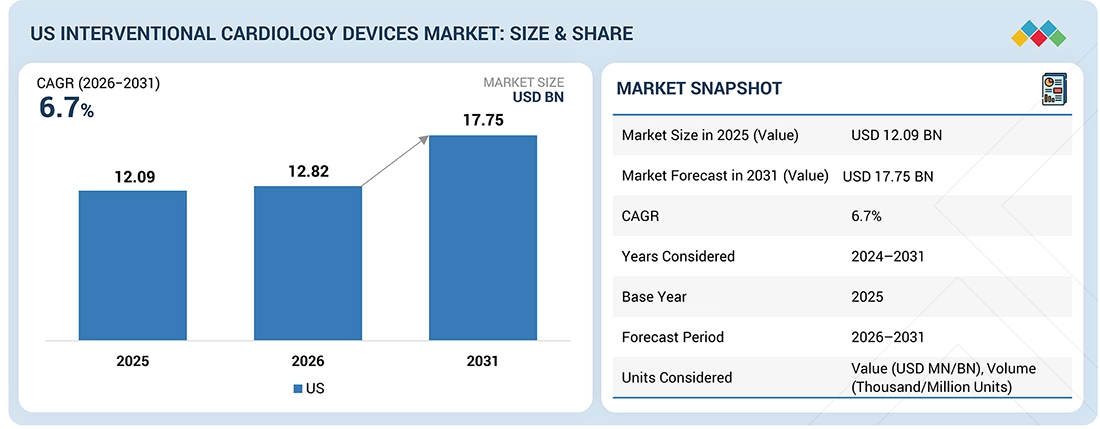
The US interventional cardiology devices market, valued at US$12.09 billion in 2025, stood at US$12.82 billion in 2026 and is projected to advance at a resilient CAGR of 6.7% from 2026 to 2031, culminating in a forecasted valuation of US$17.75 billion by the end of the period. The market is driven by the increasing number of cases of heart and blood vessel diseases, especially coronary artery disease and heart valve disorders, and the aging population. Technology has played a major role and has provided rapid advancements in the form of next-gen drug-eluting stents, drug-coated balloons, intravascular imaging (IVUS and OCT), and physiologic assessment devices. Moreover, the steady transition of access site from femoral to radial, increased procedure volumes in hospitals and outpatient surgical centers, and the persistence of top manufacturers’ investments in clinical research and product innovation drive the market.
KEY TAKEAWAYS
-
By Angioplasty StentBy angioplast stent market, the drug-eluting stents segment is expected to register a CAGR of 7.9% during the forecast period.
-
By Structural Heart DeviceThe other therapy devices segment is expected to dominate the market, with a share of 57.1% in 2025.
-
By CatheterThe IVUS/OCT catheter segment is expected to register the highest CAGR of 6.6% during the forecast period.
-
By Angioplasty BalloonThe old/normal balloons segment is expected to dominate the market, with a share of 64.2% in 2025.
-
By Plaque Modification DeviceThe thrombectomy devices segment is expected to dominate the market, with a share of 63.9% in 2025.
-
By Hemodynamic Flow Alteration DeviceThe embolic protection devices segment is expected to register the highest CAGR of 6.3% during the forecast period.
-
By Other Intercentional Cardiology DeviceThe guidewires segment is expected to register the highest CAGR of 5.4% during the forecast period.
-
By End UserThe hospitals segment is expected to dominate the market, with a share of 83.2% in 2025.
-
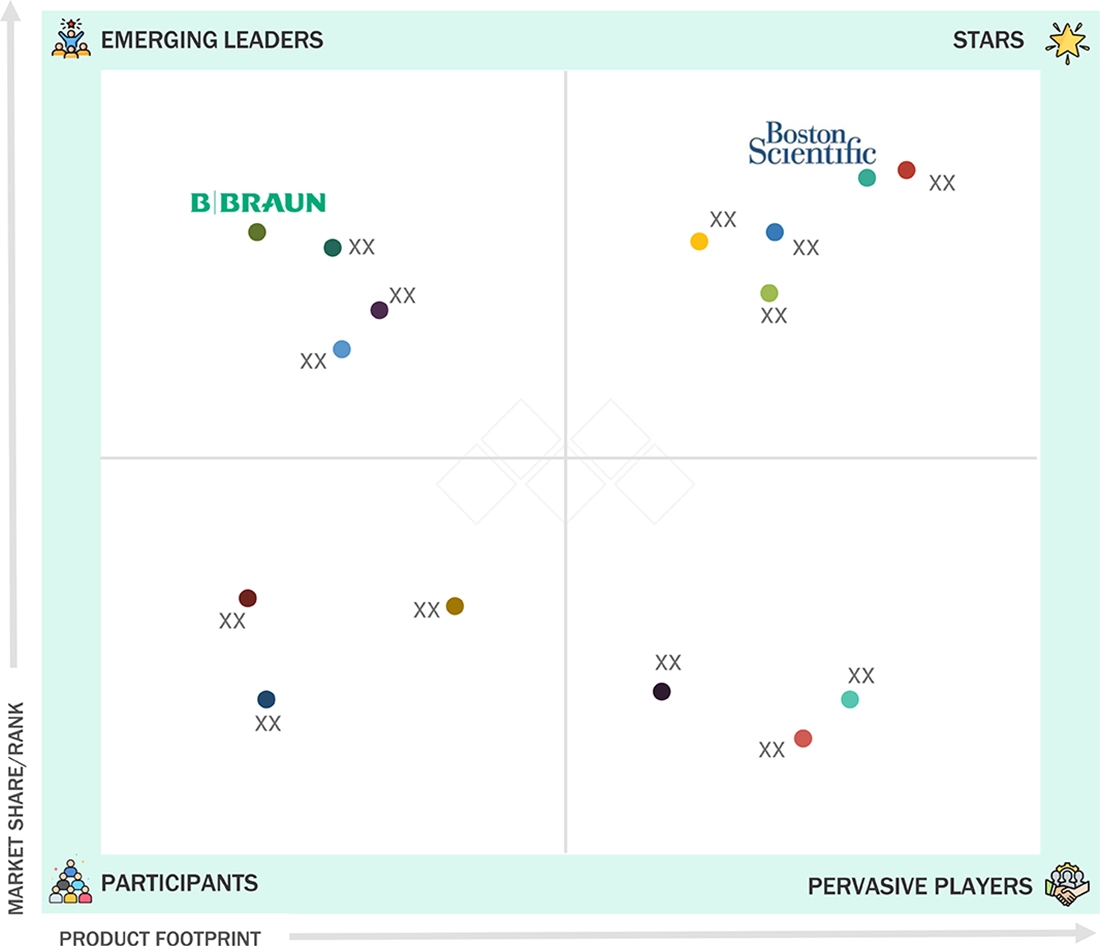
Competitive Landscape - Key PlayersBoston Scientific Corporation (US), Medtronic (US), Abbott (US), B. Braun SE (Germany), Terumo Corporation (Japan), and Edwards Lifesciences Corporation (US) were identified as some of the star players in the US interventional cardiology devices market, given their extensive reach in US and comprehensive product portfolios.
-
Competitive Landscape - StartupsInSitu Technologies Inc. (US), Intravascular Imaging Incorporated (i3) (US), Agile Devices Inc. (US), and Evident Vascular, Inc. (US) have distinguished themselves among startups and SMEs due to their specialized veterinary expertise and focused service capabilities.
The interventional cardiology devices market in US is experiencing a boost owing to the high number of heart disease patients among the old and young population, specifically those with coronary artery disease, peripheral artery disease, and structural heart disorders. Moreover, physicians are adopting minimally invasive procedures instead of open surgeries due to shorter hospital stay, quicker recovery, and lower rates of complications. This trend is further fueling the consumption of interventional cardiology products. The development of cutting-edge drug-eluting stents, drug-coated balloons, intravascular imaging (IVUS and OCT), and physiologic assessment tools is making the process of intervention more accurate, making it possible to utilize in more complex cases. Besides, the market growth is being contributed by the increasing transradial access adoption, higher procedure numbers in hospitals and ambulatory surgical centers, and the continuous investments in innovation and clinical trials.
TRENDS & DISRUPTIONS IMPACTING CUSTOMERS' CUSTOMERS
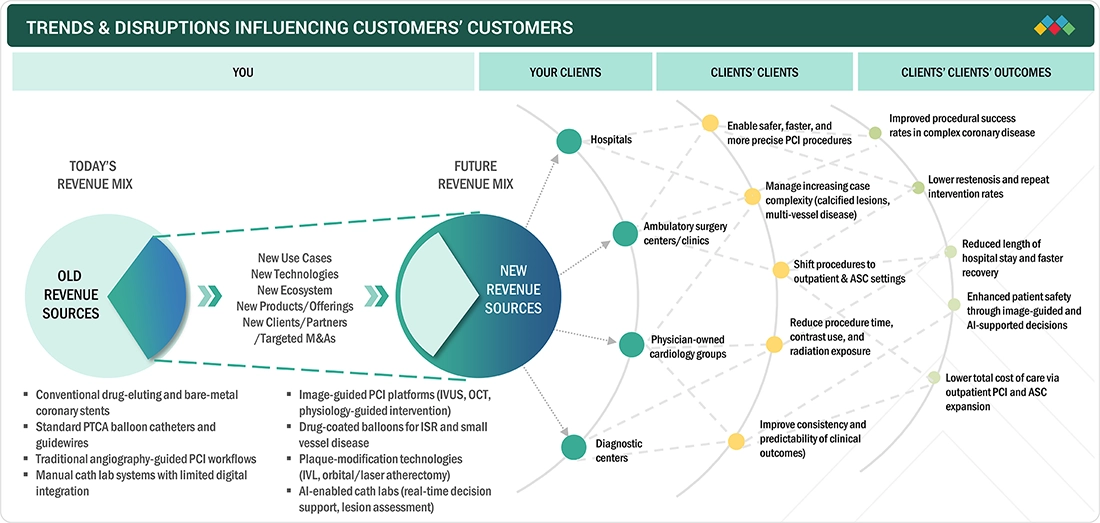
The US interventional cardiology devices market is experiencing growth due to the impact of multiple interrelated trends and disruptions that are changing the clinical practice, care settings, and technology adoption. Strong shift towards less invasive and transradial procedures, which are indicated by better patient outcomes, quicker recovery, and lower hospital costs, is directing the design of smaller-profile catheters, guidewires, and hemostasis devices along the line of the above procedures. Quick acceptance of modern intravascular imaging and physiological assessment technologies, such as IVUS, OCT, and pressure-based measurements, is leading to more precise procedures and supporting more complicated PCI and structural heart interventions. The digitalization of the cath lab, including AI-enabled imaging, workflow optimization, and data-driven decision support, is becoming a disruptive force, while the value-based care and the pricing pressure imposed by the payers are pushing the manufacturers towards innovations that are differentiated and outcomes-driven.
Source: Secondary Research, Interviews with Experts, MarketsandMarkets Analysis
MARKET DYNAMICS

Level
-
Growing prevalence of cardiovascular diseases

-
Technological advancements in interventional cardiology procedures


Level
-
Availability of alternative treatments

-
Recall of products by industry participants


Level
-
Growing coronary stent demand in developing countries

-
Increasing product launches


Level
-
Stringent regulatory requirements delaying approval of cardiac devices

Source: Secondary Research, Interviews with Experts, MarketsandMarkets Analysis
Driver: Growing prevalence of cardiovascular diseases
The US interventional cardiology devices market is driven significantly by the rising occurrence of cardiovascular diseases. The conditions such as coronary artery disease, peripheral artery disease, and structural heart disorders, are continuously ascending on the chart of aging populations, unfit life habits, overweight, sugar disease, and hypertension. Cardiovascular disease is, the primary cause of illness and death. As a result, the country is witnessing a steady flow of diagnostic angiography and interventional procedures, such as percutaneous coronary interventions and treatments for structural heart disorders along with others. The increase in disease complexity and co-existing medical conditions has resulted in the greater usage of the advanced catheter-based therapies that are safe for high-risk and elderly patients. The continuous clinical demand, along with the preference of the medical professionals for the less invasive interventions and the well-established cath lab infrastructure, further drive the market.
Restraint: Availability of alternative treatments
The existence of different treatment alternatives is a major factor that hinders the US interventional cardiology devices market growth, as certain patient groups can be adequately treated by non-invasive or surgery. There have been changes in the drug therapies such as antiplatelet agents, lipid-lowering drugs, and new heart failure and anti-hypertensive drugs that might allow selecting patients with stable cardiovascular disease to postpone or cut down on the need for catheter-based interventions. Moreover, in some cases, coronary artery bypass grafting (CABG) still holds as a more favorable choice than the interventional devices in the treatment of complex multivessel or left main disease, limiting the use of these devices. Besides, the combination of advanced non-invasive diagnostic and therapeutic technologies with improved preventive care and early disease detection is transforming the procedural volumes in certain segments. Besides, the implementation of stricter clinical guidelines, cost-containment pressures from payers, and careful patient selection based on risk-benefit considerations are still the factors that slow down the adoption of interventional cardiology devices in the US.
Opportunity: Growing coronary stent demand in developing countries
The upward trend in coronary stents usage is giving rise to substantial prospects for the US interventional cardiology devices market, which is mainly caused by the high incidence rate of coronary artery disease and the growing number of percutaneous coronary interventions carried out in the country. The drug-eluting stents are still put in place as a treatment for most PCI procedures since they have been shown to be effective in reducing restenosis and repeat revascularization, which promotes the demand for the existing products. Furthermore, strong physician familiarity, large amounts of clinical evidence, and positive reimbursement for stent-based interventions are all factors that have been encouraging the wider adoption of stents. The increasing number of geriatric patients being treated, those with multiple comorbidities, and continuous investments by the major players in the industry made in the development of next-generation coronary stent platforms and US-based clinical trials, create market growth opportunities.
Challenge: Stringent regulatory requirements delaying approval of cardiac devices
The strict regulatory approvals in the US are to a large extent, responsible for the interventional cardiology devices market to be facing several challenges. They are indirectly lengthening the product development period and postponing the market introduction of new technologies. One of the key evaluations that the US Food and Drug Administration (FDA) demands, is the researchers to conduct costly preclinical studies followed by huge clinical trials and monitoring the product in the market. These practices increase the development budget and regulate the operations of the manufacturers, making them take longer to come up with new products. The difficulties that the requirements introduce in the commercialization of next-generation stents, drug-eluting balloons, and advanced imaging catheters, and clinical trials with patients and doctors become very slow. Smaller and new companies suffer the most from this scenario since they possess limited financial and clinical resources. This may lower the degree of competition and consequently, fewer innovations.
US INTERVENTIONAL CARDIOLOGY DEVICES MARKET: COMMERCIAL USE CASES ACROSS INDUSTRIES
| COMPANY | USE CASE DESCRIPTION | BENEFITS |
|---|---|---|
 |
Boston Scientific, through its extensive interventional cardiology devices portfolio, has got a footprint across the US comprising coronary, peripheral, and structural heart procedures in the cath labs. Drug-eluting stents, angioplasty balloons, guidewires and structural heart solutions are meant for the workshop of minimally invasive treatment of the most complex cardiovascular conditions, which even include high-risk PCI and left atrial appendage closure. Not only has the company been putting in resources for device innovation and clinical trials in the US to widen the area of applications and indications, but it also has plans for the same in future too. | Accurate procedures | Lower rates of restenosis | Treatment of difficult lesions, helping produce better long-term results and quicker patient recovery |
 |
Abbott offers interventional cardiology options that include coronary stents, intravascular imaging, and physiologic assessment tools that help lead PCI procedures in the US. Its combined platforms enable doctors to determine lesion seriousness, decide on stent location, and track results of the procedure during the operation. The technologies of Abbott are accepted broadly in the case of both standard and intricate coronary interventions. | Improved diagnostic accuracy and procedural decision-making | Reduced unnecessary interventions and repeat procedures | Improved patient outcomes | Greater procedural efficiency | Strong alignment with value-based care initiatives in the US healthcare system |
 |
Medtronic's interventional cardiology products provide support for coronary and peripheral interventions by means of advanced stents, drug-coated balloons, and catheter-based delivery systems. They are developed for high-volume hospital cath labs andoutpatient facilities, thus, covering a vast range of cardiovascular disease severity. | Enhanced revascularization | Ability to be used even in tricky cases and with patients considered to be at high risk | Vast training programs | Strong commitment to clinical research |
 |
Through its pioneering in structural heart and transcatheter valve therapies, Edwards Lifesciences is firmly placed in the interventional cardiology market in the US. The development of such devices for heart treatment has been extremely successful in the whole country. Its portfolio of new products, which includes the transcatheter aortic valve replacement (TAVR) procedure, is being applied in the US cath labs and hybrid operating rooms for the least invasive treatment of complex valvular heart diseases, particularly in aortic and mitral valves. Moreover, the company’s TAVR systems, catheter-based delivery platforms, and hemodynamic monitoring solutions serve high-risk and intermediate-risk patient populations who are not candidates for open-heart surgery. | Precise and minimally invasive valve interventions | Lower risk of the procedure | Shorter hospital stay | Quicker recovery time for the patient |
 |
Terumo holds a noteworthy position in the US interventional cardiology devices market with a comprehensive range of access and PCI essentials, mainly radial access sheaths and introducers, guidewires, balloon angioplasty catheters, microcatheters, and contrast/flush systems used in catheterization labs. Its products are the primary choice for everyday percutaneous coronary interventions, radial-first programs, and complex lesion work where device trackability and support are critical. | Dependable deliverability | Great torque response | Compact profiles | Commitment to radial-compatible systems, which consequently leads to a decline in vascular complications, increase in patient and hospital comfort, and decreased bed-stays |
Logos and trademarks shown above are the property of their respective owners. Their use here is for informational and illustrative purposes only.
MARKET ECOSYSTEM
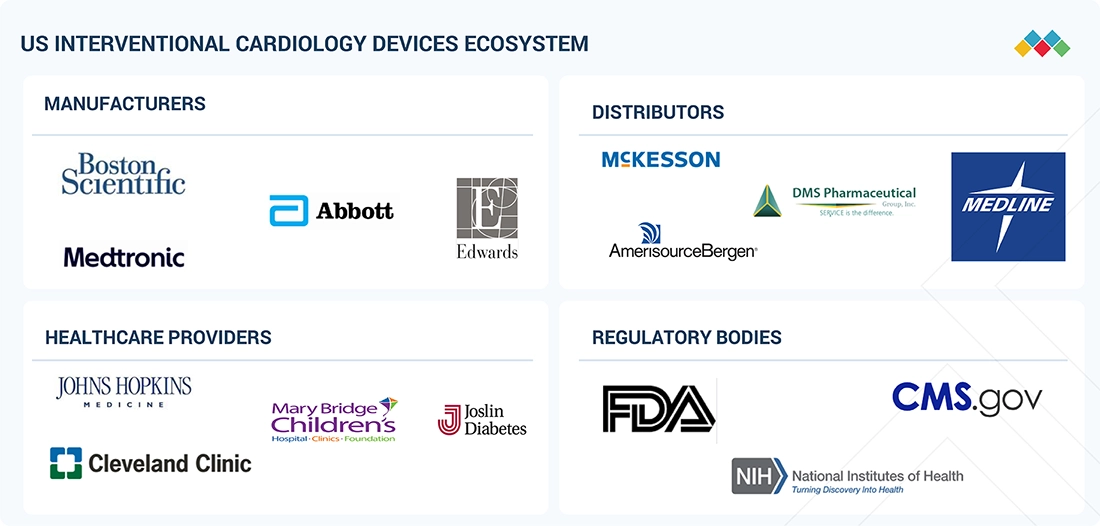
The US interventional cardiology devices market is set up through a very well-connected ecosystem comprising of device makers, medical practitioners, regulators, insurers, and clinical trial organizations that cooperate to provide the necessary support for high-volume catheter-based heart defect treatments. Companies such as Abbott, Boston Scientific, Medtronic, Edwards Lifesciences, and Terumo are the main players supplying stents, balloons, guidewires, imaging systems, and heart valve replacement devices, while contract manufacturers, raw-material suppliers, and sterilization and packaging vendors take care of the large-scale production process and the compliance with regulations. Hospitals, academic medical centers, and outpatient surgical centers are the primary end users and are assisted by interventional cardiologists and cath lab staff; their adoption is mainly determined by clinical evidence, training programs, and compatibility with current lab infrastructure. The regulatory supervision of the US FDA and the reimbursement policies of CMS and private payers are the main factors guiding product approvals, pricing, and adoption timelines; while professional organizations and clinical trial networks are the ones that support guideline development and evidence generation.
Logos and trademarks shown above are the property of their respective owners. Their use here is for informational and illustrative purposes only.
MARKET SEGMENTS
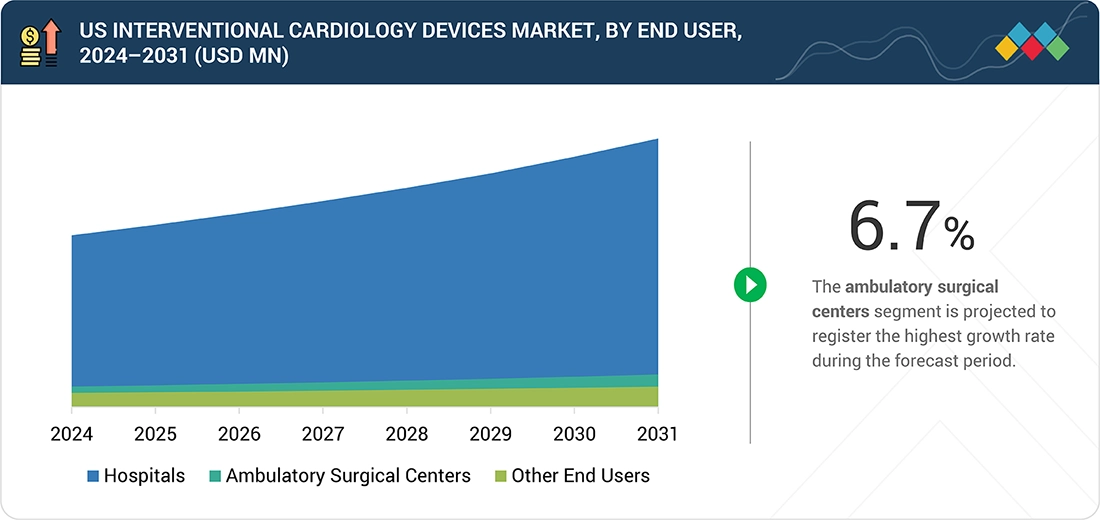
Source: Secondary Research, Interviews with Experts, MarketsandMarkets Analysis
By Angioplasty Stent
In 2025, the drug-eluting stents dominated the angioplasty stents market. The US interventional cardiology devices market has seen the increasing use of drug-eluting stents (DES), which is mainly due to the high and rising rates of coronary artery diseases and strong clinical preference for DES on account of their lower rates of restenosis and revascularization compared with bare-metal stents. Continuous technological innovations—thinner struts, better polymer coatings, and next-generation antiproliferative drugs—have made the procedure safer and yielded superior long-term results, encouraging the use of stents in complex and high-risk PCI cases. Furthermore, the combination of favorable reimbursement policies, strong clinical evidence from large US trials, and well-established cath lab infrastructure contribute to the rapid growth of DES usage in hospitals and outpatient cardiac facilities.
By Structural Heart Device
In 2025, the aortic heart valve device dominated the structural heart valve devices market. The expansion of aortic heart valve devices is the main factor driving the structural heart devices market. The increase in aortic stenosis cases, especially among the elderly, is pushing the usage of transcatheter aortic valve replacement (TAVR) as a standard minimally invasive procedure, thus giving open-heart surgery a lower ranking. The strong clinical trial results providing proof of improved survival rates, reduction of hospital stays, and quick recovery have been the reason for TAVR's acceptance among intermediate- and low-risk patient groups. There are still innovating and improving the devices, increasing the number of skilled doctors, having favorable reimbursement policies in the developed countries, and the patients' growing preference for the less invasive procedures which are all helping to speed up the market growth.
By Catheter
In 2025, the angiography catheters dominated the catheters market. The rising prevalence of cardiovascular diseases which is a major factor in the demand for diagnostic and interventional angiographic procedures, are the main drivers of the angiography catheters market's growth. The innovations in catheter design, materials, and coating technologies have resulted in better trackability, torque control, and safety for patients which in turn supports wider clinical adoption. Besides, the less invasive procedure's growing popularity, hospitals and cath labs increasing procedure volumes, and better access to modern imaging facility are some of the factors which are also contributing to the higher demand for angiography catheters.
By Angioplsty Balloon
In 2025, the old/normal balloons dominated the angioplasty balloons market. The growth of the traditional (plain old balloon) angioplasty balloons in the angioplasty balloons market is mainly attributed to their economic viability, universal applicability in clinics, and their continuous use in lesion preparation and post-dilatation procedures across routine PCI cases. These balloons are still the most attractive option in developing regions and other areas where price is a major factor, as well as in complex cases which require vessel sizing, stent optimization, or pre-stent dilatation. Moreover, their easy handling, compatibility with various guidewires and catheters, and a performance record that assures consistency create continued demand even though drug-coated and specialty balloons are becoming more available.
By Plaque Modification Device
In 2025, thrombectomy devices dominated the plaque modification devices market. The thrombectomy devices' rapid growth has been stimulated mainly by the increasing occurrence of acute coronary syndromes and thrombus-rich lesions, which are common especially among high-risk and complex PCI procedures. The rising acceptance of less invasive catheter-based treatments along with increasing awareness among doctors about the advantages of thrombus removal in terms of better distal flow and fewer complications during the procedure also support the demand. Moreover, the development of new technologies in aspiration and mechanical thrombectomy systems, their use in adjunctive PCI strategies has become more common and the continued high volume of procedures in established cath lab infrastructures are some of the factors that are pushing the consumption of thrombectomy devices.
By Hemodynamic Flow Alteration Devices
In 2025, embolic protection devices dominated the hemodynamic flow alteration devices market. The market has been growing due to embolic protection devices (EPDs) as the increasing number of complicated interventional treatments especially TAVR, carotid artery stenting, and high-risk PCI where the risk of distal embolization is high. The clinical efforts in stroke prevention and neuroprotection are getting stronger and wider adoption is being encouraged due to the supporting growing procedural evidence and guideline awareness. Moreover, filter and deflection technology breakthroughs have made it possible to channel the use of EPDs into more structural heart interventions such that sometimes even cardiac arrhythmia correction that is not part of the original procedure is done with EPDs. The steady hospital focus on improving the safety and outcome of procedures is also a fluctuating demand factor for embolic protection devices.
By Other Interventional Cardiology Device
In 2025, guidewires dominated the other interventional cardiology devices market. The market has seen the guidewires sector grow due to the volume of percutaneous coronary interventions remaining high and constant, the guidewires being necessary in almost all the procedures. Moreover, the treatment of complex and chronic total occlusion (CTO) lesions is on the rise, and greater acceptance of radial access methods are all together increasing the demand for sophisticated guidewires that have excellent torque control, flexibility, and support. Also, continuous product innovation, replacing single-use products frequently, strong cath lab infrastructure, and wider application in coronary and structural heart interventions are among the major reasons that have led to the market's growth.
By End User
In 2025, hospitals have dominated the US interventional cardiology devices market. Hospitals are the primary and major places of interventional cardiology devices market in the US. Their growth is due to the performance of cardiac interventions such as PCI and structural heart procedures that are high-volume and complex. One way to support this is through the increase in the prevalence of cardiovascular diseases, along with the use of advanced minimally invasive therapies like TAVR and complex coronary interventions, plus the presence of a well-established cath lab infrastructure and skillful interventional cardiologists that work in the hospitals. The hospitals have good reimbursement for inpatient cardiac procedures, access to advanced imaging and hybrid operating rooms, and participation in clinical trials and physician training programs which further accelerate market growth.
US INTERVENTIONAL CARDIOLOGY DEVICES MARKET: COMPANY EVALUATION MATRIX
A matrix of the US interventional cardiology devices market reveals that the major players include Boston Scientific, B. Braun SE, Abbott, Medtronic, Edwards Lifesciences, and Terumo. These companies have a substantial market share in coronary, peripheral, and structural heart interventions, which they share among themselves. Their leadership is complemented by incessant innovation done in the fields of drug-eluting stents, balloon and guidewire technologies, intravascular imaging, embolic protection, and transcatheter valve systems. The innovations are backed up by strong clinical trial pipelines as well as data from long-term outcomes. Additionally, large-scale manufacturing capacity, established compatibility with cath labs, and the provision of comprehensive physician training programs are all factors that make their positions in the market even stronger.
Source: Secondary Research, Interviews with Experts, MarketsandMarkets Analysis
KEY MARKET PLAYERS
- Boston Scientific Corporation (US)
- Medtronic (US)
- Abbott (US)
- Edwards Lifesciences Corporation (US)
- Terumo Corporation (US)
- Integer Holdings Corporation (US)
- Teleflex Incorporated (US)
- Penumbra, Inc. (US)
- Cook (US)
- Cordis (US)
- iVascular S.L.U (Spain)
- Biosensors International Group, Ltd (Singapore)
- Koninklijke Philips N.V. (Netherlands)
- InSitu Technologies, Inc. (US)
- Meril Life Sciences (India)
- B. Braun SE (Germany)
MARKET SCOPE
| REPORT METRIC | DETAILS |
|---|---|
| Market Size in 2025 (Value) | USD 12.09 Billion |
| Market Forecast in 2031 (Value) | USD 17.74 Billion |
| Growth Rate | CAGR of 6.7% from 2026–2031 |
| Years Considered | 2024–2031 |
| Base Year | 2025 |
| Forecast Period | 2026–2031 |
| Units Considered | Value (USD Million/Billion), Volume (Thousand/Million Units) |
| Report Coverage | Revenue forecast, company ranking, competitive landscape, growth factors, and trends |
| Segments Covered |
|
| Country Covered | US |
| Parent & Related Segment Reports | Interventional Cardiology Devices Market |
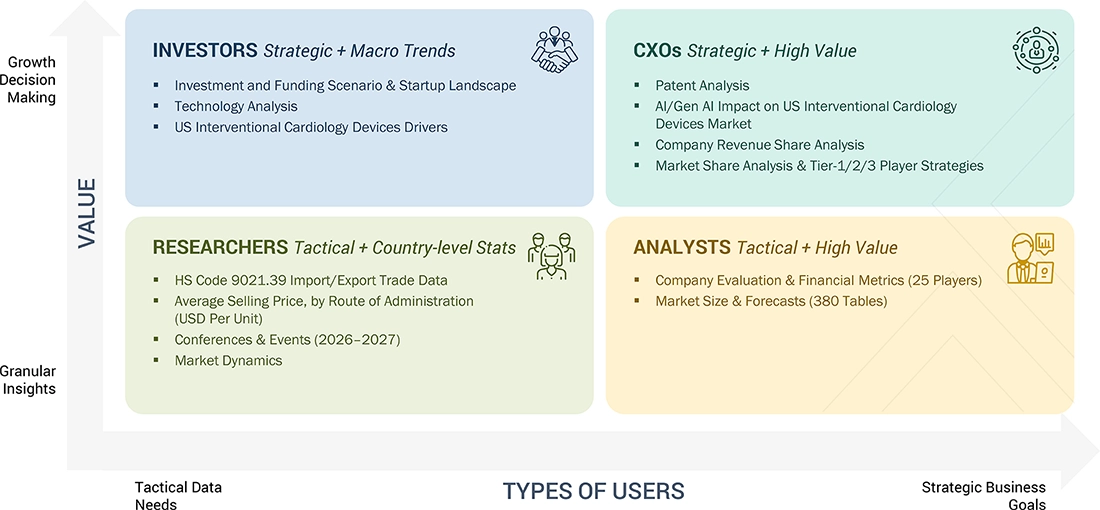
WHAT IS IN IT FOR YOU: US INTERVENTIONAL CARDIOLOGY DEVICES MARKET REPORT CONTENT GUIDE
DELIVERED CUSTOMIZATIONS
We have successfully delivered the following deep-dive customizations:
| CLIENT REQUEST | CUSTOMIZATION DELIVERED | VALUE ADDS |
|---|---|---|
| Product Analysis | A thorough comparison of major interventional cardiology device categories was completed in the US market where coronary stents (DES, BMS, and bioresorbable scaffolds), balloon catheters (PTCA, cutting, and drug-coated balloons), guidewires, atherectomy devices (rotational, orbital, and laser), intravascular imaging systems (IVUS, and OCT), hemodynamic support devices, and structural heart intervention tools were included. Technological improvements like, thinner strut DES, polymer-free and biodegradable coatings, next-generation drug-elution technologies, image-guided PCI, and AI-enabled cath lab integration were evaluated. In addition, the regulatory pathways (FDA PMA and 510(k)), reimbursement dynamics, clinical outcomes, safety profiles, and the differentiation strategies adopted by leading manufacturers were all analyzed in depth. | The approach allowed the customers to determine which interventional cardiology technologies were most effective clinically and, at the same time, were the most profitable ones commercially through the analysis of procedural outcomes, physician's preference, and patient risk profiles. Imaging-guided PCI, drug-coated balloons, and complex lesion management tools were the main topics in the decision-making process regarding the adoption of new technologies. Product development and portfolio expansion strategies were helped to be aligned with changing trends such as less invasive procedures, more complicated coronary interventions, and demand for better long-term restenosis reduction through alignment. |
| Company Information | Created detailed profiles of the leading players, among which are the US and global companies, that are active in the US market of interventional cardiology devices such as Abbott, Boston Scientific, Medtronic, Terumo, Philips, GE HealthCare, Edwards Lifesciences, and Johnson & Johnson (Cordis). Evaluated the product offerings of each company, their proprietary technologies, R&D pipelines, clinical trials, manufacturing presence, regulatory approvals, and alliances. Analyzed each company's competitive position in stents, atherectomy systems, and structural heart solutions, as well as the recent mergers and acquisitions and co-development partnerships that the industry has seen. | Gave a lucid perception of the competitive positioning, technological leadership, and ecosystem partnerships throughout the interventional cardiology domain. Helped customers in evaluating vendors and possible allies for stents, catheters, imaging systems, and combination technologies. Backed up strategic decisions regarding licensing, co-development, distribution partnerships, and acquisition targeting while making explicit the long-term growth strategies and the differentiation in the high-growth segments like complex PCI and structural heart interventions. |
| Geographic Analysis | US interventional cardiology devices market was analyzed by regional dynamics with a focus on high-procedure-volume states and hubs including California, Texas, New York, Florida, and Massachusetts. The study took into account various factors such as adoption trends in hospitals and ambulatory surgery centers (ASC), reimbursement differences, physician density, cath lab infrastructure, and the role of value-based care models. It also looked into the presence of regional centers of excellence, innovation clusters, and manufacturing or R&D footprints. Moreover, adaptability for region-specific or global comparisons across Europe, APAC, LATAM, and MEA was offered upon client request. | Strategic market planning was upgraded with the identification of high-growth areas, procedure hotspots, and reimbursement environments favorable to the US. Market entrance, the qualities of the sales team, the selection of clinical trial sites, and the alliances with the best hospitals were supported decisions. The clients were helped to take advantage of the trends that the outpatient PCI growth, ASC expansion, and increasing demand for advanced imaging and structural heart procedures brought about, thereby strengthening their capability to scale or expand not only in the US but also worldwide. |
RECENT DEVELOPMENTS
- July 2025 : Medtronic entered an exclusive US distribution agreement with Japan-based Future Medical Design Co., Ltd. (FMD) to sell specialty and workhorse peripheral guidewires. This agreement includes the first 400 cm, 0.018" peripheral guidewire available in the US, expanding the Medtronic portfolio for transradial access for the treatment of peripheral arterial disease (PAD).
- March 2024 : Boston Scientific Corporation announced it has received US Food and Drug Administration (FDA) approval for the AGENT Drug-Coated Balloon (DCB), which is indicated to treat coronary in-stent restenosis (ISR) in patients with coronary artery disease. ISR is the obstruction or narrowing of a stented vessel by plaque or scar tissue.
- April 2023 : Abbott completed the acquisition of Cardiovascular Systems, Inc. (CSI), a medical device company with an innovative atherectomy system used in treating peripheral and coronary artery disease.
Table of Contents
 Exclusive indicates content/data unique to MarketsandMarkets and not available with any competitors.
Methodology
This study involved four major activities to estimate the size of the US Interventional Cardiology Devices Market. Exhaustive secondary research was conducted to collect information on the market, peer market, and parent market. The next step was to validate these findings, assumptions, and sizing with industry experts across value chains through primary research. A bottom-up approach was employed to estimate the overall market size. After that, market breakdown and data triangulation were used to estimate the market size of segments and sub-segments.
Secondary Research
The secondary research process relied extensively on secondary sources, directories, databases (such as Bloomberg Businessweek, Factiva, and D&B Hoovers), white papers, annual reports, company house documents, investor presentations, and SEC filings of companies. Secondary research was used to identify and collect information useful for the extensive, technical, market-oriented, and commercial study of the US Interventional Cardiology Devices Market. It was also used to obtain important information about the key players, market classification, and segmentation according to industry trends down to the bottom-most level, and key developments related to market and technology perspectives. A database of the key industry leaders was also prepared using secondary research.
Primary Research
In the primary research process, interviews were conducted with sources from both the supply and demand sides to gather qualitative and quantitative information for this report. The primary sources from the supply side include industry experts such as CEOs, vice presidents, marketing and sales directors, technology & innovation directors, and other key executives from various companies and organizations operating in the US Interventional Cardiology Devices Market. The primary sources from the demand side included industry experts, purchasing & sales managers, doctors, and personnel from research organizations. Primary research was conducted to validate the market segmentation, identify key players, and gather insights into key industry trends and market dynamics.
Breakdown of Primary Interview
Market Size Estimation
The research methodology used to estimate the size of the US Interventional Cardiology Devices Market includes the following details.
The market sizing was undertaken globally.
Country-level Analysis: The size of the US Interventional Cardiology Devices Market was obtained from the annual presentations of leading players and secondary data available in the public domain. The share of products and services in the overall US Interventional Cardiology Devices Market was obtained from secondary data and validated by primary participants to arrive at the total US Interventional Cardiology Devices Market. Primary participants further validated the numbers.
Geographic market assessment (by region & country): The geographic assessment was done using the following approaches:
Approach 1: Geographic revenue contributions/splits of leading players in the market (wherever available) and respective growth trends
Approach 2: Geographic adoption trends for individual product segments by end user and growth prospects for each of the segments (assumptions and indicative estimates validated from primary interviews)
At each point, the assumptions and approaches were validated with industry experts contacted during primary research. Given the limitations of data available from secondary research, revenue estimates for individual companies (for the overall US Interventional Cardiology Devices Market and geographic market assessment) were derived from a detailed analysis of their respective product offerings, geographic reach/strength (direct or through distributors or suppliers), and the shares of leading players in a particular region or country.
Interventional Cardiology Devices Market : Top-Down and Bottom-Up Approach
Data Triangulation
After determining the overall market size—using the market size estimation processes explained above—the market was divided into several segments and subsegments. To complete the overall market engineering process and arrive at the exact statistics for each market segment and subsegment, data triangulation and market breakdown procedures were employed wherever applicable. The data was triangulated by analyzing various factors and trends from both the demand and supply sides.
Market Definition
The US Interventional Cardiology Devices Market comprises medical devices used in minimally invasive procedures to diagnose and treat cardiovascular conditions, particularly those involving the coronary arteries and heart valves. This market includes a range of devices such as stents, balloons, catheters, guidewires, and other adjunctive equipment essential for procedures like angioplasty, atherectomy, and transcatheter valve replacements.
Key Stakeholders
- Manufacturers of interventional cardiology devices
- Interventional cardiology device distributors
- Healthcare service providers
- Various research associations related to interventional cardiology devices
- Research institutes
- Venture capitalists and investors
- Various research and consulting companies
- World Health Organization (WHO)
- Organization for Economic Co-operation and Development (OECD)
- National Institutes of Health (NIH)
- Centers for Disease Control and Prevention (CDC)
- Annual Reports/SEC Filings, Investor Presentations, and Press Releases of Key Players
- White Papers, Journals/Magazines, and News Articles
- Paid Databases, such as Factiva, D&B Hoovers, and Bloomberg Business
Report Objectives
- To define, describe, segment, and forecast the US Interventional Cardiology Devices Market by angioplasty stents, structural heart devices, catheters, angioplasty balloons, plaque modification devices, hemodynamic flow alteration devices, other devices & end user, and region
- To provide detailed information about the factors influencing the market growth (such as drivers, restraints, opportunities, and challenges)To analyze micromarkets with respect to individual growth trends, prospects, and contributions to the overall US Interventional Cardiology Devices Market
- To analyze market opportunities for stakeholders and provide details of the competitive landscape for key players
- To forecast the size of the US Interventional Cardiology Devices Market in five main regions (along with their respective key countries), namely, North America, Europe, the Asia Pacific, Latin America, and the Middle East & Africa
- To profile the key players in the US Interventional Cardiology Devices Market and comprehensively analyze their core competencies and market shares
- To track and analyze competitive developments such as acquisitions, product launches, expansions, collaborations, agreements, partnerships, and R&D activities of the leading players in the US Interventional Cardiology Devices Market
- To benchmark players within the US Interventional Cardiology Devices Market using the competitive leadership mapping framework, which analyzes market players on various parameters within the broad categories of business strategy, market share, and product offering
Available customizations:
Based on the given market data, MarketsandMarkets offers customizations tailored to the company’s specific needs. The following customization options are available for the report:
Regional Analysis
- Further breakdown of the US Interventional Cardiology Devices Market into Thailand, Indonesia, Philippines, Vietnam, Hong Kong, and other countries


Personalize This Research
- Triangulate with your Own Data
- Get Data as per your Format and Definition
- Gain a Deeper Dive on a Specific Application, Geography, Customer or Competitor
- Any level of Personalization
Let Us Help You
- What are the Known and Unknown Adjacencies Impacting the US Interventional Cardiology Devices Market
- What will your New Revenue Sources be?
- Who will be your Top Customer; what will make them switch?
- Defend your Market Share or Win Competitors
- Get a Scorecard for Target Partners

Custom Market Research Services
We Will Customise The Research For You, In Case The Report Listed Above Does Not Meet With Your Requirements
Get 10% Free CustomisationTESTIMONIALS

JAYANT RAJPUROHIT
Director of Market Insights, Data and Analytics
SFI Health,
Leading Pharmaceutical Companywww.sfihealth.com/
We at SFI Health approached MarketsandMarkets for an Opportunity Assessment on "Incidence and Prevalence of Focus Indications" as we wanted to know the most attractive HCPs like Physician, Functional MD, Naturopath and Pharmacist. The project was critical for us to ensure our focus on the right target which would enable sustainable growth and profitability for SFI Health. The business insights provided exceeded our expectations and we were extremely impressed. The team at MarketsandMarkets is highly professional and detail oriented and very well understood our business needs. MarketsandMarkets offers a unique combination of expertise and dedicated engagement model. We identified 2 new products to be launched in coming months, based on the research findings provided by MarketsandMarkets. We are happy with the services and would strongly recommend MarketsandMarkets to my peers in the industry.

BEATRIZ DE LA CALLE
Head of Commercial Analytics
Qualicaps,
Leading Pharmaceutical Companywww.qualicaps.com/

We partnered with MarketsandMarkets for an assessment study on hard empty capsules. The team was extremely professional in understanding our business requirements and we received timely responses to all our queries. The market intelligence and the recommendations has met our business requirements. We were extremely impressed to see the final study results; it really exceeded our expectations. The market intelligence offered by MarketsandMarkets, and clarity on next steps will help us achieve our business objective for the Year 2021. We are happy with the services and would strongly recommend MarketsandMarkets to my peers in the industry.

Bob Williams,
Senior Director Business Development & Innovation
Bracco Diagnostics Inc.,
Italian Multinational in life sciences sector and a World Leader in imaging diagnosticsimaging.bracco.com/us-en
We were pleased with targeted insights that MarketsandMarkets identified from a custom study on the 'Radiation Dose Management Solutions Market'. Your team identified and characterized the market participants as well as underlying trends accurately. This study was useful to Bracco in formulating business strategies for our dose monitoring product lines and we thank MarketsandMarkets for the job well done.
Cody Coonradt,
Market Development and Strategy Manager
3M Health Information Systems,
Leader in Health care Coding, Payment & Analytics Solutions.www.3m.com/3M/en_US/health-information-systems-us
The value for our organization comes from three things: depth of research, specificity of segments and being easy to work with. As important as the first two are, the third can't be underestimated. MarketsandMarkets, maybe more than any other research vendor, wants to know what is top of mind for our team and what big questions we are grappling to answer.
Their customer first approach and high value engagement model, have given us great analysis and excellent value for money






Growth opportunities and latent adjacency in US Interventional Cardiology Devices Market