
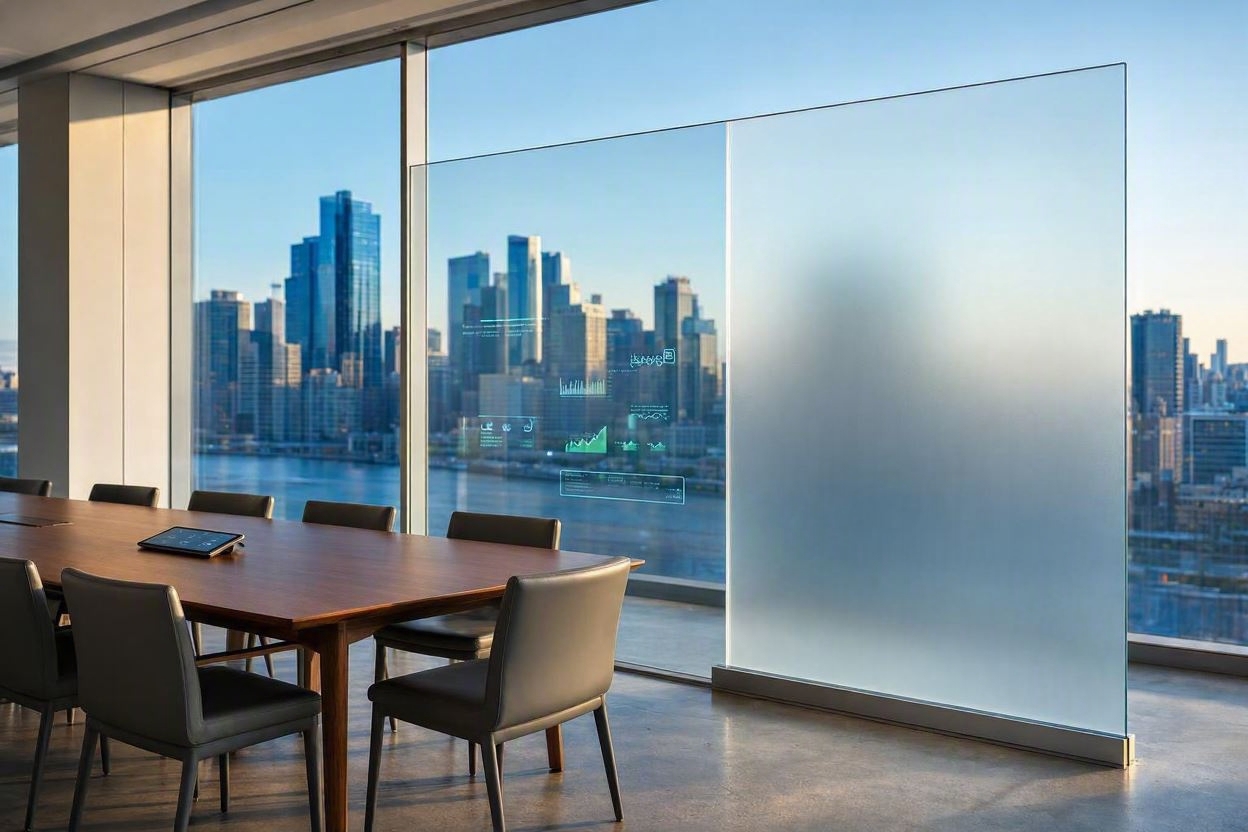
Market for Smart Glass in Commercial and Residential Buildings
The market for smart glass in commercial and residential buildings is experiencing unprecedented growth, driven by the global push for sustainability, energy efficiency, and innovative architectural design. Smart glass, also known as switchable or dynamic glass, is a revolutionary technology that allows users to control light, heat, and privacy through properties that change in response to external stimuli like electricity, heat, or light. This transformative material is reshaping how architects, builders, and homeowners approach building design, offering a blend of functionality, aesthetics, and environmental benefits. As the demand for energy-efficient and visually appealing building solutions rises, the market for smart glass in commercial and residential buildings is poised to become a cornerstone of modern construction.
Smart glass technologies, such as electrochromic, thermochromic, and suspended particle device (SPD) glass, have opened new possibilities for enhancing building performance. From reducing energy consumption to providing instant privacy, smart glass addresses key challenges in both commercial and residential settings. This article delves into the dynamics of the market for smart glass in commercial and residential buildings, exploring its drivers, applications, challenges, and future potential.
Understanding Smart Glass: Technology and Functionality in Modern Architecture
Smart glass is a cutting-edge material that can alter its optical properties, such as transparency, opacity, or tint, in response to external triggers. This functionality makes it a game-changer in the market for smart glass in commercial and residential buildings. The primary types of smart glass include:
- Electrochromic Glass: Changes tint when an electric current is applied, allowing control over light and heat transmission.
- Thermochromic Glass: Adjusts opacity based on temperature changes, ideal for regulating heat gain.
- Suspended Particle Device (SPD) Glass: Uses suspended particles to control light transmission, offering instant privacy.
- Photochromic Glass: Responds to light intensity, automatically darkening in bright conditions.
These technologies enable smart glass to serve multiple purposes, from energy conservation to aesthetic enhancement. In commercial buildings, smart glass is used in office partitions, windows, and skylights to optimize natural light while reducing cooling costs. In residential settings, it enhances privacy in bathrooms and bedrooms without sacrificing natural light. The versatility of smart glass makes it a preferred choice for architects and developers aiming to meet modern building standards like LEED certification. By addressing both functional and aesthetic needs, the market for smart glass in commercial and residential buildings is gaining traction across diverse applications.
Key Drivers Fueling Growth in the Market for Smart Glass in Commercial and Residential Buildings
Several factors are propelling the market for smart glass in commercial and residential buildings forward. The global emphasis on sustainability and energy efficiency is a primary driver, as smart glass significantly reduces energy consumption by controlling heat and light transmission. Government regulations and incentives, such as tax breaks and subsidies for energy-efficient construction, further boost adoption. For instance, programs promoting green building standards like LEED and net-zero buildings encourage developers to integrate smart glass into their projects.
Another key driver is the increasing focus on aesthetics and design flexibility. Smart glass allows architects to create dynamic, modern designs that enhance the visual appeal of buildings. Its ability to switch from transparent to opaque on demand provides privacy without compromising natural light, making it ideal for conference rooms, bathrooms, and residential spaces. Additionally, technological advancements are making smart glass more affordable and durable, expanding its accessibility to a broader market. As urbanization and disposable incomes rise, particularly in emerging markets like Asia-Pacific and the Middle East, the demand for innovative building materials like smart glass continues to grow, further fueling the market for smart glass in commercial and residential buildings.
Applications of Smart Glass in Commercial Buildings: Transforming Workspaces
The market for smart glass in commercial and residential buildings is particularly robust in commercial applications, where functionality and aesthetics are paramount. Smart glass is transforming office spaces, retail environments, and healthcare facilities by offering innovative solutions for privacy, energy efficiency, and design. Some key applications include:
- Office Partitions and Conference Rooms: Smart glass, particularly PDLC (Polymer Dispersed Liquid Crystal) glass, allows office partitions to switch from transparent to opaque, providing privacy for meetings while maintaining an open, light-filled atmosphere. This enhances productivity and optimizes floor plans.
- Windows and Skylights: Electrochromic smart glass in windows and skylights reduces glare and heat gain, lowering cooling costs and improving occupant comfort. This is especially valuable in high-rise office buildings where energy efficiency is critical.
- Retail and Hospitality: Smart glass is used in storefronts and hotel rooms to create dynamic, eye-catching designs that attract customers while offering privacy on demand.
- Healthcare Facilities: In hospitals, smart glass replaces traditional curtains in patient rooms and ICUs, improving hygiene by eliminating germ-harboring fabrics and providing instant privacy.
These applications highlight the versatility of smart glass in addressing the unique needs of commercial environments. By reducing energy costs and enhancing occupant well-being, smart glass is becoming a staple in modern commercial architecture, driving growth in the market for smart glass in commercial and residential buildings.
Download PDF Brochure @ https://www.marketsandmarkets.com/pdfdownloadNew.asp?id=907
Residential Applications: Enhancing Comfort and Style in Homes
In the residential sector, the market for smart glass in commercial and residential buildings is gaining momentum as homeowners seek innovative solutions for privacy, energy efficiency, and aesthetics. Smart glass is being integrated into homes in various ways, offering both practical and luxurious benefits. Key residential applications include:
- Privacy Windows: Smart glass in bathrooms, bedrooms, and living areas provides on-demand privacy without the need for blinds or curtains, maintaining natural light and a sleek, modern look.
- Skylights and Sunroofs: Smart glass skylights control light and heat, reducing cooling costs in summer and allowing sunlight in winter, enhancing energy efficiency.
- Home Automation Integration: Smart glass can be connected to IoT systems, allowing homeowners to control transparency via smartphone apps or voice assistants, aligning with the growing trend of smart homes.
- Security and UV Protection: Smart glass blocks harmful UV rays, protecting interiors from fading while adding a layer of security by obscuring views from outside.
The aesthetic appeal of smart glass, combined with its ability to reduce energy costs and enhance comfort, makes it an attractive option for high-end residential projects. As consumer awareness of energy-efficient and sustainable home features grows, the market for smart glass in commercial and residential buildings is expanding in the residential sector.
Market Size and Growth Projections for Smart Glass in Commercial and Residential Buildings
The market for smart glass in commercial and residential buildings is experiencing robust growth, driven by increasing demand for energy-efficient and sustainable building materials. The global smart glass market size is projected to reach USD 10.42 billion by 2030 from USD 6.42 billion in 2025, growing at a CAGR of 10.2%. This growth is attributed to rising environmental concerns, technological advancements, and the increasing adoption of smart glass in both commercial and residential construction.
Regionally, North America and Europe dominate the market due to stringent energy regulations and high adoption rates in commercial and automotive sectors. However, the Asia-Pacific region is emerging as a significant growth area, driven by rapid urbanization, rising disposable incomes, and investments in smart city projects. Countries like China and India are seeing increased demand for smart glass in luxury developments and infrastructure projects. The market for smart glass in commercial and residential buildings is also benefiting from advancements in production techniques, which are reducing costs and making smart glass more accessible to a wider range of consumers.
Challenges Facing the Market for Smart Glass in Commercial and Residential Buildings
Despite its promising growth, the market for smart glass in commercial and residential buildings faces several challenges. The high initial cost of smart glass compared to traditional glazing materials is a significant barrier, particularly in cost-sensitive markets. While long-term energy savings offset the upfront investment, some developers and homeowners remain hesitant due to budget constraints. Additionally, limited awareness of smart glass technology among builders and consumers in certain regions hinders widespread adoption.
Another challenge is the integration of smart glass into existing building systems, which often requires additional investment in infrastructure and technical expertise. Demonstrating the long-term durability and performance of smart glass is also critical to gaining trust among stakeholders. Despite these challenges, ongoing advancements in manufacturing and increasing government incentives are helping to address these barriers, paving the way for broader acceptance of smart glass in the market for smart glass in commercial and residential buildings.
Technological Advancements Shaping the Future of Smart Glass
Technological innovation is a key driver of growth in the market for smart glass in commercial and residential buildings. Recent advancements in electrochromic, thermochromic, and SPD glass have improved functionality, durability, and affordability. For example, electrochromic glass is now being integrated into solar power systems and energy-efficient buildings to optimize light transmission and reduce energy consumption. Self-cleaning and biometric features are also emerging, adding new dimensions to smart glass applications.
The integration of smart glass with IoT and smart home systems is another significant trend. Homeowners and building managers can now control smart glass via smartphone apps or voice assistants, enhancing user experience and convenience. Additionally, advancements in production techniques are reducing costs, making smart glass a more viable option for mainstream construction projects. These innovations are expanding the potential applications of smart glass, positioning the market for smart glass in commercial and residential buildings for sustained growth.
Regional Insights: Global Adoption of Smart Glass in Commercial and Residential Buildings
The market for smart glass in commercial and residential buildings varies significantly by region, influenced by economic, regulatory, and cultural factors. North America leads due to stringent energy efficiency standards and widespread adoption in commercial buildings. Europe follows closely, driven by sustainability initiatives and urban redevelopment projects. The Asia-Pacific region is witnessing rapid growth, fueled by urbanization and investments in smart city infrastructure, particularly in China and India.
In the Middle East, the demand for smart glass is rising in luxury developments and large-scale infrastructure projects. Latin America is also seeing increased adoption in commercial real estate, driven by a focus on energy efficiency. These regional trends highlight the global appeal of smart glass, with each market contributing to the overall growth of the market for smart glass in commercial and residential buildings.
Future Outlook: Opportunities and Trends in the Market for Smart Glass in Commercial and Residential Buildings
The future of the market for smart glass in commercial and residential buildings is bright, with several trends shaping its trajectory. The growing emphasis on sustainability and green building practices will continue to drive demand, as smart glass aligns with global efforts to reduce carbon footprints. Advancements in IoT integration and smart home technologies will further enhance the appeal of smart glass in residential settings. Additionally, the increasing affordability of smart glass due to economies of scale and technological improvements will make it accessible to a broader market.
Emerging markets in Asia-Pacific, Latin America, and the Middle East present significant growth opportunities, driven by rapid urbanization and infrastructure development. The integration of smart glass into renewable energy systems, such as solar power plants, will also create new avenues for growth. As consumer awareness and regulatory support continue to rise, the market for smart glass in commercial and residential buildings is expected to see exponential growth, transforming the way we design and interact with our built environments.
The Bright Future of the Market for Smart Glass in Commercial and Residential Buildings
The market for smart glass in commercial and residential buildings is on a remarkable growth trajectory, driven by the convergence of sustainability, technology, and design innovation. As buildings become smarter and more energy-efficient, smart glass is emerging as a critical component in modern architecture. From reducing energy costs to enhancing privacy and aesthetics, smart glass offers unparalleled benefits for both commercial and residential applications. With ongoing advancements in technology, increasing affordability, and supportive government policies, the market for smart glass in commercial and residential buildings is set to transform the construction industry, creating dynamic, sustainable, and visually stunning spaces for the future.
Explore In-Depth Semiconductor & Electronics Market Research – https://www.marketsandmarkets.com/semiconductorand-electonics-market-research-87.html
FAQs
What is smart glass, and how does it work?
Smart glass is a technology that allows glass to change its properties, such as transparency or tint, in response to external stimuli like light, heat, or electricity. It uses technologies like electrochromic, thermochromic, or SPD glass to control light and heat transmission, enhancing energy efficiency and privacy.
What are the main applications of smart glass in commercial buildings?
Smart glass is used in commercial buildings for office partitions, windows, skylights, and storefronts. It provides privacy on demand, reduces energy costs, and enhances occupant comfort by controlling light and heat.
How does smart glass benefit residential buildings?
In residential settings, smart glass is used in privacy windows, skylights, and sunroofs. It improves energy efficiency, blocks UV rays, and integrates with smart home systems for enhanced convenience and aesthetics.
What is driving the growth of the market for smart glass in commercial and residential buildings?
Key drivers include the global focus on energy efficiency, government incentives for sustainable construction, technological advancements, and increasing demand for aesthetic and functional building materials.
What are the challenges facing the smart glass market?
Challenges include high initial costs, limited awareness in some regions, and the need for additional investment to integrate smart glass into existing building systems.
See The Latest Semiconductor Reports:
Data Center Interconnect Market Size, Share & Trends : https://www.marketsandmarkets.com/Market-Reports/data-center-interconnect-market-40733195.html
Machine Control System Market Size, Share & Trends
: https://www.marketsandmarkets.com/Market-Reports/machine-control-system-market-62579001.html
Hydrogen Detection Market Size, Share & Trends : https://www.marketsandmarkets.com/Market-Reports/hydrogen-detection-market-52631881.html
Environmental Remediation Market Size, Share & Trends : https://www.marketsandmarkets.com/Market-Reports/environmental-remediation-market-93290334.html
Control Valve Market Size, Share & Trends : https://www.marketsandmarkets.com/Market-Reports/control-valves-market-111759647.html
80% of the Forbes Global 2000 B2B companies rely on MarketsandMarkets to identify growth opportunities in emerging technologies and use cases that will have a positive revenue impact.
- Food Packaging Market Size Set for Strong Growth Through 2030 Amid Rising Demand for Convenience Foods
- Crop Protection Chemical Market Size, Share & Growth Forecast (2025–2030)
- Mulch Films Market: Driving Sustainable Agriculture Through Innovation
- Agricultural Adjuvants Market Analysis, Trends, and Growth Outlook (2026–2031)
- Japan Enterprise Asset Management Market Growth: AI and Smart Infrastructure Drive Demand


