Synchronous Condenser Market by Cooling Type (Hydrogen-cooled, Air-Cooled, Water-Cooled), Type (New & Refurbished), Starting Method (Static Frequency Converter, Pony Motor), End User, Reactive Power Rating, and Region - Global Forecast to 2030

icon1
USD 0.84 BN
MARKET SIZE, 2030
icon2
CAGR 3.3%
(2025-2030)
icon3
300
REPORT PAGES
icon4
150
MARKET TABLES

OVERVIEW

synchronous-condenser-market Overview

Source: Secondary Research, Interviews with Experts, MarketsandMarkets Analysis

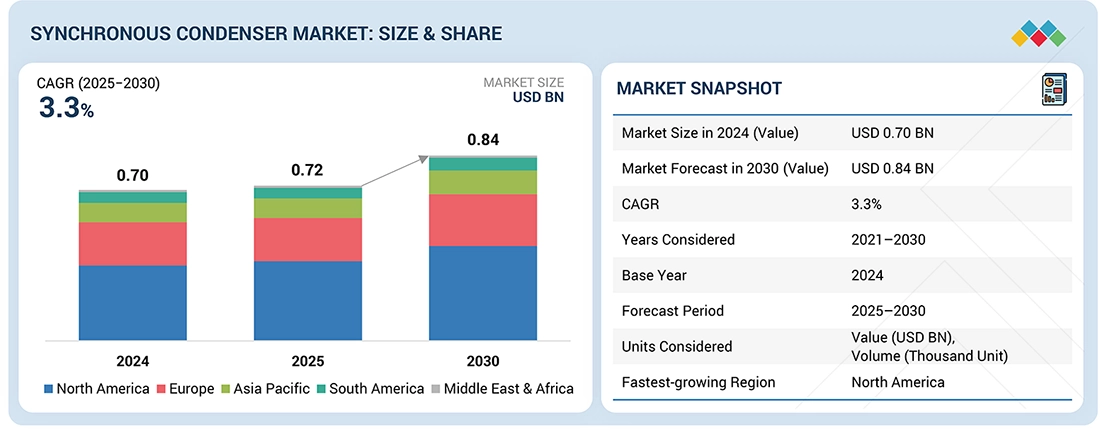
The synchronous condenser market is projected to reach USD 0.84 billion by 2030, up from USD 0.72 billion in 2025, at a CAGR of 3.3% during the forecast period. The synchronous condenser market is growing due to increased investments in power infrastructure for enhancing grid reliability.

KEY TAKEAWAYS

  • BY REGION
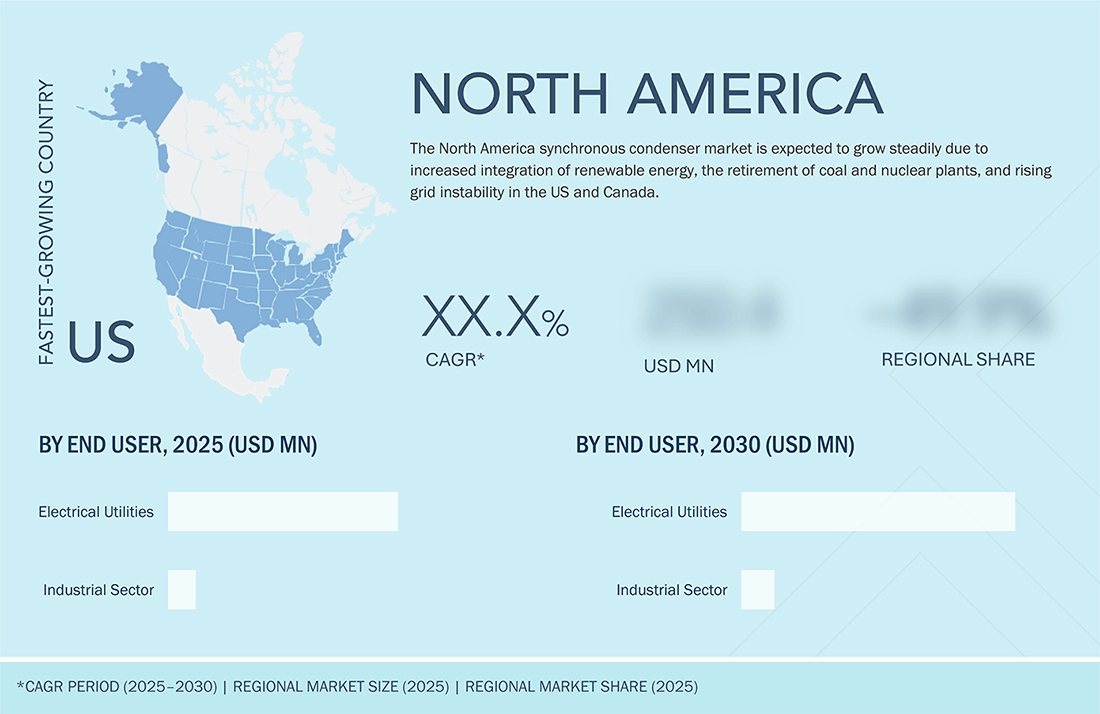
    North America accounts for the largest market share of 50.8% in 2025.
  • BY TYPE
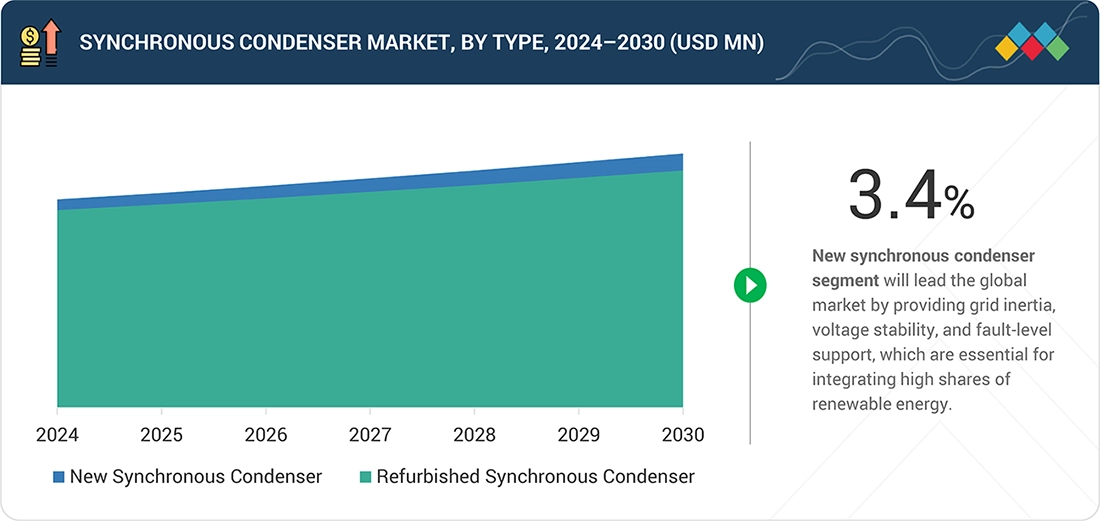
    By type, the new synchronous condenser segment is projected to grow at the fastest rate from 2025 to 2030.
  • BY Cooling Type
    By cooling type, the hydrogen cooled segment is estimated to register the highest CAGR of 3.4% from 2025 to 2030.
  • BY Starting Method
    By starting method, static frequency converters segment is expected to dominate the market.
  • BY POWER RATING
    By power rating, the above 200 MVAr segment is estimated to register the highest CAGR of 3.4% from 2025 to 2030.
  • BY END USER
    By end user, the electrical utilities segment is estimated to register the highest CAGR of 3.4% from 2025 to 2030.
  • COMPETITIVE LANDSCAPE
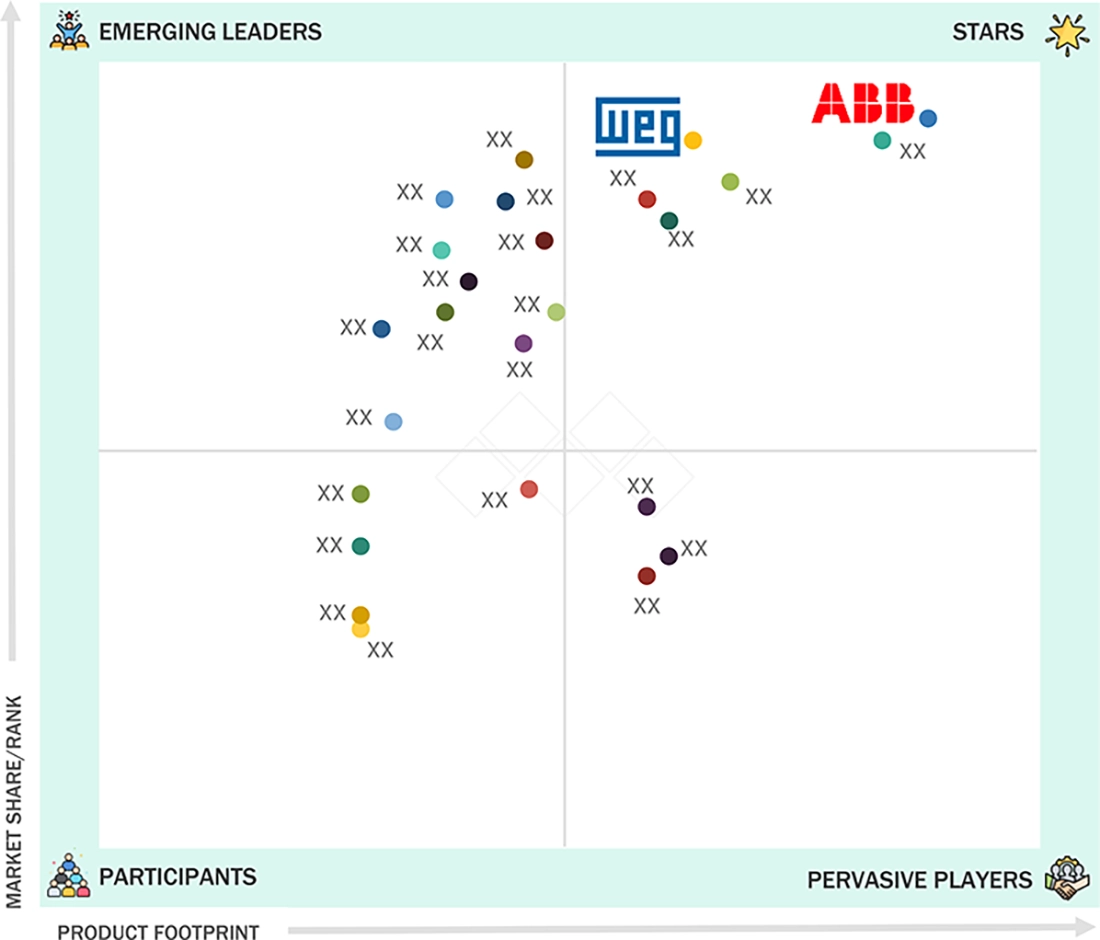
    Companies such as Siemens Energy (Germany), Eaton (Ireland), WEG (Brazil), GE Vernova (US), and ABB (Switzerland) were identified as some of the star players in the synchronous condenser market.

The increasing demand for grid stability, voltage regulation, and inertia support, driven by the growing penetration of renewable energy, is driving the adoption of synchronous condensers in both transmission and distribution networks. These systems assist utilities in managing voltage fluctuations, enhancing short-circuit strength, and maintaining grid reliability as conventional thermal power plants are phased out. However, there are significant challenges to widespread deployment, including high capital costs, lengthy installation timelines, and ongoing maintenance requirements, as well as space and foundation constraints. Additionally, the availability of skilled engineers for commissioning, tuning, and long-term operation is limited in many regions. At the same time, government-led grid modernization programs, renewable integration mandates, and investments in transmission infrastructure are creating substantial growth opportunities, particularly in areas with high wind and solar energy penetration. Nevertheless, utilities and system operators face the ongoing challenge of managing lifecycle costs while ensuring seamless integration with advanced grid automation and protection systems.

TRENDS & DISRUPTIONS IMPACTING CUSTOMERS' CUSTOMERS

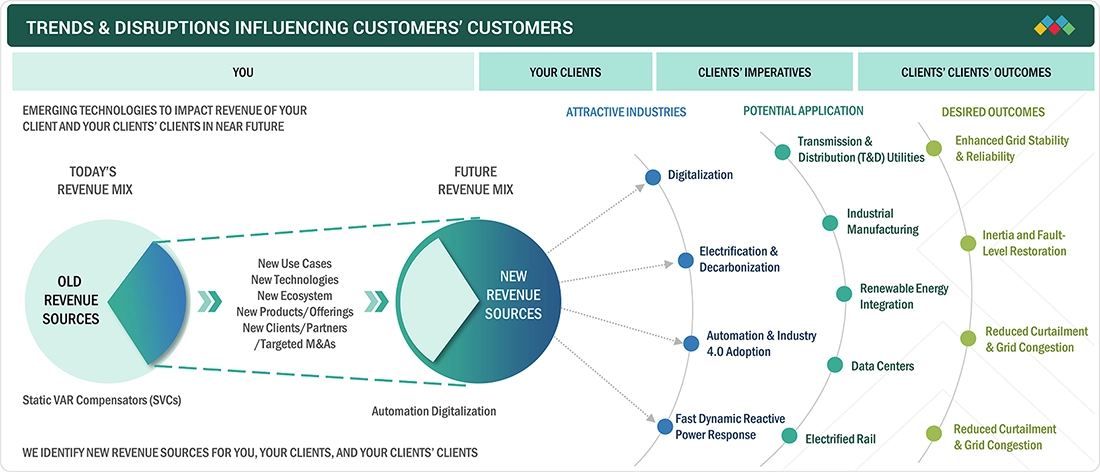
The synchronous condenser market is poised for steady growth in the coming years, driven by the accelerating integration of renewable energy, grid modernization initiatives, and the retirement of conventional synchronous generation assets. Advanced synchronous condensers equipped with digital monitoring, real-time diagnostics, and predictive maintenance capabilities are enhancing grid stability, voltage control, and system resilience, supporting the transition toward smarter and more flexible power networks. Utilities, transmission system operators, and large renewable project developers benefit from improved power quality, higher grid reliability, and compliance with evolving grid codes. As grids become more decentralized and inverter-dominated, synchronous condensers play a critical role in providing inertia, fault-current support, and reactive-power support, thereby reducing outage risks and operational disruptions. By adopting these solutions, utilities can strengthen grid performance, enable higher renewable penetration, and unlock long-term value in an increasingly complex and dynamic energy landscape.

synchronous-condenser-market Disruptions

Source: Secondary Research, Interviews with Experts, MarketsandMarkets Analysis

MARKET DYNAMICS

Drivers
Impact
Level
  • Rapid expansion of renewable energy and grid-scale capacity additions
  • Increasing emphasis on modernization aging grid infrastructure
RESTRAINTS
Impact
Level
  • Lack of skilled workforce for installation of synchronous condensers
OPPORTUNITIES
Impact
Level
  • Conversion of synchronous generators into synchronous condensers
  • Rising adoption of high-voltage direct current systems
CHALLENGES
Impact
Level
  • Availability of low-cost substitutes

Source: Secondary Research, Interviews with Experts, MarketsandMarkets Analysis

Driver: Rapid expansion of renewable energy and grid-scale capacity additions

The global power sector is rapidly transitioning to renewable energy, driven by decarbonization, energy security, and ongoing investments. In 2024, renewable power capacity rose by about 585 GW, constituting over 90% of new power generation and pushing total installed capacity beyond 4.4 TW, predominantly from solar PV and wind. China accounted for nearly two-thirds of this growth, followed by the EU, the US, and India. This swift expansion affects grid behavior, as conventional thermal plants provide stability through inertia and voltage control that inverter-based renewable sources lack. The retirement of fossil fuel plants reduces grid inertia and heightens voltage instability, especially during periods of high renewable output. To address these issues, grid operators are increasingly utilizing synchronous condensers that enhance voltage regulation, restore inertia, and improve short-circuit strength. Demand for synchronous condensers is growing in North America and Europe as utilities modernize their infrastructure, while Asia Pacific markets deploy them to support large-scale renewable integration. Many utilities are also repurposing decommissioned synchronous generators into condensers, enabling them to meet grid stability and decarbonization goals. Hence, the shift toward renewable energy, alongside the decline of conventional generation, is driving growth in the synchronous condenser market, essential for maintaining grid stability and operational reliability in low-carbon power systems.

Restraint: Lack of skilled workforce for installation of synchronous condensers

The deployment of synchronous condensers is constrained by their high capital intensity, engineering complexity, and long project lead times, particularly when compared with power-electronics-based alternatives. Manufacturing synchronous condensers requires large quantities of copper, steel, and precision rotating components, resulting in elevated upfront costs, especially for high-MVAr ratings needed in transmission-level applications. In addition, installation often involves extensive civil works, foundation design, auxiliary systems, and grid-specific stability studies, which increase project timelines and execution risk. In many markets, utilities must also undertake detailed electromagnetic transient (EMT) and system-strength studies to ensure stable operation alongside inverter-based renewable generation. These technical requirements raise development costs and slow decision-making, particularly in regions with evolving grid codes and limited experience with synchronous condenser deployment. Operational considerations, such as continuous losses, periodic maintenance, and the need for skilled personnel, further increase lifecycle costs, reducing the attractiveness of smaller utilities and cost-sensitive projects. Overall, while synchronous condensers play a critical role in supporting voltage stability, inertia, and fault strength in renewable-heavy grids, their high cost structure, complex integration requirements, and extended commissioning cycles act as key restraints on faster market penetration. As a result, adoption is often limited to system-critical locations, with some grid operators favoring faster-to-deploy and lower-capex solutions such as STATCOMs or hybrid compensation schemes where full synchronous inertia is not mandatory.

Opportunity: Conversion of synchronous generators into synchronous condensers

The global shift towards low-carbon power systems is leading to the retirement of aging coal, oil, and nuclear plants, creating opportunities to convert synchronous generators into synchronous condensers. As utilities in North America, Europe, and parts of Asia decommission conventional generation assets due to stricter regulations and the rise of renewable energy, they face challenges maintaining grid stability from the loss of key functions such as inertia and reactive power. Converting retired generators into synchronous condensers is a cost-effective solution, as it allows utilities to reuse existing infrastructure and restore voltage support without the long permitting processes and high costs of new installations. These conversions can enhance reactive power capability by 30–40% compared to generator operations. Economically, these conversions are more attractive than new installations, costing USD 3–6 million per unit, compared with the higher costs of new projects. This, along with shorter execution timelines, makes them especially valuable in regions with urgent stability needs due to high renewable energy integration. Europe, North America, and parts of the Asia Pacific are leading the way in adopting this approach to support decarbonization targets and maintain grid reliability.

Challenge: Availability of low-cost substitutes

Synchronous condensers are specialized rotating machines that provide dynamic reactive power compensation by generating or absorbing VARs (Volt-Ampere Reactive), improving power factors, regulating voltage levels, and enhancing grid stability, particularly in modern power networks with high renewable energy sources. They offer advantages like mechanical inertia that resists frequency changes, significant short-circuit current contribution for fault ride-through, and reliable performance under low-voltage conditions. Additionally, they absorb harmonics and enable fast dynamic responses through advanced excitation systems, making them valuable in weak grids or areas prone to islanding. However, synchronous condensers face challenges that limit their adoption. High capital costs—often millions of dollars per unit—along with significant maintenance requirements for mechanical components, result in higher operational expenses. They also exhibit higher electrical losses than static alternatives, leading to slower response times and mechanical wear. Cheaper substitutes like shunt reactors, capacitor banks, Static VAR Compensators (SVCs), and Static Synchronous Compensators (STATCOMs) offer similar functions at lower costs and with less maintenance. While synchronous condensers are essential in specific high-inertia-demand scenarios during the renewable energy transition, their higher costs and operational drawbacks limit their competitiveness against more economical electronic-based solutions.

SYNCHRONOUS CONDENSER MARKET: COMMERCIAL USE CASES ACROSS INDUSTRIES

COMPANY USE CASE DESCRIPTION BENEFITS
SP Energy Networks has deployed synchronous condensers across its transmission network to address declining system inertia and fault levels caused by the rapid growth of wind and solar generation, particularly in Scotland | These assets are integrated with advanced digital monitoring and grid analytics to provide dynamic voltage control, reactive power support, and short-circuit strength in weak grid conditions Improved grid stability and voltage regulation in renewable-dominated regions | Restored system inertia lost due to the retirement of conventional thermal plants | Enabled higher renewable penetration while maintaining compliance with UK grid code requirements
FirstEnergy utilities are evaluating and deploying synchronous condensers to strengthen transmission networks affected by coal and nuclear plant retirements | The condensers support voltage stability, dynamic reactive power compensation, and short-circuit capacity in areas with high renewable integration and long transmission distances Improved grid stability and voltage regulation in renewable-dominated regions | Restored system inertia lost due to the retirement of conventional thermal plants | Enabled higher renewable penetration while maintaining compliance with UK grid code requirements
NTPC is deploying synchronous condensers at strategic substations to support India’s rapidly expanding renewable energy capacity, particularly solar and wind. These systems provide inertia, voltage control, and grid-strengthening services, especially in regions transitioning away from conventional generation Improved grid stability and fault-ride-through capability in renewable-heavy corridors | Enabled smoother integration of large-scale solar and wind projects | Reduced curtailment risk and supported India’s national decarbonization and energy transition goals

Logos and trademarks shown above are the property of their respective owners. Their use here is for informational and illustrative purposes only.

MARKET ECOSYSTEM

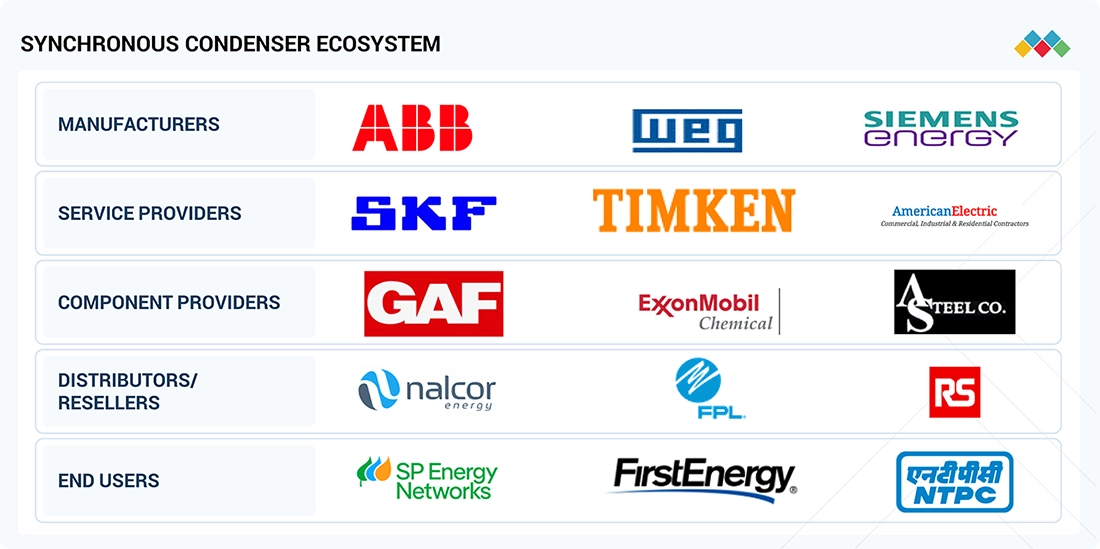
The market ecosystem comprises several key players: raw material suppliers, manufacturers, distributors, end users, regulatory bodies, and standards organizations. The primary end users in this market include transmission and distribution (T&D) companies, electrical utilities, and the industrial sector. This list is not exhaustive but highlights the main participants involved in the market.

synchronous-condenser-market Ecosystem

Logos and trademarks shown above are the property of their respective owners. Their use here is for informational and illustrative purposes only.

MARKET SEGMENTS

synchronous-condenser-market Segments

Source: Secondary Research, Interviews with Experts, MarketsandMarkets Analysis

Synchronous Condenser Market, by Cooling Technology

Hydrogen-cooled synchronous condensers hold the largest share due to their superior thermal conductivity, which enables higher efficiency, compact design, and reliable operation at high power ratings. These systems are widely deployed in large transmission networks and renewable-heavy grids where continuous operation, high reactive power support, and improved machine lifetime are critical.

Synchronous Condenser Market, by Type

The new synchronous condenser segment accounts for the largest share, driven by large-scale grid expansion, renewable energy integration, and the retirement of conventional thermal power plants. Utilities prefer new installations over refurbished units due to higher efficiency, compliance with modern grid codes, advanced digital controls, and longer operational lifecycles.

Synchronous Condenser Market, by Starting Method

The static frequency converter (SFC) segment dominates the market as it offers smooth, reliable, and low-stress starting without requiring auxiliary motors. SFCs enable precise speed control, faster synchronization, reduced mechanical wear, and seamless integration with modern grid automation systems.

Synchronous Condenser Market, by Reactive Power Rating

Synchronous condensers with reactive power ratings above 200 MVAr represent the largest segment, reflecting growing demand for strong voltage regulation, fault-level support, and grid inertia in high-capacity transmission networks. These high-rating units are critical for stabilizing grids with large wind and solar penetration.

Synchronous Condenser Market, by End User

Electrical utilities account for the highest share of synchronous condenser deployment, as they require robust solutions for voltage stability, power-quality management, and compliance with evolving grid codes. Utilities increasingly invest in synchronous condensers to strengthen transmission infrastructure, support renewable integration, and ensure long-term grid reliability.

REGION

North America to be largest region in synchronous condenser market during forecast period

The North America synchronous condenser market is projected to grow steadily, driven by accelerating renewable energy integration, coal and nuclear plant retirements, and increasing grid instability across the US and Canada.

synchronous-condenser-market Region

SYNCHRONOUS CONDENSER MARKET: COMPANY EVALUATION MATRIX

ABB is recognized as a leader in the synchronous condenser market, holding a prominent position in both market share and product range. The company sets itself apart with its extensive portfolio and strong presence across various industries, including utilities. WEG is also a key player in this market, known for its cost-effective solutions, adaptability, and commitment to efficiency in promoting sustainability goals.

synchronous-condenser-market Evaluation Metrics

Source: Secondary Research, Interviews with Experts, MarketsandMarkets Analysis

KEY MARKET PLAYERS

MARKET SCOPE

REPORT METRIC DETAILS
Market Size in 2024 (Value) USD 0.70 BN
Market Forecast in 2030 (Value) USD 0.84 BN
Growth Rate 3.30%
Years Considered 2021–2030
Base Year 2024
Forecast Period 2025–2030
Units Considered Value (USD Million/Billion), Volume (Thousand Unit)
Report Coverage Revenue Forecast, Company Ranking, Competitive Landscape, Growth Factors, and Trends
Segments Covered Cooling Type (Hydrogen-Cooled, Air-Cooled, Water-Cooled), Type (New & Refurbished), Starting Method (Static Frequency Converter, Pony Motor), End User, Reactive Power Rating
Regions Covered Asia Pacific, North America, South America, Middle East & Africa, Europe

WHAT IS IN IT FOR YOU: SYNCHRONOUS CONDENSER MARKET REPORT CONTENT GUIDE

synchronous-condenser-market Content Guide

DELIVERED CUSTOMIZATIONS

We have successfully delivered the following deep-dive customizations:

CLIENT REQUEST CUSTOMIZATION DELIVERED VALUE ADDS
Client requirement for MEA region-specific report Market sizing for Middle East & African countries Detailed country-level demand assessment, regulatory landscape mapping, grid modernization outlook, and application analysis of synchronous condensers across key infrastructure and renewable projects
Client requirement for Europe-specific report Market sizing for Europe countries In-depth country benchmarking, renewable integration impact analysis, policy and subsidy evaluation, and deployment potential of synchronous condensers across transmission networks
Client requirement for Asia Pacific region-specific report Market sizing for Asia Pacific countries Country-wise market attractiveness analysis, investment and grid expansion insights, competitive landscape overview, and application scope of synchronous condensers in high-growth economies

RECENT DEVELOPMENTS

  • November 2025 : ABB partnered with VoltaGrid to deliver 27 synchronous condensers with integrated flywheel and prefabricated eHouse units for stable power supply supporting growing data center demand.
  • November 2025 : GE Vernova Inc. (NYSE: GEV) has signed a contract with Transgrid for the supply of synchronous condensers, highly-sought-after equipment that will assist in stabilizing the New South Wales (NSW) grid as it transitions from coal to renewables.
  • May 2025 : ACEREZ, a partnership of ACCIONA, COBRA, and Endeavour Energy, has awarded Siemens Energy a contract to deploy seven synchronous condensers, marking a key milestone in strengthening grid stability across the region.
  • March 2024 : ABB is continuing its collaboration with SEV, the main electrical power producer and distributor for the Faroe Islands, to deliver innovative Synchronous Condenser (SC) technology to stabilize the power grid as fossil-fueled plant is phased out in favor of renewable generation.

Table of Contents

Exclusive indicates content/data unique to MarketsandMarkets and not available with any competitors.

TITLE
PAGE NO
1
INTRODUCTION


24
2
EXECUTIVE SUMMARY


28
3
PREMIUM INSIGHTS


33
4
MARKET OVERVIEW
Renewable energy surge and grid modernization drive synchronous condenser market growth despite high costs.


38
 
4.1
INTRODUCTION


4.2
MARKET DYNAMICS


4.2.1
DRIVERS


4.2.1.1
RAPID EXPANSION OF RENEWABLE ENERGY AND GRID-SCALE CAPACITY ADDITIONS


4.2.1.2
RISING EMPHASIS ON MODERNIZING AGING GRID INFRASTRUCTURE


4.2.2
RESTRAINTS


4.2.2.1
HIGH CAPITAL COSTS AND COMPLEX DEPLOYMENT REQUIREMENTS


4.2.3
OPPORTUNITIES


4.2.3.1
CONVERSION OF SYNCHRONOUS GENERATORS INTO SYNCHRONOUS CONDENSERS


4.2.3.2
RISING ADOPTION OF HIGH-VOLTAGE DIRECT CURRENT (HVDC) SYSTEMS


4.2.4
CHALLENGES


4.2.4.1
AVAILABILITY OF LOW-COST SUBSTITUTES


4.3
UNMET NEEDS AND WHITE SPACES


4.3.1
UNMET NEEDS IN SYNCHRONOUS CONDENSER MARKET


4.3.2
WHITE SPACE OPPORTUNITIES


4.4
INTERCONNECTED MARKETS AND CROSS-SECTOR OPPORTUNITIES


4.4.1
INTERCONNECTED MARKETS


4.4.2
CROSS-SECTOR OPPORTUNITIES


4.5
STRATEGIC MOVES BY TIER-1/2/3 PLAYERS


4.5.1
KEY MOVES AND STRATEGIC FOCUS


5
INDUSTRY TRENDS
Uncover competitive dynamics and economic drivers shaping the global synchronous condenser market.


47
 
5.1
PORTER’S FIVE FORCES ANALYSIS


5.1.1
BARGAINING POWER OF SUPPLIERS


5.1.2
BARGAINING POWER OF BUYERS


5.1.3
THREAT OF NEW ENTRANTS


5.1.4
THREAT OF SUBSTITUTES


5.1.5
INTENSITY OF COMPETITIVE RIVALRY


5.2
MACROECONOMIC OUTLOOK


5.2.1
INTRODUCTION


5.2.2
GDP TRENDS AND FORECAST


5.2.3
INFLATION


5.2.4
MANUFACTURING VALUE ADDED (% OF GDP)


5.2.5
TRENDS IN GLOBAL ELECTRICAL INDUSTRY


5.2.6
TRENDS IN GLOBAL AUTOMOTIVE INDUSTRY


5.3
VALUE CHAIN ANALYSIS


5.3.1
COST ANALYSIS FOR SYNCHRONOUS CONDENSER (HYDROGEN, AIR, AND WATER COOLED)


5.3.2
ANALYSIS ON ADDITIONAL EQUIPMENT REQUIRED FOR SYNCHRONOUS CONDENSER


5.4
ECOSYSTEM ANALYSIS


5.5
PRICING ANALYSIS


5.5.1
INDICATIVE SELLING PRICE TREND, BY REACTIVE POWER RATING, 2024


5.5.2
AVERAGE SELLING PRICE TREND, BY REGION, 2022–2024


5.6
TRADE ANALYSIS


5.6.1
EXPORT SCENARIO (HS CODE 8501)


5.6.2
IMPORT SCENARIO (HS CODE 8501)


5.7
KEY CONFERENCES AND EVENTS, 2025–2026


5.8
TRENDS/DISRUPTIONS IMPACTING CUSTOMER BUSINESS


5.9
INVESTMENT AND FUNDING SCENARIO


5.10
CASE STUDY ANALYSIS


5.10.1
CASE STUDY 1: USE OF GE’S SYNCHRONOUS CONDENSERS IN NORTHWEST VERMONT RELIABILITY PROJECT


5.10.2
CASE STUDY 2: REFURBISHMENT OF SYNCHRONOUS GENERATORS TO SYNCHRONOUS CONDENSERS


5.11
IMPACT OF 2025 US TARIFFS—SYNCHRONOUS CONDENSER MARKET


5.11.1
INTRODUCTION


5.11.2
KEY TARIFF RATES


5.11.3
PRICE IMPACT ANALYSIS


5.11.4
IMPACT ON COUNTRIES/REGIONS


5.11.4.1
US


5.11.4.2
EUROPE


5.11.4.3
ASIA PACIFIC


5.11.5
IMPACT ON END-USE INDUSTRIES


6
TECHNOLOGICAL ADVANCEMENTS, AI-DRIVEN IMPACT, PATENTS, INNOVATIONS, AND FUTURE APPLICATIONS
AI-driven innovations redefine energy storage and market dynamics in synchronous condenser technology.


70
 
6.1
KEY EMERGING TECHNOLOGIES


6.1.1
HYBRID SYNCHRONOUS CONDENSER WITH FLYWHEEL ENERGY STORAGE


6.2
ADJACENT TECHNOLOGIES


6.2.1
STATCOM (STATIC SYNCHRONOUS COMPENSATOR)


6.2.2
GRID-SCALE BATTERY ENERGY STORAGE SYSTEMS (BESS)


6.3
TECHNOLOGY ROADMAP


6.4
PATENT ANALYSIS


6.5
FUTURE APPLICATIONS


6.6
IMPACT OF AI/GEN AI ON SYNCHRONOUS CONDENSER MARKET


6.6.1
BEST TOP USE CASES AND MARKET POTENTIAL


6.6.2
BEST PRACTICES FOLLOWED BY MANUFACTURERS


6.6.3
CASE STUDIES OF AI IMPLEMENTATION


6.6.4
INTERCONNECTED ADJACENT ECOSYSTEMS AND IMPACT ON MARKET PLAYERS


6.6.5
CLIENTS’ READINESS TO ADOPT GENERATIVE AI


7
SUSTAINABILITY AND REGULATORY LANDSCAPE
Navigate complex regulations to align sustainability with global industry standards and compliance.


77
 
7.1
REGIONAL REGULATIONS AND COMPLIANCE


7.1.1
REGULATORY BODIES, GOVERNMENT AGENCIES, AND OTHER ORGANIZATIONS


7.1.2
INDUSTRY STANDARDS


7.1.2.1
CODES AND REGULATIONS RELATED TO SYNCHRONOUS CONDENSERS


7.2
SUSTAINABILITY INITIATIVES


7.2.1
INTRODUCTION


7.2.2
SUSTAINABILITY INITIATIVES


7.2.3
IMPACT OF REGULATORY POLICIES ON SUSTAINABILITY INITIATIVES


8
CUSTOMER LANDSCAPE & BUYER BEHAVIOR
Unlock competitive advantage by understanding key buying criteria and decision influencers in energy solutions.


84
 
8.1
INTRODUCTION


8.2
DECISION-MAKING PROCESS (SYNCHRONOUS CONDENSER VS STATCOM)


8.3
BUYER STAKEHOLDERS AND BUYING EVALUATION CRITERIA


8.3.1
KEY STAKEHOLDERS IN BUYING PROCESS


8.3.2
BUYING CRITERIA


8.4
ADOPTION BARRIERS & INTERNAL CHALLENGES


8.5
UNMET NEEDS OF VARIOUS END-USE INDUSTRIES


8.6
MARKET OPPORTUNITIES


9
SYNCHRONOUS CONDENSER MARKET, BY TYPE
Market Size & Growth Rate Forecast Analysis to 2030 in USD Million | 6 Data Tables


89
 
9.1
INTRODUCTION


9.2
NEW SYNCHRONOUS CONDENSERS


9.2.1
RISING EXPANSION OF HVDC NETWORKS TO INCREASE INSTALLATION OF NEW SYNCHRONOUS CONDENSERS


9.3
REFURBISHED SYNCHRONOUS CONDENSERS


9.3.1
LOW COST OF REFURBISHED CONDENSERS TO FUEL DEMAND


10
SYNCHRONOUS CONDENSER MARKET, BY REACTIVE POWER RATING
Market Size & Growth Rate Forecast Analysis to 2030 in USD Million | 8 Data Tables


94
 
10.1
INTRODUCTION


10.2
UP TO 100 MVAR


10.2.1
RISING USE OF LOCALIZED GRID STABILIZATION AND POWER QUALITY IMPROVEMENT TO FUEL MARKET GROWTH


10.3
101–200 MVAR


10.3.1
INCREASING REQUIREMENT FOR FLEXIBLE, HIGH-PERFORMANCE VOLTAGE SUPPORT SOLUTIONS TO FUEL MARKET GROWTH


10.4
ABOVE 200 MVAR


10.4.1
HIGH-CAPACITY GRID REINFORCEMENT DRIVING DEMAND FOR ABOVE 200 MVAR SYNCHRONOUS CONDENSERS


11
SYNCHRONOUS CONDENSER MARKET, BY COOLING TECHNOLOGY
Market Size & Growth Rate Forecast Analysis to 2030 in USD Million | 8 Data Tables


100
 
11.1
INTRODUCTION


11.2
HYDROGEN-COOLED SYNCHRONOUS CONDENSERS


11.2.1
RISING GRID STABILITY REQUIREMENTS TO FUEL MARKET GROWTH


11.3
AIR-COOLED SYNCHRONOUS CONDENSERS


11.3.1
EXCELLENT COOLING EFFICACY TO PROPEL DEMAND


11.4
WATER-COOLED SYNCHRONOUS CONDENSERS


11.4.1
HIGHER EFFICIENCY THAN HYDROGEN-COOLED CONDENSERS TO FUEL DEMAND


12
SYNCHRONOUS CONDENSER MARKET, BY STARTING METHOD
Market Size & Growth Rate Forecast Analysis to 2030 in USD Million | 8 Data Tables


106
 
12.1
INTRODUCTION


12.2
STATIC FREQUENCY CONVERTER


12.2.1
LOW INSTALLATION COST OF STATIC FREQUENCY CONVERTER TO FUEL DEMAND


12.3
PONY MOTOR


12.3.1
LOW COST AND ABILITY TO START LOW-CAPACITY SYNCHRONOUS CONDENSERS TO FUEL DEMAND GROWTH


12.4
OTHER STARTING METHODS


13
SYNCHRONOUS CONDENSER MARKET, BY END USER
Market Size & Growth Rate Forecast Analysis to 2030 in USD Million | 6 Data Tables


112
 
13.1
INTRODUCTION


13.2
ELECTRICAL UTILITIES


13.2.1
RISING NEED TO MAINTAIN GRID STABILITY AMID RISING PENETRATION OF INVERTER-BASED RENEWABLE ENERGY SOURCES TO FUEL THE MARKET


13.3
INDUSTRIAL SECTOR


13.3.1
GOVERNMENT EXPANSION OF ENERGY-INTENSIVE OPERATIONS TO BOOST MARKET GROWTH


14
SYNCHRONOUS CONDENSER MARKET, BY REGION
Comprehensive coverage of 7 Regions with country-level deep-dive of 9 Countries | 92 Data Tables.


117
 
14.1
INTRODUCTION


14.2
NORTH AMERICA


14.2.1
US


14.2.1.1
TRANSITION TOWARD INVERTER-DOMINATED POWER SYSTEMS TO BOOST DEMAND


14.2.2
CANADA


14.2.2.1
HYDRO-DOMINATED AND RENEWABLE-HEAVY NETWORKS DRIVE LONG-TERM ADOPTION


14.3
EUROPE


14.3.1
DENMARK


14.3.1.1
GOVERNMENT-LED INITIATIVES AND WORLD-LEADING WIND INTEGRATION TO FUEL DEMAND FOR SYNCHRONOUS CONDENSERS


14.3.2
ITALY


14.3.2.1
TERNA’S ADVANCED SYNCHRONOUS CONDENSER FLEET AND SOUTHERN GRID REINFORCEMENT STRATEGY FUELING MARKET GROWTH


14.3.3
GERMANY


14.3.3.1
ENERGIEWENDE ACCELERATION, MASSIVE SOLAR/WIND EXPANSION, AND TSO INERTIA PROCUREMENT BOOSTING MARKET GROWTH


14.3.4
NORWAY


14.3.4.1
HYDROPOWER-RICH BACKBONE COMBINED WITH GROWING OFFSHORE WIND REQUIRING ENHANCED GRID INERTIA SOLUTIONS


14.3.5
REST OF EUROPE


14.4
ASIA PACIFIC


14.4.1
CHINA


14.4.1.1
RISING ADVANCED GRID MODERNIZATION PROGRAMS TO FUEL MARKET GROWTH


14.4.2
AUSTRALIA


14.4.2.1
RISE OF DOMESTIC MINERAL PROCESSING AND BATTERY-MATERIAL REFINING TO FUEL MARKET GROWTH


14.4.3
REST OF ASIA PACIFIC


14.5
SOUTH AMERICA


14.5.1
BRAZIL


14.5.1.1
EXPANDING HYDROPOWER, WIND, AND SOLAR PROJECTS TO OFFER GROWTH OPPORTUNITIES


14.5.2
REST OF SOUTH AMERICA


14.6
MIDDLE EAST & AFRICA


14.6.1
KENYA


14.6.1.1
HIGH RENEWABLE PENETRATION AND KETRACO’S TRANSMISSION UPGRADES DRIVING DEMAND FOR SYNCHRONOUS CONDENSERS


14.6.2
REST OF MIDDLE EAST & AFRICA


15
COMPETITIVE LANDSCAPE
Uncover top strategies and market shares defining competitive dominance in synchronous condenser industry.


156
 
15.1
OVERVIEW


15.2
KEY PLAYER STRATEGIES/RIGHT TO WIN, 2021–2026


15.3
MARKET SHARE ANALYSIS, 2024


15.4
REVENUE ANALYSIS, 2020–2024


15.5
PRODUCT COMPARISON


15.6
COMPANY EVALUATION MATRIX: KEY PLAYERS, 2024


15.6.1
STARS


15.6.2
EMERGING LEADERS


15.6.3
PERVASIVE PLAYERS


15.6.4
PARTICIPANTS


15.6.5
COMPANY FOOTPRINT: KEY PLAYERS, 2024


15.6.5.1
COMPANY FOOTPRINT


15.6.5.2
REGION FOOTPRINT


15.6.5.3
END-USER FOOTPRINT


15.6.5.4
COOLING TECHNOLOGY FOOTPRINT


15.6.5.5
REACTIVE POWER RATING FOOTPRINT


15.7
COMPANY VALUATION AND FINANCIAL METRICS


15.8
COMPETITIVE SCENARIO


15.8.1
DEALS


15.8.2
EXPANSIONS


15.8.3
OTHER DEVELOPMENTS


16
COMPANY PROFILES
In-depth Company Profiles of Leading Market Players with detailed Business Overview, Product and Service Portfolio, Recent Developments, and Unique Analyst Perspective (MnM View)


173
 
16.1
KEY PLAYERS


16.1.1
ABB


16.1.1.1
BUSINESS OVERVIEW


16.1.1.2
PRODUCTS/SOLUTIONS/SERVICES OFFERED


16.1.1.3
RECENT DEVELOPMENTS


16.1.1.3.1
DEALS


16.1.1.3.2
OTHER DEVELOPMENTS


16.1.1.4
MNM VIEW


16.1.1.4.1
KEY STRENGTHS/RIGHT TO WIN


16.1.1.4.2
STRATEGIC CHOICES


16.1.1.4.3
WEAKNESSES/COMPETITIVE THREATS


16.1.2
SIEMENS ENERGY


16.1.3
GE VERNOVA


16.1.4
WEG


16.1.5
EATON


16.1.6
ANDRITZ


16.1.7
ANSALDO ENERGIA


16.1.8
VOITH GMBH & CO. KGAA


16.1.9
MITSUBISHI ELECTRIC POWER PRODUCTS, INC.


16.1.10
BHARAT HEAVY ELECTRICALS LIMITED


16.1.11
DOOSAN ŠKODA POWER


16.1.12
SHANGHAI ELECTRIC


16.1.13
BAKER HUGHES COMPANY


16.1.14
HITACHI ENERGY LTD


16.1.15
WOLONG ELECTRIC GROUP


16.2
OTHER PLAYERS


16.2.1
INGETEAM


16.2.2
ANHUI ZHONGDIAN ELECTRIC CO., LTD.


16.2.3
IDEAL ELECTRIC POWER CO.


16.2.4
POWER SYSTEMS & CONTROLS, INC.


16.2.5
ELECTROMECHANICAL ENGINEERING ASSOCIATES, INC.


17
RESEARCH METHODOLOGY


218
 
17.1
RESEARCH DATA


17.2
SECONDARY AND PRIMARY RESEARCH


17.2.1
SECONDARY DATA


17.2.1.1
LIST OF KEY SECONDARY SOURCES


17.2.1.2
KEY DATA FROM SECONDARY SOURCES


17.2.2
PRIMARY DATA


17.2.2.1
LIST OF PRIMARY INTERVIEW PARTICIPANTS


17.2.2.2
KEY INDUSTRY INSIGHTS


17.2.2.3
BREAKDOWN OF PRIMARIES


17.2.2.4
KEY DATA FROM PRIMARY SOURCES


17.3
MARKET SIZE ESTIMATION METHODOLOGY


17.3.1
BOTTOM-UP APPROACH


17.3.2
TOP-DOWN APPROACH


17.3.3
DEMAND-SIDE ANALYSIS


17.3.3.1
DEMAND-SIDE ASSUMPTIONS


17.3.3.2
DEMAND-SIDE CALCULATIONS


17.3.4
SUPPLY-SIDE ANALYSIS


17.3.4.1
SUPPLY-SIDE ASSUMPTIONS


17.3.4.2
SUPPLY-SIDE CALCULATIONS


17.4
FORECAST


17.5
MARKET BREAKDOWN AND DATA TRIANGULATION


17.6
RESEARCH LIMITATIONS


17.7
RISK ANALYSIS


18
APPENDIX


230
 
18.1
DISCUSSION GUIDE


18.2
KNOWLEDGESTORE: MARKETSANDMARKETS’ SUBSCRIPTION PORTAL


18.3
CUSTOMIZATION OPTIONS


18.4
RELATED REPORTS


18.5
AUTHOR DETAILS


LIST OF TABLES


TABLE 1
SYNCHRONOUS CONDENSER MARKET: INCLUSIONS AND EXCLUSIONS


TABLE 2
COMPARISON BETWEEN SYNCHRONOUS CONDENSER AND ITS SUBSTITUTES


TABLE 3
PORTER’S FIVE FORCES ANALYSIS


TABLE 4
WORLDWIDE GDP GROWTH PROJECTION, 2021–2028 (USD TRILLION)


TABLE 5
INFLATION RATE, AVERAGE CONSUMER PRICES, ANNUAL PERCENT CHANGE (2024%)


TABLE 6
MANUFACTURING, VALUE ADDED (% OF GDP), BY COUNTRY, 2023


TABLE 7
COST ANALYSIS FOR COOLING TECHNOLOGY


TABLE 8
ROLE OF COMPANIES IN SYNCHRONOUS CONDENSER ECOSYSTEM


TABLE 9
INDICATIVE SELLING PRICE TREND OF SYNCHRONOUS CONDENSERS, BY REACTIVE POWER RATING, 2024 (USD MILLION)


TABLE 10
AVERAGE SELLING PRICE TREND OF SYNCHRONOUS CONDENSERS, BY REGION, 2022–2024 (USD/KVAR)


TABLE 11
EXPORT DATA FOR HS CODE 8501-COMPLIANT PRODUCTS, BY COUNTRY, 2021–2024 (USD THOUSAND)


TABLE 12
IMPORT DATA FOR HS CODE 8501-COMPLIANT PRODUCTS, BY COUNTRY, 2021–2024 (USD THOUSAND)


TABLE 13
KEY CONFERENCES AND EVENTS, 2025–2026


TABLE 14
US-ADJUSTED RECIPROCAL TARIFF RATES, 2024 (USD BILLION)


TABLE 15
LIST OF KEY PATENTS RELATED TO SYNCHRONOUS CONDENSER TECHNOLOGY, 2020–2025


TABLE 16
NORTH AMERICA: LIST OF REGULATORY BODIES, GOVERNMENT AGENCIES, AND OTHER ORGANIZATIONS


TABLE 17
EUROPE: LIST OF REGULATORY BODIES, GOVERNMENT AGENCIES, AND OTHER ORGANIZATIONS


TABLE 18
ASIA PACIFIC: LIST OF REGULATORY BODIES, GOVERNMENT AGENCIES, AND OTHER ORGANIZATIONS


TABLE 19
REST OF THE WORLD: LIST OF REGULATORY BODIES, GOVERNMENT AGENCIES, AND OTHER ORGANIZATIONS


TABLE 20
GLOBAL: LIST OF REGULATORY BODIES, GOVERNMENT AGENCIES, AND OTHER ORGANIZATIONS


TABLE 21
SYNCHRONOUS CONDENSER MARKET: CODES AND REGULATIONS


TABLE 22
TECHNICAL COMPARISON: SYNCHRONOUS CONDENSER VS. STATCOM


TABLE 23
INFLUENCE OF STAKEHOLDERS ON BUYING PROCESS FOR END USERS


TABLE 24
KEY BUYING CRITERIA FOR TOP END USERS


TABLE 25
SYNCHRONOUS CONDENSER MARKET, BY TYPE, 2021–2024 (USD MILLION)


TABLE 26
SYNCHRONOUS CONDENSER MARKET, BY TYPE, 2025–2030 (USD MILLION)


TABLE 27
NEW SYNCHRONOUS CONDENSER MARKET, BY REGION, 2021–2024 (USD MILLION)


TABLE 28
NEW SYNCHRONOUS CONDENSER MARKET, BY REGION, 2025–2030 (USD MILLION)


TABLE 29
REFURBISHED SYNCHRONOUS CONDENSER MARKET, BY REGION, 2021–2024 (USD MILLION)


TABLE 30
REFURBISHED SYNCHRONOUS CONDENSER MARKET, BY REGION, 2025–2030 (USD MILLION)


TABLE 31
SYNCHRONOUS CONDENSER MARKET, BY REACTIVE POWER RATING, 2021–2024 (USD MILLION)


TABLE 32
SYNCHRONOUS CONDENSER MARKET, BY REACTIVE POWER RATING, 2025–2030 (USD MILLION)


TABLE 33
UP TO 100 MVAR: SYNCHRONOUS CONDENSER MARKET, BY REGION, 2021–2024 (USD MILLION)


TABLE 34
UP TO 100 MVAR: SYNCHRONOUS CONDENSER MARKET, BY REGION, 2025–2030 (USD MILLION)


TABLE 35
101–200 MVAR: SYNCHRONOUS CONDENSER MARKET, BY REGION, 2021–2024 (USD MILLION)


TABLE 36
101–200 MVAR: SYNCHRONOUS CONDENSER MARKET, BY REGION, 2025–2030 (USD MILLION)


TABLE 37
ABOVE 200 MVAR: SYNCHRONOUS CONDENSER MARKET, BY REGION, 2021–2024 (USD MILLION)


TABLE 38
ABOVE 200 MVAR: SYNCHRONOUS CONDENSER MARKET, BY REGION, 2025–2030 (USD MILLION)


TABLE 39
SYNCHRONOUS CONDENSER MARKET, BY COOLING TECHNOLOGY, 2021–2024 (USD MILLION)


TABLE 40
SYNCHRONOUS CONDENSER MARKET, BY COOLING TECHNOLOGY, 2025–2030 (USD MILLION)


TABLE 41
HYDROGEN-COOLED SYNCHRONOUS CONDENSER MARKET, BY REGION, 2021–2024 (USD MILLION)


TABLE 42
HYDROGEN-COOLED SYNCHRONOUS CONDENSER MARKET, BY REGION, 2025–2030 (USD MILLION)


TABLE 43
AIR-COOLED SYNCHRONOUS CONDENSER MARKET, BY REGION, 2021–2024 (USD MILLION)


TABLE 44
AIR-COOLED SYNCHRONOUS CONDENSER MARKET, BY REGION, 2025–2030 (USD MILLION)


TABLE 45
WATER-COOLED SYNCHRONOUS CONDENSER MARKET, BY REGION, 2021–2024 (USD MILLION)


TABLE 46
WATER-COOLED SYNCHRONOUS CONDENSER MARKET, BY REGION, 2025–2030 (USD MILLION)


TABLE 47
SYNCHRONOUS CONDENSER MARKET, BY STARTING METHOD, 2021–2024 (USD MILLION)


TABLE 48
SYNCHRONOUS CONDENSER MARKET, BY STARTING METHOD, 2025–2030 (USD MILLION)


TABLE 49
STATIC FREQUENCY CONVERTER: SYNCHRONOUS CONDENSER MARKET, BY REGION, 2021–2024 (USD MILLION)


TABLE 50
STATIC FREQUENCY CONVERTER: SYNCHRONOUS CONDENSER MARKET, BY REGION, 2025–2030 (USD MILLION)


TABLE 51
PONY MOTOR: SYNCHRONOUS CONDENSER MARKET, BY REGION, 2021–2024 (USD MILLION)


TABLE 52
PONY MOTOR: SYNCHRONOUS CONDENSER MARKET, BY REGION, 2025–2030 (USD MILLION)


TABLE 53
OTHER STARTING METHODS: SYNCHRONOUS CONDENSER MARKET, BY REGION, 2021–2024 (USD MILLION)


TABLE 54
OTHER STARTING METHODS: SYNCHRONOUS CONDENSER MARKET, BY REGION, 2025–2030 (USD MILLION)


TABLE 55
SYNCHRONOUS CONDENSER MARKET, BY END USER, 2021–2024 (USD MILLION)


TABLE 56
SYNCHRONOUS CONDENSER MARKET, BY END USER, 2025–2030 (USD MILLION)


TABLE 57
ELECTRICAL UTILITIES: SYNCHRONOUS CONDENSER MARKET, BY REGION, 2021–2024 (USD MILLION)


TABLE 58
ELECTRICAL UTILITIES: SYNCHRONOUS CONDENSER MARKET, BY REGION, 2025–2030 (USD MILLION)


TABLE 59
INDUSTRIAL SECTOR: SYNCHRONOUS CONDENSER MARKET, BY REGION, 2021–2024 (USD MILLION)


TABLE 60
INDUSTRIAL SECTOR: SYNCHRONOUS CONDENSER MARKET, BY REGION, 2025–2030 (USD MILLION)


TABLE 61
SYNCHRONOUS CONDENSER MARKET, BY REGION, 2021–2024 (USD MILLION)


TABLE 62
SYNCHRONOUS CONDENSER MARKET, BY REGION, 2025–2030 (USD MILLION)


TABLE 63
SYNCHRONOUS CONDENSER MARKET, BY REGION, 2021–2024 (UNITS)


TABLE 64
SYNCHRONOUS CONDENSER MARKET, BY REGION, 2025–2030 (UNITS)


TABLE 65
NORTH AMERICA: SYNCHRONOUS CONDENSER MARKET, BY TYPE, 2021–2024 (USD MILLION)


TABLE 66
NORTH AMERICA: SYNCHRONOUS CONDENSER MARKET, BY TYPE, 2025–2030 (USD MILLION)


TABLE 67
NORTH AMERICA: SYNCHRONOUS CONDENSER MARKET, BY COOLING TECHNOLOGY, 2021–2024 (USD MILLION)


TABLE 68
NORTH AMERICA: SYNCHRONOUS CONDENSER MARKET, BY COOLING TECHNOLOGY, 2025–2030 (USD MILLION)


TABLE 69
NORTH AMERICA: SYNCHRONOUS CONDENSER MARKET, BY STARTING METHOD, 2021–2024 (USD MILLION)


TABLE 70
NORTH AMERICA: SYNCHRONOUS CONDENSER MARKET, BY STARTING METHOD, 2025–2030 (USD MILLION)


TABLE 71
NORTH AMERICA: SYNCHRONOUS CONDENSER MARKET, BY REACTIVE POWER RATING, 2021–2024 (USD MILLION)


TABLE 72
NORTH AMERICA: SYNCHRONOUS CONDENSER MARKET, BY REACTIVE POWER RATING, 2025–2030 (USD MILLION)


TABLE 73
NORTH AMERICA: SYNCHRONOUS CONDENSER MARKET, BY END USER 2021–2024 (USD MILLION)


TABLE 74
NORTH AMERICA: SYNCHRONOUS CONDENSER MARKET, BY END USER, 2025–2030 (USD MILLION)


TABLE 75
NORTH AMERICA: SYNCHRONOUS CONDENSER MARKET, BY COUNTRY, 2021–2024 (USD MILLION)


TABLE 76
NORTH AMERICA: SYNCHRONOUS CONDENSER MARKET, BY COUNTRY, 2025–2030 (USD MILLION)


TABLE 77
US: SYNCHRONOUS CONDENSER MARKET, BY END USER, 2021–2024 (USD MILLION)


TABLE 78
US: SYNCHRONOUS CONDENSER MARKET, BY END USER, 2025–2030 (USD MILLION)


TABLE 79
CANADA: SYNCHRONOUS CONDENSER MARKET, BY END USER, 2021–2024 (USD MILLION)


TABLE 80
CANADA: SYNCHRONOUS CONDENSER MARKET, BY END USER, 2025–2030 (USD MILLION)


TABLE 81
EUROPE: SYNCHRONOUS CONDENSER MARKET, BY TYPE, 2021–2024 (USD MILLION)


TABLE 82
EUROPE: SYNCHRONOUS CONDENSER MARKET, BY TYPE, 2025–2030 (USD MILLION)


TABLE 83
EUROPE: SYNCHRONOUS CONDENSER MARKET, BY COOLING TECHNOLOGY, 2021–2024 (USD MILLION)


TABLE 84
EUROPE: SYNCHRONOUS CONDENSER MARKET, BY COOLING TECHNOLOGY, 2025–2030 (USD MILLION)


TABLE 85
EUROPE: SYNCHRONOUS CONDENSER MARKET, BY STARTING METHOD, 2021–2024 (USD MILLION)


TABLE 86
EUROPE: SYNCHRONOUS CONDENSER MARKET, BY STARTING METHOD, 2025–2030 (USD MILLION)


TABLE 87
EUROPE: SYNCHRONOUS CONDENSER MARKET, BY REACTIVE POWER RATING, 2021–2024 (USD MILLION)


TABLE 88
EUROPE: SYNCHRONOUS CONDENSER MARKET, BY REACTIVE POWER RATING, 2025–2030 (USD MILLION)


TABLE 89
EUROPE: SYNCHRONOUS CONDENSER MARKET, BY END USER, 2021–2024 (USD MILLION)


TABLE 90
EUROPE: SYNCHRONOUS CONDENSER MARKET, BY END USER, 2025–2030 (USD MILLION)


TABLE 91
EUROPE: SYNCHRONOUS CONDENSER MARKET, BY COUNTRY, 2021–2024 (USD MILLION)


TABLE 92
EUROPE: SYNCHRONOUS CONDENSER MARKET, BY COUNTRY, 2025–2030 (USD MILLION)


TABLE 93
DENMARK: SYNCHRONOUS CONDENSER MARKET, BY END USER, 2021–2024 (USD MILLION)


TABLE 94
DENMARK: SYNCHRONOUS CONDENSER MARKET, BY END USER, 2025–2030 (USD MILLION)


TABLE 95
ITALY: SYNCHRONOUS CONDENSER MARKET, BY END USER, 2021–2024 (USD MILLION)


TABLE 96
ITALY: SYNCHRONOUS CONDENSER MARKET, BY END USER, 2025–2030 (USD MILLION)


TABLE 97
GERMANY: SYNCHRONOUS CONDENSER MARKET, BY END USER, 2021–2024 (USD MILLION)


TABLE 98
GERMANY: SYNCHRONOUS CONDENSER MARKET, BY END USER, 2025–2030 (USD MILLION)


TABLE 99
NORWAY: SYNCHRONOUS CONDENSER MARKET, BY END USER, 2021–2024 (USD MILLION)


TABLE 100
NORWAY: SYNCHRONOUS CONDENSER MARKET, BY END USER, 2025–2030 (USD MILLION)


TABLE 101
REST OF EUROPE: SYNCHRONOUS CONDENSER MARKET, BY END USER, 2021–2024 (USD MILLION)


TABLE 102
REST OF EUROPE: SYNCHRONOUS CONDENSER MARKET, BY END USER, 2025–2030 (USD MILLION)


TABLE 103
ASIA PACIFIC: SYNCHRONOUS CONDENSER MARKET, BY TYPE, 2021–2024 (USD MILLION)


TABLE 104
ASIA PACIFIC: SYNCHRONOUS CONDENSER MARKET, BY TYPE, 2025–2030 (USD MILLION)


TABLE 105
ASIA PACIFIC: SYNCHRONOUS CONDENSER MARKET, BY COOLING TECHNOLOGY, 2021–2024 (USD MILLION)


TABLE 106
ASIA PACIFIC: SYNCHRONOUS CONDENSER MARKET, BY COOLING TECHNOLOGY, 2025–2030 (USD MILLION)


TABLE 107
ASIA PACIFIC: SYNCHRONOUS CONDENSER MARKET, BY STARTING METHOD, 2021–2024 (USD MILLION)


TABLE 108
ASIA PACIFIC: SYNCHRONOUS CONDENSER MARKET, BY STARTING METHOD, 2025–2030 (USD MILLION)


TABLE 109
ASIA PACIFIC: SYNCHRONOUS CONDENSER MARKET, BY REACTIVE POWER RATING, 2021–2024 (USD MILLION)


TABLE 110
ASIA PACIFIC: SYNCHRONOUS CONDENSER MARKET, BY REACTIVE POWER RATING, 2025–2030 (USD MILLION)


TABLE 111
ASIA PACIFIC: SYNCHRONOUS CONDENSER MARKET, BY END USER, 2021–2024 (USD MILLION)


TABLE 112
ASIA PACIFIC: SYNCHRONOUS CONDENSER MARKET, BY END USER, 2025–2030 (USD MILLION)


TABLE 113
ASIA PACIFIC: INDUCTION HEATING MARKET, BY COUNTRY, 2021–2024 (USD MILLION)


TABLE 114
ASIA PACIFIC: INDUCTION MARKET, BY COUNTRY, 2025–2030 (USD MILLION)


TABLE 115
CHINA: SYNCHRONOUS CONDENSER MARKET, BY END USER, 2021–2024 (USD MILLION)


TABLE 116
CHINA: SYNCHRONOUS CONDENSER MARKET, BY END USER, 2025–2030 (USD MILLION)


TABLE 117
AUSTRALIA: SYNCHRONOUS CONDENSER MARKET, BY END USER, 2021–2024 (USD MILLION)


TABLE 118
AUSTRALIA: SYNCHRONOUS CONDENSER MARKET, BY END USER, 2025–2030 (USD MILLION)


TABLE 119
REST OF ASIA PACIFIC: SYNCHRONOUS CONDENSER MARKET, BY END USER, 2021–2024 (USD MILLION)


TABLE 120
REST OF ASIA PACIFIC: SYNCHRONOUS CONDENSER MARKET, BY END USER, 2025–2030 (USD MILLION)


TABLE 121
SOUTH AMERICA: SYNCHRONOUS CONDENSER MARKET, BY TYPE, 2021–2024 (USD MILLION)


TABLE 122
SOUTH AMERICA: SYNCHRONOUS CONDENSER MARKET, BY TYPE, 2025–2030 (USD MILLION)


TABLE 123
SOUTH AMERICA: SYNCHRONOUS CONDENSER MARKET, BY COOLING TECHNOLOGY, 2021–2024 (USD MILLION)


TABLE 124
SOUTH AMERICA: SYNCHRONOUS CONDENSER MARKET, BY COOLING TECHNOLOGY, 2025–2030 (USD MILLION)


TABLE 125
SOUTH AMERICA: SYNCHRONOUS CONDENSER MARKET, BY STARTING METHOD, 2021–2024 (USD MILLION)


TABLE 126
SOUTH AMERICA: SYNCHRONOUS CONDENSER MARKET, BY STARTING METHOD, 2025–2030 (USD MILLION)


TABLE 127
SOUTH AMERICA: SYNCHRONOUS CONDENSER MARKET, BY REACTIVE POWER RATING, 2021–2024 (USD MILLION)


TABLE 128
SOUTH AMERICA: SYNCHRONOUS CONDENSER MARKET, BY REACTIVE POWER RATING, 2025–2030 (USD MILLION)


TABLE 129
SOUTH AMERICA: SYNCHRONOUS CONDENSER MARKET, BY END USER, 2021–2024 (USD MILLION)


TABLE 130
SOUTH AMERICA: SYNCHRONOUS CONDENSER MARKET, BY END USER, 2025–2030 (USD MILLION)


TABLE 131
SOUTH AMERICA: SYNCHRONOUS CONDENSER MARKET, BY COUNTRY, 2021–2024 (USD MILLION)


TABLE 132
SOUTH AMERICA: SYNCHRONOUS CONDENSER MARKET, BY COUNTRY, 2025–2030 (USD MILLION)


TABLE 133
BRAZIL: SYNCHRONOUS CONDENSER MARKET, BY END USER, 2021–2024 (USD MILLION)


TABLE 134
BRAZIL: SYNCHRONOUS CONDENSER MARKET, BY END USER, 2025–2030 (USD MILLION)


TABLE 135
REST OF SOUTH AMERICA: SYNCHRONOUS CONDENSER MARKET, BY END USER, 2021–2024 (USD MILLION)


TABLE 136
REST OF SOUTH AMERICA: SYNCHRONOUS CONDENSER MARKET, BY END USER, 2025–2030 (USD MILLION)


TABLE 137
MIDDLE EAST & AFRICA: SYNCHRONOUS CONDENSER MARKET, BY TYPE, 2021–2024 (USD MILLION)


TABLE 138
MIDDLE EAST & AFRICA: SYNCHRONOUS CONDENSER MARKET, BY TYPE, 2025–2030 (USD MILLION)


TABLE 139
MIDDLE EAST & AFRICA: SYNCHRONOUS CONDENSER MARKET, BY COOLING TECHNOLOGY, 2021–2024 (USD MILLION)


TABLE 140
MIDDLE EAST & AFRICA: SYNCHRONOUS CONDENSER MARKET, BY COOLING TECHNOLOGY, 2025–2030 (USD MILLION)


TABLE 141
MIDDLE EAST & AFRICA: SYNCHRONOUS CONDENSER MARKET, BY STARTING METHOD, 2021–2024 (USD MILLION)


TABLE 142
MIDDLE EAST & AFRICA: SYNCHRONOUS CONDENSER MARKET, BY STARTING METHOD, 2025–2030 (USD MILLION)


TABLE 143
MIDDLE EAST & AFRICA: SYNCHRONOUS CONDENSER MARKET, BY REACTIVE POWER RATING, 2021–2024 (USD MILLION)


TABLE 144
MIDDLE EAST & AFRICA: SYNCHRONOUS CONDENSER MARKET, BY REACTIVE POWER RATING, 2025–2030 (USD MILLION)


TABLE 145
MIDDLE EAST & AFRICA: SYNCHRONOUS CONDENSER MARKET, BY END USER, 2021–2024 (USD MILLION)


TABLE 146
MIDDLE EAST & AFRICA: SYNCHRONOUS CONDENSER MARKET, BY END USER, 2025–2030 (USD MILLION)


TABLE 147
MIDDLE EAST & AFRICA: SYNCHRONOUS CONDENSER MARKET, BY COUNTRY, 2021–2024 (USD MILLION)


TABLE 148
MIDDLE EAST & AFRICA: SYNCHRONOUS CONDENSER MARKET, BY COUNTRY, 2025–2030 (USD MILLION)


TABLE 149
KENYA: SYNCHRONOUS CONDENSER MARKET, BY END USER, 2021–2024 (USD MILLION)


TABLE 150
KENYA: SYNCHRONOUS CONDENSER MARKET, BY END USER, 2025–2030 (USD MILLION)


TABLE 151
REST OF MIDDLE EAST & AFRICA: SYNCHRONOUS CONDENSER MARKET, BY END USER, 2021–2024 (USD MILLION)


TABLE 152
REST OF MIDDLE EAST & AFRICA: SYNCHRONOUS CONDENSER MARKET, BY END USER, 2025–2030 (USD MILLION)


TABLE 153
OVERVIEW OF KEY STRATEGIES ADOPTED BY KEY PLAYERS, 2021–2026


TABLE 154
SYNCHRONOUS CONDENSER MARKET: DEGREE OF COMPETITION


TABLE 155
SYNCHRONOUS CONDENSER MARKET: REGION FOOTPRINT


TABLE 156
SYNCHRONOUS CONDENSER MARKET: END-USER FOOTPRINT


TABLE 157
SYNCHRONOUS CONDENSER MARKET: COOLING TECHNOLOGY FOOTPRINT


TABLE 158
SYNCHRONOUS CONDENSER MARKET: REACTIVE POWER RATING FOOTPRINT


TABLE 159
SYNCHRONOUS CONDENSER MARKET: DEALS, JANUARY 2021–JANUARY 2026


TABLE 160
SYNCHRONOUS CONDENSER MARKET: EXPANSIONS, JANUARY 2021–JANUARY 2026


TABLE 161
SYNCHRONOUS CONDENSER MARKET: OTHER DEVELOPMENTS, JANUARY 2021–JANUARY 2026


TABLE 162
ABB: COMPANY OVERVIEW


TABLE 163
ABB: PRODUCTS/SOLUTIONS/SERVICES OFFERED


TABLE 164
ABB: DEALS


TABLE 165
ABB: OTHER DEVELOPMENTS


TABLE 166
SIEMENS ENERGY: COMPANY OVERVIEW


TABLE 167
SIEMENS ENERGY: PRODUCTS/SOLUTIONS/SERVICES OFFERED


TABLE 168
SIEMENS ENERGY: DEALS


TABLE 169
SIEMENS ENERGY: OTHER DEVELOPMENTS


TABLE 170
GE VERNOVA: COMPANY OVERVIEW


TABLE 171
GE VERNOVA: PRODUCTS/SOLUTIONS/SERVICES OFFERED


TABLE 172
GE VERNOVA: OTHER DEVELOPMENTS


TABLE 173
WEG: COMPANY OVERVIEW


TABLE 174
WEG: PRODUCTS/SERVICES/SOLUTIONS OFFERED


TABLE 175
WEG: DEALS


TABLE 176
WEG: OTHER DEVELOPMENTS


TABLE 177
WEG: EXPANSIONS


TABLE 178
EATON: COMPANY OVERVIEW


TABLE 179
EATON: PRODUCTS/SOLUTIONS/SERVICES OFFERED


TABLE 180
EATON: DEALS


TABLE 181
ANDRITZ: COMPANY OVERVIEW


TABLE 182
ANDRITZ: PRODUCTS/SOLUTIONS/SERVICES OFFERED


TABLE 183
ANDRITZ: OTHER DEVELOPMENTS


TABLE 184
ANSALDO ENERGIA: COMPANY OVERVIEW


TABLE 185
ANSALDO ENERGIA: PRODUCTS/SERVICES/SOLUTIONS OFFERED


TABLE 186
ANSALDO ENERGIA: OTHER DEVELOPMENTS


TABLE 187
ANSALDO ENERGIA: EXPANSIONS


TABLE 188
VOITH GMBH & CO. KGAA: COMPANY OVERVIEW


TABLE 189
VOITH GMBH & CO. KGAA: PRODUCTS/SERVICES/SOLUTIONS OFFERED


TABLE 190
MITSUBISHI ELECTRIC POWER PRODUCTS, INC.: COMPANY OVERVIEW


TABLE 191
MITSUBISHI ELECTRIC POWER PRODUCTS, INC.: PRODUCTS/SOLUTIONS/SERVICES OFFERED


TABLE 192
MITSUBISHI ELECTRIC POWER PRODUCTS, INC.: DEALS


TABLE 193
MITSUBISHI ELECTRIC POWER PRODUCTS, INC.: OTHER DEVELOPMENTS


TABLE 194
BHARAT HEAVY ELECTRICALS LIMITED: COMPANY OVERVIEW


TABLE 195
BHARAT HEAVY ELECTRICALS LIMITED: PRODUCTS/SOLUTIONS/ SERVICES OFFERED


TABLE 196
DOOSAN ŠKODA POWER: COMPANY OVERVIEW


TABLE 197
DOOSAN ŠKODA POWER: PRODUCTS/SOLUTIONS/SERVICES OFFERED


TABLE 198
SHANGHAI ELECTRIC: COMPANY OVERVIEW


TABLE 199
SHANGHAI ELECTRIC: PRODUCTS/SOLUTIONS/SERVICES OFFERED


TABLE 200
SHANGHAI ELECTRIC: OTHER DEVELOPMENTS


TABLE 201
BAKER HUGHES COMPANY: COMPANY OVERVIEW


TABLE 202
BAKER HUGHES COMPANY: PRODUCTS/SOLUTIONS/SERVICES OFFERED


TABLE 203
BAKER HUGHES COMPANY: DEALS


TABLE 204
HITACHI ENERGY LTD: COMPANY OVERVIEW


TABLE 205
HITACHI ENERGY LTD.: PRODUCTS/SOLUTIONS/SERVICES OFFERED


TABLE 206
HITACHI ENERGY LTD: OTHER DEVELOPMENTS


TABLE 207
WOLONG ELECTRIC GROUP: COMPANY OVERVIEW


TABLE 208
WOLONG ELECTRIC GROUP: PRODUCTS/SOLUTIONS/SERVICES OFFERED


TABLE 209
LIST OF PRIMARY INTERVIEW PARTICIPANTS


TABLE 210
DATA OBTAINED FROM PRIMARY SOURCES


LIST OF FIGURES


FIGURE 1
SYNCHRONOUS CONDENSER MARKET SEGMENTATION AND REGIONAL SCOPE


FIGURE 2
MARKET SCENARIO


FIGURE 3
GLOBAL SYNCHRONOUS CONDENSER MARKET, 2021–2030


FIGURE 4
MAJOR STRATEGIES ADOPTED BY KEY PLAYERS IN SYNCHRONOUS CONDENSER MARKET, 2021–2025


FIGURE 5
DISRUPTIONS INFLUENCING SYNCHRONOUS CONDENSER MARKET GROWTH


FIGURE 6
HIGH-GROWTH SEGMENTS IN SYNCHRONOUS CONDENSER MARKET, 2024


FIGURE 7
NORTH AMERICA TO REGISTER HIGHEST CAGR DURING FORECAST PERIOD


FIGURE 8
EXPANDING RENEWABLE ENERGY & GRID MODERNIZATION TO OFFER GROWTH OPPORTUNITIES


FIGURE 9
NEW SYNCHRONOUS CONDENSER TYPE SEGMENT AND NORTH AMERICA ACCOUNTED FOR LARGEST MARKET SHARES IN 2024


FIGURE 10
NEW SYNCHRONOUS CONDENSERS TO HOLD DOMINANT MARKET SHARE


FIGURE 11
HYDROGEN-COOLED CONDENSERS TO HOLD LARGEST MARKET SHARE TILL 2030


FIGURE 12
STATIC FREQUENCY CONVERTERS TO EMERGE AS LARGEST MARKET SEGMENT


FIGURE 13
ABOVE 200 MVAR SEGMENT TO REGISTER HIGHEST DEMAND DURING FORECAST PERIOD


FIGURE 14
ELECTRICAL UTILITIES FORM THE LARGER END-USER SEGMENT


FIGURE 15
NORWAY TO REGISTER HIGHEST CAGR DURING FORECAST PERIOD


FIGURE 16
SYNCHRONOUS CONDENSER MARKET: DRIVERS, RESTRAINTS, OPPORTUNITIES, AND CHALLENGES


FIGURE 17
INSTALLED RENEWABLE ELECTRICITY GENERATING CAPACITY, 2025–2035


FIGURE 18
SYNCHRONOUS CONDENSER MARKET: PORTER’S FIVE FORCES ANALYSIS


FIGURE 19
SYNCHRONOUS CONDENSER MARKET: VALUE CHAIN ANALYSIS


FIGURE 20
SYNCHRONOUS CONDENSER MARKET: ECOSYSTEM ANALYSIS


FIGURE 21
AVERAGE SELLING PRICE TREND OF SYNCHRONOUS CONDENSERS, BY REGION, 2022–2024


FIGURE 22
EXPORT SCENARIO FOR HS CODE 8501-COMPLIANT PRODUCTS IN TOP 5 COUNTRIES, 2021–2024


FIGURE 23
IMPORT SCENARIO FOR HS CODE 8501-COMPLIANT PRODUCTS IN TOP 5 COUNTRIES, 2021–2024


FIGURE 24
TRENDS/DISRUPTIONS INFLUENCING CUSTOMER BUSINESS


FIGURE 25
INVESTMENT AND FUNDING SCENARIO, BY COMPANY


FIGURE 26
SYNCHRONOUS CONDENSER MARKET: PATENTS APPLIED AND GRANTED, 2015–2024


FIGURE 27
DECISION-MAKING PROCESS


FIGURE 28
INFLUENCE OF STAKEHOLDERS ON BUYING PROCESS OF SYNCHRONOUS CONDENSER MARKET


FIGURE 29
KEY BUYING CRITERIA FOR END USERS


FIGURE 30
SYNCHRONOUS CONDENSER MARKET, BY TYPE, 2024


FIGURE 31
SYNCHRONOUS CONDENSER MARKET, BY REACTIVE POWER RATING, 2024


FIGURE 32
SYNCHRONOUS CONDENSER MARKET, BY COOLING TECHNOLOGY, 2024


FIGURE 33
SYNCHRONOUS CONDENSER MARKET, BY STARTING METHOD, 2024


FIGURE 34
SYNCHRONOUS CONDENSER MARKET, BY END USER, 2024


FIGURE 35
NORWAY TO REGISTER THE HIGHEST CAGR IN SYNCHRONOUS CONDENSER MARKET DURING FORECAST PERIOD


FIGURE 36
NORTH AMERICA HELD LARGEST MARKET SHARE IN 2024


FIGURE 37
NORTH AMERICA: SYNCHRONOUS CONDENSER MARKET SNAPSHOT


FIGURE 38
EUROPE: SYNCHRONOUS CONDENSER MARKET SNAPSHOT


FIGURE 39
MARKET SHARE ANALYSIS OF COMPANIES OFFERING SYNCHRONOUS CONDENSERS, 2024


FIGURE 40
REVENUE ANALYSIS OF KEY PLAYERS IN SYNCHRONOUS CONDENSER MARKET, 2020–2024


FIGURE 41
SYNCHRONOUS CONDENSER MARKET: PRODUCT COMPARISON


FIGURE 42
SYNCHRONOUS CONDENSER MARKET: COMPANY EVALUATION MATRIX (KEY PLAYERS), 2024


FIGURE 43
SYNCHRONOUS CONDENSER MARKET: COMPANY FOOTPRINT


FIGURE 44
COMPANY VALUATION


FIGURE 45
FINANCIAL METRICS


FIGURE 46
ABB: COMPANY SNAPSHOT


FIGURE 47
SIEMENS ENERGY: COMPANY SNAPSHOT


FIGURE 48
GE VERNOVA: COMPANY SNAPSHOT


FIGURE 49
WEG: COMPANY SNAPSHOT


FIGURE 50
EATON: COMPANY SNAPSHOT


FIGURE 51
ANDRITZ: COMPANY SNAPSHOT


FIGURE 52
ANSALDO ENERGIA: COMPANY SNAPSHOT


FIGURE 53
BHARAT HEAVY ELECTRICALS LIMITED: COMPANY SNAPSHOT


FIGURE 54
DOOSAN ŠKODA POWER: COMPANY SNAPSHOT


FIGURE 55
SHANGHAI ELECTRIC: COMPANY SNAPSHOT


FIGURE 56
BAKER HUGHES COMPANY: COMPANY SNAPSHOT


FIGURE 57
HITACHI ENERGY LTD: COMPANY SNAPSHOT


FIGURE 58
SYNCHRONOUS CONDENSER MARKET: RESEARCH DESIGN


FIGURE 59
KEY DATA FROM SECONDARY SOURCES


FIGURE 60
INSIGHTS FROM INDUSTRY EXPERTS


FIGURE 61
SYNCHRONOUS CONDENSER MARKET: BOTTOM-UP APPROACH


FIGURE 62
SYNCHRONOUS CONDENSER MARKET: TOP-DOWN APPROACH


FIGURE 63
KEY METRICS CONSIDERED TO ANALYZE DEMAND FOR SYNCHRONOUS CONDENSER


FIGURE 64
KEY METRICS CONSIDERED TO ASSESS SUPPLY OF SYNCHRONOUS CONDENSER


FIGURE 65
SYNCHRONOUS CONDENSER MARKET: SUPPLY-SIDE ANALYSIS


FIGURE 66
INDUSTRY CONCENTRATION, 2024


FIGURE 67
SYNCHRONOUS CONDENSER MARKET: DATA TRIANGULATION


FIGURE 68
SYNCHRONOUS CONDENSER MARKET: RESEARCH LIMITATIONS


Methodology

The study involved major activities in estimating the current size of the synchronous condenser market. Exhaustive secondary research was done to collect information on the peer and parent markets. The next step was to validate these findings, assumptions, and sizing with industry experts across the value chain through primary research. Both top-down and bottom-up approaches were employed to estimate the complete market size. Thereafter, market breakdown and data triangulation were used to estimate the market size of the segments and subsegments.  

Secondary Research

This research study on the synchronous condenser market involved the use of extensive secondary sources, directories, and databases, such as D&B Hoovers, Bloomberg, Businessweek, Factiva, International Energy Agency, and BP Statistical Review of World Energy, to identify and collect valuable information for a technical, market-oriented, and commercial study of the global synchronous condenser market. The other secondary sources included annual reports, press releases, and investor presentations of companies, white papers, certified publications, articles by recognized authors, manufacturer associations, trade directories, and databases.    

Primary Research

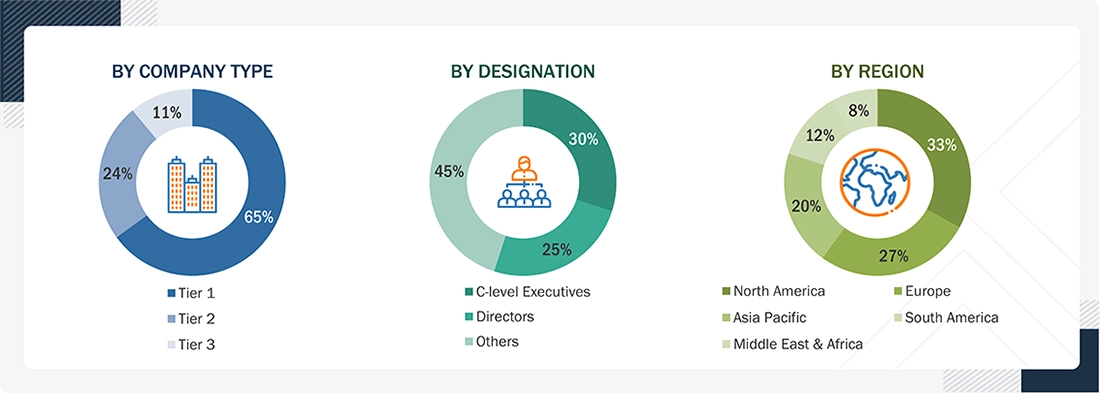
The synchronous condenser market comprises stakeholders such as synchronous condenser manufacturers, technology providers, and support providers in the supply chain. On the demand side, the market is driven by the growing adoption of synchronous condensers across sectors, including renewable energy and industrial applications, due to their high energy efficiency, ability to provide reactive power support, and superior grid stability compared to conventional systems. Rising infrastructure development and urbanization in emerging economies further fuel demand for advanced drive solutions. On the supply side, manufacturers are seeing increasing opportunities through contracts with utility and industrial distribution networks, as well as through strategic initiatives such as mergers, acquisitions, and partnerships among major players to expand their market presence and technological capabilities. Various primary sources from both the supply and demand sides of the market were interviewed to obtain qualitative and quantitative information. The following is the breakdown of primary respondents:    

Synchronous Condenser Market Size, and Share

Note: Others include sales managers, engineers, and regional managers.
The tiers of the companies are defined based on their total revenue as of 2024: Tier 1: >USD 1 billion, Tier 2: USD 500 million–1 billion, and Tier 3: <USD 500 million.    

To know about the assumptions considered for the study, download the pdf brochure

Market Size Estimation

Both top-down and bottom-up approaches were employed to estimate and validate the size of the synchronous condenser market and its dependent submarkets. The key players in the market were identified through secondary research, and their market share in the respective regions was determined through a combination of primary and secondary research. The research methodology involves analyzing the annual and financial reports of top market players and conducting interviews with industry experts, including chief executive officers, vice presidents, directors, sales managers, and marketing executives, to gather key quantitative and qualitative insights related to the synchronous condenser market.

Synchronous Condenser Market Size: Bottom-up Approach and Top-down Approach
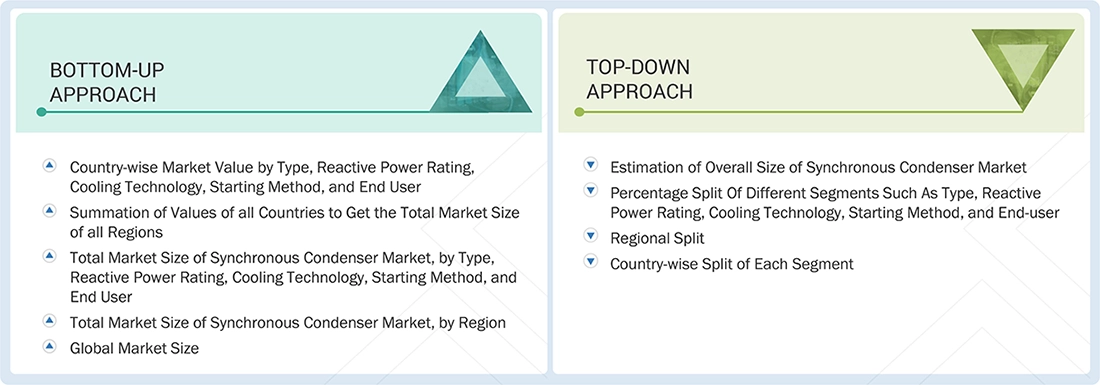
Synchronous Condenser Market Top Down and Bottom Up Approach

Data Triangulation

After determining the overall market size through the estimation process explained above, the total market has been divided into several segments and subsegments. To complete the overall market engineering process and obtain the exact statistics for all segments and subsegments, data triangulation and market breakdown processes have been employed, where applicable. The data has been triangulated by studying various factors and trends from both the demand and supply sides. Additionally, the market has been validated using both top-down and bottom-up approaches.

Market Definition

A synchronous condenser is a direct current (DC)-excited synchronous machine whose shaft is not attached to any driven equipment or prime mover. It is a synchronous motor with an exciter system, which enables the motor to absorb excessive reactive power during overexcited or lagging conditions to maintain and stabilize the voltage as per the transmission system’s requirements. Synchronous generators and motors can be modified and used as synchronous condensers. The modified synchronous generators and motors operate on a permanent or temporary synchronous condenser basis. Existing power plant generators, such as gas, hydro, and steam turbine generators, can temporarily operate as synchronous generators with the necessary modifications. Old and decommissioned generators can also be refurbished to be used as synchronous condensers, apart from newly built synchronous condensers.  

Key Stakeholders

  • Government and research organizations
  • Institutional investors and investment banks
  • Investors/shareholders
  • Environmental research institutes
  • Consulting companies in the energy & power sector
  • Raw material and component manufacturers
  • Synchronous condenser manufacturers, dealers, and suppliers
  • Synchronous motor manufacturers, dealers, and suppliers
  • Synchronous generator manufacturers, dealers, and suppliers
  • Power grid infrastructure companies
  • Power plant project developers
  • Renewable energy companies
  • Manufacturers’ associations
  • Process and power industry associations
  • Refinery operators
  • Manufacturing sector
  • Energy efficiency consultant

Report Objectives

  • To describe and forecast the synchronous condenser market, by cooling technology, starting method, reactive power rating, end user, and type, in terms of value
  • To provide detailed information regarding the major drivers, restraints, opportunities, and industry-specific challenges influencing the growth of the synchronous condenser market
  • To analyze market opportunities for stakeholders and provide a detailed competitive landscape for market leaders
  • To strategically analyze micromarkets with regard to individual growth trends, prospects, and contributions to the total market
  • To strategically profile the key players and comprehensively analyze their market shares and core competencies
  • To provide a detailed overview of the synchronous condenser supply chain analysis, use case analysis, key stakeholders and buying criteria, patent analysis, trade analysis, tariff analysis, regulations, macroeconomic outlook, pricing analysis, Porter’s five forces analysis, impact of gen AI/AI, and the 2024 US tariff impact  
  • To analyze competitive developments, such as sales contracts, agreements, investments, expansions, product launches, and acquisitions, in the market
  • To describe and forecast the synchronous condenser market for various segments with respect to five main regions: North America, Europe, Asia Pacific, Latin America, and the Middle East & Africa, in terms of value  

Available customizations:

  • MarketsandMarkets offers customizations tailored to the specific needs of companies using the given market data.
  • The following customization options are available for the report:

Geographic Analysis

  • Further breakdown of the synchronous condenser, by country

Company Information

  • Detailed analysis and profiling of additional market players (up to five)

Product Analysis

  • Product matrix, which gives a detailed comparison of the product portfolio of each company


Personalize This Research

  • Triangulate with your Own Data
  • Get Data as per your Format and Definition
  • Gain a Deeper Dive on a Specific Application, Geography, Customer or Competitor
  • Any level of Personalization
Request A Free Customisation

Let Us Help You

  • What are the Known and Unknown Adjacencies Impacting the Synchronous Condenser Market
  • What will your New Revenue Sources be?
  • Who will be your Top Customer; what will make them switch?
  • Defend your Market Share or Win Competitors
  • Get a Scorecard for Target Partners
Customized Workshop Request

Custom Market Research Services

We Will Customise The Research For You, In Case The Report Listed Above Does Not Meet With Your Requirements

Get 10% Free Customisation

Growth opportunities and latent adjacency in Synchronous Condenser Market

Samuel

Jun, 2022

What are the recent developments in the Global Synchronous Condenser Market?.

Evelyn

Jun, 2022

Need to know more about the Synchronous Condenser Market size and Scope in Asia Pacific for the forecast year..

DMCA.com Protection Status