Agriculture Biotechnology Market

Agriculture Biotechnology Market by Type of Organism (Plant, Animal, and Microbes), Type, Technology, Application, and Region - Global Forecast to 2030




OVERVIEW
Source: Secondary Research, Interviews with Experts, MarketsandMarkets Analysis
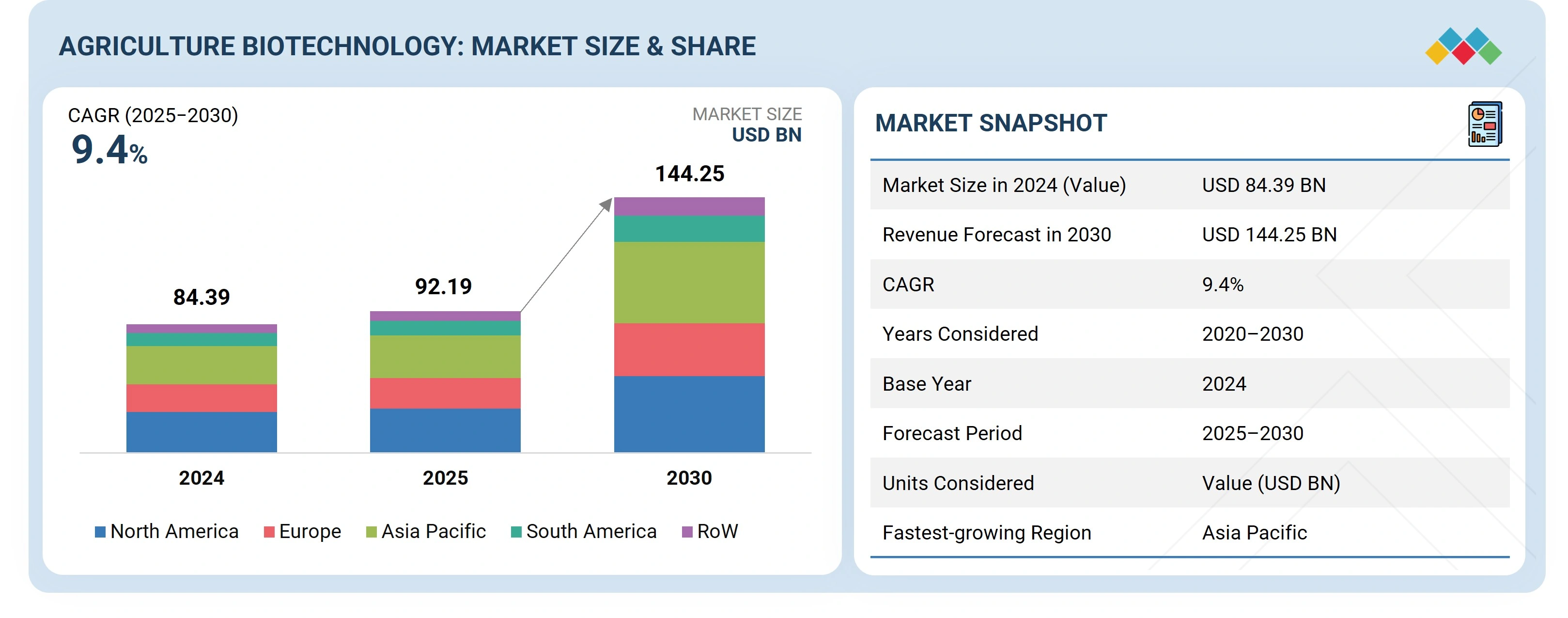
The global agriculture biotechnology market was valued at USD 84.39 billion in 2024 and is projected to reach USD 144.25 billion by 2030, registering a CAGR of 9.4% during 2025–2030. This growth is driven by the rising adoption of genetically modified (GM) crops, microbial biofertilizers, animal vaccines, and sustainable biotechnology-based farming inputs. Increasing investments in advanced gene-editing tools, precision agriculture, and microbial solutions to improve soil and crop health are accelerating market expansion. North America currently dominates the market due to strong regulatory support, technological innovation, and the presence of leading players such as Bayer, Corteva, and Novonesis. However, Asia Pacific is emerging as the fastest-growing region, propelled by rapid biotechnology adoption in countries like India, China, and Australia, supported by government initiatives promoting bio-based agriculture. The growing emphasis on food security, climate resilience, and sustainable productivity is expected to further strengthen market prospects through 2030.
Market Size and Forecast:
- Market Size Value in 2024: USD 84.39 Billion
- Market Size Value in 2025: USD 92.19 Billion
- Revenue Forecast in 2030: USD 144.25 Billion
- Growth Rate: CAGR of 9.4% from 2025 to 2030
- Base year: 2024
- Forecast period: 2025–2030
- The North American agriculture biotechnology market is projected to grow at a CAGR of 8.7% during the forecast period.
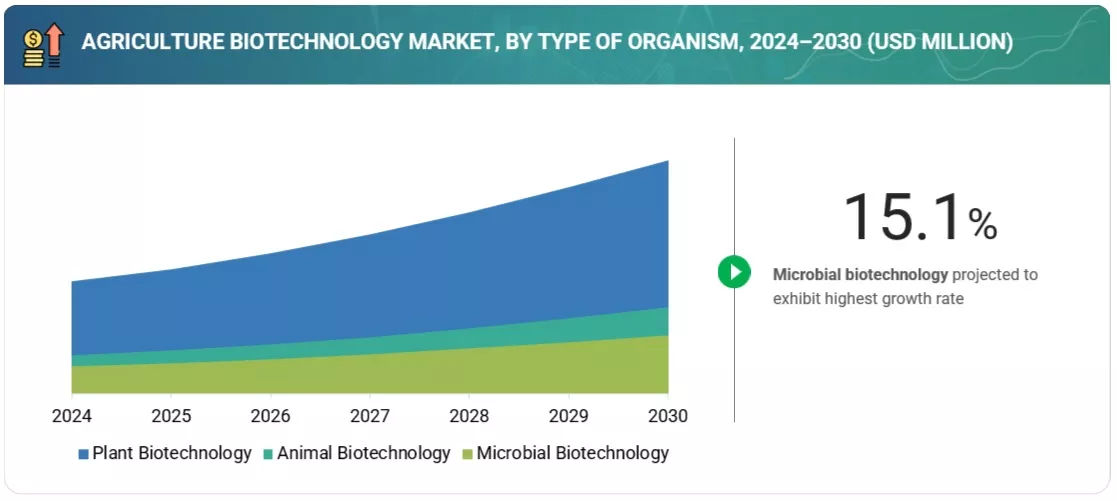
- Plant biotechnology was the largest segment in 2024, while microbial biotechnology is the fastest-growing with a CAGR of 14.7% during the forecast period.
Key Market Trends and Insights
- By Technology Type: The Genetic Engineering segment holds a major share of the agriculture biotechnology market, supported by rising adoption of genetically modified crops, advanced breeding techniques, and solutions improving crop yield, pest resistance, and stress tolerance.
- Growing Trends: Increasing use of biotechnology in crop improvement, bio-based crop protection, and sustainable farming is driving demand for biotech seeds, gene-editing technologies, and microbial solutions.
- Growth Factors: Rising food demand, focus on sustainable agriculture, climate change challenges, and advancements in biotechnology research are accelerating market growth through improved crop productivity and resilience.
- Emerging Opportunities: Growth in precision agriculture, gene-editing innovations, biofertilizers, biopesticides, and microbial-based solutions is creating new opportunities for agriculture biotechnology market expansion.
KEY TAKEAWAYS
- The North American agriculture biotechnology market is projected to grow at a CAGR of 8.7% during the forecast period.
- Plant biotechnology was the largest segment in 2024, while microbial biotechnology is the fastest-growing with a CAGR of 14.7% during the forecast period.
- Genetic engineering leads the technology landscape, growing steadily at a CAGR of 8.4% during the forecast period.
- Crop protection was the largest application segment in 2024.
- Leading companies in the agriculture biotechnology market include Bayer, Corteva Agriscience, BASF, Novonesis, Syngenta, Zoetis, and ADM, supported by strong portfolios in plant, microbial, and industrial biotechnology.
- Emerging innovators such as Pivot Bio, Valent BioSciences, Concentric, Indigo Ag, and Ginkgo Bioworks are gaining traction with AI-driven crop enhancement, microbial inputs, and sustainable bio-solutions.
The agriculture biotechnology market is mainly driven by the increasing global demand for sustainable and efficient food production systems. Rapid population growth, along with shrinking arable land and changing climate conditions, is prompting farmers and agribusinesses to adopt biotechnology-based solutions that improve crop yield, resilience, and nutritional value. Major technological advancements include improvements in genetic engineering, genome editing (CRISPR-Cas9), and microbial biotechnology, which facilitate the development of stress-tolerant crops, biofertilizers, and biopesticides that reduce chemical input use. Furthermore, the rising incidence of livestock diseases and the need to boost productivity are promoting the use of animal vaccines and genetic improvement programs. Supportive government policies, regulatory approvals for genetically modified crops, and R&D investments by global companies such as Bayer, Corteva, BASF, and Novonesis also support market expansion. The growing focus on climate-smart agriculture, carbon-efficient farming, and bio-based inputs positions agricultural biotechnology as a key driver of global food security and environmental sustainability.
TRENDS & DISRUPTIONS IMPACTING CUSTOMERS' CUSTOMERS
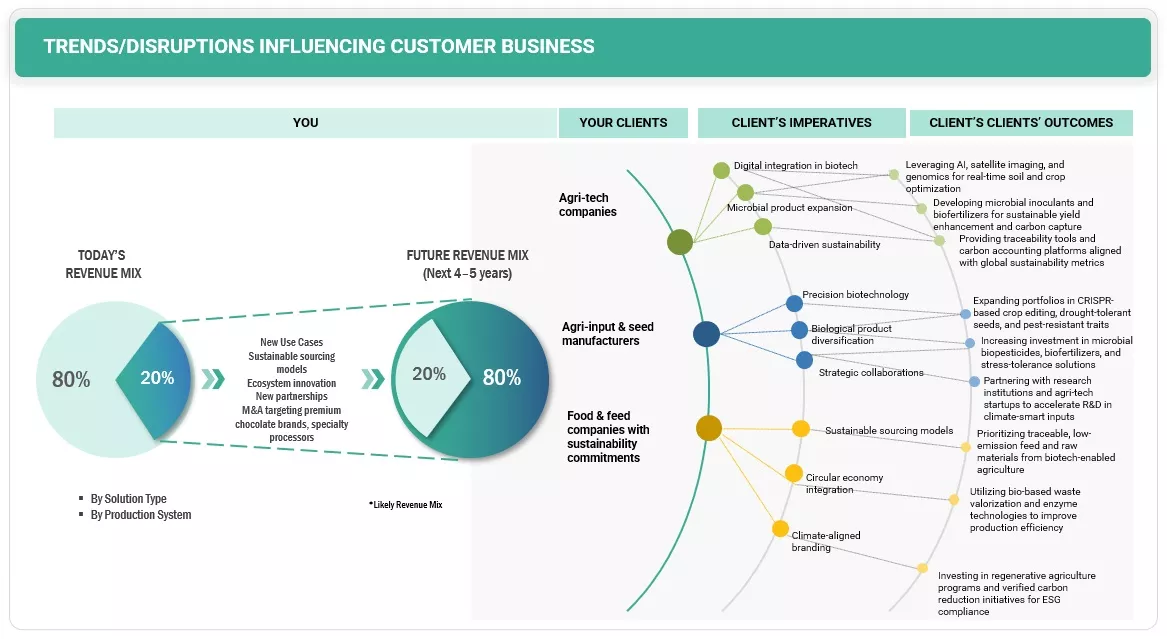
The agriculture biotechnology market is undergoing a structural transformation driven by technology integration, sustainability imperatives, and ecosystem collaboration. Traditional revenue sources dominated by crop protection and genetic modification are evolving toward new growth areas such as microbial biotechnology, precision agriculture, and sustainable sourcing models. Over the next five years, agri-tech firms, input manufacturers, and food companies with sustainability commitments will drive the future revenue mix through digital and biological innovation. Key imperatives include data-driven sustainability, microbial product expansion, precision biotechnology, and circular economy integration. Clients are prioritizing traceable, low-emission bio-based inputs and partnerships that enhance transparency and climate resilience. This transition is fostering investments in AI-enabled monitoring, regenerative agriculture programs, and carbon accounting systems aligned with ESG goals. Overall, agricultural biotechnology is shifting toward a climate-aligned, innovation-centric business ecosystem, emphasizing environmental performance, value chain optimization, and next-generation bio-based agricultural practices.
Source: Secondary Research, Interviews with Experts, MarketsandMarkets Analysis
MARKET DYNAMICS

Level
-
Rising demand for sustainable agriculture

-
Technological advancements in genetic engineering


Level
-
Stringent regulatory frameworks lengthy approval processes for GMOs

-
Public skepticism and ethical concerns


Level
-
Increasing adoption of microbial and bio-based agricultural inputs globally

-
Integration of AI and genomics


Level
-
Regulatory uncertainty and trade barriers

-
Infrastructure gaps in developing regions

Source: Secondary Research, Interviews with Experts, MarketsandMarkets Analysis
Driver: Rising demand for sustainable agriculture
The increasing global demand for sustainable and high-yield agriculture is a major driver of the agriculture biotechnology market. Rising population pressure, food security concerns, and the need to optimize limited arable land have accelerated the adoption of biotechnology-driven solutions. Farmers are increasingly embracing genetically modified (GM) crops, biofertilizers, and biostimulants to improve yield efficiency, nutrient absorption, and resistance to pests and climate stress. Governments and global organizations are promoting biotechnology as a means to achieve sustainable agriculture goals, reduce greenhouse gas emissions, and minimize dependence on chemical fertilizers and pesticides. Moreover, biotechnology innovations such as CRISPR gene editing, microbial inoculants, and precision breeding enabling enhanced productivity while preserving soil health and biodiversity. As sustainability becomes central to agricultural policy frameworks and corporate strategies, biotechnology is emerging as a critical enabler of climate-smart and resource-efficient food production systems worldwide.
Restraint: High regulatory hurdles and lengthy approval processes for GMOs
Stringent regulatory frameworks and prolonged approval timelines for genetically modified organisms (GMOs) remain significant restraints on the agriculture biotechnology market. Varying global regulatory standards, complex biosafety assessments, and ethical considerations often delay commercialization and market access for biotech products. In regions such as Europe and parts of Asia, cautious policymaking and public resistance have slowed the adoption of GM crops despite proven benefits. Companies face high compliance costs, extensive field trials, and multi-stage evaluations to ensure safety for human consumption and environmental impact. These challenges hinder innovation and limit investment in new biotech solutions, particularly for small and mid-sized firms. Additionally, differences in labeling laws, trade restrictions, and intellectual property regulations further complicate global market expansion. Overcoming these barriers will require harmonized regulatory approaches, transparent communication of scientific evidence, and stakeholder collaboration to balance innovation with safety and consumer confidence.
Opportunity: Increasing adoption of microbial and bio-based agricultural inputs globally
The increasing adoption of microbial and bio-based agricultural inputs presents a strong growth opportunity for the agriculture biotechnology market. Rising awareness about soil health, sustainability, and the adverse effects of chemical fertilizers has driven demand for biofertilizers, biopesticides, and biostimulants. Microbial biotechnology is enabling the development of products that enhance nutrient uptake, improve plant resilience, and support carbon sequestration in soil. Governments and international agencies are promoting the use of bio-based inputs through subsidies, R&D funding, and sustainability programs aligned with climate goals. Major agribusinesses and startups are investing in microbial consortia, fermentation technologies, and precision application systems to scale production and efficiency. This shift toward regenerative agriculture and reduced chemical dependency positions microbial biotechnology as a key pillar of future farming systems. The trend aligns with global sustainability initiatives, offering both environmental benefits and strong commercial prospects for biotech innovators.
Challenge: Regulatory uncertainty and trade barriers
Regulatory uncertainty and trade barriers remain ongoing challenges for the global agricultural biotechnology industry. Different national frameworks governing genetically modified organisms (GMOs) and biosafety create inconsistencies in approval timelines, labeling, and trade compliance. The European Union, for example, enforces some of the world’s strictest GMO regulations under its precautionary principle, requiring comprehensive risk assessments and traceability measures. In contrast, North America, especially the US and Canada, operates under science-based regulatory models where approvals are generally faster and more predictable. This regulatory divergence causes trade friction. Exporters of GM crops from North and South America often face restrictions or delays in the EU and certain Asian markets due to asynchronous approvals. Such discrepancies increase compliance costs and complicate supply chain logistics, particularly for bulk commodities like soybeans, corn, and canola. Evolving national biosafety frameworks in emerging economies such as India and parts of Africa introduce additional unpredictability, as policies shift between openness and caution. The lack of harmonized global standards for labeling, environmental risk assessment, and intellectual property further hinders cross-border technology transfer.
agricultural biotechnology market: COMMERCIAL USE CASES ACROSS INDUSTRIES
| COMPANY | USE CASE DESCRIPTION | BENEFITS |
|---|---|---|
 |
Development of next-generation genetically engineered seeds with enhanced drought and pest resistance for major crops such as maize and soybean | Improved yield stability under climate stress, reduced pesticide use, and greater profitability for farmers |
 |
Large-scale production of microbial biofertilizers and biocontrol agents to improve soil microbiota and crop vigor | Enhanced nutrient uptake, improved soil health, and sustainable crop growth with lower chemical dependency |
 |
Integration of biotechnology into hybrid seed and crop protection portfolio with biological pest resistance and CRISPR-based R&D | Reduced pest losses, increased productivity, and strengthened sustainability compliance |
 |
Advancing animal biotechnology through vaccines and genomic tools to prevent livestock diseases and enhance reproduction efficiency | Better herd health, higher productivity, and lower veterinary costs through preventive care |
Logos and trademarks shown above are the property of their respective owners. Their use here is for informational and illustrative purposes only.
MARKET ECOSYSTEM
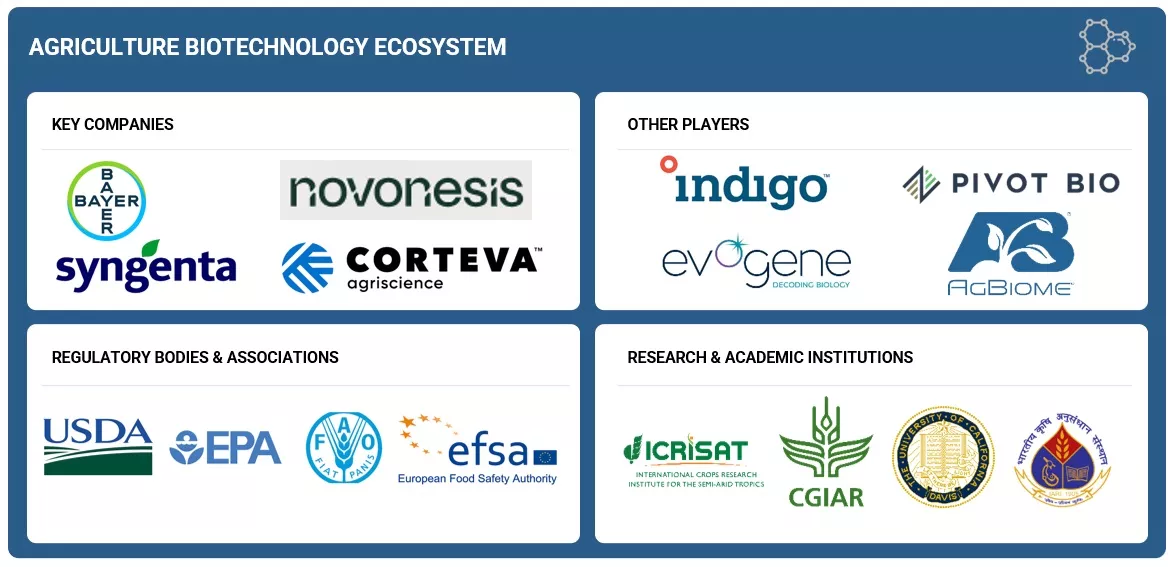
The agriculture biotechnology ecosystem is a connected network of key industry players, regulatory agencies, and research institutions that drive innovation, safety, and sustainability in modern agriculture. Major agriculture biotechnology companies like Bayer AG, Syngenta, Corteva Agriscience, and Novonesis are leading the development of genetically modified crops, microbial biofertilizers, and biostimulants that boost yield, nutrient efficiency, and climate resilience. These global leaders are investing heavily in R&D, digital agriculture platforms, and precision biotech solutions to address food security and sustainability challenges. Emerging companies such as Indigo Ag, Pivot Bio, Evogene, and AgBiome are transforming the industry through advances in microbial genomics, biological inputs, and AI-driven crop optimization. Their innovations aim to replace synthetic chemicals with environmentally friendly options and improve soil microbiome health. Regulatory agencies like the USDA, EPA, FAO, and EFSA ensure biosafety, ethical compliance, and environmental protection in biotech applications. They play a vital role in approving genetically engineered products and upholding international trade standards. Research and academic institutions such as ICRISAT, CGIAR, the University of California, Davis, and the Indian Agricultural Research Institute (IARI) contribute through pioneering research, field trials, and public–private collaborations. These organizations support technology transfer, sustainable crop development, and farmer training, forming the foundation of global agricultural biotech progress.
Logos and trademarks shown above are the property of their respective owners. Their use here is for informational and illustrative purposes only.
MARKET SEGMENTS
Source: Secondary Research, Interviews with Experts, MarketsandMarkets Analysis
By Organism Type: Plant Biotechnology, Animal Biotechnology, and Microbial Biotechnology
The agriculture biotechnology market is divided by organism type into plant biotechnology, animal biotechnology, and microbial biotechnology. Plant biotechnology leads the segment, driven by the growing adoption of genetically modified crops with higher yields, pest resistance, and stress tolerance. Animal biotechnology supports livestock productivity through advances in vaccines and feed improvements. Microbial biotechnology is becoming more important with the increasing use of biofertilizers, biopesticides, and microbial stimulants aimed at improving soil health and reducing chemical use. The combined use of these organism types plays a key role in advancing agricultural sustainability and increasing productivity in farms worldwide.
By Technology: Genetic Engineering, Genome Editing (CRISPR, RNAi), Microbial Fermentation Systems, Synthetic Biology, and Bioinformatics Integration
Based on technology, the market is divided into genetic engineering, genome editing (CRISPR, RNAi), microbial fermentation systems, synthetic biology, and bioinformatics integration. Genetic engineering remains the most widely used method for developing genetically modified crops and enhancing agronomic traits. Genome editing technologies such as CRISPR and RNAi are transforming precision breeding by allowing targeted gene modification. Microbial fermentation and synthetic biology are being used to produce bio-based inputs and agricultural enzymes. Additionally, bioinformatics integration plays a vital role in data-driven decision-making, enabling efficient gene mapping, trait analysis, and biotechnology innovation across agricultural applications.
By Application: Crop Protection (biopesticides, herbicide-tolerant traits), Soil Enhancement (biofertilizers, microbial stimulants), Animal Health & Productivity (vaccines, feed optimization), and Stress Tolerance (drought and heat-resistant traits)
Across applications, the agriculture biotechnology market is witnessing a clear shift toward efficiency-driven and sustainability-focused innovations. In plant biotechnology, demand is highest for crop protection and yield enhancement technologies, supported by the growing adoption of genetically engineered seeds and stress-tolerant varieties in response to climate volatility. Nutritional quality improvement is also emerging as a differentiator, particularly in developing regions facing micronutrient deficiencies. In animal biotechnology, disease resistance and productivity enhancement continue to dominate investment, as producers aim to reduce losses and optimize feed-to-yield ratios. The rising focus on animal welfare and precision therapeutics reflects a broader move toward traceable and ethical production systems. Meanwhile, microbial biotechnology applications are expanding rapidly, with soil health management and sustainable nutrient cycling gaining importance in regenerative agriculture models. The increased utilization of microbial biofertilizers and biocontrol agents underscores a structural shift away from chemical-intensive inputs. Overall, application-level trends suggest a market evolution driven by regulatory alignment, sustainability mandates, and technology integration across the agri-value chain.
REGION
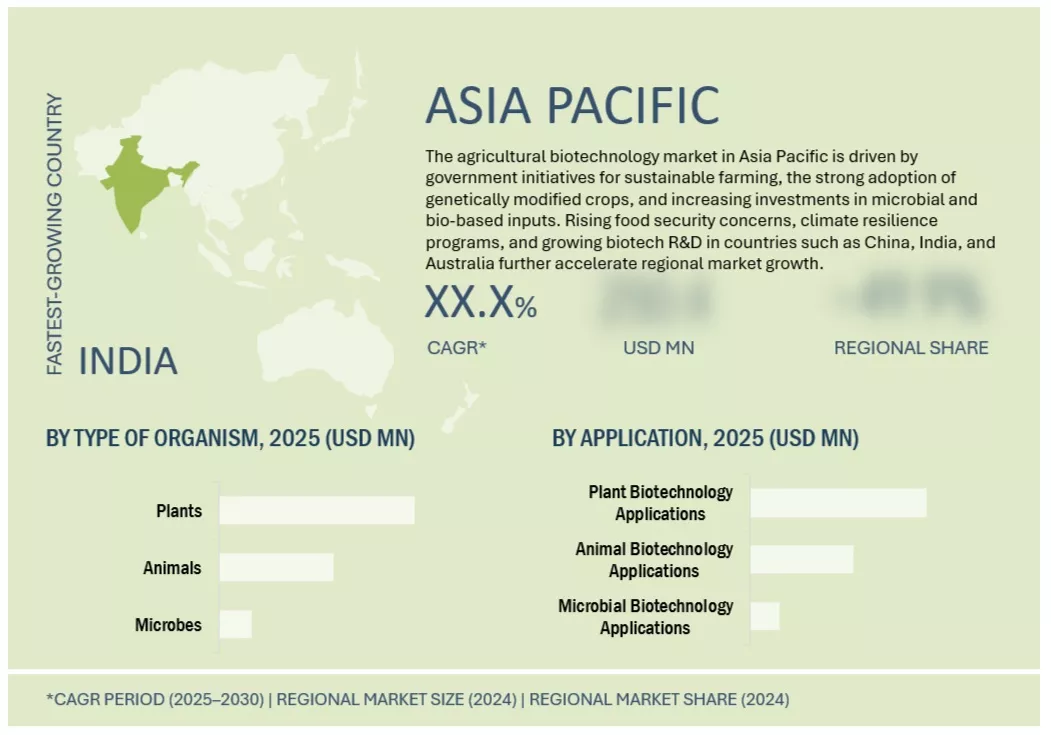
Asia Pacific estimated to be fastest-growing regional market during forecast period
Asia Pacific is one of the fastest-growing markets in agricultural biotechnology, driven by increasing population, shrinking arable land, and rising government support for sustainable farming practices. Countries like India, China, Japan, and Australia are making significant investments in biotechnology research, GM crop approvals, and microbial inputs. India’s focus on biofertilizers and biostimulants under initiatives like the National Mission on Sustainable Agriculture (NMSA) reflects this regional momentum. Similarly, China’s advancements in gene-edited crops and microbial genomics are improving food security and environmental sustainability. Additionally, strong collaborations between public research institutions such as ICRISAT and private biotech companies are encouraging innovation and local manufacturing. The region’s quick adoption of biotechnology is transforming smallholder farming, promoting climate resilience, and establishing Asia Pacific as a global hub for next-generation agricultural biotech solutions.
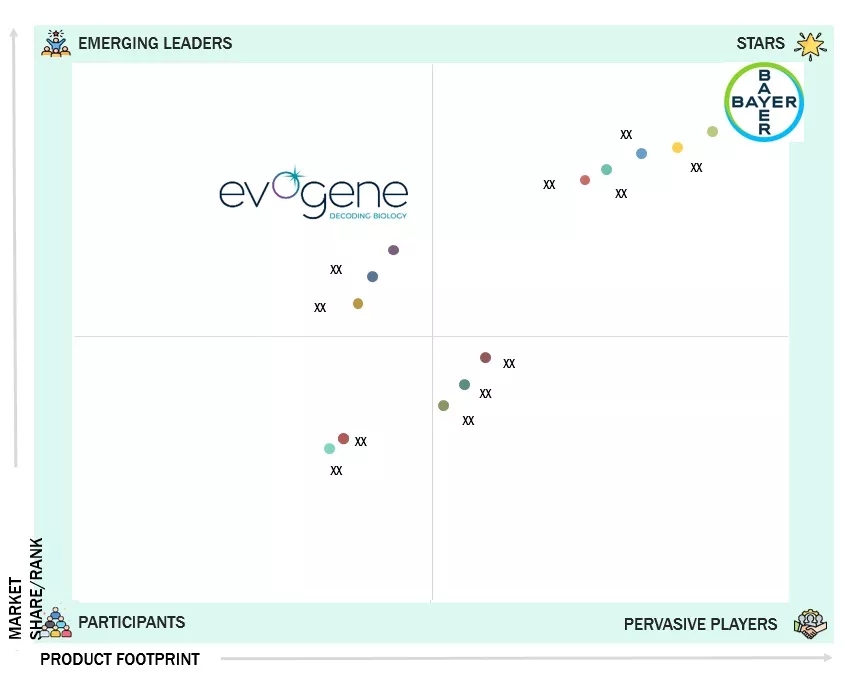
agricultural biotechnology market: COMPANY EVALUATION MATRIX
The company evaluation matrix of the agriculture biotechnology industry classifies companies based on their strategic performance, innovation ability, and market presence. Leading companies such as Bayer AG, Corteva Agriscience, Syngenta, and Novonesis fall into the “Market Leaders” quadrant, showing strong R&D pipelines, wide product ranges, and global distribution channels. Emerging innovators like Indigo Ag, Pivot Bio, and AgBiome are in the “Dynamic Companies” quadrant, marked by rapid technological progress in microbial and bio-based solutions. The “Visionary” quadrant features firms actively developing next-generation technologies, such as genome editing, CRISPR applications, and AI-integrated agri-platforms, focusing on long-term sustainability and precision agriculture. Meanwhile, regional players and niche experts occupy the “Emerging Players” quadrant, concentrating on local market needs like biofertilizers and regional seed varieties. Overall, the quadrant reflects a competitive yet cooperative ecosystem where innovation, regulatory flexibility, and sustainability strategies influence market leadership and future growth paths.
Source: Secondary Research, Interviews with Experts, MarketsandMarkets Analysis
KEY MARKET PLAYERS
MARKET SCOPE
| REPORT METRIC | DETAILS |
|---|---|
| Market Forecast in 2030 (Value) | USD 144.25 BN |
| Growth Rate | 9.40% |
| Years Considered | 2020–2030 |
| Base Year | 2024 |
| Forecast Period | 2025–2030 |
| Units Considered | Value (USD Million/Billion) |
| Report Coverage | Revenue forecast, company ranking, competitive landscape, growth factors, and trends |
| Segments Covered |
|
| Regions Covered |
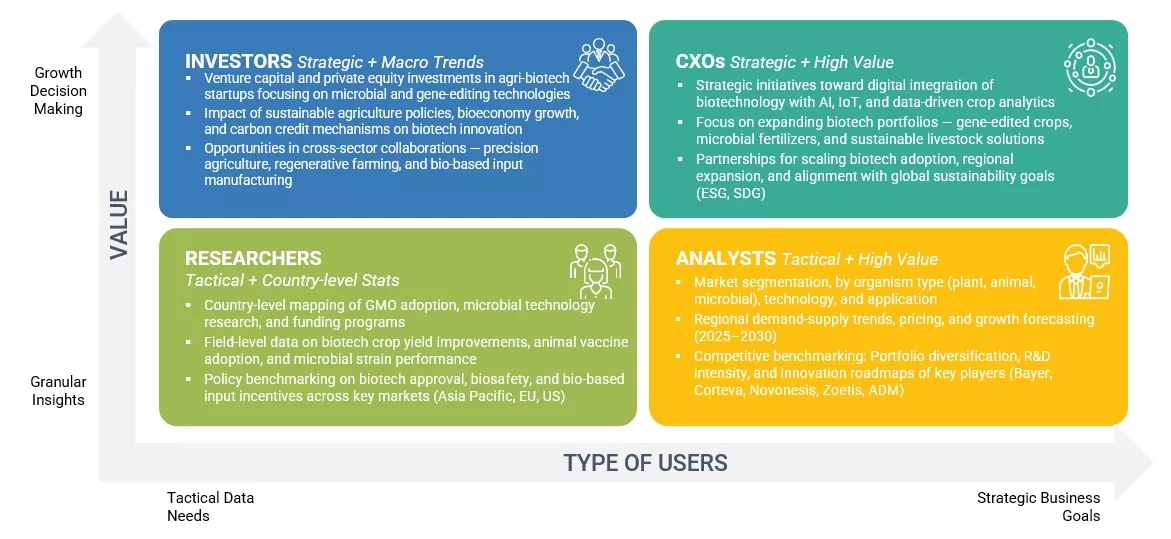
WHAT IS IN IT FOR YOU: agricultural biotechnology market REPORT CONTENT GUIDE
DELIVERED CUSTOMIZATIONS
We have successfully delivered the following deep-dive customizations:
| CLIENT REQUEST | CUSTOMIZATION DELIVERED | VALUE ADDS |
|---|---|---|
| Regional Outlook on North America and Asia Pacific |
|
|
| Competitive Benchmarking of Key Players |
|
|
RECENT DEVELOPMENTS
- August 2025: Punjab Agricultural University (PAU), India secured a ?4 crore (USD 490K) government grant to develop precision breeding for high-quality guava, aimed at improving fruit shelf-life and genetic resilience through advanced biotechnology.
- July 2025: Flagship Pioneering’s Terrana Biosciences invested USD 50 million to advance RNA-based agricultural biotechnology platforms focused on adaptive crop yield enhancement and pest resistance, marking a shift from conventional GMOs to RNA-driven solutions.
- June 2025: Micropep Technologies and Corteva Agriscience announced a multi-year R&D partnership to co-develop peptide-based biological crop protection agents via the Krisalix platform, offering sustainable, non-chemical alternatives to traditional pesticides.
- March 2025: Tropic Biosciences (UK) introduced a gene-edited non-browning banana designed to reduce food waste by delaying oxidation up to 12 hours post-harvest, improving global food preservation efficiency.
- February 2025: China’s Agriculture Ministry released national guidelines to expand gene-editing research and accelerate commercialization of biotech crops by 2030, emphasizing domestic R&D capacity and biosafety infrastructure.
Table of Contents
 Exclusive indicates content/data unique to MarketsandMarkets and not available with any competitors.
Methodology
The study used two main methods to estimate the current size of the agriculture biotechnology market. Extensive secondary research gathered information on organism types, technologies, types, applications, and end users. The next step was to verify these findings, assumptions, and size estimates with industry experts across the value chain through primary research. Both top-down and bottom-up approaches were used to determine the overall market size. Data triangulation helped estimate the size of segments and subsegments.
Secondary Research
This research involved extensive secondary sources, including directories and databases like Bloomberg Businessweek and Factiva, to gather valuable information for a technical, market-oriented, and commercial study. During the secondary research process, sources such as annual reports, press releases and investor presentations, white papers, food journals, certified publications, articles by recognized authors, directories, and databases were used to identify and collect information. Secondary research primarily aimed to gather key details about the industry’s supply chain, the main players, and market classification and segmentation based on industry trends, regional markets, and key developments from both market and technology perspectives.
Primary Research
Extensive primary research was carried out after gathering information about the agriculture biotechnologies landscape through secondary research. Several primary interviews were conducted with market experts from both demand and supply sides across major countries in North America, Europe, Asia Pacific, South America, and the Rest of the World. Data was collected via questionnaires, emails, and phone interviews. The primary sources from the supply side included industry experts such as chief officers (CXOs), vice presidents (VPs), directors from business development, marketing, research, and development teams, and other key executives from distributors and opinion leaders.
Primary interviews were conducted to gather insights such as market statistics, data on revenue from products and services, market breakdowns, market size estimations, market forecasts, and data triangulation. They also helped understand trends related to solution types, technology, crop types, end users, and regions. Stakeholders from the demand side, such as farmers and growers, food processing companies, and cold chain logistics providers, were interviewed to gain the buyers’ perspective on suppliers, products, and their business outlook, which will influence the overall market.
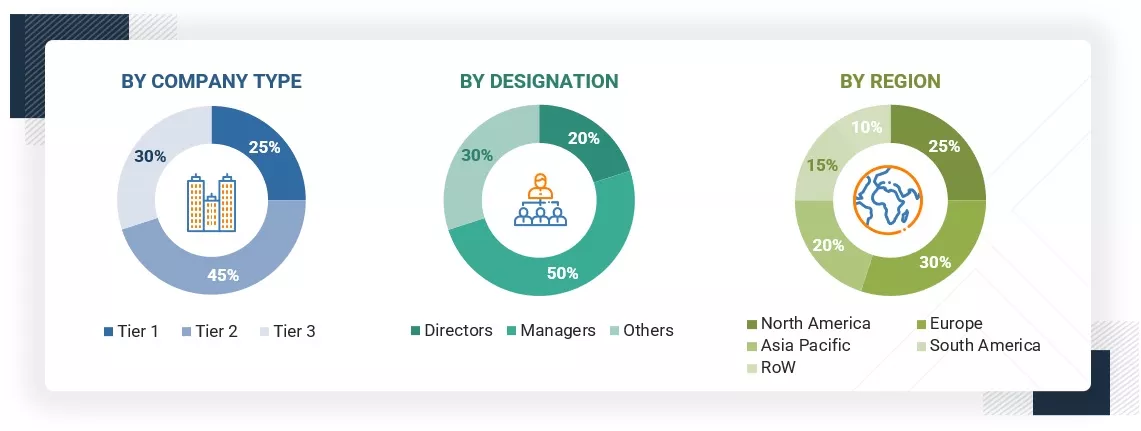
Note: The three tiers of the companies are defined based on their total revenue in 2023 or 2024, as per the
availability of financial data: Tier 1: Revenue > USD 1 billion; Tier 2: USD 100 million = revenue = USD 1 billion; Tier 3: Revenue < USD 100 million
To know about the assumptions considered for the study, download the pdf brochure
|
COMPANY NAME |
DESIGNATION |
|
Deere & Company (US) |
Product Development Manager |
|
DJI (China) |
Senior R&D Scientist |
|
AGCO (US) |
Marketing Director |
|
CNH Industrial (UK) |
Sales Head |
|
Hexagon AB (US) |
Senior Research Executive |
Market Size Estimation
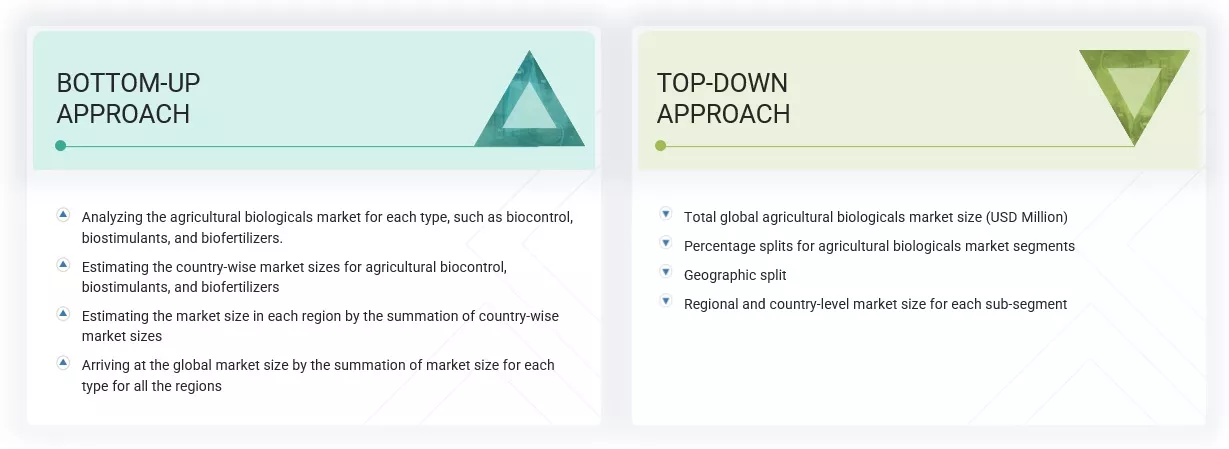
The top-down and bottom-up approaches were used to estimate and validate the overall size of the agriculture biotechnology market. These approaches were also extensively employed to determine the size of various market subsegments. The research methodology used for estimating the market size includes the following details.
- The key players in the industry and the overall markets were identified through extensive secondary research.
- All shares, splits, and breakdowns were determined using secondary sources and verified through primary sources.
- All possible parameters that affect the market covered in this research study were accounted for, viewed in extensive detail, verified through primary research, and analyzed to obtain final quantitative and qualitative data.
- The research included the study of reports, reviews, and newsletters of top market players, along with extensive interviews for opinions from leaders, such as CEOs, directors, and marketing executives.
Agriculture Biotechnology Market : Top-Down and Bottom-Up Approach
Data Triangulation
After estimating the overall market size using the method described above, the total market was divided into several segments and subsegments. The data triangulation process was used, where applicable, to estimate the total Agriculture biotechnologies market and to determine precise statistics for all segments and subsegments. The data was triangulated by analyzing various demand and supply factors and trends. Additionally, the market size was confirmed using both top-down and bottom-up approaches.
Market Definition
Agricultural biotechnology, as defined by the Food and Agriculture Organization (FAO), refers to “any technological application that uses biological systems, living organisms or derivatives thereof, to make or modify products or processes for specific use.”
In the agriculture biotechnology market, this concept involves the development, commercialization, and adoption of technologies used in plants, animals, and microbes—such as genetic modification, genome editing, biofertilizers, biopesticides, enzyme-based solutions, animal vaccines, and diagnostics—aiming to boost productivity, enhance crop and livestock traits, reduce resource use, and support sustainability in global agriculture.
Therefore, the agriculture biotechnology market includes the total economic value of all biotechnology-enabled products and services in agriculture — covering seeds and traits for crops; microbial and enzyme inputs for soil and plants; animal health and reproductive biotechnology products; and related support technologies and tools.
Stakeholders
- Seed and Trait Developers
- Animal Biotechnology Firms
- Microbial Biotech and Biofertilizer Companies
- Research and Academic Institutions
- Public and Private Entities driving Fundamental Research
- Genetic Improvement Institutes
- Biosafety Assessment Institutes
- CGIAR Centers (e.g., CIMMYT, IRRI)
- FAO
- USDA Agricultural Research Service (ARS)
- ICAR (India)
- EMBRAPA (Brazil)
- Chinese Academy of Agricultural Sciences (CAAS)
- University-based Biotechnology Programs
- Regulatory and Government Bodies
- Entities overseeing Biosafety
- GMO Regulation Bodies
- Trade Compliance Bodies
- International Service for the Acquisition of Agri-biotech Applications (ISAAA)
- International Biocontrol Manufacturers Association (IBMA)
- Biotechnology Innovation Organization (BIO)
- European Biostimulants Industry Council (EBIC)
- Farmers and Cooperatives
- Agribusinesses and Food Processors
- Feed Producers and Livestock Companies
- Retailers and Exporters focused on Sustainable and Traceable Sourcing
Report Objectives
- To determine and project the size of the agriculture biotechnologies based on organism type, technology, type, application, end user, and region from 2025 to 2030
- To identify attractive opportunities in the market by determining the largest and fastest-growing segments across regions
- To provide detailed information about the key factors influencing market growth (drivers, restraints, opportunities, and challenges)
- To analyze opportunities in the market for stakeholders and provide details of the competitive landscape for market leaders
- To analyze micromarkets concerning individual growth trends, prospects, and their contribution to the total market
- To identify and profile key players in the agriculture biotechnology market
- To understand the competitive landscape and identify the major growth strategies adopted by players across the key regions
Available Customizations
With the given market data, MarketsandMarkets offers customizations according to company-specific scientific needs.
The following customization options are available for the report:
Product Analysis
- A product matrix, which gives a detailed comparison of the product portfolio of each company.
Geographic Analysis as per Feasibility
With the given market data, MarketsandMarkets offers customizations according to company-specific scientific needs.
- Further breakdown of the Rest of the European Agriculture biotechnologies into key countries
- Further breakdown of the Rest of Asia Pacific Agriculture biotechnologies into key countries
- Further breakdown of the Rest of the South American Agriculture biotechnologies into key countries
Company Information
- Detailed analyses and profiling of additional market players (up to five)
Key Questions Addressed by the Report
What is the current size of the agricultural biotechnology market?
The global agricultural biotechnology market was valued at USD 84.39 billion in 2024 and is projected to reach USD 144.25 billion by 2030, reflecting strong demand for advanced agricultural technologies. The market is expanding due to the increasing adoption of biotechnology solutions that improve crop productivity, pest resistance, and sustainability.
What is the CAGR of the agricultural biotechnology market?
The agricultural biotechnology market is expected to grow at a compound annual growth rate (CAGR) of 9.4% from 2025 to 2030. Growth is supported by rising investments in genetic engineering, molecular diagnostics, tissue culture, and microbial biotechnology to meet global food security needs.
What are the major growth drivers of the agricultural biotechnology market?
The agricultural biotechnology market growth is driven by increasing food demand, climate change challenges, the need for higher crop yields, advancements in gene-editing technologies, expanding biotechnology research, and the growing adoption of sustainable farming practices worldwide.
What are the latest trends in the agricultural biotechnology market?
Key trends include the rapid adoption of genetic engineering, expansion of microbial biotechnology, increasing use of bio-based crop protection products, precision agriculture, AI-driven crop improvement, and the commercialization of advanced gene-editing technologies.
What opportunities exist in the agricultural biotechnology market?
Emerging opportunities include genome editing, biofertilizers, biopesticides, microbial crop inputs, precision farming, climate-resilient crop development, and biotechnology solutions that improve agricultural productivity while reducing environmental impact.


Personalize This Research
- Triangulate with your Own Data
- Get Data as per your Format and Definition
- Gain a Deeper Dive on a Specific Application, Geography, Customer or Competitor
- Any level of Personalization
Let Us Help You
- What are the Known and Unknown Adjacencies Impacting the Agriculture Biotechnology Market
- What will your New Revenue Sources be?
- Who will be your Top Customer; what will make them switch?
- Defend your Market Share or Win Competitors
- Get a Scorecard for Target Partners

Custom Market Research Services
We Will Customise The Research For You, In Case The Report Listed Above Does Not Meet With Your Requirements
Get 10% Free CustomisationTESTIMONIALS

Business Innovation Director
US Based Leading Agribusiness,
Food and Ingredients ManufacturerI highly appreciate the team's efficiency for a well conducted study that helped us clarify some blind spots in food and agricultural niche markets. Although compiling information for B2B markets is very difficult, the MnM team pulled out the task successfully. The quality of research, level of insights, and responsiveness of team were commendable.
- US Agricultural Biotechnology Market
- Canada Agricultural Biotechnology Market
- Mexico Agricultural Biotechnology Market
- Germany Agricultural Biotechnology Market
- France Agricultural Biotechnology Market
- UK Agricultural Biotechnology Market
- Italy Agricultural Biotechnology Market
- Spain Agricultural Biotechnology Market
- China Agricultural Biotechnology Market
- India Agricultural Biotechnology Market
- Japan Agricultural Biotechnology Market
- Brazil Agricultural Biotechnology Market
- Argentina Agricultural Biotechnology Market






Growth opportunities and latent adjacency in Agriculture Biotechnology Market