CAR T-Cell Therapy Market

CAR T-Cell Therapy Market by Product (Abecma, Breyanzi, Carvykti, Yescarta, Tecartus, Kymriah), Target (CD19, BCMA), Indication (Multiple Myeloma, Leukemia, Lymphoma), Demographic (Adult, Pediatric), Region, Competitive Landscape - Global Forecast to 2031



CAR T-CELL THERAPY MARKET SIZE, SHARE & GROWTH SNAPSHOT
Source: Secondary Research, Interviews with Experts, MarketsandMarkets Analysis
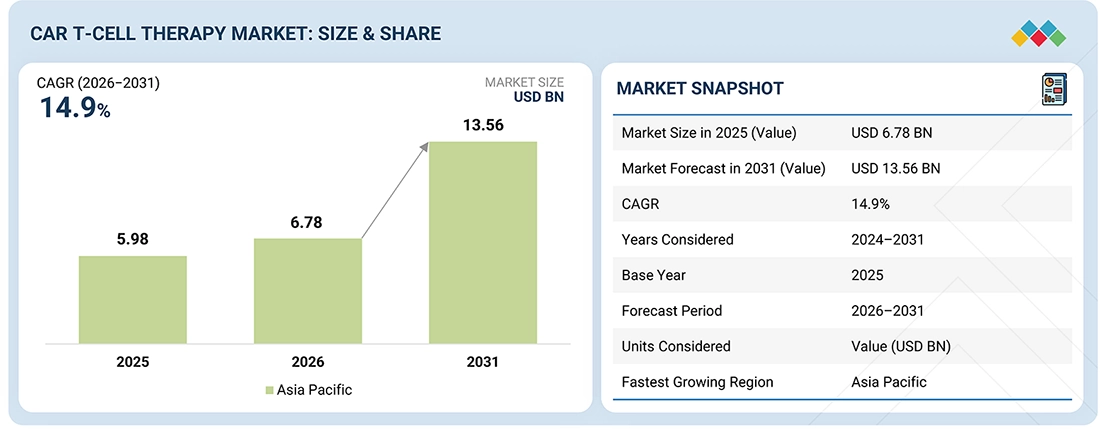
The global CAR T-cell therapy market, valued at USD 5.98 billion in 2025, stood at USD 6.78 billion in 2026 and is projected to advance at a resilient CAGR of 14.9% from 2026 to 2031, culminating in a forecasted valuation of USD 13.56 billion by the end of the period. The global CAR T-cell therapy market is growing due to rapid technological advances alongside rising investments from large pharma and well-funded biotechs. These shifts are improving product consistency, vein-to-vein reliability and center throughput, and enabling broader clinical adoption, supported by label expansions and earlier-line movement in key hematologic malignancies. However, market scaling is still constrained by high total cost and reimbursement friction.
KEY TAKEAWAYS
-
MARKET SNAPSHOT:
Base Year Market Size (2025): USD 5.98 Billion
Current Market Size (2026): USD 6.78 Billion
Forecast Market Size (2031): USD 13.56 Billion
CAGR (2026–2031): 14.9% -
SEGMENT LEADERSHIP:
Regional Leader: North America accounted for a 67.6% revenue share of the CAR T-cell therapy market in 2025.
Product Leader: CARVYKTI dominated the market with a 31.5% share in 2025.
Target Leader: CD19 dominated the market with a 61.2% share.
Indication Leader: B cell lymphoma dominated the CAR T-cell therapy market in 2025.
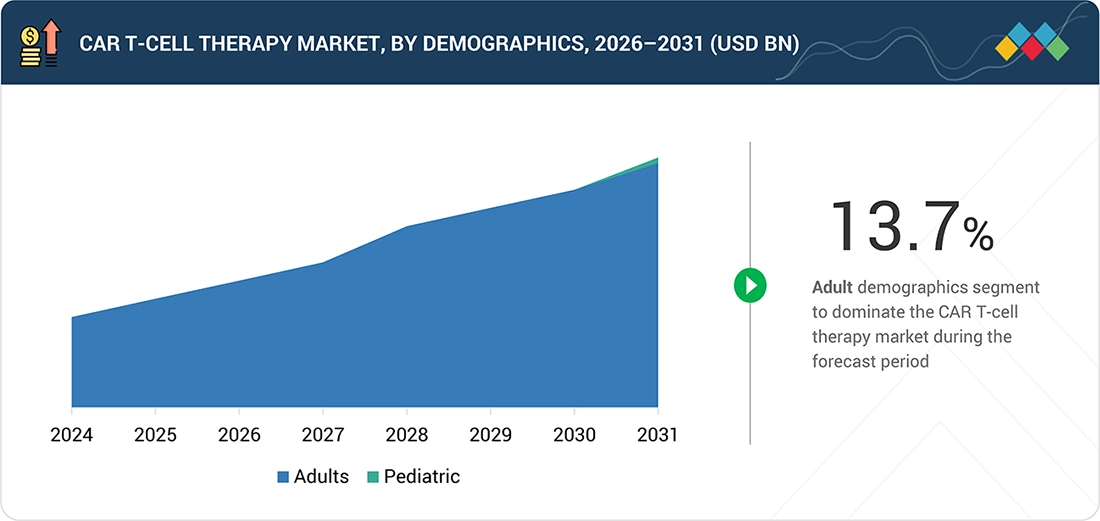
Demographics Leader: Adults dominated the market in 2025.
End User Leader: Hospitals are expected to dominate the market. -
MARKET OUTLOOK & COMPETITIVE LANDSCAPE:
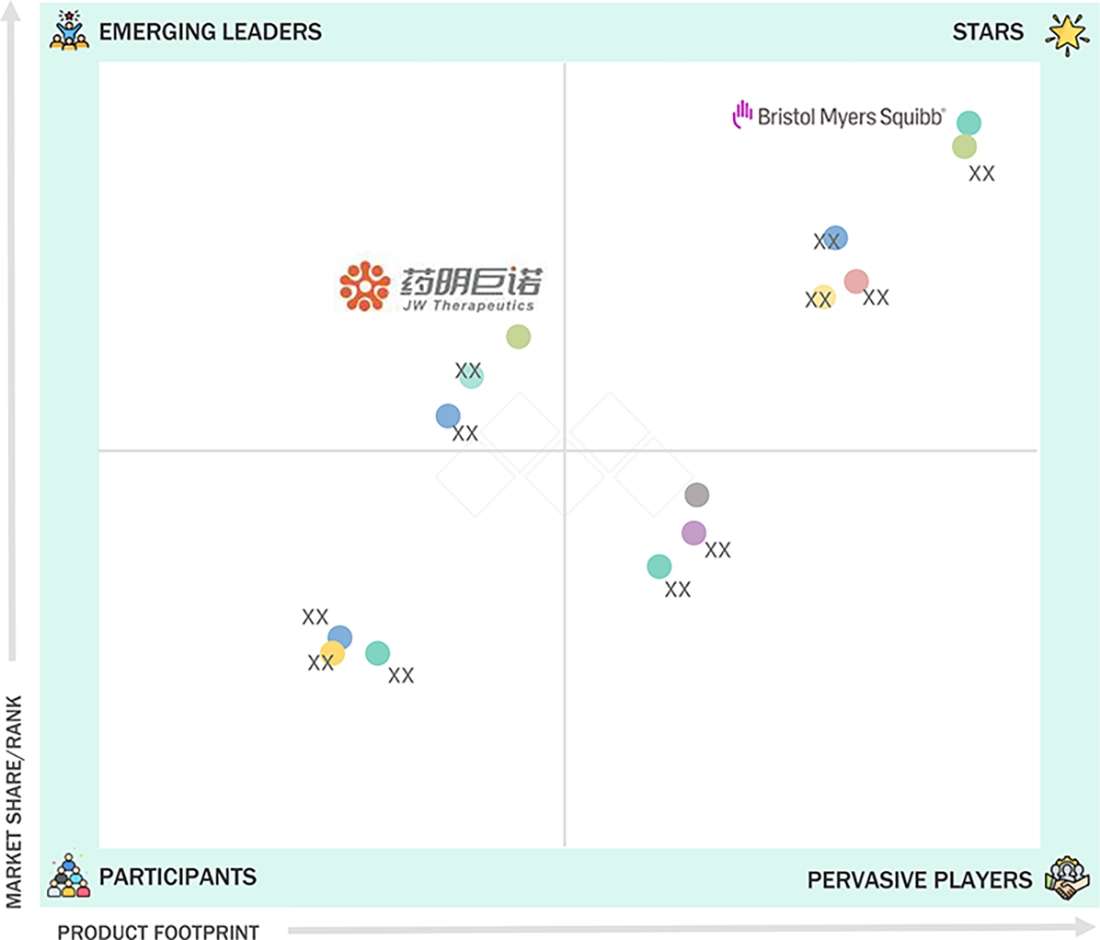
Johnson & Johnson (US), Bristol-Myers Squibb Company (US), and Gilead Sciences, Inc. (US) were identified as some of the star players in the CAR T-cell therapy market, given their strong market share and product footprint.
Companies such as Kyverna Therapeutics (US) and Wugen (US), among others, have distinguished themselves among startups and SMEs by securing strong footholds in specialized niche areas, underscoring their potential as emerging market leaders.
The global market for CAR T-cell therapy is growing at a steady pace. The primary factor is the increased usage of these therapies in relapsed/refractory hematologic cancers as well as the ongoing CAR-T indication expansions. The development of next-gen constructs, dual/multi, target CARs and allogeneic approaches in the clinical pipeline is progressively enabling the untapped solid tumor patients to be treated. Advanced manufacturing and better safety and efficacy management are also contributing to the strengthening of real-world adoption. An upsurge in influx of pharma, biotech and supportive regulatory pathways enabling investments is global commercialization and access.
TRENDS & DISRUPTIONS IMPACTING CUSTOMERS' CUSTOMERS
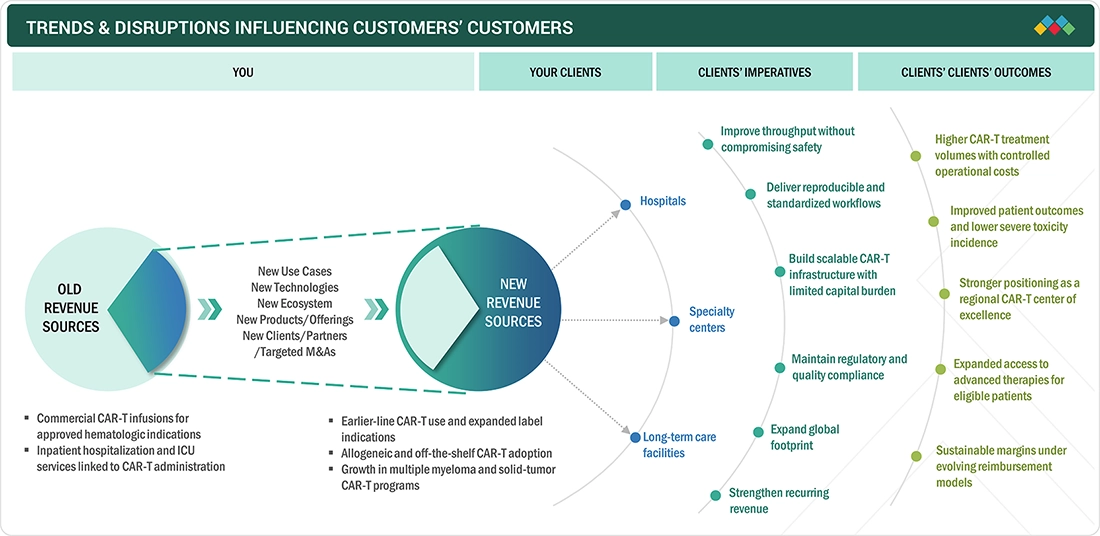
A number of structural changes have been influencing the effects on various stakeholder groups within the global CAR T-cell therapy market. More detailed immune and cancer profiling is becoming the norm in order to help target discovery, patient stratification and prediction of response/toxicity, thus a perfect analytical workflow that is quantitative, robust and can be used for both preclinical and clinical stages is highly demanded. Since CAR-T treatments are expanding and diversifying (dual, target, armored, allogeneic), the reliance on data-driven decision-making has become core of development and commercialization. Hence, more funding is being directed to advanced analytics, biomarker platforms and the development of integrated translational tools that make CAR-T development and deployment faster, safer and more predictable.
Source: Secondary Research, Interviews with Experts, MarketsandMarkets Analysis
MARKET DYNAMICS

Level
-
Technological advancements in CAR T-cell therapies

-
Label expansions along with strong efficacy signals in hematologic cancers


Level
-
High cost and reimbursement challenges


Level
-
Expanding beyond hematologic malignancies into solid tumors and new disease areas

-
Focus shift on allogeneic CAR-T and CAR-NK


Level
-
Long-term safety surveillance and evolving labeling requirements

Source: Secondary Research, Interviews with Experts, MarketsandMarkets Analysis
Driver: Technological advancements in CAR T-cell therapies
Growing technological advancements are a major CAR-T market driver because they are steadily converting CAR-T from a 'bespoke, inflexible therapy' into a more repeatable, scalable, and globally deployable platform. On the manufacturing side, the shift toward closed, automated, and semi-automated workflows is reducing manual touchpoints (and contamination risk), improving batch-to-batch consistency, and helping sites run CAR-T with fewer specialized resources. CAR-T manufacturing sites are increasingly adopting automation platforms.
Restraint: High cost and reimbursement challenges
The high cost of CAR T-cell therapy represents a significant restraint on the market, posing challenges to widespread adoption and accessibility. One of the primary factors complex and individualized manufacturing process required for CAR T-cell therapies. Each treatment contributing to the elevated cost is the involves extracting T-cells from the patient, genetically modifying them to express CARs, and expanding these cells in a controlled laboratory environment before reinfusing them into the patient. This laborintensive and time-consuming process incurs substantial costs, often exceeding USD 350,000 per treatment, as seen with therapies like Kymriah and Yescarta.
Opportunity: Expanding beyond hematologic malignancies into solid tumors and new disease areas
While blood cancers remain the core revenue generating area, the next wave of value is in solid tumors and potentially non-oncology (e.g., autoimmune) . Here patient populations are larger and chronic-care economics differ. Companies and researchers increasingly see CAR engineering as a route to overcome solid tumor barriers. Each technical breakthrough is expected to open high-volume indications and diversify revenue.
Challenge: Long-term safety surveillance and evolving labeling requirements
A key market challenge is that CAR-T safety oversight is not 'one-and-done.' Regulators have required updates such as boxed warnings and lifelong monitoring recommendations tied to secondary malignancies and other serious events, increasing long-term follow-up expectations and operational workload. These requirements can raise delivery complexity for smaller centers, influence outpatient eligibility, and add friction in payer/provider decision-making.
CAR T-CELL THERAPY MARKET: COMMERCIAL USE CASES ACROSS INDUSTRIES
| COMPANY | USE CASE DESCRIPTION | BENEFITS |
|---|---|---|
.svg) |
CHOP’s Cancer Immunotherapy Program has been a leading clinical site in advancing CAR-T for pediatric/young adult leukemia, including early investigation of tisagenlecleucel (Kymriah) in collaboration with industry and academic partners. | Faster translation of CAR-T innovations into pediatric care pathways. Strong clinical confidence through deep protocol experience. Improved standardization of monitoring and follow-up in high-risk patients. |
Logos and trademarks shown above are the property of their respective owners. Their use here is for informational and illustrative purposes only.
MARKET ECOSYSTEM
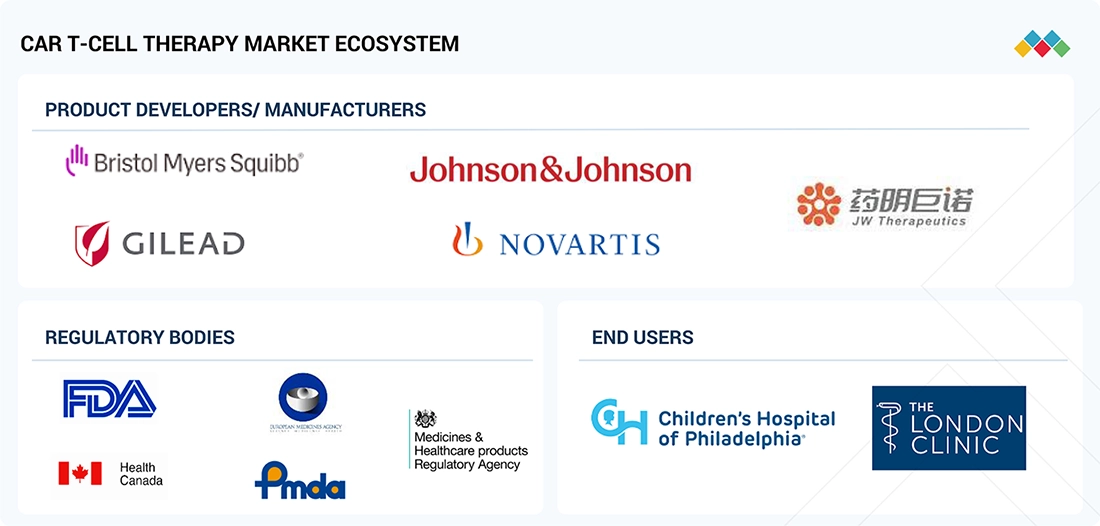
The global CAR T-cell therapy ecosystem includes an extensive range of stakeholders who support the various stages from discovery, clinical development to commercial manufacturing. This starts with essential raw materials like viral vectors, cell culture media, activation reagents, gene editing tools and single-use manufacturing consumables. These materials are being acquired more and more from global suppliers who have manufacturing and distribution facilities locally to ensure the reliability and scale of supply. The ecosystem further comprises automated cell processing platforms, analytical and quality control technologies and CDMOs facilitating consistent, GMP-compliant CAR T production.
Logos and trademarks shown above are the property of their respective owners. Their use here is for informational and illustrative purposes only.
MARKET SEGMENTS
Source: Secondary Research, Interviews with Experts, MarketsandMarkets Analysis
CAR T-Cell Market, By product
In 2025, Carvykti accounted for a leading share of the global CAR T-cell therapy market, supported by strong adoption in multiple myeloma across major treatment centers and sustained confidence in its real-world clinical performance. Its competitive advantage is driven by high efficacy, deep and durable response rates, and increasing use in earlier lines of therapy, which have expanded the eligible patient pool.
CAR T-Cell Market, By target
In 2025, CD19 continued to capture the largest share of the global CAR T-cell therapy market, driven by its broad clinical validation across B-cell malignancies and sustained uptake across major treatment centers. The depth of evidence, established treatment pathways, and continued label expansions in large B-cell lymphoma and related indications reinforce CD19 as the most commercially mature CAR-T target.
CAR T-Cell Market, By indication
In 2025, B-cell lymphomas continued to account for the largest share of the global CAR T-cell therapy market, driven by sustained utilization of CD19-directed CAR-Ts across key lymphoma subtypes and established treatment pathways in major markets.
CAR T-Cell Market, By demographic
In 2025, the adult segment continues to dominate the global CAR T-cell therapy market, reflecting the concentration of eligible patient populations in adult hematologic malignancies and the adult-heavy mix of approved indications. Most commercial CAR-T utilization is anchored in adult lymphoma and multiple myeloma treatment pathways, supported by established referral networks and expanding capacity at certified treatment centers.
CAR T-Cell Market, By end user
Hospitals accounted for the dominant share of the global CAR T-cell therapy market, in 2025. This was mainly because CAR-T administration is concentrated in accredited hospital-based transplant and oncology centers. These settings are essential for managing complex logistics, inpatient infusion and intensive monitoring for acute toxicities such as CRS and neurotoxicity. The need for specialized infrastructure, multidisciplinary care teams and reimbursement alignment continues to anchor CAR-T utilization within hospitals. This reinforces their central role as the primary end users globally.
REGION
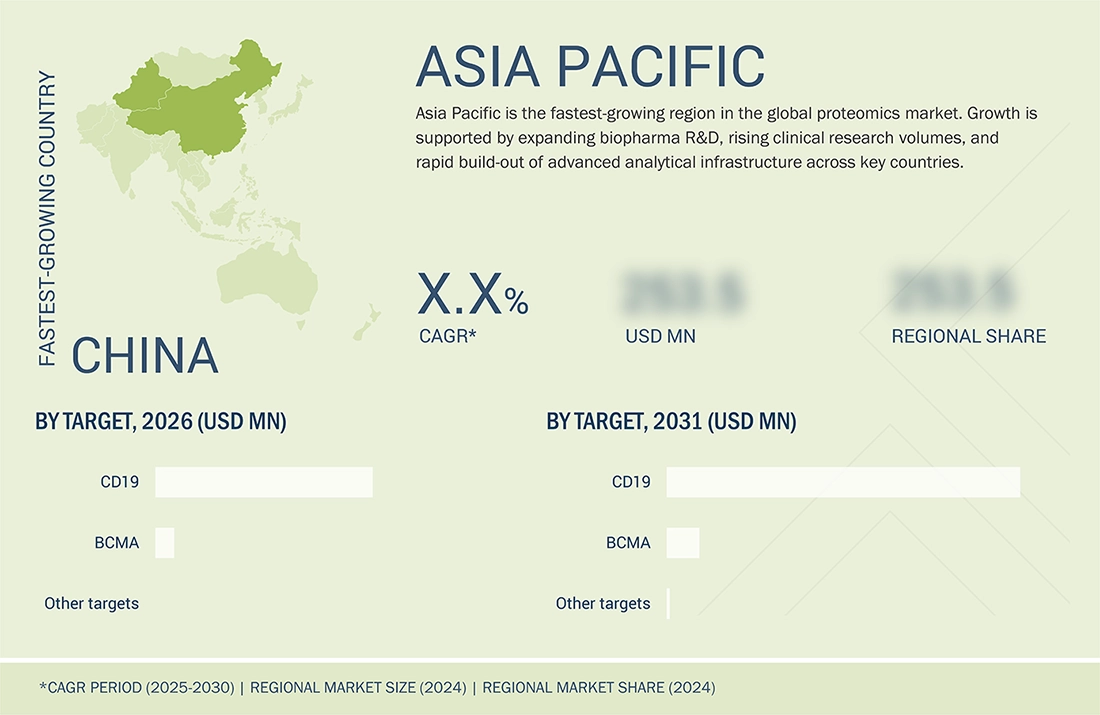
Asia Pacific to be the fastest-growing region in the global CAR T-cell market during the forecast period
Biopharma R&D expansion, rapid clinical trial activity growth and increasing investments in advanced cell and gene therapy infrastructure are some of the factors driving Asia Pacific as a high-growth region in the global CAR T-cell therapy market. China, Japan, South Korea and India are consolidating their positions through domestic CAR-T development, local manufacturing, and regulatory pathways supportive of healthcare. The region has a high uptick of automated cell processing platforms, viral vector capabilities and specialized CDMO services usage by the academic institutions and hospitals.
CAR T-CELL THERAPY MARKET: COMPANY EVALUATION MATRIX
Among the top-tier global CAR T-cell therapy industry map companies, Bristol Myers Squibb (Star) continues to stand out as a major benchmark player. This is substantiated by a scaled commercial CAR T footprint, profound clinical and real-world evidence generation and robust manufacturing, quality systems and global market access capabilities. The company's hematologic indications portfolio and continuous next-generation innovation investments, as well as operational excellence, further bolster its leadership in usage adoption and lifecycle expansion. JW Therapeutics (Emerging Leader) is fast-tracking its position by localizing development and commercialization in China, thus taking advantage of regional regulatory familiarity, an expanding treatment center network and increasingly robust manufacturing and supply capabilities.
Source: Secondary Research, Interviews with Experts, MarketsandMarkets Analysis
KEY MARKET PLAYERS
- Bristol-Myers Squibb Company (US)
- Johnson & Johnson (US)
- Gilead Sciences, Inc. (US)
- Novartis AG (Switzerland)
- JW (Cayman) Therapeutics Co. Ltd (China)
- ImmunoACT (India)
- CARsgen Therapeutics Holdings Limited (China)
- IASO biotherapeutics (China)
- Autolus Therapeutics (UK)
- Cartesian Therapeutics, Inc. (US)
MARKET SCOPE
| REPORT METRIC | DETAILS |
|---|---|
| Market Size in 2025 (Value) | USD 5.98 Billion |
| Market Forecast in 2031 (Value) | USD 13.56 Billion |
| Growth Rate | CAGR of 14.9% from 2026-2031 |
| Years Considered | 2024-2031 |
| Base Year | 2025 |
| Forecast Period | 2026-2031 |
| Units Considered | Value (USD Million) |
| Report Coverage | Revenue forecast, company ranking, competitive landscape, growth factors, and trends |
| Segments Covered |
|
| Regions Covered | North America, Europe, Asia Pacific, Latin America, Middle East and Africa |
WHAT IS IN IT FOR YOU: CAR T-CELL THERAPY MARKET REPORT CONTENT GUIDE
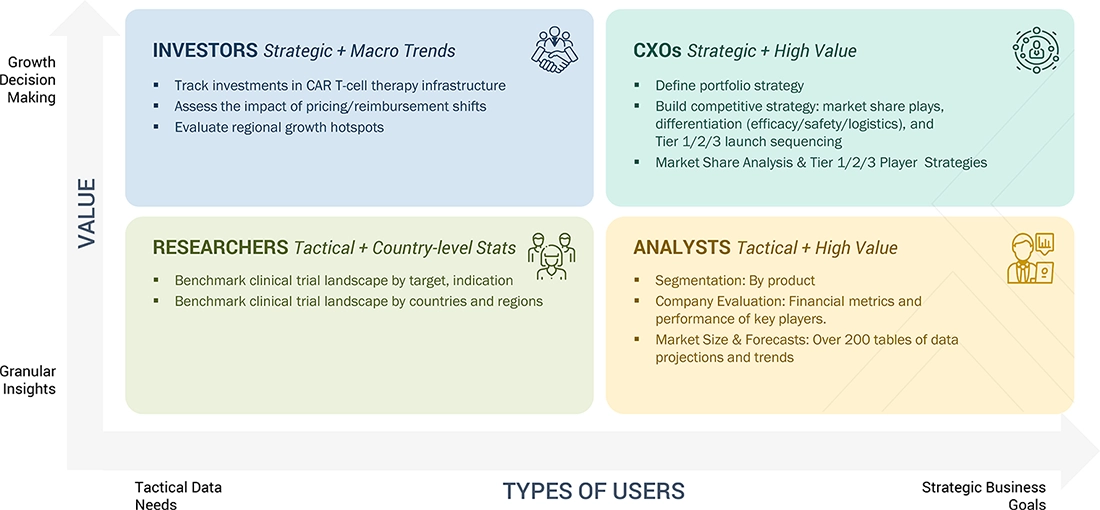
DELIVERED CUSTOMIZATIONS
We have successfully delivered the following deep-dive customizations:
| CLIENT REQUEST | CUSTOMIZATION DELIVERED | VALUE ADDS |
|---|---|---|
| Regional demand and adoption analysis (US/EU/APAC focus) | Assessed CAR-T adoption by country and indication (DLBCL, MM, ALL), mapped certified treatment centers, referral flows, reimbursement status, and capacity constraints | Enables region-specific launch sequencing, site expansion planning, and realistic revenue ramp-up assumptions |
| Competitive positioning and product landscape | Benchmarked approved and late-stage CAR-T products by target, indication, line of therapy, safety profile, pricing, and manufacturing model (autologous vs allogeneic) | Helps refine differentiation strategy, lifecycle planning, and positioning vs incumbent products |
RECENT DEVELOPMENTS
- May 2024 : The US FDA granted accelerated approval to Breyanzi for the treatment of adult patients with relapsed or refractory follicular lymphoma (FL) who have received two or more prior lines of systemic therapy.
- April 2024 : Bristol entered a worldwide capacity reservation and supply agreement with Cellares to manufacture CAR T-cell therapies using Cellares's automated & high-throughput manufacturing platform, Cell Shuttle.
- April 2024 : The European Commission (EC) has approved a Type II variation of Carvykti (ciltacabtagene autoleucel) for treating adult patients with relapsed and refractory multiple myeloma (RRMM). These patients have received at least one prior therapy, such as an immunomodulatory agent (IMiD) or proteasome inhibitor (PI), have shown disease progression during the last treatment, and are resistant to lenalidomide.
Table of Contents
 Exclusive indicates content/data unique to MarketsandMarkets and not available with any competitors.
Methodology
This study involved four major activities in estimating the current size of the CAR T-cell therapy market. Exhaustive secondary research was carried out to collect information on the market, its peer markets, and its parent market. These findings, assumptions, and sizing were then validated with industry experts across the value chain through primary research. Both top-down and bottom-up approaches were employed to estimate the complete market size. Following this, market breakdown and data triangulation procedures were used to estimate the market size of segments and subsegments.
Secondary Research
Secondary research was used mainly to identify and collect information for the extensive, technical, market-oriented, and commercial study. The secondary sources referred for this research study include publications from government sources, such as the National Center for Biotechnology Information (NCBI), National Institutes of Health (NIH), World Health Organization (WHO), United States Food and Drug Administration (US FDA), American Society of Gene & Cell Therapy (ASGCT), European Medicines Agency (EMA), Industry Association of Synthetic Biology (IASB), International Society for Cell & Gene Therapy (ISCT), National Center for Complementary and Integrative Health (NCCIH), BioPharm International, ScienceDirect, News Articles, Journals, Press Releases, Paid Databases, Expert Interviews, and MarketsandMarkets Analysis, among others. Secondary sources also included corporate and regulatory filings (such as annual reports, SEC filings, investor presentations, and financial statements); business magazines and research journals; press releases; and trade, business, and professional associations. These sources were also used to obtain key information about major players, global product revenues, market classification, and segmentation according to industry trends, regional/country-level markets, market developments, and technology perspectives. Secondary data was collected and analyzed to arrive at the overall size of the global CAR T-cell therapy market, which was validated through primary research.
Primary Research
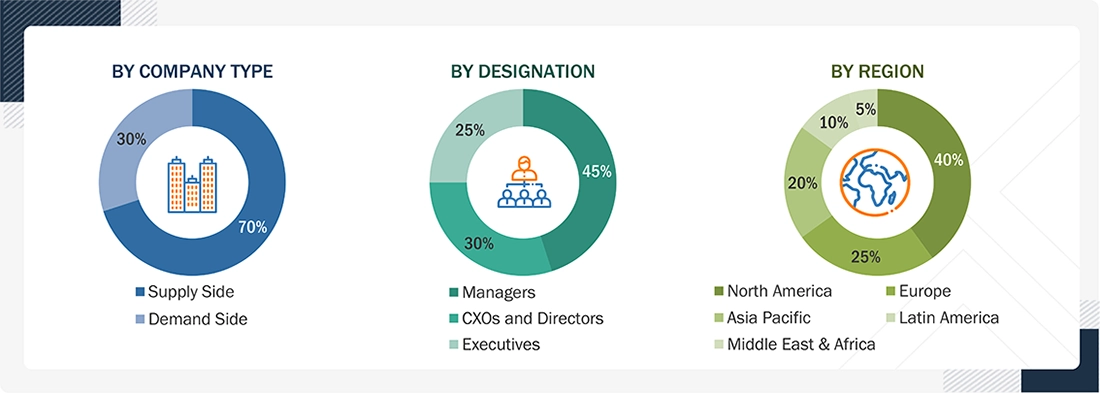
In-depth interviews were conducted with various primary respondents, including key industry participants, subject-matter experts (SMEs), C-level executives of key market players, and industry consultants, among other experts, to obtain and verify the critical qualitative and quantitative information as well as assess future prospects of the market. Various primary sources from both the supply and demand sides of the market were interviewed to obtain qualitative and quantitative information. The following is a breakdown of the primary respondents:
To know about the assumptions considered for the study, download the pdf brochure
Market Size Estimation
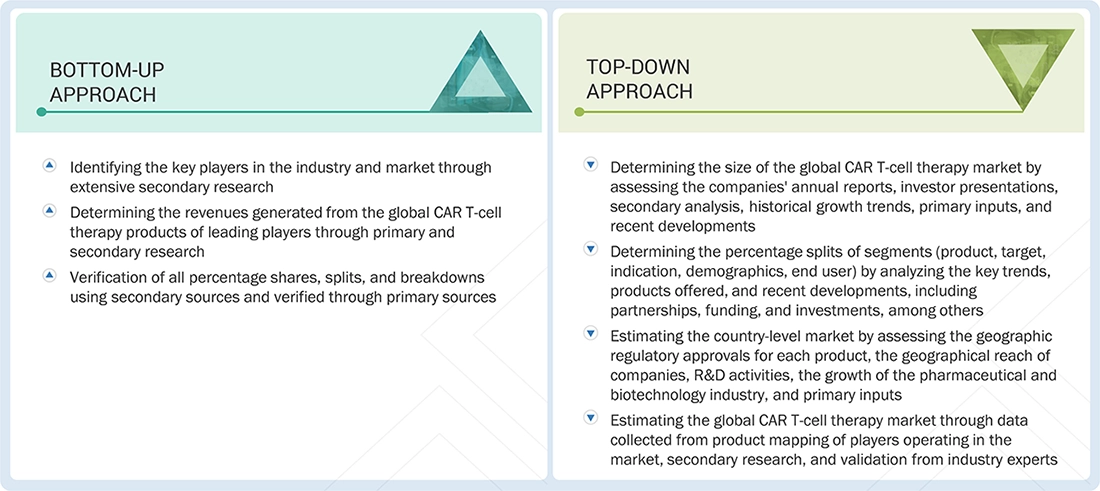
The global size of the CAR T-cell therapy market was estimated through multiple approaches. A detailed market estimation approach was followed to estimate and validate the value of the market and other dependent submarkets. These methods were also used extensively to estimate the size of various subsegments in the market. The research methodology used to estimate the market size includes the following:
CAR T-Cell Therapy Market Size: Bottom-up Approach and Top-down Approach
Data Triangulation
After estimating the overall market size from the market size estimation process, the total market was split into several segments. To complete the overall market engineering process and arrive at the exact statistics for all segments, data triangulation and market breakdown procedures were employed, wherever applicable. The data was triangulated by studying various factors and trends from both the demand and supply sides.
Market Definition
CAR T-cell therapy is a treatment method wherein a patient’s T-cells (a type of immune system cell) undergo modification in a laboratory to target and attack cancer cells effectively. Initially, T-cells are extracted from the patient’s bloodstream. Then the gene for a special receptor that binds to a specific protein on the patient’s cancer cells is added to the T cells in the laboratory. The special receptor is known as a chimeric antigen receptor (CAR). Following this modification process, the CAR T-cells are cultured and multiplied in large quantities. Finally, the amplified CAR T-cells are administered to the patient via infusion. This therapeutic approach is predominantly utilized in the management of specific blood cancers, and ongoing research is exploring its potential applications in treating other forms of cancer. The CAR T-Cell therapy market includes approved and pipeline CAR T-cell products for therapeutic purposes.
Key Stakeholders
- Pharmaceutical Companies
- Biotechnology Companies
- Clinical Research Organizations (CROs)
- Regulatory Authorities
- Healthcare Providers
- Patients and Patient Advocacy Groups
- Investors and Venture Capital Firms
- Research & Development Companies
- Research Laboratories & Academic Institutes.
- Market Research & Consulting Firms
Report Objectives
- To define, describe, and forecast the CAR T-cell therapy market by value for product, target, indication, demographic, end user, and region
- To define, describe, and forecast the CAR T-cell therapy market by volume for the product segment at the global level
- To provide detailed information regarding the major drivers, restraints, opportunities, and challenges, influencing the market growth
- To analyze the micromarkets with respect to individual growth trends, prospects, and contributions to the overall CAR T-cell therapy market
- To analyze the opportunities for stakeholders and provide details of the competitive landscape for market leaders
- To forecast the size of the market segments with respect to five regions: North America, Europe, the Asia Pacific, Latin America, and the Middle East & Africa
- To profile the key players and analyze their market shares and core competencies
- To track and analyze competitive developments, such as product launches, partnerships, agreements, collaborations, and expansions
- To benchmark players within the market using the proprietary “Company Evaluation Matrix” framework, which analyzes market players on various parameters within the broad categories of business and product excellence strategy
- To provide an overview of the market with specialized analysis such as trends/disruptions impacting customers’ business, pricing analysis, value/ supply chain analysis,ecosystem analysis, technology analysis, patent analysis, key conferences & events 2026-2027, regulatory landscape, Porter’s five forces analysis, key stakeholders and buying criteria, and investment and funding scenario
Available customizations:
- With the given market data, MarketsandMarkets offers customizations as per the company’s specific needs. The following customization options are available for the report:
Geographic Analysis
- Further breakdown of the Rest of Europe CAR T-cell therapy market, by country
- Further breakdown of the Rest of Asia Pacific CAR T-cell therapy market, by count
Company Information
- Detailed analysis and profiling of additional market players (up to five
Segment Analysis
- Cross-segment analysis


Personalize This Research
- Triangulate with your Own Data
- Get Data as per your Format and Definition
- Gain a Deeper Dive on a Specific Application, Geography, Customer or Competitor
- Any level of Personalization
Let Us Help You
- What are the Known and Unknown Adjacencies Impacting the CAR T-Cell Therapy Market
- What will your New Revenue Sources be?
- Who will be your Top Customer; what will make them switch?
- Defend your Market Share or Win Competitors
- Get a Scorecard for Target Partners

Custom Market Research Services
We Will Customise The Research For You, In Case The Report Listed Above Does Not Meet With Your Requirements
Get 10% Free CustomisationTESTIMONIALS

JAYANT RAJPUROHIT
Director of Market Insights, Data and Analytics
SFI Health,
Leading Pharmaceutical Companywww.sfihealth.com/
We at SFI Health approached MarketsandMarkets for an Opportunity Assessment on "Incidence and Prevalence of Focus Indications" as we wanted to know the most attractive HCPs like Physician, Functional MD, Naturopath and Pharmacist. The project was critical for us to ensure our focus on the right target which would enable sustainable growth and profitability for SFI Health. The business insights provided exceeded our expectations and we were extremely impressed. The team at MarketsandMarkets is highly professional and detail oriented and very well understood our business needs. MarketsandMarkets offers a unique combination of expertise and dedicated engagement model. We identified 2 new products to be launched in coming months, based on the research findings provided by MarketsandMarkets. We are happy with the services and would strongly recommend MarketsandMarkets to my peers in the industry.

BEATRIZ DE LA CALLE
Head of Commercial Analytics
Qualicaps,
Leading Pharmaceutical Companywww.qualicaps.com/

We partnered with MarketsandMarkets for an assessment study on hard empty capsules. The team was extremely professional in understanding our business requirements and we received timely responses to all our queries. The market intelligence and the recommendations has met our business requirements. We were extremely impressed to see the final study results; it really exceeded our expectations. The market intelligence offered by MarketsandMarkets, and clarity on next steps will help us achieve our business objective for the Year 2021. We are happy with the services and would strongly recommend MarketsandMarkets to my peers in the industry.

Bob Williams,
Senior Director Business Development & Innovation
Bracco Diagnostics Inc.,
Italian Multinational in life sciences sector and a World Leader in imaging diagnosticsimaging.bracco.com/us-en
We were pleased with targeted insights that MarketsandMarkets identified from a custom study on the 'Radiation Dose Management Solutions Market'. Your team identified and characterized the market participants as well as underlying trends accurately. This study was useful to Bracco in formulating business strategies for our dose monitoring product lines and we thank MarketsandMarkets for the job well done.
Cody Coonradt,
Market Development and Strategy Manager
3M Health Information Systems,
Leader in Health care Coding, Payment & Analytics Solutions.www.3m.com/3M/en_US/health-information-systems-us
The value for our organization comes from three things: depth of research, specificity of segments and being easy to work with. As important as the first two are, the third can't be underestimated. MarketsandMarkets, maybe more than any other research vendor, wants to know what is top of mind for our team and what big questions we are grappling to answer.
Their customer first approach and high value engagement model, have given us great analysis and excellent value for money
- GCC Countries CAR T-Cell Therapy Market
- Rest Of Middle East CAR T-Cell Therapy Market
- Kingdom Of Saudi Arabia CAR T-Cell Therapy Market
- Rest Of GCC Countries CAR T-Cell Therapy Market
- US CAR T-Cell Therapy Market
- Canada CAR T-Cell Therapy Market
- Germany CAR T-Cell Therapy Market
- UK CAR T-Cell Therapy Market
- France CAR T-Cell Therapy Market
- Italy CAR T-Cell Therapy Market
- Spain CAR T-Cell Therapy Market
- China CAR T-Cell Therapy Market
- Japan CAR T-Cell Therapy Market
- India CAR T-Cell Therapy Market
- Australia CAR T-Cell Therapy Market
- South Korea CAR T-Cell Therapy Market
- Brazil CAR T-Cell Therapy Market
- UAE CAR T-Cell Therapy Market
- Rest Of Europe CAR T-Cell Therapy Market
- Rest Of Asia Pacific CAR T-Cell Therapy Market
- Rest Of Latin America CAR T-Cell Therapy Market






Growth opportunities and latent adjacency in CAR T-Cell Therapy Market