Cold Chain Market Growth & Future Trends

Cold Chain Market By Type, Temperature Type (Chilled, Frozen, and Deep-frozen), Application (Food & Beverages, Pharmaceuticals), Technology (Blast Freezing, Vapor Compression, Programmable Logic Controller), and Region – Global Forecast to 2031




OVERVIEW
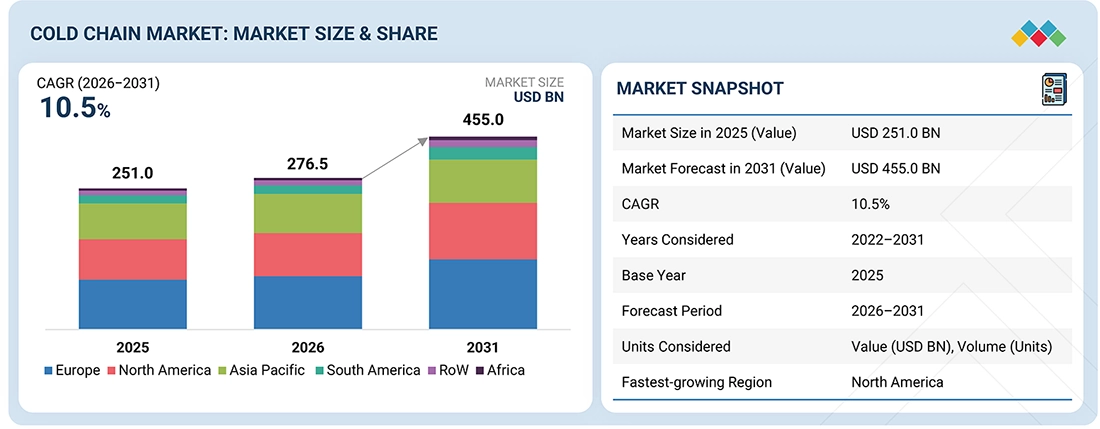
Source: Secondary Research, Interviews with Experts, MarketsandMarkets Analysis
The cold chain market is estimated at USD 276.5 billion in 2026 and is projected to reach USD 455.0 billion by 2031, at a CAGR of 10.5% from 2026 to 2031. With consumers seeking convenience and health-conscious options, there's a growing demand for products that are minimally processed, yet have an extended shelf life. Cold chain infrastructure plays a pivotal role in meeting these demands by preserving the freshness and nutritional value of perishable items, thereby extending their marketability. Additionally, the globalization of food supply chains has made cold chain logistics indispensable in international trade. With a rise in cross-border commerce, maintaining product quality and safety standards becomes paramount. Cold chain ensures that goods such as fruits, vegetables, seafood, and pharmaceuticals remain viable during transit, reducing the risk of spoilage and contamination.
Market Size and Forecast:
- Market Size Value in 2025: USD 251.0 Billion
- Market Size Value in 2026: USD 276.5 Billion
- Revenue Forecast in 2031: USD 455.0 Billion
- Growth Rate: CAGR of 10.5% from 2026 to 2031
- Base year: 2025
- Forecast period: 2026–2031
- The Asia Pacific cold chain market accounted for 66.2% revenue share in 2025.
- The LCV segment is poised to register the highest CAGR of 11.5%.
Key Market Trends and Insights
- By Type: The refrigerated transport segment contributes the largest share of revenue in the global cold chain market, driven by the growing need to transport temperature-sensitive food products, pharmaceuticals, biologics, and vaccines across domestic and international supply chains.
- Growth Factors: Rising consumption of frozen and chilled foods, expansion of global food trade, increasing demand for temperature-sensitive pharmaceuticals and biologics, growth in e-commerce grocery delivery, and investments in cold storage infrastructure are creating significant growth opportunities for the cold chain market.
- By Application: The Food & Beverages segment accounts for the largest market share, supported by growing consumer demand for fresh produce, dairy products, seafood, meat, frozen foods, and ready-to-eat meals that require strict temperature control throughout the supply chain.
- Technology Trend: The integration of IoT sensors, predictive analytics, automation, AI-driven monitoring, and cloud-based visibility platforms is transforming cold chain operations by enabling real-time tracking, minimizing temperature excursions, improving compliance, and reducing food and pharmaceutical waste.
KEY TAKEAWAYS
-
BY REGIONThe Asia Paciifc cold chain market accounted for 66.2% revenue share in 2025.
-
BY TYPEAmong types, the refrigerated transport segment is projected to hold the largest market share, and was valued at USD 104,961.5 million in 2025 and is projected to register a CAGR of 10.7% during the forecast period.
-
BY MODE OF TRANSPORTBy mode of transport, the LCV segment is poised to register the highest CAGR of 11.5%.
-
BY APPLICATIONBy application, the food & beverages segment is projected to have a large share.
-
COMPETITIVE LANDSCAPE (Key Players)Key market leaders such as Lineage, Americold Logistics, A.P. Moller - Maersk, Nichirei Corporation, and United States Cold Storage dominate the cold chain market through extensive product portfolios, strong global distribution, and deep expertise in solutions. These players are heavily investing in automation, rapid technologies, high-quality products, and product innovation, while strategic partnerships, acquisitions, and expansion into foodservice channels remain core competitive strategies.
-
COMPETITIVE LANDSCAPE (SMEs)NewCold, Congebec, Snowman Logistics, Seafrigo Group, and Blue Water Shipping have distinguished themselves within the SME landscape by building strong footholds in niche segments, leveraging localized distribution networks, and focusing on customized solutions and regional demand pockets, underscoring their growing role in the fragmented food market.
Cold chain systems enable efficient storage and transport of products that need to be kept at precise temperatures. Recent developments in technologies related to refrigeration, temperature tracking, and monitoring have enhanced efficiencies and ensured the safety of perishable products through efficient logistics and better supply chain management. The rise in demand for food products and biological and temperature-sensitive medications is pushing organizations to adopt cold chain systems. In addition, international commerce, growth in online grocery purchases, and distribution of pharmaceutical goods are also contributing to increased investments in advanced cold chain technology.
TRENDS & DISRUPTIONS IMPACTING CUSTOMERS' CUSTOMERS
End user effect in the cold chain market has been brought about by the rising demand for safe and effective temperature control in order to store and transport perishable goods like food, drinks, pharma, and healthcare goods. The rising demands of the consumer to have fresh products delivered promptly while maintaining the safety of the product will compel businesses to invest more in cold chain technology. Businesses will be compelled to use more advanced cold chain technologies such as automated cold storages, Internet of Things-based temperature monitors, smart refrigerations, AI-driven routing, and real-time supply chain monitoring. Cold chain technologies enhance product life span, reduce spoilage and wastage, increase product safety and quality, and ensure prompt delivery.
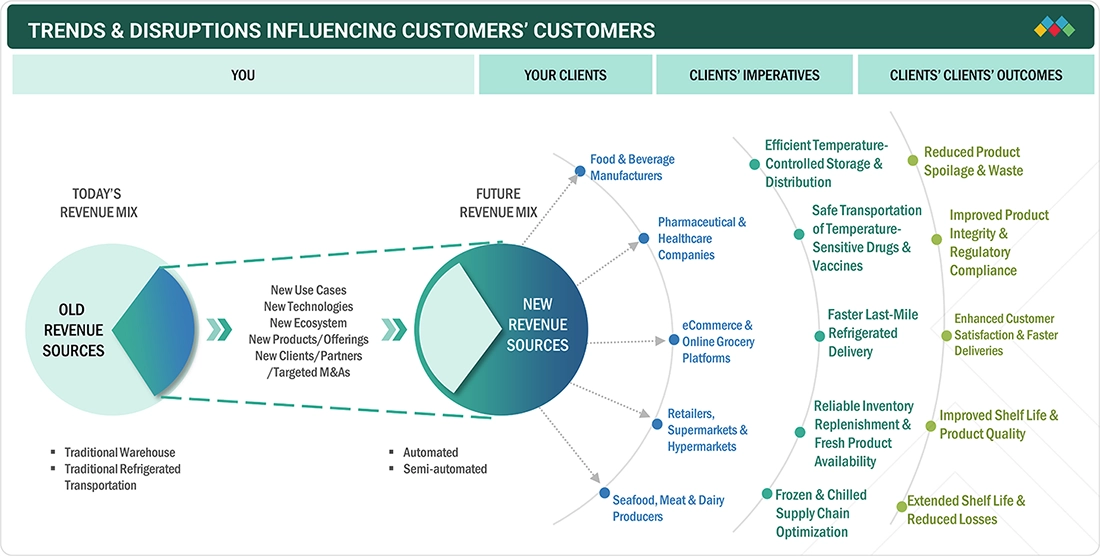
Source: Secondary Research, Interviews with Experts, MarketsandMarkets Analysis
MARKET DYNAMICS

Level
-
Growing demand for frozen foods

-
Rising international trade of perishable commodities


Level
-
High energy costs and need for significant capital investments

-
Environmental concern regarding greenhouse gas emissions


Level
-
Rising preference for intermodal transport to save fuel cost

-
Government support for cold chain infrastructure development


Level
-
Need to ensure product integrity during transportation of perishable commodities

-
Rising fuel costs

Source: Secondary Research, Interviews with Experts, MarketsandMarkets Analysis
Driver: Growing demand for frozen foods
With the introduction of frozen foods, people now rapidly prepare wholesome meals, saving them time and money. Frozen foods are whole meals or meal components packaged and frozen for retail sale and may be wholly or partially cooked. Globally, there is an increase in frozen food consumption, subject to a rise in home cooking preferences and changes in millennials’ lifestyles and eating habits. Shifts in economic, social, and demographic trends are bound to pressure food suppliers. These changes will likely reshape the consumption pattern and consumer perception of frozen foods. Frozen perishable commodities include dairy products, meat & poultry, seafood, and frozen fruits & vegetables. The projected growth of frozen foods is promising, with lucrative opportunities in emerging markets such as Asia Pacific, South America, and Eastern Europe. Food manufacturers actively strive to provide frozen as well as processed and packaged foods to consumers at affordable prices. Freezing techniques offer an ideal solution to move food from the farmer’s market to the supermarket by improving affordability & accessibility and preventing loss of food.
Restraint: High energy costs and need for significant capital investments
A primary concern for manufacturers, retailers, and consumers in the food industry is to ensure food quality and safety by preventing premature expiry, decay, and spoilage. To achieve this, service providers must invest in modern cold storage facilities, advanced vehicles, and system technologies. However, high energy costs are a potential restraint for cold chain providers. Refrigerated storage facilities use traditional fluorescent light fixtures, which are switched on throughout the year as mandated under regulations. An increase in fuel costs and efficient management of fuel consumption are other concerns for cold chain providers, as the requirement for refrigerated vehicles in cold chains, especially in North America and Europe, has increased over the past few years.
Opportunity: Need to ensure product integrity during transportation of perishable commodities
The increasing need for state-of-the-art cold chain logistics is opening up avenues for market stakeholders to leverage their resources for developing automated cold storage, intelligent refrigeration systems, and energy-efficient transportation solutions. The heightened emphasis on minimizing wastage of food products, preserving the integrity of pharmaceuticals, and ensuring efficient cold chain logistics is also contributing to increased uptake of intelligent logistics technologies. The use of IoT technology, artificial intelligence in cold chain warehouses, and sustainable refrigeration systems has also contributed toward improved efficiencies in terms of operations and energy consumption.
Challenge: Need to ensure product integrity during transportation of perishable commodities
Cold chain service providers maintain strict food safety and temperature control measures to prevent contamination, spoilage, and product degradation during storage and transportation. Proper refrigeration, sanitation, and continuous temperature monitoring are essential for preserving the quality and safety of perishable products, especially during long-distance transport and extreme weather conditions. The adoption of IoT-based temperature sensors and real-time monitoring systems helps companies quickly identify and resolve issues, ensuring product integrity across the supply chain. However, refrigeration equipment failures or power interruptions can disrupt the cold chain and compromise sensitive products within a short period.
COLD CHAIN MARKET GROWTH & FUTURE TRENDS (2024–2029): COMMERCIAL USE CASES ACROSS INDUSTRIES
| COMPANY | USE CASE DESCRIPTION | BENEFITS |
|---|---|---|
 |
Provides automated cold storage, temperature-controlled warehousing, and integrated food supply chain logistics solutions. | Enhances inventory efficiency, reduces food spoilage, improves supply chain visibility, and supports large-scale cold storage operations. |
 |
Offers refrigerated warehousing, transportation management, and cold chain distribution services for food and pharmaceutical products. | Maintains product quality and safety, ensures regulatory compliance, and enables efficient handling of temperature-sensitive goods. |
 |
Provides end-to-end refrigerated container shipping and integrated cold chain logistics solutions globally. | Supports reliable international transportation of perishables, improves supply chain connectivity, and reduces transit-related product losses. |
 |
Operates temperature-controlled warehouses and frozen food logistics networks across domestic and international markets. | Enables efficient frozen food distribution, improves storage optimization, and supports stable cold chain operations. |
Logos and trademarks shown above are the property of their respective owners. Their use here is for informational and illustrative purposes only.
MARKET ECOSYSTEM
The market ecosystem for the cold chain includes the major players, demand-side actors, regulation authorities, and start-up companies that contribute towards achieving the goal of efficient temperature-controlled storage and logistics. The notable players involved include Nichirei Corporation, Burris Logistics, Americold Logistics, A.P. Moller–Maersk, United States Cold Storage, Lineage, NewCold, and Coldman Warehousing & Distribution, which are key players in the field of refrigerated warehouses, cold chain logistics, and transport. Acting as the demand side in the market, the food & beverages and pharmaceutical companies like Nestlé, Danone, Pfizer, ADM, and Cargill make intensive use of cold chain infrastructures for their products. Regulators and industry associations such as ECSLA, GCCA, IFDA, and Refrigerated Foods Association are responsible for setting guidelines, operational standards, and cold chain practices for food safety and security purposes. Additionally, there have been significant developments on the part of start-up companies and innovators who are developing innovative cold chains, including Stockhabo.
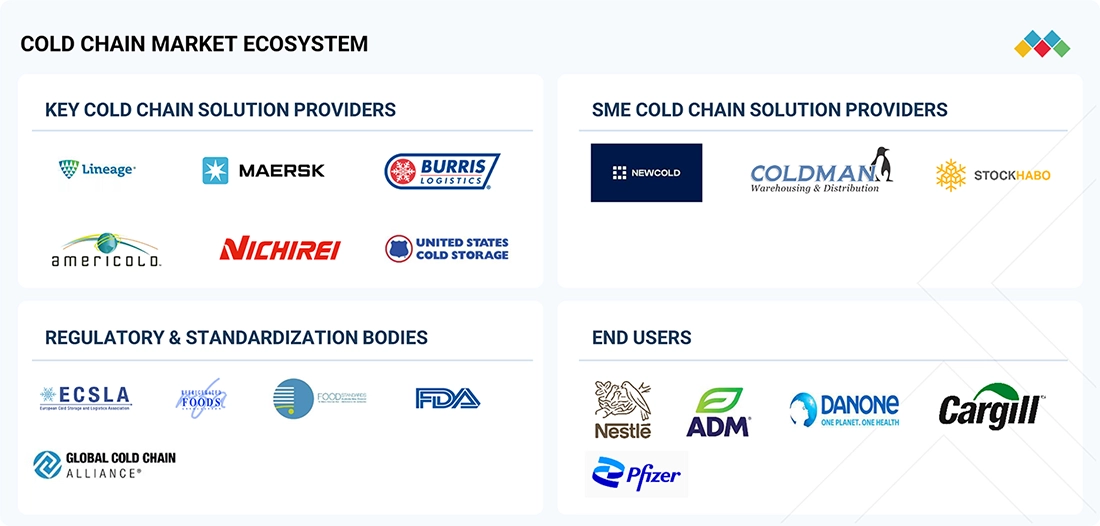
Logos and trademarks shown above are the property of their respective owners. Their use here is for informational and illustrative purposes only.
MARKET SEGMENTS
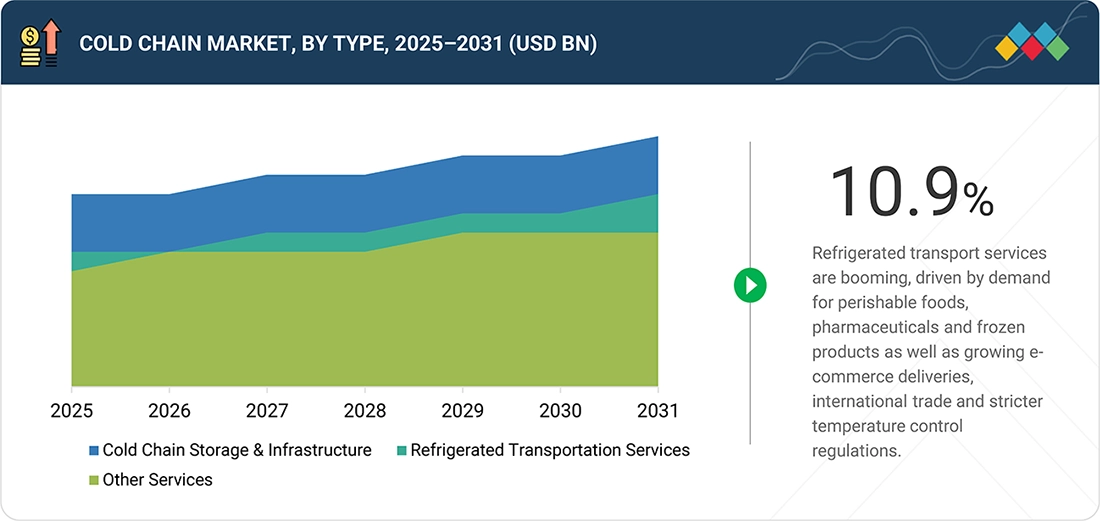
Source: Secondary Research, Interviews with Experts, MarketsandMarkets Analysis
Cold Chain Market, By Type
Refrigerated road transportation is the leading mode of refrigerated transport in the cold chain market because of the important role it plays in maintaining the quality and freshness of perishable goods while in transit. Unlike the cold storage warehouse, the refrigerated transport keeps the cargo cool by ensuring temperature consistency across the entire process of movement from point A to B. This is important, especially for products like fresh produce, pharmaceutical goods, dairy products, and specialty chemicals. The flexibility of refrigerated trucks allows for easy delivery into urban and remote destinations while also providing just-in-time deliveries. Moreover, recent improvements in temperature controls in the refrigerated vehicles make it possible to trace the cargo and ensure compliance with regulations.
Cold Chain Market, By Mode of Transport
LCVs are the most common form of transportation in cold chains because of their flexibility, cost-effectiveness, and applicability in short-range distributions. LCVs are often utilized for distributing perishable food products, dairy items, pharmaceuticals, and frozen foods in urban and semi-urban regions requiring frequent and fast delivery services. They can access cities and other areas more efficiently than HCVs owing to their smaller sizes and greater fuel efficiency. Their smaller size ensures that LCVs consume less fuel and have better maneuverability and lesser operating costs. Moreover, due to the increase in online grocery delivery services and quick commerce, there is growing demand for refrigerated LCVs in the cold chain industry.
Cold Chain Market, By Application
The food and beverages sector accounts for the largest market share of the cold chain market because of the high requirements for the storage and transportation of perishable items like dairy, meat, fish, frozen food items, vegetables, fruits, and pre-packaged ready-to-eat food items. The importance of maintaining the freshness and quality of such goods demands a robust cold chain network. The increasing growth witnessed by organized retail and e-grocery platforms as well as quick service restaurants, coupled with the higher consumption of frozen food items, has fueled the need for efficient cold chain management. Along with that, consumer inclination toward processed and convenient food products and stringent food safety measures have boosted demand within the food and beverages sector.
REGION
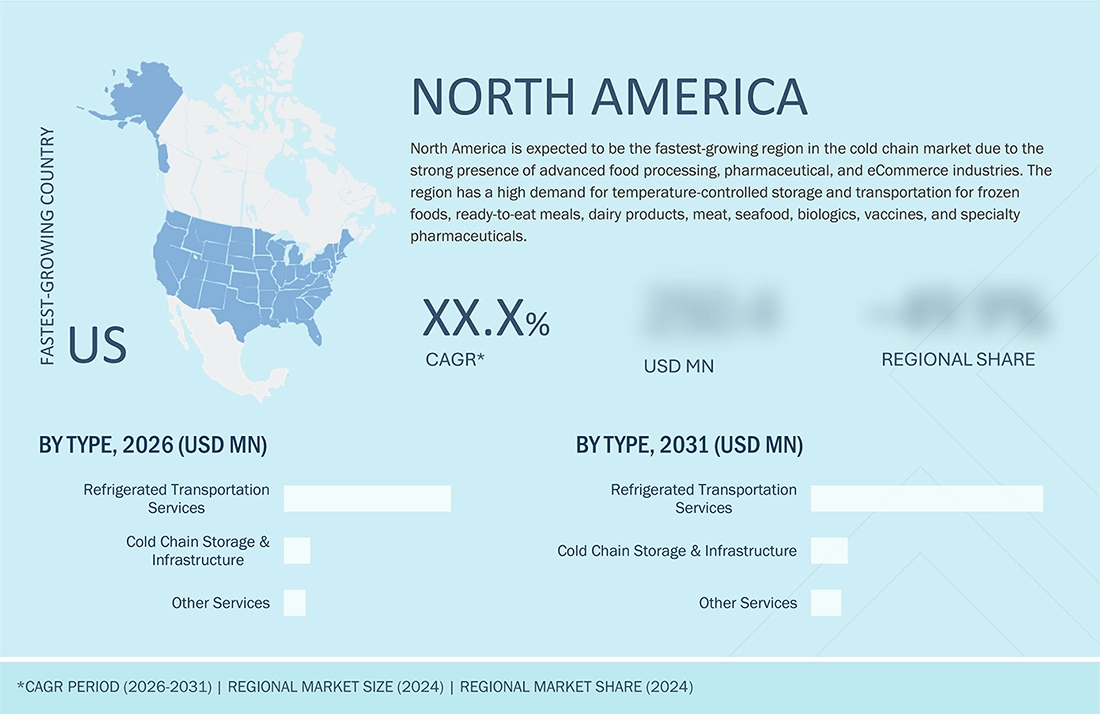
North America is projected to be the fastest-growing region in the cold chain market
North America is expected to be the fastest-growing region in the cold chain market due to rising demand for frozen and processed food products, development of pharmaceutical distribution networks, and high penetration of advanced cold storage technology. North America is known for its well-developed logistics network, growing services of grocery delivery through e-commerce, and investments in automated cold storage. Moreover, stringent regulations on food safety, increased consumption of pre-prepared food items, and high demand for biologics and vaccines transportation drive the demand for effective cold chains in the region. In addition to this, the presence of key players and high-tech advancements in the area of smart refrigerators make the region a highly profitable market for cold chains.
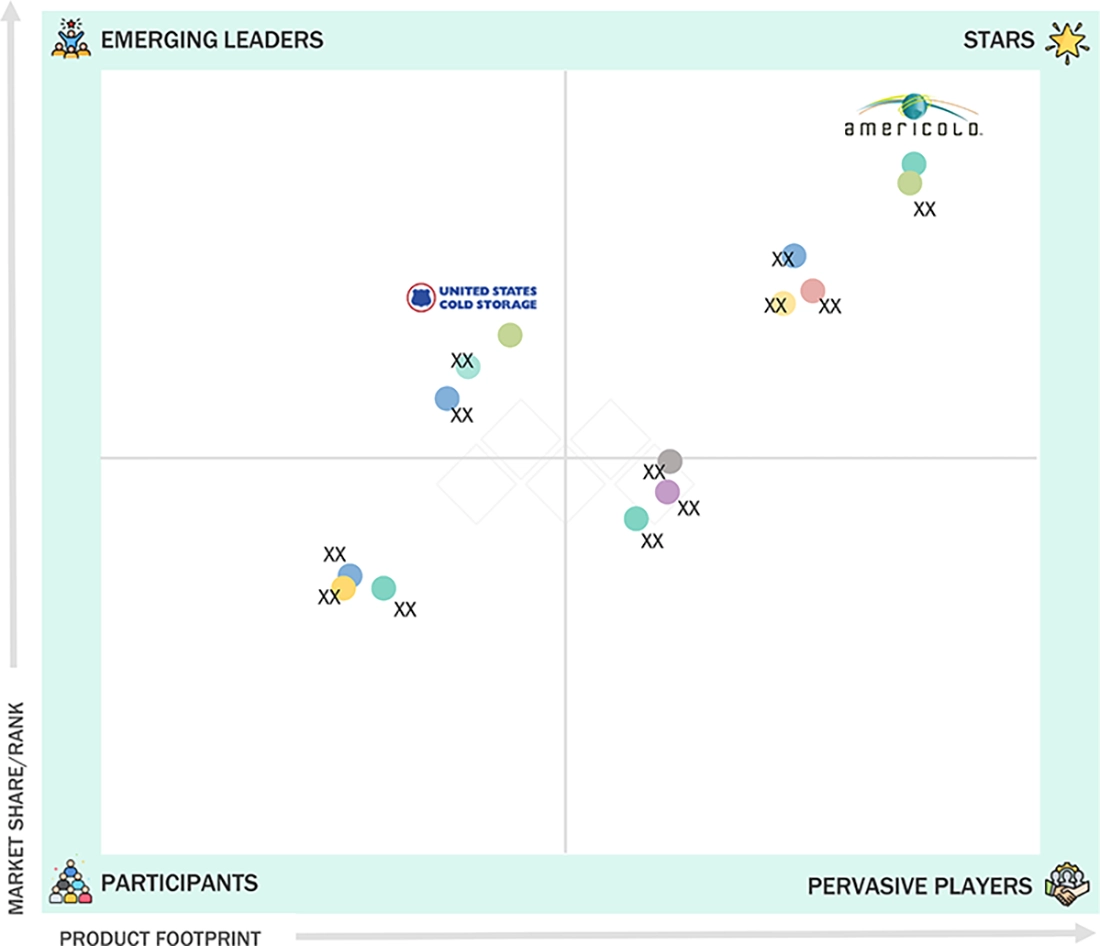
COLD CHAIN MARKET GROWTH & FUTURE TRENDS (2024–2029): COMPANY EVALUATION MATRIX
In the cold chain market, key companies profiled include Americold Logistics, Inc., Lineage, Inc., NICHIREI CORPORATION, Burris Logistics, A.P. Moller - Maersk, Tippmann Group, Coldman Logistics Pvt. Ltd, and United States Cold Storage.
Source: Secondary Research, Interviews with Experts, MarketsandMarkets Analysis
KEY MARKET PLAYERS
- Americold Logistics, Inc. (US)
- Lineage, Inc. (US)
- NICHIREI CORPORATION (Japan)
- Burris Logistics (US)
- A.P. Moller - Maersk (Denmark)
- United States Cold Storage (US)
- Tippmann Group (US)
- Coldman Logistics Pvt.Ltd. (India)
- CONGEBEC (Canada)
- CONESTOGA COLD STORAGE (Canada)
- NewCold (Netherlands)
- Seafrigo Group (France)
- Trenton Cold Storage (Canada)
- Blue Water Shipping (Denmark)
- Constellation Cold Logistics S.à r.l. (Belgium)
MARKET SCOPE
| REPORT METRIC | DETAILS |
|---|---|
| Market Size in 2025 (Value) | USD 251.0 Billion |
| Market Forecast in 2031 (Value) | USD 455.0 Billion |
| Growth Rate | CAGR of 10.5% during 2026-2031 |
| Years Considered | 2022–2031 |
| Base Year | 2025 |
| Forecast Period | 2026–2031 |
| Units Considered | Value (USD Billion), Volume (Units) |
| Report Coverage | Revenue forecast, company ranking, competitive landscape, growth factors, and trends |
| Segments Covered |
|
| Regions Covered | North America, Europe, Asia Pacific, South America, RoW |
WHAT IS IN IT FOR YOU: COLD CHAIN MARKET GROWTH & FUTURE TRENDS (2024–2029) REPORT CONTENT GUIDE
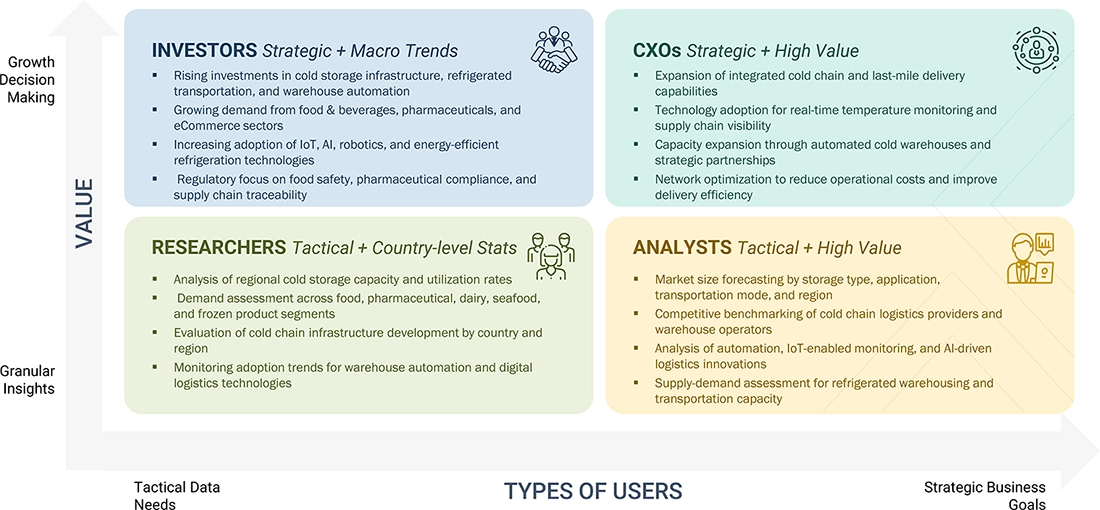
DELIVERED CUSTOMIZATIONS
We have successfully delivered the following deep-dive customizations:
| CLIENT REQUEST | CUSTOMIZATION DELIVERED | VALUE ADDS |
|---|---|---|
| Cold chain market sizing | Conducted market sizing across refrigerated warehousing, refrigerated transportation, cold storage infrastructure, monitoring systems, and end-use industries including food & beverages, pharmaceuticals, and chemicals | Identified high-growth segments and investment opportunities across temperature-controlled logistics and storage solutions |
| Cold chain technology assessment | Evaluated technologies including automated cold storage, IoT-enabled temperature monitoring, smart refrigeration systems, warehouse automation, and AI-driven logistics optimization | Identified transition toward intelligent, connected, and energy-efficient cold chain ecosystems |
| Application-level opportunity mapping | Assessed demand across food processing, frozen foods, dairy, seafood, pharmaceuticals, biologics, retail distribution, and e-commerce grocery delivery applications | Identified priority application areas with strong demand growth, regulatory compliance requirements, and infrastructure expansion opportunities |
RECENT DEVELOPMENTS
- May 2026 : Americold expanded its partnership with PLUS, a Dutch supermarket cooperative with around 440 stores, to centralize frozen logistics operations across the Netherlands. Through its Barneveld distribution center, Americold will manage storage, handling, and distribution of frozen products, helping PLUS improve supply chain efficiency, service quality, and nationwide logistics integration.
- April 2026 : The Nichirei Logistics Group acquired two cold chain companies based in Indonesia, namely PT Mega Indo Logistik and PT Mega Internasional Sejahtera, as consolidated subsidiaries. This acquisition is in keeping with the company’s efforts to develop its temperature-controlled logistics network within ASEAN as well as to enhance overseas expansion in Indonesia’s booming cold chain industry.
- April 2025 : Lineage, Inc. is planning on adding more cold storages within the United States through acquisitions, greenfield development, and automation. In connection with its strategic vision, the firm has entered into a deal to purchase several cold storage units from Tyson Foods. This would help reinforce the long-term relationship that has been built between Lineage and Tyson. Lineage will be building and operating two highly automated cold storage facilities, with Tyson Foods being the key customer of these operations.
Table of Contents
 Exclusive indicates content/data unique to MarketsandMarkets and not available with any competitors.
Methodology
The study employed two primary approaches to estimate the current size of the cold chain market. Exhaustive secondary research was conducted to gather information on the market, peer markets, and parent markets. The next step was to validate these findings, assumptions, and sizing with industry experts across the value chain through primary research. Both top-down and bottom-up approaches were employed to estimate the complete market size. After that, market breakdown and data triangulation were used to estimate the market size of segments and subsegments.
Secondary Research
This research study involved the extensive use of secondary sources—directories and databases such as Web of Science, Scopus, PubMed, GenBank, EMBL-EBI, and GBIF—to identify and collect information useful for a technical, market-oriented, and commercial study of the market.
In the secondary research process, various sources such as annual reports, press releases & investor presentations of companies, white papers, food journals, certified publications, articles from recognized authors, directories, and databases were referred to identify and collect information.
Secondary research was mainly used to obtain key information about the industry’s supply chain, the total pool of key players, and market classification and segmentation as per the industry trends to the bottom-most level, regional markets, and key developments from both market- and technology-oriented perspectives.
Primary Research
Extensive primary research was conducted after obtaining information regarding the cold chain market scenario through secondary research. Several primary interviews were conducted with market experts from both the demand and supply sides across major countries of North America, Europe, Asia Pacific, South America, and RoW. Primary data was collected through questionnaires, emails, and telephonic interviews. The primary sources from the supply side included various industry experts, such as Chief X Officers (CXOs), Vice Presidents (VPs), Directors from business development, marketing, research, and development teams, and key opinion leaders. Primary interviews were conducted to gather insights such as market statistics, data on revenue collected from the products and services, market breakdowns, market size estimations, market forecasting, and data triangulation. Primary research also helped in understanding the various trends related to cold chain type, technology, application, temperature type, offering and region. Stakeholders from the demand side, such as dairy & frozen desserts, meat & seafood, fruits & vegetables, and bakery & confectionery products, pharmaceutical, chemical, art, flower & plants, electronics, and other temperature sensitive products manufacturers who avail the cold chain services were interviewed to understand the buyer’s perspective on the suppliers, services, and their current usage of cold chain and the outlook of their business which will affect the overall market.
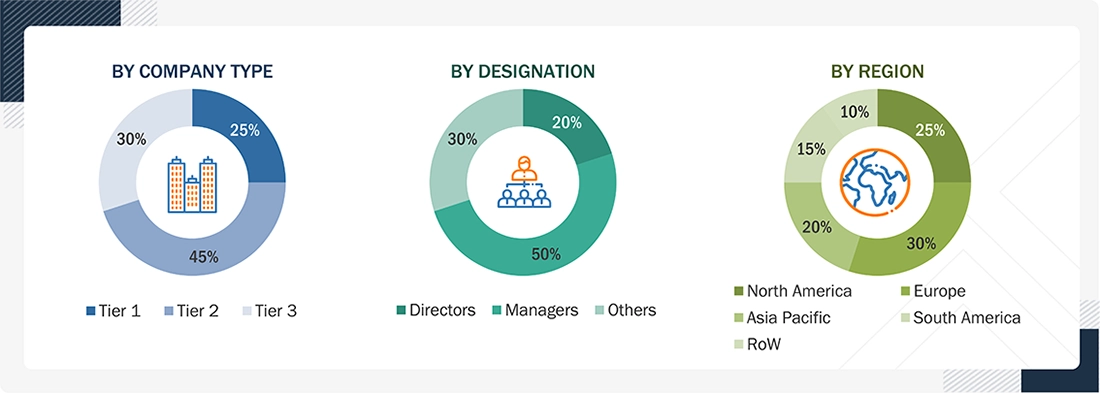
Note: The three tiers of the companies are defined based on their total revenues in 2021 or 2022, as per the availability of financial data: Tier 1: Revenue > USD 1 billion; Tier 2: USD 100 million ≤ Revenue ≤ USD 1 billion; Tier 3: Revenue < USD 100 million.
To know about the assumptions considered for the study, download the pdf brochure
Market Size Estimation
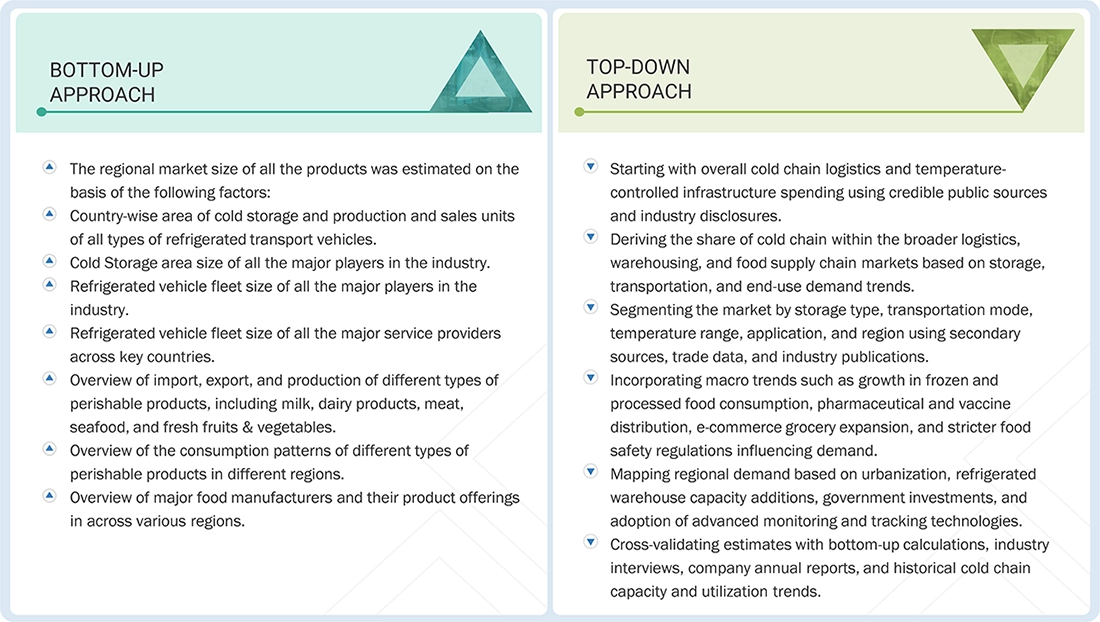
Both the top-down and bottom-up approaches were used to estimate and validate the total size of the cold chain market. These approaches were also used extensively to determine the size of various subsegments in the market. The research methodology used to estimate the market size includes the following details:
The research methodology used to estimate the market size also includes the following details:
- The key players in the industry and the overall markets were identified through extensive secondary research.
- All shares, splits, and breakdowns were determined using secondary sources and verified through primary sources.
- All possible parameters that affect the market covered in this research study were accounted for, viewed in extensive detail, verified through primary research, and analyzed to obtain final quantitative and qualitative data.
- The research included the study of reports, reviews, and newsletters of top market players, along with extensive interviews for opinions from leaders, such as CEOs, directors, and marketing executives.
Cold Chain Market : Top-Down and Bottom-Up Approach
Data Triangulation
After arriving at the overall market size from the estimation process explained above, the total market was split into several segments and subsegments. The data triangulation and market breakdown procedures were employed, wherever applicable, to estimate the overall Environmental DNA market and arrive at the exact statistics for all segments and subsegments. The data was triangulated by studying various factors and trends from the demand and supply sides. The market size was also validated using both the top-down and bottom-up approaches.
Market Definition
Cold chain refers to the transportation of temperature-sensitive products along a supply chain through thermal and refrigerated packaging methods and logistical planning to protect the integrity of these shipments. It is an unbroken/uninterrupted series of refrigerated or chilled production, storage, and distribution activities, along with associated equipment and logistics, which maintain the desired temperature range
Key Stakeholders
- Cold chain service providers
- Refrigerated transport service providers
- Refrigerated warehouse and transport equipment providers
- Refrigerated transport vehicle manufacturers
- Logistics service providers
-
Associations and government agencies:
- International Refrigerated Transport Association (IRTA)
- Global Food Cold Chain Council (GFCCC)
- Global Cold Chain Alliance
- Refrigerated Foods Association (RFA)
- The Refrigerated Warehouse & Transport Association of Australia Ltd (RWTA)
- Southern African Refrigerated Distribution Association (SARDA)
- International Association for Cold Storage Construction (IACSC)
- International Association of Refrigerated Warehouses (IARW)
- World Food Logistics Organization (WFLO)
- European Cold Storage and Logistics Association (ECSLA)
- Cool Chain Association (CCA)
- American Association of Meat Processors (AAMP)
- Frozen Potato Products Institute (FPPI)
- Cold logistics players (shipping lines, transporters, and container companies)
- Supply chain solution providers
- Manufacturers and traders of dairy & frozen desserts, meat & seafood, fruits & vegetables, and bakery & confectionery products
- Manufacturers of agricultural products
- Manufacturers of pharmaceutical products
- Manufacturers of temperature-sensitive flowers & plants
- Manufacturers of temperature-sensitive chemicals, arts, electronics
Report Objectives
- To determine, define, and project the size of the cold chain market based on technology, type, offering, application, temperature type, and region over a five-year period, ranging from 2026 to 2031
- To identify the attractive opportunities in the market by determining the largest and fastest-growing segments across regions
- To provide detailed information about the key factors influencing the growth of the market (drivers, restraints, opportunities, and challenges)
- To analyze the micro markets with respect to individual growth trends, prospects, and their contribution to the total market
- To strategically profile key market players and comprehensively analyze their core competencies in each segment
- To track and analyze competitive developments, such as alliances, joint ventures, new product developments, mergers, and acquisitions, in the cold chain market
Available customizations:
With the given market data, MarketsandMarkets offers customizations according to company-specific scientific needs.
The following customization options are available for the report:
Product Analysis
- Products Matrix, which gives a detailed comparison of the service portfolio of each company.
Geographic Analysis
- Further breakdown of the Rest of European market for cold chain into Ireland, Poland, Sweden, Switzerland and other EU & non-EU countries.
- Further breakdown of the Rest of Asia Pacific market for cold chain into South Korea, Indonesia,, the Philippines, and Vietnam.
- Further breakdown of the Rest of South American market for cold chain into Colombia, Peru, Chile, and Venezuela.
- Further breakdown of the Rest of the World into the Middle East (Saudi Arabia, UAE, and the Rest of Middle East) and Africa (South Africa, Nigeria, and the Rest of Africa).
Company Information
- Detailed analyses and profiling of additional market players (up to five)
Key Questions Addressed by the Report
What is the projected size of the global cold chain market?
The global cold chain market is projected to grow from USD 276.5 billion in 2026 to USD 455.0 billion by 2031, at a CAGR of 10.5% during the forecast period. Market growth is driven by increasing demand for temperature-sensitive food products, pharmaceuticals, biologics, and expanding global trade.
Which segment holds the largest share of the cold chain market?
The refrigerated transport segment holds the largest share of the cold chain market, supported by the growing need to transport perishable food products, pharmaceuticals, vaccines, and biologics while maintaining product quality and safety throughout the supply chain.
What are the key trends driving the cold chain market?
Major trends include the increasing adoption of IoT-enabled temperature monitoring, AI-driven supply chain management, automation in cold storage facilities, expansion of e-commerce grocery delivery, and growing investments in cold storage infrastructure and refrigerated transportation.
Which region holds the largest share of the cold chain market?
Asia Pacific holds the largest share of the global cold chain market, accounting for 66.2% of the market in 2025. The region's growth is fueled by rapid urbanization, rising consumption of frozen and chilled foods, expanding pharmaceutical manufacturing, and increasing investments in cold chain infrastructure.
Who are the key players in the cold chain market?
Key companies operating in the cold chain market include Lineage (US), Americold Logistics (US), A.P. Moller - Maersk (Denmark), Nichirei Corporation (Japan), and United States Cold Storage (US). These companies focus on expanding cold storage capacity, automation, digital monitoring technologies, and strategic acquisitions to strengthen their market position.


Personalize This Research
- Triangulate with your Own Data
- Get Data as per your Format and Definition
- Gain a Deeper Dive on a Specific Application, Geography, Customer or Competitor
- Any level of Personalization
Let Us Help You
- What are the Known and Unknown Adjacencies Impacting the Cold Chain Market
- What will your New Revenue Sources be?
- Who will be your Top Customer; what will make them switch?
- Defend your Market Share or Win Competitors
- Get a Scorecard for Target Partners

Custom Market Research Services
We Will Customise The Research For You, In Case The Report Listed Above Does Not Meet With Your Requirements
Get 10% Free CustomisationTESTIMONIALS

Business Innovation Director
US Based Leading Agribusiness,
Food and Ingredients ManufacturerI highly appreciate the team's efficiency for a well conducted study that helped us clarify some blind spots in food and agricultural niche markets. Although compiling information for B2B markets is very difficult, the MnM team pulled out the task successfully. The quality of research, level of insights, and responsiveness of team were commendable.
- US Cold Chain Market
- Canada Cold Chain Market
- Mexico Cold Chain Market
- Germany Cold Chain Market
- France Cold Chain Market
- UK Cold Chain Market
- Italy Cold Chain Market
- Spain Cold Chain Market
- Netherlands Cold Chain Market
- China Cold Chain Market
- Japan Cold Chain Market
- India Cold Chain Market
- Brazil Cold Chain Market
- Rest Of Europe Cold Chain Market




Growth opportunities and latent adjacency in Cold Chain Market