Negative Pressure Wound Therapy Market Size, Growth, Share & Trends Analysis

Negative Pressure Wound Therapy Market by Product (Conventional, Single-use NPWT, Consumables, Accessories), Wound Type (Burns, Surgical, Traumatic, Diabetic Foot, Pressure, Venous Leg Ulcers), End User (Hospitals, Homecare) - Global Forecast to 2030




OVERVIEW
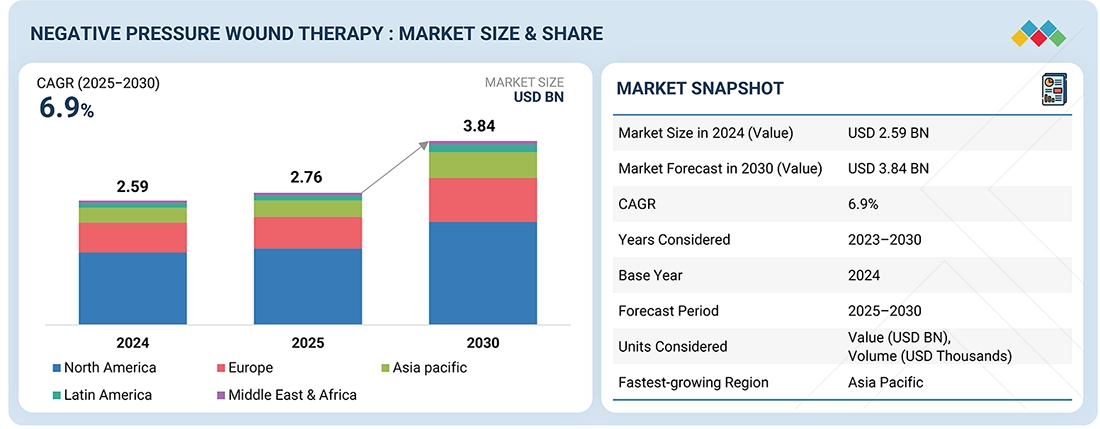
Source: Secondary Research, Interviews with Experts, MarketsandMarkets Analysis
The global negative pressure wound therapy market is projected to reach USD 3.84 billion by 2030 from USD 2.76 billion in 2025, at a CAGR of 6.9% during the forecast period. The increasing prevalence of diabetes, rising cases of traumatic injuries and burn injuries and growing geriatric population drives market growth. Rise in the chronic wound numbers has also facilitated the market. Additionally, favorable government and industry initiatives and reimbursement scene are expected to impact market growth. The growth potential of emerging countries and cost effectiveness of negative pressure wound therapy products also poses an opportunistic factor for market growth.
KEY TAKEAWAYS
-
BY PRODUCT TYPEThe negative pressure wound therapy market is divided into conventional NPWT devices, single-use NPWT devices, and NPWT accessories and consumables based on product type. In a recent year, conventional NPWT devices held the largest share of this market. A key advantage of these devices is their capacity to provide consistent, adjustable pressure levels and continuous therapy, allowing treatments to be customized to each patient's unique needs. These devices also feature larger canisters for handling high-exudate wounds, aiding in long-term wound care. This makes them valuable in hospital and intensive care settings where close monitoring by healthcare professionals is essential. Additionally, the widespread clinical evidence supporting their use, including reports and studies, highlights that conventional NPWT systems can speed up healing, lower infection risks, and enhance patient recovery, especially in severe or chronic wounds. This proven track record has earned strong clinician confidence and established their ongoing use as a standard care practice in numerous hospitals.
-
BY WOUND TYPEBased on wound type, the burns and surgical & open wounds segment held the largest share of the negative pressure wound therapy market in a recent year. This is attributed to their frequency and complexity, which require advanced wound management solutions. NPWT devices facilitate faster healing, reduce infection risk, and enhance tissue regeneration. Surgical wounds, in particular, benefit significantly from the ability of NPWT devices to maintain a clean, moist wound environment and minimize edema.
-
BY END USERBased on end user, the negative pressure wound therapy market is categorized into home care settings, hospitals, and other end users. Among these, hospitals lead with the largest market share in a recent year. The demand for negative pressure wound therapy products in hospitals has been further boosted by the increasing occurrence of pressure ulcers, traumatic wounds, and post-operative wounds. Hospital visits for wound care have also risen due to the growing number of older individuals with chronic conditions such as diabetes and vascular diseases, including diabetic foot ulcers. Hospitals and clinics are equipped to treat wounds efficiently thanks to established wound care protocols, skilled medical staff, and a diverse selection of NPWT products. They also provide close monitoring of patients using conventional NPWT devices. As a result of the heightened emphasis on enhancing wound care practices and patient recovery outcomes, this market segment maintains its leading position.
-
BY REGIONThe global negative pressure wound therapy market is divided into North America, Europe, Asia Pacific, Latin America, and the Middle East & Africa. Asia Pacific is witnessing strong growth due to its aging population, inceasing healthcare costs, and a rising prevalnce of chronic wound.
-
COMPETITIVE LANDSCAPEThe global negative pressure wound therapy market is steadily growing, driven by strategic partnerships and strong R&D investments. Key players like Solventum (US), Smith+ Nephew (UK), Cardinal health (US), Mölnlycke AB (Sweden), Convatec Group PLC (UK), and others leverage diverse product portfolios and innovation to expand globally through collaborations, acquisitions, and new product launches.
The global negative pressure wound therapy market is expected to grow significantly by the end of the forecast period, starting from its value in 2025, with a steady compound annual growth rate. The rising prevalence of diabetes, increasing instances of traumatic injuries and burns, and an aging population are key drivers of market expansion. The increase in chronic wound cases has also contributed to this growth. Additionally, supportive government and industry efforts, along with a favorable reimbursement environment, are anticipated to influence market development. The potential in emerging countries and the cost-effectiveness of negative pressure wound therapy products are also seen as promising factors for market growth.
TRENDS & DISRUPTIONS IMPACTING CUSTOMERS' CUSTOMERS
The impact on the negative wound pressure therapy market stems from evolving healthcare needs and advancements in wound care solutions. Hospitals, home care settings, and other end users form the core customer base, addressing verious wound types such as surgical & open wounds, diabetic foot ulcers, venous leg ulcers. Additionally, the focus on reducing complications through innovative treatments is fueling the demand for NPWT products. These trends shape customer decisions and attract investments in innovative solutions.
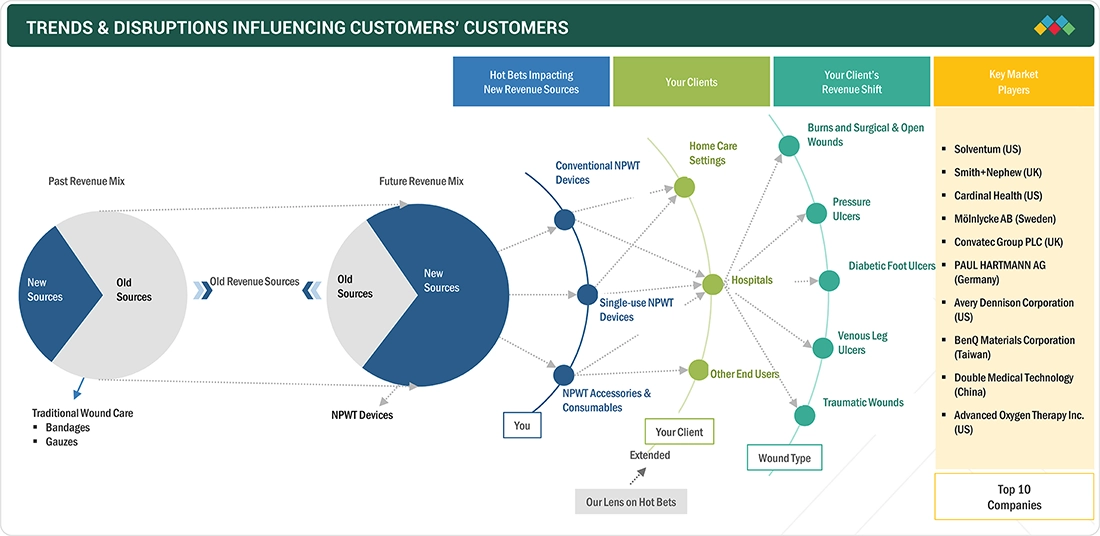
Source: Secondary Research, Interviews with Experts, MarketsandMarkets Analysis
MARKET DYNAMICS

Level
-
Increasing cases of traumatic injuries

-
Favorable government and industry initiatives and reimbursement policies


Level
-
High cost of negative pressure wound therapy devices

-
Risks associated with use of negative pressure wound therapy products


Level
-
Growing usage of simplified single-use devices

-
Increasing use of simplified single-use devices


Level
-
Availability of alternative therapies

-
Limited awareness among healthcare providers

Source: Secondary Research, Interviews with Experts, MarketsandMarkets Analysis
Driver:Increasing cases of traumatic injuries
Growing number of road accidents has led to traumatic injuries that need negative pressure wound care products. These issues slow down the healing process and increase the risk of tissue damage. According to a report from January 2022 by NCBI, Brazil has about 40,000 road traffic deaths every year, making it one of the top five countries for traffic-related fatalities.These severe accidents leads to traumatic injuries that often require advanced treatments and targeted wound care products like negative pressure wound therapy devices that are vital for keeping wounds in a controlled environment and helping them heal faster compared to other solutions for the patient. There are other countries too with high road traffic accident rates such as India, China, and the US that are also witnessing a rise in demand for NPWT products. These countries with others are investing in trauma care clinics and infrastructure and adopting advanced wound management solutions to address the rising burden of trauma related injuries. As a result, healthcare systems are increasingly incorporating NPWT devices into standard treatment protocols, further driving market growth on a global scale for the negative pressure wound therapy market.
Restraint: High cost of negative pressure wound therapy devices
The high cost of chronic wound solutions and negative pressure wound therapy products can be a restrain for long-term use, especially in cost sensitive markets where the households have a low income. In these regions, patients and healthcare providers often turn to more affordable options due to budget limitations and limited insurance coverage. An article published in Advances in Wound Care found that wounds that are chronic non healing type that target around 1% to 2% of the population, treating this wound type can go up to around USD 50 million annually. Foot ulcers, particularly common among people with diabetes, affect about 25% of the diabetic population and are a leading cause of hospitalization, contributing to high healthcare costs. As awareness grows about the benefits of negative pressure wound therapy and disposable incomes rise in many countries, the adoption of these products is expected to increase.
Opportunity: Growing usage of simplified single-use devices
One of the key opportunities in the negative pressure wound therapy market is the growing use and need of simplified, single-use NPWT devices. These devices are easy to use that are built for outpatients, it offers an effective alternative to traditional, more complex NPWT machines typically used in hospitals. As the patients find ways to reduce hospital stays and manage overall expense, single-use NPWT devices provide a practical solution for patients who can carry on with their wound care treatment at home without compromising clinical outcomes.These devices are pre-set, require minimal training, and eliminate the need for regular maintenance or device returns, which is particularly beneficial in remote or resource-limited areas. These portable and convenience devices are popular for managing post-surgical wounds, diabetic foot ulcers, pressure ulcers and other chronic wounds in homecare settings. Patients also prefer them due to their advanced design, lightweight structure, and ease for mobility, which improves comfort during recovery. Medical device companies are engaging in this trend by expanding their single-use product lines and securing regulatory approvals in the negative pressure wound therapy market.
Challenge: Limited awareness among healthcare providers
In countries with lower income like Afghanistan, and African countries, many people suffer delays in getting chronic wound properly diagnosed. This is often caused due to a lack of proper medical guidance, limited access to advanced healthcare, the healthcare faculties not being up to date with the rising technologies, and low awareness about the dangers of slow healing wounds. Without receiving timely treatment, complications can be escalated to worsen the situation, making recovery more difficult and putting added strain on healthcare systems. Medical assistance may be delayed in these areas because many people may not be able to identify the early warning symptoms of wound complications. As a result, poor wound care becomes widespread, leading to longer recovery periods, a higher risk of infection, more expensive therapy, and a general deterioration in patient health. The effects might be more severe for people with long term health issues like diabetes, which can result in serious infections or amputations. Timely diagnosis and treatment can lower the burden on healthcare system in these countries, by reducing complications and improving healing. Thus, this issue requires more educational campaigns, easier access to medical treatments and adoption of standard wound care procedures.
Negative Pressure Wound Therapy Market: COMMERCIAL USE CASES ACROSS INDUSTRIES
| COMPANY | USE CASE DESCRIPTION | BENEFITS |
|---|---|---|
 |
Provides advanced negative pressure wound therapy systems designed to manage acute, chronic, and surgical wounds across healthcare and home settings. | Promotes faster wound closure, enhances granulation tissue formation, reduces exudate and edema, and lowers the risk of infection to support effective wound healing. |
 |
Offers comprehensive negative pressure wound therapy solutions for complex wounds such as pressure injuries, diabetic ulcers, and post-operative wounds. | Maintains an optimal healing environment, accelerates tissue repair, reduces dressing change frequency, and improves patient comfort and mobility. |
 |
Supplies reliable negative pressure wound therapy systems designed for both inpatient and outpatient wound management, supporting clinical efficiency and patient safety. | Facilitates effective exudate removal, reduces infection risk, promotes consistent wound healing, and ensures accessibility through cost-effective care solutions. |
 |
Develops negative pressure wound therapy solutions tailored for surgical and chronic wounds, emphasizing patient safety and ease of use in diverse care environments. | Minimizes wound complications, enhances tissue regeneration, reduces healing time, and improves patient outcomes through advanced exudate management. |
 |
Provides negative pressure wound therapy technologies and accessories for managing exuding, hard-to-heal, and chronic wounds in clinical and home care settings. | Supports continuous wound healing, improves moisture balance, enhances patient comfort, and shortens recovery time by optimizing wound bed conditions. |
Logos and trademarks shown above are the property of their respective owners. Their use here is for informational and illustrative purposes only.
MARKET ECOSYSTEM
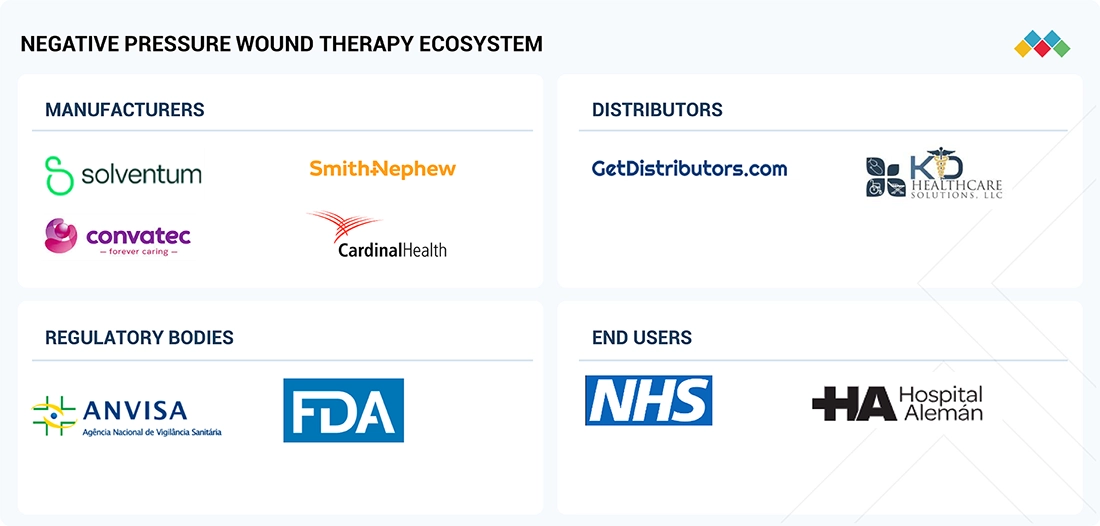
The ecosystem market map of the negative pressure wound therapy industry includes its key elements, which are defined by the organizations involved. Product manufacturers of NPWT products are companies engaged in research, product development, optimization, and launching. Manufacturers of NPWT products include organizations engaged in research, product development, optimization, and launch. To get items to end users—Hospitals, homecare settings, and other healthcare facilities, who NPWT products for treatments of surgical & open wounds, pressure ulcers, diabetic foot ulcers, venous leg ulcers. Regulatory agencies monitor product safety, quality, and conformity to industry standards.
Logos and trademarks shown above are the property of their respective owners. Their use here is for informational and illustrative purposes only.
MARKET SEGMENTS
Source: Secondary Research, Interviews with Experts, MarketsandMarkets Analysis
Negative Pressure Wound Therapy Market, By Product
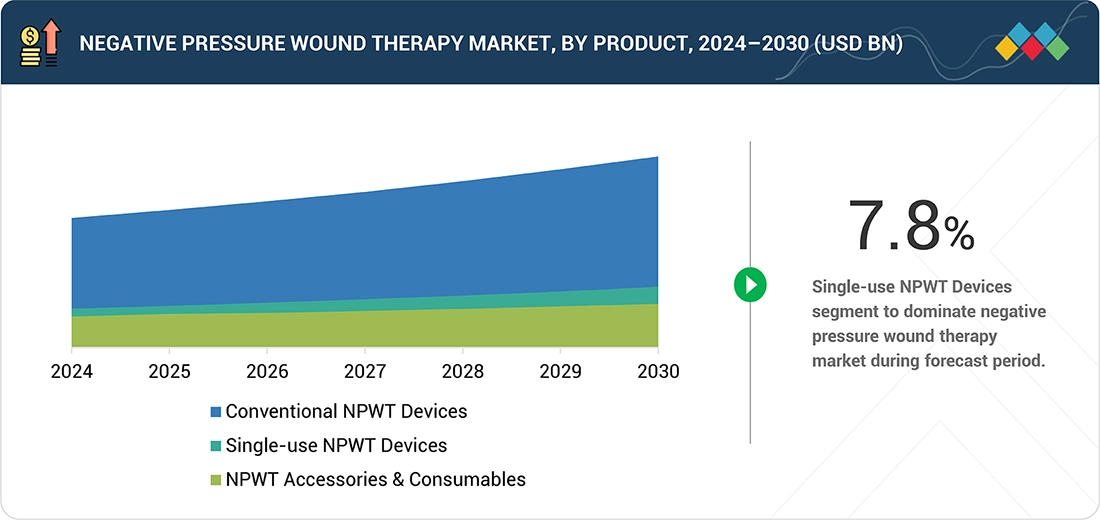
The negative pressure wound therapy market is segmented into conventional NPWT devices, single-use NPWT devices, and NPWT accessories & consumables for product type. In 2024, the conventional NPWT devices accounted for the larger share of this market. One of the main features of the conventional NPWT devices is their ability to deliver maintained customizable pressure levels and continuous therapy, this helps tailor treatment to every patient’s specific needs. These devices are also equipped with features like bigger canisters for managing high exudate wounds, which helps in the long-term wound management. This makes them useful in hospitals and intensive care settings where close monitoring by the healthcare faculties is needed.Another reason for their lead in the market is the volume of clinical evidence supporting their use. Reports and studies have noticed that conventional NPWT systems can reduce healing time, reduce infection risk, and improve patient recovery, particularly in severe or chronic wounds. This track record has built strong clinician trust and led to their continued use as a standard of care in many hospitals.
Negative Pressure Wound Therapy Market, By Wound Type
Based on wound type, the burns and surgical & open wounds segment accounted for the largest share in the negative pressure wound therapy market in 2024. This is due to their rising occurrence and complexity, which require advanced wound management solutions. NPWT devices promote quicker healing, reduce infection risk, and improve tissue regeneration. Surgical wounds that involve large incisions or at risk of dehiscence benefit significantly from the ability of NPWT devices to maintain a clean, moist wound environment and reduce edema.
Negative Pressure Wound Therapy Market, By End User
Based on end user, the negative pressure wound therapy market is divided into home care settings, hospitals, and other end users. Among these, hospitals hold the largest market share in 2024. The need for negative pressure wound therapy products in hospital has been further stimulated by the rising incidence of pressure ulcers, traumatic wounds and post operative wounds. Hospital visits for wound care have also increased as a result of the growing number of elderly population with chronic illnesses including diabetes and vascular diseases such as diabetes and foot ulcers. Hospitals and clinics can treat wounds quickly and effectively due to established wound care protocols, knowledgeable medical staff, and a wide range of NPWT products. They can observe the patients closely for the conventional NPWT devices. As a result of the increased focus on improving wound care practices and patient recovery rates, this market segment continues to hold its dominant position.
REGION
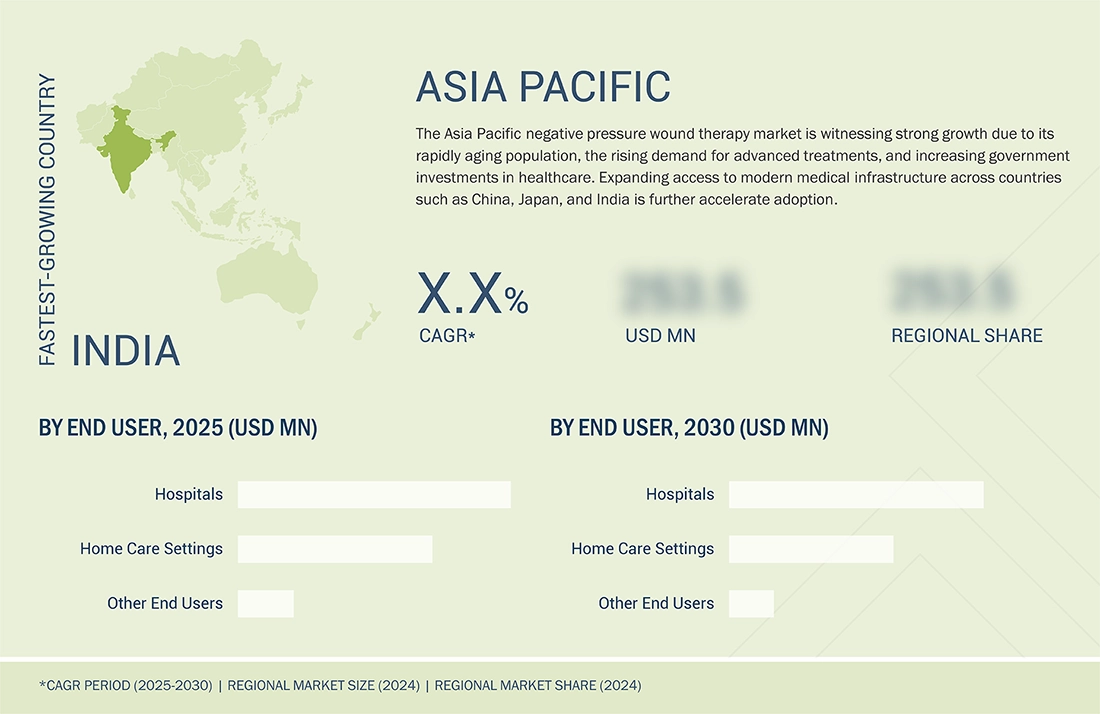
Asia Pacific is the fastest growing region in the negative pressure wound therapy market
Asia Pacific is emerging as the fastest-growing region in the negative pressure wound therapy market, driven by a combination of demographic, economic, and healthcare system advancements. The region is witnessing a sharp rise in the prevalence of chronic wounds, fueled by aging populations and changing lifestyles which leads do wound injuries like diabetic foot ulcers. Expanding healthcare infrastructure, growing availability of specialized wound care, and increasing adoption of NPWT are further accelerating market growth. Governments across several Asia Pacific countries are boosting investments in healthcare and supporting regulatory reforms that encourage the introduction of innovative solutions. Additionally, rising disposable incomes, improving insurance coverage, and growing awareness among patients and clinicians are contributing to higher treatment uptake. Global manufacturers are also expanding their presence through partnerships, training programs, and localized manufacturing to tap into the region’s vast, underserved patient base, positioning Asia Pacific as a key growth engine for the NPWT industry.
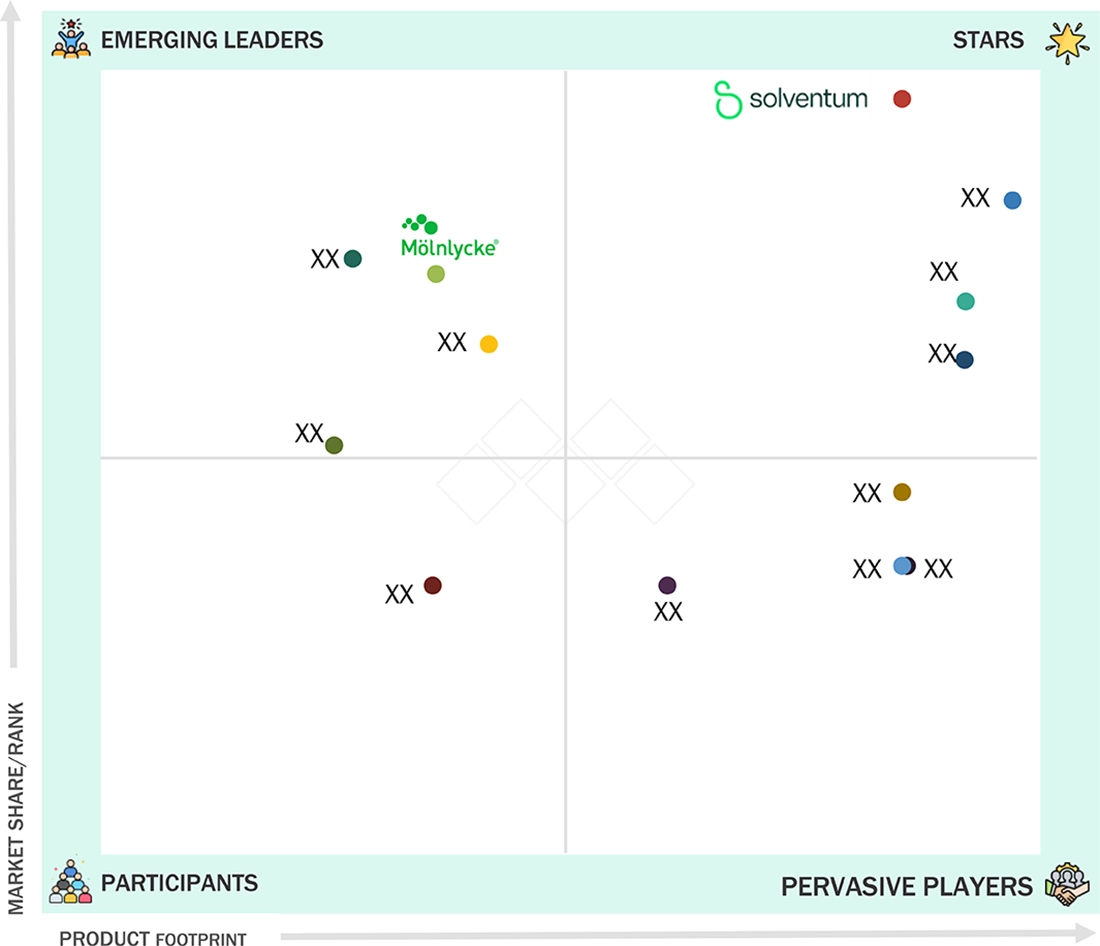
Negative Pressure Wound Therapy Market: COMPANY EVALUATION MATRIX
Solventum split from 3M in April 2024 and established itself. It develops, manufactures, and sells a range of products to meet the needs of clients and patients. For the further expansion of the segments: MedSurg, Purification & Filtration, Dental Solutions, and Health Information Systems, the company is focusing on strategic expansion and innovation. By strengthening its competitive edge through the incorporation of digital skills and material science, the company improves clinical and financial outcomes for healthcare providers.
Source: Secondary Research, Interviews with Experts, MarketsandMarkets Analysis
KEY MARKET PLAYERS
MARKET SCOPE
| REPORT METRIC | DETAILS |
|---|---|
| Market Size Value in 2024 | USD 2.59 Billion |
| Revenue Forecast in 2030 | USD 3.84 Billion |
| Growth Rate | CAGR of 6.9% from 2025-2030 |
| Years Considered | 2023-2030 |
| Base year | 2024 |
| Forecast period | 2025-2030 |
| Units considered | Value (USD Billion), Volume (USD Thousands) |
| Report Coverage | Revenue Forecast, Company Ranking, Competitive Landscape, Growth Factors, and Trends |
| Segments Covered |
|
| Regional Scope | North America, Europe, Asia Pacific, Latin America and the Middle East & Africa |
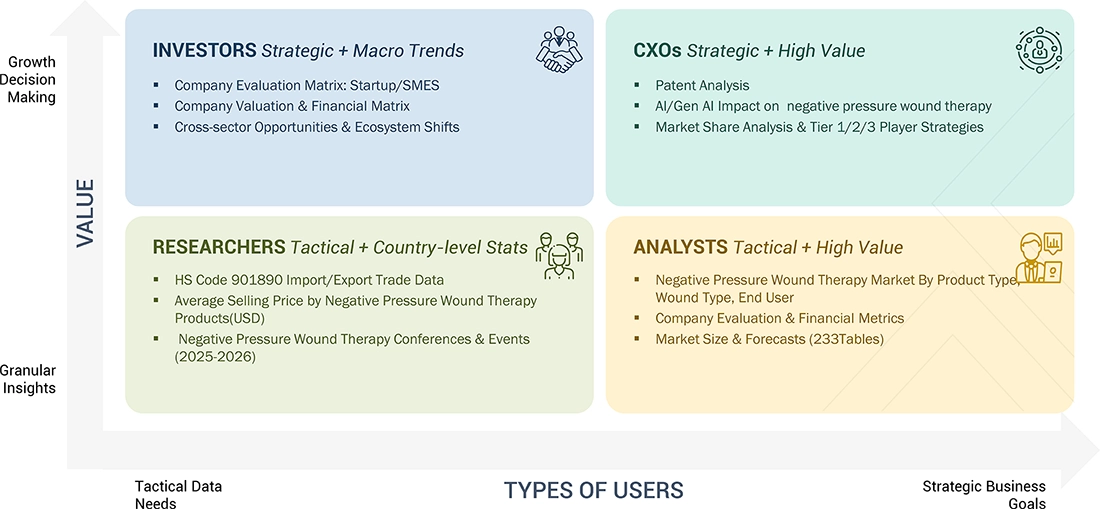
WHAT IS IN IT FOR YOU: Negative Pressure Wound Therapy Market REPORT CONTENT GUIDE
DELIVERED CUSTOMIZATIONS
We have successfully delivered the following deep-dive customizations:
| CLIENT REQUEST | CUSTOMIZATION DELIVERED | VALUE ADDS |
|---|---|---|
| Product Analysis | Product Matrix, which provide a detailed comparison of the product portfolio of each company in the market. | • Enables identification of treatment adoption shifts across hospitals, home care settings and other end users; highlights efficiency, and compliance trends influencing purchasing decisions. |
| Company Information | • Detailed analysis and profiling of additional market players (Up to five) | • Provides insights into competitive strategies, innovation focus , and partnerships shaping the negative pressure wound therapy products and supplies landscape. |
| Geographic Analysis | • Further breakdown of the negative pressure wound therapy market into specific countries for the Rest of Europe, the Rest of Asia Pacific, the Rest of Latin America, and the Middle East & Africa | • Country level demand mapping for new product launches and localization strategy planning. |
RECENT DEVELOPMENTS
- April 2024 : Smith+Nephew (UK) introduced the RENASYS EDGE System designed for home care patients with chronic wounds, such as ulcers
- March 2025 : Convatec Group PLC (UK) and the Wound, Ostomy, and Continence Nurses Society (US) collaborated to launch two free educational programs to improve ostomy care knowledge for healthcare professionals in 2025.
- January 2025 : Cardinal Health (US) opened a distribution center in Fort Worth, Texas, to support its At-Home Solutions business
- July 2024 : Mölnlycke AB (Sweden) and MediWound Ltd. (Israel) entered into an agreement to strengthen their partnership
Table of Contents
 Exclusive indicates content/data unique to MarketsandMarkets and not available with any competitors.
Methodology
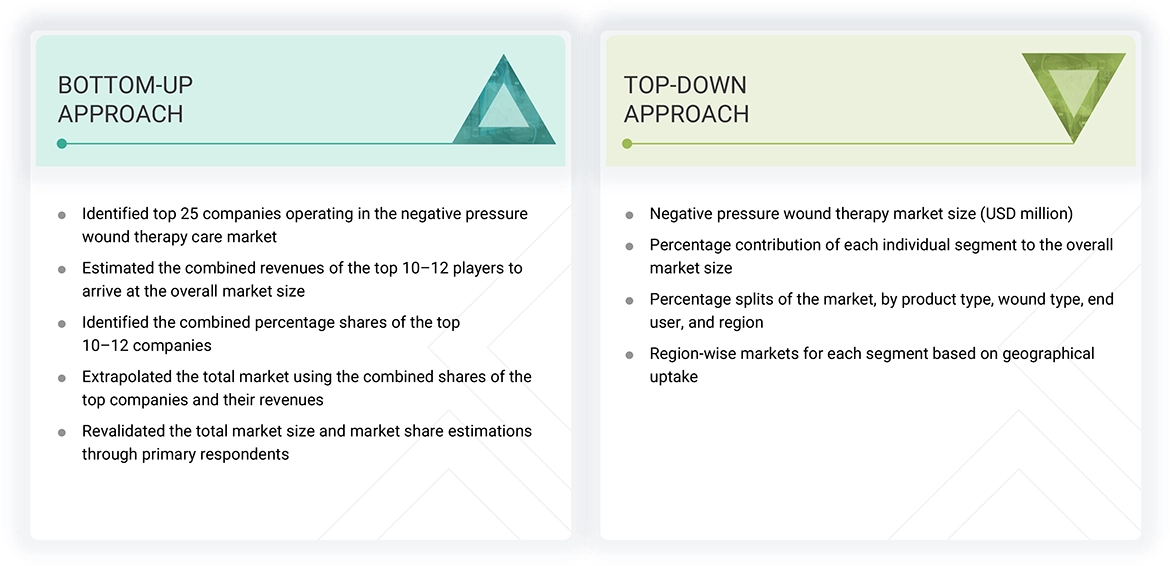
The study involved major activities in estimating the current market size for the negative pressure wound therapy market. Exhaustive secondary research was done to collect information on the negative pressure wound therapy industry. The next step was to validate these findings, assumptions, and sizing with industry experts across the value chain using primary research. Different approaches, such as top-down and bottom-up, were employed to estimate the total market size. After that, the market breakup and data triangulation procedures were used to estimate the market size of the segments and subsegments of the negative pressure wound therapy market.
The four steps involved in estimating the market size are:
Secondary Research
The secondary research process involves the widespread use of secondary sources, directories, databases (such as Bloomberg Businessweek, Factiva, and D&B Hoovers), white papers, annual reports, investor presentations, SEC filings of companies and publications from government sources [such as National Institutes of Health (NIH), US FDA, US Census Bureau, World Health Organization (WHO), , Global Burden of Disease Study, and Centers for Medicare and Medicaid Services (CMS) were referred to identify and collect information for the global negative pressure wound therapy market study. It was also used to obtain important information about the key players and market classification & segmentation according to industry trends to the bottom-most level and key developments related to market and technology perspectives. A database of the key industry leaders was also prepared using secondary research.
Primary Research
In the primary research process, various sources from both the supply and demand sides were interviewed to obtain qualitative and quantitative information for this report. The primary sources from the supply side include industry experts such as CEOs, vice presidents, marketing and sales directors, technology & innovation directors, and related key executives from various key companies and organizations in the negative pressure wound therapy market. The primary sources from the demand side include pharmaceutical companies, biotechnology companies, CROs, pharmacies, medical device companies, and research academics and universities. Primary research was conducted to validate the market segmentation, identify key players in the market, and gather insights on key industry trends & key market dynamics.
The following is a breakdown of the primary respondents:
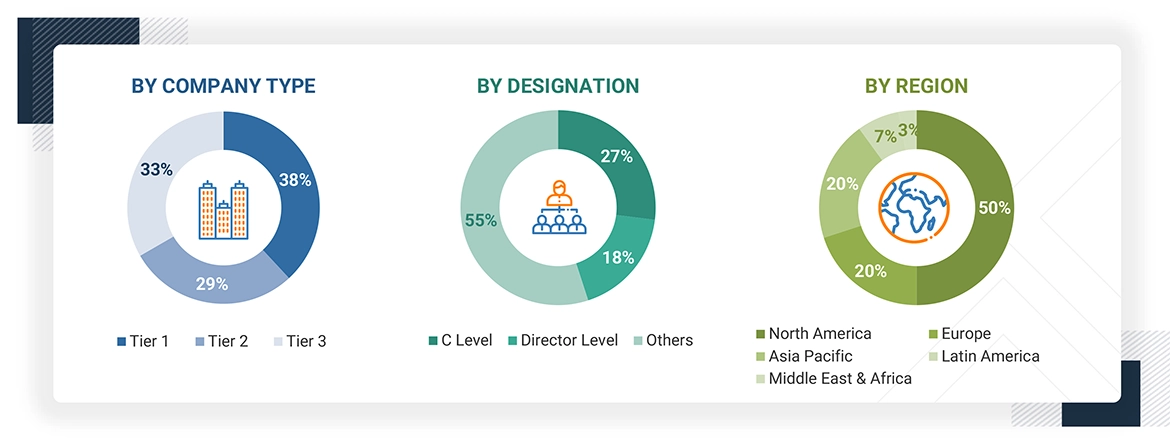
Note 1: Other designations include sales managers, marketing managers, and product managers.
Note 2: Companies are classified into tiers based on their total revenues. As of 2024, Tier 1 = >USD 100 million, Tier 2 = USD 10 million to USD 100 million, and Tier 3 = < USD 10 million.
To know about the assumptions considered for the study, download the pdf brochure
Market Size Estimation
For the global market value, annual revenues were calculated based on the revenue mapping of major product manufacturers and OEMs active in the global negative pressure wound therapy market. All the major service providers were identified at the global and/or country/regional level. Revenue mapping for the respective business segments/sub-segments was done for the major players. The global negative pressure wound therapy market was split into various segments and sub-segments based on:
- List of major players operating in the products market at the regional and/or country level
- Product mapping of negative pressure wound therapy providers at the regional and/or country level
- Mapping of annual revenue generated by listed major players from negative pressure wound therapy (or the nearest reported business unit/product category)
- Extrapolation of the revenue mapping of the listed major players to derive the global market value of the respective segments/subsegments
- Summation of the market value of all segments/subsegments to arrive at the global negative pressure wound therapy market
The above-mentioned data was consolidated and added with detailed inputs and analysis from MarketsandMarkets and presented in this report.
The research methodology used to estimate the market size includes the following:
Data Triangulation
After arriving at the overall market size by applying the process mentioned above, the total market was split into several segments. To complete the overall market engineering process and arrive at the exact statistics for all segments and subsegments, data triangulation and market breakdown procedures were employed, wherever applicable. The data was triangulated by studying various factors and trends from both the demand and supply sides.
Market Definition
Negative pressure wound therapy is a treatment that pulls fluid and bacteria out of a wound to help it heal better. Some healthcare providers call it vacuum-assisted therapy. It works by creating suction. A provider can use this treatment to heal soft tissue on many different parts of your body.
Stakeholders
- NPWT Device Manufacturers
- Hospitals and ASCs
- Research and Consulting Firms
- Distributors of NPWT Devices
- Contract Manufacturers of NPWT Devices
- Venture Capitalists and Investors
- Government Wound Care Organizations
Report Objectives
- To define, describe, segment, and forecast the global negative pressure wound therapy market by product type, wound type, end user, and region
- To provide detailed information regarding the major factors influencing market growth (such as drivers, restraints, opportunities, and challenges)
- To analyze the micromarkets with respect to individual growth trends, prospects, and contributions to the overall negative pressure wound therapy market
- To analyze market opportunities for stakeholders and provide details of the competitive landscape for key players
- To forecast the size of the market segments with respect to five regions: North America, Europe, the Asia Pacific, Latin America, and the Middle East & Africa
- To profile the key players and comprehensively analyze their product portfolios, market positions, and core competencies
- To benchmark players within the market using the proprietary Company Evaluation Matrix framework, which analyzes market players on various parameters within the broad categories of business and product excellence
- To study the impact of AI/Gen AI on the market, along with the macroeconomic outlook for each region
Frequently Asked Questions(FAQ)
Which are the top industry players in the Negative Pressure Wound Therapy market?
The key players in this market are Solventum (US), Smith+Nephew (UK), Cardinal Health (US), Mölnlycke AB (Sweden), Convatec Group PLC (UK), PAUL HARTMANN AG (Germany), Avery Dennison Corporation (US), BenQ Materials Corporation (Taiwan), Double Medical Technology Inc. (China), and Carilex Medical (Taiwan).
What are some of the major drivers for this market?
The market is driven by the increasing prevalence of diabetes, a rising geriatric population, a rise in burn and trauma incidents, and favorable government initiatives.
Which products have been included in the global negative pressure wound therapy market?
The product segments include conventional NPWT devices, single-use NPWT devices, and NPWT accessories & consumables. In 2024, conventional NPWT devices held the largest market share.
Which end users have been included in the global negative pressure wound therapy market?
End-user segments include Hospitals, Home Care Settings, and Other End Users.
Which region is lucrative for the global negative pressure wound therapy market?
The Asia Pacific region is expected to witness the highest CAGR during the forecast period due to an aging population, rising healthcare costs, and a growing incidence of chronic wounds.


Personalize This Research
- Triangulate with your Own Data
- Get Data as per your Format and Definition
- Gain a Deeper Dive on a Specific Application, Geography, Customer or Competitor
- Any level of Personalization
Let Us Help You
- What are the Known and Unknown Adjacencies Impacting the Negative Pressure Wound Therapy Market
- What will your New Revenue Sources be?
- Who will be your Top Customer; what will make them switch?
- Defend your Market Share or Win Competitors
- Get a Scorecard for Target Partners

Custom Market Research Services
We Will Customise The Research For You, In Case The Report Listed Above Does Not Meet With Your Requirements
Get 10% Free CustomisationTESTIMONIALS

JAYANT RAJPUROHIT
Director of Market Insights, Data and Analytics
SFI Health,
Leading Pharmaceutical Companywww.sfihealth.com/

We at SFI Health approached MarketsandMarkets for an Opportunity Assessment on "Incidence and Prevalence of Focus Indications" as we wanted to know the most attractive HCPs like Physician, Functional MD, Naturopath and Pharmacist. The project was critical for us to ensure our focus on the right target which would enable sustainable growth and profitability for SFI Health. The business insights provided exceeded our expectations and we were extremely impressed. The team at MarketsandMarkets is highly professional and detail oriented and very well understood our business needs. MarketsandMarkets offers a unique combination of expertise and dedicated engagement model. We identified 2 new products to be launched in coming months, based on the research findings provided by MarketsandMarkets. We are happy with the services and would strongly recommend MarketsandMarkets to my peers in the industry.

BEATRIZ DE LA CALLE
Head of Commercial Analytics
Qualicaps,
Leading Pharmaceutical Companywww.qualicaps.com/

We partnered with MarketsandMarkets for an assessment study on hard empty capsules. The team was extremely professional in understanding our business requirements and we received timely responses to all our queries. The market intelligence and the recommendations has met our business requirements. We were extremely impressed to see the final study results; it really exceeded our expectations. The market intelligence offered by MarketsandMarkets, and clarity on next steps will help us achieve our business objective for the Year 2021. We are happy with the services and would strongly recommend MarketsandMarkets to my peers in the industry.

Bob Williams,
Senior Director Business Development & Innovation
Bracco Diagnostics Inc.,
Italian Multinational in life sciences sector and a World Leader in imaging diagnosticsimaging.bracco.com/us-en
We were pleased with targeted insights that MarketsandMarkets identified from a custom study on the 'Radiation Dose Management Solutions Market'. Your team identified and characterized the market participants as well as underlying trends accurately. This study was useful to Bracco in formulating business strategies for our dose monitoring product lines and we thank MarketsandMarkets for the job well done.
Cody Coonradt,
Market Development and Strategy Manager
3M Health Information Systems,
Leader in Health care Coding, Payment & Analytics Solutions.www.3m.com/3M/en_US/health-information-systems-us
The value for our organization comes from three things: depth of research, specificity of segments and being easy to work with. As important as the first two are, the third can't be underestimated. MarketsandMarkets, maybe more than any other research vendor, wants to know what is top of mind for our team and what big questions we are grappling to answer.
Their customer first approach and high value engagement model, have given us great analysis and excellent value for money
- Canada Negative Pressure Wound Therapy Market
- US Negative Pressure Wound Therapy Market
- UK Negative Pressure Wound Therapy Market
- Germany Negative Pressure Wound Therapy Market
- France Negative Pressure Wound Therapy Market
- Italy Negative Pressure Wound Therapy Market
- Spain Negative Pressure Wound Therapy Market
- Russia Negative Pressure Wound Therapy Market
- China Negative Pressure Wound Therapy Market
- Japan Negative Pressure Wound Therapy Market
- India Negative Pressure Wound Therapy Market
- Australia Negative Pressure Wound Therapy Market
- South Korea Negative Pressure Wound Therapy Market
- Singapore Negative Pressure Wound Therapy Market
- Brazil Negative Pressure Wound Therapy Market
- Mexico Negative Pressure Wound Therapy Market
- Rest Of Europe Negative Pressure Wound Therapy Market
- Rest Of Asia Pacific Negative Pressure Wound Therapy Market
- Rest Of Latin America Negative Pressure Wound Therapy Market




Growth opportunities and latent adjacency in Negative Pressure Wound Therapy Market