POP Treatment and Management Market Size, Growth, Share & Trends Analysis

POP Treatment and Management / Pelvic Organ Prolapse Market by Product (Synthetic Mesh, Sutures, Pessaries, Robotic Systems), Treatment (Surgical, PFMT), Application (Cystocele, Uterine Prolapse), End User (Hospitals, ASCs), Region - Global Forecast to 2030




OVERVIEW
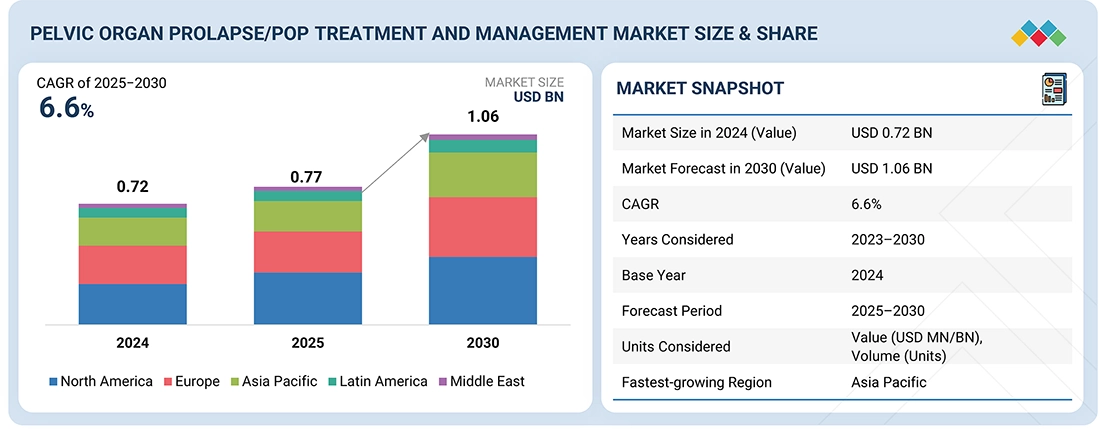
Source: Secondary Research, Interviews with Experts, MarketsandMarkets Analysis
The global POP Treatment and Management / Pelvic Organ Prolapse market is projected to reach USD 1.06 billion by 2030 from USD 0.77 billion in 2025, at a CAGR of 6.6% during the forecast period. The POP Treatment and Management / Pelvic Organ Prolapse market is primarily driven by the rising prevalence of pelvic floor disorders, particularly among aging women, and increased awareness of available treatment options. Factors such as childbirth trauma, menopause, obesity, and previous pelvic surgeries contribute to the growing demand for both surgical and non-surgical solutions. Additionally, advancements in robotic-assisted procedures, pelvic floor therapy devices, and biologic grafts, along with supportive reimbursement policies in developed regions, are fueling market expansion. However, the potential complications and regulatory scrutiny may hinder widespread adoption. Emerging economies offer promising growth opportunities due to improving healthcare infrastructure and a growing focus on women’s health. Market penetration in these regions is constrained by limited access to urogynecological care. As technological innovations continue and awareness initiatives expand, the market is expected to grow, though overcoming workforce shortages and affordability barriers remains critical to fully realizing its potential.
KEY TAKEAWAYS
-
BY PRODUCTThe POP Treatment and Management / Pelvic Organ Prolapse market is categorized into various product types, including mesh, biologic grafts, sutures, vaginal pessaries, pelvic floor therapy devices, robotic surgery systems, and diagnostic/assessment tools. Robotic surgery systems are noted for enhancing surgical precision, reducing complications, and improving patient outcomes. Compared to traditional open or laparoscopic approaches, these systems provide superior visualization, minimize blood loss, and shorten postoperative recovery periods. The adoption of robotic-assisted surgeries is increasing, supported by growing demand and faster recovery times with fewer complications. Additionally, integrating robotic systems with AI-guided tools is expanding their capabilities. These systems, along with ongoing training programs, are helping to advance adoption across healthcare facilities.
-
BY TREATMENTThe POP Treatment and Management / Pelvic Organ Prolapse market is divided into surgical and non-surgical approaches. Surgical methods include techniques such as sacrocolpopexy, hysteropexy, sacrospinous ligament fixation, and uterosacral or vaginal vault suspension, alongside conservative treatments like pessaries and pelvic floor therapy. These surgical options provide effective restoration, with various techniques—including native tissue repair, synthetic mesh implantation, and biologic grafts—offering symptom relief and anatomical support. Minimally invasive and robotic-assisted surgeries are increasingly adopted, supported by enhanced precision and reduced recovery times. Improving accuracy, declining complication rates, and a rising elderly female population with growing demand for curative treatments are driving adoption. Additionally, hospitals and surgical centers are expanding access to safe and effective POP surgeries through training and technological advancements. Reimbursement support and ongoing clinical guideline updates foster innovation, with the market expected to evolve in the coming years.
-
BY APPLICATIONThe pelvic organ prolapse /POP treatment and management market is segmented based on application into cystocele, urethrocele, enterocele, uterine prolapse, and rectocele. Cystocele, or anterior vaginal wall prolapse, occurs when the bladder drops and bulges into the vaginal wall, often caused by childbirth trauma, aging, menopause, and increased intra-abdominal pressure. Studies consistently report a notable proportion of symptomatic cases seeking medical attention. Clinical approaches range from conservative treatments like pessaries and pelvic floor training to surgical interventions such as anterior colporrhaphy, synthetic mesh repair, and robotic-assisted procedures. Innovations in surgical techniques and device development have particularly targeted cystocele repair, further strengthening its market position. Moreover, cystocele symptoms such as urinary incontinence, pelvic pressure, and frequent infections directly affect quality of life, prompting more women to seek treatment. With rising awareness and an aging population, and ongoing advancements in anterior compartment repair techniques, the market continues to grow.
-
BY END USERThe pelvic organ prolapse/ POP treatment and management market is segmented into hospitals, specialty clinics, ambulatory surgery centers (ASCs), and others. Hospitals have advanced infrastructure, including robotic surgery systems, specialized diagnostic tools, and trained urogynecological teams, essential for performing complex POP procedures. They also offer integrated care—from preoperative evaluation to surgery to postoperative recovery—ensuring optimal patient treatment planning. The availability of multidisciplinary teams allows for personalized care tailored to POP-affected women. Additionally, most robotic and minimally invasive procedures are concentrated in hospital settings due to equipment and staffing requirements. Hospitals also support favorable reimbursement policies and institutional capacity to adopt new technologies, further driving their dominance. With the rising volume of POP surgeries, growing awareness, and technological adoption, the market remains a primary point of care, supporting pelvic floor reconstruction efforts.
-
BY REGIONThe global POP market is divided into North America, Europe, Asia Pacific, Latin America, and the Middle East & Africa. Asia Pacific is witnessing strong growth due to its aging geriatric population, increasing healthcare costs, and rising prevalence of pelvic organ prolapse.
-
COMPETITIVE LANDSCAPEThe global POP Treatment and Management / Pelvic Organ Prolapse market is steadily growing, driven by strategic partnerships and strong R&D investments. Key players like Boston Scientific Corporation (US), Coloplast Group (Denmark), Intuitive Surgical Operations, Inc. (US), CooperCompanies (US), Johnson & Johnson (US), and others leverage diverse product portfolios and innovation to expand globally through collaborations, acquisitions, and product launches.
The POP Treatment and Management / Pelvic Organ Prolapse market is set to grow, driven by rising pelvic floor disorders in aging women and greater awareness of treatment options, fueled by childbirth trauma, menopause, obesity, and prior surgeries. Advances in robotic procedures, therapy devices, and grafts, plus supportive policies, boost expansion, though complications and regulations may limit adoption. Emerging economies offer growth potential with improving healthcare, but access and penetration are limited. Technological innovation and awareness will drive progress, despite workforce and affordability challenges.
TRENDS & DISRUPTIONS IMPACTING CUSTOMERS' CUSTOMERS
The impact on the POP Treatment and Management / Pelvic Organ Prolapse market is closely tied to shifts in customer demand and treatment practices. Hospitals, clinics, and other healthcare providers are the primary end users of POP product manufacturers. Changes in treatment protocols, adoption of advanced therapies, or disruptions in care delivery directly influence demand from end users. This, in turn, affects the procurement decisions of healthcare facilities, ultimately impacting the revenues of pelvic organ prolapse product manufacturers.
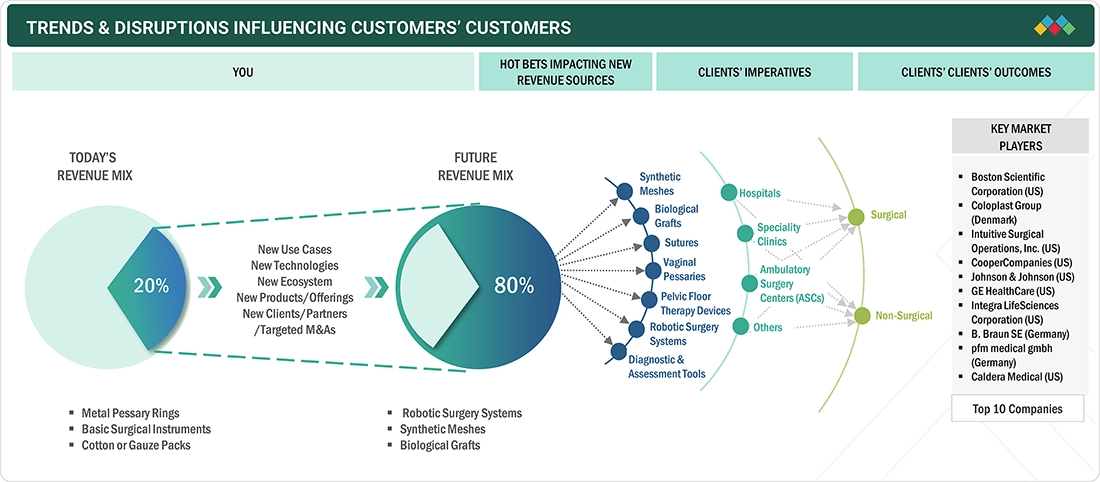
Source: Secondary Research, Interviews with Experts, MarketsandMarkets Analysis
MARKET DYNAMICS

Level
-
Global prevalence of pelvic organ prolapse

-
Rise in female geriatric population


Level
-
Complications and recalls associated with transvaginal synthetic mesh

-
Limited access in emerging economies


Level
-
Increased investments in pelvic prolapse care from emerging economies

-
Rapid development of bioengineered and absorbable mesh


Level
-
Inconsistent clinical guidelines and treatment standards

-
High recurrence and reoperation rates

Source: Secondary Research, Interviews with Experts, MarketsandMarkets Analysis
Driver: Rise in female geriatric population
Aging is one of the most significant risk factors contributing to the development of pelvic organ prolapse (POP), and the growing elderly female population is a key driver of market expansion. According to the United Nations (2024), the population of women aged 60 and above is increasing at a rate of over 2% annually in regions such as Asia and Latin America. It is projected to nearly double globally by 2050. Clinical studies consistently highlight that postmenopausal women experience a significantly higher prevalence of POP, ranging from 41% to 50% (Frontiers, 2025). A study conducted in Ethiopia in 2022 further supports this trend, reporting that women aged 55 and older were 8.4 times more likely to develop symptomatic POP than their younger counterparts (NCBI, 2023). The higher susceptibility is linked to age-related weakening of pelvic muscles and connective tissues, leading to diminished pelvic support. As the aging female demographic grows, the number of patients requiring diagnosis and treatment—conservative and surgical—is expected to rise markedly, aligning closely with long-term market growth projections.
Restraint: Limited access in emerging economies
Access to safe and affordable pelvic organ prolapse (POP) surgical care remains critically limited in low- and lower-middle-income countries (LMICs), where financial and infrastructural challenges severely restrict treatment availability. A global study published in 2025 reported that over 160 million individuals are unable to access essential surgeries each year, with LMICs bearing the majority of this burden (University of Birmingham, 2025). Alarmingly, only 26% of LMICs are on track to meet surgical care benchmarks, and none have achieved the recommended threshold of 5,000 surgeries per 100,000 people annually, underscoring major infrastructure gaps. The financial burden of surgery is a leading barrier; an estimated 33 million people globally face catastrophic health expenditure from surgical procedures, while an additional 48 million are affected by indirect costs like travel, accommodation, and income loss (IMS Magazine, 2025). In many LMICs, out-of-pocket payments exceed 40% of household income, discouraging women from seeking necessary POP care. Compounding these issues is a shortage of trained specialists; for example, Ethiopia reports only 0.25 vascular surgeons per 10 million people, with similar deficits seen in pelvic reconstructive fields (PubMed, 2023).
Opportunity: Digital health and pelvic floor therapy devices
Digital health technologies and pelvic floor therapy devices present a significant growth opportunity in the pelvic organ prolapse/POP treatment and management market, particularly as the demand for non-invasive and home-based treatment solutions rises. With the increasing adoption of mobile health applications, wearable devices, and telemedicine, digital health is transforming the management of POP by enabling early diagnosis, personalized treatment, and continuous patient monitoring. These tools enhance patient engagement and adherence while reducing the need for frequent clinical visits, especially in rural or underserved areas.
Challenge: High recurrence and reoperation rates
Surgical treatment for pelvic organ prolapse (POP) is challenged by relatively high recurrence rates, which can reduce patient confidence and place added strain on healthcare systems. A 2022 meta-analysis involving over 9,000 patients found a pooled recurrence rate of 37.7% following reconstructive surgery, with significant risk factors including levator ani muscle injury, severe preoperative prolapse, and history of prior pelvic surgeries (PubMed, 2023). Supporting this, a systematic review revealed that repeat surgeries for POP remain common. One study reported a recurrence rate of 12% and a reoperation rate of 6.5% within five years, often linked to mesh-related complications (BJUI, 2024). These recurrence trends contribute to growing clinical and economic concerns, leading some health systems to prioritize conservative approaches and prompting delays in surgical referrals by providers. This presents a unique challenge for device manufacturers: demonstrating long-term effectiveness and safety is critical for market acceptance, but it requires extensive post-market surveillance and long-term clinical data. These requirements add cost, complexity, and regulatory pressure, potentially slowing product adoption and increasing the barriers to entry for innovative surgical solutions in POP treatment.
POP Treatment and Management / Pelvic Organ Prolapse Market: COMMERCIAL USE CASES ACROSS INDUSTRIES
| COMPANY | USE CASE DESCRIPTION | BENEFITS |
|---|---|---|
 |
Offers advanced POP treatment solutions, including Y-shaped meshes like Upsylon and vaginal positioning devices for sacrocolpopexy and other surgical repairs of pelvic organ prolapse | Provides robust anatomical support, enables minimally invasive procedures, and enhances surgical precision, leading to reduced recovery time, improved patient outcomes, and lower complication rates |
 |
Delivers a portfolio of biologic and synthetic grafts, such as Axis Dermis allograft and Restorelle Y-Mesh, for transvaginal or transabdominal pelvic floor reconstruction in treating pelvic organ prolapse | Supports the body's natural regenerative processes, minimizes tissue trauma, and offers versatile options for customized repairs, resulting in durable prolapse correction, enhanced comfort, and optimized long-term efficacy |
 |
Provides robotic-assisted surgical systems like the da Vinci platform for minimally invasive procedures addressing pelvic organ prolapse, including sacrocolpopexy and hysteropexy | Improves surgeon visualization and dexterity, facilitates precise tissue manipulation, and shortens hospital stays, delivering superior clinical results, faster patient recovery, and high satisfaction in prolapse management |
 |
Focuses on non-surgical management with Milex silicone pessaries designed for supporting prolapsed organs and alleviating symptoms in pelvic organ prolapse patients | Offers customizable, removable support devices that maintain organ position without surgery, reduces urinary incontinence, and improves daily function, promoting conservative treatment success and quality of life |
 |
Supplies innovative mesh implants like ARTISYN Y-Shaped Mesh for prolapse correction through surgical augmentation techniques | Ensures effective vaginal vault suspension, lightweight and flexible design for natural movement, and integration with advanced surgical methods, achieving reliable prolapse resolution with minimal discomfort and sustained durability |
Logos and trademarks shown above are the property of their respective owners. Their use here is for informational and illustrative purposes only.
MARKET ECOSYSTEM
The POP Treatment and Management / Pelvic Organ Prolapse market ecosystem comprises a network of manufacturers, distributors, healthcare providers, and development partners working together to ensure effective POP treatment and improved patient outcomes. Manufacturers drive innovation by developing pessaries, mesh, and other products. Distributors, logistics providers, and group purchasing organizations ensure timely supply and availability across regional and global healthcare markets. Hospitals, ambulatory surgical centers, clinics, and home care settings serve as the primary end users, adopting POP products to improve patient comfort. Strategic partnerships, technological advancements, and increased investments are expanding access to POP products, enabling wider adoption and enhancing the quality of care across diverse healthcare environments.
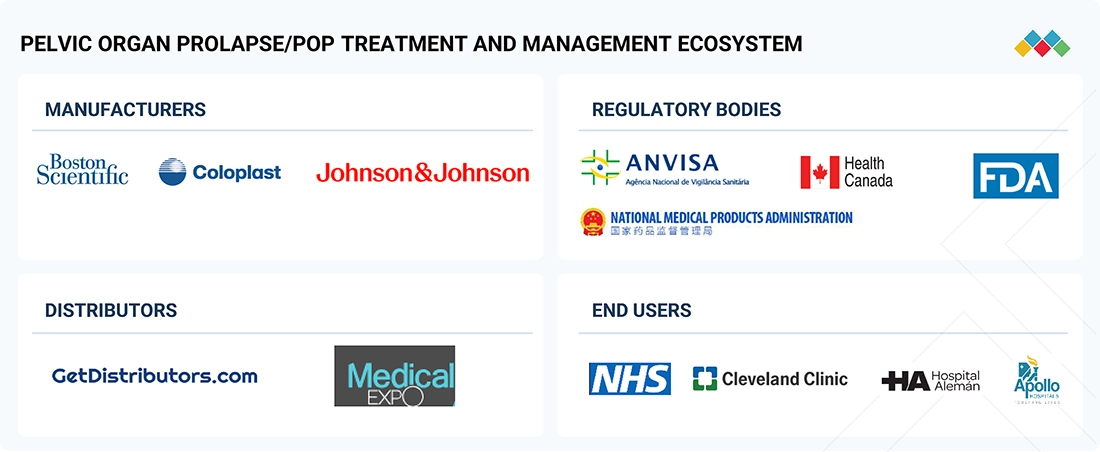
Logos and trademarks shown above are the property of their respective owners. Their use here is for informational and illustrative purposes only.
MARKET SEGMENTS
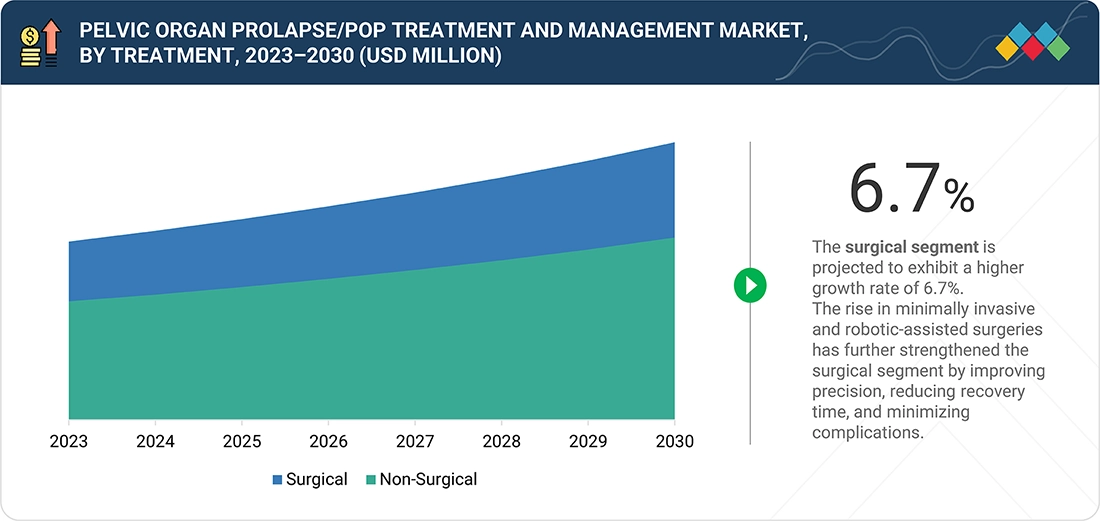
Source: Secondary Research, Interviews with Experts, MarketsandMarkets Analysis
POP Treatment and Management / Pelvic Organ Prolapse Market, By Product
The POP Treatment and Management / Pelvic Organ Prolapse market is segmented by product into synthetic mesh, biological grafts, sutures, vaginal pessaries, pelvic floor therapy devices, robotic surgery systems, and diagnostic and assessment tools. Robotic surgery systems hold the largest share in the POP Treatment and Management / Pelvic Organ Prolapse market due to their ability to enhance surgical precision, reduce complications, and improve patient outcomes. These systems provide superior visualization, tremor filtration, and enhanced dexterity, which are especially valuable in complex pelvic floor procedures where anatomical spaces are confined. Compared to conventional open or laparoscopic approaches, robotic-assisted surgeries are associated with less blood loss, reduced postoperative pain, shorter hospital stays, and faster recovery, making them increasingly preferred by both surgeons and patients. As awareness of minimally invasive options grows and patients demand faster recovery with fewer complications, the adoption of robotic systems continues to rise. Additionally, technological advancements, such as improved robotic arms, integrated imaging, and AI-guided tools, are expanding the capabilities of these systems, making them suitable for a broader range of procedures. Major companies also offer flexible acquisition models and training programs to support adoption across hospitals. As a result, robotic-assisted procedures are becoming the standard for advanced pelvic floor reconstruction, securing the segment’s dominance in the overall product market.
POP Treatment and Management / Pelvic Organ Prolapse Market, By Treatment
The POP Treatment and Management / Pelvic Organ Prolapse market is segmented based on treatment into surgical and non-surgical. In 2024, surgical held the larger portion of the market. The surgical segment is further divided into colpocleisis, colporrhapy, sacrocolpopexy, sacrohysteropexy, and uterosacral or sacrospinous ligament fixation. While conservative treatments like pessaries and pelvic floor therapy are valuable for early-stage prolapse, surgery remains the definitive solution for durable symptom relief and functional restoration. Various surgical techniques—including native tissue repair, synthetic mesh implantation, and biological grafts—offer tailored approaches based on patient condition and severity. The rise in minimally invasive and robotic-assisted surgeries has further strengthened the surgical segment by improving precision, reducing recovery time, and minimizing complications. Growing awareness among women, increasing diagnosis rates, and a rising elderly female population have led to a higher demand for curative treatment options. Additionally, hospitals and surgical centers are investing in advanced technologies and training to expand access to safe and effective POP surgeries. Reimbursement support in developed markets and continuous innovation in surgical tools also contribute to the segment's growth. As clinical guidelines continue to favor surgery for advanced prolapse, the segment’s dominance is expected to persist in the coming years.
POP Treatment and Management / Pelvic Organ Prolapse Market, By Application
The POP Treatment and Management / Pelvic Organ Prolapse market is divided based on application into cystocele, urethrocele, enterocele, uterine prolapse, and rectocele. In 2024, cystocele held the largest portion of the market. Cystocele, or anterior vaginal wall prolapse, occurs when the bladder drops and bulges into the vaginal wall, often caused by childbirth trauma, aging, menopause, and increased intra-abdominal pressure. Studies consistently report cystocele as the most common form of prolapse, accounting for a significant proportion of symptomatic cases seeking medical attention. As a result, clinical demand for surgical and non-surgical treatment options for cystocele is notably higher. Treatment approaches range from conservative therapies like pessaries and pelvic floor training to surgical interventions such as anterior colporrhaphy, synthetic mesh repair, and robotic-assisted procedures. Innovations in surgical techniques and device development have particularly targeted cystocele repair, further strengthening its market position. Moreover, cystocele symptoms such as urinary incontinence, pelvic pressure, and frequent infections directly affect quality of life, prompting more women to seek treatment. With rising awareness, an aging population, and ongoing advancements in anterior compartment repair techniques, the cystocele segment continues to dominate the overall POP Treatment and Management / Pelvic Organ Prolapse market.
POP Treatment and Management / Pelvic Organ Prolapse Market, By End User
The POP Treatment and Management / Pelvic Organ Prolapse market is segmented into hospitals, specialty clinics, ambulatory surgery centers (ASCs), and others. In 2024, hospitals accounted for the largest POP Treatment and Management / Pelvic Organ Prolapse market segment. Hospitals have advanced infrastructure, including robotic surgery systems, specialized diagnostic tools, and trained urogynecologists, which are essential for performing complex POP procedures. They also offer integrated care—from preoperative evaluation and surgery to postoperative recovery, ensuring optimal patient outcomes and safety. The availability of multidisciplinary teams in hospitals allows for personalized treatment planning, especially for patients with multiple comorbidities, which is common among older women affected by POP. Additionally, most robotic and minimally invasive procedures are concentrated in hospital settings due to equipment and staffing requirements. Patients and physicians also prefer hospital-based care for its perceived reliability and emergency support. Favorable reimbursement policies and institutional capacity to adopt new technologies further drive the dominance of hospitals in this space. With the rising volume of POP surgeries, growing awareness, and technological adoption, hospitals remain the primary point of care, solidifying their lead in the pelvic floor reconstruction market.
REGION
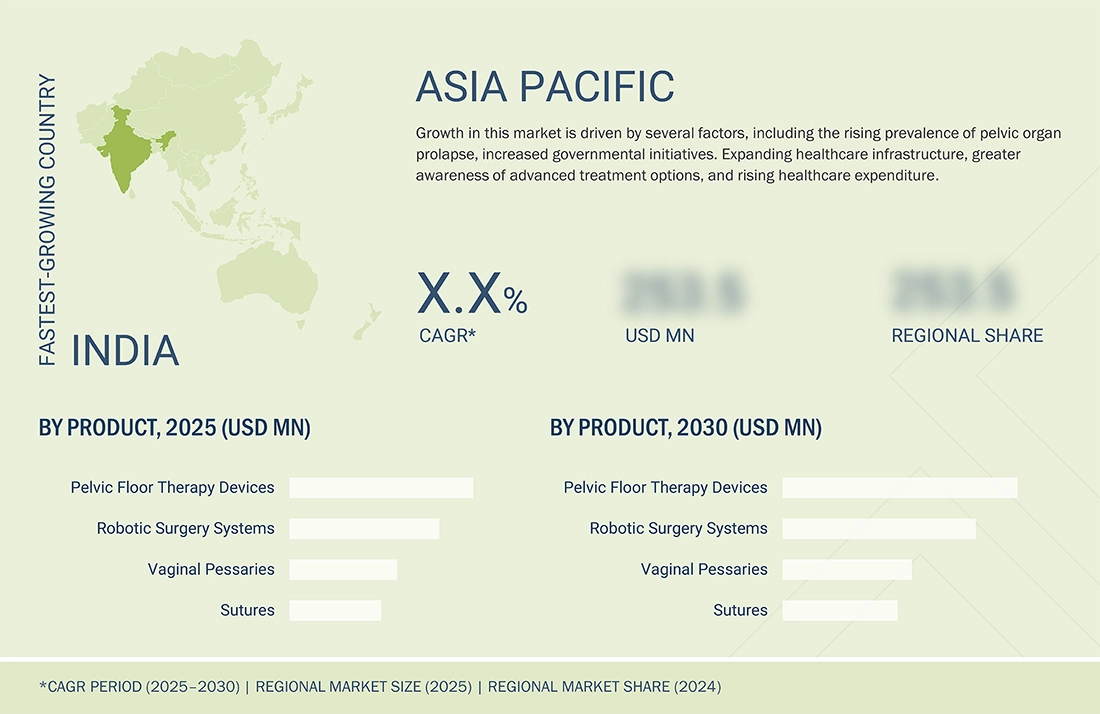
Asia Pacific is the fastest growing region in POP Treatment and Management / Pelvic Organ Prolapse market during the forecast period
The Asia Pacific POP Treatment and Management / Pelvic Organ Prolapse market is the fastest growing segment due to factors like the female geriatric population, rising healthcare costs, and a growing incidence of pelvic organ prolapse. Advanced healthcare infrastructure, high disease awareness, and widespread adoption of innovative treatment technologies are driving the market in this region. Ongoing investments in women's health, digital health integration, and pelvic organ prolapse strengthen the regional market. With strong clinical infrastructure, favorable health policies, and a high rate of specialist availability, Asia Pacific continues to set benchmarks for care and innovation.
POP Treatment and Management / Pelvic Organ Prolapse Market: COMPANY EVALUATION MATRIX
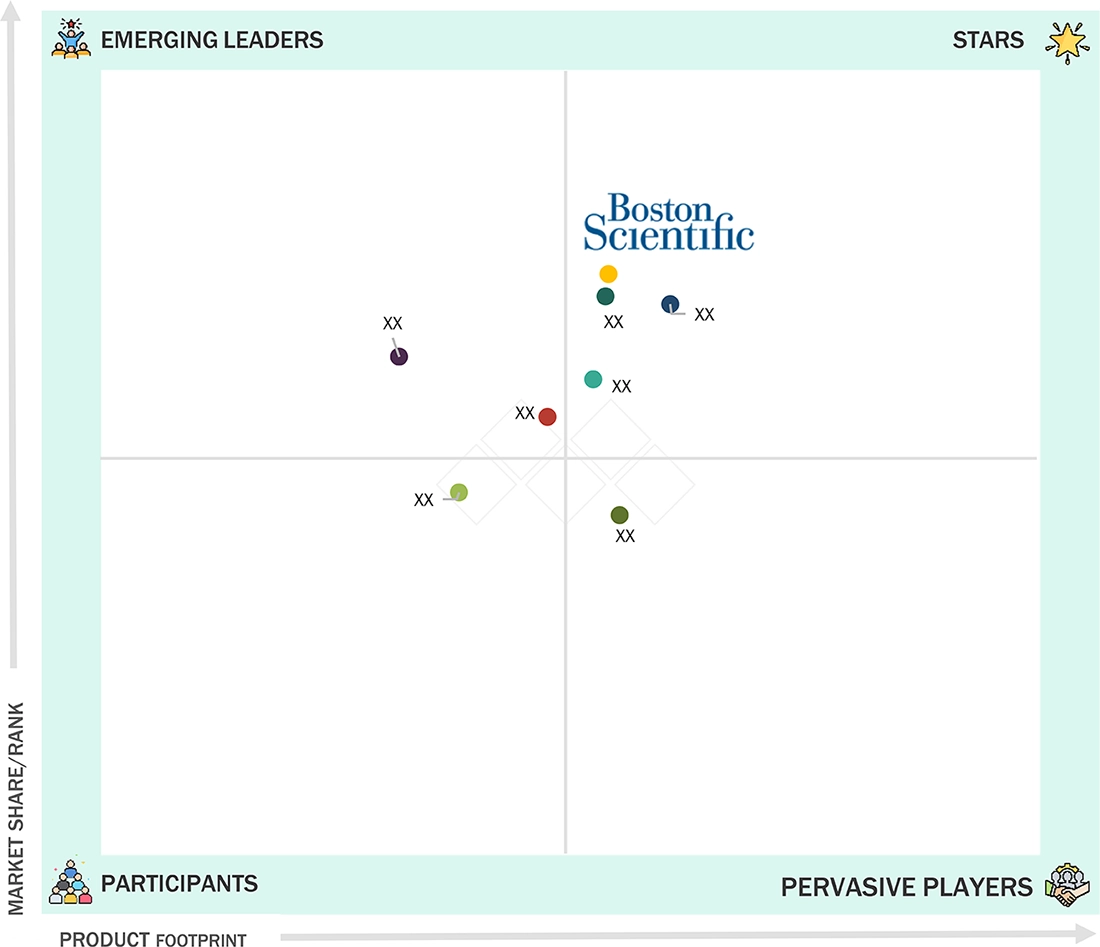
Boston Scientific (Star), a global leader in medical technology, is dedicated to enhancing treatment solutions through innovations, strategic expansions, and robust R&D investments. The company has strengthened its position in the pelvic organ prolapse (POP) segment by increasing R&D spending and introducing advanced technologies aimed at improving outcomes. Boston Scientific continues to reinforce its leadership in POP treatment through this strategic growth and strong presence across various healthcare environments. CooperCompanies (Emerging leader) advances solutions with innovative prolapse repair devices, meeting rising demand from an aging population.
Source: Secondary Research, Interviews with Experts, MarketsandMarkets Analysis
KEY MARKET PLAYERS
MARKET SCOPE
| REPORT METRIC | DETAILS |
|---|---|
| Market Size in 2024 (Value ) | USD 0.72 BN |
| Market Forecast in 2030 (Value ) | USD 1.06 BN |
| Growth Rate | CAGR of 6.6% from 2025 to 2030 |
| Years Considered | 2023–2030 |
| Base Year | 2024 |
| Forecast Period | 2025–2030 |
| Units Considered | Value (USD BN/MN), Volume (Units) |
| Report Coverage | Revenue Forecast, Company Ranking, Competitive Landscape, Growth Factors, and Trends |
| Segments Covered | By Products (synthetic mesh, biological grafts, sutures, vaginal pessaries, pelvic floor therapy devices, robotic surgery systems, and diagnostic and assessment tools), Treatment (Surgical (colpocleisis, colporrhapy, sacrocolpopexy, sacrohysteropexy, and uterosacral or sacrospinous ligament fixation), Non-Surgical (vaginal pessary management and pelvic floor muscle therapy)), Application(cystocele, urethrocele, enterocele, uterine prolapse, and rectocele), End User (hospitals, specialty clinics, ambulatory surgery centers (ASCs), and others) |
| Regions Covered | North America, Europe, Asia Pacific, Latin America, and the Middle East & Africa |
WHAT IS IN IT FOR YOU: POP Treatment and Management / Pelvic Organ Prolapse Market REPORT CONTENT GUIDE
DELIVERED CUSTOMIZATIONS
We have successfully delivered the following deep-dive customizations:
| CLIENT REQUEST | CUSTOMIZATION DELIVERED | VALUE ADDS |
|---|---|---|
| Product Analysis | Product Matrix, which provide a detailed comparison of the product portfolio of each company in the market. | Enables identification of treatment adoption shifts across specialty clinics, hospitals, ASCs and other end users; highlights efficiency, and compliance trends influencing purchasing decisions |
| Company Information | Detailed analysis and profiling of additional market players (Up to five) | Provides insights into competitive strategies, innovation focus, and partnerships shaping the pelvic organ prolapse devices and supplies landscape |
| Geographic Analysis | Further breakdown of the POP Treatment and Management / Pelvic Organ Prolapse market into specific countries for the Rest of Europe, the Rest of Asia Pacific, the Rest of Latin America, and the Middle East & Africa | Country-level demand mapping for product launches and localization strategy planning |
RECENT DEVELOPMENTS
- March 2024 : Intuitive Surgical Operations, Inc. (US) received FDA 510(k) clearance for da Vinci 5, its next-generation multiport robotic-assisted surgical system.
- November 2023 : CooperCompanies (US) completed the acquisition of select Cook Medical (US) assets, expanding its portfolio in obstetrics, Doppler monitoring, and gynecologic surgery markets.
- September 2023 : Caldera Medical (US) completed its acquisition of Atlantic Therapeutics, an Ireland-based provider of non-invasive pelvic floor and nerve stimulation solutions, strengthening its women’s health portfolio.
- January 2023 : GE HealthCare (US) completed its spin-off from GE and began trading as an independent company on the Nasdaq. The company marked the occasion by remotely ringing the Nasdaq opening bell from its Waukesha, Wisconsin, facility.
Table of Contents
 Exclusive indicates content/data unique to MarketsandMarkets and not available with any competitors.
Methodology
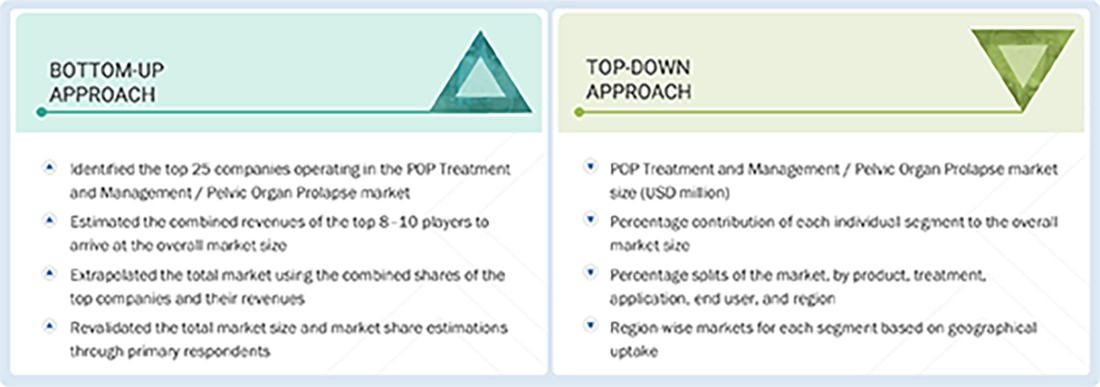
The study involved major activities in estimating the current market size for the POP Treatment and Management / Pelvic Organ Prolapse market. Exhaustive secondary research was done to collect information on the POP Treatment and Management / Pelvic Organ Prolapse industry. The next step was to validate these findings, assumptions, and sizing with industry experts across the value chain using primary research. Different approaches, such as top-down and bottom-up, were employed to estimate the total market size. After that, the market breakup and data triangulation procedures were used to estimate the market size of the segments and subsegments of the POP Treatment and Management / Pelvic Organ Prolapse market.
The four steps involved in estimating the market size are:
Secondary Research
The secondary research process involved the widespread use of secondary sources, directories, databases (such as Bloomberg Businessweek, Factiva, and D&B Hoovers), white papers, annual reports, investor presentations, SEC filings of companies and publications from government sources [such as National Institutes of Health (NIH), US FDA, US Census Bureau, World Health Organization (WHO), Global Burden of Disease Study, and Centers for Medicare and Medicaid Services (CMS)] to identify and collect information for the global POP Treatment and Management / Pelvic Organ Prolapse market study. Secondary sources were also used to obtain important information about the key players, market classification & segmentation according to industry trends to the bottom-most level, and key developments related to market and technology perspectives. A database of the key industry leaders was also prepared using secondary research.
Primary Research
In the primary research process, various sources from both the supply and demand sides were interviewed to obtain qualitative and quantitative information for this report. The primary sources from the supply side included industry experts such as CEOs, vice presidents, marketing and sales directors, technology & innovation directors, and related key executives from various key companies and organizations in the POP Treatment and Management / Pelvic Organ Prolapse market. The primary sources from the demand side included pharmaceutical companies, biotechnology companies, CROs, medical device companies, and research academics and universities. Primary research was conducted to validate the market segmentation, identify key players in the market, and gather insights on key industry trends & key market dynamics.
The following is a breakdown of the primary respondents:
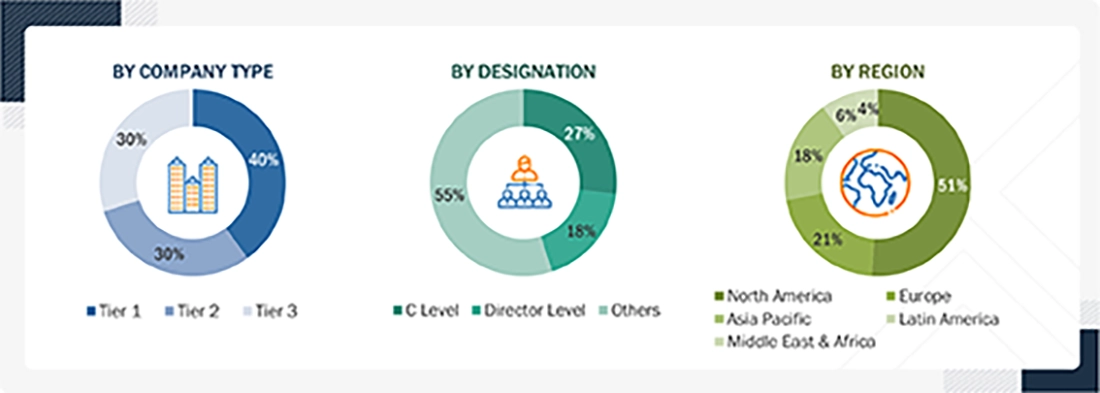
Note 1: Other designations include sales, marketing, and product managers.
Note 2: Companies are classified into tiers based on their total revenues. As of 2024, Tier 1 = >USD 100 million, Tier 2 = USD 10 million to USD 100 million, and Tier 3 = < USD 10 million.
To know about the assumptions considered for the study, download the pdf brochure
Market Size Estimation
For the global market value, annual revenues were calculated based on the revenue mapping of major product manufacturers and OEMs active in the global POP Treatment and Management / Pelvic Organ Prolapse market. All the major service providers were identified at the global and/or country/regional level. Revenue mapping for the respective business segments/subsegments was done for the major players. The global POP Treatment and Management / Pelvic Organ Prolapse market was split into various segments and sub-segments based on:
- List of major players operating in the products market at the regional and/or country level
- Product mapping of POP Treatment and Management / Pelvic Organ Prolapse providers at the regional and/or country level
- Mapping of annual revenue generated by listed major players from POP Treatment and Management / Pelvic Organ Prolapse (or the nearest reported business unit/product category)
- Extrapolation of the revenue mapping of the listed major players to derive the global market value of the respective segments/subsegments
- Summation of the market value of all segments/subsegments to arrive at the global POP Treatment and Management / Pelvic Organ Prolapse market
- The above-mentioned data was consolidated and added with detailed inputs and analysis from MarketsandMarkets and presented in this report.
The research methodology used to estimate the market size includes the following:
Data Triangulation
After arriving at the overall market size by applying the processes mentioned above, the total market was split into several segments. To complete the overall market engineering process and arrive at the exact statistics for all segments and subsegments, data triangulation and market breakdown procedures were employed, wherever applicable. The data was triangulated by studying various factors and trends from both the demand and supply sides.
Market Definition
Pelvic organ prolapse (POP) is a condition in which the pelvic organs—such as the vagina, uterus, bladder, or rectum—descend from their normal anatomical positions. This occurs when the pelvic floor, composed of muscles, ligaments, and connective tissues that provide structural support to these organs, is weakened or stretched. The pelvic floor functions as a supportive structure beneath the pelvic organs. When these supportive structures lose strength or elasticity, the organs may shift out of place or protrude into the vaginal canal. Common causes of pelvic floor weakening include childbirth, aging, and other factors that increase intra-abdominal pressure.
Stakeholders
- Pelvic Organ Prolapse Product Manufacturers
- Research and Consulting Firms
- Distributors of Pelvic Organ Prolapse Devices
- Private Insurance Companies
- Gynecologists and Urogynecologists
- Healthcare Institutes (Hospitals, Medical Schools, Diagnostic Centers, and Outpatient Clinics)
- Research Institutes
- Venture Capitalists
Report Objectives
- To define, describe, segment, and forecast the global POP Treatment and Management / Pelvic Organ Prolapse market by product, treatment, application, end user, and region
- To provide detailed information regarding the major factors influencing market growth (such as drivers, restraints, opportunities, and challenges)
- To analyze the micromarkets with respect to individual growth trends, prospects, and contributions to the overall POP Treatment and Management / Pelvic Organ Prolapse market
- To analyze market opportunities for stakeholders and provide details of the competitive landscape for key players
- To forecast the size of the market segments with respect to five regions: North America, Europe, Asia Pacific, Latin America, and the Middle East & Africa
- To profile the key players and comprehensively analyze their product portfolios, market positions, and core competencies
- To benchmark players within the market using the proprietary company evaluation matrix framework, which analyzes market players on various parameters within the broad categories of business and product excellence
- To study the impact of AI/Gen AI on the market, along with the macroeconomic outlook for each region


Personalize This Research
- Triangulate with your Own Data
- Get Data as per your Format and Definition
- Gain a Deeper Dive on a Specific Application, Geography, Customer or Competitor
- Any level of Personalization
Let Us Help You
- What are the Known and Unknown Adjacencies Impacting the POP Treatment and Management / Pelvic Organ Prolapse Market
- What will your New Revenue Sources be?
- Who will be your Top Customer; what will make them switch?
- Defend your Market Share or Win Competitors
- Get a Scorecard for Target Partners

Custom Market Research Services
We Will Customise The Research For You, In Case The Report Listed Above Does Not Meet With Your Requirements
Get 10% Free CustomisationTESTIMONIALS

JAYANT RAJPUROHIT
Director of Market Insights, Data and Analytics
SFI Health,
Leading Pharmaceutical Companywww.sfihealth.com/

We at SFI Health approached MarketsandMarkets for an Opportunity Assessment on "Incidence and Prevalence of Focus Indications" as we wanted to know the most attractive HCPs like Physician, Functional MD, Naturopath and Pharmacist. The project was critical for us to ensure our focus on the right target which would enable sustainable growth and profitability for SFI Health. The business insights provided exceeded our expectations and we were extremely impressed. The team at MarketsandMarkets is highly professional and detail oriented and very well understood our business needs. MarketsandMarkets offers a unique combination of expertise and dedicated engagement model. We identified 2 new products to be launched in coming months, based on the research findings provided by MarketsandMarkets. We are happy with the services and would strongly recommend MarketsandMarkets to my peers in the industry.

BEATRIZ DE LA CALLE
Head of Commercial Analytics
Qualicaps,
Leading Pharmaceutical Companywww.qualicaps.com/

We partnered with MarketsandMarkets for an assessment study on hard empty capsules. The team was extremely professional in understanding our business requirements and we received timely responses to all our queries. The market intelligence and the recommendations has met our business requirements. We were extremely impressed to see the final study results; it really exceeded our expectations. The market intelligence offered by MarketsandMarkets, and clarity on next steps will help us achieve our business objective for the Year 2021. We are happy with the services and would strongly recommend MarketsandMarkets to my peers in the industry.

Bob Williams,
Senior Director Business Development & Innovation
Bracco Diagnostics Inc.,
Italian Multinational in life sciences sector and a World Leader in imaging diagnosticsimaging.bracco.com/us-en
We were pleased with targeted insights that MarketsandMarkets identified from a custom study on the 'Radiation Dose Management Solutions Market'. Your team identified and characterized the market participants as well as underlying trends accurately. This study was useful to Bracco in formulating business strategies for our dose monitoring product lines and we thank MarketsandMarkets for the job well done.
Cody Coonradt,
Market Development and Strategy Manager
3M Health Information Systems,
Leader in Health care Coding, Payment & Analytics Solutions.www.3m.com/3M/en_US/health-information-systems-us
The value for our organization comes from three things: depth of research, specificity of segments and being easy to work with. As important as the first two are, the third can't be underestimated. MarketsandMarkets, maybe more than any other research vendor, wants to know what is top of mind for our team and what big questions we are grappling to answer.
Their customer first approach and high value engagement model, have given us great analysis and excellent value for money
- US POP Treatment and Management / Pelvic Organ Prolapse Market
- Canada POP Treatment and Management / Pelvic Organ Prolapse Market
- Germany POP Treatment and Management / Pelvic Organ Prolapse Market
- France POP Treatment and Management / Pelvic Organ Prolapse Market
- UK POP Treatment and Management / Pelvic Organ Prolapse Market
- Italy POP Treatment and Management / Pelvic Organ Prolapse Market
- Spain POP Treatment and Management / Pelvic Organ Prolapse Market
- China POP Treatment and Management / Pelvic Organ Prolapse Market
- Japan POP Treatment and Management / Pelvic Organ Prolapse Market
- India POP Treatment and Management / Pelvic Organ Prolapse Market
- Australia POP Treatment and Management / Pelvic Organ Prolapse Market
- South Korea POP Treatment and Management / Pelvic Organ Prolapse Market
- Brazil POP Treatment and Management / Pelvic Organ Prolapse Market
- Mexico POP Treatment and Management / Pelvic Organ Prolapse Market
- Rest Of Europe POP Treatment and Management / Pelvic Organ Prolapse Market
- Rest Of Asia Pacific POP Treatment and Management / Pelvic Organ Prolapse Market
- Rest Of Latin America POP Treatment and Management / Pelvic Organ Prolapse Market






Growth opportunities and latent adjacency in POP Treatment and Management / Pelvic Organ Prolapse Market