Proteins & Protein Crystals Market

Proteins & Protein Crystals Market by Product Type (Enzyme, Monoclonal Antibodies, Insulin, Hormones); Structural (Membrane, Matrix), Specialty (Nutrition, Analytics, Cosmetics); Application (Healthcare, Environmental); End User (Pharma, Biotech, CROs) - Global Forecast to 2030



OVERVIEW
Source: Secondary Research, Interviews with Experts, MarketsandMarkets Analysis
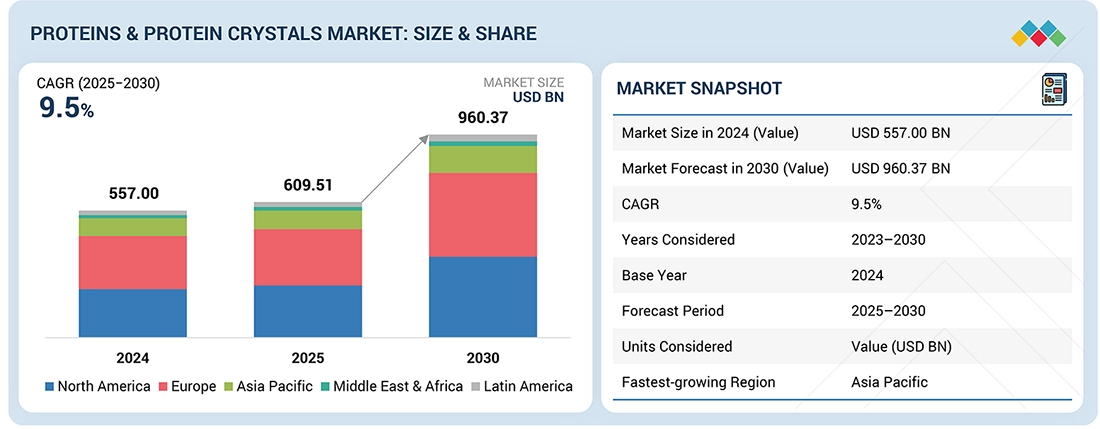
The global proteins & protein crystals market, valued at US$557.00 billion in 2024, stood at US$609.51 billion in 2025 and is projected to advance at a resilient CAGR of 9.5% from 2025 to 2030, culminating in a forecasted valuation of US$960.37 billion by the end of the period. The growth of the proteins & protein crystals market is fueled by rising demand for biologics and protein-based medicines, continuous technological improvements in crystallization techniques, and increased research spending in biopharmaceuticals and drug discovery. The growing applications in structural biology and precision medicine also drive market expansion. The expanding applications of enzymes and proteins in industrial processes, as well as in food, beverage, and nutraceutical products, cosmetics, tissue engineering, and regenerative medicine, further fuel growth. Additionally, environmental applications, such as bioremediation and wastewater treatment, combined with advances in high-throughput crystallization, automation technologies, and the need for efficient and reproducible protein-based assays, collectively drive market expansion across multiple sectors.
KEY TAKEAWAYS
-
MARKET SNAPSHOT:
Base Year Market Size (2024): USD 557.00 Billion
Current Market Size (2025): USD 609.51 Billion
Forecast Market Size (2030): USD 960.37 Billion
CAGR (2025–2030): 9.5% -
SEGMENT LEADERSHIP:
Regional Leader: Asia Pacific is projected to witness the highest CAGR of 8.7% in the proteins & protein crystals market.
Product Type Leader: Therapeutic proteins are estimated to account for the highest market share in 2025.
Application Leader: Healthcare is estimated to account for the largest market share of 29.7% in 2024.
End User Leader: Research, academia & CROs are projected to register the highest CAGR of 9.2% during the forecast period. -
MARKET OUTLOOK & COMPETITIVE LANDSCAPE:
Danaher (US), Thermo Fischer Scientific Inc. (US), Sanofi (France), Merck KGaA (Germany), Amgen (US), Eli Lilly (US), and Roche (Switzerland) are identified as some of the star players, given their strong market share and product footprint.
Companies such as Agilent (US), Takeda Pharmaceutical Company (Japan), International Flavours and Fragrances (US), and Biocon (India) have distinguished themselves among startups and SMEs by securing strong footholds in specialized niche areas, underscoring their potential as emerging market leaders.
The proteins & protein crystals market is driven by the growing need for high-purity proteins in structural biology, drug development, and biopharmaceutical research. Market expansion is being accelerated by growing applications in enzyme engineering, therapeutic protein production, and diagnostic testing. Recombinant protein expression systems, automated crystallization platforms, and AI-based structure prediction tools are examples of technological innovations that improve research efficiency and accuracy and increase the use of protein and protein crystal technologies in both academic and industrial settings.
TRENDS & DISRUPTIONS IMPACTING CUSTOMERS' CUSTOMERS
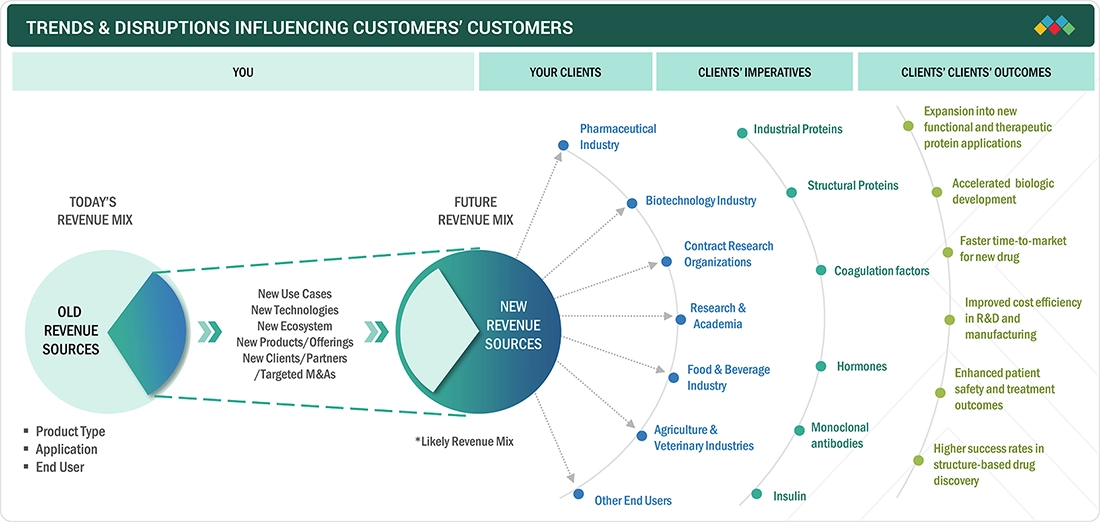
The proteins & protein crystals market is witnessing several transformative trends and disruptions that are reshaping the industry. Advances in high-throughput protein crystallization, automation, and AI-driven structural biology are accelerating drug discovery and biologics development. The rise of targeted therapies and biologics is increasing demand for high-purity proteins and crystallization tools, while innovations in enzyme engineering and structural protein applications are expanding industrial, agricultural, and cosmetic uses. Disruptions such as novel crystallization technologies, lab-on-a-chip systems, and AI-assisted protein modeling are reducing material requirements and experimental timelines, driving efficiency. These trends are not only enhancing research productivity but also enabling new applications across healthcare, bioenergy, tissue engineering, and environmental sectors, significantly impacting market growth and competitive dynamics globally.
Source: Secondary Research, Interviews with Experts, MarketsandMarkets Analysis
MARKET DYNAMICS

Level
-
Increasing emphasis on structure-based drug discovery and development

-
Rising demand for protein based drug development


Level
-
High technical complexity and low success rates in protein crystallization

-
Commercialization & technology adoption


Level
-
Integration of AI-enabled innovations

-
Collaboration between academia & industry


Level
-
Reproducibility issues in protein crystallization

-
Scalability concerns in recombinant protein production

Source: Secondary Research, Interviews with Experts, MarketsandMarkets Analysis
Driver: Increasing emphasis on structure-based drug discovery and development
The growing focus on structure-based drug discovery and development is reshaping the pharmaceutical industry by enabling precise molecular-level design and optimization of therapeutics. Advances in protein crystallization, X-ray crystallography, cryo-electron microscopy, and computational modeling now allow researchers to determine high-resolution 3D structures of target proteins, accelerating rational drug design and biologics development. Notable milestones include the March 2025 approval of the biologic Dupixent (dupilumab) for uncontrolled COPD, signaling the expansion of monoclonal antibodies into new treatment domains and reinforcing their therapeutic versatility. A January 2025 review further highlighted that 13 newly approved biologics were monoclonal antibodies, marking a record for the class and underscoring their growing dominance in drug pipelines. In 2024, the U.S. FDA approved 15 antibody-based therapeutics—including recombinant IgG antibodies, bispecific antibodies, an immunocytokine, and a Fc-fusion protein—demonstrating continued innovation in protein-based therapies. Additionally, the FDA’s 2024 Biological License Application approvals featured advanced biologics such as Aucaztyl for relapsed or refractory B-cell precursor acute lymphoblastic leukemia, illustrating how engineered protein systems increasingly depend on structural biology insights. Collectively, these developments emphasize how structure-based strategies are advancing small-molecule drugs, monoclonal antibodies, and other protein therapeutics, reaffirming the essential role of protein crystallization technologies in modern drug discovery.
Restraint: High technical complexity and low success rates in protein crystallization
Protein crystallization remains a technically demanding process due to the delicate and sensitive nature of protein molecules, which require precise optimization of environmental factors, such as pH, temperature, ionic strength, and impurities. As proteins are large and flexible, small variations in purity, stability, and solubility can significantly impact nucleation and crystal growth, making the process time-consuming and experimentally intensive. Recent studies highlight the sensitivity of crystallization conditions: a 2025 Royal Society of Chemistry paper demonstrated that even model proteins require careful tuning of solubility and nucleation environments—such as urea versus salt—to achieve controlled crystal growth. Another 2025 study published in the Journal of Applied Crystallography showed that heterogeneous nano-crystal fragment seeds were necessary to obtain diffraction-quality crystals at 1.4 Å resolution, underscoring that standard crystallization conditions often fail without advanced interventions. Similarly, a 2024 review by the Royal Society of Chemistry emphasized the growing use of additives, such as ionic liquids and deep eutectic solvents, along with external fields like magnetic, electric, and ultrasonic forces, to overcome challenging crystallization issues. Despite these advancements, protein crystallization continues to suffer from low success rates. Many proteins fail to crystallize under standard conditions, and those that do often produce crystals unsuitable for X-ray or other structural analyses. Issues like aggregation, degradation, and conformational heterogeneity further complicate the process. Consequently, achieving high-quality crystals often requires extensive trial and error, advanced computational prediction tools, and innovative crystallization strategies—reflecting the inherent difficulty and scientific importance of this crucial step in drug discovery and structural biology.
Opportunity: Integration of AI-enabled innovations
The integration of artificial intelligence (AI) into the protein and protein crystals market is significantly transforming research, development, and production processes by enabling faster, more accurate, and cost-effective outcomes. Recent advancements highlight how AI-driven tools are being applied across structural prediction, crystallization optimization, diffraction-quality assessment, and real-time monitoring. In April 2025, researchers at the Institute of Statistical Mathematics and Panasonic Holdings Corporation developed ShotgunCSP, a machine-learning algorithm achieving cellular-level accuracy in predicting crystal structures from composition. Similarly, in 2025, MIT scientists used XGBoost to identify structural features of antibody fragments that influence crystallization success, improving prediction for antibody-based therapeutics. A 2025 review paper further emphasized the increasing adoption of AI in molecular crystal design and crystallization development, showcasing the shift toward AI-assisted workflows in both materials and protein crystallization. In November 2024, researchers advanced protein engineering by using AI (building on AlphaFold2) to design de novo proteins with tailored properties, demonstrating how generative AI is moving beyond prediction toward functional protein creation. Another 2024 review highlighted how AI-driven structure-prediction tools are reshaping drug-discovery workflows by enhancing accuracy, speed, and design capabilities. Additionally, a deep-learning model developed in 2024 can now predict X-ray diffraction quality of protein crystals, enabling researchers to identify the most promising crystals before experimental effort. Collectively, innovations in deep learning, generative models, and machine learning are overcoming challenges such as low reproducibility and high technical complexity, while accelerating drug discovery, biopharmaceutical development, and structural biology research—ultimately enabling enhanced efficiency, scalability, and precision across the industry.
Challenge: Reproducibility issues in protein crystallization
Reproducibility issues remain one of the most persistent challenges in protein crystallization, primarily due to the highly sensitive and variable nature of the process. Protein crystallization is influenced by numerous factors, such as temperature, pH, protein purity, concentration, and the presence of impurities or additives. Even minor fluctuations in these parameters can result in vastly different crystallization outcomes. Differences in protein batches, post-translational modifications, and storage conditions further complicate reproducibility, making it difficult to achieve consistent results across laboratories. The lack of standardized protocols and differences in experimental setups, reagents, and instrumentation also contribute to variability in crystal formation and quality. Moreover, reproducibility challenges hinder scalability and data reliability, particularly in industrial and structural biology applications. Inconsistent crystal growth leads to poor-quality diffraction data, slowing down structure determination and drug design efforts. Automation and high-throughput screening systems have improved reproducibility to some extent, but many proteins still require manual optimization and empirical trial-and-error approaches. Advanced computational modeling and AI-based predictive systems are being developed to mitigate these issues; however, they rely heavily on high-quality experimental data, which is often limited. Addressing reproducibility concerns through standardized methodologies, open data sharing, and improved quality control remains critical for advancing both academic research and commercial protein crystallization processes.
PROTEINS & PROTEIN CRYSTALS MARKET: COMMERCIAL USE CASES ACROSS INDUSTRIES
| COMPANY | USE CASE DESCRIPTION | BENEFITS |
|---|---|---|
 |
It produces monoclonal antibodies, hormones, and fusion proteins for disease treatment. | Provides targeted therapies with high efficacy and reduced side effects |
 |
It develops recombinant proteins and biologics for oncology and autoimmune disorders. | Advances personalized medicine and biopharmaceutical innovation |
 |
It offers structural proteins and reagents for research and bioprocessing applications. | Enables reliable scaffold formation and improved tissue modeling |
 |
Through innovative technologies like crystalline-sponge consumables, Merck helps push the boundaries of what is structurally resolvable, reducing material needs and speeding discovery. | Helps researchers speed up early-stage biologics and therapeutic development |
 |
Aplio i-series Ultrasound Systems – Incorporates Micro-Vascular Imaging (SMI) and contrast-enhanced ultrasound (CEUS) for vascular imaging in peripheral and abdominal applications | Enables visualization of low-velocity blood flow in micro vessels, enhances detection of vascular lesions and plaque morphology, supports real-time evaluation without ionizing radiation, and improves diagnostic accuracy in early vascular disease detection |
Logos and trademarks shown above are the property of their respective owners. Their use here is for informational and illustrative purposes only.
MARKET ECOSYSTEM
The proteins & protein crystals market comprises various stakeholders, including manufacturers, suppliers, research organizations, academic institutions, contract research organizations (CROs), and regulatory authorities. Manufacturers drive innovation through advanced expression systems, crystallization platforms, and automated screening technologies, while suppliers provide essential reagents, buffers, and purification tools. Distributors facilitate global market access, while regulatory bodies ensure that quality and safety standards are met for research and therapeutic applications. Academic and research institutions play a crucial role in discovering new protein structures and supporting drug design. Key companies operating in this market include Danaher (US), Thermo Fischer Scientific Inc. (US), Sanofi (France), Agilent (US), Takeda Pharmaceutical Company (Japan), International Flavours and Fragrances (US), and Biocon (India), among others.
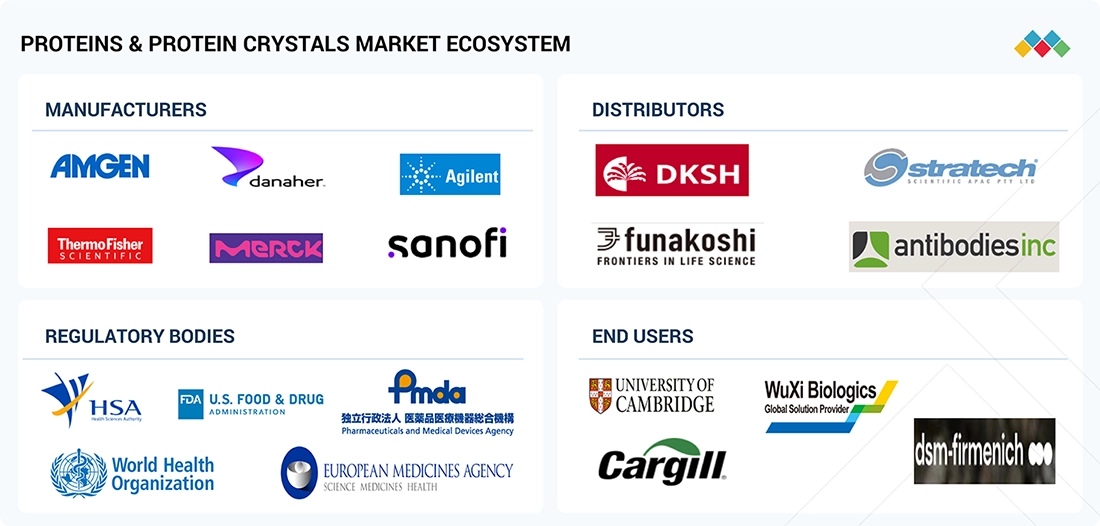
Logos and trademarks shown above are the property of their respective owners. Their use here is for informational and illustrative purposes only.
MARKET SEGMENTS
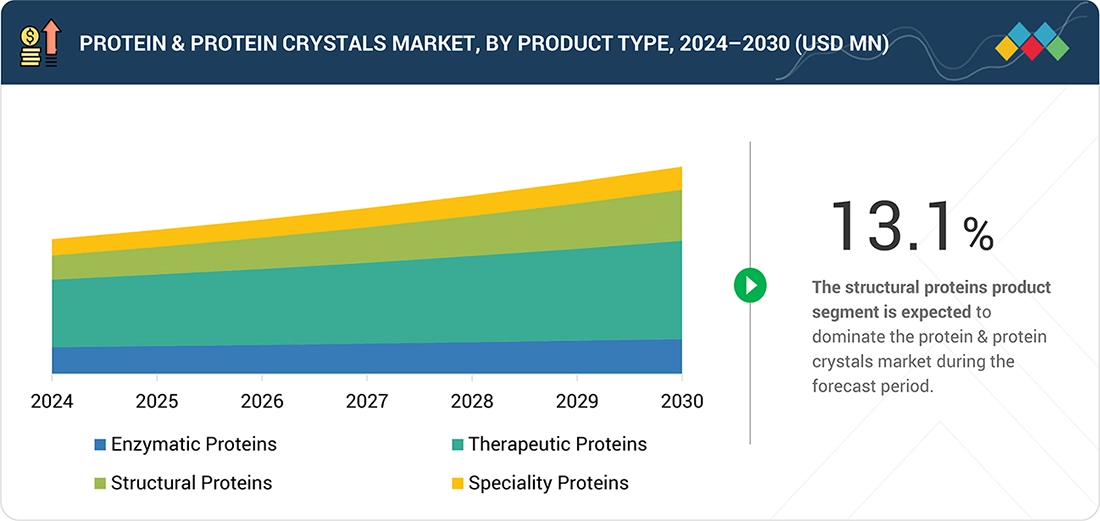
Source: Secondary Research, Interviews with Experts, MarketsandMarkets Analysis
Proteins & Protein Crystals Market, By Product Type
The therapeutic proteins segment holds the highest market share in the proteins & protein crystals market. These proteins are essential for developing biologics, targeted therapies, and advanced treatments for chronic diseases, such as cancer, diabetes, and autoimmune disorders. Their high demand in the pharmaceutical and biotech industries drives extensive R&D, requiring precise structural analysis and crystallization to optimize efficacy, stability, and safety. The increasing approval of protein-based drugs, expansion of personalized medicine, and strong investment in biologics manufacturing further reinforce their dominant position, making therapeutic proteins the most commercially significant segment in the market.
Proteins & Protein Crystals Market, By Application
The market for proteins & protein crystals is significantly influenced by the healthcare sector. Proteins are widely used in structural biology research, illness detection, and pharmaceutical development. For drug discovery, target identification, and the creation of biopharmaceuticals, including vaccines and monoclonal antibodies, pharmaceutical and biotechnology businesses depend on premium protein crystals. The healthcare sector's dominance in this market is further reinforced by the increased use of protein-based therapies, developments in crystallography for structure-guided drug creation, and rising R&D spending in precision medicine.
Proteins & Protein Crystals Market, By End User
The pharmaceutical industry is a major end-user in the overall proteins & protein crystals market. Proteins are widely used in drug discovery, development, and therapeutic applications. Protein crystallography is a major tool used by pharmaceutical companies to identify molecular structures, which allows for the creation of more focused and potent medications. The segment's dominance is further fueled by the rising demand for biologics, such as monoclonal antibodies and recombinant proteins. Furthermore, ongoing R&D expenditures boost productivity and hasten the development of protein-based treatments when combined with automation and sophisticated crystallization techniques.
REGION
Asia Pacific to be fastest-growing region in global vascular imaging market during forecast period
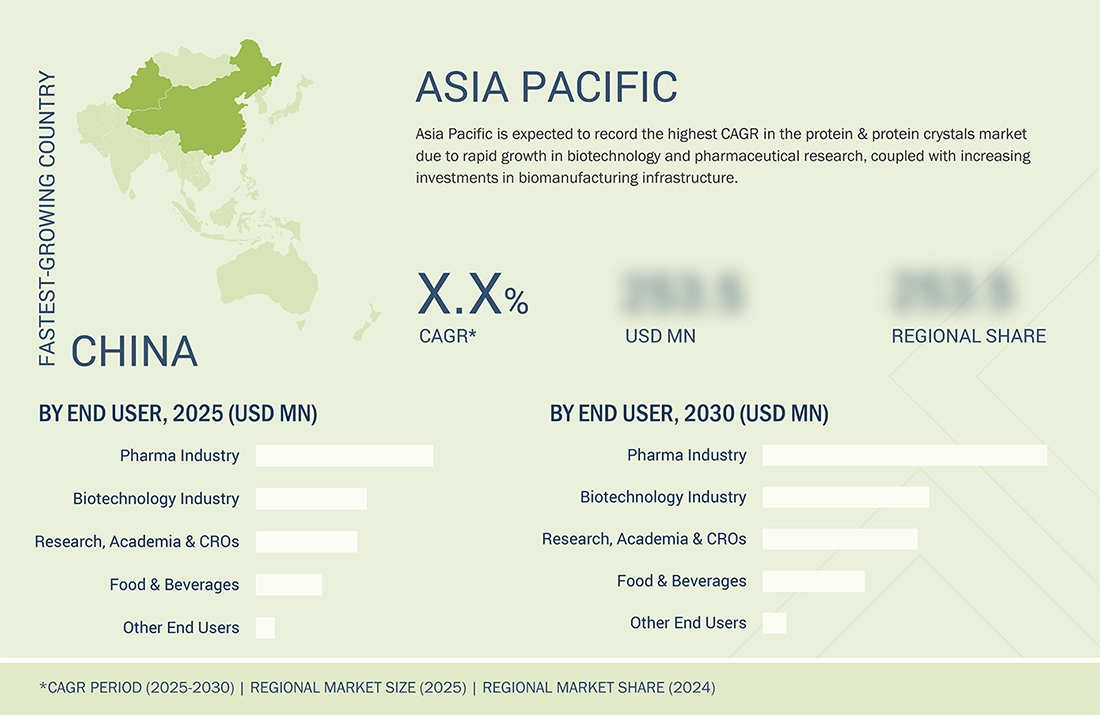
The Asia Pacific region is expected to register the highest CAGR in the proteins & protein crystals market due to strong demand across multiple applications. In healthcare, proteins support therapeutics, vaccines, diagnostics, and personalized medicine. In agriculture, they enhance feed, crop protection, and fertilizers, while bioenergy utilizes proteins for biomass conversion and the production of biofuels. Cosmetics and nutraceuticals utilize structural proteins such as collagen and elastin, while tissue engineering, regenerative medicine, and environmental applications rely on proteins as scaffolds for wound healing and bioremediation. The region’s expanding research infrastructure, industrial growth, and rising consumer demand make these multi-application uses key drivers of the market growth.
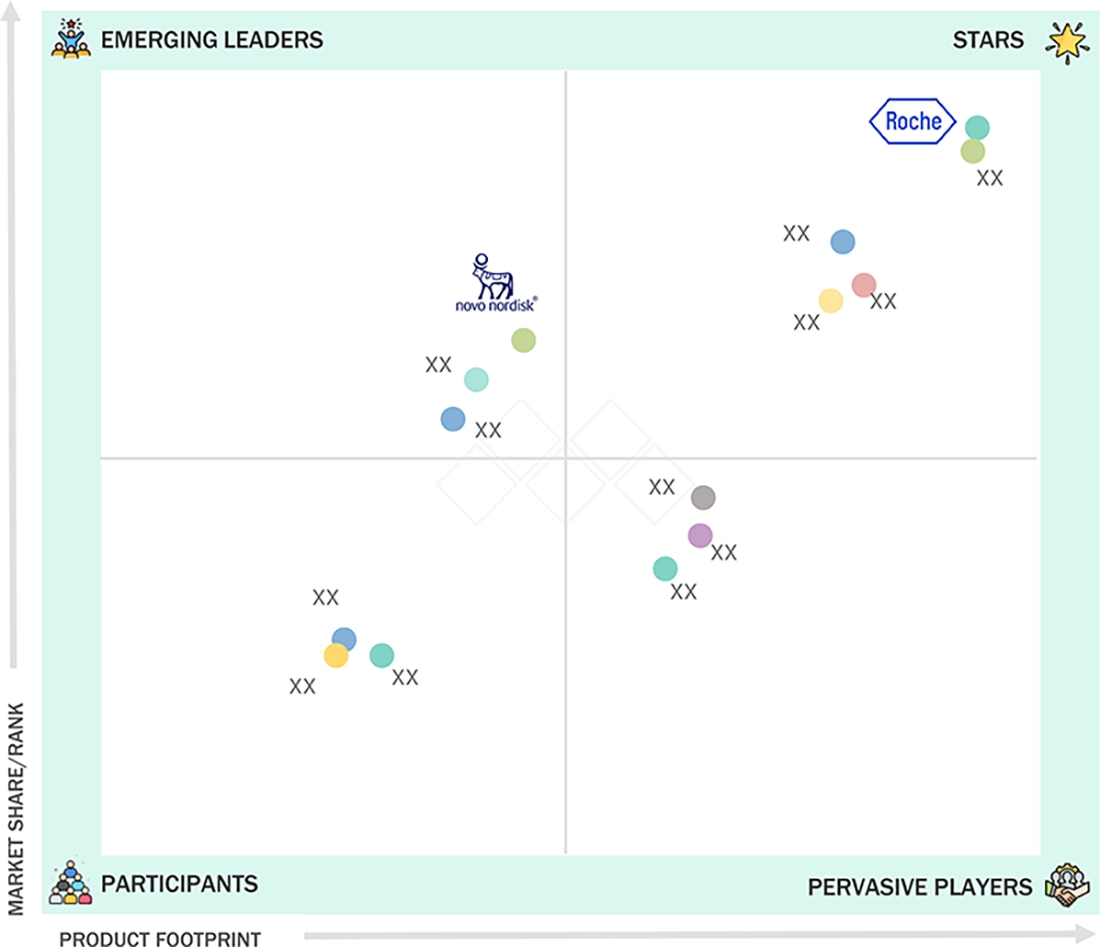
PROTEINS & PROTEIN CRYSTALS MARKET: COMPANY EVALUATION MATRIX
Thermo Fisher Scientific (US) and F. Hoffmann-La Roche AG (Switzerland) lead the proteins & protein crystals market with strong portfolios, global presence, and high innovation. Emerging leaders, such as Agilent (US) and Novo Nordisk (Denmark), demonstrate strong product innovation but lack equally robust long-term growth strategies. Pervasive players, including Sanofi (France) and Takeda (US), have strong business strategies but offer limited or less innovative product lines. Participants are niche players with narrow offerings and limited strategic development, contributing minimally to competitive market dynamics.
Source: Secondary Research, Interviews with Experts, MarketsandMarkets Analysis
KEY MARKET PLAYERS
MARKET SCOPE
| REPORT METRIC | DETAILS |
|---|---|
| Market Size in 2024 (Value) | USD 557.00 Billion |
| Market Forecast in 2030 (Value) | USD 960.37 Billion |
| Growth Rate | CAGR of 9.5% from 2025-2030 |
| Years Considered | 2023-2030 |
| Base Year | 2024 |
| Forecast Period | 2025-2030 |
| Units Considered | Value (USD Billion) |
| Report Coverage | Revenue forecast, company ranking, competitive landscape, growth factors, and trends |
| Segments Covered |
|
| Regions Covered | North America, Asia Pacific, Europe, Latin America, Middle East & Africa |
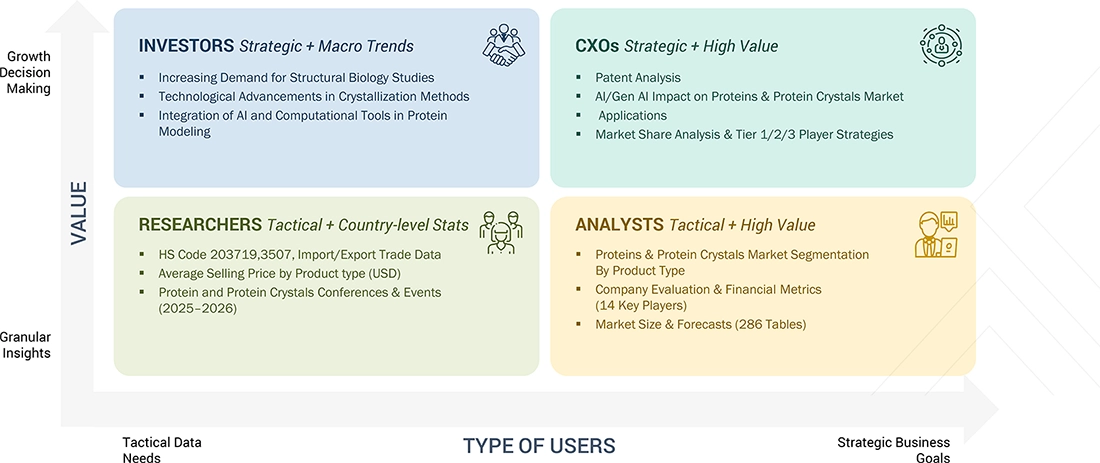
WHAT IS IN IT FOR YOU: PROTEINS & PROTEIN CRYSTALS MARKET REPORT CONTENT GUIDE
DELIVERED CUSTOMIZATIONS
We have successfully delivered the following deep-dive customizations:
| CLIENT REQUEST | CUSTOMIZATION DELIVERED | VALUE ADDS |
|---|---|---|
| Biopharmaceutical Company |
|
|
| Academic & Research Institute |
|
|
| Contract Research / Manufacturing Organization (CRO / CMO) |
|
|
| Biotech Start-up / Protein Design Company |
|
|
RECENT DEVELOPMENTS
- October 2025 : Merck acquired JSR Life Sciences’ Chromatography business to strengthen its downstream processing capabilities, enhancing scalable production of biopharmaceuticals like monoclonal antibodies.
- June 2025 : XtalPi and Pfizer expanded their strategic collaboration to advance AI-driven drug discovery and materials science simulations.
- June 2025 : The collaboration between RayBiotech and Venebio combines RayBiotech’s advanced technological capabilities with Venebio’s expertise in regulatory and clinical strategy, creating a strong and complementary partnership.
- January 2025 : Novo Nordisk collaborated with Valo Health to build on Valo’s Opal Computational Platform and combine joint strengths in human data and genetics with Novo Nordisk’s deep expertise in cardiometabolic diseases.
Table of Contents
 Exclusive indicates content/data unique to MarketsandMarkets and not available with any competitors.
Methodology
The research methodology for analyzing the global protein and protein crystals market is clearly detailed on the website, outlining the structured processes and best practices followed for data collection, validation, and analysis. This transparent and systematic approach ensures high accuracy and reliability of the insights presented. Such clarity allows stakeholders to assess the robustness of the findings, conclusions, and recommendations, ultimately enabling confident and well-informed decision-making.
Secondary Research
For this secondary research, we relied on diverse sources such as D&B Hoovers, Bloomberg Businessweek, Factiva, white papers, annual reports, company filings, investor presentations, and SEC filings. This in-depth approach helped build a robust database of key players in the industry. The database provides essential insights into established companies, detailed multi-level market segmentation, trends within each segment, notable mergers and acquisitions, and the impact of cutting-edge technological innovations shaping the protein and protein crystals market.
Primary Research
The primary research involved both qualitative and quantitative approaches and was conducted in depth with participants from both the supply and demand sides through interviews.
On the supply side, interviews were conducted with senior-level executives such as CEOs, vice presidents, marketing and sales directors, product managers, regional managers, and R&D heads from leading companies engaged in the production, purification, crystallization, and analysis of proteins and protein crystals.
On the demand side, professionals interviewed included research scientists, laboratory managers, bioprocess engineers, procurement specialists, and subject-matter experts from pharmaceutical and biotechnology companies, academic and research institutions, contract research organizations (CROs), and diagnostic laboratories, food & beverage industry, agriculture industry, animal nutrition industry, cosmetics & personal care industry, nutraceuticals industry, bioenergy / biofuels industry, environmental & waste management industry, among other end users.
Overall, this research provided valuable insights into market segmentation, key players, trends, dynamics, and growth of drivers in the market.
A breakdown of the primary respondents is provided below:

Note 1: Other designations include sales managers, marketing managers, business development managers, product managers, distributors, and suppliers.
Note 2: Companies are classified into tiers based on their total revenue. As of 2024 Tier 1 = >USD 1 billion, Tier 2 = < USD 500 million, and Tier 3 = < USD 100 million.
To know about the assumptions considered for the study, download the pdf brochure
Market Size Estimation
The report offers an in-depth analysis of the Protein and Protein crystals market, identifying key players through both primary and secondary research. Secondary research drew on annual and financial reports from major market companies, while primary research included detailed interviews with key opinion leaders such as CEOs, directors, and senior marketing executives.
To estimate the global market value, a segment-based methodology was applied, using revenue data from leading solutions and supplier providers. This involved:
- Identifying major participants in the global Protein and protein crystals market.
- Reviewing their reported annual revenues, whether directly related to protein and protein crystals or reflecting broader business units and product lines.
The data was then projected to arrive at the overall value for the Protein and Protein crystals market.
Global Protein and protein crystals market: Bottom-up Approach & Top-down Approach

Data Triangulation
The research approach involved dividing the global protein and protein crystals market into different participant groups and categories. Data triangulation and segmentation methods were applied to ensure the accuracy of information across all market segments. Multiple analyses were carried out to assess both the demand and supply aspects of the market. By combining top-down and bottom-up approaches, the study provided a comprehensive understanding of the Protein and protein crystals market.
Market Definition
The protein and protein crystals market encompasses a wide range of proteins and their crystallized forms used across pharmaceutical, biotechnology, industrial, and research applications. It includes enzymatic, therapeutic, structural, and specialty proteins tailored for specific functional roles. These products support diverse applications such as drug development, healthcare and diagnostics, tissue engineering, industrial biocatalysis, animal nutrition, bioenergy and environmental processes, agriculture, and cosmeceutical and nutraceutical formulations.
Stakeholders
- Protein and Reagent Manufacturers
- Crystallization Equipment and Consumable Suppliers
- Biopharmaceutical and Biotechnology Companies
- Contract Research Organizations (CROs)
- Research Institutions
- Raw Material and Reagent Suppliers
- Regulatory Authorities
Report Objectives
- To define, describe, and forecast the global Protein and protein crystals market based on product type, application, end user, and region
- To provide detailed information regarding the major factors influencing market growth (drivers, restraints, opportunities, and challenges), along with the current trends
- To strategically analyze micromarkets with respect to their individual growth trends, future prospects, and contributions to the total market
- To analyze opportunities in the market for stakeholders and provide details of the competitive landscape for market leaders
- To forecast the revenue of the market segments for five regions: North America (US and Canada), Europe (Germany, France, UK, Italy, Spain, and Rest of Europe), the Asia Pacific (China, Japan, India, South Korea, Australia, and Rest of Asia Pacific), Latin America (Brazil, Mexico, and Rest of Latin America), and the Middle East & Africa
- To profile the key players and comprehensively analyze their market shares and core competencies
- To track and analyze competitive developments in the Protein and protein crystals market, such as acquisitions, product launches, expansions, agreements, joint ventures, alliances, and collaborations


Personalize This Research
- Triangulate with your Own Data
- Get Data as per your Format and Definition
- Gain a Deeper Dive on a Specific Application, Geography, Customer or Competitor
- Any level of Personalization
Let Us Help You
- What are the Known and Unknown Adjacencies Impacting the Proteins & Protein Crystals Market
- What will your New Revenue Sources be?
- Who will be your Top Customer; what will make them switch?
- Defend your Market Share or Win Competitors
- Get a Scorecard for Target Partners

Custom Market Research Services
We Will Customise The Research For You, In Case The Report Listed Above Does Not Meet With Your Requirements
Get 10% Free CustomisationTESTIMONIALS

JAYANT RAJPUROHIT
Director of Market Insights, Data and Analytics
SFI Health,
Leading Pharmaceutical Companywww.sfihealth.com/

We at SFI Health approached MarketsandMarkets for an Opportunity Assessment on "Incidence and Prevalence of Focus Indications" as we wanted to know the most attractive HCPs like Physician, Functional MD, Naturopath and Pharmacist. The project was critical for us to ensure our focus on the right target which would enable sustainable growth and profitability for SFI Health. The business insights provided exceeded our expectations and we were extremely impressed. The team at MarketsandMarkets is highly professional and detail oriented and very well understood our business needs. MarketsandMarkets offers a unique combination of expertise and dedicated engagement model. We identified 2 new products to be launched in coming months, based on the research findings provided by MarketsandMarkets. We are happy with the services and would strongly recommend MarketsandMarkets to my peers in the industry.

BEATRIZ DE LA CALLE
Head of Commercial Analytics
Qualicaps,
Leading Pharmaceutical Companywww.qualicaps.com/

We partnered with MarketsandMarkets for an assessment study on hard empty capsules. The team was extremely professional in understanding our business requirements and we received timely responses to all our queries. The market intelligence and the recommendations has met our business requirements. We were extremely impressed to see the final study results; it really exceeded our expectations. The market intelligence offered by MarketsandMarkets, and clarity on next steps will help us achieve our business objective for the Year 2021. We are happy with the services and would strongly recommend MarketsandMarkets to my peers in the industry.

Bob Williams,
Senior Director Business Development & Innovation
Bracco Diagnostics Inc.,
Italian Multinational in life sciences sector and a World Leader in imaging diagnosticsimaging.bracco.com/us-en
We were pleased with targeted insights that MarketsandMarkets identified from a custom study on the 'Radiation Dose Management Solutions Market'. Your team identified and characterized the market participants as well as underlying trends accurately. This study was useful to Bracco in formulating business strategies for our dose monitoring product lines and we thank MarketsandMarkets for the job well done.
Cody Coonradt,
Market Development and Strategy Manager
3M Health Information Systems,
Leader in Health care Coding, Payment & Analytics Solutions.www.3m.com/3M/en_US/health-information-systems-us
The value for our organization comes from three things: depth of research, specificity of segments and being easy to work with. As important as the first two are, the third can't be underestimated. MarketsandMarkets, maybe more than any other research vendor, wants to know what is top of mind for our team and what big questions we are grappling to answer.
Their customer first approach and high value engagement model, have given us great analysis and excellent value for money
- US Proteins & Protein Crystals Market
- Canada Proteins & Protein Crystals Market
- Germany Proteins & Protein Crystals Market
- UK Proteins & Protein Crystals Market
- France Proteins & Protein Crystals Market
- Italy Proteins & Protein Crystals Market
- Spain Proteins & Protein Crystals Market
- China Proteins & Protein Crystals Market
- Japan Proteins & Protein Crystals Market
- India Proteins & Protein Crystals Market
- Australia Proteins & Protein Crystals Market
- South Korea Proteins & Protein Crystals Market
- Brazil Proteins & Protein Crystals Market
- Mexico Proteins & Protein Crystals Market






Growth opportunities and latent adjacency in Proteins & Protein Crystals Market