
Carbon Nanotubes (CNT) Market

Carbon Nanotubes Market by Type (Single-walled Carbon nanotubes (SWCNT), Multi-walled Carbon Nanotubes (MWCNT), Method, Application (Electronics & Semiconductors, Energy & Storage, Structural Composites Application), and Region - Global Forecast to 2031




OVERVIEW
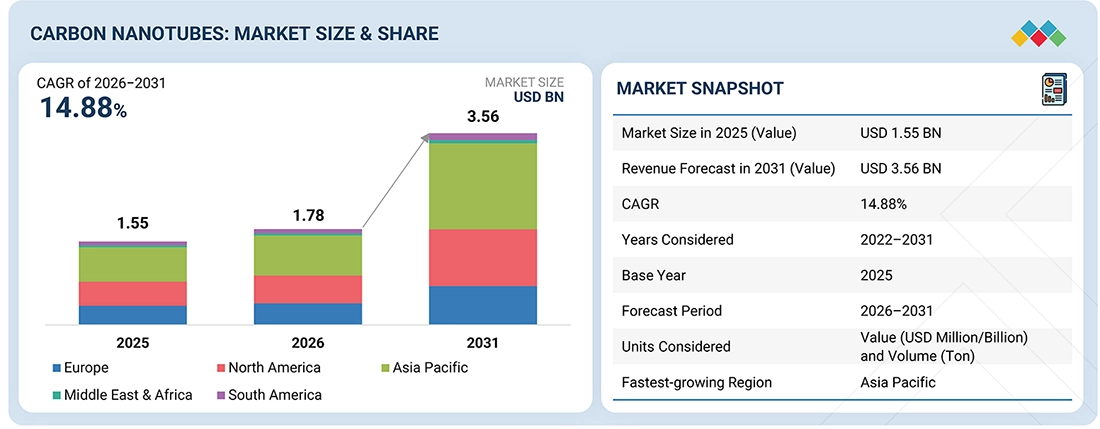
Source: Secondary Research, Interviews with Experts, MarketsandMarkets Analysis
The carbon nanotubes market is projected to grow from USD 1.78 billion in 2026 to USD 3.56 billion by 2031, at a CAGR of 14.88%. Carbon nanotubes are nano-scale cylindrical structures made of rolled graphene sheets with excellent mechanical, electrical and thermal properties. They are lightweight and are used as high-performance reinforcement materials in various industries. The market is growing owing to their demand in electronics, energy storage, automotive, aerospace & defense, industrial, and manufacturing sectors and increased investments in nanotechnology research and development.
KEY TAKEAWAYS
-
BY REGIONAsia Pacific dominated the global carbon nanotubes market in 2025, accounting for a share of 41.3%, in terms of value.
-
BY TYPEBy type, the SWCNT segment led the overall carbon nanotubes market in 2025.
-
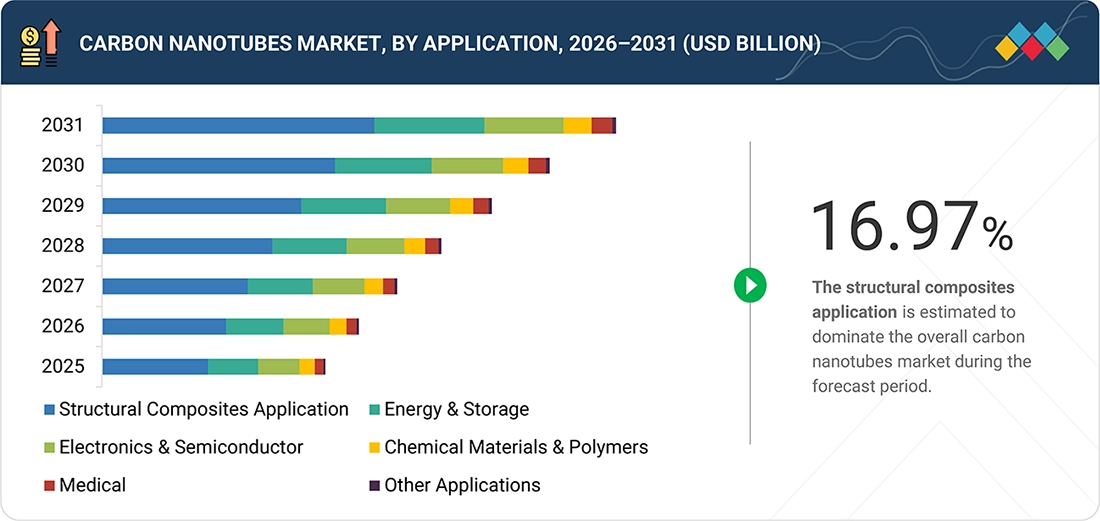
BY APPLICATIONThe structural composites application is projected to register the highest CAGR of 16.97%, in terms of value, during the forecast period.
-
COMPETITIVE LANDSCAPE - KEY PLAYERSLG Chem Ltd., Cabot Corporation, and Resonac Corporation are identified as key players in the global carbon nanotubes market. These companies have strong market presence and extensive product portfolios.
-
COMPETITIVE LANDSCAPE - STARTUPSToray International, Inc., Kumho Petrochemical Co., Ltd., and Klean Commodities, among other emerging players, hold strong positions in specialized niche segments, underscoring their potential to become future market leaders in the carbon nanotubes market.
The carbon nanotubes market is expected to grow rapidly during the forecast period. It is increasingly used in electric vehicle batteries, nanomaterials, and lightweight engineering. Various industries are adopting carbon nanotubes due to their high conductivity, light weight, good electrical properties, strength, and reinforcement properties in batteries, electronics, composites, and specialty coatings.
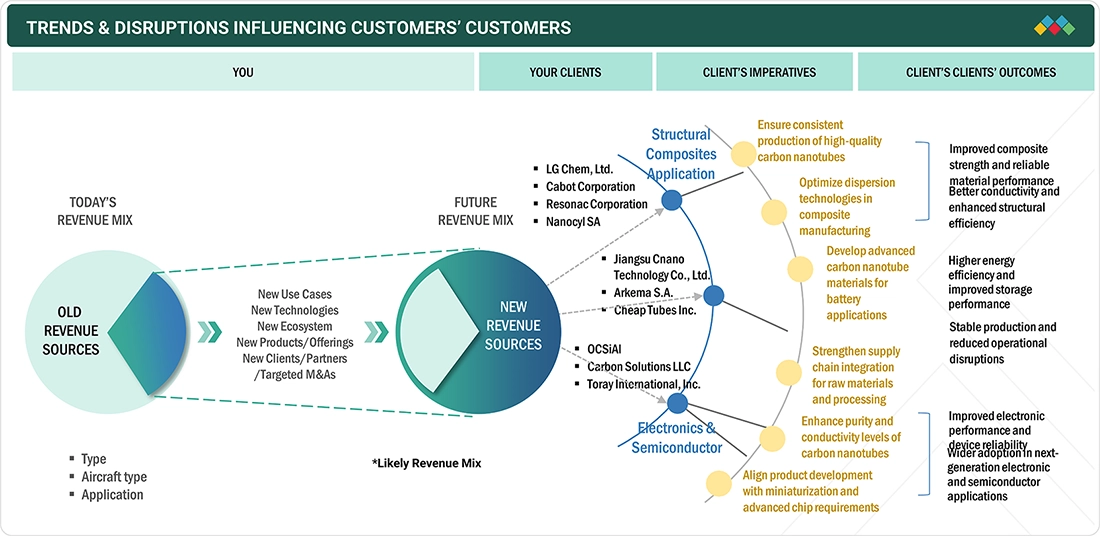
TRENDS & DISRUPTIONS IMPACTING CUSTOMERS' CUSTOMERS
The impact on consumers’ business arises from evolving customer preferences and industry disruptions. Raw material suppliers and distribution partners are closely linked to carbon nanotube manufacturers, while applications such as electronics and structural composites represent the primary demand base for carbon nanotubes. Market shifts, including technological trends, regulatory developments, and fluctuations in end-user demand, directly influence the revenue of these applications. Any change in end-user performance subsequently affects procurement activities across suppliers and distributors, which in turn impacts the revenues of carbon nanotube manufacturers throughout the value chain.
Source: Secondary Research, Interviews with Experts, MarketsandMarkets Analysis
MARKET DYNAMICS

Level
-
Rising use in energy storage systems to fuel market growth

-
Demand for lightweight high-performance materials to propel market


Level
-
High production cost and manufacturing complexity

-
Safety and environmental concerns limiting adoption


Level
-
Growth in flexible and wearable electronics

-
Increasing importance in thermal management applications


Level
-
Dependence on complex dispersion and integration processes

Source: Secondary Research, Interviews with Experts, MarketsandMarkets Analysis
Driver: Rising use in energy storage systems to fuel market growth
The demand for carbon nanotubes is experiencing significant growth with increased use in supercapacitors and lithium-ion batteries. This is driven by the need for cell energy density, charge-discharge efficiency, and electrical conductivity. In supercapacitors, carbon nanotubes facilitate faster electron transfer and store large amounts of charge due to their lightweight structure, high surface area, and enhanced charge transfer. Increasing adoption of electric vehicles, renewable energy systems, and portable medical and commercial electronics is driving manufacturers toward high-performance materials.
Restraint: High production cost and manufacturing complexity
High production costs and manufacturing difficulty are the major limitations to the growth of the carbon nanotubes market. A high degree of technological skills are needed to produce high-quality carbon nanotubes through techniques like chemical vapor deposition, laser ablation, and arc discharge, all of which entail huge cost. The need for consistency in structure, diameter, and purity increases the manufacturing complexity. The requirement for skilled equipment production and sophisticated quality control, along with high energy costs, increases manufacturing costs, lowering commercial viability. Thus, smaller producers face technical constraints in scaling up production in an economically feasible way, and end users are often reluctant to adopt high-priced carbon nanotubes.
Opportunity: Growth in flexible and wearable electronics
The increasing demand for flexible, wearable electronics presents significant opportunities for the carbon nanotubes market. Carbon nanotubes provide excellent electrical conductivity, ease of flexibility and high mechanical strength for use in a range of applications, including smart textiles, flexible display screens, wearable sensors and foldable portable electronic devices. Their lightweight and high-performance help in the development of next-generation portable consumer electronics. Consumer demand for wireless, portable health-monitoring tools and connected wearable devices is fueling the adoption of advanced conductive materials in small, portable electronic applications.
Challenge: Dependence on complex dispersion and integration processes
Carbon nanotubes are inherently prone to forming clusters due to intermolecular attractive forces between individual nanotubes. That means uniform dispersion of these materials into polymers, coatings, or composites, necessary for end-use performance enhancement, is difficult to achieve. Improper dispersion can result in low conductivity, low mechanical properties, or other performance limitations of the final product. Producers typically require specialized mixing equipment, anti-stats, and unique processing methods to maintain nanotube stability in the end application. This increased processing time, higher process and scale-up costs, and the technical level required create a significant barrier to commercial implementation.
CARBON NANOTUBES (CNT) MARKET: COMMERCIAL USE CASES ACROSS INDUSTRIES
| COMPANY | USE CASE DESCRIPTION | BENEFITS |
|---|---|---|
 |
Integration of carbon nanotubes in conductive films, batteries, and display components for smartphones and electronic devices | Enhanced electrical conductivity, improved battery efficiency, lightweight component design, and superior thermal management performance |
 |
Use of carbon nanotubes in advanced chip interconnects and thermal interface materials for high-performance processors | Reduced heat generation, faster signal transmission, improved energy efficiency, and enhanced reliability of semiconductor devices |
 |
Incorporation of carbon nanotubes into polymer composites and industrial coatings for structural reinforcement applications | Increased mechanical strength, improved chemical resistance, enhanced conductivity, and reduced overall material weight |
 |
Application of carbon nanotube-enhanced composites in orthopedic implants and medical device components | Improved biocompatibility, enhanced material durability, better wear resistance, and lighter high-strength medical products |
Logos and trademarks shown above are the property of their respective owners. Their use here is for informational and illustrative purposes only.
MARKET ECOSYSTEM
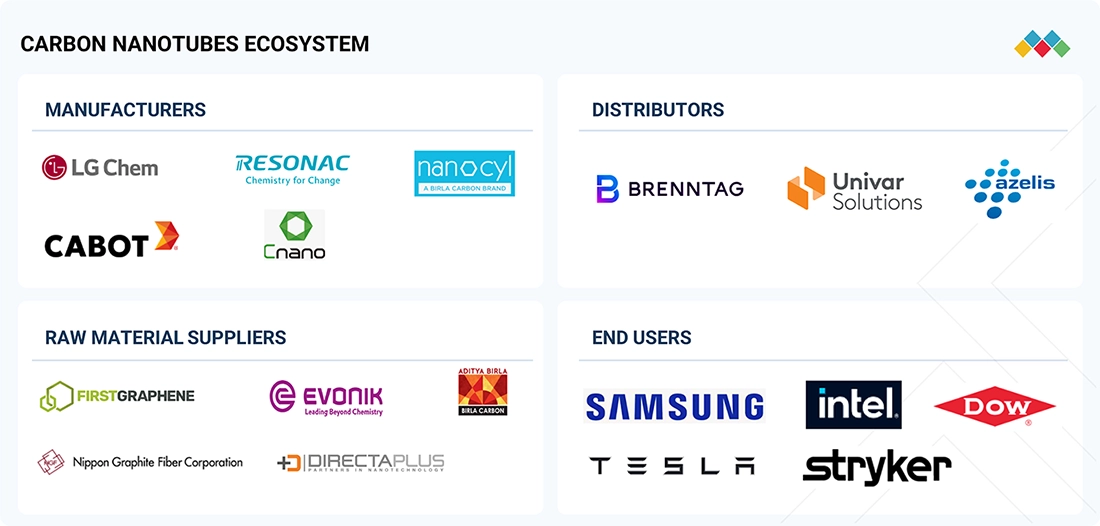
The carbon nanotubes market is an ecosystem consisting of raw material suppliers (First Graphene Limited, Birla Carbon, Pyrograf Products, Inc., Wacker Chemie AG) and end users (Samsung Electronics, Tesla, Inc., Dow Inc., Stryker Corporation). Raw materials for the production of carbon nanotubes, including graphene, carbon black, nanofibres and nanosilica, are refined into diverse, custom formulations. These can be used to derive high electrical conductivity, mechanical strength, thermal stability, and lightweight reinforcement properties. End users across storage & battery solutions, electronic components, aerospace & defense, automotive, and industrial manufacturing sustain demand for advanced, high-performance materials, while producers target uniform dispersion and application-specific functionality.
Logos and trademarks shown above are the property of their respective owners. Their use here is for informational and illustrative purposes only.
MARKET SEGMENTS
Source: Secondary Research, Interviews with Experts, MarketsandMarkets Analysis
Carbon Nanotubes Market, By Type
In 2025, the SWCNT segment accounted for the largest share of the overall carbon nanotubes market. Single-wall carbon nanotubes (SWCNTs) are attracting significant interest for high-end medical applications due to their high electrical sensitivity, nanoroughness and potential biocompatibility. Applications for SWCNTs include high precision, fast response biosensors and targeted drug delivery, as well as miniature diagnostic instruments. These applications benefit from SWCNTs' ability to accurately sample biological information and to be miniaturized into very portable, lightweight medical devices. As the medical sector continues to embrace more sophisticated diagnostic and monitoring technologies, the growing integration of SWCNTs into medical innovation will drive greater market adoption.
Carbon Nanotubes Market, By Application
In 2025, the structural composites application accounted for the largest share of the carbon nanotubes market. Carbon nanotubes are increasingly used in structural composites due to their long-term mechanical fatigue performance. Structural materials incorporated into aircraft components, bridges, industrial machinery, and transport systems are all subjected to dynamic loading spectra throughout their usage timeline. Incorporating carbon nanotube technology into composite topologies ensures internal bonding of constituent structures remains strong over time.
REGION
Asia Pacific to be fastest-growing region in global carbon nanotubes market during forecast period
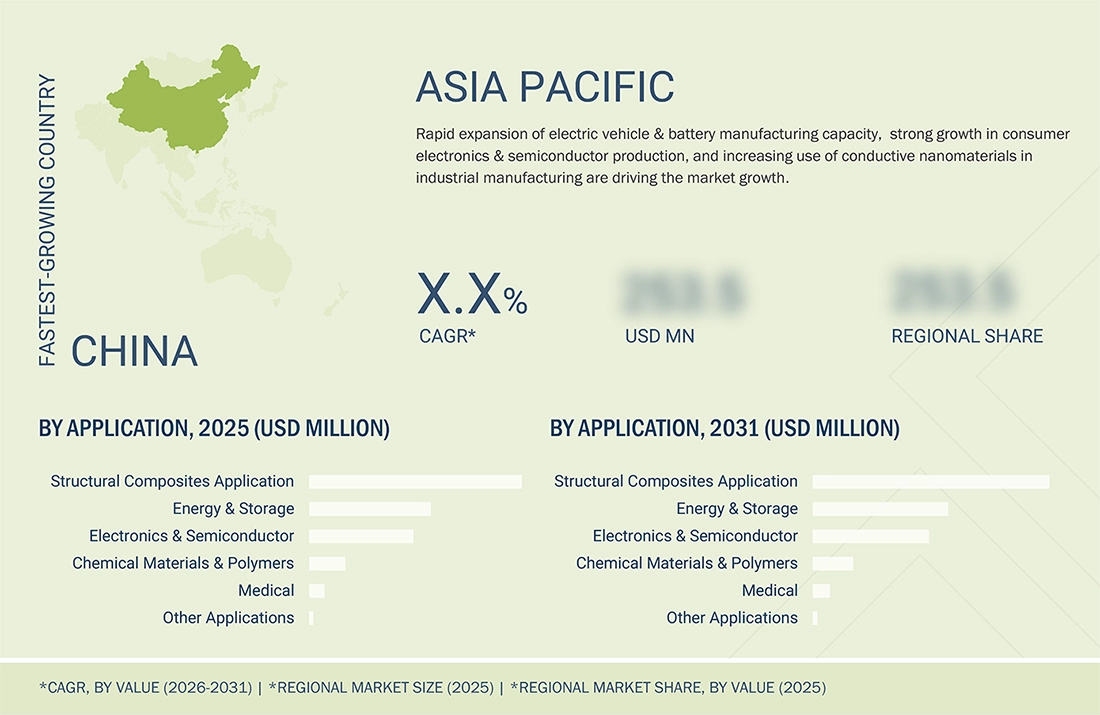
Asia Pacific accounted for the largest share of the global carbon nanotubes market in 2025. The region is also projected to be the fastest-growing region during the forecast period. It is becoming the largest manufacturing center of flexible electronics, ranging from foldable displays to printed circuits and smart devices. Manufacturers are using the technology to enhance its durability without compromising its performance. More electronics manufacturers across Asia Pacific are adopting these materials because of their lightweight and flexible properties. The use of carbon nanotubes in flexible electronics manufacturing is gaining momentum across Asia Pacific.
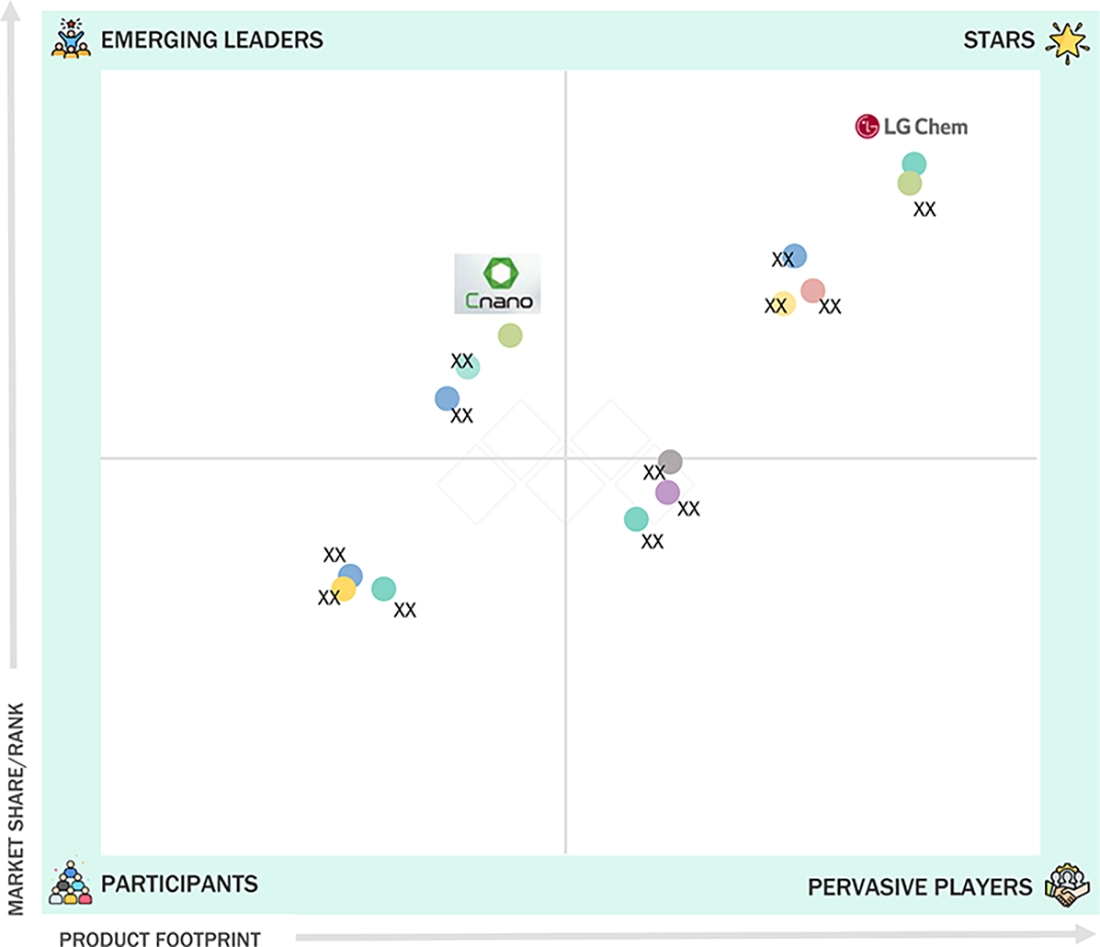
CARBON NANOTUBES (CNT) MARKET: COMPANY EVALUATION MATRIX
In the carbon nanotubes market matrix, LG Chem Ltd. (Star) has a dominant position, with strong presence in emerging markets (electric vehicle batteries, electronics, and conductive plastics) and a rapidly growing portfolio of carbon nanotubes, supporting high-volume adoption. Jiangsu Cnano Technology Co., Ltd. (emerging leader) is gaining traction through its focused advancements in conductive additives and battery-grade carbon nanotube materials for next-generation energy storage applications. While LG Chem Ltd. leads in terms of supply chain strength, technological breadth, and product diversity, Jiangsu Cnano Technology Co. Ltd. 's strengths lie in its ability to provide innovative solutions for specific applications.
Source: Secondary Research, Interviews with Experts, MarketsandMarkets Analysis
KEY MARKET PLAYERS
MARKET SCOPE
| REPORT METRIC | DETAILS |
|---|---|
| Market Size in 2025 (Value) | USD 1.55 Billion |
| Market Forecast in 2031 (Value) | USD 3.56 Billion |
| Growth Rate | CAGR of 14.88% from 2026 to 2031 |
| Years Considered | 2022–2031 |
| Base Year | 2025 |
| Forecast Period | 2026–2031 |
| Units Considered | Value (USD Million/Billion) and Volume (Ton) |
| Report Coverage | Revenue forecast, company ranking, competitive landscape, growth factors, and trends |
| Segments Covered |
|
| Regional Scope | Asia Pacific, Europe, North America, Middle East & Africa, and South America |
WHAT IS IN IT FOR YOU: CARBON NANOTUBES (CNT) MARKET REPORT CONTENT GUIDE
DELIVERED CUSTOMIZATIONS
We have successfully delivered the following deep-dive customizations:
| CLIENT REQUEST | CUSTOMIZATION DELIVERED | VALUE ADDS |
|---|---|---|
| Europe-based Carbon Nanotube Manufacturer |
|
|
| Asia Pacific-based Carbon Nanotube Manufacturer |
|
|
RECENT DEVELOPMENTS
- July 2025 : Cabot Corporation launched the New LITX 95F conductive carbon engineered for energy storage systems.
- December 2022 : OCSiAl launched an R&D center, TUBALL Center, in Shanghai, China.
- August 2020 : ChemSpec North America announced that it entered into a non-exclusive distribution agreement with Belgium-based Nanocyl SA to promote and distribute Nanocyl’s multi-walled carbon nanotube (MWCNT) products.
Table of Contents
 Exclusive indicates content/data unique to MarketsandMarkets and not available with any competitors.
Methodology
The study involved four major activities in estimating the market size for carbon nanotubes. Exhaustive secondary research was done to collect information on the market, the peer market, and the parent market. The next step was to validate these findings, assumptions, and sizing with industry experts across the value chain through primary research. Both top-down and bottom-up approaches were employed to estimate the complete market size. After that, the market breakdown and data triangulation procedures were used to estimate the market size of the segments and subsegments.
Secondary Research
Secondary sources used in this study included annual reports, press releases, and investor presentations of companies; white papers; certified publications; articles from recognized authors; and gold-standard and silver-standard websites, such as Factiva, ICIS, Bloomberg, and others. The findings of this study were verified through primary research, which involved conducting extensive interviews with key officials, including CEOs, VPs, directors, and other executives. The breakdown of profiles of the primary interviewees is illustrated in the figure below:
Primary Research
The carbon nanotubes market comprises several stakeholders, such as raw material suppliers, end-product manufacturers, and regulatory organizations in the supply chain. Various primary sources from both the supply and demand sides of the market were interviewed to obtain qualitative and quantitative information.
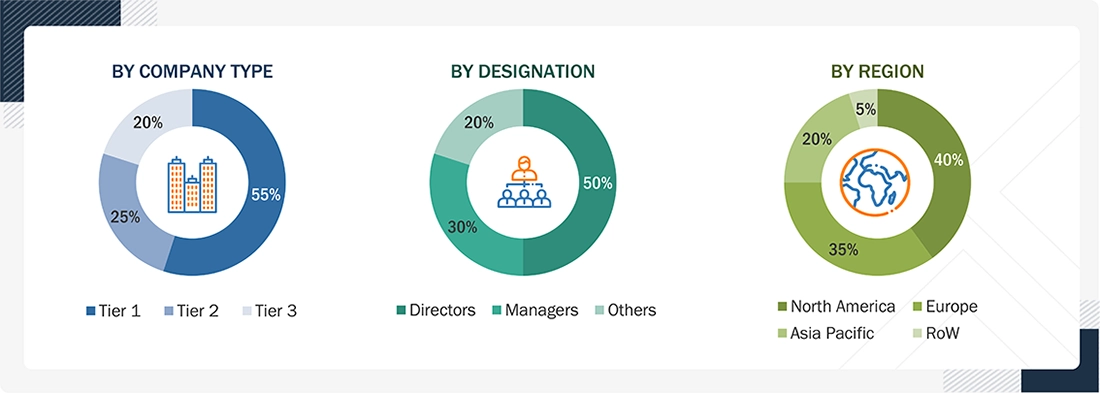
Notes: Tier 1, Tier 2, and Tier 3 companies are classified based on their market revenue in 2024/2025 available in the public domain, product portfolios, and geographical presence.
Other designations include consultants and sales, marketing, and procurement managers.
|
COMPANY NAME |
DESIGNATION |
|
LG Chem Ltd. |
Senior Manager |
|
Cabot Corporation |
Innovation Manager |
|
Resonac Corporation |
Vice-President |
|
Nanocyl SA |
Production Supervisor |
|
Jiangsu Cnano Technology Co., Ltd. |
Sales Manager |
To know about the assumptions considered for the study, download the pdf brochure
Market Size Estimation
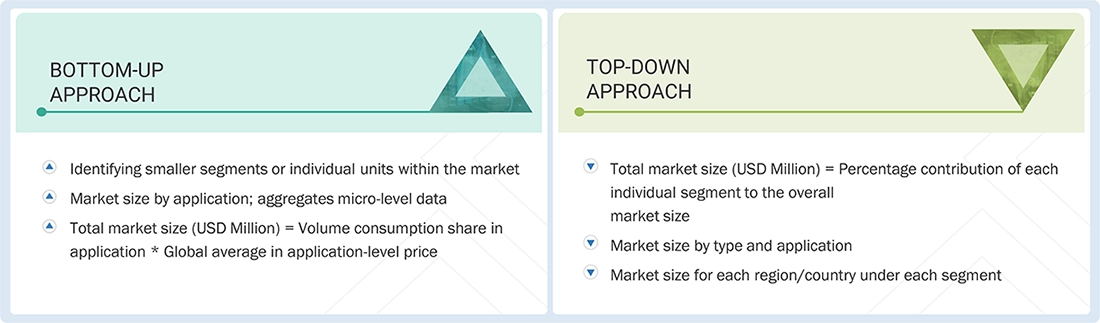
Both top-down and bottom-up approaches were used to estimate and validate the total size of the carbon nanotubes market. These methods were also used extensively to estimate the size of various subsegments in the market. The research methodology used to estimate the market size includes the following:
- The key players in the industry have been identified through extensive secondary research.
- The supply chain of the industry has been determined through primary and secondary research.
- All percentage shares, splits, and breakdowns have been determined using secondary sources and verified through primary sources.
- All possible parameters that affect the markets covered in this research study have been accounted for, viewed in extensive detail, verified through primary research, and analyzed to obtain the final quantitative and qualitative data.
Carbon Nanotubes Market : Top-Down and Bottom-Up Approach
Data Triangulation
After determining the overall market size using the market size estimation processes explained above, the market was divided into several segments and subsegments. To complete the overall market engineering process and determine the exact statistics for each market segment and subsegment, data triangulation and market breakdown procedures were employed, as applicable. The data was triangulated by studying various factors and trends from both the demand and supply sides in the carbon nanotubes industry.
Market Definition
According to the American Carbon Society, carbon nanotubes are cylindrical nanostructures composed of rolled graphene sheets with exceptional mechanical strength, electrical conductivity, and thermal performance. Carbon nanotubes refer to advanced nanomaterials used to enhance conductivity, durability, and lightweight properties in applications such as electronics, energy storage, automotive components, aerospace materials, and conductive polymers. Their multifunctional performance and compatibility with high-performance material systems are driving increasing adoption across advanced manufacturing industries.
Key Stakeholders
- Carbon nanotube manufacturers
- Carbon nanotube distributors
- Raw material suppliers
- Government and research organizations
- Investment banks and private equity firms
Report Objectives
- To analyze and forecast the size of the global carbon nanotubes market in terms of value and volume
- To provide detailed information about the major drivers, restraints, challenges, and opportunities influencing the market growth
- To define, describe, and segment the market based on type, application, and region
- To forecast the size of the market segments based on regions such as Asia Pacific, North America, Europe, the Middle East & Africa, and South America
- To strategically analyze micromarkets with respect to individual growth trends, prospects, and their contribution to the overall market
- To strategically analyze the segmented markets with respect to individual growth trends, prospects, and contributions to the overall market
- To identify and analyze opportunities for stakeholders in the market
- To analyze competitive developments such as expansions, partnerships, joint ventures, mergers & acquisitions, agreements, and product launches in the market
- To strategically profile the key companies and comprehensively analyze their core competencies
Available customizations:
Along with the given market data, MarketsandMarkets offers customizations according to the company’s specific needs. The following customization options are available for the report:
Regional Analysis
- Further breakdown of a region with respect to a particular country or additional application
Company Information
- Detailed analysis and profiles of additional market players (up to five)
Need a Tailored Report?
Customize this report to your needs
Get 10% FREE Customization
Customize This ReportPersonalize This Research
- Triangulate with your Own Data
- Get Data as per your Format and Definition
- Gain a Deeper Dive on a Specific Application, Geography, Customer or Competitor
- Any level of Personalization
Let Us Help You
- What are the Known and Unknown Adjacencies Impacting the Carbon Nanotubes Market
- What will your New Revenue Sources be?
- Who will be your Top Customer; what will make them switch?
- Defend your Market Share or Win Competitors
- Get a Scorecard for Target Partners

Custom Market Research Services
We Will Customise The Research For You, In Case The Report Listed Above Does Not Meet With Your Requirements
Get 10% Free CustomisationTESTIMONIALS

We at Nissan Chemicals Corporation have been clients of MarketsandMarkets for more than a year now. We recently consulted MarketsandMarkets for a study, the team at MarketsandMarkets was extremely professional and organized. The business insights were very detailed and aligned well with our expectations that really helped us formulate the Business Plans and device new strategies for development themes. MarketsandMarkets offers a unique combination of expertise and dedicated engagement model. Their research findings have helped us in designing our Pricing Strategy which will make it easier for us to predict the future sales and profits for the next ten years. We look forward to working with MarketsandMarkets in the future.
VP of Strategy & New Business Development
Leading Specialty Chemical Company
The MarketsandMarkets Engagement Model, composed of both the Knowledge Store and advisory custom research, has greatly helped us in understanding our markets and making strategic decisions. The Knowledge Store is a fast way to allow everyone in our organization to understand more about most any market they are interested in. The ability to then get custom research done and get answers to specific strategic questions and market insight has been spectacular. The Markets and Markets team feel more like colleagues than vendors and their services have helped us change our culture where statements of things like growth opportunities and competitive position are always backed by industry research.

Rich Gibson,
Director, Corporate Strategy
Milliken & Company,
Leading Industrial Manufacturer of specialty chemical, floor covering, performance and protective textile materials, and healthcaremilliken.com
MarketsandMarkets is a trusted resource that helps us to better understand markets that are near-adjacencies-whether its technology, value chain or geography. Their Knowledge Store platform provides a dashboard of markets and their characteristics which is easy to use and saves us time.
Adam Shaw,
Market Development and Strategy Manager
AdvanSix Inc. USA,
An American Leader in Chemicalswww.advansix.com
The Knowledge Store from MarketsandMarkets is a valuable tool which has helped my team acquire greater insight in to the end markets that our business serves. This has enabled us to help our company build stronger strategies throughout our planning process.
TOSHIO KINOSHITA
Senior Chif Consultion Research & Consulting Division
Mitsubishi Chemical Research Corporation,
Leading Manufacturer of Chemical Productswww.mitsubishichem-res.co.jp/en/

We recently engaged with MarketsandMarkets for a study, the team not only clearly understood our business objectives but was also extremely professional in the way they handled the entire project. The study was efficiently conducted in a phase-wise manner, and the engagement model furnished us with high-quality business insights that far exceeded our expectations at each phase. We were especially happy that MarketsandMarkets could provide us with both, an English as well as a Japanese version of the study. A special thanks to the Analyst Team and Client Services Team, whose fluency in Japanese enhanced our comfort level, as we could converse with them in our preferred language.
Independent entrepreneurs
Arrow Precision
We approached MarketsandMarkets for study on Proppants Market, and their work exceeded our expectations. The study conducted was comprehensive and enabled us to view the market through the various dimensions. In addition, the team was extraordinarily responsive throughout the process and resolved our queries on time. I strongly recommend MarketsandMarkets and will certainly consider them for additional market assessments we will need in the future.
Global engineering company, Japan
Deputy Manager,
Strategic Planning OfficeThe high-quality insights shared by the MarketsandMarkets team helped us understand the pharmaceutical plant designers in a specific geography. It also captured the risks that we may likely face in communicating with our potential partners. The study would enable us identify partners, which would impact our future growth.
Growth opportunities and latent adjacency in Carbon Nanotubes Market







Celine
May, 2012
GLOBAL CARBON Query not ClearNOTUBES MARKET AQuery not ClearLYSIS BY APPLICATIONS chapter only.
Erica
Jan, 2015
General information on types, major suppliers, of CNT market.
Bryan
May, 2017
Summary required on carbon nanotube synthesis technology to expand business.
David
Jul, 2019
Require detailed Information about the carbon nanotubes in Li batteries.
Eunji
Jun, 2022
I want to know about the size and technology trend and level of the carbon nanotube market in various countries around the world..
Musnikova
May, 2022
Need a brief overview of carbon nanotubes market tubing industry to help a customer .
Gianluca
Feb, 2014
CNT Market CNT Market .
Marques
Jan, 2019
Wish to get the information of Market data on global energy efficiency sector.
Jordan
Nov, 2016
General information on Carbon Nanotubes (CNT) Market.
raphael
Sep, 2012
General information on Heating elements Actuators, Transparent conductive films, metal/ceramic matrix composites energy storage/harvesting .
Dr.
May, 2019
Information regarding nanocarbon based on applications and markets mainly in batteries.
Talent
Dec, 2019
Interested in getting complete overview of Carbon Nanotubes market.
Talent
Dec, 2019
Overview of the carbon nanotubes market, we wish to invest in manufacturing industry..
Anita
Aug, 2015
Information on the synthesis of carbon nanotubes on a bulk scale and its usage for different applications.
Maxim
Jun, 2019
Please provide Market dynamics, major company profiles and market estimation and forecast for CNT market .
Gareth
Jan, 2014
Market data for global CNT market.