
Germany Monoclonal Antibody Therapeutics Market (2024-2029)

The Germany Monoclonal Antibody Therapeutics Market was valued at $18437.4 Million in 2024 and projected to reach to $39536.4 Million by 2029, representing a compound annual growth rate of 16.5%. Germany's monoclonal antibody therapeutics market is poised for sustained growth, driven by increasing prevalence of cancer, autoimmune diseases, and inflammatory conditions requiring targeted biologic interventions.


| Market Size in | USD 26.32 MN |
| Market Forecast in | |
| CAGR | |
| Forecast Period | |
| Units Considered | Value (USD MN) |
Germany Monoclonal Antibody Therapeutics Market Trends and Insights
- Germany's advanced healthcare infrastructure, strong pharmaceutical R&D capabilities, and high adoption rates of biologic therapies position the country as a leading European hub for monoclonal antibody development and commercialization.
- The 16.5% compound annual growth rate reflects Germany's commitment to precision medicine and immunotherapy innovation. Driving Germany's market growth are increasing prevalence of cancer, autoimmune disorders, and inflammatory diseases, coupled with robust reimbursement policies and regulatory support from German health authorities.
- Germany's pharmaceutical sector benefits from substantial investment in biotechnology clusters and academic-industry partnerships that accelerate monoclonal antibody pipeline advancement.
- By 2029, Germany is expected to consolidate its position as a critical market for next-generation therapeutic antibodies across oncology, rheumatology, and immunology segments..
Key Market Statistics
- CAGR (2024-2029) 16.5% CAGR
- Market Size, 2024 ~USD 18437.4 Million
- Forecast, 2029 ~USD 39536.4 Million
- Country Germany
Germany Monoclonal Antibody Therapeutics Market Overview
Market Valuation Growth :
Germany's monoclonal antibody therapeutics market is valued at USD 18,437.4 million in 2024, with a projected CAGR of 16.5% through 2029, reaching USD 39,536.4 million by forecast end.
Advanced Healthcare Infrastructure :
Germany's world-class healthcare system and robust regulatory framework support rapid adoption and commercialization of monoclonal antibody therapies, positioning it as Europe's leading biopharmaceutical hub.
Strong R&D Capabilities :
Germany hosts numerous pharmaceutical and biotechnology companies with significant investment in monoclonal antibody development, supported by leading research institutions and government funding initiatives.
High Biologic Adoption Rates :
German healthcare providers and patients demonstrate strong acceptance of biologic therapies, driven by comprehensive insurance coverage and clinical evidence supporting monoclonal antibody efficacy across multiple indications.
Germany Monoclonal Antibody Therapeutics Market Dynamics
- The country's commitment to precision medicine and personalized healthcare strengthens market expansion prospects.
- Regulatory support from the European Medicines Agency (EMA) and German health authorities facilitates faster market entry for innovative therapies.
- Investment in manufacturing infrastructure and biosimilar development further enhances Germany's competitive position within Europe..
Market Ecosystem
Related Ecosystem
Pharmaceuticals
- Bioreactors
- Analytical Testing
- Bioanalytical Testing Services
- Cell Counters
- Data Management Services
- Thermo Fisher Scientific Inc.
- SANOFI
- Merck KGaA
- NOVARTIS
- Pfizer Inc.
Biotechnology
- Reagents
- Polymerase Chain Reaction (PCR)
- Stem Cells
- Assay Kits
- Flow Cytometers
- Thermo Fisher Scientific Inc.
- Merck KGaA
- Danaher Corporation
- Agilent Technologies, Inc.
- Bio-Rad Laboratories, Inc.
Key Takeaways
- Germany's monoclonal antibody market will more than double from USD 18.4B (2024) to USD 39.5B (2029), driven by a 16.5% CAGR.
- Germany's advanced healthcare system and strong biotech ecosystem position it as Europe's leading hub for monoclonal antibody innovation and adoption.
- Rising incidence of cancer and autoimmune diseases in Germany fuels demand for targeted monoclonal antibody therapeutics across multiple therapeutic areas.
- Germany's favorable reimbursement landscape and regulatory environment support accelerated commercialization of novel monoclonal antibody therapies through 2029.
Monoclonal Antibody Therapeutics Market Report Scope
| Report Metric | Details |
|---|---|
| Base Year | 2024 |
| Fastest Growing Segment | ONCOLOGY (Therapy Area) |
| Forecast Period | 2024-2029 |
| Growth Rate | CAGR of 14.5% from 2024 to 2029 |
| Largest Segment | IN-VITRO (Production Method) |
| Market Size Base Year (Billions) | ~USD 252.79 (2024) |
| Revenue Forecast (Billions) | ~USD 497.5 (2029) |
| Segments Covered | Production Method, Route Of Administration, Source, Therapy Area, End User |
Germany Monoclonal Antibody Therapeutics Market Report Segmentation
5 segment dimensions are covered across the global market.
By Production Method
- In-Vitro
- In-Vivo
By Route Of Administration
- Intravenous
- Other Routes Of Administration
- Subcutaneous
By Source
- Chimeric
- Human
- Humanized
- Other Sources
By Therapy Area
- Hematology
- Inflammatory & Autoimmune Disorders
- Oncology
- Ophthalmology
- Other Therapeutic Areas
- Other Therapy Areas
By End User
- Hospitals
- Long-Term Care Facilities
- Other End Users
GERMANY: MONOCLONAL ANTIBODY THERAPEUTICS MARKET, BY END USER, 2022–2029
| Segment | 2022 | 2023 | 2024 | 2025 | 2026 | 2027 | 2028 | 2029 | CAGR (%) |
|---|---|---|---|---|---|---|---|---|---|
| HOSPITALS | 10625.1 | 12632.1 | 14614.4 | 16976.2 | 19785.3 | 23091.4 | 26987.7 | 31585.6 | 16.7 |
| LONG-TERM CARE FACILITIES | 2178.4 | 2577.7 | 2968.1 | 3431.4 | 3980.2 | 4623.2 | 5377.6 | 6263.7 | 16.1 |
| OTHER END USERS | 643.4 | 752 | 854.9 | 975.7 | 1117 | 1280.1 | 1468.7 | 1687 | 14.6 |
| TOTAL | 13446.9 | 15961.7 | 18437.4 | 21383.3 | 24882.5 | 28994.8 | 33834 | 39536.4 | 16.5 |
Target Audience
- Pharmaceutical Companies : Biopharmaceutical firms developing or commercializing monoclonal antibodies need Germany-specific market data to assess market potential, competitive positioning, and localization strategies for European expansion.
- Healthcare Investors & PE Firms : Investment professionals require detailed German market analytics to evaluate portfolio opportunities, identify high-growth segments, and assess valuations for monoclonal antibody-focused companies and assets.
- Healthcare Consultants : Management consulting firms advising healthcare clients need Germany market intelligence to develop market entry strategies, competitive analyses, and growth roadmaps for biopharmaceutical clients.
- Medical Device & Diagnostics Companies : Organizations in adjacent healthcare sectors require Germany monoclonal antibody market data to identify partnership opportunities, complementary product development, and market expansion possibilities.
- Government & Policy Makers : German health authorities and policymakers need market insights to inform healthcare policy, reimbursement decisions, and R&D funding priorities for monoclonal antibody therapeutics development.
Reasons to Buy this Report
- Market Size & Growth Validation : Obtain precise valuation data for Germany's monoclonal antibody market with verified CAGR of 16.5%, enabling accurate financial forecasting and investment decision-making for the 2024-2029 period.
- Competitive Landscape Intelligence : Understand Germany's position as Europe's leading monoclonal antibody hub, identifying key competitors, market consolidation trends, and opportunities for market entry or expansion strategies.
- Regulatory & Reimbursement Insights : Access detailed analysis of German healthcare regulations, EMA approval pathways, and insurance reimbursement mechanisms specific to monoclonal antibody therapeutics for strategic market planning.
- Clinical Adoption & Demand Drivers : Identify disease indications with highest monoclonal antibody adoption rates in Germany, patient demographics, and healthcare provider preferences to optimize product positioning and marketing strategies.
- Investment & Partnership Opportunities : Discover emerging German biotech companies, R&D collaborations, and manufacturing partnerships in the monoclonal antibody space to identify investment targets and strategic alliance opportunities.
Frequently asked questions
What is the current size of Germany's monoclonal antibody therapeutics market?
Germany's monoclonal antibody therapeutics market was valued at USD 18,437.4 million in 2024 and is projected to grow to USD 39,536.4 million by 2029.
What is the expected growth rate for Germany's monoclonal antibody market?
Germany's monoclonal antibody therapeutics market is expected to grow at a compound annual growth rate (CAGR) of 16.5% from 2024 to 2029.
Which therapeutic areas drive monoclonal antibody demand in Germany?
Germany's monoclonal antibody market is primarily driven by oncology, rheumatology, and immunology applications, supported by rising disease prevalence and advanced treatment adoption.
Why is Germany a key market for monoclonal antibody therapeutics?
Germany's advanced healthcare infrastructure, robust pharmaceutical R&D ecosystem, favorable reimbursement policies, and high biologic adoption rates make it a leading European market for monoclonal antibody innovation and commercialization.
What factors support growth in Germany's monoclonal antibody market through 2029?
Key growth drivers include increasing cancer and autoimmune disease prevalence, strong regulatory support, substantial biotech investment, academic-industry partnerships, and expanding patient access to precision medicine therapies.
RESEARCH METHODOLOGY
This research study involved the extensive use of secondary sources, directories, and databases to identify and collect valuable information for the analysis of the global monoclonal antibody therapeutics market. In-depth interviews were conducted with various primary respondents, including key industry participants, subject-matter experts (SMEs), C-level executives of key market players, and industry consultants, to obtain and verify critical qualitative and quantitative information and assess the growth prospects of the market. The global market size estimated through secondary research was then triangulated with inputs from primary research to arrive at the final market size.
Secondary Research
Secondary research was used mainly to identify and collect information for the extensive, technical, market-oriented, and commercial study of the monoclonal antibody therapeutics market. The secondary sources used for this study include U.S. Food and Drug Administration (FDA), European Medicines Agency (EMA), Centers for Disease Control and Prevention (CDC), The Antibody Society, World Health Organization (WHO), National Institutes of Health (NIH), European Centre for Disease Prevention and Control (ECDC), mAbs (Monoclonal Antibodies in Immunodiagnosis and Immunotherapy), Antibody Engineering & Therapeutics (AET), Therapeutic Antibodies, Antibody Technology Journal (ATJ), U.S. Department of Health and Human Services, National Institutes of Health, National Library of Medicine, National Center for Biotechnology Information, China National Medical Products Administration (NMPA), Australian Therapeutic Goods Administration (TGA), Pharmaceuticals and Medical Devices Agency (PMDA), Brazilian Health Regulatory Agency (ANVISA), International Trade Centre, Annual Reports, SEC Filings, Investor Presentations, Research Journals, Press Releases, and financial statements); business magazines and research journals; press releases; and trade, business, and professional associations. These sources were also used to obtain key information about major players, market classification, and segmentation according to industry trends, regional/country-level markets, market developments, and technology perspectives.
Primary Research
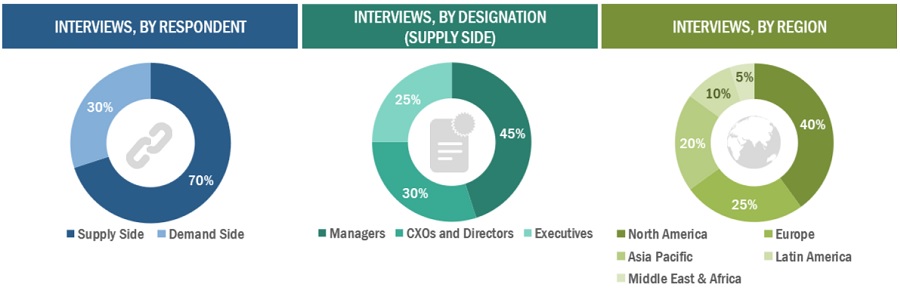
Extensive primary research was conducted after acquiring basic knowledge about the global monoclonal antibody therapeutics market scenario through secondary research. Several primary interviews were conducted with market experts from the demand side (personnel from Hospitals and Clinics, Patients, Pharmaceutical Companies, Long Term Care Centers) and supply side (C-level and D-level executives, product managers, and marketing and sales managers of key manufacturers, distributors, and channel partners, among others, from Tier 1 and Tier 2 companies engaged in offering products) across five major regions, namely, North America, Europe, the Asia Pacific, Latin America, the Middle East and Africa.
Approximately 70% of primary interviews were conducted with supply side representatives, while demand side participants accounted for the remaining share. The primary data was collected through questionnaires, e-mails, online surveys, personal interviews, and telephonic interviews.
The following is a breakdown of the primary respondents:
To know about the assumptions considered for the study, download the pdf brochure
Market Size Estimation
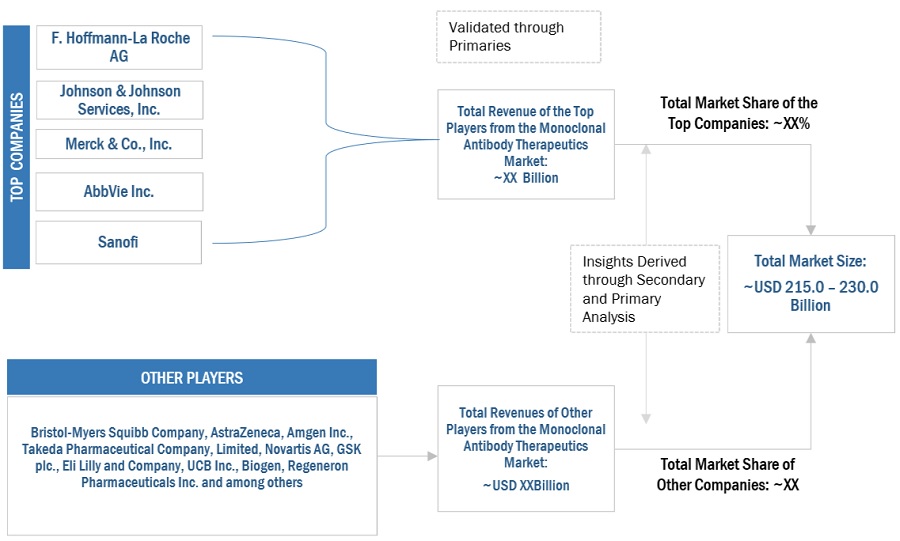
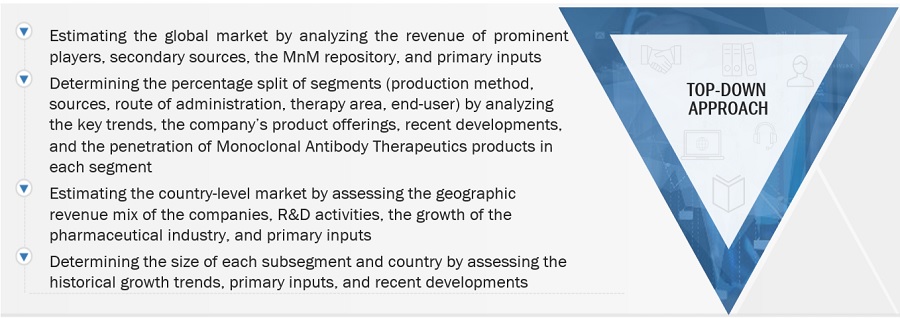
Both top-down and bottom-up approaches were used to estimate and validate the total size of the monoclonal antibody therapeutics market. These methods were also used extensively to estimate the size of various subsegments in the market. The research methodology used to estimate the market size includes the following:
Bottom-up Approach
- The key players in the industry and market have been identified through extensive secondary research.
- The revenues generated from the monoclonal antibody therapeutics market business of leading players have been determined through primary and secondary research.
- All percentage shares, splits, and breakdowns have been determined using secondary sources and verified through primary sources.
To know about the assumptions considered for the study, Request for Free Sample Report
Top-down Approach
After arriving at the overall market size from the market size estimation process, the total market was split into several segments and subsegments.
Data Triangulation
To complete the overall market engineering process and arrive at the exact statistics for all segments and subsegments, data triangulation and market breakdown procedures were employed, wherever applicable. The data was triangulated by studying various factors and trends from both the demand and supply sides.
Market Definition
The monoclonal antibody therapeutics market comprises drugs developed from identical immune cells that specifically target a single antigen, commonly used to treat various diseases like cancer, autoimmune disorders, and infectious diseases. These drugs are produced in large quantities and have a significant impact on the pharmaceutical industry due to their specificity and efficacy.
Stakeholders
- Pharmaceutical & Biotechnology Companies
- Life Sciences Companies
- Academic & Research Institutes
- Government Institutes
- Contract Research Organizations (CROs)
- Hospitals and Specialities Clinics
- Long-term Care Center
- Third-party Suppliers, Direct Suppliers, Distributors, and Channel Partners
- Venture Capitalists and Investors
Report Objectives
- To define, describe, and forecast the monoclonal antibody therapeutics market based on production method, sources, route of administration, therapy area, end user, and region.
- To provide detailed information regarding the major factors influencing the market growth (such as drivers, restraints, opportunities, and challenges).
- To analyze micromarkets for individual growth trends, prospects, and contributions to the overall monoclonal antibody therapeutics market.
- To analyze the opportunities for stakeholders and provide details of the competitive landscape for market leaders.
- To forecast the market size of the segments concerning six regions, namely: North America, Europe, the Asia Pacific, Latin America, the Middle East, and Africa.
- To profile the key players and analyze their market shares and core competencies
- To track and analyze competitive developments, such as acquisitions, product launches, expansions, agreements, partnerships, and collaborations.
- To benchmark players within the market using the proprietary “Competitive Leadership Mapping” framework, which analyzes market players on various parameters within the broad categories of business & product excellence strategy.
Available Customizations
With the given market data, MarketsandMarkets offers customizations as per the company’s specific needs. The following customization options are available for the report:
Geographical Analysis
- Further breakdown of the Rest of Europe monoclonal antibody therapeutics market, by country
- Further breakdown of the Rest of Asia Pacific monoclonal antibody therapeutics market, by country
- Further breakdown of the Rest of Latin America monoclonal antibody therapeutics market, by country
- Further breakdown of the Rest of Middle East monoclonal antibody therapeutics market, by country
- Further breakdown of the Rest of GCC Countries monoclonal antibody therapeutics market, by country
Company Information
- Detailed analysis and profiling of additional market players (up to five)
Segment Analysis
- Further breakdown of the other technologies and other therapeutic area into subsegments
- Cross-segment analysis
Get the Full Monoclonal Antibody Therapeutics Market Report
Full forecast, segment splits, and company analysis for all Monoclonal Antibody Therapeutics Market.
- Rest Of Latin America Monoclonal Antibody Therapeutics Market
- Other GCC Countries Monoclonal Antibody Therapeutics Market
- Canada Monoclonal Antibody Therapeutics Market
- US Monoclonal Antibody Therapeutics Market
- UK Monoclonal Antibody Therapeutics Market
- France Monoclonal Antibody Therapeutics Market
- Italy Monoclonal Antibody Therapeutics Market
- Spain Monoclonal Antibody Therapeutics Market
- Turkey Monoclonal Antibody Therapeutics Market
- China Monoclonal Antibody Therapeutics Market
- Japan Monoclonal Antibody Therapeutics Market
- India Monoclonal Antibody Therapeutics Market
- South Korea Monoclonal Antibody Therapeutics Market
- Indonesia Monoclonal Antibody Therapeutics Market
- Malaysia Monoclonal Antibody Therapeutics Market
- Brazil Monoclonal Antibody Therapeutics Market
- Saudi Arabia Monoclonal Antibody Therapeutics Market
- United Arab Emirates Monoclonal Antibody Therapeutics Market
- Rest Of Europe Monoclonal Antibody Therapeutics Market
- Rest Of Asia Pacific Monoclonal Antibody Therapeutics Market
Need a Tailored Report?
Customize this report to your needs
Get 10% FREE Customization
Customize This Report
