Phototherapy Equipment Market

Phototherapy Equipment Market by Product (Conventional Phototherapy Equipment, Fiber-Optic Phototherapy Equipment), Application (Neonatal Jaundice, Skin Diseases (Psoriasis, Vitiligo)), End User (Hospitals, Homecare Settings) - Global Forecast to 2031



PHOTOTHERAPY EQUIPMENT MARKET SIZE, SHARE & GROWTH SNAPSHOT
Source: Secondary Research, Interviews with Experts, MarketsandMarkets Analysis
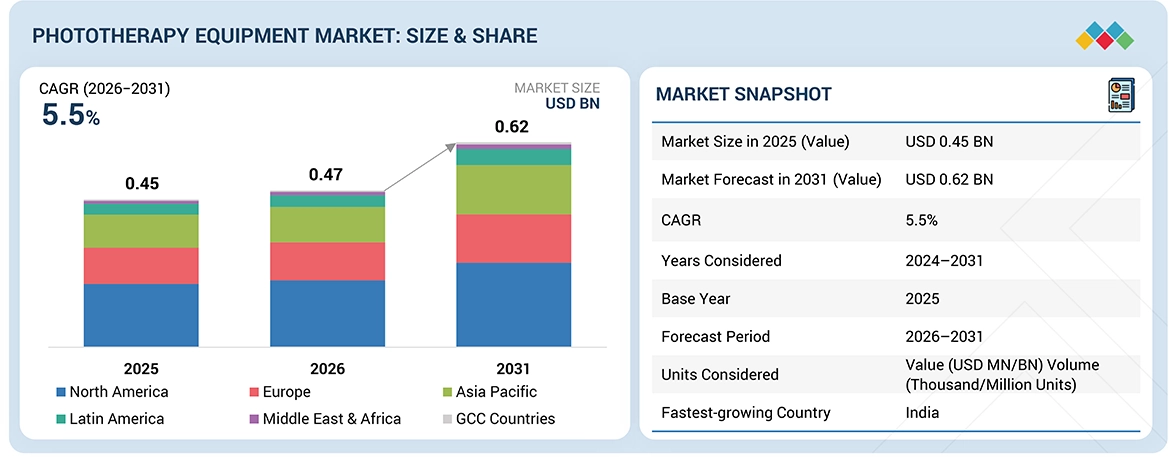
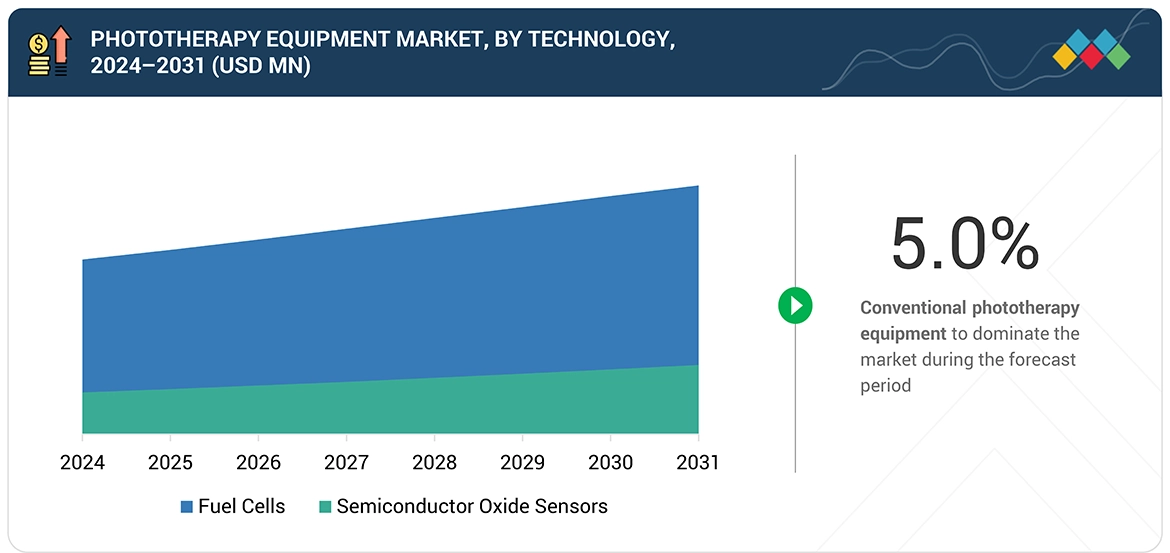
The global phototherapy equipment market is projected to grow from USD 0.47 billion in 2026 to USD 0.62 billion by 2031, at a CAGR of 5.5% during the forecast period. The market was valued at USD 0.45 billion in 2025. The rising incidence of preterm births worldwide is a critical driver of demand for phototherapy equipment. Preterm infants are at a higher risk of developing neonatal jaundice due to their underdeveloped liver function, which limits their ability to process and eliminate bilirubin effectively. As a result, these infants often require immediate and intensive phototherapy treatment in neonatal intensive care units (NICUs). The growing number of preterm deliveries, influenced by factors such as maternal health conditions, lifestyle changes, and advanced maternal age, is increasing the burden on neonatal care facilities. Consequently, hospitals are expanding their NICU capacities and investing in advanced phototherapy systems to manage the rising patient load. Furthermore, the need for continuous monitoring and precise treatment in preterm infants is driving the adoption of technologically advanced devices with improved safety features. This trend is expected to sustain long-term demand for phototherapy equipment, particularly in regions with high preterm birth rates and improving neonatal care infrastructure.
KEY TAKEAWAYS
-
MARKET SNAPSHOT:
Base Year Market Size (2025): USD 0.45 Billion
Current Market Size (2026): USD 0.47 Billion
Forecast Market Size (2031): USD 0.62 Billion
CAGR (2026–2031): 5.5% -
SEGMENT LEADERSHIP:
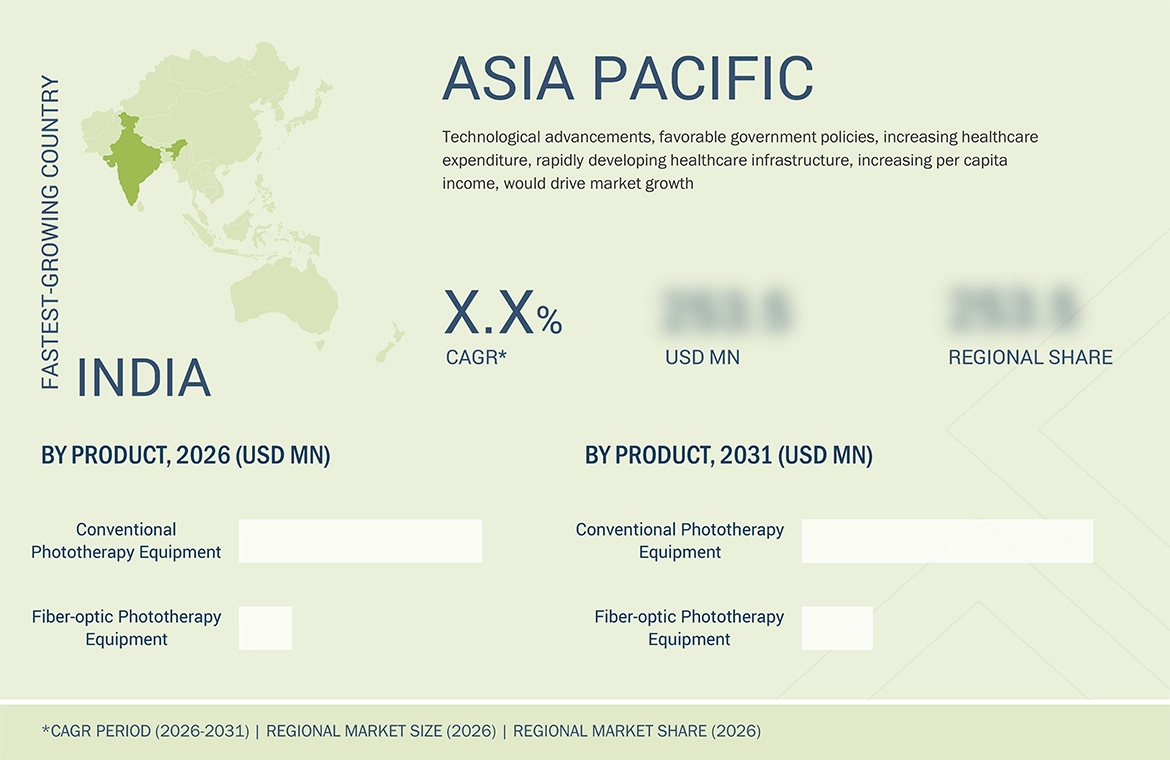
Regional Outlook: India is expected to register the highest CAGR of 8.0% during the forecast period.
Product Leader: Conventional phototherapy equipment led the market, accounting for a share of 80.0% in 2026.
Application Leader: Skin diseases are expected to record a higher CAGR during the forecast period.
End User Leader: Hospitals are likely to register the highest CAGR during the forecast period. -
MARKET OUTLOOK & COMPETITIVE LANDSCAPE:
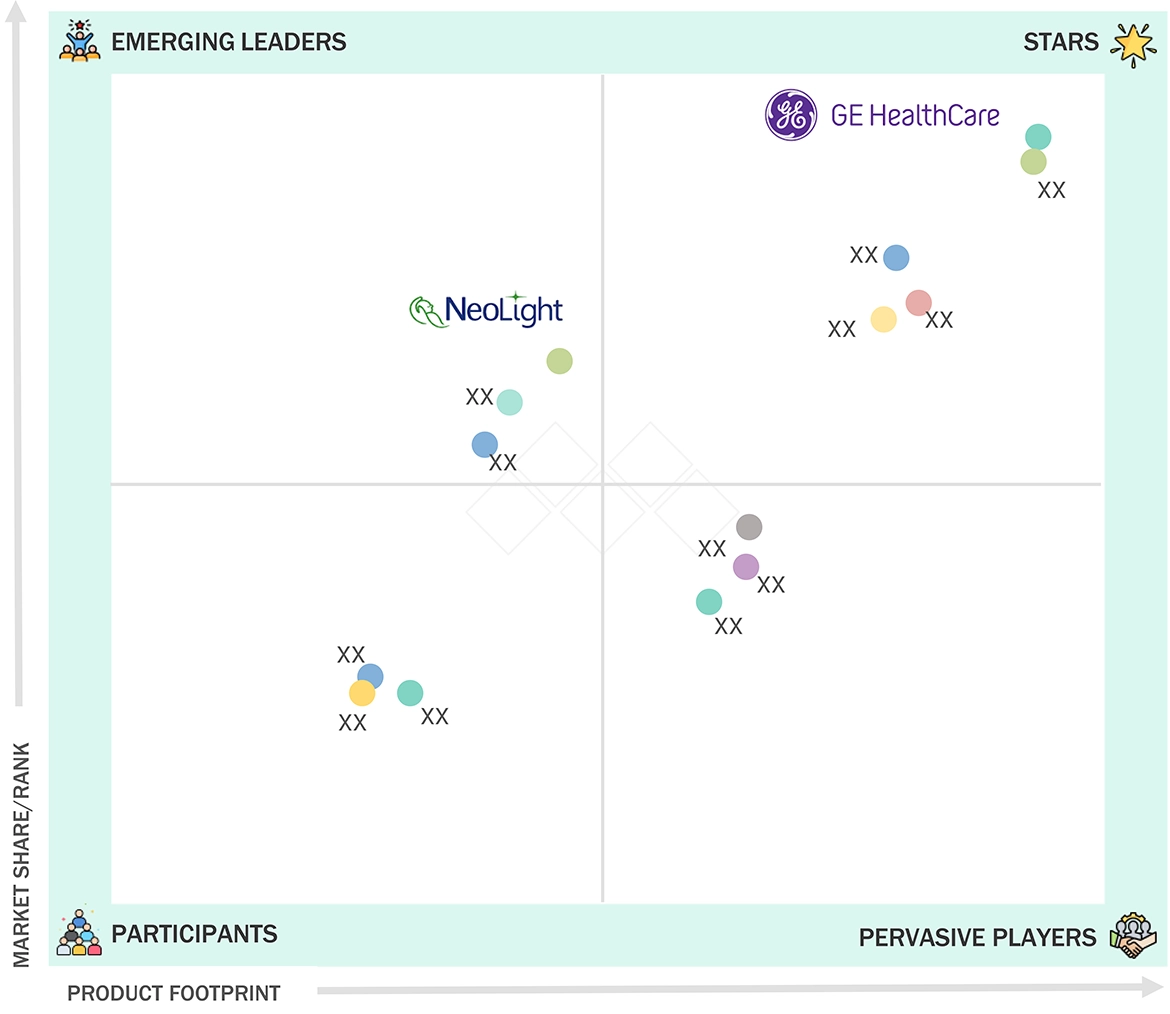
Drägerwerk AG & Co. KGaA (Germany), GE HealthCare (US), Natus Medical (US), Phothera (US), and Shanghai SIGMA High-tech (China) were identified as star players in the phototherapy equipment market due to their emphasis on innovation, broad industry coverage, and strong operational and financial strength.
Companies such as Neolight (US), Fanem (Brazil), and Phoenix Medical Systems (India) are among the key startups and SMEs due to their strong product portfolio and business strategies.
Rapid advancements in healthcare infrastructure across emerging economies are significantly driving the growth of the phototherapy equipment market. Governments and private sector stakeholders in regions such as the Asia Pacific, Latin America, the Middle East, and Africa are investing heavily in hospitals, maternity centers, and neonatal intensive care units. These efforts aim to improve maternal and child healthcare outcomes, which naturally boost the adoption of phototherapy devices. Moreover, rising healthcare spending and broader health insurance coverage are making advanced treatments more accessible. International health organizations and public health initiatives also contribute by equipping facilities with essential neonatal care technologies, including phototherapy systems. As a result, underserved regions are experiencing increased demand for affordable and reliable phototherapy solutions. This growth not only expands market presence but also opens doors for manufacturers to develop innovative, cost-effective devices tailored to local needs.
TRENDS & DISRUPTIONS IMPACTING CUSTOMERS' CUSTOMERS
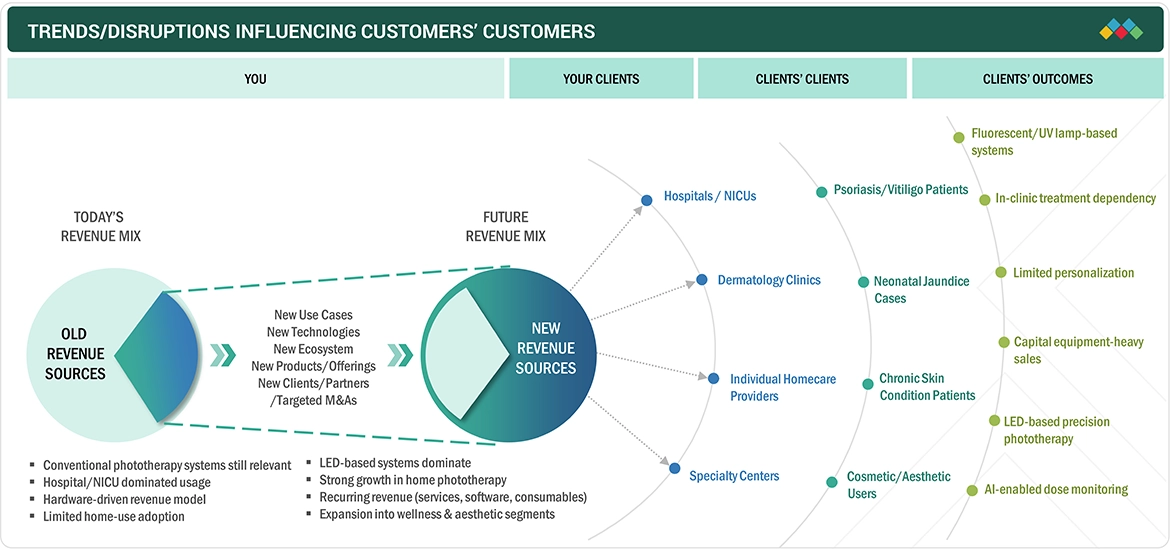
The phototherapy equipment market is evolving from traditional standalone light therapy systems toward connected, energy-efficient, and patient-centric treatment platforms that support dermatology, neonatal care, and home-based therapy. Rising demand for non-invasive treatment, LED-based technologies, and portable devices is reshaping customer expectations across hospitals, clinics, and home care settings. Digital ecosystems integrating remote monitoring, dose tracking, telehealth, and smart device connectivity are accelerating adoption. As healthcare providers prioritize precision, safety, and treatment convenience, manufacturers are focusing on compact designs, wearable solutions, software-enabled monitoring, strategic collaborations, and recurring service-based care models. The shift toward home phototherapy, personalized treatment protocols, and integrated clinical workflows is further driving innovation across dermatology and neonatal applications.
Source: Secondary Research, Interviews with Experts, MarketsandMarkets Analysis
MARKET DYNAMICS

Level
-
Rising incidence of neonatal jaundice

-
Growing number of preterm and low-weight births


Level
-
High use of alternative modes of treatment

-
Stringent regulatory policies for approval of new devices


Level
-
Development of low-cost phototherapy equipment

-
Rising adoption of home phototherapy for skin diseases


Level
-
Rising adoption of used and refurbished phototherapy equipment

Source: Secondary Research, Interviews with Experts, MarketsandMarkets Analysis
Driver: Rising incidence of neonatal jaundice
The increasing number of neonatal jaundice cases is a major driver for phototherapy demand. Neonatal jaundice occurs when a newborn’s liver is not mature enough to efficiently process bilirubin, leading to a yellowing of the skin and eyes. This condition is very common, especially in the first week of life, and requires prompt treatment to prevent complications like kernicterus, which can cause long-term brain damage. Phototherapy is the standard and most effective treatment, as it helps break down excess bilirubin in the blood using light exposure. With rising birth rates in many regions and improved diagnosis in hospitals, more cases are being detected and treated. Additionally, increased awareness among parents and healthcare professionals is leading to earlier intervention. This growing clinical need directly drives the demand for reliable, efficient, and widely available phototherapy equipment in hospitals and neonatal care units.
Restraint: High use of alternative modes of treatments
One of the key restraints in the phototherapy market is the availability and increasing use of alternative treatment methods. For neonatal jaundice, in some cases, exchange transfusion or pharmacological treatments may be considered depending on severity, reducing reliance on phototherapy. For skin disorders, patients often opt for topical creams, systemic medications, biologics, or immunosuppressants, which can provide faster or more convenient relief. These alternatives are often preferred due to ease of use, shorter treatment duration, or perceived effectiveness in severe cases. Additionally, advancements in dermatology have led to the development of highly targeted drug therapies that compete directly with phototherapy. As a result, in some clinical settings, phototherapy is not the first-line treatment. This shift in preference can limit the overall demand for phototherapy devices, especially in regions with strong pharmaceutical access and advanced healthcare systems.
Opportunity: Development of low-cost phototherapy equipment
The development of affordable phototherapy devices presents a major opportunity for market expansion. In many developing and low-income regions, high equipment costs limit access to advanced neonatal and dermatological care. By designing cost-effective phototherapy systems without compromising safety and performance, manufacturers can significantly expand their customer base. Innovations such as LED technology, simplified device design, and locally manufactured components can help reduce production costs. Governments and non-profit organizations are also supporting initiatives to improve neonatal care infrastructure, creating additional demand for low-cost solutions. Portable and easy-to-use devices are especially valuable in rural healthcare centers where specialized medical staff may be limited. This opportunity not only increases market penetration but also helps improve health outcomes in underserved populations by making essential treatment more widely accessible.
Challenge: Rising adoption of used and refurbished phototherapy equipment
The increasing use of refurbished and second-hand phototherapy devices presents a challenge for manufacturers. Many healthcare providers, especially in cost-sensitive regions, opt for refurbished equipment due to lower upfront costs. While this improves affordability, it reduces demand for new devices and affects revenue growth for manufacturers. Additionally, refurbished equipment may not always meet the latest safety standards or technological advancements, which can impact treatment quality. Concerns about reliability, maintenance issues, and shorter lifespan can also arise. However, the strong price advantage of used equipment continues to make it attractive for smaller clinics and hospitals. This creates a competitive pressure on original equipment manufacturers (OEMs) to reduce prices or offer more value-added services. Without proper regulation or standardization of refurbished medical devices, this segment may continue to challenge the growth of new phototherapy equipment sales.
PHOTOTHERAPY EQUIPMENT MARKET: COMMERCIAL USE CASES ACROSS INDUSTRIES
| COMPANY | USE CASE DESCRIPTION | BENEFITS |
|---|---|---|
 |
Develops advanced neonatal phototherapy systems used in NICUs for treating neonatal jaundice through controlled light exposure. Focuses on integration with incubators and monitoring systems (Market Intel) | High treatment precision | Seamless NICU integration | Improved patient safety | Energy-efficient systems |
 |
Offers LED-based phototherapy devices such as bilirubin management systems for hospitals and neonatal care units, addressing hyperbilirubinemia in newborns (Market Data Forecast) | Advanced LED technology | Faster bilirubin reduction | Improved clinical outcomes | Global service network |
 |
Provides neonatal phototherapy solutions including LED-based systems for hospitals and homecare settings, focusing on ease of use and flexibility (Market Intel) | User-friendly devices | Portable solutions | Reduced treatment time | High efficiency |
 |
Manufactures neonatal care equipment, including phototherapy units designed for safe and continuous jaundice treatment in NICUs (MarkWide Research) | Reliable performance | Continuous therapy capability | High safety standards |
 |
Provides NICU-compatible phototherapy systems like LED-based units used alongside warmers and incubators for newborn care (Phoenix Medical Systems) | Cost-effective solutions | Compatibility with NICU setups | Efficient light distribution |
Logos and trademarks shown above are the property of their respective owners. Their use here is for informational and illustrative purposes only.
MARKET ECOSYSTEM
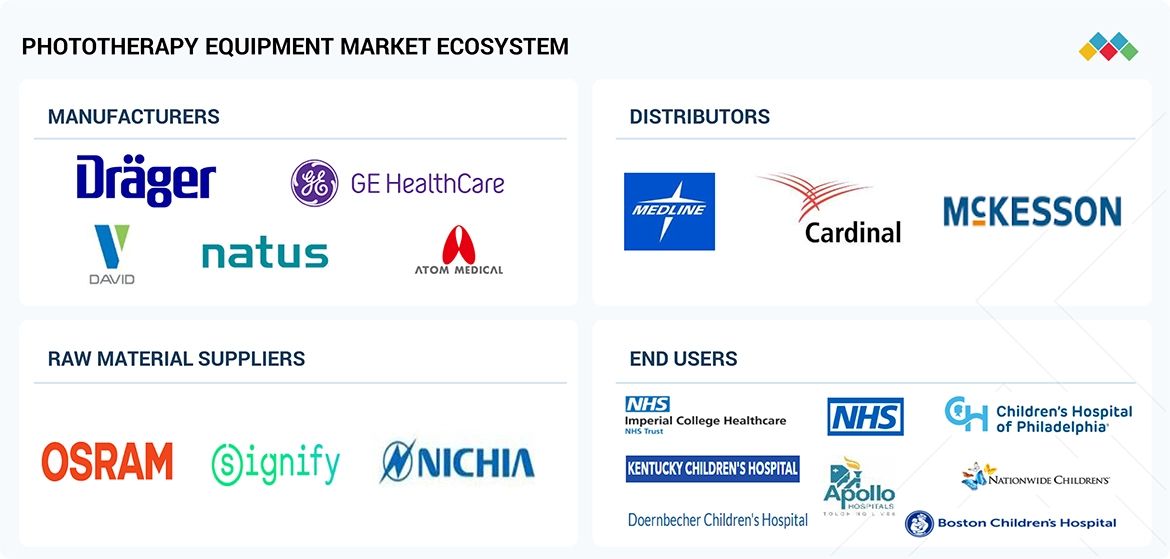
The ecosystem map of the overall phototherapy equipment market comprises the key elements present in the market and defines these elements through the involvement of various stakeholders. It includes phototherapy devices (such as LED-based systems, conventional fluorescent units, and fiber-optic devices), related consumables (including eye protection patches, disposable covers, and sensors), software-enabled control systems, and associated services. Manufacturers of phototherapy equipment include organizations engaged in research, product development, optimization, regulatory approval, and commercialization of devices. These companies may operate through in-house manufacturing facilities or collaborate with contract development and manufacturing organizations (CDMOs) for production and assembly. Distributors in this ecosystem include third-party distributors, medical device suppliers, wholesalers, and e-commerce platforms that facilitate the availability of phototherapy equipment across different regions. The research and development phase involves in-house R&D centers, academic and clinical research institutions, and technology partners contributing to innovations such as LED efficiency, wavelength precision, device portability, and integration with neonatal care systems. Regulatory authorities and certification bodies play a crucial role in ensuring compliance with safety, quality, and performance standards before market entry. The end users segment refers to the application areas where phototherapy equipment is deployed, including hospitals, neonatal intensive care units (NICUs), dermatology clinics, and home care settings. These end users represent primary demand drivers within the ecosystem. On the other hand, investors/funders, regulatory bodies, and government agencies act as major influencers in the phototherapy equipment market ecosystem, shaping product development, adoption rates, and geographic expansion strategies.
Logos and trademarks shown above are the property of their respective owners. Their use here is for informational and illustrative purposes only.
MARKET SEGMENTS
Source: Secondary Research, Interviews with Experts, MarketsandMarkets Analysis
Phototherapy Equipment Market, by Product
Increasing awareness among healthcare professionals and parents regarding the importance of early diagnosis and treatment of neonatal jaundice and skin disorders is driving the adoption of phototherapy equipment. Educational campaigns, training programs, and improved clinical guidelines have enhanced the ability of healthcare providers to identify conditions requiring phototherapy at an early stage. Early detection allows for timely intervention, reducing the risk of complications and improving patient outcomes. In neonatal care, routine bilirubin screening has become a standard practice in many hospitals, leading to higher diagnosis rates and increased use of phototherapy devices. Similarly, in dermatology, greater awareness of treatment options is encouraging patients to seek medical advice and adhere to prescribed therapies. The growing role of digital health platforms and teleconsultations is further facilitating awareness and access to care. As knowledge about the benefits and safety of phototherapy continues to spread, its adoption is expected to increase across both developed and developing regions.
Phototherapy Equipment Market, by Application
Conventional phototherapy equipment is designed with simplicity in mind, making it highly user-friendly for healthcare professionals across varying levels of expertise. Unlike advanced phototherapy technologies that may require specialized training or technical knowledge, conventional systems can be operated effectively with basic instruction. This ease of use is particularly beneficial in healthcare settings where skilled personnel may be limited, such as rural hospitals or understaffed clinics. Nurses and general practitioners can quickly learn to set up and monitor treatment, ensuring timely intervention for neonatal jaundice cases. The straightforward design also reduces the likelihood of operational errors, enhancing patient safety. Additionally, the minimal training requirement lowers the burden on healthcare institutions to invest in extensive staff education programs. This operational convenience makes conventional phototherapy systems a practical choice for high-volume healthcare environments, where efficiency and rapid response are critical. As a result, their simplicity significantly contributes to their continued preference and widespread adoption.
Phototherapy Equipment Market, by End User
Hospitals account for the largest share in the phototherapy equipment market primarily due to the high volume of neonatal cases they manage. A significant proportion of births occur in hospital settings, especially in urban and semi-urban regions, leading to a steady influx of newborns requiring medical evaluation. Neonatal jaundice is one of the most common conditions observed in newborns, often requiring immediate intervention through phototherapy. Hospitals are typically the first point of diagnosis and treatment, ensuring that a large number of cases are managed within their facilities. Additionally, complicated or high-risk pregnancies are more likely to be handled in hospitals, increasing the probability of neonatal complications that require phototherapy. This continuous and high patient flow necessitates the availability of multiple phototherapy units to ensure timely treatment. As a result, hospitals consistently invest in such equipment, reinforcing their dominant share in the market.
REGION
India to be fastest-growing region market during forecast period
Healthcare infrastructure across the Asia Pacific is rapidly evolving, driven by economic growth and increasing government focus on public health. Countries like India, China, and Indonesia are investing heavily in building new hospitals, upgrading existing facilities, and expanding neonatal care services. The establishment of modern hospitals and specialty clinics in both urban and rural areas is improving access to advanced treatment options, including phototherapy. Additionally, private healthcare providers are entering the market, bringing in better infrastructure and advanced medical technologies. The growth of tier-2 and tier-3 cities as healthcare hubs is particularly significant, as these regions were previously underserved. With improved infrastructure comes increased procurement of essential neonatal care equipment, including phototherapy devices. This widespread expansion of healthcare facilities not only boosts accessibility but also drives consistent demand for equipment, making it a key contributor to the region’s rapid market growth.
PHOTOTHERAPY EQUIPMENT MARKET: COMPANY EVALUATION MATRIX
In the phototherapy equipment market, GE Healthcare (Star) has a strong and established product portfolio and a vast geographic presence. Neolight (Emerging Leader) has substantial product innovations compared to its competitors. While the company maintains a broad product portfolio, there is an opportunity to further strengthen and refine its growth strategy for business development.
Source: Secondary Research, Interviews with Experts, MarketsandMarkets Analysis
KEY MARKET PLAYERS
- Drägerwerk AG & Co. KGaA (Germany)
- GE HealthCare (US)
- Natus Medical (US)
- Atom Medical (Japan)
- Bistos (South Korea)
- Ningbo David (China)
- Phothera (US)
- STRATA Skin Sciences (US)
- Xuzhou Kernel Medical (China)
- Shanghai SIGMA High-tech (China)
- Ultralite Enterprises, Inc. (US)
- Hoenle Medical GmbH (Germany)
- Weyer (Germany)
- Neolight (US)
- Fanem (Brazil)
- Phoenix Medical Systems (India)
- Shenzhen Comen Medical Instruments Co. Ltd. (China)
- Theralight, Inc. (US)
- UV Technologies (UK)
- Curelight (Sweden)
- Photo Therapeutics Ltd (UK)
- Tiny Hearts Technology (Nigeria)
- Lifetrons Inno Equipments Pvt Ltd (India)
- Ibis Medical Equipment and Systems Pvt Ltd (India)
- Sci Health (Lithuania)
MARKET SCOPE
| REPORT METRIC | DETAILS |
|---|---|
| Market Size Value in 2025 (Value) | USD 0.45 Billion |
| Revenue Forecast in 2031 (Value) | USD 0.62 Billion |
| Growth Rate | 5.5% |
| Years Considered | 2024–2031 |
| Base Year | 2025 |
| Forecast Period | 2026–2031 |
| Units Considered | Value (USD MN/BN), Volume (Thousand Units) |
| Report Coverage | Revenue Forecast, Company Ranking, Competitive Landscape, Growth Factors, and Trends |
| Segments Covered | By Product: Conventional Phototherapy, Fiber-optic Phototherapy; By Application: Neonatal Jaundice, Skin Diseases (Psoriasis, Vitiligo, Eczema); By End User: Hospitals, Home Care Settings |
| Regions Covered | North America, Europe, Asia Pacific, Latin America, Middle East & Africa and GCC Countries |
WHAT IS IN IT FOR YOU: PHOTOTHERAPY EQUIPMENT MARKET REPORT CONTENT GUIDE
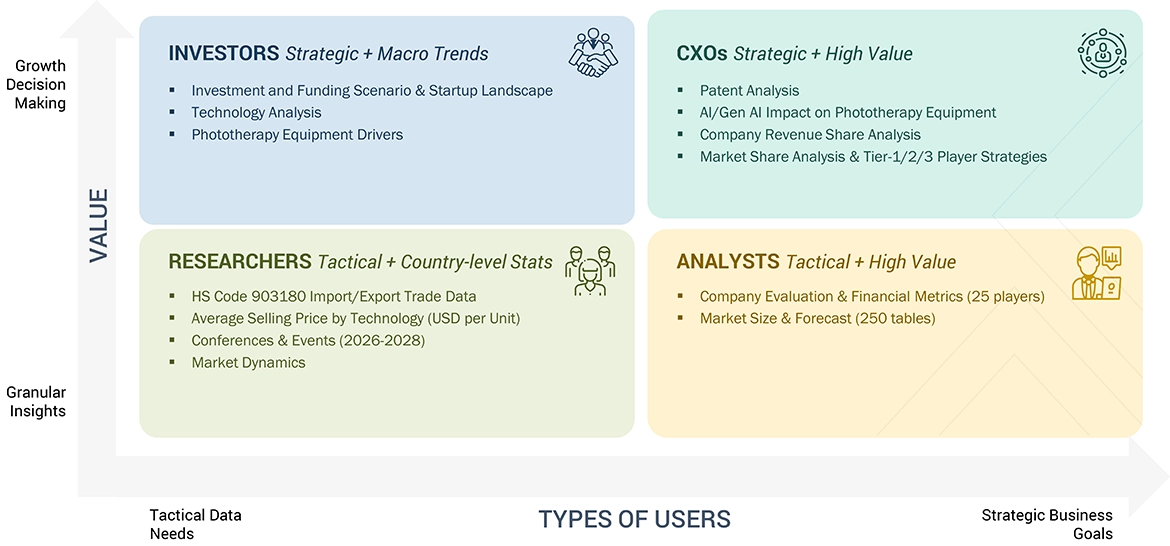
DELIVERED CUSTOMIZATIONS
We have successfully delivered the following deep-dive customizations:
| CLIENT REQUEST | CUSTOMIZATION DELIVERED | VALUE ADDS |
|---|---|---|
| Product Analysis | Comparative analysis of phototherapy equipment technologies by type, including LED-based systems, conventional (fluorescent) phototherapy, and fiber optic devices, along with evaluation by applications such as neonatal jaundice management, psoriasis, vitiligo, eczema, and other dermatological conditions. | Assessment of device efficacy (irradiance levels, wavelength precision), treatment time, safety profile, portability (home vs hospital use), energy efficiency, maintenance requirements, and cost per treatment to support optimal product selection and clinical outcomes. |
| Company Information | Detailed profiles of leading global and regional phototherapy equipment manufacturers including GE HealthCare, Drager, Natus Medical, Phoenix Medical Systems, and Solarc Systems, covering product portfolios, technology platforms (LED innovation, fiber optic systems), regulatory approvals, geographic presence, partnerships, and recent product launches. | Competitive benchmarking across key players highlighting positioning by technology innovation (LED dominance), product performance, pricing strategies, distribution strength, and focus areas such as NICU vs dermatology vs homecare segments. |
| Geographic Analysis | In-depth regional assessment of the global phototherapy equipment market covering North America, Europe, Asia Pacific, Latin America, and Middle East & Africa, with analysis of healthcare infrastructure, neonatal care capacity, and dermatology treatment adoption trends. | Country-level market sizing, CAGR forecasts, neonatal birth rates and jaundice incidence analysis, dermatology disease prevalence, healthcare spending, and demand outlook across key markets such as the U.S., Germany, UK, China, India, and Brazil. |
RECENT DEVELOPMENTS
- February 2025 : Xuzhou Kernel Medical received FDA clearance for a 308nm Excimer Phototherapy Device. 308nm Excimer Phototherapy Device is intended to be used for the treatment of psoriasis and vitiligo.
- December 2024 : Shanghai SIGMA High-tech received FDA clearance for a UV phototherapy device.
- February 2025 : Shenzhen Kaiyan received FDA clearance for the CurrentBody LED 4-in-1 Zone Facial Mapping Mask. This Class II over-the-counter device is designed for targeted anti-aging, acne treatment, and skin rejuvenation.
- April 2025 : APK Technology received FDA clearance for an Ultraviolet Phototherapy Device.
Table of Contents
 Exclusive indicates content/data unique to MarketsandMarkets and not available with any competitors.
Methodology
The study involved major activities in estimating the current market size for the phototherapy equipment market. Exhaustive secondary research was done to collect information on the phototherapy equipment market. The next step was to validate these findings, assumptions, and sizing with industry experts across the value chain using primary research. Different approaches, such as top-down and bottom-up, were employed to estimate the total market size. After that, the market breakup and data triangulation procedures were used to estimate the market size of the segments and subsegments of the phototherapy equipment market.
Secondary Research
This research study involved the wide use of secondary sources, directories, databases such as Dun & Bradstreet, Bloomberg Businessweek, Factiva, whitepapers, and companies’ house documents. Secondary research was undertaken to identify and collect information for this extensive, technical, market-oriented, and commercial study of the phototherapy equipment market. It was also used to obtain important information on the top players, market classification and segmentation aligned with industry trends, the lowest level of geographic markets, and key market developments. A database of the key industry leaders was also prepared using secondary research.
Primary Research
In the primary research process, various supply- and demand-side sources were interviewed to obtain qualitative and quantitative information for this report. Primary sources from the supply side included industry experts such as CEOs, VPs/Managing Directors, Marketing Heads/Directors, Sales Directors, Marketing/Sales Managers, Regional/Area Sales Managers, Export/Import Heads/Managers, and Other Phototherapy equipment Market Related Personnel from various companies and organizations operating in the phototherapy equipment market. Primary sources from the demand side included Law Enforcement Agencies, Vice Presidents, C-level Executives, Department Heads, Enterprises, Individuals, Supply Management Team of Hospitals, Clinic Personnel, and Laboratory Technicians.
Breakdown of Primary Interviews
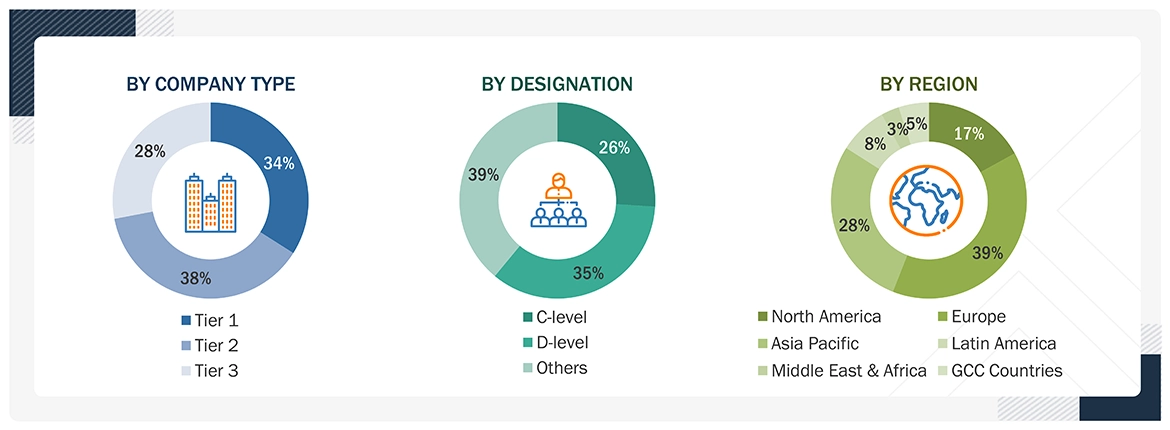
Note 1: C-level primaries include CEOs, COOs, CTOs, and VPs.
Note 2: Other primaries include sales, marketing, and product managers.
Note 3: Companies are classified into tiers based on their total revenue. As of 2025: Tier 1 = >USD 1 billion, Tier 2 = USD 500 million to USD 1 billion, and Tier 3 = <USD 500 million.
To know about the assumptions considered for the study, download the pdf brochure
Market Size Estimation
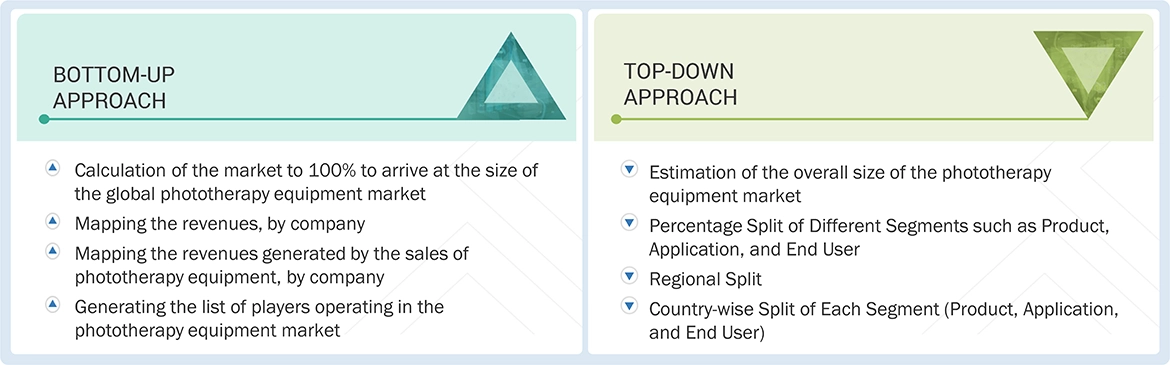
Both top-down and bottom-up approaches were used to estimate and validate the total size of the phototherapy equipment market. These methods were also used extensively to estimate the size of various subsegments in the market. The research methodology used to estimate the market size includes the following:
Phototherapy Equipment Market : Top-Down and Bottom-Up Approach
Data Triangulation
The entire market was split into three segments when the market size was determined. Data triangulation and market breakdown were used where necessary to complete the market engineering process and derive precise statistics for all segments.
Approach for deriving the market size and estimating market growth.
Using secondary data from paid and unpaid sources, the market rankings of the major players were determined through a thorough analysis of their phototherapy equipment sales. Due to data restrictions, in certain cases, the revenue share was determined after a thorough analysis of large corporations' product portfolios and individual sales performance. This information was verified at each stage by in-depth interviews with professionals in the field.
Market Definition
Phototherapy involves using a specific wavelength of light to treat various medical conditions (such as psoriasis, vitiligo, acne vulgaris, neonatal jaundice, cancer, and eczema) by exposing the affected area of the body to a light source.
Key Stakeholders
- Phototherapy equipment manufacturing companies
- Phototherapy equipment accessories manufacturing companies
- Phototherapy equipment suppliers and distributors
- Neonatologists
- Dermatologists
- Distributors, suppliers, and commercial service providers
- Hospitals and clinics
- Research laboratories and academic institutes
Report Objectives
- To describe, analyze, and forecast the phototherapy equipment market by product, application, end user, and region
- To describe and forecast the phototherapy equipment market for key regions, namely, North America, Europe, the Asia Pacific, Latin America, the Middle East and Africa, and GCC Countries
- To provide detailed information regarding drivers, restraints, opportunities, and challenges influencing the growth of the phototherapy equipment market
- To strategically analyze the ecosystem, regulations, patenting trend, value chain, Porter’s five forces, and prices pertaining to the market under study
- To strategically analyze micromarkets1 with respect to individual growth trends, prospects, and contributions to the overall market
- To analyze market opportunities for stakeholders and provide details of the competitive landscape for market players
- To profile key players and comprehensively analyze their market shares and core competencies2 in the phototherapy equipment market
- To analyze competitive developments such as collaborations, acquisitions, product launches, expansions, and R&D activities in the phototherapy equipment market
Available customizations:
With the given market data, MarketsandMarkets offers customizations as per your company’s specific needs. The following customization options are available for the report:
Product Analysis
- Product matrix, which gives a detailed comparison of the product portfolios of each company
Regional Analysis
- Further breakdown of the Rest of Asia Pacific phototherapy equipment market into Vietnam, New Zealand, and others.
- Further breakdown of the Rest of Latin America phototherapy equipment market into Colombia, Chile, Ecuador, and others.
- Further breakdown of the Rest of Europe phototherapy equipment market into Belgium, Russia, the Netherlands, Switzerland, and others.
Company Information
- Detailed analysis and profiling of additional market players (up to 5)


Personalize This Research
- Triangulate with your Own Data
- Get Data as per your Format and Definition
- Gain a Deeper Dive on a Specific Application, Geography, Customer or Competitor
- Any level of Personalization
Let Us Help You
- What are the Known and Unknown Adjacencies Impacting the Phototherapy Equipment Market
- What will your New Revenue Sources be?
- Who will be your Top Customer; what will make them switch?
- Defend your Market Share or Win Competitors
- Get a Scorecard for Target Partners

Custom Market Research Services
We Will Customise The Research For You, In Case The Report Listed Above Does Not Meet With Your Requirements
Get 10% Free CustomisationTESTIMONIALS

JAYANT RAJPUROHIT
Director of Market Insights, Data and Analytics
SFI Health,
Leading Pharmaceutical Companywww.sfihealth.com/

We at SFI Health approached MarketsandMarkets for an Opportunity Assessment on "Incidence and Prevalence of Focus Indications" as we wanted to know the most attractive HCPs like Physician, Functional MD, Naturopath and Pharmacist. The project was critical for us to ensure our focus on the right target which would enable sustainable growth and profitability for SFI Health. The business insights provided exceeded our expectations and we were extremely impressed. The team at MarketsandMarkets is highly professional and detail oriented and very well understood our business needs. MarketsandMarkets offers a unique combination of expertise and dedicated engagement model. We identified 2 new products to be launched in coming months, based on the research findings provided by MarketsandMarkets. We are happy with the services and would strongly recommend MarketsandMarkets to my peers in the industry.

BEATRIZ DE LA CALLE
Head of Commercial Analytics
Qualicaps,
Leading Pharmaceutical Companywww.qualicaps.com/

We partnered with MarketsandMarkets for an assessment study on hard empty capsules. The team was extremely professional in understanding our business requirements and we received timely responses to all our queries. The market intelligence and the recommendations has met our business requirements. We were extremely impressed to see the final study results; it really exceeded our expectations. The market intelligence offered by MarketsandMarkets, and clarity on next steps will help us achieve our business objective for the Year 2021. We are happy with the services and would strongly recommend MarketsandMarkets to my peers in the industry.

Bob Williams,
Senior Director Business Development & Innovation
Bracco Diagnostics Inc.,
Italian Multinational in life sciences sector and a World Leader in imaging diagnosticsimaging.bracco.com/us-en
We were pleased with targeted insights that MarketsandMarkets identified from a custom study on the 'Radiation Dose Management Solutions Market'. Your team identified and characterized the market participants as well as underlying trends accurately. This study was useful to Bracco in formulating business strategies for our dose monitoring product lines and we thank MarketsandMarkets for the job well done.
Cody Coonradt,
Market Development and Strategy Manager
3M Health Information Systems,
Leader in Health care Coding, Payment & Analytics Solutions.www.3m.com/3M/en_US/health-information-systems-us
The value for our organization comes from three things: depth of research, specificity of segments and being easy to work with. As important as the first two are, the third can't be underestimated. MarketsandMarkets, maybe more than any other research vendor, wants to know what is top of mind for our team and what big questions we are grappling to answer.
Their customer first approach and high value engagement model, have given us great analysis and excellent value for money
- Canada Phototherapy Equipment Market
- US Phototherapy Equipment Market
- Germany Phototherapy Equipment Market
- UK Phototherapy Equipment Market
- France Phototherapy Equipment Market
- Italy Phototherapy Equipment Market
- Spain Phototherapy Equipment Market
- China Phototherapy Equipment Market
- Japan Phototherapy Equipment Market
- India Phototherapy Equipment Market
- Australia Phototherapy Equipment Market
- South Korea Phototherapy Equipment Market
- Brazil Phototherapy Equipment Market
- Mexico Phototherapy Equipment Market
- GCC Countries Phototherapy Equipment Market
- Rest Of Europe Phototherapy Equipment Market
- Rest Of Asia Pacific Phototherapy Equipment Market






Growth opportunities and latent adjacency in Phototherapy Equipment Market