



Unmanned Underwater Vehicles (AUVs and ROVs) Market Size, Share, Trends & Growth
Report Code
AS 2327
Published in
Jun, 2026, By MarketsandMarkets™
Unmanned Underwater Vehicle (UUV) Market Size, Share and Trends by AUV (Shallow, Medium, Large), ROV (Observation Class, Medium/Small, Work Class), Application (Military, Oil & Gas, Oceanography, Search & Salvage), Propulsion, System, Speed, Shape, Region - Global Forecast to 2031

USD 19.22 BN
MARKET SIZE, 2031

CAGR 22.7%
(2026-2031)

668
REPORT PAGES

899
MARKET TABLES
UNMANNED UNDERWATER VEHICLE (UUV) MARKET SIZE, SHARE & TRENDS
According to Marketsandmarkets, The global Unmanned Underwater Vehicle (UUV) market size was valued at USD 6.91 billion in 2026 and is projected to reach to USD 19.22 billion by 2031, growing at a CAGR of 22.7% from 2026 to 2031. In terms of volume (new deliveries), the market is projected to reach 67,263 units by 2031, up from 22,845 units in 2026. The UUV market is expanding as navies, offshore operators, and research agencies seek safer, lower-risk ways to inspect underwater assets, map the seabed, monitor marine conditions, and support mine-countermeasure or surveillance missions. Growth is also supported by advances in sensors, batteries, navigation systems, and underwater communication, which make AUVs and ROVs more effective for longer, more complex missions.
KEY TAKEAWAYS
-
By RegionThe European UUV market accounted for a 34.4% revenue share in 2025.
-
By TypeThe autonomous underwater vehicle (AUV) segment is projected to record the highest CAGR of 24.4% during the forecast period.
-
By ApplicationMilitary & defense is projected to be the largest segment during the forecast period.
-
Competitive LandscapeKongsberg, L3Harris Technologies, Inc., and Oceaneering International, Inc. were identified as star players in the UUV market, given their strong market share and product footprint.
-
Competitive LandscapeHydromea, Msubs, and ecoSUB Robotics have distinguished themselves among startups and SMEs by securing strong footholds in specialized niche areas, underscoring their potential as emerging market leaders.
The Unmanned Underwater Vehicle (UUV) industry is growing because defense, offshore energy, and research users need safer ways to work underwater without relying solely on divers or crewed vessels. AUVs and ROVs are used for seabed mapping, pipeline and cable inspection, mine countermeasures, surveillance, search and salvage, and marine monitoring. Growth is also supported by advances in batteries, sensors, sonar, navigation, and communication systems, which make these vehicles more reliable for longer, repeatable missions.
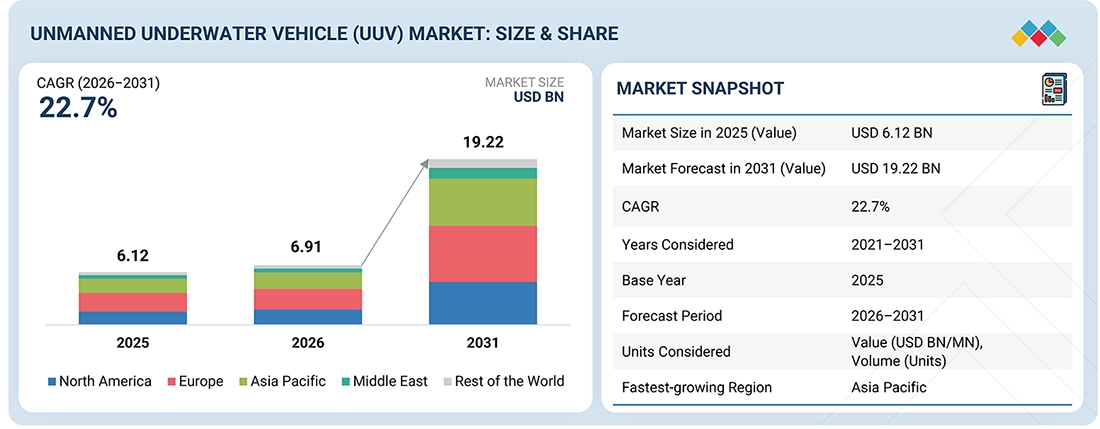
Source: Secondary Research, Interviews with Experts, MarketsandMarkets Analysis
TRENDS & DISRUPTIONS IMPACTING CUSTOMERS' CUSTOMERS
The UUV market is primarily driven by the need to perform underwater inspection, mapping, surveillance, mine countermeasures, search and salvage, and environmental monitoring tasks with lower risk to divers and crewed vessels. Historically, the market has focused on tethered ROVs for offshore inspection, basic AUVs for seabed survey, and mission-specific vehicles used for oil & gas, defense, and ocean research applications. However, it is now shifting toward fully autonomous UUVs for deep-water and long-duration missions, hybrid UUV-ROV platforms for complex subsea operations, AI-assisted navigation and mission control, higher-capacity batteries and efficient propulsion systems, and multi-vehicle UUV operations for surveillance and ocean monitoring. These changes are driven by the need for longer mission endurance, better underwater positioning, improved sonar and imaging payloads, safer inspection of subsea infrastructure, growing defense use of autonomous systems, and the need to collect underwater data more regularly. This evolution affects UUV manufacturers, system integrators, navigation and sonar suppliers, imaging system providers, battery and subsea power suppliers, propulsion and thruster manufacturers, autonomy software providers, naval forces, maritime security agencies, offshore energy operators, research agencies, and marine monitoring organizations.
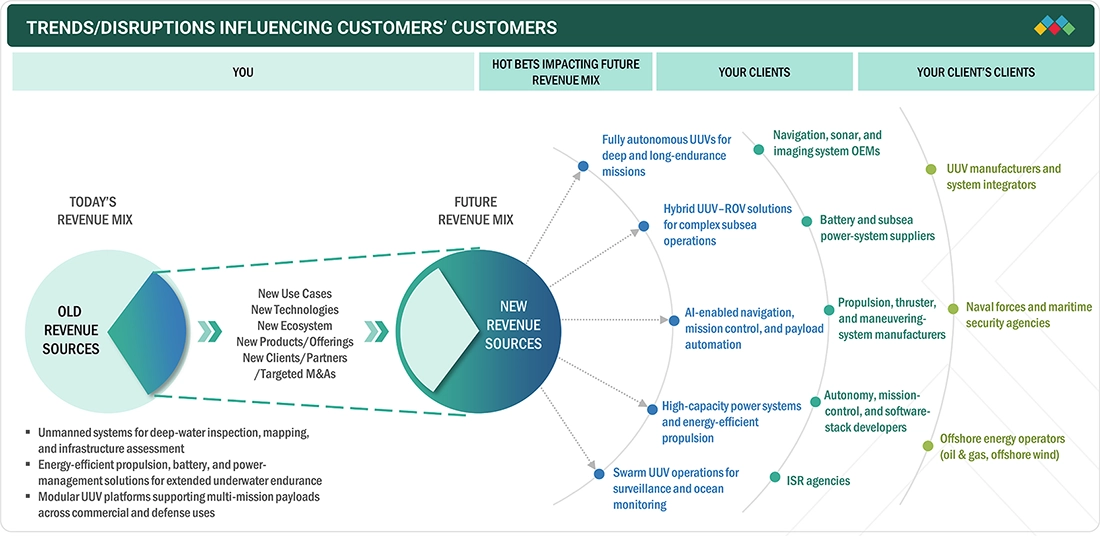
Source: Secondary Research, Interviews with Experts, MarketsandMarkets Analysis
MARKET DYNAMICS

Drivers
Impact
Level
Level
-
Ongoing naval fleet modernization programs

-
Rise in offshore energy exploration and pipeline inspection


RESTRAINTS
Impact
Level
Level
-
Limited bandwidth for underwater communication

-
Lack of standardized policies in international waters and exclusive economic zones


OPPORTUNITIES
Impact
Level
Level
-
Expansion of dual-use applications across defense, commercial, and research sectors

-
Advent of unmanned underwater vehicle-as-a-service and leasing models


CHALLENGES
Impact
Level
Level
-
System reliability and data integrity challenges in high-pressure environments

-
Interoperability and standardization constraints across multi-OEM UUV fleets

Source: Secondary Research, Interviews with Experts, MarketsandMarkets Analysis
Driver: Ongoing naval fleet modernization programs
Navies are adding AUVs and ROVs to support mine countermeasures, surveillance, seabed mapping and underwater inspections. These vehicles help reduce risk to divers and crewed vessels while improving the ability to monitor ports, coastlines and critical underwater infrastructure.
Restraint: Limited bandwidth for underwater communication
Underwater communication remains a key limitation because acoustic links cannot transfer data as quickly as radio or satellite links used above water. Range, depth, background noise, water conditions, and vehicle movement can affect signal quality, limiting real-time video, remote control, and large data transfers during complex missions.
Opportunity: Expansion of dual-use applications across defense, commercial, and research sectors
UUVs are being used across defense, offshore energy, ocean research, environmental monitoring, and search and salvage missions. This creates wider demand for common vehicle platforms, sensors, navigation systems, and payloads that can support more than one end-use sector.
Challenge: Interoperability and standardization constraints across multi-OEM UUV fleets
UUV fleets use systems from different suppliers, which can create issues with data sharing, mission planning, communication, and payload integration. This makes it harder for operators to manage mixed fleets and increases the need for common interfaces and standardized operating workflows.
UNMANNED UNDERWATER VEHICLES (AUVS AND ROVS) MARKET SIZE, SHARE, TRENDS & GROWTH: COMMERCIAL USE CASES ACROSS INDUSTRIES
| COMPANY | USE CASE DESCRIPTION | BENEFITS |
|---|---|---|
 |
Kongsberg’s HUGIN AUV is used for commercial, scientific, and defense underwater missions. It can carry sensors such as synthetic aperture sonar, multibeam echo sounders, cameras, lasers, sub-bottom profilers, and environmental sensors for seabed mapping and underwater data collection. | Supports seabed mapping and underwater survey | Allows multiple sensor payloads in one vehicle | Helps collect commercial, scientific and defense mission data |
 |
Oceaneering was awarded a Defense Innovation Unit contract to build a Freedom AUV and to establish an Onshore Remote Operations Center for the US Navy. | Supports shore-based supervision of AUV missions | Reduces need for offshore operator presence | Helps defense users test remote underwater operations |
 |
Saipem’s FlatFish underwater drone completed a test campaign with Petrobras and advanced to the final project stage. The system is designed for autonomous underwater inspection of offshore energy assets. | Supports repeatable subsea asset inspection | Reduces dependence on vessel-led inspection work | Helps offshore operators collect inspection data with lower operational risk |
Logos and trademarks shown above are the property of their respective owners. Their use here is for informational and illustrative purposes only.
MARKET ECOSYSTEM
The UUV market includes several key participants, including AUV and ROV manufacturers, system and mission payload suppliers, system integrators, and end users. AUV manufacturers such as Kongsberg, Teledyne, Saab, and General Dynamics provide autonomous platforms for seabed mapping, mine countermeasures, surveillance, ocean research, and long-duration underwater missions. ROV manufacturers such as Oceaneering, FET, EyeROV, and Blueye supply tethered, remotely operated systems for inspection, maintenance, repair, survey, and search operations across offshore energy, defense, and research applications. System and mission payload suppliers provide critical subsystems such as sonar, imaging sensors, navigation systems, acoustic communication equipment, batteries, propulsion systems, and environmental sensors. These suppliers support both AUV and ROV manufacturers by improving vehicle endurance, underwater positioning, data collection, and mission performance. End users in this ecosystem include naval forces, offshore oil & gas operators, offshore wind companies, ocean research agencies, port authorities, and maritime security organizations that use UUVs to reduce risk, improve underwater visibility, and carry out missions in areas that are difficult or unsafe for divers and crewed vessels.
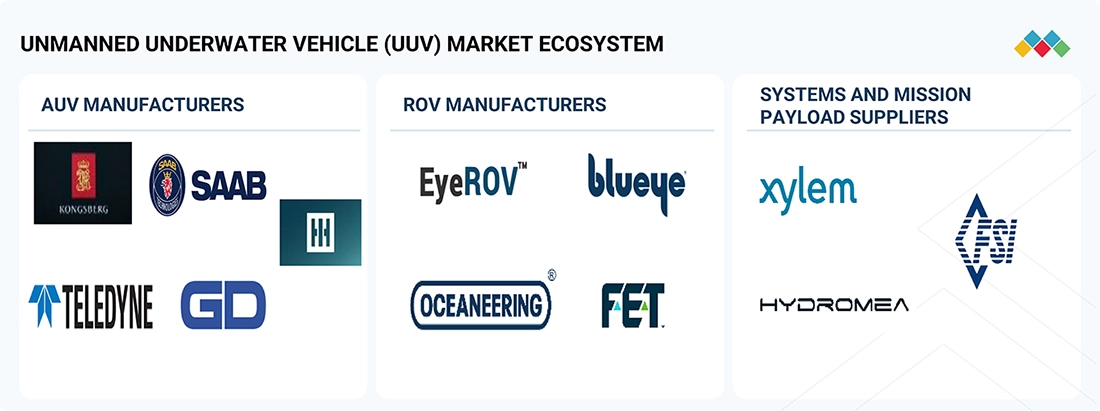
Logos and trademarks shown above are the property of their respective owners. Their use here is for informational and illustrative purposes only.
MARKET SEGMENTS
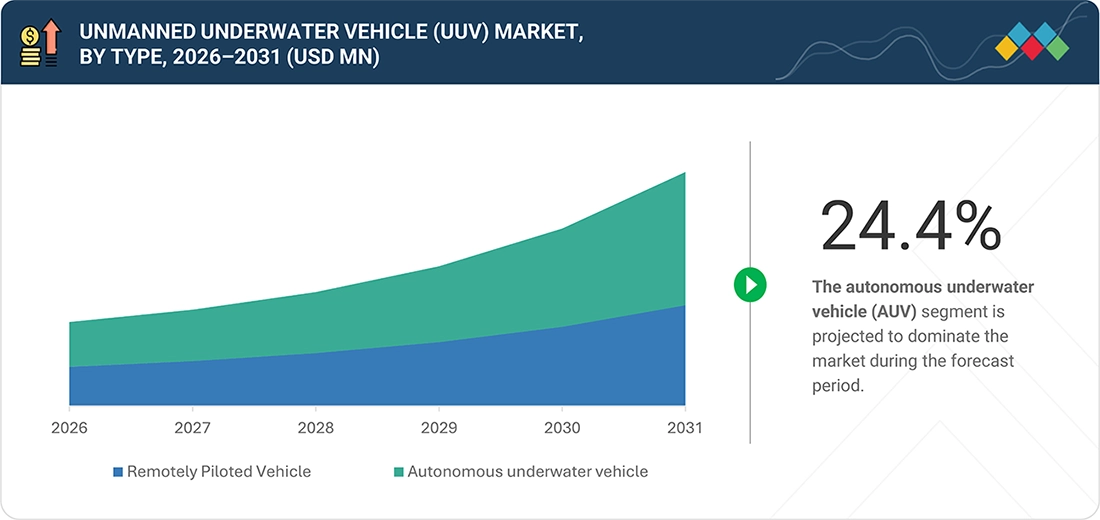
Source: Secondary Research, Interviews with Experts, MarketsandMarkets Analysis
Unmanned Underwater Vehicle (UUV) Market, By Type
AUVs are projected to lead the UUV market because untethered operations reduce deployment costs and enable efficient coverage of large, deep-water environments. Additionally, their autonomous navigation and modular payloads make them preferred for defense surveillance, subsea surveying, and offshore asset management. Rising demand for scalable, cost-efficient underwater operations further reinforces their dominance.
Autonomous Underwater Vehicle (AUV) Market, By Shape
The torpedo configuration remains the dominant AUV design because it offers high hydrodynamic efficiency, low drag, and extended operational endurance. This performance profile makes it the preferred choice for naval surveillance, ocean-mapping missions, and inspection activities across offshore energy operations.
Autonomous Underwater Vehicle (AUV) Market, By Propulsion
The electric segment leads the AUV market due to its energy efficiency, lower operating costs, and suitability for long-duration autonomous missions. Its quiet operation and reduced maintenance needs make it well aligned with defense, research, and survey requirements.
Unmanned Underwater Vehicle (UUV) Market, By System
The payload & sensor systems segment is expected to lead the UUV market because mission value depends on data quality, which drives demand for advanced imaging, sonar, and environmental sensors. Operators prioritize these capabilities to support defense, energy, and scientific applications.
Remotely Operated Vehicle (ROV) Market, By Application
The military & defense segment dominates the ROV market, as the navy deploys ROVs for surveillance, mine countermeasures, and intelligence missions. Additionally, the growing focus on undersea situational awareness and an autonomous force structure strengthens this segment’s lead.
Remotely Operated Vehicle (ROV) Market, By Size
The WCROV - Work Class Remotely Operated Vehicle (> 907 KG) segment is expected to dominate because these vehicles offer the power, depth rating, and tooling capability required for complex subsea intervention and maintenance tasks. Their suitability for deepwater operations and ability to support heavy industrial workloads make them the primary choice for offshore and infrastructure-related missions.
Remotely Operated Vehicle (ROV) Market, By Speed
The more than 5 knots segment dominates the market because ROVs exceeding 5 knots offer high transit speeds that improve mission efficiency and response time. These platforms are suited for wide-area surveillance, rapid inspections, and time-sensitive defense operations.
REGION
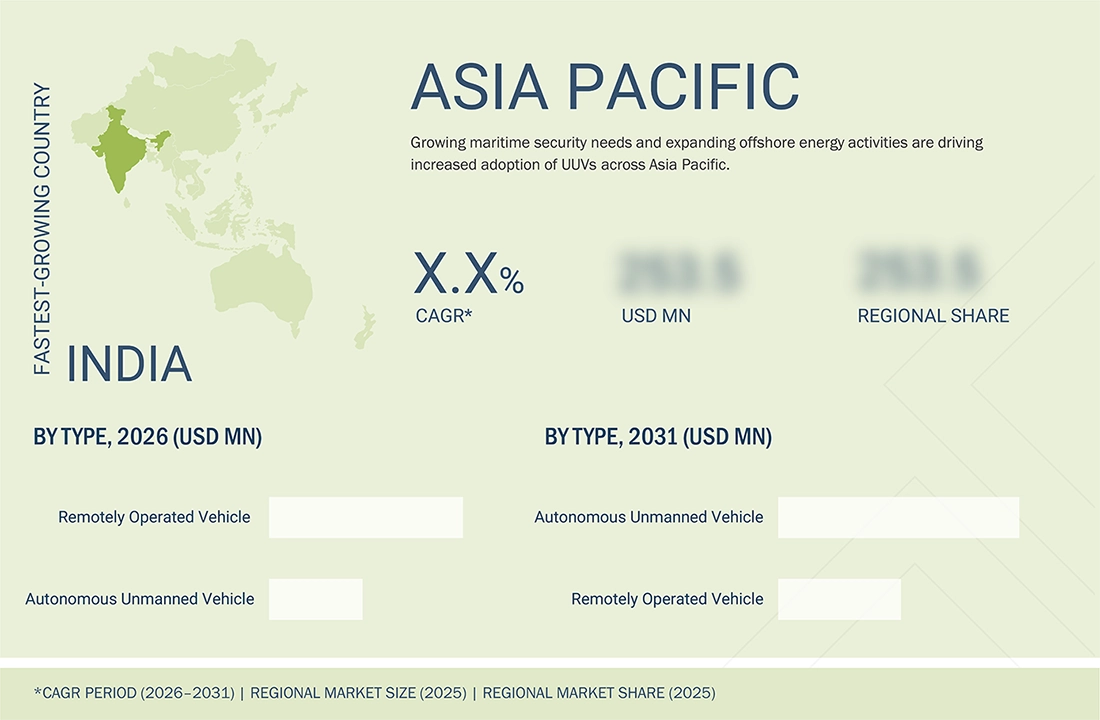
Asia Pacific to be fastest-growing UUV market during forecast period
The Asia Pacific region is expected to post the highest CAGR in the UUV market over the forecast period, driven by expanding coastal defense requirements, major investments in localized subsea manufacturing, and the rapid deployment of offshore energy infrastructure. Territorial disputes and the need to secure strategic shipping lanes have prompted regional navies to modernize their fleets by integrating autonomous and remotely operated systems for high-priority missions, including mine countermeasures, undersea monitoring, and anti-submarine tracking. This regulatory and military demand is supported by substantial state funding to build high-displacement, long-endurance unmanned platforms that reduce operational risks to personnel. Additionally, the region’s commercial maritime sector is accelerating the adoption of uncrewed platforms to support massive offshore wind arrays and deep-water cable inspections, enabling operators to conduct wide-area surveys and routine structural health monitoring more efficiently without relying on expensive traditional surface support vessels.
UNMANNED UNDERWATER VEHICLES (AUVS AND ROVS) MARKET SIZE, SHARE, TRENDS & GROWTH: COMPANY EVALUATION MATRIX
In the UUV market, Kongsberg is a key player due to its established position in autonomous underwater vehicles, a strong HUGIN AUV portfolio, and capabilities across seabed mapping, survey, defense, and long-endurance underwater missions. The company also has a strong system-level position because its AUVs support multiple payloads, including sonar, cameras, sub-bottom profilers, and environmental sensors. Forum Energy Technologies, on the other hand, is classified as an emerging leader because it has a focused role in ROV systems, especially through its Sub Atlantic and Perry product lines across observation-class and work-class ROVs. However, Forum’s position is more ROV-oriented and comparatively narrower than Kongsberg’s broader AUV and autonomous subsea systems coverage.
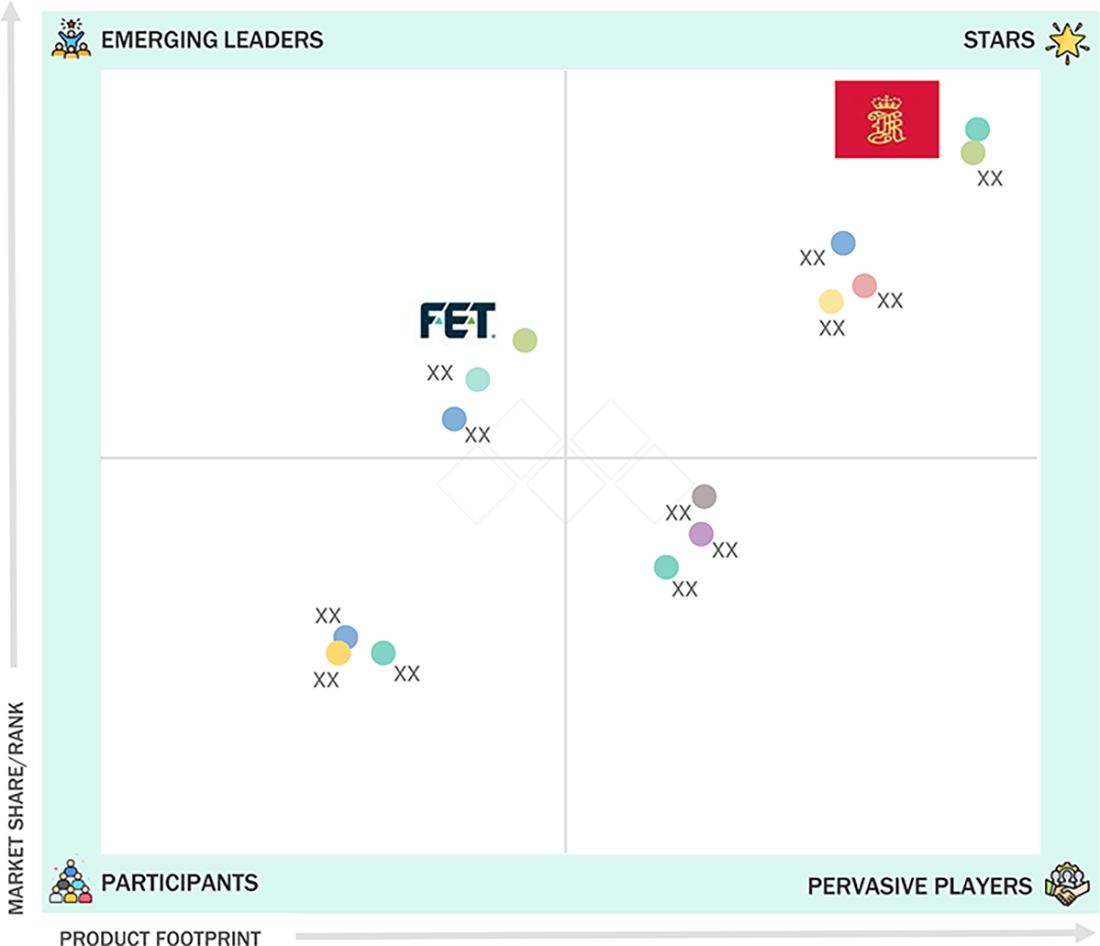
Source: Secondary Research, Interviews with Experts, MarketsandMarkets Analysis
KEY MARKET PLAYERS -UNMANNED UNDERWATER VEHICLE COMPANIES
- Kongsberg (Norway)
- Saipem(Italy)
- BAE Systems (UK)
- L3Harris Technologies, Inc(US)
- Oceaneering International, Inc.(US)
- Teledyne Technologies incorporated(US)
- HII(US)
- General Dynamics Corporation(US)
- Kawasaki Heavy Industries, Ltd(Japan)
- TKMS(Germany)
- Boston Engineering(US)
- Boeing(US)
- Xylem(US)
- International Submarine Engineering Limited(Canada)
- Northrop Grumman(US)
- AeroVironment, Inc(US)
- Forum Energy Technologies , Inc(US)
MARKET SCOPE
| REPORT METRIC | DETAILS |
|---|---|
| Market Size in 2025 (Value) | USD 6.12 BN |
| Market Forecast in 2031 (Value) | USD 19.22 BN |
| CAGR | 22.7% |
| Years Considered | 2021–2031 |
| Base Year | 2025 |
| Forecast Period | 2026–2031 |
| Units Considered | Value (USD BN/MN), Volume (Units) |
| Report Coverage | Revenue Forecast, Company Ranking, Competitive Landscape, Growth Factors, and Trends |
| Segments Covered |
|
| Regions Covered | North America, Asia Pacific, Europe, Middle East, Rest of the World |
WHAT IS IN IT FOR YOU: UNMANNED UNDERWATER VEHICLES (AUVS AND ROVS) MARKET SIZE, SHARE, TRENDS & GROWTH REPORT CONTENT GUIDE
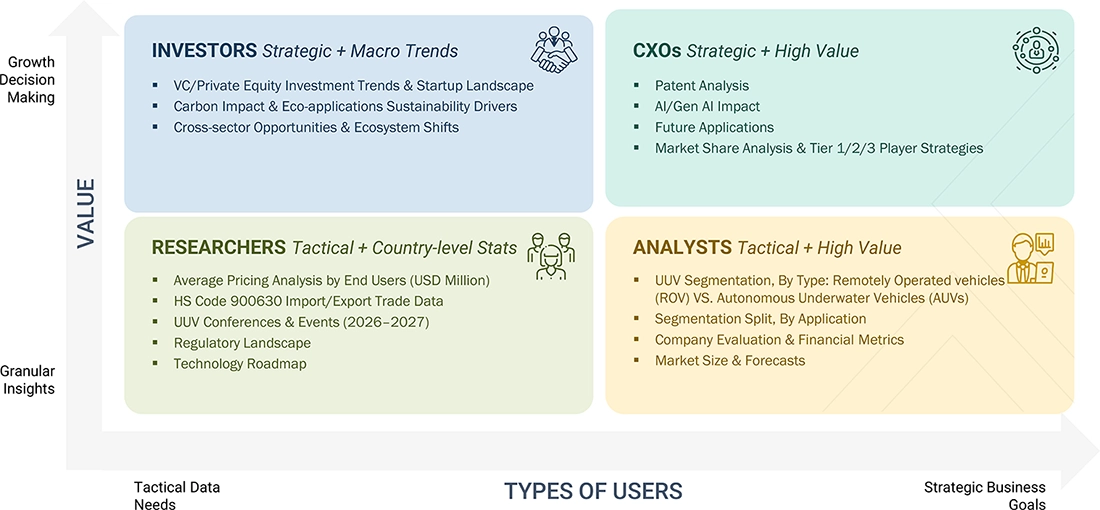
DELIVERED CUSTOMIZATIONS
We have successfully delivered the following deep-dive customizations:
| CLIENT REQUEST | CUSTOMIZATION DELIVERED | VALUE ADDS |
|---|---|---|
| Leading Component Manufacturer | Additional component and sub-system segment breakdown | Additional market sizing value and volume tables for segments/subsegments covered at the regional/global level to gain an understanding of market potential by each country |
| Emerging Leader | Hydrogen powered UUV opportunity assesment | TAM insights and competitive information on targeted players to gain granular insights on direct competition and growth potential. |
| Regional Market Leader | Additional country market estimates | Additional country-level deep dive for a more targeted understanding of the total addressable market |
RECENT DEVELOPMENTS
- May 2026: Pentair announced that Pentair X-Flow was preparing to transition its tubular membrane portfolio from PVDF to PFAS-free PES membrane material, incorporating its patented Helix technology. The affected tubular range includes membranes used in membrane bioreactors (MBRs), leachate treatment, produced-water treatment and industrial wastewater recovery.
- August 2025: Mitsubishi Chemical Corporation (Japan) published a patent application for a hollow-fiber membrane, hollow-fiber membrane module, water-treatment device and water-treatment method. The technology is designed to improve oxygen permeability while maintaining mechanical strength and is applicable to wastewater treatment using aerobic microorganisms and hollow-fiber membranes.
- January 2025: ALFA LAVAL (Sweden) reported the operation of its wastewater-treatment plant at the company's Pune facility, where two MBR modules form the core of a 90 m³/day treatment system. The MBR-treated water is recycled for washrooms and gardening, enabling the facility to reuse all incoming wastewater internally.
- May 2026 : Announced at the Shangri-La Dialogue in Singapore, the governments of the US, UK, and Australia officially launched a major joint program under the AUKUS "Pillar Two" defense framework. Shifting away from slow, long-term acquisition models, the trilateral deal focuses on fast-tracking the production and deployment of advanced underwater drones. Backed by an initial USD 200 million funding commitment from the UK, the collaborative project is designing uncrewed platforms tailored to conduct continuous surveillance, execute deep-water military strikes, and protect vulnerable transoceanic internet cables and energy pipelines from state-sponsored sabotage.
- April 2026 : The Defense Innovation Unit (DIU) awarded America's largest shipbuilder, HII (Huntington Ingalls Industries), a contract to deliver a submarine Torpedo Tube Launch and Recovery (TTLR) system. This specialized technology enables US Navy submarines to autonomously launch and retrieve HII’s REMUS AUV platforms directly through standard torpedo tubes, without human diver assistance. The contract marks a significant step forward in manned-unmanned teaming, allowing submarines to deploy long-range underwater drones for covert ISR and broad maritime tracking while remaining safely submerged.
Table of Contents
 Exclusive indicates content/data unique to MarketsandMarkets and not available with any competitors.
TITLE
PAGE NO
1
INTRODUCTION
59
2
EXECUTIVE SUMMARY
65
3
PREMIUM INSIGHTS
70
4
MARKET OVERVIEW
Unlock growth by leveraging dual-use applications and AI-driven autonomy in expanding underwater markets.
73
4.1
INTRODUCTION
4.2
MARKET DYNAMICS
4.2.1
DRIVERS
4.2.1.1
ONGOING NAVAL FLEET MODERNIZATION PROGRAMS
4.2.1.2
RISE IN OFFSHORE ENERGY EXPLORATION AND PIPELINE INSPECTION
4.2.1.3
INCREASING INVESTMENTS IN OCEANOGRAPHIC RESEARCH AND ENVIRONMENTAL MONITORING
4.2.1.4
ADVANCES IN ENERGY STORAGE AND NAVIGATION SYSTEMS
4.2.2
RESTRAINTS
4.2.2.1
LIMITED BANDWIDTH FOR UNDERWATER COMMUNICATION
4.2.2.2
LACK OF STANDARDIZED POLICIES IN INTERNATIONAL WATERS AND EXCLUSIVE ECONOMIC ZONES
4.2.3
OPPORTUNITIES
4.2.3.1
EXPANSION OF DUAL-USE APPLICATIONS ACROSS DEFENSE, COMMERCIAL, AND RESEARCH SECTORS
4.2.3.2
ADVENT OF UNMANNED UNDERWATER VEHICLE-AS-A-SERVICE AND LEASING MODELS
4.2.3.3
GOVERNMENT INVESTMENTS IN AUTONOMOUS INSPECTION AND MAINTENANCE SYSTEMS
4.2.4
CHALLENGES
4.2.4.1
SYSTEM RELIABILITY AND DATA INTEGRITY CHALLENGES IN HIGH-PRESSURE ENVIRONMENTS
4.2.4.2
INTEROPERABILITY AND STANDARDIZATION CONSTRAINTS ACROSS MULTI-OEM UUV FLEETS
4.2.4.3
COMPLEXITY OF MAINTAINING NAVIGATION ACCURACY AND OBSTACLE AVOIDANCE IN SEAFLOOR TERRAINS
4.3
UNMET NEEDS AND WHITE SPACES
4.3.1
PERSISTENT ENERGY SOLUTIONS AND AUTONOMOUS RECHARGING INFRASTRUCTURE
4.3.2
REAL-TIME HIGH-BANDWIDTH UNDERWATER COMMUNICATION NETWORKS
4.3.3
AI-DRIVEN AUTONOMY AND DECISION-MAKING IN COMPLEX ENVIRONMENTS
4.3.4
STANDARDIZATION AND INTEROPERABILITY FRAMEWORKS FOR MULTI-OEM FLEETS
4.4
INTERCONNECTED MARKET AND CROSS-SECTOR OPPORTUNITIES
4.4.1
DEFENSE MODERNIZATION AND CROSS-DOMAIN MISSION INTEGRATION
4.4.2
OFFSHORE ENERGY, RENEWABLE INFRASTRUCTURE, AND DEEP-SEA RESOURCE OPERATIONS
4.4.3
OCEAN DATA ECONOMY AND ENVIRONMENTAL INTELLIGENCE APPLICATIONS
4.5
STRATEGIC MOVES BY TIER-1/2/3 PLAYERS
5
INDUSTRY TRENDS
Discover how evolving tariffs reshape global trade and impact key industries' value chains.
82
5.1
ECOSYSTEM ANALYSIS
5.1.1
PROMINENT COMPANIES
5.1.2
PRIVATE AND SMALL ENTERPRISES
5.1.3
END USERS
5.2
VALUE CHAIN ANALYSIS
5.2.1
RESEARCH AND DEVELOPMENT
5.2.2
RAW MATERIALS
5.2.3
COMPONENT/PRODUCT MANUFACTURING
5.2.4
ASSEMBLY AND INTEGRATION
5.2.5
END USE
5.3
2025 US TARIFF
5.3.1
INTRODUCTION
5.3.2
KEY TARIFF RATES
5.3.3
PRICE IMPACT ANALYSIS
5.3.4
IMPACT ON COUNTRIES/REGIONS
5.3.4.1
US
5.3.4.2
EUROPE
5.3.4.3
ASIA PACIFIC
5.3.5
IMPACT ON END-USE INDUSTRIES
5.3.5.1
MILITARY & DEFENSE
5.3.5.2
OIL & GAS
5.3.5.3
ENVIRONMENTAL PROTECTION & MONITORING
5.3.5.4
OCEANOGRAPHY
5.3.5.5
ARCHAEOLOGY & EXPLORATION
5.3.5.6
SEARCH & SALVAGE OPERATION
5.4
TRADE ANALYSIS
5.4.1
IMPORT SCENARIO (HS CODE 901580)
5.4.2
EXPORT SCENARIO (HS CODE 901580)
5.5
CASE STUDY ANALYSIS
5.5.1
CURTISS-WRIGHT’S NETWORK-ATTACHED STORAGE UNIT FOR LONG-ENDURANCE UUV OPERATIONS
5.5.2
UUV RAJAAMPAT FOR UNDERWATER INSPECTION AND INFRASTRUCTURE MONITORING
5.5.3
UUV FOR MARITIME CRIME DETECTION AND SECURITY OPERATIONS
5.6
KEY CONFERENCES AND EVENTS
5.7
BILL OF MATERIALS
5.8
TOTAL COST OF OWNERSHIP
5.9
INVESTMENT AND FUNDING SCENARIO
5.10
OPERATIONAL DATA
5.10.1
REMOTELY OPERATED VEHICLE, BY SIZE
5.10.2
AUTONOMOUS UNDERWATER VEHICLE MARKET, BY SHAPE
5.11
VOLUME DATA
5.11.1
REMOTELY OPERATED VEHICLE MARKET, BY COUNTRY
5.11.2
AUTONOMOUS UNDERWATER VEHICLE MARKET, BY COUNTRY
5.12
PRICING ANALYSIS
5.12.1
AVERAGE SELLING PRICE TREND OF UNMANNED UNDERWATER VEHICLES, BY TYPE
5.12.1.1
AVERAGE SELLING PRICE TREND OF REMOTELY OPERATED VEHICLES, BY SIZE
5.12.1.1.1
AVERAGE SELLING PRICE TREND OF OBSERVATION-CLASS REMOTELY OPERATED VEHICLES
5.12.1.1.2
AVERAGE SELLING PRICE TREND OF MEDIUM/SMALL REMOTELY OPERATED VEHICLES
5.12.1.1.3
AVERAGE SELLING PRICE TREND OF WORK-CLASS REMOTELY OPERATED VEHICLES
5.12.1.2
AVERAGE SELLING PRICE TREND OF AUTONOMOUS UNDERWATER VEHICLES, BY TYPE
5.12.1.2.1
AVERAGE SELLING PRICE TREND OF SHALLOW AUTONOMOUS UNDERWATER VEHICLES
5.12.1.2.2
AVERAGE SELLING PRICE TREND OF LARGE AUTONOMOUS UNDERWATER VEHICLES
5.12.2
AVERAGE SELLING PRICE TREND, BY REGION
5.12.2.1
AVERAGE SELLING PRICE TREND OF REMOTELY OPERATED VEHICLES, BY REGION
5.12.2.2
AVERAGE SELLING PRICE TREND OF AUTONOMOUS UNDERWATER VEHICLES, BY REGION
5.13
MACROECONOMIC OUTLOOK
5.13.1
INTRODUCTION
5.13.2
GDP TRENDS AND FORECAST
5.13.3
TRENDS IN GLOBAL UNDERWATER MARITIME VEHICLE INDUSTRY
5.13.4
TRENDS IN GLOBAL MARINE INDUSTRY
5.14
BUSINESS MODELS
5.14.1
UUV SYSTEM MANUFACTURERS
5.14.2
UUV PRODUCT MANUFACTURERS AND ASSEMBLERS
5.14.3
UUV SERVICE PROVIDERS
6
TECHNOLOGICAL ADVANCEMENTS, AI-DRIVEN IMPACT, PATENTS, INNOVATIONS, AND FUTURE APPLICATIONS
AI-driven advancements revolutionize autonomous navigation and communication for future underwater and surface vessel operations.
125
6.1
KEY TECHNOLOGIES
6.1.1
AUTONOMY AND AI-DRIVEN NAVIGATION
6.1.2
ENERGY-DENSE POWER SYSTEMS
6.1.3
HYBRID UNDERWATER COMMUNICATION
6.1.4
HIGH-RESOLUTION PERCEPTION AND MAPPING
6.2
COMPLEMENTARY TECHNOLOGIES
6.2.1
UNMANNED SURFACE VESSELS
6.2.2
UNDERWATER ACOUSTIC POSITIONING
6.2.3
SATELLITE-LINKED SURFACE GATEWAYS
6.3
TECHNOLOGY ROADMAP
6.3.1
ADVANCED COMMUNICATION ECOSYSTEM
6.3.1.1
ARCHITECTURE OVERVIEW
6.3.1.1.1
UNDERWATER COMMUNICATION LAYER
6.3.1.1.2
SURFACE RELAY LAYER
6.3.1.1.3
SATELLITE AND RF CONNECTIVITY LAYER
6.3.1.1.4
CLOUD-AI AND DIGITAL OPERATIONS LAYER
6.3.1.2
PERFORMANCE MATRIX
6.3.1.3
INNOVATION ROADMAP
6.3.1.4
CHALLENGES AND GAPS
6.3.2
ENERGY AND BATTERY TECHNOLOGIES
6.3.2.1
BATTERY CHEMISTRY COMPARISON
6.3.2.2
DESIGN TRADE-OFF MATRIX
6.3.2.3
INNOVATION ROADMAP
6.3.2.4
CHALLENGES AND GAPS
6.3.3
OTHER EVOLVING TECHNOLOGIES
6.3.3.1
PRESSURE-TOLERANT ELECTRONICS AND OIL-FILLED MODULES
6.3.3.2
AUTONOMOUS DOCKING, RECHARGING, AND UNDERWATER SERVICE NODES
6.3.3.3
DISTRIBUTED SWARM AND COLLABORATIVE UUV OPERATIONS
6.4
PATENT ANALYSIS
6.5
FUTURE APPLICATIONS
6.6
IMPACT OF AI/GEN AI
6.6.1
TOP USE CASES AND MARKET POTENTIAL
6.6.2
BEST PRACTICES
6.6.3
CASE STUDIES OF AI/GEN AI IMPLEMENTATION
6.6.4
INTERCONNECTED ECOSYSTEM AND IMPACT ON MARKET PLAYERS
6.6.5
CLIENTS’ READINESS TO ADOPT AI/GEN AI
6.7
IMPACT OF MEGATRENDS
6.7.1
ARTIFICIAL INTELLIGENCE AND MACHINE LEARNING
6.7.2
CLOUD COMPUTING AND DISTRIBUTED ANALYTICS
6.7.3
IOT AND EDGE COMPUTING
6.7.4
BLOCKCHAIN AND SECURE DISTRIBUTED LEDGERS
7
SUSTAINABILITY AND REGULATORY LANDSCAPE
Navigate complex global regulations to enhance sustainability and compliance in unmanned underwater vehicles.
153
7.1
REGIONAL REGULATIONS AND COMPLIANCE
7.1.1
REGULATORY BODIES, GOVERNMENT AGENCIES, AND OTHER ORGANIZATIONS
7.1.2
INDUSTRY STANDARDS
7.2
SUSTAINABILITY INITIATIVES
7.2.1
CARBON IMPACT REDUCTION
7.2.2
ECO-APPLICATIONS
7.3
SUSTAINABILITY IMPACT AND REGULATORY POLICY INITIATIVES
7.3.1
SUSTAINABILITY IMPACT
7.3.2
REGULATORY POLICY INITIATIVES
7.4
CERTIFICATIONS, LABELING, AND ECO-STANDARDS
8
CUSTOMER LANDSCAPE AND BUYER BEHAVIOR
Unlock customer insights by understanding stakeholder influence and unmet industry needs.
165
8.1
DECISION-MAKING PROCESS
8.2
STAKEHOLDERS AND BUYING EVALUATION CRITERIA
8.2.1
KEY STAKEHOLDERS IN BUYING PROCESS
8.2.2
BUYING CRITERIA
8.3
ADOPTION BARRIERS AND INTERNAL CHALLENGES
8.4
UNMET NEEDS FROM END-USE INDUSTRIES
9
UNMANNED UNDERWATER VEHICLE MARKET, BY TYPE (MARKET SIZE & FORECAST TO 2030 – IN VALUE, USD MILLION & VOLUME, UNITS)
Market Size & Growth Rate Forecast Analysis to 2030 in USD Million and Units | 4 Data Tables
171
9.1
INTRODUCTION
9.2
REMOTELY OPERATED VEHICLE
9.2.1
ADVANCES IN TOOLING AND SENSING EXPAND USAGE ACROSS MILITARY AND COMMERCIAL SECTORS
9.2.2
USE CASE: SHALLOW WATER PIPELINE INSPECTION CHALLENGES RESOLVED WITH LIGHTWEIGHT INSPECTION-CLASS ROV
9.3
AUTONOMOUS UNDERWATER VEHICLE
9.3.1
GROWING DEMAND FOR LONG-ENDURANCE OCEAN INTELLIGENCE
9.3.2
USE CASE: LONG-RANGE SEAFLOOR MAPPING LIMITATIONS ADDRESSED BY AUV WITH ADVANCED NAVIGATION AND ENERGY SYSTEMS
10
REMOTELY OPERATED VEHICLE MARKET, BY PROPULSION (MARKET SIZE & FORECAST TO 2030 – IN VALUE, USD MILLION)
Market Size & Growth Rate Forecast Analysis to 2030 in USD Million | 2 Data Tables
175
10.1
INTRODUCTION
10.2
ELECTRIC ROV
10.2.1
COMPACT ELECTRIC POWER SYSTEMS STRENGTHEN ROV PERFORMANCE IN INSPECTION MISSIONS
10.2.2
USE CASE: HIGH-CAPACITY BATTERY SYSTEM ENABLES EXTENDED INSPECTION IN REMOTE OFFSHORE FIELDS
10.3
MECHANICAL ROV
10.3.1
LOW-ENERGY MECHANICAL SYSTEMS SUPPORT EXTENDED ENVIRONMENTAL AND SCIENTIFIC MISSIONS
10.3.2
USE CASE: MECHANICAL BUOYANCY-DRIVEN ROV REDUCES POWER CONSUMPTION DURING LONG-TRANSECT HABITAT MAPPING
10.4
HYBRID ROV
10.4.1
HYBRIDIZED THRUSTER AND BUOYANCY SYSTEMS ENABLE EXTENDED, HIGH-PERFORMANCE ROV MISSIONS
10.4.2
USE CASE: HYBRID FUEL-CELL ROV ACHIEVES HIGH-POWER SUBSEA INTERVENTION WITHOUT ELECTRICAL LOAD INSTABILITY
11
REMOTELY OPERATED VEHICLE MARKET, BY SIZE (MARKET SIZE & FORECAST TO 2030 – IN VALUE, USD MILLION & VOLUME, UNITS)
Market Size & Growth Rate Forecast Analysis to 2030 in USD Million and Units | 16 Data Tables
179
11.1
INTRODUCTION
11.2
OBSERVATION CLASS (<91 KG)
11.2.1
OCROV ADOPTION RISES AS OPERATORS SHIFT FROM SCHEDULED SURVEYS TO REAL-TIME INSPECTION MODELS
11.2.2
MICRO (<4.5 KG)
11.2.3
MINI (4.5–32 KG)
11.2.4
LARGE (32–91 KG)
11.3
MEDIUM/SMALL (91–907 KG)
11.3.1
STABLE MID-SIZE ROVS ENABLE ENGINEERING-GRADE DATA COLLECTION FOR COMPLEX SUBSEA TASKS
11.3.2
SHALLOW (< 1,000 M)
11.3.3
DEEPWATER (1,000–2,0000 M)
11.3.4
HEAVY/LIGHT WORK CLASS (>2,000 M)
11.4
WORK CLASS (>907 KG)
11.4.1
WORK-CLASS ROVS ENABLE HIGH-POWER INTERVENTION AND DEEPWATER CONSTRUCTION OPERATIONS
11.4.2
STANDARD (100–200 HP)
11.4.3
HEAVY (>200 HP)
12
REMOTELY OPERATED VEHICLE MARKET, BY SYSTEM (MARKET SIZE & FORECAST TO 2030 – IN VALUE, USD MILLION)
Market Size & Growth Rate Forecast Analysis to 2030 in USD Million | 22 Data Tables
187
12.1
INTRODUCTION
12.2
COLLISION AVOIDANCE
12.2.1
ADVANCED SONAR AND BUOYANCY SAFEGUARDS STRENGTHEN ROV SAFETY IN CLUTTERED SUBSEA ZONES
12.2.2
FORWARD-LOOKING SONAR
12.2.3
OTHERS
12.3
COMMUNICATION & NETWORKING
12.3.1
ENHANCED TETHER AND RELAY COMMUNICATION ARCHITECTURES IMPROVE PRECISION CONTROL AND REAL-TIME SUBSEA COORDINATION
12.3.2
TETHER-BASED COMMUNICATION
12.3.3
ACOUSTIC COMMUNICATION
12.3.4
SURFACE & BACKHAUL COMMUNICATION
12.3.5
OTHERS
12.4
NAVIGATION & GUIDANCE
12.4.1
NEXT-GENERATION NAVIGATION SYSTEMS ENABLE SAFER, DRIFT-FREE ROV OPERATIONS IN CHALLENGING ENVIRONMENTS
12.4.2
INERTIAL & DEAD-RECKONING
12.4.2.1
INERTIAL NAVIGATION
12.4.2.2
COMPASS-BASED NAVIGATION
12.4.2.3
OTHERS
12.4.3
ACOUSTIC NAVIGATION
12.4.4
OTHERS
12.5
PROPULSION & MOBILITY
12.5.1
ADVANCEMENTS IN MULTI-MODE PROPULSION ARCHITECTURES ENHANCE ROV STABILITY, POWER, AND MISSION AGILITY
12.5.2
THRUST GENERATION
12.5.2.1
PROPULSION MOTOR
12.5.2.2
THRUSTER
12.5.2.3
OTHERS
12.5.3
HYDRAULIC POWER & ACTUATION
12.5.3.1
HYDRAULIC POWER UNIT
12.5.3.2
HYDRAULIC MANIFOLD & VALVE BLOCK
12.5.3.3
OTHERS
12.5.4
BUOYANCY & VERTICAL MOTION
12.5.4.1
PUMP MOTOR
12.5.4.2
VARIABLE BUOYANCY SYSTEM
12.5.4.3
OTHERS
12.5.5
OTHERS
12.6
PAYLOAD & SENSOR
12.6.1
MODULAR SENSOR AND TOOLING ECOSYSTEMS EXPAND ROV MISSION VERSATILITY ACROSS INSPECTION AND INTERVENTION TASKS
12.6.2
ACOUSTIC IMAGING & MAPPING PAYLOAD
12.6.2.1
SIDE-SCAN SONAR IMAGER
12.6.2.2
MULTIBEAM ECHO SOUNDER
12.6.2.3
SYNTHETIC APERTURE SONAR
12.6.2.4
SUB-BOTTOM PROFILER
12.6.2.5
OTHERS
12.6.3
OPTICAL IMAGING PAYLOAD
12.6.3.1
HIGH-RESOLUTION DIGITAL STILL CAMERA
12.6.3.2
DUAL-EYE CAMERA
12.6.3.3
OTHERS
12.6.4
ENVIRONMENTAL & OCEANOGRAPHIC SENSOR PAYLOAD
12.6.4.1
CTD SENSOR
12.6.4.2
BIOGEOCHEMICAL SENSOR
12.6.4.3
ACOUSTIC DOPPLER CURRENT PROFILER
12.6.5
OTHERS
12.7
CHASSIS
12.7.1
IMPROVING STRUCTURAL RESILIENCE, REDUCING WEIGHT, AND ENABLING SAFER OPERATIONS
12.7.2
METAL ALLOY
12.7.3
FIBER-REINFORCED COMPOSITE
12.7.4
OTHERS
12.8
POWER & ENERGY
12.8.1
ADVANCES IN SUBSEA POWER MANAGEMENT AND HIGH-EFFICIENCY CONVERSION
12.8.2
ENERGY STORAGE
12.8.2.1
BATTERY MODULE
12.8.2.2
PRESSURE-TOLERANT SUBSEA BATTERY SYSTEM
12.8.2.3
SUPERCAPACITOR
12.8.3
POWER MANAGEMENT & DISTRIBUTION
12.8.3.1
BMS
12.8.3.2
DC/DC CONVERTER
12.8.3.3
BUSBAR
12.8.3.4
OTHERS
12.9
OTHER SYSTEMS
13
REMOTELY OPERATED VEHICLE MARKET, BY SPEED (MARKET SIZE & FORECAST TO 2030 – IN VALUE, USD MILLION)
Market Size & Growth Rate Forecast Analysis to 2030 in USD Million | 2 Data Tables
210
13.1
INTRODUCTION
13.2
<5 KNOTS
13.2.1
OPERATIONAL, ENVIRONMENTAL, AND COST PRIORITIES DRIVE RISING DEMAND FOR LOW-SPEED ROVS
13.3
>5 KNOTS
13.3.1
EXPANSION OF SUBSEA OPERATIONS INTO DEEPER AND MORE DYNAMIC ENVIRONMENTS
14
REMOTELY OPERATED VEHICLE MARKET, BY APPLICATION (MARKET SIZE & FORECAST TO 2030 – IN VALUE, USD MILLION)
Market Size & Growth Rate Forecast Analysis to 2030 in USD Million | 8 Data Tables
213
14.1
INTRODUCTION
14.2
MILITARY & DEFENSE
14.2.1
RISING DEFENSE DEMAND FOR HIGH-FIDELITY UNDERWATER SURVEILLANCE AND MISSION-CRITICAL ROV OPERATIONS
14.2.2
BORDER SECURITY & SURVEILLANCE
14.2.3
ANTI-SUBMARINE WARFARE
14.2.4
ANTI-TRAFFICKING & CONTRABAND MONITORING
14.2.5
ENVIRONMENTAL ASSESSMENT
14.2.6
MINE COUNTERMEASURE IDENTIFICATION
14.3
OIL & GAS
14.3.1
GROWING RELIANCE ON ROVS FOR SAFE, DATA-DRIVEN INSPECTION AND SURVEY OPERATIONS IN COMPLEX OFFSHORE ENVIRONMENTS
14.3.2
PIPELINE SURVEY
14.3.3
GEOPHYSICAL SURVEY
14.3.4
DEBRIS/CLEARANCE SURVEY
14.3.5
BASELINE ENVIRONMENTAL ASSESSMENT SURVEY
14.4
ENVIRONMENTAL PROTECTION & MONITORING
14.4.1
SHIFT TOWARD STRUCTURED, DATA-DRIVEN MARINE MONITORING ACCELERATES ROV ADOPTION ACROSS RESEARCH AND REGULATORY AGENCIES
14.4.2
HABITAT RESEARCH
14.4.3
WATER SAMPLING
14.4.4
FISHERY STUDY
14.4.5
EMERGENCY RESPONSE
14.5
OCEANOGRAPHY
14.5.1
STRUCTURED, SENSOR-DRIVEN OCEAN OBSERVATIONS DRIVE ROV INTEGRATION INTO MODERN MARINE SCIENCE PROGRAMS
14.6
ARCHAEOLOGY & EXPLORATION
14.6.1
RISING NEED FOR NON-INTRUSIVE, HIGH-ACCURACY UNDERWATER DOCUMENTATION TO SUPPORT CULTURAL HERITAGE PRESERVATION
14.7
SEARCH & SALVAGE OPERATION
14.7.1
RISING DEMAND FOR DATA-DRIVEN, LOW-RISK RECOVERY SOLUTIONS ACCELERATES ROV ADOPTION IN SEARCH AND SALVAGE
15
AUTONOMOUS UNDERWATER VEHICLE MARKET, BY TYPE (MARKET SIZE & FORECAST TO 2030 – IN VALUE, USD MILLION & VOLUME, UNITS)
Market Size & Growth Rate Forecast Analysis to 2030 in USD Million and Units | 12 Data Tables
225
15.1
INTRODUCTION
15.2
SHALLOW (<100 M)
15.2.1
SUPPORTING COASTAL SURVEILLANCE AND MINE COUNTERMEASURE MISSIONS IN CONFINED WATERS
15.2.2
USE CASE: KONGSBERG’S REMUS-100 FOR VERY SHALLOW WATER MINE COUNTERMEASURE MISSIONS
15.2.3
MICRO/SMALL (<20 KG)
15.2.4
MINI (20–100 KG)
15.3
MEDIUM (100–1,000 M)
15.3.1
BRIDGING ENDURANCE AND PAYLOAD FOR SCIENTIFIC AND INDUSTRIAL SEAFLOOR MISSIONS
15.3.2
USE CASE: MBARI’S SEAFLOOR MAPPING DEEP-RATED SURVEY VEHICLE FOR FULLY AUTONOMOUS MISSIONS
15.4
LARGE (>1,000 M)
15.4.1
ENABLING LONG-RANGE AND MODULAR MISSIONS WITH HEAVY-PAYLOAD CAPACITY
15.4.2
USE CASE: BOEING’S ORCA FOR MODULAR MISSION PACKAGES
15.4.3
DEEP WATER (1,000–3,000 M)
15.4.4
LARGE DISPLACEMENT (3,000–6,000 M)
15.4.5
EXTRA LARGE (>6,000 M)
16
AUTONOMOUS UNDERWATER VEHICLE MARKET, BY SHAPE (MARKET SIZE & FORECAST TO 2030 – IN VALUE, USD MILLION & VOLUME, UNITS)
Market Size & Growth Rate Forecast Analysis to 2030 in USD Million and Units | 4 Data Tables
233
16.1
INTRODUCTION
16.2
TORPEDO
16.2.1
OPTIMIZING DEEP-SEA ENDURANCE THROUGH HYDRODYNAMIC STABILITY
16.3
LAMINAR FLOW BODY
16.3.1
IMPROVING ENERGY EFFICIENCY THROUGH FLOW-OPTIMIZED HULL DESIGNS
16.4
STREAMLINED RECTANGULAR STYLE
16.4.1
BALANCING PAYLOAD MODULARITY WITH OPERATIONAL STABILITY FOR INDUSTRIAL TASKS
16.5
MULTI-HULL
16.5.1
EXPANDING PAYLOAD FLEXIBILITY AND REDUNDANCY FOR MULTI-SENSOR UNDERWATER MISSIONS
17
AUTONOMOUS UNDERWATER VEHICLE MARKET, BY PROPULSION (MARKET SIZE & FORECAST TO 2030 – IN VALUE, USD MILLION)
Market Size & Growth Rate Forecast Analysis to 2030 in USD Million | 2 Data Tables
237
17.1
INTRODUCTION
17.2
ELECTRIC AUV
17.2.1
FUELING TRANSITION TO ENERGY-DENSE, LOW-MAINTENANCE AUV OPERATIONS
17.2.2
USE CASE: REMUS SERIES LI-ION BATTERY SYSTEMS DEVELOPED BY SAFT/MATHEWS FOR PROLONGED MISSIONS
17.3
MECHANICAL AUV
17.3.1
ENABLING PERSISTENT OCEAN OBSERVATION THROUGH ENERGY-NEUTRAL PROPULSION
17.3.2
USE CASE: TELEDYNE’S SLOCUM G3 GLIDER FOR LONG ENDURANCE WITH BUOYANCY ENGINE AND WINGS FOR COASTAL PROGRAMS
17.4
HYBRID AUV
17.4.1
EXPANDING DEEP-SEA MISSION ENDURANCE THROUGH HYDROGEN AND FUEL-CELL INTEGRATION
17.4.2
USE CASE: EARLY PEM FUEL-CELL AUV PROTOTYPES DELIVER ~4 KW FOR PROPULSION WITH HYDROGEN STORED IN METAL HYDRIDE TANKS
18
AUTONOMOUS UNDERWATER VEHICLE MARKET, BY SYSTEM (MARKET SIZE & FORECAST TO 2030 – IN VALUE, USD MILLION)
Market Size & Growth Rate Forecast Analysis to 2030 in USD Million | 20 Data Tables
242
18.1
INTRODUCTION
18.2
COLLISION AVOIDANCE
18.2.1
INTEGRATION OF ADVANCED SONAR AND BUOYANCY SYSTEMS ENHANCES AUV AUTONOMY AND MISSION SAFETY
18.2.2
FORWARD-LOOKING SONAR
18.2.3
OTHERS
18.3
COMMUNICATION & NETWORKING
18.3.1
SHIFT TOWARD HYBRID ACOUSTIC-OPTICAL LINKS STRENGTHENS REAL-TIME UNDERWATER CONNECTIVITY
18.3.2
UNDERWATER ACOUSTIC COMMUNICATION
18.3.3
SUBSEA WIRELESS OPTICAL COMMUNICATION
18.3.4
SURFACE RF & WI-FI COMMUNICATION
18.3.5
SATELLITE COMMUNICATION
18.3.6
OTHERS
18.4
NAVIGATION & GUIDANCE
18.4.1
PRECISION NAVIGATION TECHNOLOGIES DRIVE ACCURACY AND AUTONOMY IN DEEP-SEA AUV MISSIONS
18.4.2
INERTIAL & DEAD-RECKONING
18.4.2.1
INERTIAL NAVIGATION
18.4.2.2
COMPASS-BASED NAVIGATION
18.4.2.3
OTHERS
18.4.3
ACOUSTIC NAVIGATION
18.4.4
OTHERS
18.5
PROPULSION & MOBILITY
18.5.1
SHIFT TOWARD ELECTRICALLY DRIVEN MODULAR PROPULSION SYSTEMS ENHANCES AUV ENDURANCE AND EFFICIENCY
18.5.2
THRUST GENERATION
18.5.2.1
PROPULSION MOTOR
18.5.2.2
THRUSTER
18.5.2.3
OTHERS
18.5.3
MOTION & CONTROL ACTUATION
18.5.3.1
FIN CONTROL ACTUATOR
18.5.3.2
SERVO/LINEAR ELECTROMECHANICAL ACTUATOR
18.5.4
BUOYANCY & VERTICAL MOTION
18.5.4.1
PUMP MOTOR
18.5.4.2
VARIABLE BUOYANCY SYSTEM
18.5.4.3
OTHERS
18.5.5
OTHERS
18.6
PAYLOAD & SENSOR
18.6.1
EXPANDING AUV CAPABILITIES FROM DEEP-SEA MAPPING TO CLIMATE MONITORING
18.6.2
ACOUSTIC IMAGING & MAPPING PAYLOAD
18.6.2.1
SIDE-SCAN SONAR IMAGER
18.6.2.2
MULTIBEAM ECHO SOUNDER
18.6.2.3
SYNTHETIC APERTURE SONAR
18.6.2.4
SUB-BOTTOM PROFILER
18.6.2.5
OTHERS
18.6.3
OPTICAL IMAGING PAYLOAD
18.6.3.1
HIGH-RESOLUTION DIGITAL STILL CAMERA
18.6.3.2
DUAL-EYE CAMERA
18.6.3.3
OTHERS
18.6.4
ENVIRONMENTAL & OCEANOGRAPHIC SENSOR PAYLOAD
18.6.4.1
CTD SENSOR
18.6.4.2
BIOGEOCHEMICAL SENSOR
18.6.4.3
ACOUSTIC DOPPLER CURRENT PROFILER
18.6.5
OTHERS
18.7
CHASSIS
18.7.1
INNOVATIONS IN LIGHTWEIGHT AND PRESSURE-RESISTANT CHASSIS MATERIALS ENHANCE STRUCTURAL EFFICIENCY
18.7.2
METAL ALLOY HULL
18.7.3
FIBER-REINFORCED COMPOSITE
18.7.4
OTHERS
18.8
POWER & ENERGY
18.8.1
ADVANCES IN HIGH-DENSITY ENERGY STORAGE AND EFFICIENT POWER CONVERSION EXTEND AUV MISSION ENDURANCE
18.8.2
ENERGY STORAGE
18.8.2.1
BATTERY MODULE
18.8.2.2
PRESSURE-TOLERANT SUBSEA BATTERY SYSTEM
18.8.2.3
SUPERCAPACITOR
18.8.3
POWER MANAGEMENT & DISTRIBUTION
18.8.3.1
BMS
18.8.3.2
DC/DC CONVERTER
18.8.3.3
BUSBAR
18.8.3.4
OTHERS
18.9
OTHER SYSTEMS
19
AUTONOMOUS UNDERWATER VEHICLE MARKET, BY SPEED (MARKET SIZE & FORECAST TO 2030 – IN VALUE, USD MILLION)
Market Size & Growth Rate Forecast Analysis to 2030 in USD Million | 2 Data Tables
261
19.1
INTRODUCTION
19.2
<5 KNOTS
19.2.1
ENHANCING MISSION DURATION AND DATA STABILITY
19.3
>5 KNOTS
19.3.1
IMPROVING OPERATIONAL EFFICIENCY AND RAPID UNDERWATER RESPONSE
20
AUTONOMOUS UNDERWATER VEHICLE MARKET, BY APPLICATION (MARKET SIZE & FORECAST TO 2030 – IN VALUE, USD MILLION)
Market Size & Growth Rate Forecast Analysis to 2030 in USD Million | 8 Data Tables
264
20.1
INTRODUCTION
20.2
MILITARY & DEFENSE
20.2.1
STRENGTHENING MARITIME SURVEILLANCE AND THREAT DETECTION
20.2.2
BORDER SECURITY & SURVEILLANCE
20.2.3
ANTI-SUBMARINE WARFARE
20.2.4
ANTI-TRAFFICKING & CONTRABAND MONITORING
20.2.5
ENVIRONMENTAL ASSESSMENT
20.2.6
MINE COUNTERMEASURE IDENTIFICATION
20.3
OIL & GAS
20.3.1
IMPROVING SUBSEA ASSET INTEGRITY AND INSPECTION EFFICIENCY
20.3.2
PIPELINE SURVEY
20.3.3
GEOPHYSICAL SURVEY
20.3.4
DEBRIS/CLEARANCE SURVEY
20.3.5
BASELINE ENVIRONMENTAL ASSESSMENT SURVEY
20.4
ENVIRONMENTAL PROTECTION & MONITORING
20.4.1
SUPPORTING MARINE RESOURCE MANAGEMENT AND POLLUTION CONTROL
20.4.2
HABITAT RESEARCH
20.4.3
WATER SAMPLING
20.4.4
FISHERY STUDY
20.4.5
EMERGENCY RESPONSE
20.5
OCEANOGRAPHY
20.5.1
ADVANCING OCEAN DATA COLLECTION AND CLIMATE OBSERVATION
20.6
ARCHAEOLOGY & EXPLORATION
20.6.1
ENABLING SUBMERGED SITE IDENTIFICATION AND DOCUMENTATION
20.7
SEARCH & SALVAGE OPERATION
20.7.1
ENHANCING UNDERWATER OBJECT DETECTION AND RECOVERY PLANNING
21
UNMANNED UNDERWATER VEHICLE MARKET, BY REGION
Comprehensive coverage of 8 Regions with country-level deep-dive of 16 Countries | 544 Data Tables.
275
21.1
INTRODUCTION
21.2
NORTH AMERICA
21.2.1
US
21.2.1.1
DOMESTIC DEFENSE INITIATIVES TO DRIVE MARKET
21.2.2
CANADA
21.2.2.1
INCREASED UUV REQUIREMENTS IN ARCTIC SURVEILLANCE AND MARITIME DOMAIN AWARENESS TO DRIVE MARKET
21.3
EUROPE
21.3.1
UK
21.3.1.1
DEFENSE PROGRAMS AND OFFSHORE EXPANSION TO DRIVE MARKET
21.3.2
GERMANY
21.3.2.1
INCREASED USE OF ROVS FOR NAVAL OPERATIONS, OFFSHORE ENERGY WORK, AND SCIENTIFIC PROGRAMS TO DRIVE MARKET
21.3.3
FRANCE
21.3.3.1
SEABED PROTECTION EFFORTS TO DRIVE MARKET
21.3.4
ITALY
21.3.4.1
RESEARCH AND DEFENSE PARTNERSHIPS TO DRIVE MARKET
21.3.5
SPAIN
21.3.5.1
INCREASED RELIANCE ON AUTONOMOUS SYSTEMS FOR MARITIME OPERATIONS TO DRIVE MARKET
21.3.6
NORWAY
21.3.6.1
OFFSHORE-SECTOR REQUIREMENTS AND NATIONAL OCEAN-RESEARCH ACTIVITIES TO DRIVE MARKET
21.3.7
REST OF EUROPE
21.4
ASIA PACIFIC
21.4.1
CHINA
21.4.1.1
NATIONAL DEFENSE PROGRAMS AND INDUSTRIAL INITIATIVES TO DRIVE MARKET
21.4.2
JAPAN
21.4.2.1
EFFORTS TO STRENGTHEN MARITIME DOMAIN AWARENESS TO DRIVE MARKET
21.4.3
AUSTRALIA
21.4.3.1
DEFENSE INNOVATION AND MARINE RESEARCH TO DRIVE MARKET
21.4.4
SOUTH KOREA
21.4.4.1
DEFENSE REFORM AND INDUSTRIAL PARTNERSHIPS TO DRIVE MARKET
21.4.5
INDIA
21.4.5.1
FOCUS ON DEVELOPING INDIGENOUS UNDERWATER PLATFORMS TO DRIVE MARKET
21.4.6
REST OF ASIA PACIFIC
21.5
MIDDLE EAST
21.5.1
GCC
21.5.1.1
SAUDI ARABIA
21.5.1.1.1
DEFENSE MODERNIZATION EFFORTS AND ENERGY OPERATIONS TO DRIVE MARKET
21.5.1.2
UAE
21.5.1.2.1
DOMESTIC FOCUS ON MARITIME SECURITY AND OFFSHORE ENERGY PROJECTS TO DRIVE MARKET
21.5.2
ISRAEL
21.5.2.1
EXPANDING MARITIME SECURITY, RESEARCH, AND UNDERWATER TECHNOLOGY CAPABILITIES TO DRIVE MARKET
21.5.3
TURKEY
21.5.3.1
EVOLVING DEFENSE PRIORITIES TO DRIVE MARKET
21.5.4
REST OF MIDDLE EAST
21.6
REST OF THE WORLD
21.6.1
AFRICA
21.6.1.1
EMPHASIS ON COASTAL MANAGEMENT AND OFFSHORE OPERATIONS TO DRIVE MARKET
21.6.2
LATIN AMERICA
21.6.2.1
OPERATIONAL FOCUS ON MONITORING MARITIME ZONES AND MANAGING UNDERWATER INFRASTRUCTURE TO DRIVE MARKET
22
COMPETITIVE LANDSCAPE
Discover key strategies and market shifts shaping dominant and emerging players' competitive edges.
456
22.1
INTRODUCTION
22.2
KEY PLAYER STRATEGIES/RIGHT TO WIN, 2022–2025
22.3
REVENUE ANALYSIS, 2021–2024
22.4
MARKET SHARE ANALYSIS, 2024
22.5
BRAND/PRODUCT COMPARISON
22.6
COMPANY VALUATION AND FINANCIAL METRICS
22.7
COMPANY EVALUATION MATRIX: KEY PLAYERS, 2024
22.7.1
STARS
22.7.2
EMERGING LEADERS
22.7.3
PERVASIVE PLAYERS
22.7.4
PARTICIPANTS
22.7.5
COMPANY FOOTPRINT
22.7.5.1
COMPANY FOOTPRINT
22.7.5.2
REGION FOOTPRINT
22.7.5.3
APPLICATION FOOTPRINT
22.7.5.4
SPEED FOOTPRINT
22.8
COMPANY EVALUATION MATRIX: START-UPS/SMES, 2024
22.8.1
PROGRESSIVE COMPANIES
22.8.2
RESPONSIVE COMPANIES
22.8.3
DYNAMIC COMPANIES
22.8.4
STARTING BLOCKS
22.8.5
COMPETITIVE BENCHMARKING
22.8.5.1
LIST OF START-UPS/SMES
22.8.5.2
COMPETITIVE BENCHMARKING OF START-UPS/SMES
22.9
COMPETITIVE SCENARIO
22.9.1
PRODUCT LAUNCHES
22.9.2
DEALS
22.9.3
OTHER DEVELOPMENTS
23
COMPANY PROFILES
In-depth Company Profiles of Leading Market Players with detailed Business Overview, Product and Service Portfolio, Recent Developments, and Unique Analyst Perspective (MnM View)
491
23.1
KEY PLAYERS
23.1.1
KONGSBERG
23.1.1.1
BUSINESS OVERVIEW
23.1.1.2
PRODUCTS OFFERED
23.1.1.3
RECENT DEVELOPMENTS
23.1.1.3.1
DEALS
23.1.1.3.2
OTHER DEVELOPMENTS
23.1.1.4
MNM VIEW
23.1.1.4.1
RIGHT TO WIN
23.1.1.4.2
STRATEGIC CHOICES
23.1.1.4.3
WEAKNESSES AND COMPETITIVE THREATS
23.1.2
SAIPEM S.P.A.
23.1.3
BAE SYSTEMS
23.1.4
L3HARRIS TECHNOLOGIES, INC.
23.1.5
OCEANEERING INTERNATIONAL, INC.
23.1.6
EXAIL TECHNOLOGIES
23.1.7
SAAB AB
23.1.8
TELEDYNE TECHNOLOGIES INCORPORATED
23.1.9
HII
23.1.10
GENERAL DYNAMICS CORPORATION
23.1.11
KAWASAKI HEAVY INDUSTRIES, LTD
23.1.12
LOCKHEED MARTIN CORPORATION
23.1.13
TKMS
23.1.14
BOSTON ENGINEERING
23.1.15
BOEING
23.1.16
XYLEM INC
23.1.17
INTERNATIONAL SUBMARINE ENGINEERING LIMITED
23.1.18
NORTHROP GRUMMAN
23.1.19
AEROVIRONMENT, INC.
23.1.20
FORUM ENERGY TECHNOLOGIES, INC.
23.2
OTHER PLAYERS
23.2.1
MSUBS
23.2.2
FALMOUTH SCIENTIFIC, INC
23.2.3
MITSUBISHI HEAVY INDUSTRIES, LTD.
23.2.4
ECOSUB ROBOTICS
23.2.5
EELUME AS
23.2.6
HYDROMEA
23.2.7
GRAAL TECH SRL
23.2.8
BALTROBOTICS
23.2.9
OCEANSCAN - MARINE SYSTEMS & TECHNOLOGY
23.2.10
RTSYS
23.2.11
BLUEYE ROBOTICS
23.2.12
EYEROV
24
RESEARCH METHODOLOGY
581
24.1
RESEARCH DATA
24.1.1
SECONDARY DATA
24.1.1.1
KEY DATA FROM SECONDARY SOURCES
24.1.2
PRIMARY DATA
24.1.2.1
PRIMARY INTERVIEW PARTICIPANTS
24.1.2.2
KEY DATA FROM PRIMARY SOURCES
24.1.2.3
BREAKDOWN OF PRIMARY INTERVIEWS
24.1.2.4
KEY INDUSTRY INSIGHTS
24.2
FACTOR ANALYSIS
24.2.1
SUPPLY-SIDE INDICATORS
24.2.2
DEMAND-SIDE INDICATORS
24.3
MARKET SIZE ESTIMATION
24.3.1
BOTTOM-UP APPROACH
24.3.2
TOP-DOWN APPROACH
24.3.3
BASE NUMBER CALCULATION
24.4
DATA TRIANGULATION
24.5
RESEARCH ASSUMPTIONS
24.6
RESEARCH LIMITATIONS
24.7
RISK ASSESSMENT
25
APPENDIX
591
25.1
DISCUSSION GUIDE
25.2
KNOWLEDGESTORE: MARKETSANDMARKETS’ SUBSCRIPTION PORTAL
25.3
CUSTOMIZATION OPTIONS
25.4
RELATED REPORTS
25.5
AUTHOR DETAILS
LIST OF TABLES
TABLE 1
USD EXCHANGE RATES
TABLE 2
UNMET NEEDS AND WHITE SPACES
TABLE 3
INTERCONNECTED MARKET AND CROSS-SECTOR OPPORTUNITIES
TABLE 4
STRATEGIC MOVES BY TIER-1/2/3 PLAYERS
TABLE 5
ROLE OF COMPANIES IN ECOSYSTEM
TABLE 6
US-ADJUSTED RECIPROCAL TARIFF RATES
TABLE 7
COMPONENT-LEVEL TARIFF IMPACT
TABLE 8
IMPORT DATA FOR HS CODE 901580-COMPLIANT PRODUCTS, BY COUNTRY, 2020–2024 (USD THOUSAND)
TABLE 9
EXPORT DATA FOR HS CODE 901580-COMPLIANT PRODUCTS, BY COUNTRY, 2020–2024 (USD THOUSAND)
TABLE 10
KEY CONFERENCES AND EVENTS, 2025–2026
TABLE 11
BILL OF MATERIALS OF OBSERVATION/INSPECTION-CLASS REMOTELY OPERATED VEHICLES
TABLE 12
BILL OF MATERIALS OF WORK-CLASS REMOTELY OPERATED VEHICLES
TABLE 13
10-YEAR TOTAL COST OF OWNERSHIP OF OBSERVATION/INSPECTION-CLASS REMOTELY OPERATED VEHICLES
TABLE 14
10-YEAR TOTAL COST OF OWNERSHIP OF WORK-CLASS REMOTELY OPERATED VEHICLES
TABLE 15
NORTH AMERICAN REMOTELY OPERATED VEHICLE MARKET, BY SIZE, 2021–2024 (UNITS)
TABLE 16
NORTH AMERICAN REMOTELY OPERATED VEHICLE MARKET, BY SIZE, 2025–2030 (UNITS)
TABLE 17
EUROPEAN REMOTELY OPERATED VEHICLE MARKET, BY SIZE, 2021–2024 (UNITS)
TABLE 18
EUROPEAN REMOTELY OPERATED VEHICLE MARKET, BY SIZE, 2025–2030 (UNITS)
TABLE 19
ASIA PACIFIC REMOTELY OPERATED VEHICLE MARKET, BY SIZE, 2021–2024 (UNITS)
TABLE 20
ASIA PACIFIC REMOTELY OPERATED VEHICLE MARKET, BY SIZE, 2025–2030 (UNITS)
TABLE 21
MIDDLE EASTERN REMOTELY OPERATED VEHICLE MARKET, BY SIZE, 2021–2024 (UNITS)
TABLE 22
MIDDLE EASTERN REMOTELY OPERATED VEHICLE MARKET, BY SIZE, 2025–2030 (UNITS)
TABLE 23
REST OF THE WORLD REMOTELY OPERATED VEHICLE MARKET, BY SIZE, 2021–2024 (UNITS)
TABLE 24
REST OF THE WORLD REMOTELY OPERATED VEHICLE MARKET, BY SIZE, 2025–2030 (UNITS)
TABLE 25
NORTH AMERICAN AUTONOMOUS UNDERWATER VEHICLE MARKET, BY SHAPE, 2021–2024 (UNITS)
TABLE 26
NORTH AMERICAN AUTONOMOUS UNDERWATER VEHICLE MARKET, BY SHAPE, 2025–2030 (UNITS)
TABLE 27
EUROPEAN AUTONOMOUS UNDERWATER VEHICLE MARKET, BY SHAPE, 2021–2024 (UNITS)
TABLE 28
EUROPEAN AUTONOMOUS UNDERWATER VEHICLE MARKET, BY SHAPE, 2025–2030 (UNITS)
TABLE 29
ASIA PACIFIC AUTONOMOUS UNDERWATER VEHICLE MARKET, BY SHAPE, 2021–2024 (UNITS)
TABLE 30
ASIA PACIFIC AUTONOMOUS UNDERWATER VEHICLE MARKET, BY SHAPE, 2025–2030 (UNITS)
TABLE 31
MIDDLE EASTERN AUTONOMOUS UNDERWATER VEHICLE MARKET, BY SHAPE, 2021–2024 (UNITS)
TABLE 32
MIDDLE EASTERN AUTONOMOUS UNDERWATER VEHICLE MARKET, BY SHAPE, 2025–2030 (UNITS)
TABLE 33
REST OF THE WORLD AUTONOMOUS UNDERWATER VEHICLE MARKET, BY SHAPE, 2021–2024 (UNITS)
TABLE 34
REST OF THE WORLD AUTONOMOUS UNDERWATER VEHICLE MARKET, BY SHAPE, 2025–2030 (UNITS)
TABLE 35
NORTH AMERICA: REMOTELY OPERATED VEHICLE VOLUME, BY COUNTRY, 2021–2024 (UNITS)
TABLE 36
NORTH AMERICA: REMOTELY OPERATED VEHICLE VOLUME, BY COUNTRY, 2025–2030 (UNITS)
TABLE 37
EUROPE: REMOTELY OPERATED VEHICLE VOLUME, BY COUNTRY, 2021–2024 (UNITS)
TABLE 38
EUROPE: REMOTELY OPERATED VEHICLE VOLUME, BY COUNTRY, 2025–2030 (UNITS)
TABLE 39
ASIA PACIFIC: REMOTELY OPERATED VEHICLE VOLUME, BY COUNTRY, 2021–2024 (UNITS)
TABLE 40
ASIA PACIFIC: REMOTELY OPERATED VEHICLE VOLUME, BY COUNTRY, 2025-2030 (UNITS)
TABLE 41
MIDDLE EAST: REMOTELY OPERATED VEHICLE VOLUME, BY COUNTRY, 2021–2024 (UNITS)
TABLE 42
MIDDLE EAST: REMOTELY OPERATED VEHICLE VOLUME, BY COUNTRY, 2025–2030 (UNITS)
TABLE 43
REST OF THE WORLD: REMOTELY OPERATED VEHICLE VOLUME, BY REGION, 2021–2024 (UNITS)
TABLE 44
REST OF THE WORLD REMOTELY OPERATED VEHICLE VOLUME, BY REGION, 2025–2030 (UNITS)
TABLE 45
NORTH AMERICA: AUTONOMOUS UNDERWATER VEHICLE VOLUME, BY COUNTRY, 2021–2024 (UNITS)
TABLE 46
NORTH AMERICA: AUTONOMOUS UNDERWATER VEHICLE VOLUME, BY COUNTRY, 2025–2030 (UNITS)
TABLE 47
EUROPE: AUTONOMOUS UNDERWATER VEHICLE VOLUME, BY COUNTRY, 2021–2024 (UNITS)
TABLE 48
EUROPE: AUTONOMOUS UNDERWATER VEHICLE VOLUME, BY COUNTRY, 2025–2030 (UNITS)
TABLE 49
ASIA PACIFIC: AUTONOMOUS UNDERWATER VEHICLE VOLUME, BY COUNTRY, 2021–2024 (UNITS)
TABLE 50
ASIA PACIFIC: AUTONOMOUS UNDERWATER VEHICLE VOLUME, BY COUNTRY, 2025-2030 (UNITS)
TABLE 51
MIDDLE EAST: AUTONOMOUS UNDERWATER VEHICLE VOLUME, BY COUNTRY, 2021–2024 (UNITS)
TABLE 52
MIDDLE EAST: AUTONOMOUS UNDERWATER VEHICLE VOLUME, BY COUNTRY, 2025–2030 (UNITS)
TABLE 53
REST OF THE WORLD: AUTONOMOUS UNDERWATER VEHICLE VOLUME, BY REGION, 2021–2024 (UNITS)
TABLE 54
REST OF THE WORLD AUTONOMOUS UNDERWATER VEHICLE VOLUME, BY REGION, 2025–2030 (UNITS)
TABLE 55
AVERAGE SELLING PRICE TREND OF REMOTELY OPERATED VEHICLES, BY SIZE, 2020– 2024 (USD/UNIT)
TABLE 56
AVERAGE SELLING PRICE TREND OF OBSERVATION-CLASS REMOTELY OPERATED VEHICLES, 2020–2024 (USD/UNIT)
TABLE 57
AVERAGE SELLING PRICE TREND OF MEDIUM/SMALL REMOTELY OPERATED VEHICLES, 2020–2024 (USD/UNIT)
TABLE 58
AVERAGE SELLING PRICE TREND OF WORK CLASS REMOTELY OPERATED VEHICLES, 2020–2024 (USD/UNIT)
TABLE 59
AVERAGE SELLING PRICE TREND OF AUTONOMOUS UNDERWATER VEHICLES, BY TYPE, 2020–2024 (USD MILLION)
TABLE 60
AVERAGE SELLING PRICE TREND OF SHALLOW AUTONOMOUS UNDERWATER VEHICLES, 2020–2024 (USD MILLION)
TABLE 61
AVERAGE SELLING PRICE TREND OF LARGE AUTONOMOUS UNDERWATER VEHICLES, 2020–2024 (USD MILLION)
TABLE 62
AVERAGE SELLING PRICE TREND OF REMOTELY OPERATED VEHICLES, BY REGION, 2020–2024 (USD MILLION)
TABLE 63
AVERAGE SELLING PRICE TREND OF AUTONOMOUS UNDERWATER VEHICLES, BY REGION, 2020–2024 (USD MILLION)
TABLE 64
GDP PERCENTAGE CHANGE, BY COUNTRY, 2021–2029
TABLE 65
IMPACT OF COMPLEMENTARY TECHNOLOGIES ON MISSION PERFORMANCE
TABLE 66
EVOLUTION OF UNMANNED UNDERWATER VEHICLE TECHNOLOGY
TABLE 67
UNDERWATER COMMUNICATION TECHNOLOGIES
TABLE 68
INNOVATION ROADMAP FOR UNDERWATER COMMUNICATION
TABLE 69
BATTERY CHEMISTRY COMPARISON FOR UNMANNED UNDERWATER VEHICLES
TABLE 70
DESIGN TRADE-OFF MATRIX FOR UUV BATTERY CHEMISTRIES
TABLE 71
INNOVATION ROADMAP FOR UUV BATTERY CHEMISTRIES
TABLE 72
PATENT ANALYSIS
TABLE 73
AUTONOMOUS SEABED SECURITY AND SURVEILLANCE AUTONOMOUS UNDERWATER VEHICLE: FUTURE OF LONG-ENDURANCE UNDERSEA INFRASTRUCTURE PROTECTION
TABLE 74
HEAVY-INTERVENTION DEEP-WATER REMOTELY OPERATED VEHICLE: FUTURE OF HIGH-POWER SUBSEA REPAIR AND CONSTRUCTION OPERATIONS
TABLE 75
TOP USE CASES AND MARKET POTENTIAL
TABLE 76
BEST PRACTICES
TABLE 77
CASE STUDIES OF AI/GEN AI IMPLEMENTATION
TABLE 78
INTERCONNECTED ECOSYSTEM AND IMPACT ON MARKET PLAYERS
TABLE 79
UUV MEGATREND IMPACT HEATMAP
TABLE 80
NORTH AMERICA: REGULATORY BODIES, GOVERNMENT AGENCIES, AND OTHER ORGANIZATIONS
TABLE 81
EUROPE: REGULATORY BODIES, GOVERNMENT AGENCIES, AND OTHER ORGANIZATIONS
TABLE 82
ASIA PACIFIC: REGULATORY BODIES, GOVERNMENT AGENCIES, AND OTHER ORGANIZATIONS
TABLE 83
MIDDLE EAST: REGULATORY BODIES, GOVERNMENT AGENCIES, AND OTHER ORGANIZATIONS
TABLE 84
REST OF THE WORLD: REGULATORY BODIES, GOVERNMENT AGENCIES, AND OTHER ORGANIZATIONS
TABLE 85
GLOBAL DESIGN, STRUCTURAL, AND OPERATIONAL STANDARDS IN UNMANNED UNDERWATER VEHICLE MARKET
TABLE 86
GLOBAL ELECTRICAL, COMMUNICATION, AND CYBERSECURITY STANDARDS IN UNMANNED UNDERWATER VEHICLE MARKET
TABLE 87
GLOBAL QUALITY, ENVIRONMENTAL, AND COMPLIANCE STANDARDS IN UNMANNED UNDERWATER VEHICLE MARKET
TABLE 88
CARBON IMPACT REDUCTION IN UNMANNED UNDERWATER VEHICLE MARKET
TABLE 89
ECO-APPLICATIONS IN UNMANNED UNDERWATER VEHICLE MARKET
TABLE 90
REGULATORY FRAMEWORKS IMPACTING UNMANNED UNDERWATER VEHICLE MARKET
TABLE 91
CERTIFICATIONS, LABELING, AND ECO-STANDARDS
TABLE 92
INFLUENCE OF STAKEHOLDERS ON BUYING PROCESS, BY TYPE (%)
TABLE 93
KEY BUYING CRITERIA, BY TYPE
TABLE 94
UNMET NEEDS, BY APPLICATION
TABLE 95
UNMANNED UNDERWATER VEHICLE MARKET, BY TYPE, 2021–2024 (USD MILLION)
TABLE 96
UNMANNED UNDERWATER VEHICLE MARKET, BY TYPE, 2025–2030 (USD MILLION)
TABLE 97
UNMANNED UNDERWATER VEHICLE MARKET, BY TYPE, 2021–2024 (UNITS)
TABLE 98
UNMANNED UNDERWATER VEHICLE MARKET, BY TYPE, 2025–2030 (UNITS)
TABLE 99
REMOTELY OPERATED VEHICLE MARKET, BY PROPULSION, 2021–2024 (USD MILLION)
TABLE 100
REMOTELY OPERATED VEHICLE MARKET, BY PROPULSION, 2025–2030 (USD MILLION)
TABLE 101
REMOTELY OPERATED VEHICLE MARKET, BY SIZE, 2021–2024 (USD MILLION)
TABLE 102
REMOTELY OPERATED VEHICLE MARKET, BY SIZE, 2025–2030 (USD MILLION)
TABLE 103
REMOTELY OPERATED VEHICLE MARKET, BY SIZE, 2021–2024 (UNITS)
TABLE 104
REMOTELY OPERATED VEHICLE MARKET, BY SIZE, 2025–2030 (UNITS)
TABLE 105
OBSERVATION CLASS REMOTELY OPERATED VEHICLE MARKET, BY SIZE, 2021–2024 (USD MILLION)
TABLE 106
OBSERVATION CLASS REMOTELY OPERATED VEHICLE MARKET, BY SIZE, 2025–2030 (USD MILLION)
TABLE 107
OBSERVATION CLASS REMOTELY OPERATED VEHICLE MARKET, BY SIZE, 2021–2024 (UNITS)
TABLE 108
OBSERVATION CLASS REMOTELY OPERATED VEHICLE MARKET, BY SIZE, 2025–2030 (UNITS)
TABLE 109
MEDIUM/SMALL REMOTELY OPERATED VEHICLE MARKET, BY SIZE, 2021–2024 (USD MILLION)
TABLE 110
MEDIUM/SMALL REMOTELY OPERATED VEHICLE MARKET, BY SIZE, 2025–2030 (USD MILLION)
TABLE 111
MEDIUM/SMALL REMOTELY OPERATED VEHICLE MARKET, BY SIZE, 2021–2024 (UNITS)
TABLE 112
MEDIUM/SMALL REMOTELY OPERATED VEHICLE MARKET, BY SIZE, 2025–2030 (UNITS)
TABLE 113
WORK CLASS REMOTELY OPERATED VEHICLE MARKET, BY SIZE, 2021–2024 (USD MILLION)
TABLE 114
WORK CLASS REMOTELY OPERATED VEHICLE MARKET, BY SIZE, 2025–2030 (USD MILLION)
TABLE 115
WORK CLASS REMOTELY OPERATED VEHICLE MARKET, BY SIZE, 2021–2024 (UNITS)
TABLE 116
WORK CLASS REMOTELY OPERATED VEHICLE MARKET, BY SIZE, 2025–2030 (UNITS)
TABLE 117
REMOTELY OPERATED VEHICLE MARKET, BY SYSTEM, 2021–2024 (USD MILLION)
TABLE 118
REMOTELY OPERATED VEHICLE MARKET, BY SYSTEM, 2025–2030 (USD MILLION)
TABLE 119
COLLISION AVOIDANCE: REMOTELY OPERATED VEHICLE MARKET, BY SYSTEM, 2021–2024 (USD MILLION)
TABLE 120
COLLISION AVOIDANCE: REMOTELY OPERATED VEHICLE MARKET, BY SYSTEM, 2025–2030 (USD MILLION)
TABLE 121
COMMUNICATION & NETWORKING: REMOTELY OPERATED VEHICLE MARKET, BY SYSTEM, 2021–2024 (USD MILLION)
TABLE 122
COMMUNICATION & NETWORKING: REMOTELY OPERATED VEHICLE MARKET, BY SYSTEM, 2025–2030 (USD MILLION)
TABLE 123
NAVIGATION & GUIDANCE: REMOTELY OPERATED VEHICLE MARKET, BY SYSTEM, 2021–2024 (USD MILLION)
TABLE 124
NAVIGATION & GUIDANCE: REMOTELY OPERATED VEHICLE MARKET, BY SYSTEM, 2025–2030 (USD MILLION)
TABLE 125
REMOTELY OPERATED VEHICLE MARKET, BY INERTIAL & DEAD-RECKONING SYSTEM, 2021–2024 (USD MILLION)
TABLE 126
REMOTELY OPERATED VEHICLE MARKET, BY INERTIAL & DEAD-RECKONING SYSTEM, 2025–2030 (USD MILLION)
TABLE 127
PROPULSION & MOBILITY: REMOTELY OPERATED VEHICLE MARKET, BY SYSTEM, 2021–2024 (USD MILLION)
TABLE 128
PROPULSION & MOBILITY: REMOTELY OPERATED VEHICLE MARKET, BY SYSTEM, 2025–2030 (USD MILLION)
TABLE 129
PAYLOAD & SENSOR: REMOTELY OPERATED VEHICLE MARKET, BY SYSTEM, 2021–2024 (USD MILLION)
TABLE 130
PAYLOAD & SENSOR: REMOTELY OPERATED VEHICLE MARKET, BY SYSTEM, 2025–2030 (USD MILLION)
TABLE 131
CHASSIS: REMOTELY OPERATED VEHICLE MARKET, BY SYSTEM, 2021–2024 (USD MILLION)
TABLE 132
CHASSIS: REMOTELY OPERATED VEHICLE MARKET, BY SYSTEM, 2025–2030 (USD MILLION)
TABLE 133
POWER & ENERGY: REMOTELY OPERATED VEHICLE MARKET, BY SYSTEM, 2021–2024 (USD MILLION)
TABLE 134
POWER & ENERGY: REMOTELY OPERATED VEHICLE MARKET, BY SYSTEM, 2025–2030 (USD MILLION)
TABLE 135
REMOTELY OPERATED VEHICLE MARKET, BY ENERGY STORAGE SYSTEM, 2021–2024 (USD MILLION)
TABLE 136
REMOTELY OPERATED VEHICLE MARKET, BY ENERGY STORAGE SYSTEM, 2025–2030 (USD MILLION)
TABLE 137
REMOTELY OPERATED VEHICLE MARKET, BY POWER MANAGEMENT & DISTRIBUTION SYSTEM, 2021–2024 (USD MILLION)
TABLE 138
REMOTELY OPERATED VEHICLE MARKET, BY POWER MANAGEMENT & DISTRIBUTION SYSTEM, 2025–2030 (USD MILLION)
TABLE 139
REMOTELY OPERATED VEHICLE MARKET, BY SPEED, 2021–2024 (USD MILLION)
TABLE 140
REMOTELY OPERATED VEHICLE MARKET, BY SPEED, 2025–2030 (USD MILLION)
TABLE 141
REMOTELY OPERATED VEHICLE MARKET, BY APPLICATION, 2021–2024 (USD MILLION)
TABLE 142
REMOTELY OPERATED VEHICLE MARKET, BY APPLICATION, 2025–2030 (USD MILLION)
TABLE 143
MILITARY & DEFENSE: REMOTELY OPERATED VEHICLE MARKET, BY APPLICATION, 2021–2024 (USD MILLION)
TABLE 144
MILITARY & DEFENSE: REMOTELY OPERATED VEHICLE MARKET, BY APPLICATION, 2025–2030 (USD MILLION)
TABLE 145
OIL & GAS: REMOTELY OPERATED VEHICLE MARKET, BY APPLICATION, 2021–2024 (USD MILLION)
TABLE 146
OIL & GAS: REMOTELY OPERATED VEHICLE MARKET, BY APPLICATION, 2025–2030 (USD MILLION)
TABLE 147
ENVIRONMENTAL PROTECTION & MONITORING: REMOTELY OPERATED VEHICLE MARKET, BY APPLICATION, 2021–2024 (USD MILLION)
TABLE 148
ENVIRONMENTAL PROTECTION & MONITORING: REMOTELY OPERATED VEHICLE MARKET, BY APPLICATION, 2025–2030 (USD MILLION)
TABLE 149
AUTONOMOUS UNDERWATER VEHICLE MARKET, BY TYPE, 2021–2024 (USD MILLION)
TABLE 150
AUTONOMOUS UNDERWATER VEHICLE MARKET, BY TYPE, 2025–2030 (USD MILLION)
TABLE 151
AUTONOMOUS UNDERWATER VEHICLE MARKET, BY TYPE, 2021–2024 (UNITS)
TABLE 152
AUTONOMOUS UNDERWATER VEHICLE MARKET, BY TYPE, 2025–2030 (UNITS)
TABLE 153
SHALLOW AUTONOMOUS UNDERWATER VEHICLE MARKET, BY TYPE, 2021–2024 (USD MILLION)
TABLE 154
SHALLOW AUTONOMOUS UNDERWATER VEHICLE MARKET, BY TYPE, 2025–2030 (USD MILLION)
TABLE 155
SHALLOW AUTONOMOUS UNDERWATER VEHICLE MARKET, BY TYPE, 2021–2024 (UNITS)
TABLE 156
SHALLOW AUTONOMOUS UNDERWATER VEHICLE MARKET, BY TYPE, 2025–2030 (UNITS)
TABLE 157
LARGE AUTONOMOUS UNDERWATER VEHICLE MARKET, BY TYPE, 2021–2024 (USD MILLION)
TABLE 158
LARGE AUTONOMOUS UNDERWATER VEHICLE MARKET, BY TYPE, 2025–2030 (USD MILLION)
TABLE 159
LARGE AUTONOMOUS UNDERWATER VEHICLE MARKET, BY TYPE, 2021–2024 (UNITS)
TABLE 160
LARGE AUTONOMOUS UNDERWATER VEHICLE MARKET, BY TYPE, 2025–2030 (UNITS)
TABLE 161
AUTONOMOUS UNDERWATER VEHICLE MARKET, BY SHAPE, 2021–2024 (USD MILLION)
TABLE 162
AUTONOMOUS UNDERWATER VEHICLE MARKET, BY SHAPE, 2025–2030 (USD MILLION)
TABLE 163
AUTONOMOUS UNDERWATER VEHICLE MARKET, BY SHAPE, 2021–2024 (UNITS)
TABLE 164
AUTONOMOUS UNDERWATER VEHICLE MARKET, BY SHAPE, 2025–2030 (UNITS)
TABLE 165
AUTONOMOUS UNDERWATER VEHICLE MARKET, BY PROPULSION, 2021–2024 (USD MILLION)
TABLE 166
AUTONOMOUS UNDERWATER VEHICLE MARKET, BY PROPULSION, 2025–2030 (USD MILLION)
TABLE 167
AUTONOMOUS UNDERWATER VEHICLE MARKET, BY SYSTEM, 2021–2024 (USD MILLION)
TABLE 168
AUTONOMOUS UNDERWATER VEHICLE MARKET, BY SYSTEM, 2025–2030 (USD MILLION)
TABLE 169
COLLISION AVOIDANCE: AUTONOMOUS UNDERWATER VEHICLE MARKET, BY SYSTEM, 2021–2024 (USD MILLION)
TABLE 170
COLLISION AVOIDANCE: AUTONOMOUS UNDERWATER VEHICLE MARKET, BY SYSTEM, 2025–2030 (USD MILLION)
TABLE 171
COMMUNICATION & NETWORKING: AUTONOMOUS UNDERWATER VEHICLE MARKET, BY SYSTEM, 2021–2024 (USD MILLION)
TABLE 172
COMMUNICATION & NETWORKING: AUTONOMOUS UNDERWATER VEHICLE MARKET, BY SYSTEM, 2025–2030 (USD MILLION)
TABLE 173
NAVIGATION & GUIDANCE: AUTONOMOUS UNDERWATER VEHICLE MARKET, BY SYSTEM, 2021–2024 (USD MILLION)
TABLE 174
NAVIGATION & GUIDANCE: AUTONOMOUS UNDERWATER VEHICLE MARKET, BY SYSTEM, 2025–2030 (USD MILLION)
TABLE 175
AUTONOMOUS UNDERWATER VEHICLE MARKET, BY INERTIAL & DEAD-RECKONING SYSTEM, 2021–2024 (USD MILLION)
TABLE 176
AUTONOMOUS UNDERWATER VEHICLE MARKET, BY INERTIAL & DEAD-RECKONING SYSTEM, 2025–2030 (USD MILLION)
TABLE 177
PROPULSION & MOBILITY: AUTONOMOUS UNDERWATER VEHICLE MARKET, BY SYSTEM, 2021–2024 (USD MILLION)
TABLE 178
PROPULSION & MOBILITY: AUTONOMOUS UNDERWATER VEHICLE MARKET, BY SYSTEM, 2025–2030 (USD MILLION)
TABLE 179
CHASSIS: AUTONOMOUS UNDERWATER VEHICLE MARKET, BY SYSTEM, 2021–2024 (USD MILLION)
TABLE 180
CHASSIS: AUTONOMOUS UNDERWATER VEHICLE MARKET, BY SYSTEM, 2025–2030 (USD MILLION)
TABLE 181
POWER & ENERGY: AUTONOMOUS UNDERWATER VEHICLE MARKET, BY SYSTEM, 2021–2024 (USD MILLION)
TABLE 182
POWER & ENERGY: AUTONOMOUS UNDERWATER VEHICLE MARKET, BY SYSTEM, 2025–2030 (USD MILLION)
TABLE 183
AUTONOMOUS UNDERWATER VEHICLE MARKET, BY ENERGY STORAGE SYSTEM, 2021–2024 (USD MILLION)
TABLE 184
AUTONOMOUS UNDERWATER VEHICLE MARKET, BY ENERGY STORAGE SYSTEM, 2025–2030 (USD MILLION)
TABLE 185
AUTONOMOUS UNDERWATER VEHICLE MARKET, BY POWER MANAGEMENT & DISTRIBUTION SYSTEM, 2021–2024 (USD MILLION)
TABLE 186
AUTONOMOUS UNDERWATER VEHICLE MARKET, BY POWER MANAGEMENT & DISTRIBUTION SYSTEM, 2025–2030 (USD MILLION)
TABLE 187
AUTONOMOUS UNDERWATER VEHICLE MARKET, BY SPEED, 2021–2024 (USD MILLION)
TABLE 188
AUTONOMOUS UNDERWATER VEHICLE MARKET, BY SPEED, 2025–2030 (USD MILLION)
TABLE 189
AUTONOMOUS UNDERWATER VEHICLE MARKET, BY APPLICATION, 2021–2024 (USD MILLION)
TABLE 190
AUTONOMOUS UNDERWATER VEHICLE MARKET, BY APPLICATION, 2025–2030 (USD MILLION)
TABLE 191
MILITARY & DEFENSE: AUTONOMOUS UNDERWATER VEHICLE MARKET, BY APPLICATION, 2021–2024 (USD MILLION)
TABLE 192
MILITARY & DEFENSE: AUTONOMOUS UNDERWATER VEHICLE MARKET, BY APPLICATION, 2025–2030 (USD MILLION)
TABLE 193
OIL & GAS: AUTONOMOUS UNDERWATER VEHICLE MARKET, BY APPLICATION, 2021–2024 (USD MILLION)
TABLE 194
OIL & GAS: AUTONOMOUS UNDERWATER VEHICLE MARKET, BY APPLICATION, 2025–2030 (USD MILLION)
TABLE 195
ENVIRONMENTAL PROTECTION & MONITORING: AUTONOMOUS UNDERWATER VEHICLE MARKET, BY APPLICATION, 2021–2024 (USD MILLION)
TABLE 196
ENVIRONMENTAL PROTECTION & MONITORING: AUTONOMOUS UNDERWATER VEHICLE MARKET, BY APPLICATION, 2025–2030 (USD MILLION)
TABLE 197
UNMANNED UNDERWATER VEHICLE MARKET, BY REGION, 2021–2024 (USD MILLION)
TABLE 198
UNMANNED UNDERWATER VEHICLE MARKET, BY REGION, 2025–2030 (USD MILLION)
TABLE 199
UNMANNED UNDERWATER VEHICLE MARKET, BY REGION, 2021–2024 (UNITS)
TABLE 200
UNMANNED UNDERWATER VEHICLE MARKET, BY REGION, 2025–2030 (UNITS)
TABLE 201
NORTH AMERICA: UNMANNED UNDERWATER VEHICLE MARKET, BY COUNTRY, 2021–2024 (USD MILLION)
TABLE 202
NORTH AMERICA: UNMANNED UNDERWATER VEHICLE MARKET, BY COUNTRY, 2025–2030 (USD MILLION)
TABLE 203
NORTH AMERICA: AUTONOMOUS UNDERWATER VEHICLE MARKET, BY COUNTRY, 2021–2024 (USD MILLION)
TABLE 204
NORTH AMERICA: AUTONOMOUS UNDERWATER VEHICLE MARKET, BY COUNTRY, 2025–2030 (USD MILLION)
TABLE 205
NORTH AMERICA: AUTONOMOUS UNDERWATER VEHICLE MARKET, BY PROPULSION, 2021–2024 (USD MILLION)
TABLE 206
NORTH AMERICA: AUTONOMOUS UNDERWATER VEHICLE MARKET, BY PROPULSION, 2025–2030 (USD MILLION)
TABLE 207
NORTH AMERICA: AUTONOMOUS UNDERWATER VEHICLE MARKET, BY APPLICATION, 2021–2024 (USD MILLION)
TABLE 208
NORTH AMERICA: AUTONOMOUS UNDERWATER VEHICLE MARKET, BY APPLICATION, 2025–2030 (USD MILLION)
TABLE 209
NORTH AMERICA: AUTONOMOUS UNDERWATER VEHICLE MARKET, BY TYPE, 2021–2024 (USD MILLION)
TABLE 210
NORTH AMERICA: AUTONOMOUS UNDERWATER VEHICLE MARKET, BY TYPE, 2025–2030 (USD MILLION)
TABLE 211
NORTH AMERICA: SHALLOW AUTONOMOUS UNDERWATER VEHICLE MARKET, BY TYPE, 2021–2024 (USD MILLION)
TABLE 212
NORTH AMERICA: SHALLOW AUTONOMOUS UNDERWATER VEHICLE MARKET, BY TYPE, 2025–2030 (USD MILLION)
TABLE 213
NORTH AMERICA: LARGE AUTONOMOUS UNDERWATER VEHICLE MARKET, BY TYPE, 2021–2024 (USD MILLION)
TABLE 214
NORTH AMERICA: LARGE AUTONOMOUS UNDERWATER VEHICLE MARKET, BY TYPE, 2025–2030 (USD MILLION)
TABLE 215
NORTH AMERICA: SHALLOW AUTONOMOUS UNDERWATER VEHICLE MARKET, BY APPLICATION, 2021–2024 (USD MILLION)
TABLE 216
NORTH AMERICA: SHALLOW AUTONOMOUS UNDERWATER VEHICLE MARKET, BY APPLICATION, 2025–2030 (USD MILLION)
TABLE 217
NORTH AMERICA: SHALLOW AUTONOMOUS UNDERWATER VEHICLE MARKET, BY APPLICATION, 2021–2024 (UNITS)
TABLE 218
NORTH AMERICA: SHALLOW AUTONOMOUS UNDERWATER VEHICLE MARKET, BY APPLICATION, 2025–2030 (UNITS)
TABLE 219
NORTH AMERICA: MEDIUM AUTONOMOUS UNDERWATER VEHICLE MARKET, BY APPLICATION, 2021–2024 (USD MILLION)
TABLE 220
NORTH AMERICA: MEDIUM AUTONOMOUS UNDERWATER VEHICLE MARKET, BY APPLICATION, 2025–2030 (USD MILLION)
TABLE 221
NORTH AMERICA: MEDIUM AUTONOMOUS UNDERWATER VEHICLE MARKET, BY APPLICATION, 2021–2024 (UNITS)
TABLE 222
NORTH AMERICA: MEDIUM AUTONOMOUS UNDERWATER VEHICLE MARKET, BY APPLICATION, 2025–2030 (UNITS)
TABLE 223
NORTH AMERICA: LARGE AUTONOMOUS UNDERWATER VEHICLE MARKET, BY APPLICATION, 2021–2024 (USD MILLION)
TABLE 224
NORTH AMERICA: LARGE AUTONOMOUS UNDERWATER VEHICLE MARKET, BY APPLICATION, 2025–2030 (USD MILLION)
TABLE 225
NORTH AMERICA: LARGE AUTONOMOUS UNDERWATER VEHICLE MARKET, BY APPLICATION, 2021–2024 (UNITS)
TABLE 226
NORTH AMERICA: LARGE AUTONOMOUS UNDERWATER VEHICLE MARKET, BY APPLICATION, 2025–2030 (UNITS)
TABLE 227
NORTH AMERICA: AUTONOMOUS UNDERWATER VEHICLE MARKET, BY SHAPE, 2021–2024 (USD MILLION)
TABLE 228
NORTH AMERICA: AUTONOMOUS UNDERWATER VEHICLE MARKET, BY SHAPE, 2025–2030 (USD MILLION)
TABLE 229
NORTH AMERICA: AUTONOMOUS UNDERWATER VEHICLE MARKET, BY SYSTEM, 2021–2024 (USD MILLION)
TABLE 230
NORTH AMERICA: AUTONOMOUS UNDERWATER VEHICLE MARKET, BY SYSTEM, 2025–2030 (USD MILLION)
TABLE 231
NORTH AMERICA: REMOTELY OPERATED VEHICLE MARKET, BY COUNTRY, 2021–2024 (USD MILLION)
TABLE 232
NORTH AMERICA: REMOTELY OPERATED VEHICLE MARKET, BY COUNTRY, 2025–2030 (USD MILLION)
TABLE 233
NORTH AMERICA: REMOTELY OPERATED VEHICLE MARKET, BY PROPULSION, 2021–2024 (USD MILLION)
TABLE 234
NORTH AMERICA: REMOTELY OPERATED VEHICLE MARKET, BY PROPULSION, 2025–2030 (USD MILLION)
TABLE 235
NORTH AMERICA: REMOTELY OPERATED VEHICLE MARKET, BY APPLICATION, 2021–2024 (USD MILLION)
TABLE 236
NORTH AMERICA: REMOTELY OPERATED VEHICLE MARKET, BY APPLICATION, 2025–2030 (USD MILLION)
TABLE 237
NORTH AMERICA: REMOTELY OPERATED VEHICLE MARKET, BY SIZE, 2021–2024 (USD MILLION)
TABLE 238
NORTH AMERICA: REMOTELY OPERATED VEHICLE MARKET, BY SIZE, 2025–2030 (USD MILLION)
TABLE 239
US: AUTONOMOUS UNDERWATER VEHICLE MARKET, BY PROPULSION, 2021–2024 (USD MILLION)
TABLE 240
US: AUTONOMOUS UNDERWATER VEHICLE MARKET, BY PROPULSION, 2025–2030 (USD MILLION)
TABLE 241
US: AUTONOMOUS UNDERWATER VEHICLE MARKET, BY APPLICATION, 2021–2024 (USD MILLION)
TABLE 242
US: AUTONOMOUS UNDERWATER VEHICLE MARKET, BY APPLICATION, 2025–2030 (USD MILLION)
TABLE 243
US: AUTONOMOUS UNDERWATER VEHICLE MARKET, BY TYPE, 2021–2024 (USD MILLION)
TABLE 244
US: AUTONOMOUS UNDERWATER VEHICLE MARKET, BY TYPE, 2025–2030 (USD MILLION)
TABLE 245
US: AUTONOMOUS UNDERWATER VEHICLE MARKET, BY TYPE, 2021–2024 (UNITS)
TABLE 246
US: AUTONOMOUS UNDERWATER VEHICLE MARKET, BY TYPE, 2025–2030 (UNITS)
TABLE 247
US: REMOTELY OPERATED VEHICLE MARKET, BY PROPULSION, 2021–2024 (USD MILLION)
TABLE 248
US: REMOTELY OPERATED VEHICLE MARKET, BY PROPULSION, 2025–2030 (USD MILLION)
TABLE 249
US: REMOTELY OPERATED VEHICLE MARKET, BY APPLICATION, 2021–2024 (USD MILLION)
TABLE 250
US: REMOTELY OPERATED VEHICLE MARKET, BY APPLICATION, 2025–2030 (USD MILLION)
TABLE 251
US: REMOTELY OPERATED VEHICLE MARKET, BY SIZE, 2021–2024 (USD MILLION)
TABLE 252
US: REMOTELY OPERATED VEHICLE MARKET, BY SIZE, 2025–2030 (USD MILLION)
TABLE 253
US: REMOTELY OPERATED VEHICLE MARKET, BY SIZE, 2021–2024 (UNITS)
TABLE 254
US: REMOTELY OPERATED VEHICLE MARKET, BY SIZE, 2025–2030 (UNITS)
TABLE 255
CANADA: AUTONOMOUS UNDERWATER VEHICLE MARKET, BY PROPULSION, 2021–2024 (USD MILLION)
TABLE 256
CANADA: AUTONOMOUS UNDERWATER VEHICLE MARKET, BY PROPULSION, 2025–2030 (USD MILLION)
TABLE 257
CANADA: AUTONOMOUS UNDERWATER VEHICLE MARKET, BY APPLICATION, 2021–2024 (USD MILLION)
TABLE 258
CANADA: AUTONOMOUS UNDERWATER VEHICLE MARKET, BY APPLICATION, 2025–2030 (USD MILLION)
TABLE 259
CANADA: AUTONOMOUS UNDERWATER VEHICLE MARKET, BY TYPE, 2021–2024 (USD MILLION)
TABLE 260
CANADA: AUTONOMOUS UNDERWATER VEHICLE MARKET, BY TYPE, 2025–2030 (USD MILLION)
TABLE 261
CANADA: AUTONOMOUS UNDERWATER VEHICLE MARKET, BY TYPE, 2021–2024 (UNITS)
TABLE 262
CANADA: AUTONOMOUS UNDERWATER VEHICLE MARKET, BY TYPE, 2025–2030 (UNITS)
TABLE 263
CANADA: REMOTELY OPERATED VEHICLE MARKET, BY PROPULSION, 2021–2024 (USD MILLION)
TABLE 264
CANADA: REMOTELY OPERATED VEHICLE MARKET, BY PROPULSION, 2025–2030 (USD MILLION)
TABLE 265
CANADA: REMOTELY OPERATED VEHICLE MARKET, BY APPLICATION, 2021–2024 (USD MILLION)
TABLE 266
CANADA: REMOTELY OPERATED VEHICLE MARKET, BY APPLICATION, 2025–2030 (USD MILLION)
TABLE 267
CANADA: REMOTELY OPERATED VEHICLE MARKET, BY SIZE, 2021–2024 (USD MILLION)
TABLE 268
CANADA: REMOTELY OPERATED VEHICLE MARKET, BY SIZE, 2025–2030 (USD MILLION)
TABLE 269
CANADA: REMOTELY OPERATED VEHICLE MARKET, BY SIZE, 2021–2024 (UNITS)
TABLE 270
CANADA: REMOTELY OPERATED VEHICLE MARKET, BY SIZE, 2025–2030 (UNITS)
TABLE 271
EUROPE: UNMANNED UNDERWATER VEHICLE MARKET, BY COUNTRY, 2021–2024 (USD MILLION)
TABLE 272
EUROPE: UNMANNED UNDERWATER VEHICLE MARKET, BY COUNTRY, 2025–2030 (USD MILLION)
TABLE 273
EUROPE: AUTONOMOUS UNDERWATER VEHICLE MARKET, BY COUNTRY, 2021–2024 (USD MILLION)
TABLE 274
EUROPE: AUTONOMOUS UNDERWATER VEHICLE MARKET, BY COUNTRY, 2025–2030 (USD MILLION)
TABLE 275
EUROPE: AUTONOMOUS UNDERWATER VEHICLE MARKET, BY PROPULSION, 2021–2024 (USD MILLION)
TABLE 276
EUROPE: AUTONOMOUS UNDERWATER VEHICLE MARKET, BY PROPULSION, 2025–2030 (USD MILLION)
TABLE 277
EUROPE: AUTONOMOUS UNDERWATER VEHICLE MARKET, BY APPLICATION, 2021–2024 (USD MILLION)
TABLE 278
EUROPE: AUTONOMOUS UNDERWATER VEHICLE MARKET, BY APPLICATION, 2025–2030 (USD MILLION)
TABLE 279
EUROPE: AUTONOMOUS UNDERWATER VEHICLE MARKET, BY TYPE, 2021–2024 (USD MILLION)
TABLE 280
EUROPE: AUTONOMOUS UNDERWATER VEHICLE MARKET, BY TYPE, 2025–2030 (USD MILLION)
TABLE 281
EUROPE: SHALLOW AUTONOMOUS UNDERWATER VEHICLE MARKET, BY TYPE, 2021–2024 (USD MILLION)
TABLE 282
EUROPE: SHALLOW AUTONOMOUS UNDERWATER VEHICLE MARKET, BY TYPE, 2025–2030 (USD MILLION)
TABLE 283
EUROPE: LARGE AUTONOMOUS UNDERWATER VEHICLE MARKET, BY TYPE, 2021–2024 (USD MILLION)
TABLE 284
EUROPE: LARGE AUTONOMOUS UNDERWATER VEHICLE MARKET, BY TYPE, 2025–2030 (USD MILLION)
TABLE 285
EUROPE: SHALLOW AUTONOMOUS UNDERWATER VEHICLE MARKET, BY APPLICATION, 2021–2024 (USD MILLION)
TABLE 286
EUROPE: SHALLOW AUTONOMOUS UNDERWATER VEHICLE MARKET, BY APPLICATION, 2025–2030 (USD MILLION)
TABLE 287
EUROPE: SHALLOW AUTONOMOUS UNDERWATER VEHICLE MARKET, BY APPLICATION, 2021–2024 (UNITS)
TABLE 288
EUROPE: SHALLOW AUTONOMOUS UNDERWATER VEHICLE MARKET, BY APPLICATION, 2025–2030 (UNITS)
TABLE 289
EUROPE: MEDIUM AUTONOMOUS UNDERWATER VEHICLE MARKET, BY APPLICATION, 2021–2024 (USD MILLION)
TABLE 290
EUROPE: MEDIUM AUTONOMOUS UNDERWATER VEHICLE MARKET, BY APPLICATION, 2025–2030 (USD MILLION)
TABLE 291
EUROPE: MEDIUM AUTONOMOUS UNDERWATER VEHICLE MARKET, BY APPLICATION, 2021–2024 (UNITS)
TABLE 292
EUROPE: MEDIUM AUTONOMOUS UNDERWATER VEHICLE MARKET, BY APPLICATION, 2025–2030 (UNITS)
TABLE 293
EUROPE: LARGE AUTONOMOUS UNDERWATER VEHICLE MARKET, BY APPLICATION, 2021–2024 (USD MILLION)
TABLE 294
EUROPE: LARGE AUTONOMOUS UNDERWATER VEHICLE MARKET, BY APPLICATION, 2025–2030 (USD MILLION)
TABLE 295
EUROPE: LARGE AUTONOMOUS UNDERWATER VEHICLE MARKET, BY APPLICATION, 2021–2024 (UNITS)
TABLE 296
EUROPE: LARGE AUTONOMOUS UNDERWATER VEHICLE MARKET, BY APPLICATION, 2025–2030 (UNITS)
TABLE 297
EUROPE: AUTONOMOUS UNDERWATER VEHICLE MARKET, BY SHAPE, 2021–2024 (USD MILLION)
TABLE 298
EUROPE: AUTONOMOUS UNDERWATER VEHICLE MARKET, BY SHAPE, 2025–2030 (USD MILLION)
TABLE 299
EUROPE: AUTONOMOUS UNDERWATER VEHICLE MARKET, BY SYSTEM, 2021–2024 (USD MILLION)
TABLE 300
EUROPE: AUTONOMOUS UNDERWATER VEHICLE MARKET, BY SYSTEM, 2025–2030 (USD MILLION)
TABLE 301
EUROPE: REMOTELY OPERATED VEHICLE MARKET, BY COUNTRY, 2021–2024 (USD MILLION)
TABLE 302
EUROPE: REMOTELY OPERATED VEHICLE MARKET, BY COUNTRY, 2025–2030 (USD MILLION)
TABLE 303
EUROPE: REMOTELY OPERATED VEHICLE MARKET, BY PROPULSION, 2021–2024 (USD MILLION)
TABLE 304
EUROPE: REMOTELY OPERATED VEHICLE MARKET, BY PROPULSION, 2025–2030 (USD MILLION)
TABLE 305
EUROPE: REMOTELY OPERATED VEHICLE MARKET, BY APPLICATION, 2021–2024 (USD MILLION)
TABLE 306
EUROPE: REMOTELY OPERATED VEHICLE MARKET, BY APPLICATION, 2025–2030 (USD MILLION)
TABLE 307
EUROPE: REMOTELY OPERATED VEHICLE MARKET, BY SIZE, 2021–2024 (USD MILLION)
TABLE 308
EUROPE: REMOTELY OPERATED VEHICLE MARKET, BY SIZE, 2025–2030 (USD MILLION)
TABLE 309
UK: AUTONOMOUS UNDERWATER VEHICLE MARKET, BY PROPULSION, 2021–2024 (USD MILLION)
TABLE 310
UK: AUTONOMOUS UNDERWATER VEHICLE MARKET, BY PROPULSION, 2025–2030 (USD MILLION)
TABLE 311
UK: AUTONOMOUS UNDERWATER VEHICLE MARKET, BY APPLICATION, 2021–2024 (USD MILLION)
TABLE 312
UK: AUTONOMOUS UNDERWATER VEHICLE MARKET, BY APPLICATION, 2025–2030 (USD MILLION)
TABLE 313
UK: AUTONOMOUS UNDERWATER VEHICLE MARKET, BY TYPE, 2021–2024 (USD MILLION)
TABLE 314
UK: AUTONOMOUS UNDERWATER VEHICLE MARKET, BY TYPE, 2025–2030 (USD MILLION)
TABLE 315
UK: AUTONOMOUS UNDERWATER VEHICLE MARKET, BY TYPE, 2021–2024 (UNITS)
TABLE 316
UK: AUTONOMOUS UNDERWATER VEHICLE MARKET, BY TYPE, 2025–2030 (UNITS)
TABLE 317
UK: REMOTELY OPERATED VEHICLE MARKET, BY PROPULSION, 2021–2024 (USD MILLION)
TABLE 318
UK: REMOTELY OPERATED VEHICLE MARKET, BY PROPULSION, 2025–2030 (USD MILLION)
TABLE 319
UK: REMOTELY OPERATED VEHICLE MARKET, BY APPLICATION, 2021–2024 (USD MILLION)
TABLE 320
UK: REMOTELY OPERATED VEHICLE MARKET, BY APPLICATION, 2025–2030 (USD MILLION)
TABLE 321
UK: REMOTELY OPERATED VEHICLE MARKET, BY SIZE, 2021–2024 (USD MILLION)
TABLE 322
UK: REMOTELY OPERATED VEHICLE MARKET, BY SIZE, 2025–2030 (USD MILLION)
TABLE 323
UK: REMOTELY OPERATED VEHICLE MARKET, BY SIZE, 2021–2024 (UNITS)
TABLE 324
UK: REMOTELY OPERATED VEHICLE MARKET, BY SIZE, 2025–2030 (UNITS)
TABLE 325
GERMANY: AUTONOMOUS UNDERWATER VEHICLE MARKET, BY PROPULSION, 2021–2024 (USD MILLION)
TABLE 326
GERMANY: AUTONOMOUS UNDERWATER VEHICLE MARKET, BY PROPULSION, 2025–2030 (USD MILLION)
TABLE 327
GERMANY: AUTONOMOUS UNDERWATER VEHICLE MARKET, BY APPLICATION, 2021–2024 (USD MILLION)
TABLE 328
GERMANY: AUTONOMOUS UNDERWATER VEHICLE MARKET, BY APPLICATION, 2025–2030 (USD MILLION)
TABLE 329
GERMANY: AUTONOMOUS UNDERWATER VEHICLE MARKET, BY TYPE, 2021–2024 (USD MILLION)
TABLE 330
GERMANY: AUTONOMOUS UNDERWATER VEHICLE MARKET, BY TYPE, 2025–2030 (USD MILLION)
TABLE 331
GERMANY: AUTONOMOUS UNDERWATER VEHICLE MARKET, BY TYPE, 2021–2024 (UNITS)
TABLE 332
GERMANY: AUTONOMOUS UNDERWATER VEHICLE MARKET, BY TYPE, 2025–2030 (UNITS)
TABLE 333
GERMANY: REMOTELY OPERATED VEHICLE MARKET, BY PROPULSION, 2021–2024 (USD MILLION)
TABLE 334
GERMANY: REMOTELY OPERATED VEHICLE MARKET, BY PROPULSION, 2025–2030 (USD MILLION)
TABLE 335
GERMANY: REMOTELY OPERATED VEHICLE MARKET, BY APPLICATION, 2021–2024 (USD MILLION)
TABLE 336
GERMANY: REMOTELY OPERATED VEHICLE MARKET, BY APPLICATION, 2025–2030 (USD MILLION)
TABLE 337
GERMANY: REMOTELY OPERATED VEHICLE MARKET, BY SIZE, 2021–2024 (USD MILLION)
TABLE 338
GERMANY: REMOTELY OPERATED VEHICLE MARKET, BY SIZE, 2025–2030 (USD MILLION)
TABLE 339
GERMANY: REMOTELY OPERATED VEHICLE MARKET, BY SIZE, 2021–2024 (UNITS)
TABLE 340
GERMANY: REMOTELY OPERATED VEHICLE MARKET, BY SIZE, 2025–2030 (UNITS)
TABLE 341
FRANCE: AUTONOMOUS UNDERWATER VEHICLE MARKET, BY PROPULSION, 2021–2024 (USD MILLION)
TABLE 342
FRANCE: AUTONOMOUS UNDERWATER VEHICLE MARKET, BY PROPULSION, 2025–2030 (USD MILLION)
TABLE 343
FRANCE: AUTONOMOUS UNDERWATER VEHICLE MARKET, BY APPLICATION, 2021–2024 (USD MILLION)
TABLE 344
FRANCE: AUTONOMOUS UNDERWATER VEHICLE MARKET, BY APPLICATION, 2025–2030 (USD MILLION)
TABLE 345
FRANCE: AUTONOMOUS UNDERWATER VEHICLE MARKET, BY TYPE, 2021–2024 (USD MILLION)
TABLE 346
FRANCE: AUTONOMOUS UNDERWATER VEHICLE MARKET, BY TYPE, 2025–2030 (USD MILLION)
TABLE 347
FRANCE: AUTONOMOUS UNDERWATER VEHICLE MARKET, BY TYPE, 2021–2024 (UNITS)
TABLE 348
FRANCE: AUTONOMOUS UNDERWATER VEHICLE MARKET, BY TYPE, 2025–2030 (UNITS)
TABLE 349
FRANCE: REMOTELY OPERATED VEHICLE MARKET, BY PROPULSION, 2021–2024 (USD MILLION)
TABLE 350
FRANCE: REMOTELY OPERATED VEHICLE MARKET, BY PROPULSION, 2025–2030 (USD MILLION)
TABLE 351
FRANCE: REMOTELY OPERATED VEHICLE MARKET, BY APPLICATION, 2021–2024 (USD MILLION)
TABLE 352
FRANCE: REMOTELY OPERATED VEHICLE MARKET, BY APPLICATION, 2025–2030 (USD MILLION)
TABLE 353
FRANCE: REMOTELY OPERATED VEHICLE MARKET, BY SIZE, 2021–2024 (USD MILLION)
TABLE 354
FRANCE: REMOTELY OPERATED VEHICLE MARKET, BY SIZE, 2025–2030 (USD MILLION)
TABLE 355
FRANCE: REMOTELY OPERATED VEHICLE MARKET, BY SIZE, 2021–2024 (UNITS)
TABLE 356
FRANCE: REMOTELY OPERATED VEHICLE MARKET, BY SIZE, 2025–2030 (UNITS)
TABLE 357
ITALY: AUTONOMOUS UNDERWATER VEHICLE MARKET, BY PROPULSION, 2021–2024 (USD MILLION)
TABLE 358
ITALY: AUTONOMOUS UNDERWATER VEHICLE MARKET, BY PROPULSION, 2025–2030 (USD MILLION)
TABLE 359
ITALY: AUTONOMOUS UNDERWATER VEHICLE MARKET, BY APPLICATION, 2021–2024 (USD MILLION)
TABLE 360
ITALY: AUTONOMOUS UNDERWATER VEHICLE MARKET, BY APPLICATION, 2025–2030 (USD MILLION)
TABLE 361
ITALY: AUTONOMOUS UNDERWATER VEHICLE MARKET, BY TYPE, 2021–2024 (USD MILLION)
TABLE 362
ITALY: AUTONOMOUS UNDERWATER VEHICLE MARKET, BY TYPE, 2025–2030 (USD MILLION)
TABLE 363
ITALY: AUTONOMOUS UNDERWATER VEHICLE MARKET, BY TYPE, 2021–2024 (UNITS)
TABLE 364
ITALY: AUTONOMOUS UNDERWATER VEHICLE MARKET, BY TYPE, 2025–2030 (UNITS)
TABLE 365
ITALY: REMOTELY OPERATED VEHICLE MARKET, BY PROPULSION, 2021–2024 (USD MILLION)
TABLE 366
ITALY: REMOTELY OPERATED VEHICLE MARKET, BY PROPULSION, 2025–2030 (USD MILLION)
TABLE 367
ITALY: REMOTELY OPERATED VEHICLE MARKET, BY APPLICATION, 2021–2024 (USD MILLION)
TABLE 368
ITALY: REMOTELY OPERATED VEHICLE MARKET, BY APPLICATION, 2025–2030 (USD MILLION)
TABLE 369
ITALY: REMOTELY OPERATED VEHICLE MARKET, BY SIZE, 2021–2024 (USD MILLION)
TABLE 370
ITALY: REMOTELY OPERATED VEHICLE MARKET, BY SIZE, 2025–2030 (USD MILLION)
TABLE 371
ITALY: REMOTELY OPERATED VEHICLE MARKET, BY SIZE, 2021–2024 (UNITS)
TABLE 372
ITALY: REMOTELY OPERATED VEHICLE MARKET, BY SIZE, 2025–2030 (UNITS)
TABLE 373
SPAIN: AUTONOMOUS UNDERWATER VEHICLE MARKET, BY PROPULSION, 2021–2024 (USD MILLION)
TABLE 374
SPAIN: AUTONOMOUS UNDERWATER VEHICLE MARKET, BY PROPULSION, 2025–2030 (USD MILLION)
TABLE 375
SPAIN: AUTONOMOUS UNDERWATER VEHICLE MARKET, BY APPLICATION, 2021–2024 (USD MILLION)
TABLE 376
SPAIN: AUTONOMOUS UNDERWATER VEHICLE MARKET, BY APPLICATION, 2025–2030 (USD MILLION)
TABLE 377
SPAIN: AUTONOMOUS UNDERWATER VEHICLE MARKET, BY TYPE, 2021–2024 (USD MILLION)
TABLE 378
SPAIN: AUTONOMOUS UNDERWATER VEHICLE MARKET, BY TYPE, 2025–2030 (USD MILLION)
TABLE 379
SPAIN: AUTONOMOUS UNDERWATER VEHICLE MARKET, BY TYPE, 2021–2024 (UNITS)
TABLE 380
SPAIN: AUTONOMOUS UNDERWATER VEHICLE MARKET, BY TYPE, 2025–2030 (UNITS)
TABLE 381
SPAIN: REMOTELY OPERATED VEHICLE MARKET, BY PROPULSION, 2021–2024 (USD MILLION)
TABLE 382
SPAIN: REMOTELY OPERATED VEHICLE MARKET, BY PROPULSION, 2025–2030 (USD MILLION)
TABLE 383
SPAIN: REMOTELY OPERATED VEHICLE MARKET, BY APPLICATION, 2021–2024 (USD MILLION)
TABLE 384
SPAIN: REMOTELY OPERATED VEHICLE MARKET, BY APPLICATION, 2025–2030 (USD MILLION)
TABLE 385
SPAIN: REMOTELY OPERATED VEHICLE MARKET, BY SIZE, 2021–2024 (USD MILLION)
TABLE 386
SPAIN: REMOTELY OPERATED VEHICLE MARKET, BY SIZE, 2025–2030 (USD MILLION)
TABLE 387
SPAIN: REMOTELY OPERATED VEHICLE MARKET, BY SIZE, 2021–2024 (UNITS)
TABLE 388
SPAIN: REMOTELY OPERATED VEHICLE MARKET, BY SIZE, 2025–2030 (UNITS)
TABLE 389
NORWAY: AUTONOMOUS UNDERWATER VEHICLE MARKET, BY PROPULSION, 2021–2024 (USD MILLION)
TABLE 390
NORWAY: AUTONOMOUS UNDERWATER VEHICLE MARKET, BY PROPULSION, 2025–2030 (USD MILLION)
TABLE 391
NORWAY: AUTONOMOUS UNDERWATER VEHICLE MARKET, BY APPLICATION, 2021–2024 (USD MILLION)
TABLE 392
NORWAY: AUTONOMOUS UNDERWATER VEHICLE MARKET, BY APPLICATION, 2025–2030 (USD MILLION)
TABLE 393
NORWAY: AUTONOMOUS UNDERWATER VEHICLE MARKET, BY TYPE, 2021–2024 (USD MILLION)
TABLE 394
NORWAY: AUTONOMOUS UNDERWATER VEHICLE MARKET, BY TYPE, 2025–2030 (USD MILLION)
TABLE 395
NORWAY: AUTONOMOUS UNDERWATER VEHICLE MARKET, BY TYPE, 2021–2024 (UNITS)
TABLE 396
NORWAY: AUTONOMOUS UNDERWATER VEHICLE MARKET, BY TYPE, 2025–2030 (UNITS)
TABLE 397
NORWAY: REMOTELY OPERATED VEHICLE MARKET, BY PROPULSION, 2021–2024 (USD MILLION)
TABLE 398
NORWAY: REMOTELY OPERATED VEHICLE MARKET, BY PROPULSION, 2025–2030 (USD MILLION)
TABLE 399
NORWAY: REMOTELY OPERATED VEHICLE MARKET, BY APPLICATION, 2021–2024 (USD MILLION)
TABLE 400
NORWAY: REMOTELY OPERATED VEHICLE MARKET, BY APPLICATION, 2025–2030 (USD MILLION)
TABLE 401
NORWAY: REMOTELY OPERATED VEHICLE MARKET, BY SIZE, 2021–2024 (USD MILLION)
TABLE 402
NORWAY: REMOTELY OPERATED VEHICLE MARKET, BY SIZE, 2025–2030 (USD MILLION)
TABLE 403
NORWAY: REMOTELY OPERATED VEHICLE MARKET, BY SIZE, 2021–2024 (UNITS)
TABLE 404
NORWAY: REMOTELY OPERATED VEHICLE MARKET, BY SIZE, 2025–2030 (UNITS)
TABLE 405
REST OF EUROPE: AUTONOMOUS UNDERWATER VEHICLE MARKET, BY PROPULSION, 2021–2024 (USD MILLION)
TABLE 406
REST OF EUROPE: AUTONOMOUS UNDERWATER VEHICLE MARKET, BY PROPULSION, 2025–2030 (USD MILLION)
TABLE 407
REST OF EUROPE: AUTONOMOUS UNDERWATER VEHICLE MARKET, BY APPLICATION, 2021–2024 (USD MILLION)
TABLE 408
REST OF EUROPE: AUTONOMOUS UNDERWATER VEHICLE MARKET, BY APPLICATION, 2025–2030 (USD MILLION)
TABLE 409
REST OF EUROPE: AUTONOMOUS UNDERWATER VEHICLE MARKET, BY TYPE, 2021–2024 (USD MILLION)
TABLE 410
REST OF EUROPE: AUTONOMOUS UNDERWATER VEHICLE MARKET, BY TYPE, 2025–2030 (USD MILLION)
TABLE 411
REST OF EUROPE: AUTONOMOUS UNDERWATER VEHICLE MARKET, BY TYPE, 2021–2024 (UNITS)
TABLE 412
REST OF EUROPE: AUTONOMOUS UNDERWATER VEHICLE MARKET, BY TYPE, 2025–2030 (UNITS)
TABLE 413
REST OF EUROPE: REMOTELY OPERATED VEHICLE MARKET, BY PROPULSION, 2021–2024 (USD MILLION)
TABLE 414
REST OF EUROPE: REMOTELY OPERATED VEHICLE MARKET, BY PROPULSION, 2025–2030 (USD MILLION)
TABLE 415
REST OF EUROPE: REMOTELY OPERATED VEHICLE MARKET, BY APPLICATION, 2021–2024 (USD MILLION)
TABLE 416
REST OF EUROPE: REMOTELY OPERATED VEHICLE MARKET, BY APPLICATION, 2025–2030 (USD MILLION)
TABLE 417
REST OF EUROPE: REMOTELY OPERATED VEHICLE MARKET, BY SIZE, 2021–2024 (USD MILLION)
TABLE 418
REST OF EUROPE: REMOTELY OPERATED VEHICLE MARKET, BY SIZE, 2025–2030 (USD MILLION)
TABLE 419
REST OF EUROPE: REMOTELY OPERATED VEHICLE MARKET, BY SIZE, 2021–2024 (UNITS)
TABLE 420
REST OF EUROPE: REMOTELY OPERATED VEHICLE MARKET, BY SIZE, 2025–2030 (UNITS)
TABLE 421
ASIA PACIFIC: UNMANNED UNDERWATER VEHICLE MARKET, BY COUNTRY, 2021–2024 (USD MILLION)
TABLE 422
ASIA PACIFIC: UNMANNED UNDERWATER VEHICLE MARKET, BY COUNTRY, 2025–2030 (USD MILLION)
TABLE 423
ASIA PACIFIC: AUTONOMOUS UNDERWATER VEHICLE MARKET, BY COUNTRY, 2021–2024 (USD MILLION)
TABLE 424
ASIA PACIFIC: AUTONOMOUS UNDERWATER VEHICLE MARKET, BY COUNTRY, 2025–2030 (USD MILLION)
TABLE 425
ASIA PACIFIC: AUTONOMOUS UNDERWATER VEHICLE MARKET, BY PROPULSION, 2021–2024 (USD MILLION)
TABLE 426
ASIA PACIFIC: AUTONOMOUS UNDERWATER VEHICLE MARKET, BY PROPULSION, 2025–2030 (USD MILLION)
TABLE 427
ASIA PACIFIC: AUTONOMOUS UNDERWATER VEHICLE MARKET, BY APPLICATION, 2021–2024 (USD MILLION)
TABLE 428
ASIA PACIFIC: AUTONOMOUS UNDERWATER VEHICLE MARKET, BY APPLICATION, 2025–2030 (USD MILLION)
TABLE 429
ASIA PACIFIC: AUTONOMOUS UNDERWATER VEHICLE MARKET, BY TYPE, 2021–2024 (USD MILLION)
TABLE 430
ASIA PACIFIC: AUTONOMOUS UNDERWATER VEHICLE MARKET, BY TYPE, 2025–2030 (USD MILLION)
TABLE 431
ASIA PACIFIC: SHALLOW AUTONOMOUS UNDERWATER VEHICLE MARKET, BY TYPE, 2021–2024 (USD MILLION)
TABLE 432
ASIA PACIFIC: SHALLOW AUTONOMOUS UNDERWATER VEHICLE MARKET, BY TYPE, 2025–2030 (USD MILLION)
TABLE 433
ASIA PACIFIC: LARGE AUTONOMOUS UNDERWATER VEHICLE MARKET, BY TYPE, 2021–2024 (USD MILLION)
TABLE 434
ASIA PACIFIC: LARGE AUTONOMOUS UNDERWATER VEHICLE MARKET, BY TYPE, 2025–2030 (USD MILLION)
TABLE 435
ASIA PACIFIC: SHALLOW AUTONOMOUS UNDERWATER VEHICLE MARKET, BY APPLICATION, 2021–2024 (USD MILLION)
TABLE 436
ASIA PACIFIC: SHALLOW AUTONOMOUS UNDERWATER VEHICLE MARKET, BY APPLICATION, 2025–2030 (USD MILLION)
TABLE 437
ASIA PACIFIC: SHALLOW AUTONOMOUS UNDERWATER VEHICLE MARKET, BY APPLICATION, 2021–2024 (UNITS)
TABLE 438
ASIA PACIFIC: SHALLOW AUTONOMOUS UNDERWATER VEHICLE MARKET, BY APPLICATION, 2025–2030 (UNITS)
TABLE 439
ASIA PACIFIC: MEDIUM AUTONOMOUS UNDERWATER VEHICLE MARKET, BY APPLICATION, 2021–2024 (USD MILLION)
TABLE 440
ASIA PACIFIC: MEDIUM AUTONOMOUS UNDERWATER VEHICLE MARKET, BY APPLICATION, 2025–2030 (USD MILLION)
TABLE 441
ASIA PACIFIC: MEDIUM AUTONOMOUS UNDERWATER VEHICLE MARKET, BY APPLICATION, 2021–2024 (UNITS)
TABLE 442
ASIA PACIFIC: MEDIUM AUTONOMOUS UNDERWATER VEHICLE MARKET, BY APPLICATION, 2025–2030 (UNITS)
TABLE 443
ASIA PACIFIC: LARGE AUTONOMOUS UNDERWATER VEHICLE MARKET, BY APPLICATION, 2021–2024 (USD MILLION)
TABLE 444
ASIA PACIFIC: LARGE AUTONOMOUS UNDERWATER VEHICLE MARKET, BY APPLICATION, 2025–2030 (USD MILLION)
TABLE 445
ASIA PACIFIC: LARGE AUTONOMOUS UNDERWATER VEHICLE MARKET, BY APPLICATION, 2021–2024 (UNITS)
TABLE 446
ASIA PACIFIC: LARGE AUTONOMOUS UNDERWATER VEHICLE MARKET, BY APPLICATION, 2025–2030 (UNITS)
TABLE 447
ASIA PACIFIC: AUTONOMOUS UNDERWATER VEHICLE MARKET, BY SHAPE, 2021–2024 (USD MILLION)
TABLE 448
ASIA PACIFIC: AUTONOMOUS UNDERWATER VEHICLE MARKET, BY SHAPE, 2025–2030 (USD MILLION)
TABLE 449
ASIA PACIFIC: AUTONOMOUS UNDERWATER VEHICLE MARKET, BY SYSTEM, 2021–2024 (USD MILLION)
TABLE 450
ASIA PACIFIC: AUTONOMOUS UNDERWATER VEHICLE MARKET, BY SYSTEM, 2025–2030 (USD MILLION)
TABLE 451
ASIA PACIFIC: REMOTELY OPERATED VEHICLE MARKET, BY COUNTRY, 2021–2024 (USD MILLION)
TABLE 452
ASIA PACIFIC: REMOTELY OPERATED VEHICLE MARKET, BY COUNTRY, 2025–2030 (USD MILLION)
TABLE 453
ASIA PACIFIC: REMOTELY OPERATED VEHICLE MARKET, BY PROPULSION, 2021–2024 (USD MILLION)
TABLE 454
ASIA PACIFIC: REMOTELY OPERATED VEHICLE MARKET, BY PROPULSION, 2025–2030 (USD MILLION)
TABLE 455
ASIA PACIFIC: REMOTELY OPERATED VEHICLE MARKET, BY APPLICATION, 2021–2024 (USD MILLION)
TABLE 456
ASIA PACIFIC: REMOTELY OPERATED VEHICLE MARKET, BY APPLICATION, 2025–2030 (USD MILLION)
TABLE 457
ASIA PACIFIC: REMOTELY OPERATED VEHICLE MARKET, BY SIZE, 2021–2024 (USD MILLION)
TABLE 458
ASIA PACIFIC: REMOTELY OPERATED VEHICLE MARKET, BY SIZE, 2025–2030 (USD MILLION)
TABLE 459
CHINA: AUTONOMOUS UNDERWATER VEHICLE MARKET, BY PROPULSION, 2021–2024 (USD MILLION)
TABLE 460
CHINA: AUTONOMOUS UNDERWATER VEHICLE MARKET, BY PROPULSION, 2025–2030 (USD MILLION)
TABLE 461
CHINA: AUTONOMOUS UNDERWATER VEHICLE MARKET, BY APPLICATION, 2021–2024 (USD MILLION)
TABLE 462
CHINA: AUTONOMOUS UNDERWATER VEHICLE MARKET, BY APPLICATION, 2025–2030 (USD MILLION)
TABLE 463
CHINA: AUTONOMOUS UNDERWATER VEHICLE MARKET, BY TYPE, 2021–2024 (USD MILLION)
TABLE 464
CHINA: AUTONOMOUS UNDERWATER VEHICLE MARKET, BY TYPE, 2025–2030 (USD MILLION)
TABLE 465
CHINA: AUTONOMOUS UNDERWATER VEHICLE MARKET, BY TYPE, 2021–2024 (UUNITS)
TABLE 466
CHINA: AUTONOMOUS UNDERWATER VEHICLE MARKET, BY TYPE, 2025–2030 (UNITS)
TABLE 467
CHINA: REMOTELY OPERATED VEHICLE MARKET, BY PROPULSION, 2021–2024 (USD MILLION)
TABLE 468
CHINA: REMOTELY OPERATED VEHICLE MARKET, BY PROPULSION, 2025–2030 (USD MILLION)
TABLE 469
CHINA: REMOTELY OPERATED VEHICLE MARKET, BY APPLICATION, 2021–2024 (USD MILLION)
TABLE 470
CHINA: REMOTELY OPERATED VEHICLE MARKET, BY APPLICATION, 2025–2030 (USD MILLION)
TABLE 471
CHINA: REMOTELY OPERATED VEHICLE MARKET, BY SIZE, 2021–2024 (USD MILLION)
TABLE 472
CHINA: REMOTELY OPERATED VEHICLE MARKET, BY SIZE, 2025–2030 (USD MILLION)
TABLE 473
CHINA: REMOTELY OPERATED VEHICLE MARKET, BY SIZE, 2021–2024 (UUNITS)
TABLE 474
CHINA: REMOTELY OPERATED VEHICLE MARKET, BY SIZE, 2025–2030 (UNITS)
TABLE 475
JAPAN: AUTONOMOUS UNDERWATER VEHICLE MARKET, BY PROPULSION, 2021–2024 (USD MILLION)
TABLE 476
JAPAN: AUTONOMOUS UNDERWATER VEHICLE MARKET, BY PROPULSION, 2025–2030 (USD MILLION)
TABLE 477
JAPAN: AUTONOMOUS UNDERWATER VEHICLE MARKET, BY APPLICATION, 2021–2024 (USD MILLION)
TABLE 478
JAPAN: AUTONOMOUS UNDERWATER VEHICLE MARKET, BY APPLICATION, 2025–2030 (USD MILLION)
TABLE 479
JAPAN: AUTONOMOUS UNDERWATER VEHICLE MARKET, BY TYPE, 2021–2024 (USD MILLION)
TABLE 480
JAPAN: AUTONOMOUS UNDERWATER VEHICLE MARKET, BY TYPE, 2025–2030 (USD MILLION)
TABLE 481
JAPAN: AUTONOMOUS UNDERWATER VEHICLE MARKET, BY TYPE, 2021–2024 (UNITS)
TABLE 482
JAPAN: AUTONOMOUS UNDERWATER VEHICLE MARKET, BY TYPE, 2025–2030 (UNITS)
TABLE 483
JAPAN: REMOTELY OPERATED VEHICLE MARKET, BY PROPULSION, 2021–2024 (USD MILLION)
TABLE 484
JAPAN: REMOTELY OPERATED VEHICLE MARKET, BY PROPULSION, 2025–2030 (USD MILLION)
TABLE 485
JAPAN: REMOTELY OPERATED VEHICLE MARKET, BY APPLICATION, 2021–2024 (USD MILLION)
TABLE 486
JAPAN: REMOTELY OPERATED VEHICLE MARKET, BY APPLICATION, 2025–2030 (USD MILLION)
TABLE 487
JAPAN: REMOTELY OPERATED VEHICLE MARKET, BY SIZE, 2021–2024 (USD MILLION)
TABLE 488
JAPAN: REMOTELY OPERATED VEHICLE MARKET, BY SIZE, 2025–2030 (USD MILLION)
TABLE 489
JAPAN: REMOTELY OPERATED VEHICLE MARKET, BY SIZE, 2021–2024 (UNITS)
TABLE 490
JAPAN: REMOTELY OPERATED VEHICLE MARKET, BY SIZE, 2025–2030 (UNITS)
TABLE 491
AUSTRALIA: AUTONOMOUS UNDERWATER VEHICLE MARKET, BY PROPULSION, 2021–2024 (USD MILLION)
TABLE 492
AUSTRALIA: AUTONOMOUS UNDERWATER VEHICLE MARKET, BY PROPULSION, 2025–2030 (USD MILLION)
TABLE 493
AUSTRALIA: AUTONOMOUS UNDERWATER VEHICLE MARKET, BY APPLICATION, 2021–2024 (USD MILLION)
TABLE 494
AUSTRALIA: AUTONOMOUS UNDERWATER VEHICLE MARKET, BY APPLICATION, 2025–2030 (USD MILLION)
TABLE 495
AUSTRALIA: AUTONOMOUS UNDERWATER VEHICLE MARKET, BY TYPE, 2021–2024 (USD MILLION)
TABLE 496
AUSTRALIA: AUTONOMOUS UNDERWATER VEHICLE MARKET, BY TYPE, 2025–2030 (USD MILLION)
TABLE 497
AUSTRALIA: AUTONOMOUS UNDERWATER VEHICLE MARKET, BY TYPE, 2021–2024 (UNITS)
TABLE 498
AUSTRALIA: AUTONOMOUS UNDERWATER VEHICLE MARKET, BY TYPE, 2025–2030 (UNITS)
TABLE 499
AUSTRALIA: REMOTELY OPERATED VEHICLE MARKET, BY PROPULSION, 2021–2024 (USD MILLION)
TABLE 500
AUSTRALIA: REMOTELY OPERATED VEHICLE MARKET, BY PROPULSION, 2025–2030 (USD MILLION)
TABLE 501
AUSTRALIA: REMOTELY OPERATED VEHICLE MARKET, BY APPLICATION, 2021–2024 (USD MILLION)
TABLE 502
AUSTRALIA: REMOTELY OPERATED VEHICLE MARKET, BY APPLICATION, 2025–2030 (USD MILLION)
TABLE 503
AUSTRALIA: REMOTELY OPERATED VEHICLE MARKET, BY SIZE, 2021–2024 (USD MILLION)
TABLE 504
AUSTRALIA: REMOTELY OPERATED VEHICLE MARKET, BY SIZE, 2025–2030 (USD MILLION)
TABLE 505
AUSTRALIA: REMOTELY OPERATED VEHICLE MARKET, BY SIZE, 2021–2024 (UNITS)
TABLE 506
AUSTRALIA: REMOTELY OPERATED VEHICLE MARKET, BY SIZE, 2025–2030 (UNITS)
TABLE 507
SOUTH KOREA: AUTONOMOUS UNDERWATER VEHICLE MARKET, BY PROPULSION, 2021–2024 (USD MILLION)
TABLE 508
SOUTH KOREA: AUTONOMOUS UNDERWATER VEHICLE MARKET, BY PROPULSION, 2025–2030 (USD MILLION)
TABLE 509
SOUTH KOREA: AUTONOMOUS UNDERWATER VEHICLE MARKET, BY APPLICATION, 2021–2024 (USD MILLION)
TABLE 510
SOUTH KOREA: AUTONOMOUS UNDERWATER VEHICLE MARKET, BY APPLICATION, 2025–2030 (USD MILLION)
TABLE 511
SOUTH KOREA: AUTONOMOUS UNDERWATER VEHICLE MARKET, BY TYPE, 2021–2024 (USD MILLION)
TABLE 512
SOUTH KOREA: AUTONOMOUS UNDERWATER VEHICLE MARKET, BY TYPE, 2025–2030 (USD MILLION)
TABLE 513
SOUTH KOREA: AUTONOMOUS UNDERWATER VEHICLE MARKET, BY TYPE, 2021–2024 (UNITS)
TABLE 514
SOUTH KOREA: AUTONOMOUS UNDERWATER VEHICLE MARKET, BY TYPE, 2025–2030 (UNITS)
TABLE 515
SOUTH KOREA: REMOTELY OPERATED VEHICLE MARKET, BY PROPULSION, 2021–2024 (USD MILLION)
TABLE 516
SOUTH KOREA: REMOTELY OPERATED VEHICLE MARKET, BY PROPULSION, 2025–2030 (USD MILLION)
TABLE 517
SOUTH KOREA: REMOTELY OPERATED VEHICLE MARKET, BY APPLICATION, 2021–2024 (USD MILLION)
TABLE 518
SOUTH KOREA: REMOTELY OPERATED VEHICLE MARKET, BY APPLICATION, 2025–2030 (USD MILLION)
TABLE 519
SOUTH KOREA: REMOTELY OPERATED VEHICLE MARKET, BY SIZE, 2021–2024 (USD MILLION)
TABLE 520
SOUTH KOREA: REMOTELY OPERATED VEHICLE MARKET, BY SIZE, 2025–2030 (USD MILLION)
TABLE 521
SOUTH KOREA: REMOTELY OPERATED VEHICLE MARKET, BY SIZE, 2021–2024 (UNITS)
TABLE 522
SOUTH KOREA: REMOTELY OPERATED VEHICLE MARKET, BY SIZE, 2025–2030 (UNITS)
TABLE 523
INDIA: AUTONOMOUS UNDERWATER VEHICLE MARKET, BY PROPULSION, 2021–2024 (USD MILLION)
TABLE 524
INDIA: AUTONOMOUS UNDERWATER VEHICLE MARKET, BY PROPULSION, 2025–2030 (USD MILLION)
TABLE 525
INDIA: AUTONOMOUS UNDERWATER VEHICLE MARKET, BY APPLICATION, 2021–2024 (USD MILLION)
TABLE 526
INDIA: AUTONOMOUS UNDERWATER VEHICLE MARKET, BY APPLICATION, 2025–2030 (USD MILLION)
TABLE 527
INDIA: AUTONOMOUS UNDERWATER VEHICLE MARKET, BY TYPE, 2021–2024 (USD MILLION)
TABLE 528
INDIA: AUTONOMOUS UNDERWATER VEHICLE MARKET, BY TYPE, 2025–2030 (USD MILLION)
TABLE 529
INDIA: AUTONOMOUS UNDERWATER VEHICLE MARKET, BY TYPE, 2021–2024 (UNITS)
TABLE 530
INDIA: AUTONOMOUS UNDERWATER VEHICLE MARKET, BY TYPE, 2025–2030 (UNITS)
TABLE 531
INDIA: REMOTELY OPERATED VEHICLE MARKET, BY PROPULSION, 2021–2024 (USD MILLION)
TABLE 532
INDIA: REMOTELY OPERATED VEHICLE MARKET, BY PROPULSION, 2025–2030 (USD MILLION)
TABLE 533
INDIA: REMOTELY OPERATED VEHICLE MARKET, BY APPLICATION, 2021–2024 (USD MILLION)
TABLE 534
INDIA: REMOTELY OPERATED VEHICLE MARKET, BY APPLICATION, 2025–2030 (USD MILLION)
TABLE 535
INDIA: REMOTELY OPERATED VEHICLE MARKET, BY SIZE, 2021–2024 (USD MILLION)
TABLE 536
INDIA: REMOTELY OPERATED VEHICLE MARKET, BY SIZE, 2025–2030 (USD MILLION)
TABLE 537
INDIA: REMOTELY OPERATED VEHICLE MARKET, BY SIZE, 2021–2024 (UNITS)
TABLE 538
INDIA: REMOTELY OPERATED VEHICLE MARKET, BY SIZE, 2025–2030 (UNITS)
TABLE 539
REST OF ASIA PACIFIC: AUTONOMOUS UNDERWATER VEHICLE MARKET, BY PROPULSION, 2021–2024 (USD MILLION)
TABLE 540
REST OF ASIA PACIFIC: AUTONOMOUS UNDERWATER VEHICLE MARKET, BY PROPULSION, 2025–2030 (USD MILLION)
TABLE 541
REST OF ASIA PACIFIC: AUTONOMOUS UNDERWATER VEHICLE MARKET, BY APPLICATION, 2021–2024 (USD MILLION)
TABLE 542
REST OF ASIA PACIFIC: AUTONOMOUS UNDERWATER VEHICLE MARKET, BY APPLICATION, 2025–2030 (USD MILLION)
TABLE 543
REST OF ASIA PACIFIC: AUTONOMOUS UNDERWATER VEHICLE MARKET, BY TYPE, 2021–2024 (USD MILLION)
TABLE 544
REST OF ASIA PACIFIC: AUTONOMOUS UNDERWATER VEHICLE MARKET, BY TYPE, 2025–2030 (USD MILLION)
TABLE 545
REST OF ASIA PACIFIC: AUTONOMOUS UNDERWATER VEHICLE MARKET, BY TYPE, 2021–2024 (UNITS)
TABLE 546
REST OF ASIA PACIFIC: AUTONOMOUS UNDERWATER VEHICLE MARKET, BY TYPE, 2025–2030 (UNITS)
TABLE 547
REST OF ASIA PACIFIC: REMOTELY OPERATED VEHICLE MARKET, BY PROPULSION, 2021–2024 (USD MILLION)
TABLE 548
REST OF ASIA PACIFIC: REMOTELY OPERATED VEHICLE MARKET, BY PROPULSION, 2025–2030 (USD MILLION)
TABLE 549
REST OF ASIA PACIFIC: REMOTELY OPERATED VEHICLE MARKET, BY APPLICATION, 2021–2024 (USD MILLION)
TABLE 550
REST OF ASIA PACIFIC: REMOTELY OPERATED VEHICLE MARKET, BY APPLICATION, 2025–2030 (USD MILLION)
TABLE 551
REST OF ASIA PACIFIC: REMOTELY OPERATED VEHICLE MARKET, BY SIZE, 2021–2024 (USD MILLION)
TABLE 552
REST OF ASIA PACIFIC: REMOTELY OPERATED VEHICLE MARKET, BY SIZE, 2025–2030 (USD MILLION)
TABLE 553
REST OF ASIA PACIFIC: REMOTELY OPERATED VEHICLE MARKET, BY SIZE, 2021–2024 (UNITS)
TABLE 554
REST OF ASIA PACIFIC: REMOTELY OPERATED VEHICLE MARKET, BY SIZE, 2025–2030 (UNITS)
TABLE 555
MIDDLE EAST: UNAMMNED UNDERWATER VEHICLE MARKET, BY COUNTRY, 2021–2024 (USD MILLION)
TABLE 556
MIDDLE EAST: UNMANNED UNDERWATER VEHICLE MARKET, BY COUNTRY, 2025–2030 (USD MILLION)
TABLE 557
MIDDLE EAST: AUTONOMOUS UNDERWATER VEHICLE MARKET, BY COUNTRY, 2021–2024 (USD MILLION)
TABLE 558
MIDDLE EAST: AUTONOMOUS UNDERWATER VEHICLE MARKET, BY COUNTRY, 2025–2030 (USD MILLION)
TABLE 559
MIDDLE EAST: AUTONOMOUS UNDERWATER VEHICLE MARKET, BY PROPULSION, 2021–2024 (USD MILLION)
TABLE 560
MIDDLE EAST: AUTONOMOUS UNDERWATER VEHICLE MARKET, BY PROPULSION, 2025–2030 (USD MILLION)
TABLE 561
MIDDLE EAST: AUTONOMOUS UNDERWATER VEHICLE MARKET, BY APPLICATION, 2021–2024 (USD MILLION)
TABLE 562
MIDDLE EAST: AUTONOMOUS UNDERWATER VEHICLE MARKET, BY APPLICATION, 2025–2030 (USD MILLION)
TABLE 563
MIDDLE EAST: AUTONOMOUS UNDERWATER VEHICLE MARKET, BY TYPE, 2021–2024 (USD MILLION)
TABLE 564
MIDDLE EAST: AUTONOMOUS UNDERWATER VEHICLE MARKET, BY TYPE, 2025–2030 (USD MILLION)
TABLE 565
MIDDLE EAST: SHALLOW AUTONOMOUS UNDERWATER VEHICLE MARKET, BY TYPE, 2021–2024 (USD MILLION)
TABLE 566
MIDDLE EAST: SHALLOW AUTONOMOUS UNDERWATER VEHICLE MARKET, BY TYPE, 2025–2030 (USD MILLION)
TABLE 567
MIDDLE EAST: LARGE AUTONOMOUS UNDERWATER VEHICLE MARKET, BY TYPE, 2021–2024 (USD MILLION)
TABLE 568
MIDDLE EAST: LARGE AUTONOMOUS UNDERWATER VEHICLE MARKET, BY TYPE, 2025–2030 (USD MILLION)
TABLE 569
MIDDLE EAST: SHALLOW AUTONOMOUS UNDERWATER VEHICLE MARKET, BY APPLICATION, 2021–2024 (USD MILLION)
TABLE 570
MIDDLE EAST: SHALLOW AUTONOMOUS UNDERWATER VEHICLE MARKET, BY APPLICATION, 2025–2030 (USD MILLION)
TABLE 571
MIDDLE EAST: SHALLOW AUTONOMOUS UNDERWATER VEHICLE MARKET, BY APPLICATION, 2021–2024 (UNITS)
TABLE 572
MIDDLE EAST: SHALLOW AUTONOMOUS UNDERWATER VEHICLE MARKET, BY APPLICATION, 2025–2030 (UNITS)
TABLE 573
MIDDLE EAST: MEDIUM AUTONOMOUS UNDERWATER VEHICLE MARKET, BY APPLICATION, 2021–2024 (USD MILLION)
TABLE 574
MIDDLE EAST: MEDIUM AUTONOMOUS UNDERWATER VEHICLE MARKET, BY APPLICATION, 2025–2030 (USD MILLION)
TABLE 575
MIDDLE EAST: MEDIUM AUTONOMOUS UNDERWATER VEHICLE MARKET, BY APPLICATION, 2021–2024 (UNITS)
TABLE 576
MIDDLE EAST: MEDIUM AUTONOMOUS UNDERWATER VEHICLE MARKET, BY APPLICATION, 2025–2030 (UNITS)
TABLE 577
MIDDLE EAST: LARGE AUTONOMOUS UNDERWATER VEHICLE MARKET, BY APPLICATION, 2021–2024 (USD MILLION)
TABLE 578
MIDDLE EAST: LARGE AUTONOMOUS UNDERWATER VEHICLE MARKET, BY APPLICATION, 2025–2030 (USD MILLION)
TABLE 579
MIDDLE EAST: LARGE AUTONOMOUS UNDERWATER VEHICLE MARKET, BY APPLICATION, 2021–2024 (UNITS)
TABLE 580
MIDDLE EAST: LARGE AUTONOMOUS UNDERWATER VEHICLE MARKET, BY APPLICATION, 2025–2030 (UNITS)
TABLE 581
MIDDLE EAST: AUTONOMOUS UNDERWATER VEHICLE MARKET, BY SHAPE, 2021–2024 (USD MILLION)
TABLE 582
MIDDLE EAST: AUTONOMOUS UNDERWATER VEHICLE MARKET, BY SHAPE, 2025–2030 (USD MILLION)
TABLE 583
MIDDLE EAST: AUTONOMOUS UNDERWATER VEHICLE MARKET, BY SYSTEM, 2021–2024 (USD MILLION)
TABLE 584
MIDDLE EAST: AUTONOMOUS UNDERWATER VEHICLE MARKET, BY SYSTEM, 2025–2030 (USD MILLION)
TABLE 585
MIDDLE EAST: REMOTELY OPERATED VEHICLE MARKET, BY COUNTRY, 2021–2024 (USD MILLION)
TABLE 586
MIDDLE EAST: REMOTELY OPERATED VEHICLE MARKET, BY COUNTRY, 2025–2030 (USD MILLION)
TABLE 587
MIDDLE EAST: REMOTELY OPERATED VEHICLE MARKET, BY PROPULSION, 2021–2024 (USD MILLION)
TABLE 588
MIDDLE EAST: REMOTELY OPERATED VEHICLE MARKET, BY PROPULSION, 2025–2030 (USD MILLION)
TABLE 589
MIDDLE EAST: REMOTELY OPERATED VEHICLE MARKET, BY APPLICATION, 2021–2024 (USD MILLION)
TABLE 590
MIDDLE EAST: REMOTELY OPERATED VEHICLE MARKET, BY APPLICATION, 2025–2030 (USD MILLION)
TABLE 591
MIDDLE EAST: REMOTELY OPERATED VEHICLE MARKET, BY SIZE, 2021–2024 (USD MILLION)
TABLE 592
MIDDLE EAST: REMOTELY OPERATED VEHICLE MARKET, BY SIZE, 2025–2030 (USD MILLION)
TABLE 593
SAUDI ARABIA: AUTONOMOUS UNDERWATER VEHICLE MARKET, BY PROPULSION, 2021–2024 (USD MILLION)
TABLE 594
SAUDI ARABIA: AUTONOMOUS UNDERWATER VEHICLE MARKET, BY PROPULSION, 2025–2030 (USD MILLION)
TABLE 595
SAUDI ARABIA: AUTONOMOUS UNDERWATER VEHICLE MARKET, BY APPLICATION, 2021–2024 (USD MILLION)
TABLE 596
SAUDI ARABIA: AUTONOMOUS UNDERWATER VEHICLE MARKET, BY APPLICATION, 2025–2030 (USD MILLION)
TABLE 597
SAUDI ARABIA: AUTONOMOUS UNDERWATER VEHICLE MARKET, BY TYPE, 2021–2024 (USD MILLION)
TABLE 598
SAUDI ARABIA: AUTONOMOUS UNDERWATER VEHICLE MARKET, BY TYPE, 2025–2030 (USD MILLION)
TABLE 599
SAUDI ARABIA: AUTONOMOUS UNDERWATER VEHICLE MARKET, BY TYPE, 2021–2024 (UNITS)
TABLE 600
SAUDI ARABIA: AUTONOMOUS UNDERWATER VEHICLE MARKET, BY TYPE, 2025–2030 (UNITS)
TABLE 601
SAUDI ARABIA: REMOTELY OPERATED VEHICLE MARKET, BY PROPULSION, 2021–2024 (USD MILLION)
TABLE 602
SAUDI ARABIA: REMOTELY OPERATED VEHICLE MARKET, BY PROPULSION, 2025–2030 (USD MILLION)
TABLE 603
SAUDI ARABIA: REMOTELY OPERATED VEHICLE MARKET, BY APPLICATION, 2021–2024 (USD MILLION)
TABLE 604
SAUDI ARABIA: REMOTELY OPERATED VEHICLE MARKET, BY APPLICATION, 2025–2030 (USD MILLION)
TABLE 605
SAUDI ARABIA: REMOTELY OPERATED VEHICLE MARKET, BY SIZE, 2021–2024 (USD MILLION)
TABLE 606
SAUDI ARABIA: REMOTELY OPERATED VEHICLE MARKET, BY SIZE, 2025–2030 (USD MILLION)
TABLE 607
SAUDI ARABIA: REMOTELY OPERATED VEHICLE MARKET, BY SIZE, 2021–2024 (UNITS)
TABLE 608
SAUDI ARABIA: REMOTELY OPERATED VEHICLE MARKET, BY SIZE, 2025–2030 (UNITS)
TABLE 609
UAE: AUTONOMOUS UNDERWATER VEHICLE MARKET, BY PROPULSION, 2021–2024 (USD MILLION)
TABLE 610
UAE: AUTONOMOUS UNDERWATER VEHICLE MARKET, BY PROPULSION, 2025–2030 (USD MILLION)
TABLE 611
UAE: AUTONOMOUS UNDERWATER VEHICLE MARKET, BY APPLICATION, 2021–2024 (USD MILLION)
TABLE 612
UAE: AUTONOMOUS UNDERWATER VEHICLE MARKET, BY APPLICATION, 2025–2030 (USD MILLION)
TABLE 613
UAE: AUTONOMOUS UNDERWATER VEHICLE MARKET, BY TYPE, 2021–2024 (USD MILLION)
TABLE 614
UAE: AUTONOMOUS UNDERWATER VEHICLE MARKET, BY TYPE, 2025–2030 (USD MILLION)
TABLE 615
UAE: AUTONOMOUS UNDERWATER VEHICLE MARKET, BY TYPE, 2021–2024 (UNITS)
TABLE 616
UAE: AUTONOMOUS UNDERWATER VEHICLE MARKET, BY TYPE, 2025–2030 (UNITS)
TABLE 617
UAE: REMOTELY OPERATED VEHICLE MARKET, BY PROPULSION, 2021–2024 (USD MILLION)
TABLE 618
UAE: REMOTELY OPERATED VEHICLE MARKET, BY PROPULSION, 2025–2030 (USD MILLION)
TABLE 619
UAE: REMOTELY OPERATED VEHICLE MARKET, BY APPLICATION, 2021–2024 (USD MILLION)
TABLE 620
UAE: REMOTELY OPERATED VEHICLE MARKET, BY APPLICATION, 2025–2030 (USD MILLION)
TABLE 621
UAE: REMOTELY OPERATED VEHICLE MARKET, BY SIZE, 2021–2024 (USD MILLION)
TABLE 622
UAE: REMOTELY OPERATED VEHICLE MARKET, BY SIZE, 2025–2030 (USD MILLION)
TABLE 623
UAE: REMOTELY OPERATED VEHICLE MARKET, BY SIZE, 2021–2024 (UNITS)
TABLE 624
UAE: REMOTELY OPERATED VEHICLE MARKET, BY SIZE, 2025–2030 (UNITS)
TABLE 625
ISRAEL: AUTONOMOUS UNDERWATER VEHICLE MARKET, BY PROPULSION, 2021–2024 (USD MILLION)
TABLE 626
ISRAEL: AUTONOMOUS UNDERWATER VEHICLE MARKET, BY PROPULSION, 2025–2030 (USD MILLION)
TABLE 627
ISRAEL: AUTONOMOUS UNDERWATER VEHICLE MARKET, BY APPLICATION, 2021–2024 (USD MILLION)
TABLE 628
ISRAEL: AUTONOMOUS UNDERWATER VEHICLE MARKET, BY APPLICATION, 2025–2030 (USD MILLION)
TABLE 629
ISRAEL: AUTONOMOUS UNDERWATER VEHICLE MARKET, BY TYPE, 2021–2024 (USD MILLION)
TABLE 630
ISRAEL: AUTONOMOUS UNDERWATER VEHICLE MARKET, BY TYPE, 2025–2030 (USD MILLION)
TABLE 631
ISRAEL: AUTONOMOUS UNDERWATER VEHICLE MARKET, BY TYPE, 2021–2024 (UNITS)
TABLE 632
ISRAEL: AUTONOMOUS UNDERWATER VEHICLE MARKET, BY TYPE, 2025–2030 (UNITS)
TABLE 633
ISRAEL: REMOTELY OPERATED VEHICLE MARKET, BY PROPULSION, 2021–2024 (USD MILLION)
TABLE 634
ISRAEL: REMOTELY OPERATED VEHICLE MARKET, BY PROPULSION, 2025–2030 (USD MILLION)
TABLE 635
ISRAEL: REMOTELY OPERATED VEHICLE MARKET, BY APPLICATION, 2021–2024 (USD MILLION)
TABLE 636
ISRAEL: REMOTELY OPERATED VEHICLE MARKET, BY APPLICATION, 2025–2030 (USD MILLION)
TABLE 637
ISRAEL: REMOTELY OPERATED VEHICLE MARKET, BY SIZE, 2021–2024 (USD MILLION)
TABLE 638
ISRAEL: REMOTELY OPERATED VEHICLE MARKET, BY SIZE, 2025–2030 (USD MILLION)
TABLE 639
ISRAEL: REMOTELY OPERATED VEHICLE MARKET, BY SIZE, 2021–2024 (UNITS)
TABLE 640
ISRAEL: REMOTELY OPERATED VEHICLE MARKET, BY SIZE, 2025–2030 (UNITS)
TABLE 641
TURKEY: AUTONOMOUS UNDERWATER VEHICLE MARKET, BY PROPULSION, 2021–2024 (USD MILLION)
TABLE 642
TURKEY: AUTONOMOUS UNDERWATER VEHICLE MARKET, BY PROPULSION, 2025–2030 (USD MILLION)
TABLE 643
TURKEY: AUTONOMOUS UNDERWATER VEHICLE MARKET, BY APPLICATION, 2021–2024 (USD MILLION)
TABLE 644
TURKEY: AUTONOMOUS UNDERWATER VEHICLE MARKET, BY APPLICATION, 2025–2030 (USD MILLION)
TABLE 645
TURKEY: AUTONOMOUS UNDERWATER VEHICLE MARKET, BY TYPE, 2021–2024 (USD MILLION)
TABLE 646
TURKEY: AUTONOMOUS UNDERWATER VEHICLE MARKET, BY TYPE, 2025–2030 (USD MILLION)
TABLE 647
TURKEY: AUTONOMOUS UNDERWATER VEHICLE MARKET, BY TYPE, 2021–2024 (UNITS)
TABLE 648
TURKEY: AUTONOMOUS UNDERWATER VEHICLE MARKET, BY TYPE, 2025–2030 (UNITS)
TABLE 649
TURKEY: REMOTELY OPERATED VEHICLE MARKET, BY PROPULSION, 2021–2024 (USD MILLION)
TABLE 650
TURKEY: REMOTELY OPERATED VEHICLE MARKET, BY PROPULSION, 2025–2030 (USD MILLION)
TABLE 651
TURKEY: REMOTELY OPERATED VEHICLE MARKET, BY APPLICATION, 2021–2024 (USD MILLION)
TABLE 652
TURKEY: REMOTELY OPERATED VEHICLE MARKET, BY APPLICATION, 2025–2030 (USD MILLION)
TABLE 653
TURKEY: REMOTELY OPERATED VEHICLE MARKET, BY SIZE, 2021–2024 (USD MILLION)
TABLE 654
TURKEY: REMOTELY OPERATED VEHICLE MARKET, BY SIZE, 2025–2030 (USD MILLION)
TABLE 655
TURKEY: REMOTELY OPERATED VEHICLE MARKET, BY SIZE, 2021–2024 (UNITS)
TABLE 656
TURKEY: REMOTELY OPERATED VEHICLE MARKET, BY SIZE, 2025–2030 (UNITS)
TABLE 657
REST OF MIDDLE EAST: AUTONOMOUS UNDERWATER VEHICLE MARKET, BY PROPULSION, 2021–2024 (USD MILLION)
TABLE 658
REST OF MIDDLE EAST: AUTONOMOUS UNDERWATER VEHICLE MARKET, BY PROPULSION, 2025–2030 (USD MILLION)
TABLE 659
REST OF MIDDLE EAST: AUTONOMOUS UNDERWATER VEHICLE MARKET, BY APPLICATION, 2021–2024 (USD MILLION)
TABLE 660
REST OF MIDDLE EAST: AUTONOMOUS UNDERWATER VEHICLE MARKET, BY APPLICATION, 2025–2030 (USD MILLION)
TABLE 661
REST OF MIDDLE EAST: AUTONOMOUS UNDERWATER VEHICLE MARKET, BY TYPE, 2021–2024 (USD MILLION)
TABLE 662
REST OF MIDDLE EAST: AUTONOMOUS UNDERWATER VEHICLE MARKET, BY TYPE, 2025–2030 (USD MILLION)
TABLE 663
REST OF MIDDLE EAST: REMOTELY OPERATED VEHICLE MARKET, BY PROPULSION, 2021–2024 (USD MILLION)
TABLE 664
REST OF MIDDLE EAST: REMOTELY OPERATED VEHICLE MARKET, BY PROPULSION, 2025–2030 (USD MILLION)
TABLE 665
REST OF MIDDLE EAST: REMOTELY OPERATED VEHICLE MARKET, BY APPLICATION, 2021–2024 (USD MILLION)
TABLE 666
REST OF MIDDLE EAST: REMOTELY OPERATED VEHICLE MARKET, BY APPLICATION, 2025–2030 (USD MILLION)
TABLE 667
REST OF MIDDLE EAST: REMOTELY OPERATED VEHICLE MARKET, BY SIZE, 2021–2024 (USD MILLION)
TABLE 668
REST OF MIDDLE EAST: REMOTELY OPERATED VEHICLE MARKET, BY SIZE, 2025–2030 (USD MILLION)
TABLE 669
REST OF MIDDLE EAST: REMOTELY OPERATED VEHICLE MARKET, BY SIZE, 2021–2024 (UNITS)
TABLE 670
REST OF MIDDLE EAST: REMOTELY OPERATED VEHICLE MARKET, BY SIZE, 2025–2030 (UNITS)
TABLE 671
REST OF THE WORLD: UNMANNED UNDERWATER VEHICLE MARKET, BY REGION, 2021–2024 (USD MILLION)
TABLE 672
REST OF THE WORLD: UNMANNED UNDERWATER VEHICLE MARKET, BY REGION, 2025–2030 (USD MILLION)
TABLE 673
REST OF THE WORLD: AUTONOMOUS UNDERWATER VEHICLE MARKET, BY REGION, 2021–2024 (USD MILLION)
TABLE 674
REST OF THE WORLD: AUTONOMOUS UNDERWATER VEHICLE MARKET, BY REGION, 2025–2030 (USD MILLION)
TABLE 675
REST OF THE WORLD: AUTONOMOUS UNDERWATER VEHICLE MARKET, BY PROPULSION, 2021–2024 (USD MILLION)
TABLE 676
REST OF THE WORLD: AUTONOMOUS UNDERWATER VEHICLE MARKET, BY PROPULSION, 2025–2030 (USD MILLION)
TABLE 677
REST OF THE WORLD: AUTONOMOUS UNDERWATER VEHICLE MARKET, BY APPLICATION, 2021–2024 (USD MILLION)
TABLE 678
REST OF THE WORLD: AUTONOMOUS UNDERWATER VEHICLE MARKET, BY APPLICATION, 2025–2030 (USD MILLION)
TABLE 679
REST OF THE WORLD: AUTONOMOUS UNDERWATER VEHICLE MARKET, BY TYPE, 2021–2024 (USD MILLION)
TABLE 680
REST OF THE WORLD: AUTONOMOUS UNDERWATER VEHICLE MARKET, BY TYPE, 2025–2030 (USD MILLION)
TABLE 681
REST OF THE WORLD: SHALLOW AUTONOMOUS UNDERWATER VEHICLE MARKET, BY TYPE, 2021–2024 (USD MILLION)
TABLE 682
REST OF THE WORLD: SHALLOW AUTONOMOUS UNDERWATER VEHICLE MARKET, BY TYPE, 2025–2030 (USD MILLION)
TABLE 683
REST OF THE WORLD: LARGE AUTONOMOUS UNDERWATER VEHICLE MARKET, BY TYPE, 2021–2024 (USD MILLION)
TABLE 684
REST OF THE WORLD: LARGE AUTONOMOUS UNDERWATER VEHICLE MARKET, BY TYPE, 2025–2030 (USD MILLION)
TABLE 685
REST OF THE WORLD: SHALLOW AUTONOMOUS UNDERWATER VEHICLE MARKET, BY APPLICATION, 2021–2024 (USD MILLION)
TABLE 686
REST OF THE WORLD: SHALLOW AUTONOMOUS UNDERWATER VEHICLE MARKET, BY APPLICATION, 2025–2030 (USD MILLION)
TABLE 687
REST OF THE WORLD: SHALLOW AUTONOMOUS UNDERWATER VEHICLE MARKET, BY APPLICATION, 2021–2024 (UNITS)
TABLE 688
REST OF THE WORLD: SHALLOW AUTONOMOUS UNDERWATER VEHICLE MARKET, BY APPLICATION, 2025–2030 (UNITS)
TABLE 689
REST OF THE WORLD: MEDIUM AUTONOMOUS UNDERWATER VEHICLE MARKET, BY APPLICATION, 2021–2024 (USD MILLION)
TABLE 690
REST OF THE WORLD: MEDIUM AUTONOMOUS UNDERWATER VEHICLE MARKET, BY APPLICATION, 2025–2030 (USD MILLION)
TABLE 691
REST OF THE WORLD: MEDIUM AUTONOMOUS UNDERWATER VEHICLE MARKET, BY APPLICATION, 2021–2024 (UNITS)
TABLE 692
REST OF THE WORLD: MEDIUM AUTONOMOUS UNDERWATER VEHICLE MARKET, BY APPLICATION, 2025–2030 (UNITS)
TABLE 693
REST OF THE WORLD: LARGE AUTONOMOUS UNDERWATER VEHICLE MARKET, BY APPLICATION, 2021–2024 (USD MILLION)
TABLE 694
REST OF THE WORLD: LARGE AUTONOMOUS UNDERWATER VEHICLE MARKET, BY APPLICATION, 2025–2030 (USD MILLION)
TABLE 695
REST OF THE WORLD: LARGE AUTONOMOUS UNDERWATER VEHICLE MARKET, BY APPLICATION, 2021–2024 (UNITS)
TABLE 696
REST OF THE WORLD: LARGE AUTONOMOUS UNDERWATER VEHICLE MARKET, BY APPLICATION, 2025–2030 (UNITS)
TABLE 697
REST OF THE WORLD: AUTONOMOUS UNDERWATER VEHICLE MARKET, BY SHAPE, 2021–2024 (USD MILLION)
TABLE 698
REST OF THE WORLD: AUTONOMOUS UNDERWATER VEHICLE MARKET, BY SHAPE, 2025–2030 (USD MILLION)
TABLE 699
REST OF THE WORLD: AUTONOMOUS UNDERWATER VEHICLE MARKET, BY SYSTEM, 2021–2024 (USD MILLION)
TABLE 700
REST OF THE WORLD: AUTONOMOUS UNDERWATER VEHICLE MARKET, BY SYSTEM, 2025–2030 (USD MILLION)
TABLE 701
REST OF THE WORLD: REMOTELY OPERATED VEHICLE MARKET, BY REGION, 2021–2024 (USD MILLION)
TABLE 702
REST OF THE WORLD: REMOTELY OPERATED VEHICLE MARKET, BY REGION, 2025–2030 (USD MILLION)
TABLE 703
REST OF THE WORLD: REMOTELY OPERATED VEHICLE MARKET, BY PROPULSION, 2021–2024 (USD MILLION)
TABLE 704
REST OF THE WORLD: REMOTELY OPERATED VEHICLE MARKET, BY PROPULSION, 2025–2030 (USD MILLION)
TABLE 705
REST OF THE WORLD: REMOTELY OPERATED VEHICLE MARKET, BY APPLICATION, 2021–2024 (USD MILLION)
TABLE 706
REST OF THE WORLD: REMOTELY OPERATED VEHICLE MARKET, BY APPLICATION, 2025–2030 (USD MILLION)
TABLE 707
REST OF THE WORLD: REMOTELY OPERATED VEHICLE MARKET, BY SIZE, 2021–2024 (USD MILLION)
TABLE 708
REST OF THE WORLD: REMOTELY OPERATED VEHICLE MARKET, BY SIZE, 2025–2030 (USD MILLION)
TABLE 709
AFRICA: AUTONOMOUS UNDERWATER VEHICLE MARKET, BY PROPULSION, 2021–2024 (USD MILLION)
TABLE 710
AFRICA: AUTONOMOUS UNDERWATER VEHICLE MARKET, BY PROPULSION, 2025–2030 (USD MILLION)
TABLE 711
AFRICA: AUTONOMOUS UNDERWATER VEHICLE MARKET, BY APPLICATION, 2021–2024 (USD MILLION)
TABLE 712
AFRICA: AUTONOMOUS UNDERWATER VEHICLE MARKET, BY APPLICATION, 2025–2030 (USD MILLION)
TABLE 713
AFRICA: AUTONOMOUS UNDERWATER VEHICLE MARKET, BY TYPE, 2021–2024 (USD MILLION)
TABLE 714
AFRICA: AUTONOMOUS UNDERWATER VEHICLE MARKET, BY TYPE, 2025–2030 (USD MILLION)
TABLE 715
AFRICA: AUTONOMOUS UNDERWATER VEHICLE MARKET, BY TYPE, 2021–2024 (UNITS)
TABLE 716
AFRICA: AUTONOMOUS UNDERWATER VEHICLE MARKET, BY TYPE, 2025–2030 (UNITS)
TABLE 717
AFRICA: REMOTELY OPERATED VEHICLE MARKET, BY PROPULSION, 2021–2024 (USD MILLION)
TABLE 718
AFRICA: REMOTELY OPERATED VEHICLE MARKET, BY PROPULSION, 2025–2030 (USD MILLION)
TABLE 719
AFRICA: REMOTELY OPERATED VEHICLE MARKET, BY APPLICATION, 2021–2024 (USD MILLION)
TABLE 720
AFRICA: REMOTELY OPERATED VEHICLE MARKET, BY APPLICATION, 2025–2030 (USD MILLION)
TABLE 721
AFRICA: REMOTELY OPERATED VEHICLE MARKET, BY SIZE, 2021–2024 (USD MILLION)
TABLE 722
AFRICA: REMOTELY OPERATED VEHICLE MARKET, BY SIZE, 2025–2030 (USD MILLION)
TABLE 723
AFRICA: REMOTELY OPERATED VEHICLE MARKET, BY SIZE, 2021–2024 (UNITS)
TABLE 724
AFRICA: REMOTELY OPERATED VEHICLE MARKET, BY SIZE, 2025–2030 (UNITS)
TABLE 725
LATIN AMERICA: AUTONOMOUS UNDERWATER VEHICLE MARKET, BY PROPULSION, 2021–2024 (USD MILLION)
TABLE 726
LATIN AMERICA: AUTONOMOUS UNDERWATER VEHICLE MARKET, BY PROPULSION, 2025–2030 (USD MILLION)
TABLE 727
LATIN AMERICA: AUTONOMOUS UNDERWATER VEHICLE MARKET, BY APPLICATION, 2021–2024 (USD MILLION)
TABLE 728
LATIN AMERICA: AUTONOMOUS UNDERWATER VEHICLE MARKET, BY APPLICATION, 2025–2030 (USD MILLION)
TABLE 729
LATIN AMERICA: AUTONOMOUS UNDERWATER VEHICLE MARKET, BY TYPE, 2021–2024 (USD MILLION)
TABLE 730
LATIN AMERICA: AUTONOMOUS UNDERWATER VEHICLE MARKET, BY TYPE, 2025–2030 (USD MILLION)
TABLE 731
LATIN AMERICA: AUTONOMOUS UNDERWATER VEHICLE MARKET, BY TYPE, 2021–2024 (UNITS)
TABLE 732
LATIN AMERICA: AUTONOMOUS UNDERWATER VEHICLE MARKET, BY TYPE, 2025–2030 (UNITS)
TABLE 733
LATIN AMERICA: REMOTELY OPERATED VEHICLE MARKET, BY PROPULSION, 2021–2024 (USD MILLION)
TABLE 734
LATIN AMERICA: REMOTELY OPERATED VEHICLE MARKET, BY PROPULSION, 2025–2030 (USD MILLION)
TABLE 735
LATIN AMERICA: REMOTELY OPERATED VEHICLE MARKET, BY APPLICATION, 2021–2024 (USD MILLION)
TABLE 736
LATIN AMERICA: REMOTELY OPERATED VEHICLE MARKET, BY APPLICATION, 2025–2030 (USD MILLION)
TABLE 737
LATIN AMERICA: REMOTELY OPERATED VEHICLE MARKET, BY SIZE, 2021–2024 (USD MILLION)
TABLE 738
LATIN AMERICA: REMOTELY OPERATED VEHICLE MARKET, BY SIZE, 2025–2030 (USD MILLION)
TABLE 739
LATIN AMERICA: REMOTELY OPERATED VEHICLE MARKET, BY SIZE, 2021–2024 (UNITS)
TABLE 740
LATIN AMERICA: REMOTELY OPERATED VEHICLE MARKET, BY SIZE, 2025–2030 (UNITS)
TABLE 741
KEY PLAYER STRATEGIES/RIGHT TO WIN, 2022–2025
TABLE 742
UNMANNED UNDERWATER VEHICLE MARKET: DEGREE OF COMPETITION
TABLE 743
REGION FOOTPRINT
TABLE 744
APPLICATION FOOTPRINT
TABLE 745
SPEED FOOTPRINT
TABLE 746
LIST OF START-UPS/SMES
TABLE 747
COMPETITIVE BENCHMARKING OF START-UPS/SMES
TABLE 748
UNMANNED UNDERWATER VEHICLE MARKET: PRODUCT LAUNCHES, 2021–2025
TABLE 749
UNMANNED UNDERWATER VEHICLE MARKET: DEALS, 2021–2025
TABLE 750
UNMANNED UNDERWATER VEHICLE MARKET: OTHER DEVELOPMENTS, 2021–2025
TABLE 751
KONGSBERG: COMPANY OVERVIEW
TABLE 752
KONGSBERG: PRODUCTS OFFERED
TABLE 753
KONGSBERG: DEALS
TABLE 754
KONGSBERG: OTHER DEVELOPMENTS
TABLE 755
SAIPEM S.P.A.: COMPANY OVERVIEW
TABLE 756
SAIPEM S.P.A.: PRODUCTS OFFERED
TABLE 757
SAIPEM S.P.A.: DEALS
TABLE 758
SAIPEM S.P.A.: OTHER DEVELOPMENTS
TABLE 759
BAE SYSTEMS: COMPANY OVERVIEW
TABLE 760
BAE SYSTEMS: PRODUCTS OFFERED
TABLE 761
BAE SYSTEMS: PRODUCT LAUNCHES
TABLE 762
BAE SYSTEMS: DEALS
TABLE 763
BAE SYSTEMS: OTHER DEVELOPMENTS
TABLE 764
L3HARRIS TECHNOLOGIES, INC.: COMPANY OVERVIEW
TABLE 765
L3HARRIS TECHNOLOGIES, INC.: PRODUCTS OFFERED
TABLE 766
L3HARRIS TECHNOLOGIES, INC.: OTHER DEVELOPMENTS
TABLE 767
OCEANEERING INTERNATIONAL, INC.: COMPANY OVERVIEW
TABLE 768
OCEANEERING INTERNATIONAL, INC.: PRODUCTS OFFERED
TABLE 769
OCEANEERING INTERNATIONAL, INC.: OTHER DEVELOPMENTS
TABLE 770
EXAIL TECHNOLOGIES: COMPANY OVERVIEW
TABLE 771
EXAIL TECHNOLOGIES: PRODUCTS OFFERED
TABLE 772
EXAIL TECHNOLOGIES: PRODUCT LAUNCHES
TABLE 773
EXAIL TECHNOLOGIES: DEALS
TABLE 774
EXAIL TECHNOLOGIES: OTHER DEVELOPMENTS
TABLE 775
SAAB AB: COMPANY OVERVIEW
TABLE 776
SAAB AB: PRODUCTS OFFERED
TABLE 777
SAAB AB: DEALS
TABLE 778
SAAB AB: OTHER DEVELOPMENTS
TABLE 779
TELEDYNE TECHNOLOGIES INCORPORATED: COMPANY OVERVIEW
TABLE 780
TELEDYNE TECHNOLOGIES INCORPORATED: PRODUCTS OFFERED
TABLE 781
TELEDYNE TECHNOLOGIES INCORPORATED: PRODUCT LAUNCHES
TABLE 782
TELEDYNE TECHNOLOGIES INCORPORATED: DEALS
TABLE 783
TELEDYNE TECHNOLOGIES INCORPORATED: OTHER DEVELOPMENTS
TABLE 784
HII: COMPANY OVERVIEW
TABLE 785
HII: PRODUCTS OFFERED
TABLE 786
HII: DEALS
TABLE 787
HII: OTHER DEVELOPMENTS
TABLE 788
GENERAL DYNAMICS CORPORATION: COMPANY OVERVIEW
TABLE 789
GENERAL DYNAMICS CORPORATION: PRODUCTS OFFERED
TABLE 790
GENERAL DYNAMICS CORPORATION: OTHER DEVELOPMENTS
TABLE 791
KAWASAKI HEAVY INDUSTRIES, LTD: COMPANY OVERVIEW
TABLE 792
KAWASAKI HEAVY INDUSTRIES, LTD: PRODUCTS OFFERED
TABLE 793
KAWASAKI HEAVY INDUSTRIES, LTD: DEALS
TABLE 794
KAWASAKI HEAVY INDUSTRIES, LTD: OTHER DEVELOPMENTS
TABLE 795
LOCKHEED MARTIN CORPORATION: COMPANY OVERVIEW
TABLE 796
LOCKHEED MARTIN CORPORATION: PRODUCTS OFFERED
TABLE 797
TKMS: COMPANY OVERVIEW
TABLE 798
TKMS: PRODUCTS OFFERED
TABLE 799
TKMS: OTHER DEVELOPMENTS
TABLE 800
BOSTON ENGINEERING: COMPANY OVERVIEW
TABLE 801
BOSTON ENGINEERING: PRODUCTS OFFERED
TABLE 802
BOSTON ENGINEERING: OTHER DEVELOPMENTS
TABLE 803
BOEING: COMPANY OVERVIEW
TABLE 804
BOEING: PRODUCTS OFFERED
TABLE 805
BOEING: OTHER DEVELOPMENTS
TABLE 806
XYLEM INC: COMPANY OVERVIEW
TABLE 807
XYLEM INC: PRODUCTS OFFERED
TABLE 808
XYLEM INC: DEALS
TABLE 809
XYLEM INC: OTHER DEVELOPMENTS
TABLE 810
INTERNATIONAL SUBMARINE ENGINEERING LIMITED: COMPANY OVERVIEW
TABLE 811
INTERNATIONAL SUBMARINE ENGINEERING LIMITED: PRODUCTS OFFERED
TABLE 812
INTERNATIONAL SUBMARINE ENGINEERING LIMITED: PRODUCT LAUNCHES
TABLE 813
INTERNATIONAL SUBMARINE ENGINEERING LIMITED: OTHER DEVELOPMENTS
TABLE 814
NORTHROP GRUMMAN: COMPANY OVERVIEW
TABLE 815
NORTHROP GRUMMAN: PRODUCTS OFFERED
TABLE 816
NORTHROP GRUMMAN: OTHER DEVELOPMENTS
TABLE 817
AEROVIRONMENT, INC.: COMPANY OVERVIEW
TABLE 818
AEROVIRONMENT, INC.: PRODUCTS OFFERED
TABLE 819
AEROVIRONMENT, INC.: PRODUCT LAUNCHES
TABLE 820
AEROVIRONMENT, INC.: DEALS
TABLE 821
AEROVIRONMENT, INC.: OTHER DEVELOPMENTS
TABLE 822
FORUM ENERGY TECHNOLOGIES, INC.: COMPANY OVERVIEW
TABLE 823
FORUM ENERGY TECHNOLOGIES, INC.: PRODUCTS OFFERED
TABLE 824
FORUM ENERGY TECHNOLOGIES, INC.: PRODUCT LAUNCHES
TABLE 825
FORUM ENERGY TECHNOLOGIES, INC.: DEALS
TABLE 826
FORUM ENERGY TECHNOLOGIES, INC.: OTHER DEVELOPMENTS
TABLE 827
MSUBS: COMPANY OVERVIEW
TABLE 828
FALMOUTH SCIENTIFIC, INC: COMPANY OVERVIEW
TABLE 829
MITSUBISHI HEAVY INDUSTRIES, LTD.: COMPANY OVERVIEW
TABLE 830
ECOSUB ROBOTICS: COMPANY OVERVIEW
TABLE 831
EELUME AS: COMPANY OVERVIEW
TABLE 832
HYDROMEA: COMPANY OVERVIEW
TABLE 833
GRAAL TECH SRL: COMPANY OVERVIEW
TABLE 834
BALTROBOTICS: COMPANY OVERVIEW
TABLE 835
OCEANSCAN - MARINE SYSTEMS & TECHNOLOGY: COMPANY OVERVIEW
TABLE 836
RTSYS: COMPANY OVERVIEW
TABLE 837
BLUEYE ROBOTICS: COMPANY OVERVIEW
TABLE 838
EYEROV: COMPANY OVERVIEW
LIST OF FIGURES
FIGURE 1
UNMANNED UNDERWATER VEHICLE MARKET SEGMENTATION
FIGURE 2
MARKET SCENARIO
FIGURE 3
GLOBAL UNMANNED UNDERWATER VEHICLE MARKET, 2021–2030
FIGURE 4
MAJOR STRATEGIES ADOPTED BY KEY PLAYERS IN UNMANNED UNDERWATER VEHICLE MARKET
FIGURE 5
DISRUPTIONS INFLUENCING GROWTH OF UNMANNED UNDERWATER VEHICLE MARKET
FIGURE 6
HIGH-GROWTH SEGMENTS IN UNMANNED UNDERWATER VEHICLE MARKET
FIGURE 7
ASIA PACIFIC TO BE FASTEST-GROWING MARKET DURING FORECAST PERIOD
FIGURE 8
NEED FOR AUTONOMOUS UNDERWATER SURVEILLANCE, SEABED INSPECTION, AND HIGH-ACCURACY DATA-COLLECTION CAPABILITIES TO DRIVE MARKET
FIGURE 9
AUTONOMOUS UNDERWATER VEHICLE TO HOLD HIGHER SHARE THAN REMOTELY OPERATED VEHICLE IN 2025
FIGURE 10
MILITARY & DEFENSE TO SURPASS OTHER SEGMENTS DURING FORECAST PERIOD
FIGURE 11
>5 KNOTS TO EXHIBIT FASTER GROWTH DURING FORECAST PERIOD
FIGURE 12
TORPEDO TO SECURE LEADING POSITION IN 2025
FIGURE 13
UNMANNED UNDERWATER VEHICLE MARKET DYNAMICS
FIGURE 14
ECOSYSTEM ANALYSIS
FIGURE 15
VALUE CHAIN ANALYSIS
FIGURE 16
IMPORT DATA FOR HS CODE 901580-COMPLIANT PRODUCTS, BY COUNTRY, 2020–2024 (USD THOUSAND)
FIGURE 17
EXPORT DATA FOR HS CODE 901580-COMPLIANT PRODUCTS, BY COUNTRY, 2020–2024 (USD THOUSAND)
FIGURE 18
INVESTMENT AND FUNDING SCENARIO, 2021−2025 (USD MILLION)
FIGURE 19
INVESTMENT AND FUNDING SCENARIO, BY COUNTRY, 2021−2025 (USD MILLION)
FIGURE 20
AVERAGE SELLING PRICE TREND OF REMOTELY OPERATED VEHICLES, BY SIZE, 2020–2024 (USD/UNIT)
FIGURE 21
AVERAGE SELLING PRICE TREND OF OBSERVATION-CLASS REMOTELY OPERATED VEHICLES, 2020–2024 (USD/UNIT)
FIGURE 22
AVERAGE SELLING PRICE TREND OF MEDIUM/SMALL REMOTELY OPERATED VEHICLES, 2020–2024 (USD/UNIT)
FIGURE 23
AVERAGE SELLING PRICE TREND OF WORK-CLASS REMOTELY OPERATED VEHICLES, 2020–2024 (USD/UNIT)
FIGURE 24
AVERAGE SELLING PRICE TREND OF AUTONOMOUS UNDERWATER VEHICLES, BY TYPE, 2020–2024 (USD MILLION)
FIGURE 25
AVERAGE SELLING PRICE TREND OF SHALLOW AUTONOMOUS UNDERWATER VEHICLES, 2020–2024 (USD MILLION)
FIGURE 26
AVERAGE SELLING PRICE TREND OF LARGE AUTONOMOUS UNDERWATER VEHICLES, 2020–2024 (USD MILLION)
FIGURE 27
AVERAGE SELLING PRICE TREND OF REMOTELY OPERATED VEHICLES, BY REGION, 2020–2024 (USD MILLION)
FIGURE 28
AVERAGE SELLING PRICE TREND OF AUTONOMOUS UNDERWATER VEHICLES, BY REGION, 2020–2024 (USD MILLION)
FIGURE 29
BUSINESS MODELS IN UNMANNED UNDERWATER VEHICLE MARKET
FIGURE 30
RELEVANCE OF KEY TECHNOLOGIES ACROSS UUV APPLICATIONS
FIGURE 31
TECHNOLOGY ROADMAP FOR UNMANNED UNDERWATER VEHICLES
FIGURE 32
ADVANCED COMMUNICATION ARCHITECTURE FOR UNMANNED UNDERWATER VEHICLES
FIGURE 33
DATA TRANSMISSION SPEED FOR UNDERWATER COMMUNICATION TECHNOLOGIES
FIGURE 34
COMMERCIAL SUITABILITY OF BATTERY CHEMISTRIES
FIGURE 35
PATENT ANALYSIS
FIGURE 36
FUTURE APPLICATIONS
FIGURE 37
IMPACT OF AI/GEN AI
FIGURE 38
DECISION-MAKING FACTORS
FIGURE 39
INFLUENCE OF STAKEHOLDERS ON BUYING PROCESS, BY TYPE
FIGURE 40
KEY BUYING CRITERIA, BY TYPE
FIGURE 41
ADOPTION BARRIERS AND INTERNAL CHALLENGES
FIGURE 42
UNMANNED UNDERWATER VEHICLE MARKET, BY TYPE, 2025–2030 (USD MILLION)
FIGURE 43
REMOTELY OPERATED VEHICLE MARKET, BY PROPULSION, 2025–2030 (USD MILLION)
FIGURE 44
REMOTELY OPERATED VEHICLE MARKET, BY SIZE, 2025–2030 (USD MILLION)
FIGURE 45
REMOTELY OPERATED VEHICLE MARKET, BY SYSTEM, 2025–2030 (USD MILLION)
FIGURE 46
REMOTELY OPERATED VEHICLE MARKET, BY SPEED, 2025–2030 (USD MILLION)
FIGURE 47
REMOTELY OPERATED VEHICLE MARKET, BY APPLICATION, 2025–2030 (USD MILLION)
FIGURE 48
AUTONOMOUS UNDERWATER VEHICLE MARKET, BY TYPE, 2025–2030 (USD MILLION)
FIGURE 49
AUTONOMOUS UNDERWATER VEHICLE MARKET, BY SHAPE, 2025–2030 (USD MILLION)
FIGURE 50
AUTONOMOUS UNDERWATER VEHICLE MARKET, BY PROPULSION, 2025–2030 (USD MILLION)
FIGURE 51
AUTONOMOUS UNDERWATER VEHICLE MARKET, BY SYSTEM, 2025–2030 (USD MILLION)
FIGURE 52
AUTONOMOUS UNDERWATER VEHICLE MARKET, BY SPEED, 2025–2030 (USD MILLION)
FIGURE 53
AUTONOMOUS UNDERWATER VEHICLE MARKET, BY APPLICATION, 2025–2030 (USD MILLION)
FIGURE 54
UNMANNED UNDERWATER VEHICLE MARKET, BY REGION, 2025–2030
FIGURE 55
NORTH AMERICA: UNMANNED UNDERWATER VEHICLE MARKET SNAPSHOT
FIGURE 56
EUROPE: UNMANNED UNDERWATER VEHICLE MARKET SNAPSHOT
FIGURE 57
ASIA PACIFIC: UNMANNED UNDERWATER VEHICLE MARKET SNAPSHOT
FIGURE 58
MIDDLE EAST: UNAMNNED UNDERWATER VEHICLE MARKET SNAPSHOT
FIGURE 59
REST OF THE WORLD: UNMANNED UNDERWATER VEHICLE MARKET SNAPSHOT
FIGURE 60
REVENUE ANALYSIS OF TOP FIVE PLAYERS, 2021–2024 (USD MILLION)
FIGURE 61
MARKET SHARE ANALYSIS OF KEY PLAYERS, 2024
FIGURE 62
BRAND/PRODUCT COMPARISON
FIGURE 63
FINANCIAL METRICS (EV/EBITDA)
FIGURE 64
COMPANY VALUATION (USD BILLION)
FIGURE 65
COMPANY EVALUATION MATRIX (KEY PLAYERS), 2024
FIGURE 66
COMPANY FOOTPRINT
FIGURE 67
COMPANY EVALUATION MATRIX (START-UPS/SMES), 2024
FIGURE 68
KONGSBERG: COMPANY SNAPSHOT
FIGURE 69
SAIPEM S.P.A.: COMPANY SNAPSHOT
FIGURE 70
BAE SYSTEMS: COMPANY SNAPSHOT
FIGURE 71
L3HARRIS TECHNOLOGIES, INC.: COMPANY SNAPSHOT
FIGURE 72
OCEANEERING INTERNATIONAL, INC.: COMPANY SNAPSHOT
FIGURE 73
EXAIL TECHNOLOGIES: COMPANY SNAPSHOT
FIGURE 74
SAAB AB: COMPANY SNAPSHOT
FIGURE 75
TELEDYNE TECHNOLOGIES INCORPORATED: COMPANY SNAPSHOT
FIGURE 76
HII: COMPANY SNAPSHOT
FIGURE 77
GENERAL DYNAMICS CORPORATION: COMPANY SNAPSHOT
FIGURE 78
KAWASAKI HEAVY INDUSTRIES, LTD: COMPANY SNAPSHOT
FIGURE 79
LOCKHEED MARTIN CORPORATION: COMPANY SNAPSHOT
FIGURE 80
TKMS: COMPANY SNAPSHOT
FIGURE 81
BOEING: COMPANY SNAPSHOT
FIGURE 82
XYLEM INC: COMPANY SNAPSHOT
FIGURE 83
NORTHROP GRUMMAN: COMPANY SNAPSHOT
FIGURE 84
AEROVIRONMENT, INC.: COMPANY SNAPSHOT
FIGURE 85
FORUM ENERGY TECHNOLOGIES, INC.: COMPANY SNAPSHOT
FIGURE 86
RESEARCH DESIGN MODEL
FIGURE 87
RESEARCH DESIGN
FIGURE 88
BOTTOM-UP APPROACH
FIGURE 89
TOP-DOWN APPROACH
FIGURE 90
DATA TRIANGULATION
Methodology
The study involved four major activities to estimate the current size of the unmanned underwater vehicle (UUV) market. Exhaustive secondary research was conducted to gather information on the UUV market, its adjacent markets, and its parent market. The next step was to validate these findings, assumptions, and sizing with industry experts across the value chain through primary research. Demand-side analysis was conducted to estimate the overall market size. Thereafter, data triangulation procedures were employed to estimate the sizes of various segments and subsegments within the UUV market.
Secondary Research
During the secondary research process, various sources were consulted to identify and collect information for this study. The secondary sources included government sources, such as SIPRI; corporate filings, including annual reports, press releases, and investor presentations; white papers, journals, and certified publications; and articles from recognized authors, directories, and databases.
Primary Research
Extensive primary research was conducted after acquiring information on the UUV market through secondary research. Several primary interviews were conducted with market experts from the demand and supply sides across major countries of North America, Europe, Asia Pacific, the Middle East, and the Rest of the World. Primary data was collected through questionnaires, emails, and telephonic interviews.
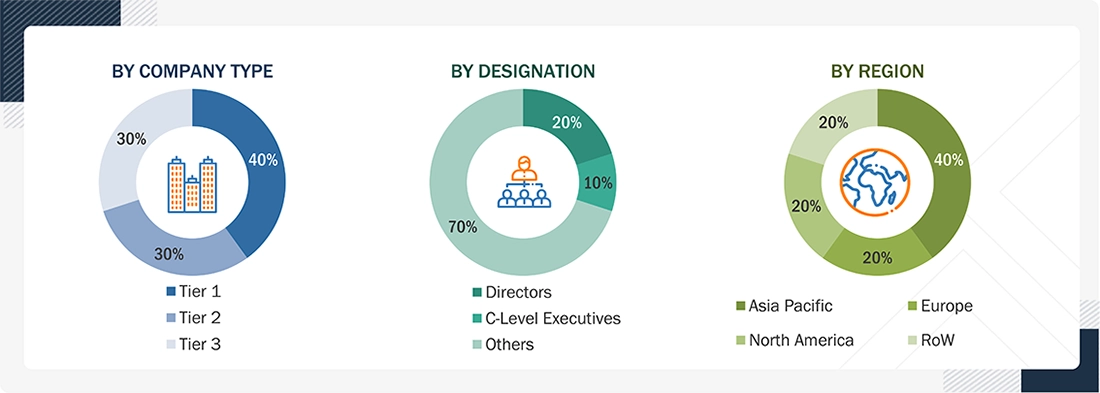
To know about the assumptions considered for the study, download the pdf brochure
Market Size Estimation
The top-down and bottom-up approaches were used to estimate and validate the size of the UUV market. The research methodology used to estimate the size of the market included the following details:
- Key players in the UUV market were identified through secondary research, and their market shares were determined through a combination of primary and secondary research. This included a study of the annual and financial reports of the top market players, as well as extensive interviews with leaders, including directors, engineers, marketing executives, and other key stakeholders of leading companies operating in the market.
- All percentage shares, splits, and breakdowns were determined using secondary sources and verified through primary sources.
Unmanned Underwater Vehicle Market : Top-Down and Bottom-Up Approach
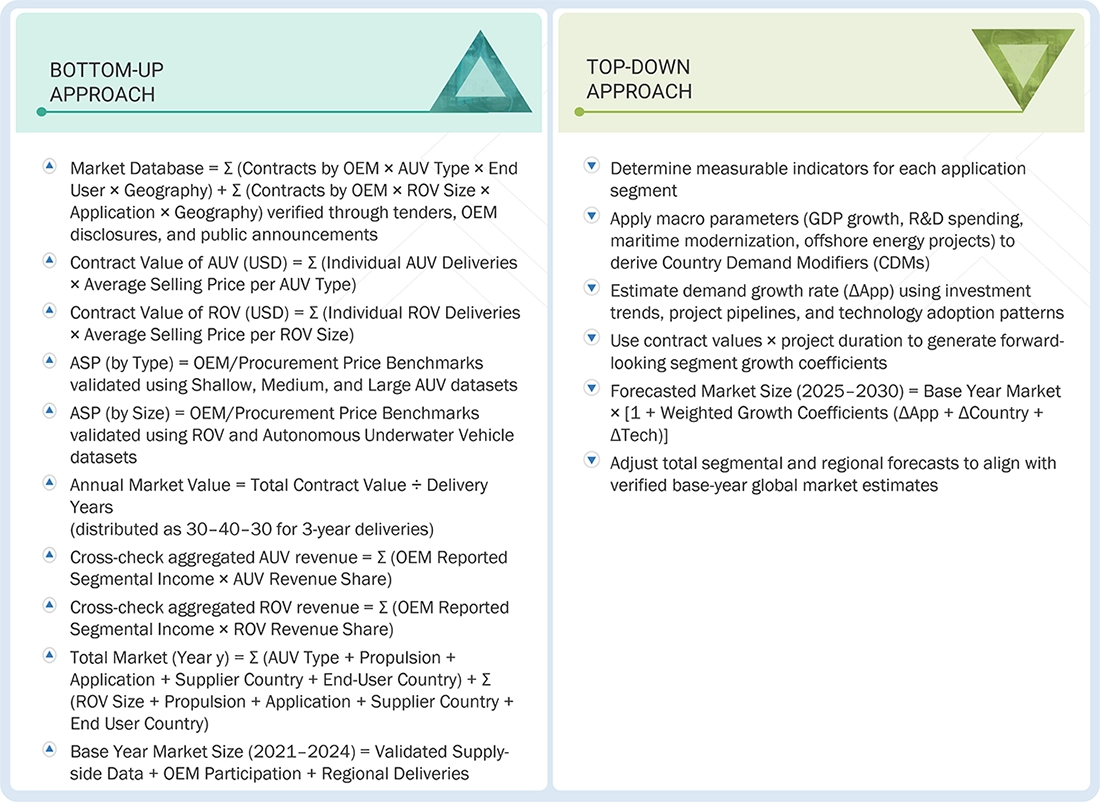
Data Triangulation
After determining the overall market size, the total market was divided into several segments and subsegments. The data triangulation and market breakdown procedures explained below were implemented, wherever applicable, to complete the overall market engineering process and arrive at the estimated market numbers for the market segments and subsegments. The data was triangulated by studying various factors and trends from the demand and supply sides. Additionally, the market size was validated using top-down and bottom-up approaches.
Market Definition
A UUV is a self-propelled underwater robotic system used for autonomous or remotely supervised operations across defense, commercial, and research activities. It supports missions such as seafloor mapping, inspection, surveillance, and data collection, enabling efficient underwater tasks without exposing personnel to operational risks.
Key Stakeholders
- Manufacturers and OEMs
- Component and Subsystem Suppliers
- System Integrators
- End Users
- Service Providers
- Regulatory and Certification Bodies
- Research & Technology Institutions
- Investors and Funding Agencies
Report Objectives
- To define, describe, and forecast the UUV market based on type, shape, speed, propulsion, application, and system
- To forecast the size of different segments of the market with respect to North America, Europe, Asia Pacific, the Middle East, and the Rest of the World
- To identify and analyze the drivers, restraints, opportunities, and challenges influencing the growth of the market
- To identify industry trends, market trends, and technology trends currently prevailing in the market
- To analyze micro markets with respect to individual growth trends, prospects, and their contribution to the overall market
- To analyze the degree of competition in the market by analyzing recent developments adopted by leading market players
- To provide a detailed competitive landscape of the market, along with a ranking analysis of key players, and an analysis of startup companies in the market
- To strategically profile the key market players and comprehensively analyze their core competencies
- To provide a detailed competitive landscape of the market, along with a market share analysis and revenue analysis of key players
Available customizations:
MarketsandMarkets offers the following customizations for this market report:
- Additional country-level analysis of the UUV market
- Profiling of other market players (up to 5)
Product Analysis
- Product matrix, which provides a detailed comparison of the product portfolio of each company in the UUV market
Key Questions Addressed by the Report
What is the projected size of the Unmanned Underwater Vehicle (UUV) Market by 2031?
The global UUV Market is projected to grow from USD 6.91 billion in 2026 to USD 19.22 billion by 2031, registering a CAGR of 22.7% during 2026–2031.
What are the major factors driving the growth of the UUV Market?
Growth is driven by increasing naval fleet modernization, rising demand for underwater surveillance and mine countermeasures, offshore energy exploration, pipeline and subsea infrastructure inspection, seabed mapping, and marine research. Advances in batteries, sensors, sonar, navigation, and underwater communication are also expanding UUV capabilities.
Which segment is expected to dominate the UUV Market by type?
The Autonomous Underwater Vehicle (AUV) segment is projected to lead the market. AUVs can operate without a physical tether, enabling efficient coverage of large and deep-water areas for defense, surveying, mapping, and offshore asset-management applications.
Which application is expected to hold the largest share of the UUV Market?
Military & defense is projected to be the largest application segment. UUVs are increasingly used for surveillance, mine countermeasures, intelligence missions, seabed monitoring, and other underwater security operations.
Which region is expected to grow fastest in the UUV Market?
Asia Pacific is expected to register the highest CAGR during the forecast period. Growing coastal defense requirements, investments in subsea manufacturing, offshore energy infrastructure, maritime security, and autonomous underwater systems are supporting regional growth.
What are the key applications of Unmanned Underwater Vehicles?
UUVs are used for military surveillance, mine countermeasures, seabed mapping, offshore oil & gas inspection, pipeline and cable inspection, oceanography, environmental monitoring, search and salvage, and underwater infrastructure inspection.
What are the major challenges facing the UUV Market?
Key challenges include limited underwater communication bandwidth, system reliability in high-pressure environments, data integrity issues, and interoperability and standardization constraints across multi-OEM UUV fleets.
What opportunities exist in the UUV Market?
Major opportunities include the expansion of dual-use UUV applications across defense, commercial, and research sectors, as well as emerging UUV-as-a-service and leasing models. Advances in autonomy, AI-assisted navigation, sensors, batteries, and multi-vehicle operations are creating additional opportunities.
Who are the key companies operating in the UUV Market?
Key companies include Kongsberg, Saipem, BAE Systems, L3Harris Technologies, and Oceaneering International. Other participants include Teledyne, Saab, General Dynamics, Forum Energy Technologies, Hydromea, Msubs, and ecoSUB Robotics.
What are the key trends shaping the UUV Market?
Major trends include the shift toward fully autonomous UUVs, AI-assisted navigation and mission control, higher-capacity batteries, efficient electric propulsion, improved sonar and imaging payloads, hybrid UUV-ROV platforms, and multi-UUV operations for surveillance and ocean monitoring.
Fact checked
Personalize This Research
- Triangulate with your Own Data
- Get Data as per your Format and Definition
- Gain a Deeper Dive on a Specific Application, Geography, Customer or Competitor
- Any level of Personalization
Let Us Help You
- What are the Known and Unknown Adjacencies Impacting the Unmanned Underwater Vehicle (UUV) Market
- What will your New Revenue Sources be?
- Who will be your Top Customer; what will make them switch?
- Defend your Market Share or Win Competitors
- Get a Scorecard for Target Partners

Custom Market Research Services
We Will Customise The Research For You, In Case The Report Listed Above Does Not Meet With Your Requirements
Get 10% Free CustomisationTESTIMONIALS
- ISRAEL Unmanned Underwater Vehicle (UUV) Market
- CANADA Unmanned Underwater Vehicle (UUV) Market
- US Unmanned Underwater Vehicle (UUV) Market
- GERMANY Unmanned Underwater Vehicle (UUV) Market
- UK Unmanned Underwater Vehicle (UUV) Market
- FRANCE Unmanned Underwater Vehicle (UUV) Market
- ITALY Unmanned Underwater Vehicle (UUV) Market
- SPAIN Unmanned Underwater Vehicle (UUV) Market
- NORWAY Unmanned Underwater Vehicle (UUV) Market
- CHINA Unmanned Underwater Vehicle (UUV) Market
- JAPAN Unmanned Underwater Vehicle (UUV) Market
- AUSTRALIA Unmanned Underwater Vehicle (UUV) Market
- SOUTH KOREA Unmanned Underwater Vehicle (UUV) Market
- INDIA Unmanned Underwater Vehicle (UUV) Market
- SAUDI ARABIA Unmanned Underwater Vehicle (UUV) Market
- UAE Unmanned Underwater Vehicle (UUV) Market
- TURKEY Unmanned Underwater Vehicle (UUV) Market
Growth opportunities and latent adjacency in Unmanned Underwater Vehicle (UUV) Market






Connor
Apr, 2026
Does the report cover challenges like underwater communication limitations, navigation accuracy, and system reliability in deep sea environments?.
Justin
Apr, 2026
Is there a section on advanced technologies like AI driven autonomy, hybrid underwater communication, and energy dense power systems?.
User
Feb, 2020
I would like to know the market potential for body/chase materials used in USV and UUV body and would also like to know the relevant reports as per the requirement..