Traffic Management Market by Solution (Traffic Monitoring & Analytics, Adaptive Traffic Control System, Traffic Enforcement Management, Incident Detection & Management, Electronic Toll Management), Areas of Application, End User - Global Forecast to 2032

icon1
USD 106.13 BN
MARKET SIZE, 2032
icon2
CAGR 11.5%
(2026-2032)
icon3
320
REPORT PAGES
icon4
350
MARKET TABLES

OVERVIEW

traffic-management-market Overview

Source: Secondary Research, Interviews with Experts, MarketsandMarkets Analysis

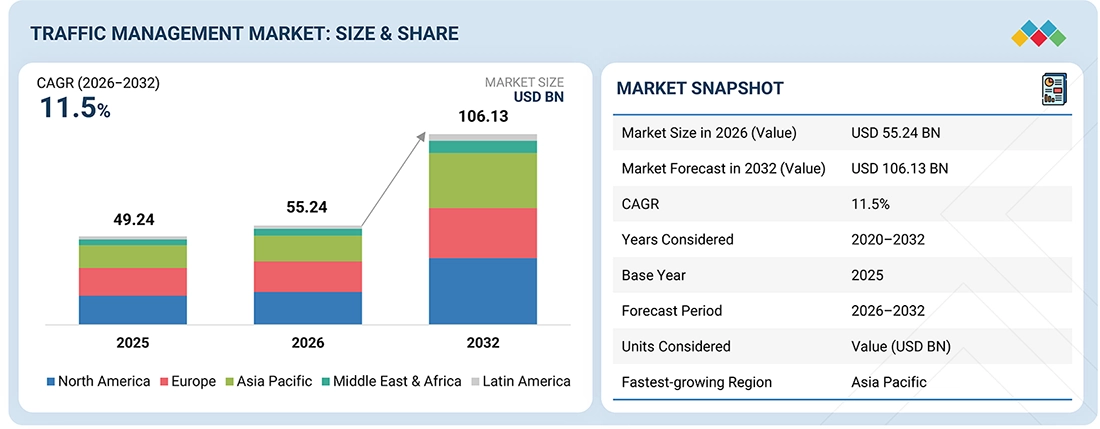
The global traffic management market is expected to grow from USD 55.24 billion in 2026 to USD 106.13 billion by 2032, at a CAGR of 11.5% during the forecast period. Growth is driven by increasing urban congestion, rising vehicle density, and the need for efficient road network utilization across smart cities and metropolitan regions. Governments and transport authorities are deploying intelligent traffic systems to improve mobility, reduce travel delays, and enhance road safety. The integration of sensors, AI-based analytics, and connected infrastructure is further supporting the adoption of traffic management solutions across highways, urban roads, and transit corridors.

Market Size and Forecast:

  • 2025 Market Size: USD 49.24 Billion
  • 2026 Projected Market Size: USD 55.24 Billion
  • 2032 Forecast Size: USD 106.13 Billion
  • Growth Rate (2026-2031): CAGR of 11.5%
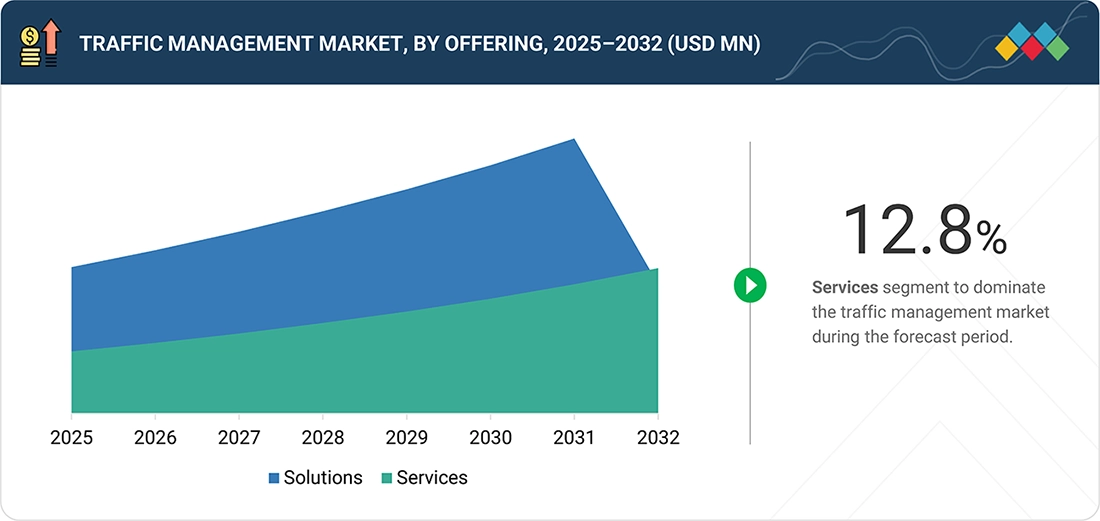
  • Services segment is register the highest CAGR of 12.8%
  • Forecast period: 2026–2033

Key Market Trends and Insights

  • Fastest Growing Region: Asia Pacific
  • Growth Drivers: rising urban congestion, AI adaptive control, and road safety demand.
  • Latest Trends:shifting toward AI adaptive systems and unified smart city platforms.
  • Emerging Opportunities: smart city ecosystem expansions and freight logistics integration.
  • Leading companies: Cisco (US), Mundys SpA (Italy), SWARCO (Austria), Siemens (Germany), IBM (US)
  • AI impact on traffic management market: enabling real-time traffic optimization, predictive congestion management, adaptive signal control, automated incident detection

KEY TAKEAWAYS

  • By Offering
    The services segment is expected to register the highest CAGR of 12.8%.
  • By End-User
    The government segment accounted for a 79.1% share in 2026.
  • By Region
    The Asia Pacific region is projected to grow at the fastest rate from 2026 to 2032
  • Competitive Landscape - Key Players
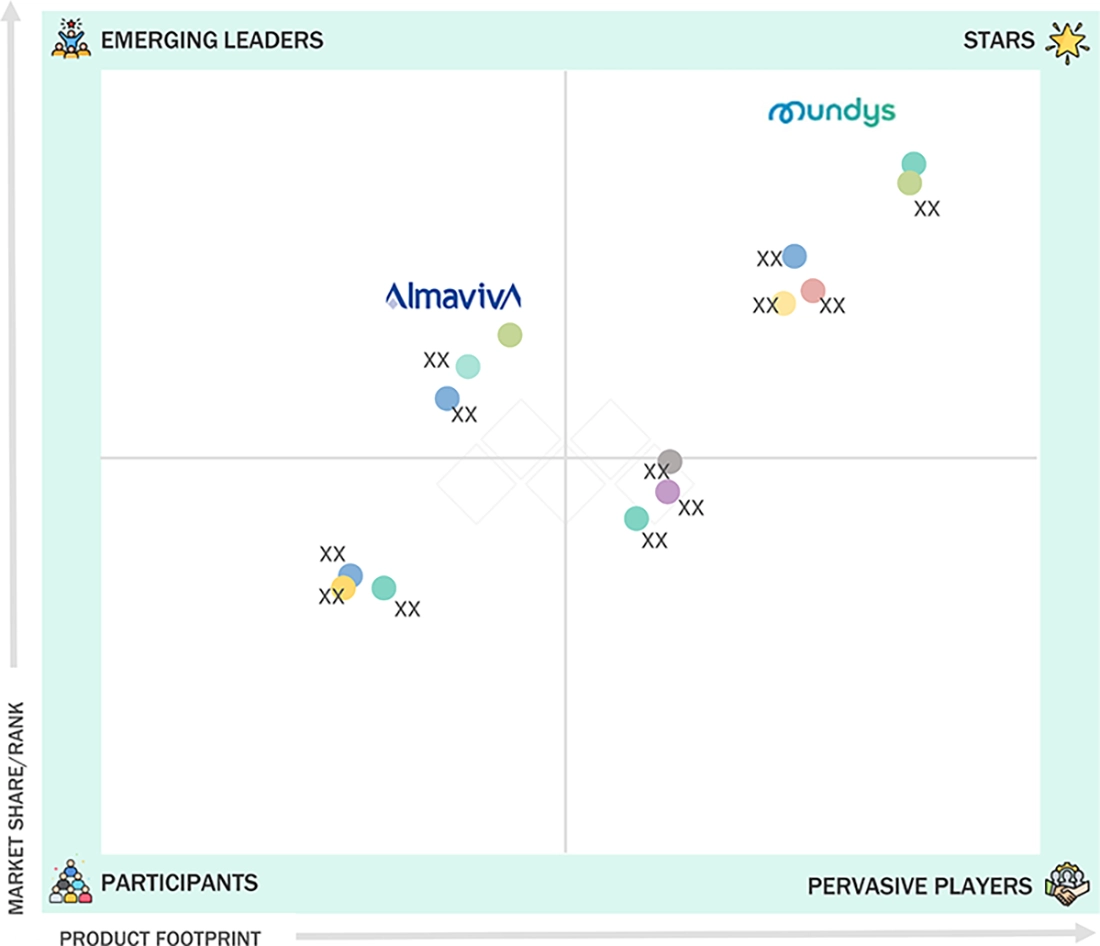
    Companies such as SWARCO, Kapsch TrafficCom, Mundys, Almaviva, Siemens Mobility, and Q-Free, were identified as some of the star players in the traffic management market, given their strong market share and product footprint.
  • Competitive Landscape - Startup/SME
    Companies such as Miovision, NoTraffic, and Rekor were identified as some of the startups and SMEs in the traffic management market.

The rising focus on real-time traffic optimization and road safety enforcement is accelerating the deployment of traffic management systems. Authorities are increasingly using these platforms to monitor congestion, manage signal timing, detect incidents, and improve emergency response coordination. Integration with IoT-enabled sensors, connected cameras, and cloud-based analytics is enabling more data-driven decision-making. As urban populations expand and vehicle usage increases, traffic management systems are becoming an essential part of smart mobility infrastructure.

TRENDS & DISRUPTIONS IMPACTING CUSTOMERS' CUSTOMERS

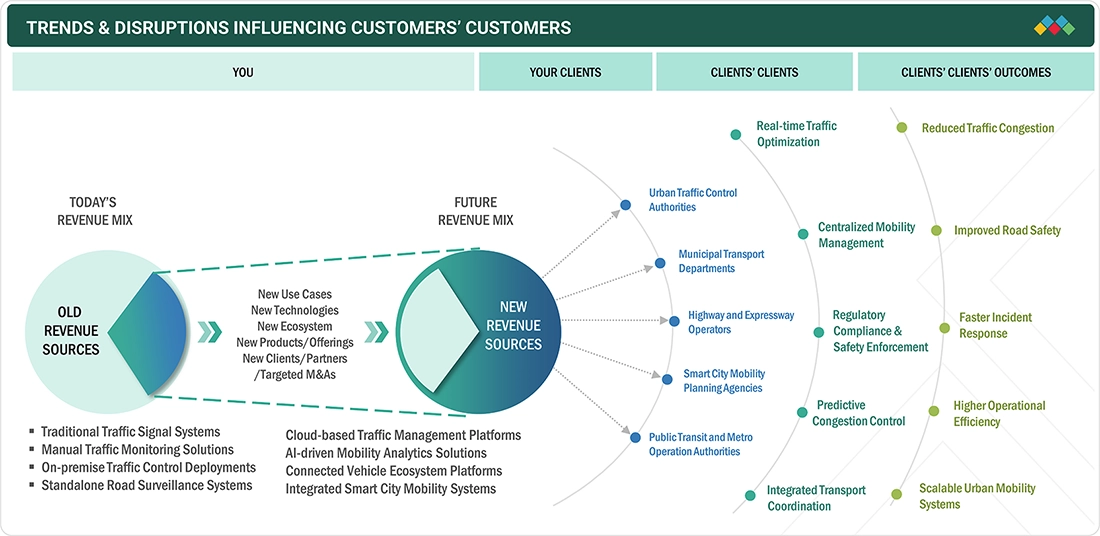
The traffic management market is shifting from traditional traffic control systems to integrated, data-driven mobility platforms. Fixed signal-based systems are being replaced with real-time traffic optimization enabled through sensors, connected infrastructure, and analytics. The ecosystem is expanding with new use cases such as predictive congestion management, dynamic routing, and incident response systems. Adoption is also driven by new technologies, platform-based deployment models, and increased collaboration between public authorities and technology providers.
traffic-management-market Disruptions

Source: Secondary Research, Interviews with Experts, MarketsandMarkets Analysis

MARKET DYNAMICS

Drivers
Impact
Level
  • Increasing adoption of AI-enabled adaptive traffic control and connected mobility systems
  • Increasing focus on road safety enforcement and automated violation monitoring systems
RESTRAINTS
Impact
Level
  • High deployment cost and complexity of integrating legacy traffic infrastructure
  • Limited availability of skilled traffic operations personnel and field-level execution capacity
OPPORTUNITIES
Impact
Level
  • Expansion of smart city programs and connected transportation ecosystems
  • Integration of traffic management systems with logistics and freight optimization networks
CHALLENGES
Impact
Level
  • Data fragmentation and lack of standardization across transport networks
  • Data latency and inconsistencies in real-time traffic information exchange

Source: Secondary Research, Interviews with Experts, MarketsandMarkets Analysis

Driver: Increasing adoption of AI-enabled adaptive traffic control and connected mobility systems

The traffic management market is witnessing strong growth driven by the increasing deployment of AI-enabled adaptive signal control systems and connected mobility infrastructure. These systems integrate data from roadside sensors, surveillance cameras, GPS-enabled devices, and vehicle-to-infrastructure (V2I) communication networks to enable continuous real-time traffic optimization. This allows traffic authorities to dynamically adjust signal timing, manage congestion more efficiently, and improve response times during incidents or disruptions. As urban traffic conditions become more complex due to rising vehicle density, governments are increasingly shifting toward intelligent traffic platforms that support data-driven decision-making. The growing focus on smart city development is further accelerating the adoption of these systems across both urban and interurban transport networks.

Restraint: High deployment cost and complexity of integrating legacy traffic infrastructure

Despite strong demand, the adoption of advanced traffic management systems is constrained by the high cost of deployment and the complexity involved in integrating modern platforms with existing legacy infrastructure. Many cities continue to rely on traditional traffic signal systems and outdated roadside equipment that are not fully compatible with digital traffic management solutions. Upgrading these systems requires significant investment in hardware, communication networks, and centralized control platforms, often resulting in long implementation cycles. In addition, interoperability challenges between multiple vendors and technologies create further delays in achieving seamless system integration. These factors collectively slow down large-scale modernization, particularly in regions with limited funding and fragmented transport infrastructure.

Opportunity: Expansion of smart city programs and connected transportation ecosystems

The expansion of smart city initiatives is creating significant opportunities for the traffic management market as governments invest in integrated mobility ecosystems. These systems bring together traffic monitoring, public transportation coordination, and road safety management into a unified operational framework. The growing adoption of connected vehicle technologies and real-time mobility applications is increasing the need for centralized traffic control platforms that can manage multiple transport modes efficiently. This integration is enabling improved traffic forecasting, optimized route planning, and better utilization of urban road infrastructure. As cities continue to digitize transportation networks, traffic management systems are becoming a key enabler of efficient and coordinated urban mobility.

Challenge: Data fragmentation and lack of standardization across transport networks

A major challenge in the traffic management market is the fragmentation of traffic data and the lack of standardized communication protocols across transport networks. Traffic information is generated from multiple sources, including sensors, cameras, toll systems, and third-party mobility platforms, often leading to inconsistencies in data formats and integration issues. This makes it difficult for authorities to develop a unified view of traffic conditions across regions. Additionally, variations in regulatory frameworks and differing levels of technology adoption further complicate interoperability between systems. As a result, ensuring real-time, accurate, and standardized data exchange across multiple agencies remains a persistent operational challenge.

TRAFFIC MANAGEMENT MARKET SIZE, SHARE, GROWTH & LATEST TRENDS: COMMERCIAL USE CASES ACROSS INDUSTRIES

COMPANY USE CASE DESCRIPTION BENEFITS
Kapsch TrafficCom has deployed its EcoTrafiX urban traffic management platform across city and highway environments such as Madrid and Panama City projects, supporting integrated traffic control, tolling, and mobility data management. The system connects traffic signals, incident management tools, and highway monitoring systems to enable centralized control of urban and interurban traffic movement. Improved highway and urban traffic coordination | Better toll and corridor management | Centralized traffic visibility | Reduced operational fragmentation
Yunex Traffic has supported deployments in European city traffic networks including urban intersection management systems where its solutions integrate adaptive signal control, variable message signs, and traffic monitoring infrastructure. These deployments are used by municipal authorities to manage congestion and improve flow efficiency in dense urban road networks. Improved urban traffic regulation | Better real-time congestion control | Enhanced signal synchronization | Improved safety at intersections
Cubic has implemented integrated mobility and traffic management solutions in transit-heavy cities where systems connect public transport operations, road traffic data, and payment/mobility platforms. These deployments are used to improve coordination between road traffic and public transportation networks, particularly in multimodal urban environments. Better multimodal transport coordination | Improved mobility data integration | Higher operational efficiency | Improved passenger flow management

Logos and trademarks shown above are the property of their respective owners. Their use here is for informational and illustrative purposes only.

MARKET ECOSYSTEM

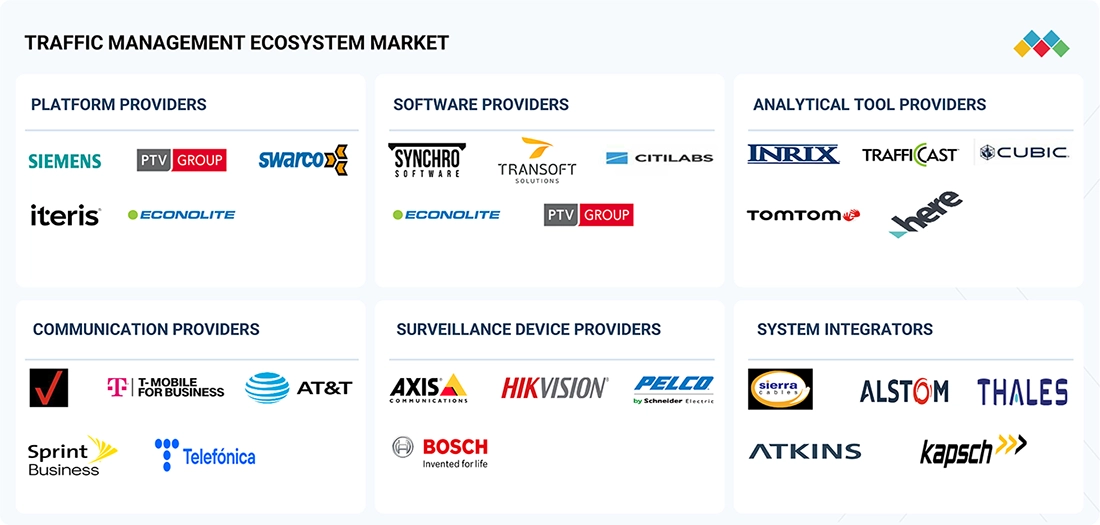
The traffic management ecosystem comprises platform providers, software developers, analytics vendors, communication providers, surveillance technology suppliers, and system integrators that collectively support intelligent transportation operations. Platform and software providers deliver traffic control, monitoring, and mobility management solutions, while analytics vendors enable real-time traffic intelligence and operational insights. Communication providers facilitate data exchange across transportation networks, and surveillance vendors supply cameras and roadway monitoring systems. System integrators play a critical role in combining these technologies into unified traffic management platforms that improve traffic flow, enhance road safety, and support efficient transportation network operations.
traffic-management-market Ecosystem

Logos and trademarks shown above are the property of their respective owners. Their use here is for informational and illustrative purposes only.

MARKET SEGMENTS
traffic-management-market Segments

Source: Secondary Research, Interviews with Experts, MarketsandMarkets Analysis

Traffic Management Market, by Solution

Modern traffic management systems rely heavily on traffic monitoring and analytics solutions to capture real-time road conditions and improve mobility efficiency. These systems integrate data from sensors, cameras, GPS-enabled devices, and connected infrastructure to analyze congestion levels, detect incidents, and support traffic flow optimization. The use of AI and data analytics enables adaptive signal control, improved route guidance, and faster response to disruptions. These capabilities support urban planners in improving road utilization, reducing congestion in high-density areas, and enhancing overall traffic safety. The growing focus on smart city development and data-driven transportation planning is further strengthening adoption of traffic monitoring and analytics solutions.

Traffic Management Market, by Area of Application

Inter-urban traffic management systems are gaining traction across highway corridors and long-distance transport networks due to increasing vehicle movement between cities. These systems support toll management, corridor traffic monitoring, and integration with weather and road condition reporting tools to improve driver awareness and safety. Technologies such as vehicle-to-infrastructure (V2I) communication and real-time analytics help manage congestion, detect incidents, and improve travel efficiency across intercity routes. Adaptive traffic signals, variable message signs, and connected highway systems further support uninterrupted traffic flow and faster incident response. The rising demand for efficient regional connectivity and safer highway operations is driving growth in the inter-urban segment.

REGION

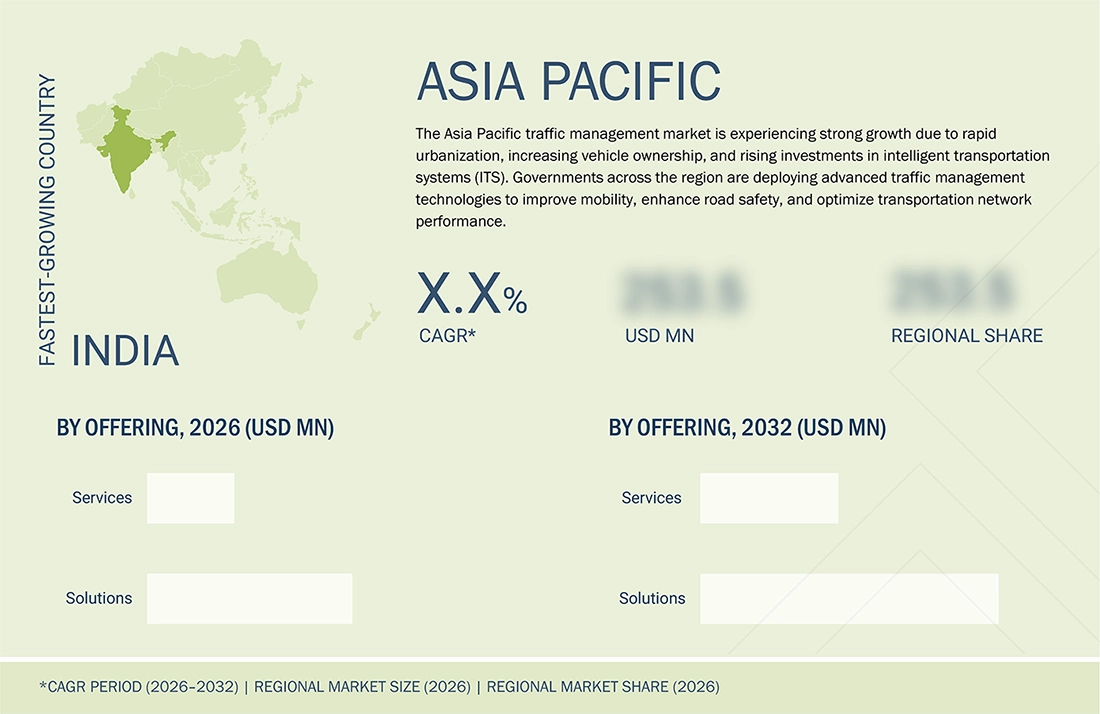
Asia Pacific to be fastest-growing region in global traffic management market during forecast period

Asia Pacific is expected to record the fastest growth rate in the traffic management market during the forecast period. Rapid urbanization, increasing vehicle ownership, and large-scale infrastructure development are key factors driving adoption across the region. Countries such as China, India, Japan, South Korea, and Australia are investing heavily in smart transportation systems and intelligent traffic control infrastructure. Governments in the region are focusing on reducing urban congestion, improving road safety, and enhancing public transportation efficiency. The expansion of smart city initiatives and integration of AI-based traffic monitoring systems is further supporting market growth. Rising investments in highway modernization and urban mobility projects are also contributing to increased deployment of traffic management solutions.
traffic-management-market Region

TRAFFIC MANAGEMENT MARKET SIZE, SHARE, GROWTH & LATEST TRENDS: COMPANY EVALUATION MATRIX

In the traffic management market matrix, Mundys (Star) holds a leading position, supported by its strong mobility infrastructure portfolio, intelligent transport systems capabilities, and integrated traffic management solutions deployed across highways, urban road networks, and smart mobility corridors. Its strength lies in real-time traffic monitoring, congestion control, and scalable deployment across connected transport environments. Almaviva is positioned as an Emerging Leader, supported by its expanding presence in digital mobility platforms and traffic data management solutions. Its capabilities in system integration, transport analytics, and smart infrastructure support position it for growth as demand increases for connected traffic management and intelligent urban mobility systems.
traffic-management-market Evaluation Metrics

Source: Secondary Research, Interviews with Experts, MarketsandMarkets Analysis

KEY MARKET PLAYERS

MARKET SCOPE

REPORT METRIC DETAILS
Market Size in 2025 (Value) USD 49.24 Billion
Market Size in 2026 (Value) USD 55.24 Billion
Market Forecast in 2032 (Value) USD 106.13 Billion
Growth Rate CAGR of 11.5% from 2026–2032
Years Considered 2020–2032
Base Year 2025
Forecast Period 2026–2032
Units Considered Value (USD Billion)
Report Coverage Revenue Forecast, Company Ranking, Competitive Landscape, Growth Factors, and Trends
Segments Covered
  • By Offering:
    • Solutions (Traffic Monitoring & Analytics
    • Adaptive Traffic Control Systems
    • Traffic Enforcement Management
    • Incident Detection & Management
    • Electronic Toll Management
    • Other Solutions)
    • Services
  • By Area of Application:
    • Urban
    • Inter-urban
    • Rural)
  • By End User:
    • Government
    • Private
Regions Covered North America, Europe, Asia Pacific, Middle East & Africa, Latin America

WHAT IS IN IT FOR YOU: TRAFFIC MANAGEMENT MARKET SIZE, SHARE, GROWTH & LATEST TRENDS REPORT CONTENT GUIDE

traffic-management-market Content Guide

DELIVERED CUSTOMIZATIONS

We have successfully delivered the following deep-dive customizations:

CLIENT REQUEST CUSTOMIZATION DELIVERED VALUE ADDS
Leading Service Provider (US) Regional Analysis: • Further breakdown of the North American traffic management market • Further breakdown of the European traffic management market • Further breakdown of the Asia Pacific traffic management market • Further breakdown of the Middle Eastern & African traffic management market • Further breakdown of the Latin American traffic management market • Identifies high-growth regional opportunities, enabling tailored market entry strategies • Optimizes resource allocation and investment based on region-specific demand and trends
Company Information Detailed analysis and profiling of additional market players (up to 5) • Broadens competitive insights, helping clients make informed strategic and investment decisions. • Reveals market gaps and opportunities, supporting differentiation and targeted growth initiatives.

RECENT DEVELOPMENTS

  • February 2026 : SWARCO UK & Ireland launched the PTC3 Controller series, an AI-ready traffic controller designed to support adaptive traffic management strategies, including SWARCO ImFlow and Smart AI. The platform enables transportation authorities to optimize traffic flows, respond to incidents, and support future intelligent mobility deployments through enhanced analytics and processing capabilities.
  • May 2026 : Iteris launched VantageNode, an AI-powered quad-camera traffic detection solution designed for small and underserved intersections. The platform supports vehicle, pedestrian, and bicycle detection and integrates with the ClearGuide traffic analytics platform for traffic monitoring, performance analysis, and transportation planning.
  • May 2026 : Kapsch TrafficCom and Valeo partnered to develop a next-generation V2X-powered tolling solution. The collaboration combines connected vehicle technologies and electronic toll collection capabilities to support future intelligent transportation ecosystems.
  • September 2025 : Huawei introduced the Urban Traffic Large-scale Model to support city-wide traffic optimization through AI-driven traffic prediction, congestion analysis, signal optimization, and incident response. The platform enables transportation authorities to improve operational efficiency and enhance decision-making through advanced analytics and large-scale traffic intelligence capabilities.


Table of Contents

Exclusive indicates content/data unique to MarketsandMarkets and not available with any competitors.

TITLE
PAGE NO
1
INTRODUCTION


27
2
EXECUTIVE SUMMARY


32
3
PREMIUM INSIGHTS


37
4
MARKET OVERVIEW
AI-driven traffic solutions and 5G revolutionize transport amidst budget and cybersecurity challenges.


40
 
4.1
INTRODUCTION


4.2
MARKET DYNAMICS


4.2.1
DRIVERS


4.2.1.1
INCREASED TRAFFIC CONGESTION AND NEED FOR ROAD SAFETY MEASURES


4.2.1.2
INCREASING ADOPTION OF AI-DRIVEN TRAFFIC OPTIMIZATION AND PREDICTIVE MOBILITY MANAGEMENT


4.2.1.3
EXPANSION OF CONNECTED VEHICLE AND V2X ECOSYSTEMS


4.2.2
RESTRAINTS


4.2.2.1
HIGH CAPITAL INVESTMENT AND LENGTHY PROCUREMENT CYCLES


4.2.2.2
BUDGET CONSTRAINTS AMONG MUNICIPALITIES AND TRANSPORTATION AGENCIES


4.2.3
OPPORTUNITIES


4.2.3.1
SUSTAINABLE MOBILITY AND EMISSIONS REDUCTION INITIATIVES


4.2.3.2
EXPANSION OF CONNECTED AND AUTONOMOUS VEHICLE ECOSYSTEMS


4.2.3.3
MODERNIZATION OF HIGHWAY AND SMART CORRIDOR INFRASTRUCTURE


4.2.3.4
5G-ENABLED INTELLIGENT TRANSPORTATION SYSTEMS


4.2.4
CHALLENGES


4.2.4.1
DATA MANAGEMENT AND BIG DATA COMPLEXITY


4.2.4.2
CYBERSECURITY THREATS TO TRANSPORTATION NETWORKS


4.2.4.3
INTEGRATION OF MULTI-SOURCE TRANSPORTATION DATA


4.3
INTERCONNECTED MARKETS AND CROSS-SECTOR OPPORTUNITIES


4.3.1
CROSS-SECTOR OPPORTUNITIES


4.4
STRATEGIC MOVES BY TIER-1/2/3 PLAYERS


5
INDUSTRY TRENDS
Navigate competitive pressures and economic shifts reshaping the traffic management market landscape.


48
 
5.1
PORTER’S FIVE FORCES ANALYSIS


5.1.1
THREAT OF NEW ENTRANTS


5.1.2
THREAT OF SUBSTITUTES


5.1.3
BARGAINING POWER OF SUPPLIERS


5.1.4
BARGAINING POWER OF BUYERS


5.1.5
INTENSITY OF COMPETITIVE RIVALRY


5.2
MACROECONOMIC OUTLOOK


5.2.1
INTRODUCTION


5.2.2
GDP TRENDS AND FORECAST


5.2.3
TRENDS IN TRAFFIC MANAGEMENT MARKET


5.3
SUPPLY CHAIN ANALYSIS


5.4
ECOSYSTEM ANALYSIS


5.5
PRICING ANALYSIS


5.5.1
AVERAGE SELLING PRICE OF KEY PLAYERS, BY SOLUTION


5.5.2
INDICATIVE PRICING ANALYSIS OF KEY PLAYERS


5.6
TRADE ANALYSIS


5.6.1
EXPORT SCENARIO FOR HS CODE: 8530


5.6.2
IMPORT SCENARIO FOR HS CODE: 8530


5.7
KEY CONFERENCES AND EVENTS, 2026


5.8
TRENDS/DISRUPTIONS IMPACTING CUSTOMER BUSINESS


5.9
INVESTMENT AND FUNDING SCENARIO


5.10
CASE STUDY ANALYSIS


5.10.1
CASE STUDY 1: BUENOS AIRES DEPLOYED SGIM SOFTWARE IN CONJUNCTION WITH KAPSCH’S ECOTRAFIX PLATFORM TO UNIFY EXISTING UTC SYSTEMS


5.10.2
CASE STUDY 2: HUAWEI HELPED LAHORE CITY DEVELOP NEW TRAFFIC MANAGEMENT SYSTEM TO MANAGE CONGESTION


5.10.3
CASE STUDY 3: ROMANIAN CITY OF TIMISOARA DEPLOYED SWARCO’S INTEGRATED TRAFFIC CONTROL AND VIDEO SURVEILLANCE SYSTEM TO SMOOTHEN TRAFFIC FLOW


5.10.4
CASE STUDY 4: DATA COLLECTION LIMITED ENHANCED ROAD INFRASTRUCTURE MANAGEMENT WITH TELEDYNE FLIR IMAGING SOLUTIONS


5.10.5
CASE STUDY 5: THTC & TOMTOM SUCCESSFULLY MANAGED TRAFFIC AT 2023 AFC ASIAN CUP QATAR


5.11
IMPACT OF 2025 US TARIFF – TRAFFIC MANAGEMENT MARKET


5.11.1
INTRODUCTION


5.11.2
KEY TARIFF RATES


5.11.3
PRICE IMPACT ANALYSIS


5.11.3.1
STRATEGIC SHIFTS AND EMERGING TRENDS


5.11.4
IMPACT ON COUNTRIES/REGIONS


5.11.4.1
US


5.11.4.2
CHINA


5.11.4.3
EUROPE


5.11.4.4
ASIA PACIFIC (EXCLUDING CHINA)


5.11.5
IMPACT ON END-USER INDUSTRIES


5.11.5.1
GOVERNMENT & TRANSPORTATION AUTHORITIES


5.11.5.2
SMART CITIES & MUNICIPALITIES


5.11.5.3
HIGHWAYS & TOLL OPERATORS


5.11.5.4
PUBLIC TRANSIT OPERATORS


5.11.5.5
AIRPORTS & TRANSPORTATION HUBS


5.11.5.6
COMMERCIAL & INDUSTRIAL FACILITIES


6
TECHNOLOGICAL ADVANCEMENTS, AI-DRIVEN IMPACT, PATENTS, INNOVATIONS, AND FUTURE APPLICATIONS
AI and IoT reshape traffic management, driving innovation and market potential through 2030.


67
 
6.1
KEY TECHNOLOGIES


6.1.1
ARTIFICIAL INTELLIGENCE (AI)


6.1.2
INTERNET OF THINGS (IOT)


6.1.3
GEOGRAPHIC INFORMATION SYSTEMS (GIS)


6.1.4
AUTOMATIC NUMBER PLATE RECOGNITION (ANPR)


6.1.5
VEHICLE-TO-INFRASTRUCTURE (V2I) AND VEHICLE-TO-EVERYTHING (V2X)


6.2
COMPLEMENTARY TECHNOLOGIES


6.2.1
BIG DATA AND ANALYTICS


6.2.2
EDGE COMPUTING


6.2.3
5G


6.3
TECHNOLOGY ROADMAP


6.3.1
SHORT-TERM ROADMAP (2026–2027)


6.3.2
MID-TERM ROADMAP (2028–2027)


6.3.3
LONG-TERM ROADMAP (2029–2030+)


6.4
PATENT ANALYSIS


6.4.1
LIST OF MAJOR PATENTS (2018-2026)


6.5
IMPACT OF AI/GEN AI ON TRAFFIC MANAGEMENT MARKET


6.5.1
TOP USE CASES AND MARKET POTENTIAL


6.5.2
CASE STUDIES OF AI IMPLEMENTATION IN TRAFFIC MANAGEMENT MARKET


6.5.3
INTERCONNECTED ADJACENT ECOSYSTEM AND IMPACT ON MARKET PLAYERS


6.5.4
CLIENTS’ READINESS TO ADOPT GENERATIVE AI IN TRAFFIC MANAGEMENT MARKET


7
REGULATORY LANDSCAPE AND SUSTAINABILITY INITIATIVES
Navigate global traffic regulations and sustainability initiatives to enhance compliance and eco-friendly operations.


76
 
7.1
REGIONAL REGULATIONS AND COMPLIANCE


7.1.1
REGULATORY BODIES, GOVERNMENT AGENCIES, AND OTHER ORGANIZATIONS


7.1.2
KEY REGULATIONS


7.1.2.1
NORTH AMERICA


7.1.2.1.1
MANUAL ON TRAFFIC CONTROL DEVICES FOR STREETS AND HIGHWAYS


7.1.2.1.2
NATIONAL HIGHWAY TRAFFIC SAFETY ADMINISTRATION (NHTSA)


7.1.2.1.3
FEDERAL MOTOR CARRIER SAFETY ADMINISTRATION


7.1.2.1.4
FEDERAL HIGHWAY ADMINISTRATION


7.1.2.2
EUROPE


7.1.2.2.1
GENERAL DATA PROTECTION REGULATION


7.1.2.2.2
GENERAL SAFETY REGULATION (GSR)


7.1.2.3
ASIA PACIFIC


7.1.2.3.1
GENERAL SAFETY REGULATION (GSR)


7.1.2.3.2
ROAD TRAFFIC SAFETY LAW OF THE PEOPLE'S REPUBLIC OF CHINA


7.1.2.3.3
ROAD TRAFFIC ACT


7.1.2.3.4
ROAD TRANSPORT VEHICLE ACT


7.1.2.4
REST OF THE WORLD


7.1.2.4.1
MANUAL ON TRAFFIC CONTROL DEVICES FOR STREETS AND HIGHWAYS


7.1.2.4.2
NATIONAL ROAD TRAFFIC ACT, 1996


7.1.2.4.3
MEXICO'S NATIONAL LAW OF MOBILITY AND ROAD SAFETY


7.1.3
INDUSTRY STANDARDS


7.2
SUSTAINABILITY INITIATIVES


7.2.1
SUSTAINABLE MOBILITY AND INTELLIGENT TRAFFIC OPERATIONS


7.2.2
ECO-APPLICATIONS AND SUSTAINABILITY USE CASES


7.3
CERTIFICATIONS, LABELING, ECO-STANDARDS


8
CUSTOMER LANDSCAPE AND BUYER BEHAVIOR
Uncover critical stakeholder influences and unmet needs shaping buying behavior in key industries.


84
 
8.1
DECISION-MAKING PROCESS


8.2
KEY STAKEHOLDERS INVOLVED IN BUYING PROCESS AND THEIR EVALUATION CRITERIA


8.2.1
KEY STAKEHOLDERS IN BUYING PROCESS


8.2.2
BUYING CRITERIA


8.3
ADOPTION BARRIERS AND INTERNAL CHALLENGES


8.4
UNMET NEEDS OF VARIOUS END-USE INDUSTRIES


9
TRAFFIC MANAGEMENT MARKET, BY OFFERING
Market Size & Growth Rate Forecast Analysis to 2032 in USD Million | 28 Data Tables


90
 
9.1
INTRODUCTION


9.1.1
OFFERING: TRAFFIC MANAGEMENT MARKET DRIVERS


9.2
SOLUTIONS


9.2.1
TRAFFIC MONITORING & ANALYTICS


9.2.1.1
ENABLING DATA-DRIVEN VISIBILITY ACROSS TRANSPORTATION NETWORKS


9.2.2
ADAPTIVE TRAFFIC CONTROL


9.2.2.1
OPTIMIZING SIGNAL OPERATIONS THROUGH DYNAMIC TRAFFIC MANAGEMENT


9.2.3
TRAFFIC ENFORCEMENT MANAGEMENT


9.2.3.1
STRENGTHENING ROADWAY COMPLIANCE AND TRAFFIC SAFETY OUTCOMES


9.2.4
INCIDENT DETECTION & MANAGEMENT


9.2.4.1
ACCELERATING INCIDENT RESPONSE THROUGH REAL-TIME SITUATIONAL AWARENESS


9.2.5
ELECTRONIC TOLL MANAGEMENT


9.2.5.1
ADVANCING SEAMLESS TOLL COLLECTION AND ROADWAY MONETIZATION


9.2.6
OTHER SOLUTIONS


9.3
SERVICES


9.3.1
CONSULTING


9.3.1.1
OPTIMIZING TRAFFIC MANAGEMENT AND INFRASTRUCTURE


9.3.2
IMPLEMENTATION


9.3.2.1
STREAMLINING BUSINESS APPLICATIONS BY INTEGRATING VARIOUS MODULES OF DAY-TO-DAY OPERATIONS


9.3.3
SUPPORT & MAINTENANCE


9.3.3.1
ENSURING SMOOTH FUNCTIONING OF TRAFFIC MANAGEMENT SOLUTIONS


10
TRAFFIC MANAGEMENT MARKET, BY AREA OF APPLICATION
Market Size & Growth Rate Forecast Analysis to 2032 in USD Million | 8 Data Tables


106
 
10.1
INTRODUCTION


10.1.1
AREA OF APPLICATION: TRAFFIC MANAGEMENT MARKET DRIVERS


10.2
URBAN


10.2.1
SUPPORTING EFFICIENT MOBILITY IN INCREASINGLY COMPLEX URBAN TRANSPORTATION NETWORKS


10.3
INTER-URBAN


10.3.1
ENHANCING CONNECTIVITY AND OPERATIONAL EFFICIENCY ACROSS REGIONAL TRANSPORTATION CORRIDORS


10.4
RURAL


10.4.1
IMPROVING ROADWAY SAFETY AND TRANSPORTATION ACCESSIBILITY ACROSS RURAL NETWORKS


11
TRAFFIC MANAGEMENT MARKET, BY END USER
Market Size & Growth Rate Forecast Analysis to 2032 in USD Million | 6 Data Tables


112
 
11.1
INTRODUCTION


11.1.1
END USER: TRAFFIC MANAGEMENT MARKET DRIVERS


11.2
GOVERNMENT


11.2.1
ADVANCING TRANSPORTATION EFFICIENCY AND PUBLIC SAFETY THROUGH INTELLIGENT TRAFFIC MANAGEMENT


11.3
PRIVATE


11.3.1
IMPROVING OPERATIONAL EFFICIENCY AND MOBILITY SERVICES THROUGH INTELLIGENT TRANSPORTATION SOLUTIONS


12
TRAFFIC MANAGEMENT MARKET, BY REGION
Comprehensive coverage of 7 Regions with country-level deep-dive of 16 Countries | 122 Data Tables.


117
 
12.1
INTRODUCTION


12.2
NORTH AMERICA


12.2.1
US


12.2.1.1
GOVERNMENT INITIATIVES TO REVAMP, EXPAND, AND MODERNIZE EXISTING TRAFFIC MANAGEMENT INFRASTRUCTURE TO DRIVE MARKET


12.2.2
CANADA


12.2.2.1
DEVELOPMENT OF SMART CITIES TO DRIVE MARKET


12.3
EUROPE


12.3.1
UK


12.3.1.1
GOVERNMENT INITIATIVES TO STANDARDIZE TRANSPORT INTERFACES SUPPORTED BY COLLABORATIONS AND PARTNERSHIPS TO DRIVE MARKET


12.3.2
ITALY


12.3.2.1
GOVERNMENT INVESTMENT IN ROAD SAFETY, TRAFFIC FLOW, AND CONGESTION ALLEVIATION TO DRIVE MARKET


12.3.3
GERMANY


12.3.3.1
2030 FEDERAL TRANSPORT INFRASTRUCTURE PLAN TO DRIVE MARKET


12.3.4
FRANCE


12.3.4.1
ADVANCEMENTS IN ROBOTICS AND IOT, ESPECIALLY IN PUBLIC TRANSPORTATION, TO DRIVE MARKET


12.3.5
SPAIN


12.3.5.1
FOCUS ON BOLSTERING PUBLIC TRANSPORTATION TO DRIVE MARKET


12.3.6
REST OF EUROPE


12.4
ASIA PACIFIC


12.4.1
CHINA


12.4.1.1
INVESTMENT IN AI-POWERED TRAFFIC MANAGEMENT SYSTEMS AND INTERNET OF VEHICLE TECHNOLOGIES (IOVT) TO DRIVE MARKET


12.4.2
INDIA


12.4.2.1
GOVERNMENT FOCUS ON AI ADOPTION FOR ENHANCED ROAD SAFETY TO DRIVE MARKET


12.4.3
JAPAN


12.4.3.1
ESTABLISHMENT OF DIGITAL AGENCY FOR SOCIETY 5.0 TO DRIVE MARKET


12.4.4
AUSTRALIA & NEW ZEALAND


12.4.4.1
IMPLEMENTATION OF SMART CITY PROJECTS TO ACCELERATE MARKET GROWTH


12.4.5
REST OF ASIA PACIFIC


12.5
MIDDLE EAST & AFRICA


12.5.1
KSA


12.5.1.1
INITIATIVES TOWARD COMPREHENSIVE TRANSPORT PLANNING ANALYSIS AND PERFORMANCE REPORTING TO DRIVE MARKET


12.5.2
UAE


12.5.2.1
COLLABORATIONS WITH PROMINENT PLAYERS FOR BUILDING SMART TRAFFIC SYSTEMS TO DRIVE MARKET


12.5.3
SOUTH AFRICA


12.5.3.1
RISING URBAN CONGESTION AND SAFETY CONCERNS TO DRIVE MARKET


12.5.4
REST OF MIDDLE EAST & AFRICA


12.6
LATIN AMERICA


12.6.1
BRAZIL


12.6.1.1
INCREASING FOCUS ON VEHICLE MONITORING AND INCIDENT MANAGEMENT TO DRIVE MARKET


12.6.2
MEXICO


12.6.2.1
RISING DEMAND FOR IMPROVED TRANSPORT INFRASTRUCTURE TO DRIVE MARKET


12.6.3
REST OF LATIN AMERICA


13
COMPETITIVE LANDSCAPE
Discover strategic shifts and emerging leaders reshaping market dynamics through 2025.


164
 
13.1
INTRODUCTION


13.2
KEY PLAYER STRATEGIES/RIGHT TO WIN, 2024–2025


13.3
REVENUE ANALYSIS, 2022–2024


13.4
MARKET SHARE ANALYSIS, 2025


13.5
BRAND/PRODUCT COMPARISON


13.6
COMPANY EVALUATION MATRIX: KEY PLAYERS, 2025


13.6.1
STARS


13.6.2
EMERGING LEADERS


13.6.3
PERVASIVE PLAYERS


13.6.4
PARTICIPANTS


13.6.5
COMPANY FOOTPRINT: KEY PLAYERS, 2025


13.6.5.1
COMPANY FOOTPRINT


13.6.5.2
REGION FOOTPRINT


13.6.5.3
OFFERING FOOTPRINT


13.6.5.4
AREA OF APPLICATION FOOTPRINT


13.6.5.5
END USER FOOTPRINT


13.7
COMPANY EVALUATION MATRIX: STARTUPS/SMES, 2025


13.7.1
PROGRESSIVE COMPANIES


13.7.2
RESPONSIVE COMPANIES


13.7.3
DYNAMIC COMPANIES


13.7.4
STARTING BLOCKS


13.7.5
COMPETITIVE BENCHMARKING: STARTUPS/SMES, 2025


13.7.5.1
DETAILED LIST OF KEY STARTUPS/SMES


13.7.5.2
COMPETITIVE BENCHMARKING OF KEY STARTUPS/SMES


13.8
COMPETITIVE SCENARIO


13.8.1
PRODUCT LAUNCHES


13.8.2
DEALS


13.9
TRAFFIC MANAGEMENT PRODUCT BENCHMARKING


13.9.1
PROMINENT TRAFFIC MANAGEMENT SOLUTIONS


13.9.1.1
IBM INTELLIGENT TRANSPORTATION SOLUTION


13.9.1.2
HUAWEI INTELLIGENT TRAFFIC MANAGEMENT SYSTEM (ITMS)


13.9.1.3
KAPSCH TRAFFICCOM INTELLIGENT TRANSPORTATION SYSTEM (ITS)


13.9.1.4
SWARCO COOPERATIVE INTELLIGENT TRANSPORT SYSTEM (SWARCO C-ITS)


13.10
COMPANY VALUATION AND FINANCIAL METRICS


14
COMPANY PROFILES
In-depth Company Profiles of Leading Market Players with detailed Business Overview, Product and Service Portfolio, Recent Developments, and Unique Analyst Perspective (MnM View)


184
 
14.1
MAJOR PLAYERS


14.1.1
HUAWEI


14.1.1.1
BUSINESS OVERVIEW


14.1.1.2
PRODUCTS/SOLUTIONS/SERVICES OFFERED


14.1.1.3
RECENT DEVELOPMENTS


14.1.1.3.1
PRODUCTS LAUNCHES


14.1.1.3.2
DEALS


14.1.1.4
MNM VIEW


14.1.1.4.1
RIGHT TO WIN


14.1.1.4.2
STRATEGIC CHOICES


14.1.1.4.3
WEAKNESSES AND COMPETITIVE THREATS


14.1.2
MUNDYS SPA


14.1.3
KAPSCH TRAFFICCOM


14.1.4
SWARCO


14.1.5
ST ENGINEERING


14.1.6
INDRA


14.1.7
UMOVITY


14.1.8
Q-FREE


14.1.9
ALMAVIVA SPA


14.1.10
TOMTOM


14.1.11
JENOPTIK


14.1.12
TELEDYNE FLIR


14.1.13
SIEMENS


14.1.14
CISCO


14.1.15
IBM


14.1.16
CUBIC CORPORATION


14.2
STARTUPS/SMES


14.2.1
INRIX


14.2.2
NOTRAFFIC


14.2.3
TAGMASTER


14.2.4
BERCMAN TECHNOLOGIES


14.2.5
VALERANN


14.2.6
MIOVISION


14.2.7
BLUESIGNAL


14.2.8
TELEGRA


14.2.9
ORIUX


14.2.10
INVARION


14.2.11
REKOR


15
RESEARCH METHODOLOGY


241
 
15.1
RESEARCH DATA


15.1.1
SECONDARY DATA


15.1.1.1
KEY DATA FROM SECONDARY SOURCES


15.1.1.2
LIST OF SECONDARY SOURCES


15.1.2
PRIMARY DATA


15.1.2.1
BREAKUP OF PRIMARY PROFILES


15.1.2.2
KEY INSIGHTS FROM INDUSTRY EXPERTS


15.1.2.3
KEY DATA FROM PRIMARY SOURCES


15.2
MARKET SIZE ESTIMATION


15.3
DATA TRIANGULATION


15.4
MARKET FORECAST APPROACH


15.5
RESEARCH ASSUMPTIONS


15.6
RESEARCH LIMITATIONS


16
APPENDIX


253
 
16.1
DISCUSSION GUIDE


16.2
KNOWLEDGESTORE: MARKETSANDMARKETS’ SUBSCRIPTION PORTAL


16.3
CUSTOMIZATION OPTIONS


16.4
RELATED REPORTS


16.5
AUTHOR DETAILS


LIST OF TABLES


TABLE 1
REPORT INCLUSIONS AND EXCLUSIONS


TABLE 2
USD EXCHANGE RATES, 2021–2025


TABLE 3
PREVIOUS REPORT VERSION VS. LATEST REPORT VERSION


TABLE 4
INTERCONNECTED MARKETS


TABLE 5
STRATEGIC MOVES BY TIER-1/2/3 PLAYERS


TABLE 6
IMPACT OF PORTER’S FIVE FORCES ON TRAFFIC MANAGEMENT MARKET


TABLE 7
GDP PERCENTAGE CHANGE, BY KEY COUNTRY, 2021–2029


TABLE 8
ROLE OF PLAYERS IN MARKET ECOSYSTEM


TABLE 9
AVERAGE SELLING PRICE OF KEY PLAYERS, BY SOLUTION


TABLE 10
INDICATIVE PRICING ANALYSIS OF KEY TRAFFIC MANAGEMENT MARKET PLAYERS


TABLE 11
CAPTIVE PORTAL MARKET: DETAILED LIST OF CONFERENCES AND EVENTS, 2026


TABLE 13
TOP USE CASES AND MARKET POTENTIAL


TABLE 14
TRAFFIC MANAGEMENT MARKET: CASE STUDIES RELATED TO GEN AI IMPLEMENTATION


TABLE 15
INTERCONNECTED ADJACENT ECOSYSTEM AND IMPACT ON MARKET PLAYERS


TABLE 16
NORTH AMERICA: REGULATORY BODIES, GOVERNMENT AGENCIES, AND OTHER ORGANIZATIONS


TABLE 17
EUROPE: REGULATORY BODIES, GOVERNMENT AGENCIES, AND OTHER ORGANIZATIONS


TABLE 18
ASIA PACIFIC: REGULATORY BODIES, GOVERNMENT AGENCIES, AND OTHER ORGANIZATIONS


TABLE 19
REST OF THE WORLD: REGULATORY BODIES, GOVERNMENT AGENCIES, AND OTHER ORGANIZATIONS


TABLE 20
GLOBAL INDUSTRY STANDARDS IN TRAFFIC MANAGEMENT MARKET


TABLE 21
KEY STANDARDS AND CERTIFICATIONS RELEVANT TO TRAFFIC MANAGEMENT


TABLE 22
INFLUENCE OF STAKEHOLDERS ON BUYING PROCESS FOR KEY AREAS OF APPLICATION


TABLE 23
KEY BUYING CRITERIA FOR KEY AREAS OF APPLICATION


TABLE 24
UNMET NEEDS IN TRAFFIC MANAGEMENT MARKET, BY END-USE INDUSTRY


TABLE 25
TRAFFIC MANAGEMENT MARKET, BY OFFERING, 2020–2025 (USD MILLION)


TABLE 26
TRAFFIC MANAGEMENT MARKET, BY OFFERING, 2026–2032 (USD MILLION)


TABLE 27
TRAFFIC MANAGEMENT MARKET, BY SOLUTION, 2020–2025 (USD MILLION)


TABLE 28
TRAFFIC MANAGEMENT MARKET, BY SOLUTION, 2026–2032 (USD MILLION)


TABLE 29
SOLUTIONS: TRAFFIC MANAGEMENT MARKET, BY REGION, 2020–2025 (USD MILLION)


TABLE 30
SOLUTIONS: TRAFFIC MANAGEMENT MARKET, BY REGION, 2026–2032 (USD MILLION)


TABLE 31
TRAFFIC MONITORING & ANALYTICS: TRAFFIC MANAGEMENT MARKET, BY REGION, 2020–2025 (USD MILLION)


TABLE 32
TRAFFIC MONITORING & ANALYTICS: TRAFFIC MANAGEMENT MARKET, BY REGION, 2026–2032 (USD MILLION)


TABLE 33
ADAPTIVE TRAFFIC CONTROL: TRAFFIC MANAGEMENT MARKET, BY REGION, 2020–2025 (USD MILLION)


TABLE 34
ADAPTIVE TRAFFIC CONTROL: TRAFFIC MANAGEMENT MARKET, BY REGION, 2026–2032 (USD MILLION)


TABLE 35
TRAFFIC ENFORCEMENT MANAGEMENT: TRAFFIC MANAGEMENT MARKET, BY REGION, 2020–2025 (USD MILLION)


TABLE 36
TRAFFIC ENFORCEMENT MANAGEMENT: TRAFFIC MANAGEMENT MARKET, BY REGION, 2026–2032 (USD MILLION)


TABLE 37
INCIDENT DETECTION & MANAGEMENT: TRAFFIC MANAGEMENT MARKET, BY REGION, 2020–2025 (USD MILLION)


TABLE 38
INCIDENT DETECTION & MANAGEMENT: TRAFFIC MANAGEMENT MARKET, BY REGION, 2026–2032 (USD MILLION)


TABLE 39
ELECTRONIC TOLL MANAGEMENT: TRAFFIC MANAGEMENT MARKET, BY REGION, 2020–2025 (USD MILLION)


TABLE 40
ELECTRONIC TOLL MANAGEMENT: TRAFFIC MANAGEMENT MARKET, BY REGION, 2026–2032 (USD MILLION)


TABLE 41
OTHER SOLUTIONS: TRAFFIC MANAGEMENT MARKET, BY REGION, 2020–2025 (USD MILLION)


TABLE 42
OTHER SOLUTIONS: TRAFFIC MANAGEMENT MARKET, BY REGION, 2026–2032 (USD MILLION)


TABLE 43
TRAFFIC MANAGEMENT MARKET, BY SERVICE, 2020–2025 (USD MILLION)


TABLE 44
TRAFFIC MANAGEMENT MARKET, BY SERVICE, 2026–2032 (USD MILLION)


TABLE 45
SERVICES: TRAFFIC MANAGEMENT MARKET, BY REGION, 2020–2025 (USD MILLION)


TABLE 46
SERVICES: TRAFFIC MANAGEMENT MARKET, BY REGION, 2026–2032 (USD MILLION)


TABLE 47
CONSULTING: TRAFFIC MANAGEMENT MARKET, BY REGION, 2020–2025 (USD MILLION)


TABLE 48
CONSULTING: TRAFFIC MANAGEMENT MARKET, BY REGION, 2026–2032 (USD MILLION)


TABLE 49
IMPLEMENTATION: TRAFFIC MANAGEMENT MARKET, BY REGION, 2020–2025 (USD MILLION)


TABLE 50
IMPLEMENTATION: TRAFFIC MANAGEMENT MARKET, BY REGION, 2026–2032 (USD MILLION)


TABLE 51
SUPPORT & MAINTENANCE: TRAFFIC MANAGEMENT MARKET, BY REGION, 2020–2025 (USD MILLION)


TABLE 52
SUPPORT & MAINTENANCE: TRAFFIC MANAGEMENT MARKET, BY REGION, 2026–2032 (USD MILLION)


TABLE 53
TRAFFIC MANAGEMENT MARKET, BY AREA OF APPLICATION, 2020–2025 (USD MILLION)


TABLE 54
TRAFFIC MANAGEMENT MARKET, BY AREA OF APPLICATION, 2026–2032 (USD MILLION)


TABLE 55
URBAN: TRAFFIC MANAGEMENT MARKET, BY REGION, 2020–2025 (USD MILLION)


TABLE 56
URBAN: TRAFFIC MANAGEMENT MARKET, BY REGION, 2026–2032 (USD MILLION)


TABLE 57
INTER-URBAN: TRAFFIC MANAGEMENT MARKET, BY REGION, 2020–2025 (USD MILLION)


TABLE 58
INTER-URBAN: TRAFFIC MANAGEMENT MARKET, BY REGION, 2026–2032 (USD MILLION)


TABLE 59
RURAL: TRAFFIC MANAGEMENT MARKET, BY REGION, 2020–2025 (USD MILLION)


TABLE 60
RURAL: TRAFFIC MANAGEMENT MARKET, BY REGION, 2026–2032 (USD MILLION)


TABLE 61
TRAFFIC MANAGEMENT MARKET, BY END USER, 2020–2025 (USD MILLION)


TABLE 62
TRAFFIC MANAGEMENT MARKET, BY END USER, 2026–2032 (USD MILLION)


TABLE 63
GOVERNMENT: TRAFFIC MANAGEMENT MARKET, BY REGION, 2020–2025 (USD MILLION)


TABLE 64
GOVERNMENT: TRAFFIC MANAGEMENT MARKET, BY REGION, 2026–2032 (USD MILLION)


TABLE 65
PRIVATE: TRAFFIC MANAGEMENT MARKET, BY REGION, 2020–2025 (USD MILLION)


TABLE 66
PRIVATE: TRAFFIC MANAGEMENT MARKET, BY REGION, 2026–2032 (USD MILLION)


TABLE 67
TRAFFIC MANAGEMENT MARKET, BY REGION, 2020–2025 (USD MILLION)


TABLE 68
TRAFFIC MANAGEMENT MARKET, BY REGION, 2026–2032 (USD MILLION)


TABLE 69
NORTH AMERICA: TRAFFIC MANAGEMENT MARKET, BY OFFERING, 2020–2025 (USD MILLION)


TABLE 70
NORTH AMERICA: TRAFFIC MANAGEMENT MARKET, BY OFFERING, 2026–2032 (USD MILLION)


TABLE 71
NORTH AMERICA: TRAFFIC MANAGEMENT MARKET, BY SOLUTION, 2020–2025 (USD MILLION)


TABLE 72
NORTH AMERICA: TRAFFIC MANAGEMENT MARKET, BY SOLUTION, 2026–2032 (USD MILLION)


TABLE 73
NORTH AMERICA: TRAFFIC MANAGEMENT MARKET, BY SERVICE, 2020–2025 (USD MILLION)


TABLE 74
NORTH AMERICA: TRAFFIC MANAGEMENT MARKET, BY SERVICE, 2026–2032 (USD MILLION)


TABLE 75
NORTH AMERICA: TRAFFIC MANAGEMENT MARKET, BY AREA OF APPLICATION, 2020–2025 (USD MILLION)


TABLE 76
NORTH AMERICA: TRAFFIC MANAGEMENT MARKET, BY AREA OF APPLICATION, 2026–2032 (USD MILLION)


TABLE 77
NORTH AMERICA: TRAFFIC MANAGEMENT MARKET, BY END USER, 2020–2025 (USD MILLION)


TABLE 78
NORTH AMERICA: TRAFFIC MANAGEMENT MARKET, BY END USER, 2026–2032 (USD MILLION)


TABLE 79
NORTH AMERICA: TRAFFIC MANAGEMENT MARKET, BY COUNTRY, 2020–2025 (USD MILLION)


TABLE 80
NORTH AMERICA: TRAFFIC MANAGEMENT MARKET, BY COUNTRY, 2026–2032 (USD MILLION)


TABLE 81
US: TRAFFIC MANAGEMENT MARKET, BY OFFERING, 2020–2025 (USD MILLION)


TABLE 82
US: TRAFFIC MANAGEMENT MARKET, BY OFFERING, 2026–2032 (USD MILLION)


TABLE 83
US: TRAFFIC MANAGEMENT MARKET, BY SOLUTION, 2020–2025 (USD MILLION)


TABLE 84
US: TRAFFIC MANAGEMENT MARKET, BY SOLUTION, 2026–2032 (USD MILLION)


TABLE 85
US: TRAFFIC MANAGEMENT MARKET, BY SERVICE, 2020–2025 (USD MILLION)


TABLE 86
US: TRAFFIC MANAGEMENT MARKET, BY SERVICE, 2026–2032 (USD MILLION)


TABLE 87
US: TRAFFIC MANAGEMENT MARKET, BY AREA OF APPLICATION, 2020–2025 (USD MILLION)


TABLE 88
US: TRAFFIC MANAGEMENT MARKET, BY AREA OF APPLICATION, 2026–2032 (USD MILLION)


TABLE 89
US: TRAFFIC MANAGEMENT MARKET, BY END USER, 2020–2025 (USD MILLION)


TABLE 90
US: TRAFFIC MANAGEMENT MARKET, BY END USER, 2026–2032 (USD MILLION)


TABLE 91
CANADA: TRAFFIC MANAGEMENT MARKET, BY OFFERING, 2020–2025 (USD MILLION)


TABLE 92
CANADA: TRAFFIC MANAGEMENT MARKET, BY OFFERING, 2026–2032 (USD MILLION)


TABLE 93
CANADA: TRAFFIC MANAGEMENT MARKET, BY SOLUTION, 2020–2025 (USD MILLION)


TABLE 94
CANADA: TRAFFIC MANAGEMENT MARKET, BY SOLUTION, 2026–2032 (USD MILLION)


TABLE 95
CANADA: TRAFFIC MANAGEMENT MARKET, BY SERVICE, 2020–2025 (USD MILLION)


TABLE 96
CANADA: TRAFFIC MANAGEMENT MARKET, BY SERVICE, 2026–2032 (USD MILLION)


TABLE 97
CANADA: TRAFFIC MANAGEMENT MARKET, BY AREA OF APPLICATION, 2020–2025 (USD MILLION)


TABLE 98
CANADA: TRAFFIC MANAGEMENT MARKET, BY AREA OF APPLICATION, 2026–2032 (USD MILLION)


TABLE 99
CANADA: TRAFFIC MANAGEMENT MARKET, BY END USER, 2020–2025 (USD MILLION)


TABLE 100
CANADA: TRAFFIC MANAGEMENT MARKET, BY END USER, 2026–2032 (USD MILLION)


TABLE 101
EUROPE: TRAFFIC MANAGEMENT MARKET, BY OFFERING, 2020–2025 (USD MILLION)


TABLE 102
EUROPE: TRAFFIC MANAGEMENT MARKET, BY OFFERING, 2026–2032 (USD MILLION)


TABLE 103
EUROPE: TRAFFIC MANAGEMENT MARKET, BY SOLUTION, 2020–2025 (USD MILLION)


TABLE 104
EUROPE: TRAFFIC MANAGEMENT MARKET, BY SOLUTION, 2026–2032 (USD MILLION)


TABLE 105
EUROPE: TRAFFIC MANAGEMENT MARKET, BY SERVICE, 2020–2025 (USD MILLION)


TABLE 106
EUROPE: TRAFFIC MANAGEMENT MARKET, BY SERVICE, 2026–2032 (USD MILLION)


TABLE 107
EUROPE: TRAFFIC MANAGEMENT MARKET, BY AREA OF APPLICATION, 2020–2025 (USD MILLION)


TABLE 108
EUROPE: TRAFFIC MANAGEMENT MARKET, BY AREA OF APPLICATION, 2026–2032 (USD MILLION)


TABLE 109
EUROPE: TRAFFIC MANAGEMENT MARKET, BY END USER, 2020–2025 (USD MILLION)


TABLE 110
EUROPE: TRAFFIC MANAGEMENT MARKET, BY END USER, 2026–2032 (USD MILLION)


TABLE 111
EUROPE: TRAFFIC MANAGEMENT MARKET, BY COUNTRY, 2020–2025 (USD MILLION)


TABLE 112
EUROPE: TRAFFIC MANAGEMENT MARKET, BY COUNTRY, 2026–2032 (USD MILLION)


TABLE 113
UK: TRAFFIC MANAGEMENT MARKET, BY OFFERING, 2020–2025 (USD MILLION)


TABLE 114
UK: TRAFFIC MANAGEMENT MARKET, BY OFFERING, 2026–2032 (USD MILLION)


TABLE 115
UK: TRAFFIC MANAGEMENT MARKET, BY SOLUTION, 2020–2025 (USD MILLION)


TABLE 116
UK: TRAFFIC MANAGEMENT MARKET, BY SOLUTION, 2026–2032 (USD MILLION)


TABLE 117
UK: TRAFFIC MANAGEMENT MARKET, BY SERVICE, 2020–2025 (USD MILLION)


TABLE 118
UK: TRAFFIC MANAGEMENT MARKET, BY SERVICE, 2026–2032 (USD MILLION)


TABLE 119
UK: TRAFFIC MANAGEMENT MARKET, BY AREA OF APPLICATION, 2020–2025 (USD MILLION)


TABLE 120
UK: TRAFFIC MANAGEMENT MARKET, BY AREA OF APPLICATION, 2026–2032 (USD MILLION)


TABLE 121
UK: TRAFFIC MANAGEMENT MARKET, BY END USER, 2020–2025 (USD MILLION)


TABLE 122
UK: TRAFFIC MANAGEMENT MARKET, BY END USER, 2026–2032 (USD MILLION)


TABLE 123
ASIA PACIFIC: TRAFFIC MANAGEMENT MARKET, BY OFFERING, 2020–2025 (USD MILLION)


TABLE 124
ASIA PACIFIC: TRAFFIC MANAGEMENT MARKET, BY OFFERING, 2026–2032 (USD MILLION)


TABLE 125
ASIA PACIFIC: TRAFFIC MANAGEMENT MARKET, BY SOLUTION, 2020–2025 (USD MILLION)


TABLE 126
ASIA PACIFIC: TRAFFIC MANAGEMENT MARKET, BY SOLUTION, 2026–2032 (USD MILLION)


TABLE 127
ASIA PACIFIC: TRAFFIC MANAGEMENT MARKET, BY SERVICE, 2020–2025 (USD MILLION)


TABLE 128
ASIA PACIFIC: TRAFFIC MANAGEMENT MARKET, BY SERVICE, 2026–2032 (USD MILLION)


TABLE 129
ASIA PACIFIC: TRAFFIC MANAGEMENT MARKET, BY AREA OF APPLICATION, 2020–2025 (USD MILLION)


TABLE 130
ASIA PACIFIC: TRAFFIC MANAGEMENT MARKET, BY AREA OF APPLICATION, 2026–2032 (USD MILLION)


TABLE 131
ASIA PACIFIC: TRAFFIC MANAGEMENT MARKET, BY END USER, 2020–2025 (USD MILLION)


TABLE 132
ASIA PACIFIC: TRAFFIC MANAGEMENT MARKET, BY END USER, 2026–2032 (USD MILLION)


TABLE 133
ASIA PACIFIC: TRAFFIC MANAGEMENT MARKET, BY COUNTRY, 2020–2025 (USD MILLION)


TABLE 134
ASIA PACIFIC: TRAFFIC MANAGEMENT MARKET, BY COUNTRY, 2026–2032 (USD MILLION)


TABLE 135
CHINA: TRAFFIC MANAGEMENT MARKET, BY OFFERING, 2020–2025 (USD MILLION)


TABLE 136
CHINA: TRAFFIC MANAGEMENT MARKET, BY OFFERING, 2026–2032 (USD MILLION)


TABLE 137
CHINA: TRAFFIC MANAGEMENT MARKET, BY SOLUTION, 2020–2025 (USD MILLION)


TABLE 138
CHINA: TRAFFIC MANAGEMENT MARKET, BY SOLUTION, 2026–2032 (USD MILLION)


TABLE 139
CHINA: TRAFFIC MANAGEMENT MARKET, BY SERVICE, 2020–2025 (USD MILLION)


TABLE 140
CHINA: TRAFFIC MANAGEMENT MARKET, BY SERVICE, 2026–2032 (USD MILLION)


TABLE 141
CHINA: TRAFFIC MANAGEMENT MARKET, BY AREA OF APPLICATION, 2020–2025 (USD MILLION)


TABLE 142
CHINA: TRAFFIC MANAGEMENT MARKET, BY AREA OF APPLICATION, 2026–2032 (USD MILLION)


TABLE 143
CHINA: TRAFFIC MANAGEMENT MARKET, BY END USER, 2020–2025 (USD MILLION)


TABLE 144
CHINA: TRAFFIC MANAGEMENT MARKET, BY END USER, 2026–2032 (USD MILLION)


TABLE 145
MIDDLE EAST & AFRICA: TRAFFIC MANAGEMENT MARKET, BY OFFERING, 2020–2025 (USD MILLION)


TABLE 146
MIDDLE EAST & AFRICA: TRAFFIC MANAGEMENT MARKET, BY OFFERING, 2026–2032 (USD MILLION)


TABLE 147
MIDDLE EAST & AFRICA: TRAFFIC MANAGEMENT MARKET, BY SOLUTION, 2020–2025 (USD MILLION)


TABLE 148
MIDDLE EAST & AFRICA: TRAFFIC MANAGEMENT MARKET, BY SOLUTION, 2026–2032 (USD MILLION)


TABLE 149
MIDDLE EAST & AFRICA: TRAFFIC MANAGEMENT MARKET, BY SERVICE, 2020–2025 (USD MILLION)


TABLE 150
MIDDLE EAST & AFRICA: TRAFFIC MANAGEMENT MARKET, BY SERVICE, 2026–2032 (USD MILLION)


TABLE 151
MIDDLE EAST & AFRICA: TRAFFIC MANAGEMENT MARKET, BY AREA OF APPLICATION, 2020–2025 (USD MILLION)


TABLE 152
MIDDLE EAST & AFRICA: TRAFFIC MANAGEMENT MARKET, BY AREA OF APPLICATION, 2026–2032 (USD MILLION)


TABLE 153
MIDDLE EAST & AFRICA: TRAFFIC MANAGEMENT MARKET, BY END USER, 2020–2025 (USD MILLION)


TABLE 154
MIDDLE EAST & AFRICA: TRAFFIC MANAGEMENT MARKET, BY END USER, 2026–2032 (USD MILLION)


TABLE 155
MIDDLE EAST & AFRICA: TRAFFIC MANAGEMENT MARKET, BY COUNTRY, 2020–2025 (USD MILLION)


TABLE 156
MIDDLE EAST & AFRICA: TRAFFIC MANAGEMENT MARKET, BY COUNTRY, 2026–2032 (USD MILLION)


TABLE 157
KSA: TRAFFIC MANAGEMENT MARKET, BY OFFERING, 2020–2025 (USD MILLION)


TABLE 158
KSA: TRAFFIC MANAGEMENT MARKET, BY OFFERING, 2026–2032 (USD MILLION)


TABLE 159
KSA: TRAFFIC MANAGEMENT MARKET, BY SOLUTION, 2020–2025 (USD MILLION)


TABLE 160
KSA: TRAFFIC MANAGEMENT MARKET, BY SOLUTION, 2026–2032 (USD MILLION)


TABLE 161
KSA: TRAFFIC MANAGEMENT MARKET, BY SERVICE, 2020–2025 (USD MILLION)


TABLE 162
KSA: TRAFFIC MANAGEMENT MARKET, BY SERVICE, 2026–2032 (USD MILLION)


TABLE 163
KSA: TRAFFIC MANAGEMENT MARKET, BY AREA OF APPLICATION, 2020–2025 (USD MILLION)


TABLE 164
KSA: TRAFFIC MANAGEMENT MARKET, BY AREA OF APPLICATION, 2026–2032 (USD MILLION)


TABLE 165
KSA: TRAFFIC MANAGEMENT MARKET, BY END USER, 2020–2025 (USD MILLION)


TABLE 166
KSA: TRAFFIC MANAGEMENT MARKET, BY END USER, 2026–2032 (USD MILLION)


TABLE 167
LATIN AMERICA: TRAFFIC MANAGEMENT MARKET, BY OFFERING, 2020–2025 (USD MILLION)


TABLE 168
LATIN AMERICA: TRAFFIC MANAGEMENT MARKET, BY OFFERING, 2026–2032 (USD MILLION)


TABLE 169
LATIN AMERICA: TRAFFIC MANAGEMENT MARKET, BY SOLUTION, 2020–2025 (USD MILLION)


TABLE 170
LATIN AMERICA: TRAFFIC MANAGEMENT MARKET, BY SOLUTION, 2026–2032 (USD MILLION)


TABLE 171
LATIN AMERICA: TRAFFIC MANAGEMENT MARKET, BY SERVICE, 2020–2025 (USD MILLION)


TABLE 172
LATIN AMERICA: TRAFFIC MANAGEMENT MARKET, BY SERVICE, 2026–2032 (USD MILLION)


TABLE 173
LATIN AMERICA: TRAFFIC MANAGEMENT MARKET, BY AREA OF APPLICATION, 2020–2025 (USD MILLION)


TABLE 174
LATIN AMERICA: TRAFFIC MANAGEMENT MARKET, BY AREA OF APPLICATION, 2026–2032 (USD MILLION)


TABLE 175
LATIN AMERICA: TRAFFIC MANAGEMENT MARKET, BY END USER, 2020–2025 (USD MILLION)


TABLE 176
LATIN AMERICA: TRAFFIC MANAGEMENT MARKET, BY END USER, 2026–2032 (USD MILLION)


TABLE 177
LATIN AMERICA: TRAFFIC MANAGEMENT MARKET, BY COUNTRY, 2020–2025 (USD MILLION)


TABLE 178
LATIN AMERICA: TRAFFIC MANAGEMENT MARKET, BY COUNTRY, 2026–2032 (USD MILLION)


TABLE 179
BRAZIL: TRAFFIC MANAGEMENT MARKET, BY OFFERING, 2020–2025 (USD MILLION)


TABLE 180
BRAZIL: TRAFFIC MANAGEMENT MARKET, BY OFFERING, 2026–2032 (USD MILLION)


TABLE 181
BRAZIL: TRAFFIC MANAGEMENT MARKET, BY SOLUTION, 2020–2025 (USD MILLION)


TABLE 182
BRAZIL: TRAFFIC MANAGEMENT MARKET, BY SOLUTION, 2026–2032 (USD MILLION)


TABLE 183
BRAZIL: TRAFFIC MANAGEMENT MARKET, BY SERVICE, 2020–2025 (USD MILLION)


TABLE 184
BRAZIL: TRAFFIC MANAGEMENT MARKET, BY SERVICE, 2026–2032 (USD MILLION)


TABLE 185
BRAZIL: TRAFFIC MANAGEMENT MARKET, BY AREA OF APPLICATION, 2020–2025 (USD MILLION)


TABLE 186
BRAZIL: TRAFFIC MANAGEMENT MARKET, BY AREA OF APPLICATION, 2026–2032 (USD MILLION)


TABLE 187
BRAZIL: TRAFFIC MANAGEMENT MARKET, BY END USER, 2020–2025 (USD MILLION)


TABLE 188
BRAZIL: TRAFFIC MANAGEMENT MARKET, BY END USER, 2026–2032 (USD MILLION)


TABLE 189
TRAFFIC MANAGEMENT MARKET: OVERVIEW OF STRATEGIES ADOPTED BY KEY VENDORS, 2024–2025


TABLE 190
TRAFFIC MANAGEMENT MARKET: DEGREE OF COMPETITION


TABLE 191
TRAFFIC MANAGEMENT MARKET: REGION FOOTPRINT


TABLE 192
TRAFFIC MANAGEMENT MARKET: OFFERING FOOTPRINT


TABLE 193
TRAFFIC MANAGEMENT MARKET: AREA OF APPLICATION FOOTPRINT


TABLE 194
TRAFFIC MANAGEMENT MARKET: END USER FOOTPRINT


TABLE 195
TRAFFIC MANAGEMENT MARKET: DETAILED LIST OF KEY STARTUPS/SMES


TABLE 196
TRAFFIC MANAGEMENT MARKET: COMPETITIVE BENCHMARKING OF KEY STARTUPS/SMES


TABLE 197
TRAFFIC MANAGEMENT MARKET: PRODUCT LAUNCHES, MAY 2023–MAY 2026


TABLE 198
TRAFFIC MANAGEMENT MARKET: DEALS, OCTOBER 2023–MAY 2026


TABLE 199
COMPARATIVE ANALYSIS OF PROMINENT TRAFFIC MANAGEMENT SOLUTIONS


TABLE 200
HUAWEI: COMPANY OVERVIEW


TABLE 201
HUAWEI: PRODUCTS/SOLUTIONS/SERVICES OFFERED


TABLE 202
HUAWEI: PRODUCT LAUNCHES & ENHANCEMENTS


TABLE 203
HUAWEI: DEALS


TABLE 204
MUNDYS SPA: COMPANY OVERVIEW


TABLE 205
MUNDYS SPA: PRODUCTS/SOLUTIONS/SERVICES OFFERED


TABLE 206
MUNDYS SPA: PRODUCT LAUNCHES & ENHANCEMENTS


TABLE 207
MUNDYS SPA: DEALS


TABLE 208
KAPSCH TRAFFICCOM: COMPANY OVERVIEW


TABLE 209
KAPSCH TRAFFICCOM: PRODUCTS/SOLUTIONS/SERVICES OFFERED


TABLE 210
KAPSCH TRAFFICCOM: PRODUCT LAUNCHES & ENHANCEMENTS


TABLE 211
KAPSCH TRAFFICCOM: DEALS


TABLE 212
SWARCO: COMPANY OVERVIEW


TABLE 213
SWARCO: PRODUCTS/SOLUTIONS/SERVICES OFFERED


TABLE 214
SWARCO: PRODUCT LAUNCHES & ENHANCEMENTS


TABLE 215
SWARCO: DEALS


TABLE 216
ST ENGINEERING: COMPANY OVERVIEW


TABLE 217
ST ENGINEERING: PRODUCTS/SOLUTIONS/SERVICES OFFERED


TABLE 218
ST ENGINEERING: PRODUCT LAUNCHES & ENHANCEMENTS


TABLE 219
ST ENGINEERING: DEALS


TABLE 220
INDRA: COMPANY OVERVIEW


TABLE 221
INDRA: PRODUCTS/SOLUTIONS/SERVICES OFFERED


TABLE 222
INDRA: DEALS


TABLE 223
UMOVITY: COMPANY OVERVIEW


TABLE 224
UMOVITY: PRODUCTS/SOLUTIONS/SERVICES OFFERED


TABLE 225
UMOVITY: PRODUCT LAUNCHES & ENHANCEMENTS


TABLE 226
UMOVITY: DEALS


TABLE 227
Q-FREE: COMPANY OVERVIEW


TABLE 228
Q-FREE: PRODUCTS/SOLUTIONS/SERVICES OFFERED


TABLE 229
Q-FREE: PRODUCT LAUNCHES & ENHANCEMENTS


TABLE 230
Q-FREE: DEALS


TABLE 231
ALMAVIVA SPA: COMPANY OVERVIEW


TABLE 232
ALMAVIVA SPA: PRODUCTS/SOLUTIONS/SERVICES OFFERED


TABLE 233
ALMAVIVA SPA: PRODUCT LAUNCHES & ENHANCEMENTS


TABLE 234
ALMAVIVA SPA: DEALS


TABLE 235
TOMTOM: COMPANY OVERVIEW


TABLE 236
TOMTOM: PRODUCTS/SOLUTIONS/SERVICES OFFERED


TABLE 237
TOMTOM: PRODUCT LAUNCHES & ENHANCEMENTS


TABLE 238
TOMTOM: DEALS


TABLE 239
LIST OF KEY SECONDARY SOURCES


TABLE 240
FACTOR ANALYSIS


LIST OF FIGURES


FIGURE 1
MARKETS COVERED AND REGIONAL SCOPE


FIGURE 2
YEARS COVERED


FIGURE 3
MARKET SCENARIO


FIGURE 4
GLOBAL TRAFFIC MANAGEMENT MARKET, 2020–2032


FIGURE 5
MAJOR STRATEGIES ADOPTED BY KEY PLAYERS IN TRAFFIC MANAGEMENT MARKET, 2020–2025


FIGURE 6
DISRUPTIONS INFLUENCING GROWTH OF TRAFFIC MANAGEMENT MARKET


FIGURE 7
ASIA PACIFIC TO REGISTER HIGHEST CAGR IN TRAFFIC MANAGEMENT MARKET, IN TERMS OF VALUE, DURING FORECAST PERIOD


FIGURE 8
RISING DEPLOYMENT OF AI-POWERED TRAFFIC ANALYTICS TO DRIVE TRAFFIC MANAGEMENT MARKET GROWTH


FIGURE 9
SOLUTIONS SEGMENT TO ACCOUNT FOR LARGER MARKET SHARE IN 2026


FIGURE 10
TRAFFIC MONITORING & ANALYTICS SEGMENT TO DOMINATE IN 2026


FIGURE 11
URBAN SEGMENT TO HOLD LARGEST MARKET SHARE IN 2026


FIGURE 12
GOVERNMENT SEGMENT TO ACCOUNT FOR MAJOR SHARE IN 2026


FIGURE 13
TRAFFIC MONITORING & ANALYTICS AND GOVERNMENT – DOMINANT SEGMENTS IN 2026


FIGURE 14
TRAFFIC MANAGEMENT MARKET: DRIVERS, RESTRAINTS, OPPORTUNITIES, AND CHALLENGES


FIGURE 15
TRAFFIC MANAGEMENT MARKET: PORTER’S FIVE FORCES ANALYSIS


FIGURE 16
TRAFFIC MANAGEMENT MARKET: SUPPLY CHAIN ANALYSIS


FIGURE 17
TRAFFIC MANAGEMENT MARKET: ECOSYSTEM ANALYSIS


FIGURE 18
AVERAGE SELLING PRICE OF KEY PLAYERS, BY SOLUTION


FIGURE 19
EXPORT VALUE OF ELECTRICAL SIGNALING, SAFETY, OR TRAFFIC CONTROL EQUIPMENT, BY KEY COUNTRY, 2021–2025 (USD MILLION)


FIGURE 20
IMPORT VALUE OF ELECTRICAL SIGNALING, SAFETY, OR TRAFFIC CONTROL EQUIPMENT, BY KEY COUNTRY, 2021–2025 (USD MILLION)


FIGURE 21
TRENDS/DISRUPTIONS INFLUENCING CUSTOMER BUSINESS


FIGURE 22
TRAFFIC MANAGEMENT MARKET: INVESTMENT LANDSCAPE AND FUNDING SCENARIO (USD MILLION AND NUMBER OF FUNDING ROUNDS)


FIGURE 23
LIST OF MAJOR PATENTS APPLIED AND GRANTED (2017-2026)


FIGURE 24
TRAFFIC MANAGEMENT MARKET DECISION-MAKING FACTORS


FIGURE 25
INFLUENCE OF STAKEHOLDERS ON BUYING PROCESS FOR KEY AREAS OF APPLICATION


FIGURE 26
KEY BUYING CRITERIA FOR KEY AREAS OF APPLICATION


FIGURE 27
ADOPTION BARRIERS AND INTERNAL CHALLENGES


FIGURE 28
SERVICES SEGMENT TO REGISTER HIGHER CAGR DURING FORECAST PERIOD


FIGURE 29
ADAPTIVE TRAFFIC CONTROL SEGMENT TO REGISTER HIGHEST CAGR DURING FORECAST PERIOD


FIGURE 30
IMPLEMENTATION SEGMENT TO LEAD MARKET DURING FORECAST PERIOD


FIGURE 31
INTER-URBAN SEGMENT TO LEAD MARKET DURING FORECAST PERIOD


FIGURE 32
GOVERNMENT SEGMENT TO DOMINATE MARKET DURING FORECAST PERIOD


FIGURE 33
NORTH AMERICA: TRAFFIC MANAGEMENT MARKET SNAPSHOT


FIGURE 34
ASIA PACIFIC: TRAFFIC MANAGEMENT MARKET SNAPSHOT


FIGURE 35
TRAFFIC MANAGEMENT MARKET: REVENUE ANALYSIS OF FOUR KEY PLAYERS (2022–2024)


FIGURE 36
SHARE ANALYSIS OF TRAFFIC MANAGEMENT MARKET, 2025


FIGURE 37
TRAFFIC MANAGEMENT: BRAND/PRODUCT COMPARISON


FIGURE 38
TRAFFIC MANAGEMENT MARKET: COMPANY EVALUATION MATRIX (KEY PLAYERS), 2025


FIGURE 39
TRAFFIC MANAGEMENT MARKET: COMPANY FOOTPRINT


FIGURE 40
TRAFFIC MANAGEMENT MARKET: COMPANY EVALUATION MATRIX (STARTUPS/SMES), 2025


FIGURE 41
COMPANY VALUATION


FIGURE 42
FINANCIAL METRICS


FIGURE 43
HUAWEI: COMPANY SNAPSHOT


FIGURE 44
MUNDYS SPA: COMPANY SNAPSHOT


FIGURE 45
KAPSCH TRAFFICCOM: COMPANY SNAPSHOT


FIGURE 46
ST ENGINEERING: COMPANY SNAPSHOT


FIGURE 47
INDRA: COMPANY SNAPSHOT


FIGURE 48
TOMTOM: COMPANY SNAPSHOT


FIGURE 49
TRAFFIC MANAGEMENT MARKET: RESEARCH DESIGN


FIGURE 50
DATA OBTAINED FROM SECONDARY SOURCES


FIGURE 51
PRIMARY INTERVIEW PARTICIPANT DETAILS: BY COMPANY TYPE, DESIGNATION, AND REGION


FIGURE 52
CORE INSIGHTS FROM EXPERTS


FIGURE 53
DATA OBTAINED FROM PRIMARY SOURCES


FIGURE 54
TRAFFIC MANAGEMENT MARKET: BOTTOM-UP APPROACH


FIGURE 55
MARKET SIZE ESTIMATION METHODOLOGY, BOTTOM-UP (DEMAND-SIDE): COLLECTIVE REVENUE FROM ALL SOLUTIONS/SERVICES IN TRAFFIC MANAGEMENT MARKET


FIGURE 56
MARKET SIZE ESTIMATION METHODOLOGY, BOTTOM-UP (SUPPLY-SIDE): COLLECTIVE REVENUE GENERATED FROM SALES OF ALL TRAFFIC MANAGEMENT PLATFORMS AND SERVICES


FIGURE 57
TRAFFIC MANAGEMENT MARKET: TOP-DOWN APPROACH


FIGURE 58
MARKET SIZE ESTIMATION METHODOLOGY: APPROACH 1 (SUPPLY-SIDE) - REVENUE GENERATED THROUGH SALES OF OFFERINGS IN TRAFFIC MANAGEMENT MARKET


FIGURE 59
MARKET SIZE ESTIMATION METHODOLOGY: APPROACH 2 (DEMAND-SIDE): TRAFFIC MANAGEMENT MARKET


FIGURE 60
TRAFFIC MANAGEMENT MARKET: DATA TRIANGULATION


Methodology

The research study involved four major activities in estimating the traffic management market size. Exhaustive secondary research has been done to collect important information about the market and peer markets. The next step has been to validate these findings and assumptions and size them with the help of primary research with industry experts across the value chain. Both top-down and bottom-up approaches have been used to estimate the market size. Post which, the market breakdown and data triangulation have been adopted to estimate the market sizes of segments and subsegments.

Secondary Research

The market size of the companies offering traffic management solutions to various end users was arrived at based on the secondary data available through paid and unpaid sources and by analyzing the product portfolios of major companies in the ecosystem and rating the companies based on their performance and quality. In the secondary research process, various sources were referred to identify and collect information for the study. The secondary sources include annual reports, press releases, investor presentations of companies, white papers, certified publications, and articles from recognized associations and government publishing sources. Several journals and various associations, such as the International Road Federation (IRF), International Traffic Safety Data and Analysis Group (IRTAD), The World Road Association (PIARC), the American Traffic Safety Services Association (ATSSA), and the Traffic Management Association of Australia (TMAA), were also referred to.

Secondary research was mainly used to obtain critical information about industry insights, the market’s monetary chain, the overall pool of key players, market classification and segmentation according to industry trends to the bottom-most level, regional markets, and key developments from both market-oriented and technology-oriented perspectives.

Primary Research

In the primary research process, various sources from the supply and demand sides were interviewed to obtain qualitative and quantitative information for the report, such as chief experience officers (CXOs), vice presidents (VPs), directors from business development, marketing, and product development/innovation teams, and related key executives from traffic management solution vendors, system integrators, professional and managed service providers, industry associations, independent consultants, and key opinion leaders.

Primary interviews were conducted to gather insights, such as market statistics, data on revenue collected from platforms and services, market breakups, market size estimations, market forecasts, and data triangulation. Stakeholders from the demand side, such as chief information officers (CIOs), chief finance officers (CFOs), chief strategy officers (CSOs), and the installation team of end users who use traffic management solutions, were interviewed to understand buyers’ perspectives on suppliers, products, service providers, and their current usage of traffic management solutions which is expected to affect the overall traffic management market growth.
Traffic Management Market
 Size, and Share

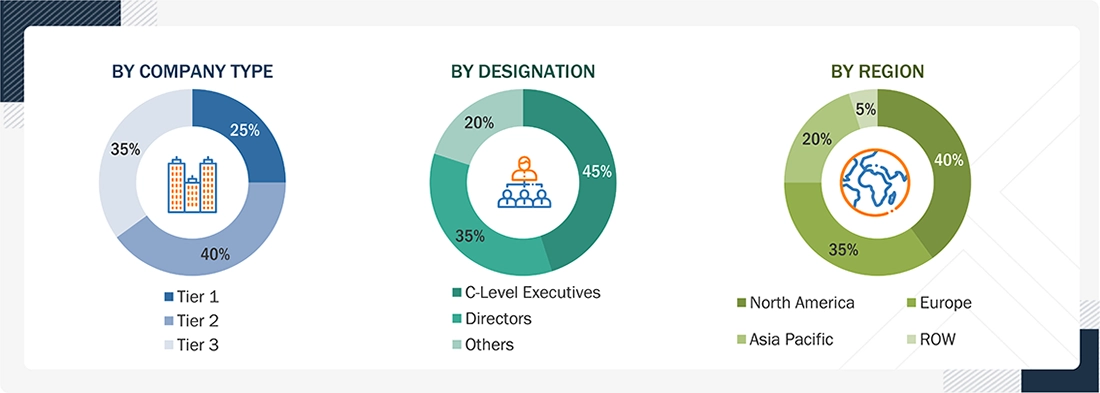
Note 1: Tier 1 companies have revenues over USD 1 billion; Tier 2 companies’ revenues range between USD 500 million and 1 billion; and Tier 3 companies have revenues of less than USD 500 million.
Other designations include sales managers, marketing managers, and product managers.

To know about the assumptions considered for the study, download the pdf brochure

Market Size Estimation

Multiple approaches were adopted to estimate and forecast the size of the traffic management market. The first approach involves estimating market size by summing up the revenue generated by companies through the sale of solutions.

Top-down and bottom-up approaches were used to estimate and validate the total size of the traffic management market. These methods were extensively used to estimate the size of various segments in the market. The research methodology used to evaluate the market size is listed below.

  • Key players in the market have been identified through extensive secondary research.
  • In terms of value, the industry’s supply chain and market size have been determined through primary and secondary research processes.
  • All percentage shares, splits, and breakups have been determined using secondary sources and verified through primary sources.
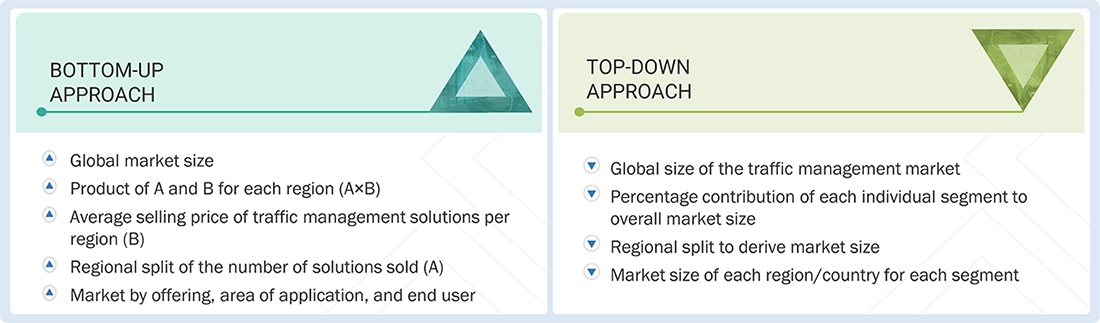
Traffic Management Market Top Down and Bottom Up Approach

Data Triangulation

After arriving at the overall market size from the above estimation process, the traffic management market has been split into several segments and subsegments. To complete the overall market engineering process and arrive at the exact statistics for all segments and subsegments, data triangulation and market breakdown procedures have been used, wherever applicable. The data has been triangulated by studying various factors and trends from both the demand and supply sides. The traffic management market size has been validated using top-down and bottom-up approaches.

Market Definition

Traffic management refers to the planning, monitoring, control, and optimization of traffic flow across road transportation networks to improve mobility, enhance road safety, reduce congestion, and maximize the efficiency of existing transportation infrastructure. It involves the use of technologies such as traffic signal control systems, traffic surveillance cameras, sensors, traffic monitoring platforms, incident detection systems, and intelligent transportation systems (ITS) to collect, analyze, and manage real-time traffic information. Traffic management solutions enable transportation authorities and road operators to monitor roadway conditions, respond to incidents, optimize traffic operations, and support efficient movement of vehicles, pedestrians, and public transportation across urban and interurban networks.

Key Stakeholders

  • Original Equipment Manufacturers (OEMs)
  • Internet of Things (IoT) Technology Vendors
  • Technology Vendors
  • Managed Service Providers (MSPs)
  • Networking and Communications Service Providers (CSPs)
  • Consulting and Advisory Firms
  • Regional Department of Public Transport Authorities
  • Governments and Urban Planning Agencies
  • Regional Associations
  • Investors and Venture Capitalists
  • Independent Software Vendors
  • Value-added Resellers (VARs) and Distributors

Report Objectives

  • To determine, segment, and forecast the traffic management market based on offering, area of application, end user, and region
  • To forecast the size of the market segments with respect to five main regions: North America, Europe, Asia Pacific, the Middle East & Africa, and Latin America
  • To provide detailed information about the major factors (drivers, restraints, opportunities, and challenges) influencing the growth of the market
  • To study the complete supply chain and related industry segments, and perform a supply chain analysis of the market landscape
  • To strategically analyze the macro- and micro-markets with respect to individual growth trends, prospects, and contributions to the total market
  • To analyze the industry trends, pricing data, patents, and innovations related to the market
  • To analyze the opportunities for stakeholders by identifying the high-growth segments of the market
  • To profile the key players in the market and comprehensively analyze their market share/ranking and core competencies
  • To track and analyze competitive developments, such as mergers & acquisitions, product launches & developments, partnerships, and collaborations, in the market

Available customizations:

With the given market data, MarketsandMarkets offers customizations per the company’s specific needs. The following customization options are available for the report:

Geographic Analysis

  • Further breakup of the Asia Pacific market into countries contributing 75% to the regional market size
  • Further breakup of the North American market into countries contributing 75% to the regional market size
  • Further breakup of the Latin American market into countries contributing 75% to the regional market size
  • Further breakup of the Middle East & African market into countries contributing 75% to the regional market size
  • Further breakup of the European market into countries contributing 75% to the regional market size

Company Information

  • Detailed analysis and profiling of additional market players (up to 5)


Key Questions Addressed by the Report

How have Trump-era tariffs influenced sourcing strategies for traffic management solutions?
The imposition of tariffs disrupted traditional supplier relationships, pushing companies to reevaluate their procurement models. Many businesses in the traffic management space began prioritizing supplier diversity and regional partnerships to maintain continuity in system integration and deployment. This shift also increased internal demand for supply chain visibility and agility, prompting investment in smarter forecasting and risk management tools.
What is the definition of the traffic management?
Traffic management involves the various strategies, techniques, and systems used to guide, control, and oversee the movement of vehicles and pedestrians on roadways. The goal is to improve safety, efficiency, and the overall flow of traffic.
What is the size of the traffic management market?
The traffic management market is projected to grow from USD 43.53 billion in 2024 to USD 75.76 billion by 2029, at a CAGR of 11.7% during the forecast period.
What are the major drivers of the traffic management market?
Major drivers of the traffic management market include increased traffic congestion and the need for road safety measures, rising demand for real-time traffic information to drivers and passengers, increasing concerns related to public safety, an increasing urban population, a rising number of vehicles, and inadequate infrastructure. These factors have increased the demand for traffic management hardware, solutions, and services.
Who are the key players operating in the traffic management market?
The major players in the traffic management market include Cisco (US), Mundys SpA (Italy), SWARCO (Austria), Siemens (Germany), IBM (US), Kapsch TrafficCom (Austria), Thales Group (France), Q-Free (Norway), PTV Group (Germany), Teledyne FLIR Systems Inc. (US), Cubic Corporation (US), TomTom (Netherlands), Huawei (China), ST Engineering (Singapore), Chevron TM (England), Indra Sistemas (Spain), and Econolite (US). These players have adopted various growth strategies, such as partnerships, agreements and collaborations, product launches/enhancements, and acquisitions to expand their footprint in the traffic management market.
What are the opportunities for new entrants in the traffic management market?
New entrants in the traffic management market can seize opportunities presented by the growing demand for innovative traffic management solutions, particularly in relation to urban congestion and road safety. This could involve developing and applying advanced technologies like AI and machine learning for real-time traffic prediction and optimization. The Internet of Things (IoT) can also enhance connected infrastructure and smart traffic signals. Moreover, creating user-friendly mobile applications that provide real-time traffic updates and alternative routes for drivers is another avenue to explore.

Personalize This Research

  • Triangulate with your Own Data
  • Get Data as per your Format and Definition
  • Gain a Deeper Dive on a Specific Application, Geography, Customer or Competitor
  • Any level of Personalization
Request A Free Customisation

Let Us Help You

  • What are the Known and Unknown Adjacencies Impacting the Traffic Management Market
  • What will your New Revenue Sources be?
  • Who will be your Top Customer; what will make them switch?
  • Defend your Market Share or Win Competitors
  • Get a Scorecard for Target Partners
Customized Workshop Request

Custom Market Research Services

We Will Customise The Research For You, In Case The Report Listed Above Does Not Meet With Your Requirements

Get 10% Free Customisation

TESTIMONIALS

Growth opportunities and latent adjacency in Traffic Management Market

Vilde

Jun, 2019

Interested in LiDAR (Lighting Detection And Ranging) in the traffic.

Tommaso

Jun, 2018

Understanding the market segments of Traffic Management Market.

Alp

Jun, 2019

Intersted in Traffic management market.

James

Sep, 2013

Interseted in Traffic management market.

sandrine

Jun, 2017

Interested in sensor technology in traffic management market.

Ayanda

Feb, 2015

Interested in traffic management market in south africa .

Constantinos

Oct, 2018

Understanding the market size and growth in traffic management system and itelligent transport systems..

Thierry

Jul, 2016

Interseted in Traffic management market.

G

May, 2019

Interested in Trafiic control market.

Bogdan

Mar, 2019

Interested in Traffic management market in south africa .

Dimitry

Jun, 2019

Understanding the market segments of Traffic Management Market.

Fedor

Jun, 2019

Interested in Traffic Management Market.

Akshay

Dec, 2018

Understanding the close-loop traffic light control system market.

Dimitry

Jun, 2019

Understanding the market segments of Traffic Management Market.

Elif

Apr, 2019

Market prediction and future scope of traffic management system.

Richard

Feb, 2015

Segments and players in the solution segments.

Lukas

Oct, 2017

Interested in Traffic management market in south africa .

Bogdan

Aug, 2019

Interested in Traffic management market in south africa .

Claire

Jul, 2016

Interested in data on toll management solutions.

Govardhan

Jul, 2014

Interseted in Traffic management market.

DEVARAJU

Feb, 2019

Interested in Traffic Survey Market.

Tobias

Jan, 2019

Interested in market size and forecast of traffic management market.

Show More
DMCA.com Protection Status