
Personalized Nutrition Market

Personalized Nutrition Market by Product (Products, Services, Digital Tools), Application (General Lifestyle, Beauty, Skin & Longevity, Weight Management & Metabolic Health), End-use, Personalization Basis, Type, & Region - Global Forecast to 2030




OVERVIEW
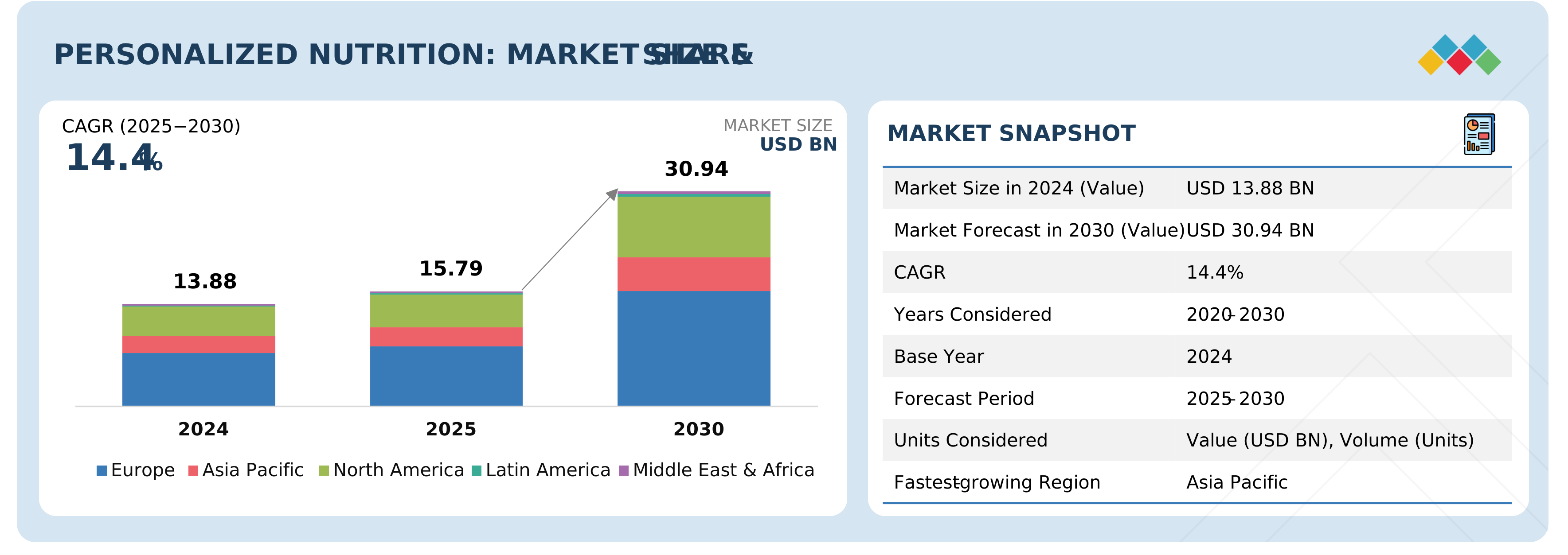
Source: Secondary Research, Interviews with Experts, MarketsandMarkets Analysis
The personalized nutrition market is projected to reach USD 30.94 billion by 2030 from USD 15.79 billion in 2025, at a CAGR of 14.4% from 2025 to 2030. The market is growing quickly as consumer desires shift from general health recommendations to individual solutions based on personal data.
KEY TAKEAWAYS
- The North America personalized nutrition market accounted for 48.5% revenue share in 2024.
- By solution type, the digital tools/platforms segment is expected to register the highest CAGR of 16.4%.
- By type, the active segment is projected to grow at the fastest rate from 2025 to 2030.
- By end-use, the direct consumers segment is expected to dominate the market during the forecast period from 2025 to 2030.
- By application, the clinical nutrition & disease management segment is projected to grow at the fastest rate from 2025 - 2030.
- By personalization basis, the nutrigenomic segment is expected to dominate the market, growing at a rate of 14.9% during the forecast period.
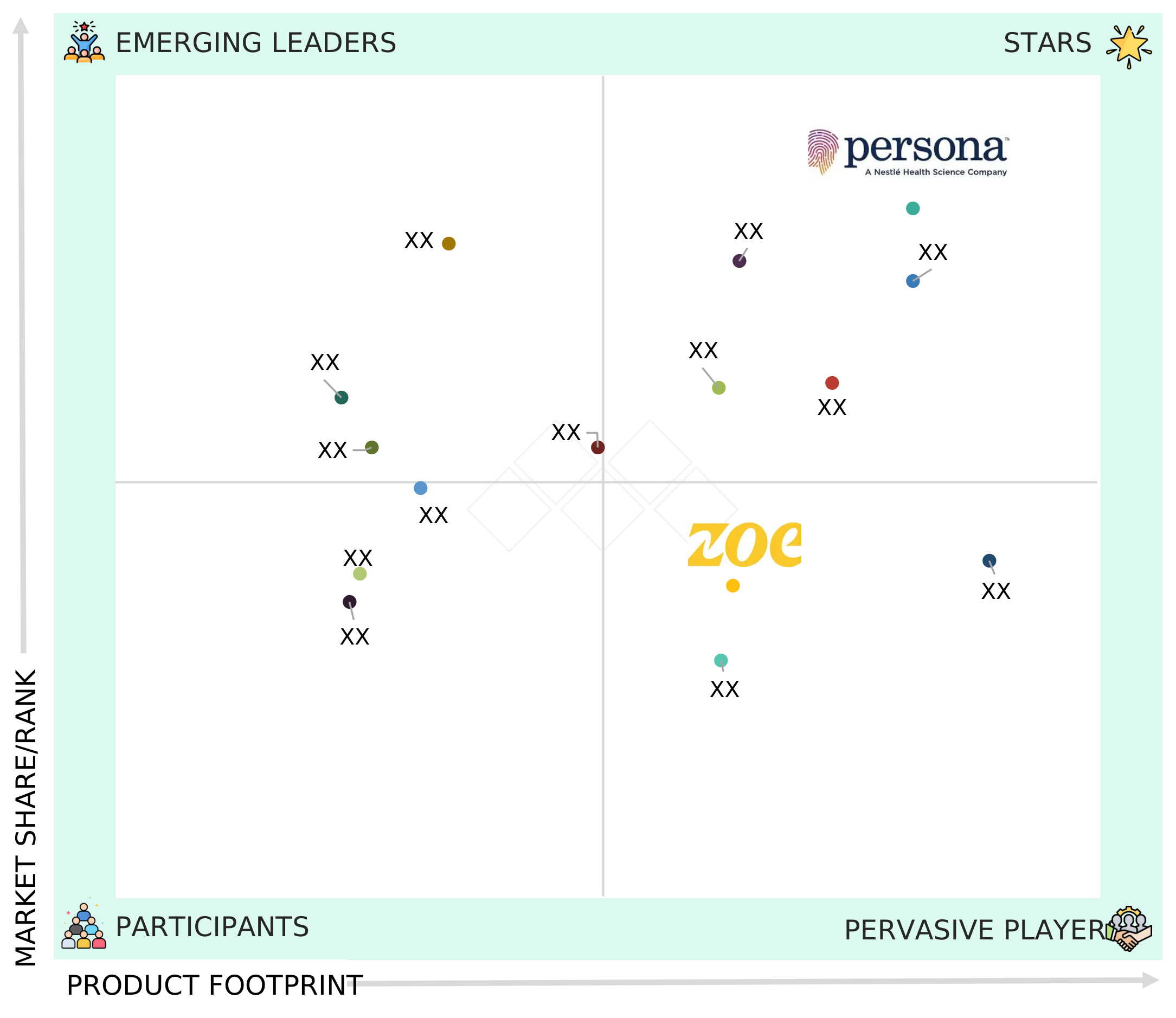
- Abbott, Nestlé, Medtronic, Prenetics, and ZOE were identified as some of the star players in the personalized nutrition market, given their strong market share and product footprint.
- Alba Health and CarePredict, among others, have distinguished themselves among startups and SMEs by securing strong footholds in specialized niche areas, underscoring their potential as emerging market leaders.
The personalized nutrition market is largely influenced by the intersection of nutrition science, digital health, and consumer wellness trends—a confluence that yields offerings that include personalized supplements, microbiome and genetic testing, continuous monitoring devices, and AI dietary coaching. This draws consumers in with the idea of enabling individuals to apply insights into the interaction of personal biology, lifestyle, and preferences with nutrition—moving beyond a "one-size-fits-all" approach to diet.
TRENDS & DISRUPTIONS IMPACTING CUSTOMERS' CUSTOMERS
The impact on consumers' business emerges from health trends and lifestyle disruptions. Health service providers, digital platforms, and supplement companies are clients of personalized nutrition solution providers, while target applications include fitness, chronic disease management, and general wellness. Shifts in consumer behavior, such as demand for preventive healthcare or disruptions like rising metabolic disorders, will impact the revenues of end users. The revenue impact on healthcare providers, fitness companies, and wellness platforms will affect the revenue of solution enablers, which will further affect the revenues of personalized nutrition technology developers and product manufacturers.
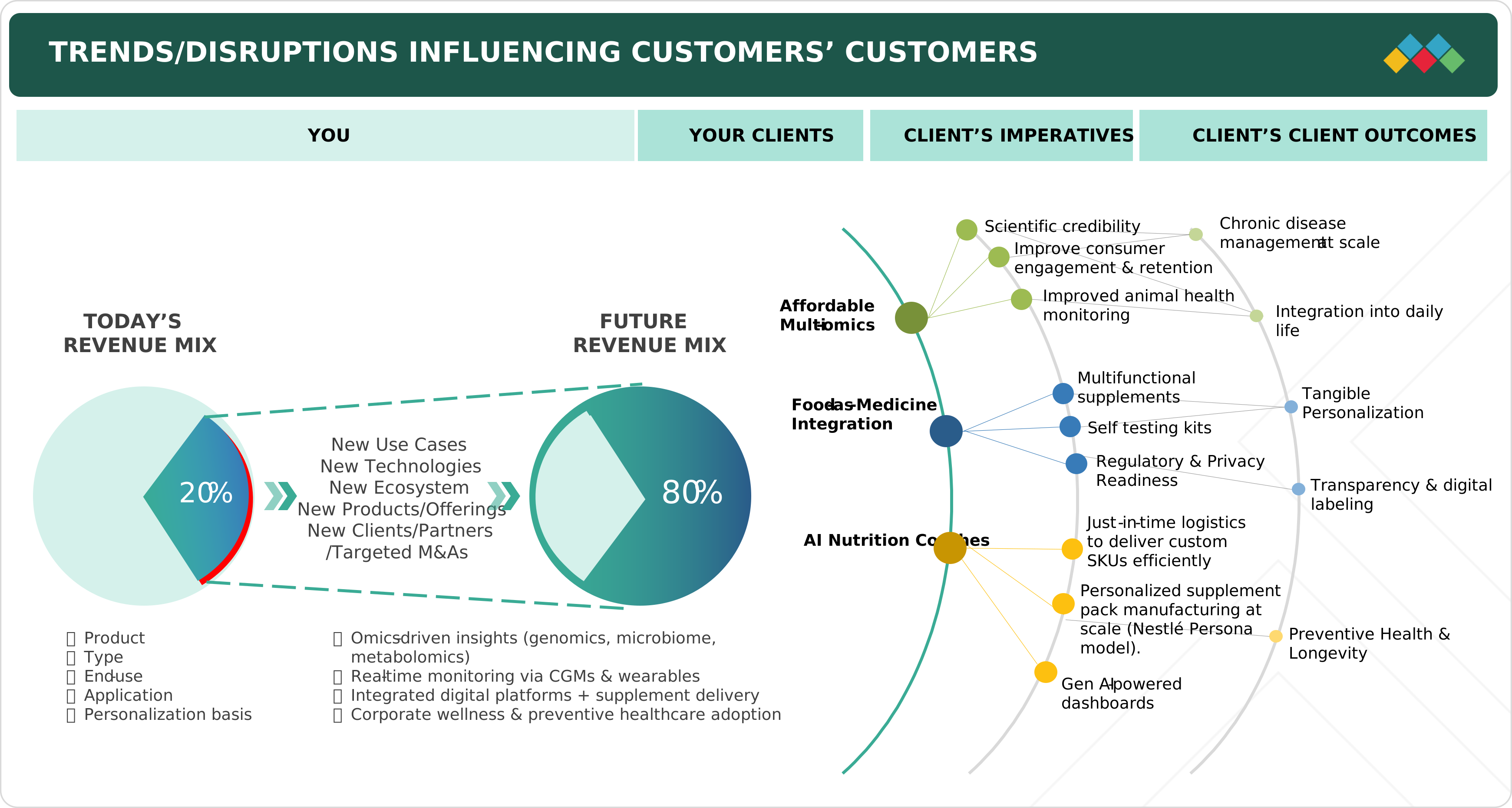
Source: Secondary Research, Interviews with Experts, MarketsandMarkets Analysis
MARKET DYNAMICS

Level
-
Technological advances in omics, wearables, and AI

-
Preventive healthcare adoption by corporates, insurers, and providers


Level
-
High costs of active measurement tests and supplements

-
Fragmentation of market definitions and lack of standardized frameworks


Level
-
Integration of AI-driven platforms to deliver scalable, adaptive personalization

-
Expansion into corporate wellness and insurer-backed preventive healthcare programs


Level
-
Complexity in scaling personalization across geographies due to cultural, dietary, and infrastructure differences

-
Consumer engagement and retention difficulty due to churn in subscription models

Source: Secondary Research, Interviews with Experts, MarketsandMarkets Analysis
Driver: Technological advances in omics, wearables, and AI
The rapid evolution of omics technologies—genomics, proteomics, metabolomics—and their integration with AI analytics is transforming personalized nutrition. Genetic and microbiome sequencing costs have fallen significantly, allowing companies like ZOE and Viome to provide actionable insights at scale. Simultaneously, wearables such as Abbott’s Libre and emerging continuous glucose monitoring solutions generate real-time data on metabolic responses, empowering consumers to make immediate dietary adjustments. AI-driven platforms analyze this complex data, translating it into simple, personalized guidance delivered via apps and digital coaches.
Restraint: High costs of active measurement tests and supplements
Despite falling costs, genetic testing, microbiome sequencing, and advanced biomarker kits remain expensive for average consumers. Subscription supplements and apps that include ongoing testing can cost hundreds of dollars annually, creating affordability barriers in price-sensitive markets. This limits penetration to affluent, health-conscious early adopters while excluding large sections of the population, particularly in emerging markets. Without insurance coverage or employer subsidies, many consumers view active personalization as a premium luxury rather than an essential service.
Opportunity: Integration of AI-driven platforms to deliver scalable, adaptive personalization
Artificial intelligence presents a transformative opportunity to make personalization both scalable and adaptive. By analyzing large datasets from wearables, genetic testing, microbiome sequencing, and consumer behaviour, AI-driven platforms can deliver real-time, evolving nutrition guidance at scale. Unlike static questionnaires, AI continuously refines recommendations as new data is collected, improving relevance and outcomes.
Challenge: Complexity in scaling personalization across geographies due to cultural, dietary, and infrastructure differences
Personalized nutrition is inherently tied to local dietary habits, ingredient availability, and cultural preferences. Solutions developed in Western markets often face adoption challenges in Asia, Latin America, or Africa, where food culture, affordability, and consumer health priorities differ significantly. Logistics further complicate scaling, as supplement pack customization and test kit distribution require regional manufacturing and fulfillment capabilities. Regulatory environments also vary widely, making it difficult to standardize offerings across borders.
personalized nutrition market: COMMERCIAL USE CASES ACROSS INDUSTRIES
| COMPANY | USE CASE DESCRIPTION | BENEFITS |
|---|---|---|
 |
Continuous glucose monitoring (CGM) devices integrated with lifestyle apps (Libre, Lingo) for real-time nutrition feedback. | Enables personalized diet adjustments, improves metabolic health management, supports diabetes prevention, and broadens access to clinical-grade personalization. |
 |
Personalized supplement programs (Persona Nutrition) with digital profiling and subscription packs tailored to lifestyle and health needs. | Delivers convenient nutrition personalization, builds long-term customer loyalty, ensures science-backed formulations, and integrates into corporate wellness. |
 |
Microbiome, blood, and wearable data combined with AI-driven app for individualized diet guidance. | Provides evidence-based dietary personalization, enhances weight management outcomes, builds consumer trust via clinical trials, and scales engagement through subscriptions. |
 |
At-home microbiome and RNA sequencing tests linked to personalized supplement formulations and diet recommendations. | At-home microbiome and RNA sequencing tests linked to personalized supplement formulations and diet recommendations. |
Logos and trademarks shown above are the property of their respective owners. Their use here is for informational and illustrative purposes only.
MARKET ECOSYSTEM
The personalized nutrition market sits at the intersection of health, technology, and consumer wellness, offering tailored dietary and supplement solutions based on individual biology, lifestyle, and goals. Built on advances in genomics, microbiome science, biomarkers, and AI-driven analytics, the ecosystem spans from ingredient suppliers and diagnostic innovators to digital health platforms and supplement providers. With consumers increasingly seeking proactive health management, the market is shifting from generic wellness products to data-driven, clinically validated personalization, making it a fast-evolving and highly competitive landscape.
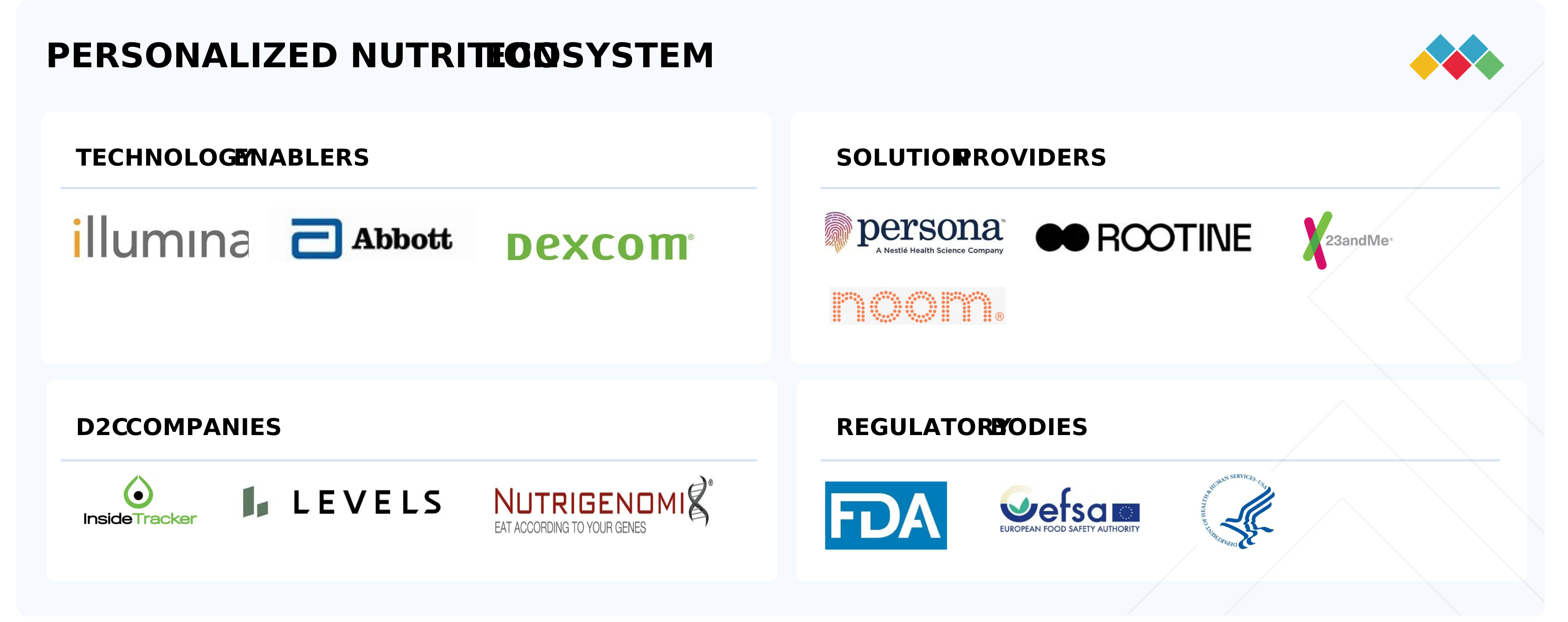
Logos and trademarks shown above are the property of their respective owners. Their use here is for informational and illustrative purposes only.
MARKET SEGMENTS
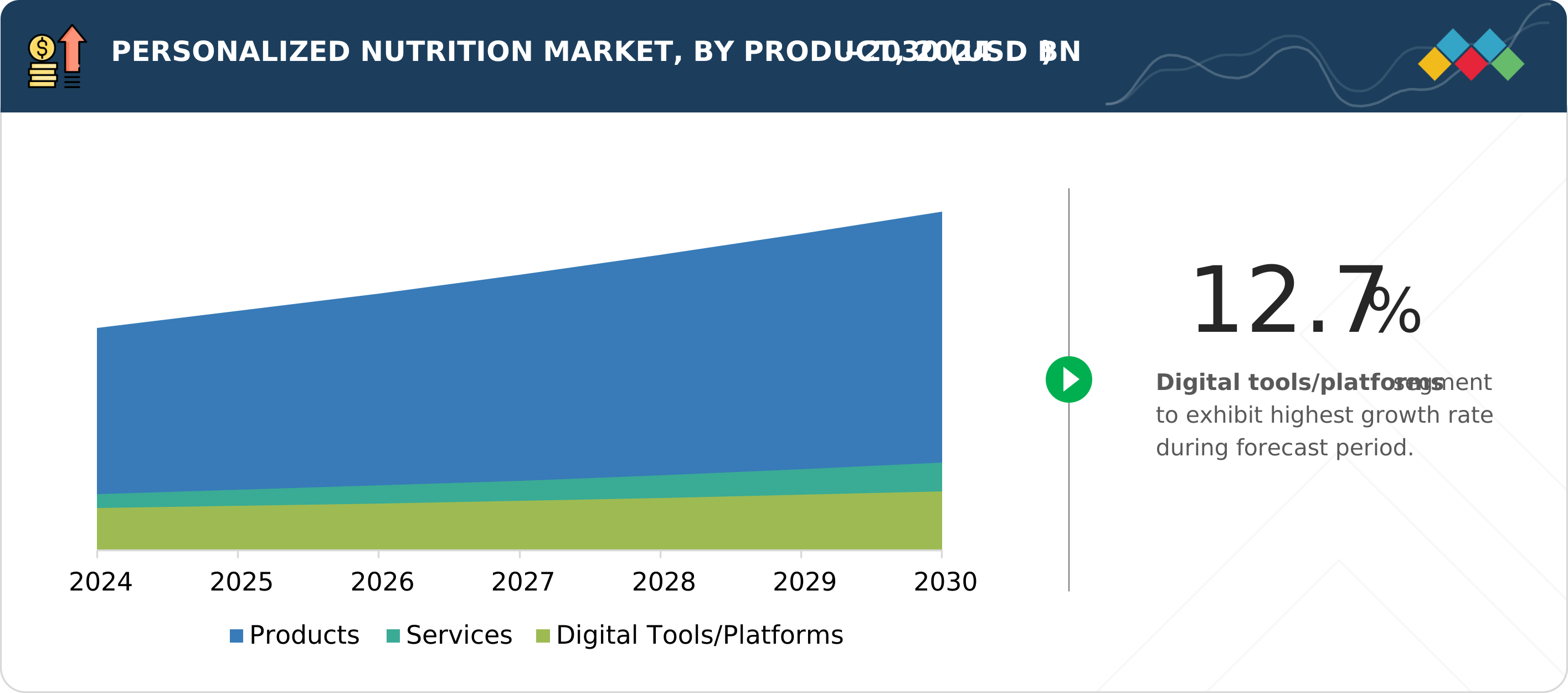
Source: Secondary Research, Interviews with Experts, MarketsandMarkets Analysis
Personalized Nutrition Market, By Product
The personalized nutrition market is structured around four main product categories: supplements, functional foods and beverages, diagnostics, and digital tools. Supplements dominate today, with companies like Nestlé Persona, Rootine, and Seed Health offering customized vitamin packs and probiotics. Functional foods and beverages—fortified drinks, tailored meal kits—are gaining traction as personalization enters everyday diets. Diagnostics such as DNA, microbiome, and biomarker tests provide the scientific foundation for personalization, while digital tools and platforms (apps, AI coaches, wearables) serve as the engagement layer that integrates products with consumer behaviour
Personalized Nutrition Market, By Type
Personalized nutrition solutions fall into two broad types: Standard Measurement and Active Measurement. Standard approaches rely on demographic inputs, lifestyle questionnaires, and BMI profiling to generate recommendations. These are low-cost, widely scalable, and serve as the entry point for mass-market adoption, but face challenges of commoditization and consumer scepticism. Active approaches leverage wearables, continuous glucose monitoring, microbiome or genetic sequencing, and biomarker testing to deliver real-time, science-backed personalization
Personalized Nutrition Market, By Application
Applications of personalized nutrition span general wellness, chronic disease management, preventive healthcare, and specialized segments. Currently, general wellness dominates, driven by weight management, fitness, and lifestyle optimization solutions that are affordable and widely accessible. Companies like Noom, InsideTracker, and ZOE attract large consumer bases through app-driven diet programs and supplement personalization. However, chronic disease management is the fastest-growing segment, particularly in diabetes, obesity, and cardiovascular care, where insurers, employers, and providers are integrating nutrition as a cost-saving preventive tool
Personalized Nutrition Market, By End-use
The end-use structure of the personalized nutrition market spans direct consumers, healthcare providers, corporate wellness, insurers, and fitness/wellness centers. Direct-to-consumer remains the largest segment, fueled by e-commerce subscriptions, apps, and test kits. However, retention challenges and high customer acquisition costs limit scalability. Healthcare providers increasingly integrate personalized nutrition into patient care, particularly for metabolic and chronic conditions, lending clinical legitimacy to the sector. Corporate wellness and insurers represent a high-growth channel, as preventive nutrition reduces long-term healthcare costs, offering a more stable revenue stream
Personalized Nutrition Market, By Personalization basis
Personalized nutrition is fundamentally delivered through two personalization bases: standard and active. Standard personalization uses demographic, lifestyle, and self-reported data to tailor supplements or diets, offering affordability and scalability. This approach dominates low-cost subscription models but risks consumer disengagement due to perceived generic outputs. Active personalization leverages scientific and real-time inputs—genomics, microbiome sequencing, CGMs, biomarkers—creating a data-driven, dynamic approach with higher accuracy and credibility
REGION
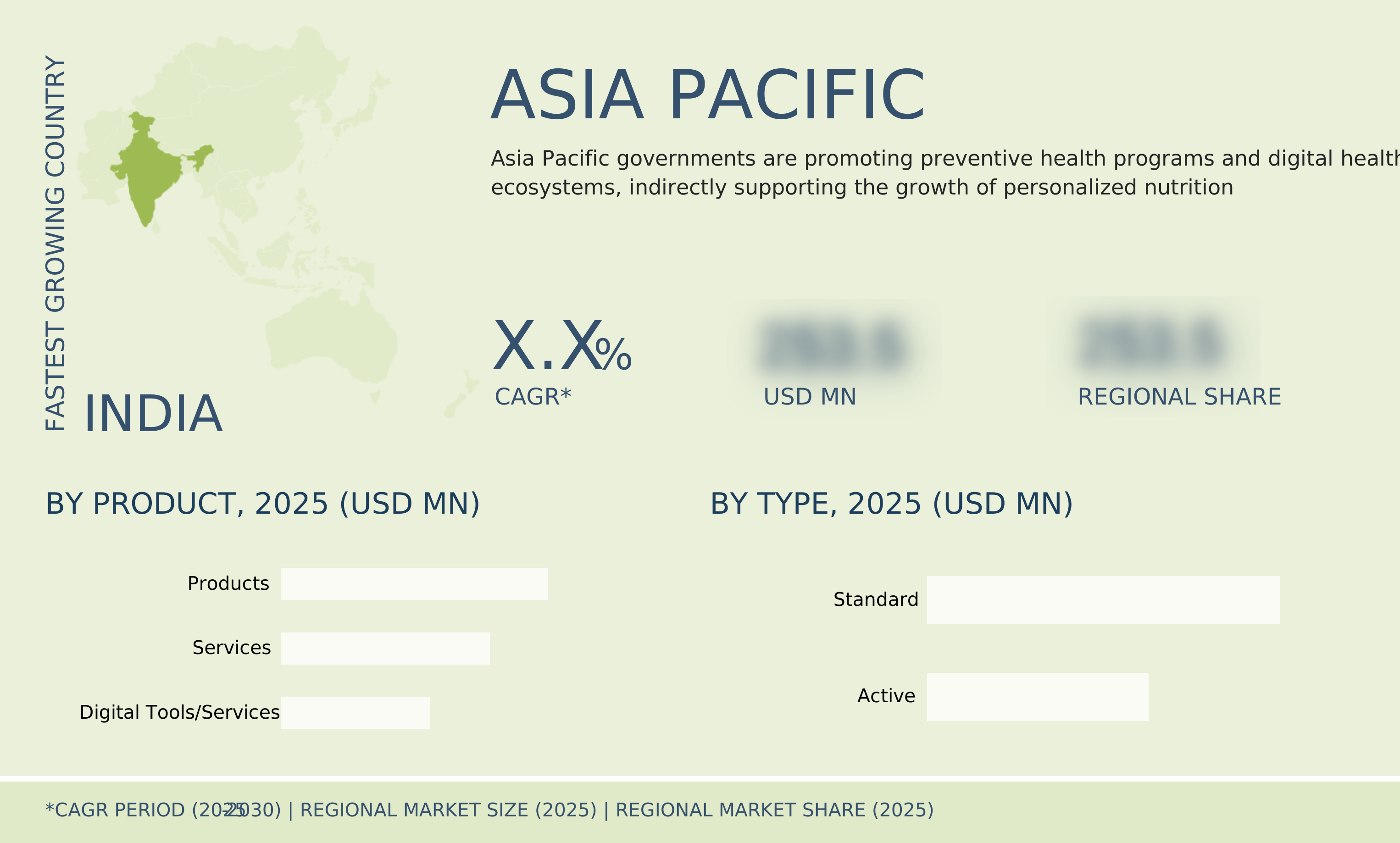
Asia Pacific to be fastest-growing region in global personalized nutrition market during forecast period
Asia Pacific is emerging as the fastest-growing region in the personalized nutrition market, driven by rising health awareness, urbanization, and increasing disposable incomes. Consumers across countries like China, India, Japan, and South Korea are becoming more proactive about preventive healthcare, particularly due to the growing burden of chronic diseases such as diabetes, obesity, and cardiovascular conditions. This shift has accelerated the adoption of nutrition solutions tailored to individual genetic makeup, lifestyle, and health needs.
personalized nutrition market: COMPANY EVALUATION MATRIX
Nestlé Health Science (Switzerland) is the current leader in the global personalized nutrition market. Its leadership comes from a strong portfolio of science-backed brands (Persona Nutrition, Garden of Life, Pure Encapsulations, Vital Proteins) and its ability to scale personalization through supplements, medical nutrition, and digital platforms. Meanwhile, among startups, ZOE (US) is positioned to lead the active personalization segment. Its microbiome, blood biomarker, and wearable integration model give it scientific credibility and strong consumer adoption
Source: Secondary Research, Interviews with Experts, MarketsandMarkets Analysis
KEY MARKET PLAYERS
MARKET SCOPE
| REPORT METRIC | DETAILS |
|---|---|
| Market Size in 2025 (Value) | USD 15.79 Billion |
| Market Forecast in 2030 (value) | USD 30.94 Billion |
| Growth Rate | CAGR of 14.4% from 2025-2030 |
| Years Considered | 2020-2030 |
| Base Year | 2024 |
| Forecast Period | 2025-2030 |
| Units Considered | Value (USD Million/Billion), Volume (Units Sold) |
| Report Coverage | Revenue forecast, company ranking, competitive landscape, growth factors, and trends. |
| Segments Covered |
|
| Regions Covered | North America, Asia Pacific, Europe, South America, Rest of the World |
WHAT IS IN IT FOR YOU: personalized nutrition market REPORT CONTENT GUIDE
DELIVERED CUSTOMIZATIONS
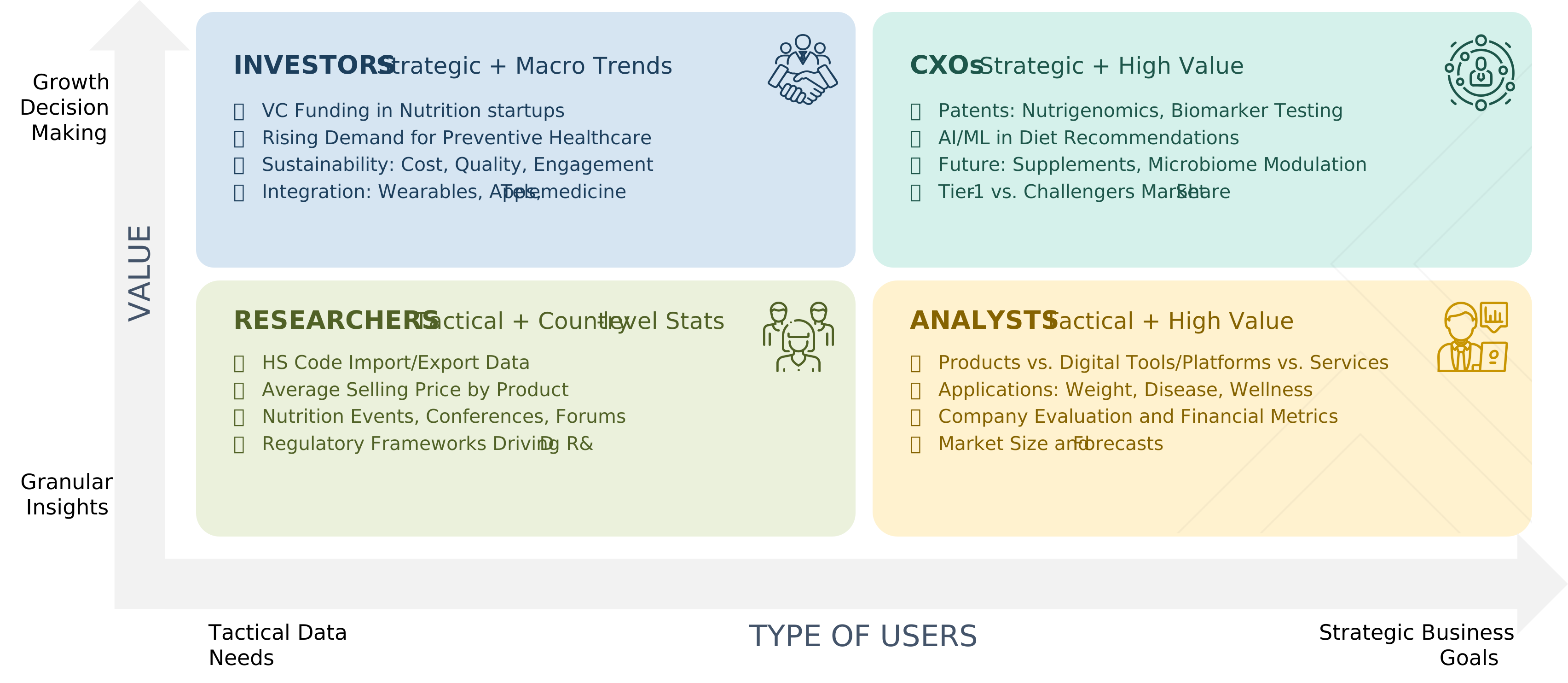
We have successfully delivered the following deep-dive customizations:
| CLIENT REQUEST | CUSTOMIZATION DELIVERED | VALUE ADDS |
|---|---|---|
| APAC-based Personalized Nutrition Startups |
|
Mapped white spaces for affordable, scalable personalization solutions |
| Healthcare & Diagnostics Companies |
|
|
| European Food & Supplement Companies |
|
|
RECENT DEVELOPMENTS
- November 2023 : Viome acquired Naring Health to further its offerings in personalized nutrition & longevity research. It expanded into the oral health space with Oral Health Intelligence Test and Oral Health Pro with CancerDetect for dental professionals.
- March 2025 : Noom partnered with Collective Health to offer an integrated GLP-1 weight management solution combining medication and personalized coaching for employer populations.
- January 2025 : InsideTracker partnered with Ultrahuman to bring Blood Vision, a preventive blood-testing platform powered by Ultrahuman’s UltraTrace tech, to US consumers. This combines InsideTracker’s Heart Category Test with data from Ultrahuman Ring AIR, wearables, etc., for cardiovascular health insights.
- May 2024 : Seed launched VS-01, a vaginal synbiotic formulated with proprietary L. crispatus strains. Clinical data demonstrated its efficacy in restoring and maintaining an optimal vaginal microbiome, addressing women’s health needs.
Table of Contents
 Exclusive indicates content/data unique to MarketsandMarkets and not available with any competitors.
Methodology
The study involved two major approaches in estimating the current size of the personalized-nutrition-market. Exhaustive secondary research was done to collect information on the market, peer, and parent markets. The next step was to validate these findings, assumptions, and sizing with industry experts across the value chain through primary research. Both top-down and bottom-up approaches were employed to estimate the complete market size. After that, market breakdown and data triangulation were used to estimate the market size of segments and subsegments.
Secondary Research
This research study involved the extensive use of secondary sources—directories and databases such as Bloomberg Businessweek and Factiva—to identify and collect information useful for a technical, market-oriented, and commercial study of the market.
In the secondary research process, various sources such as annual reports, press releases & investor presentations of companies, white papers, food journals, certified publications, articles from recognized authors, directories, and databases were referred to to identify and collect information.
Secondary research was mainly used to obtain key information about the industry’s supply chain, the total pool of key players, and market classification and segmentation as per the industry trends to the bottom-most level, regional markets, and key developments from both market- and technology-oriented perspectives.
Primary Research
Extensive primary research was conducted after obtaining information regarding the personalized-nutrition-market scenario through secondary research. Several primary interviews were conducted with market experts from both the demand and supply sides across major countries of North America, Europe, Asia Pacific, South America, and the Rest of the World. Primary data was collected through questionnaires, emails, and telephonic interviews. The primary sources from the supply side included various industry experts, such as Chief X Officers (CXOs), Vice Presidents (VPs), Directors from business development, marketing, research, and development teams, and related key executives from distributors and key opinion leaders. Primary interviews were conducted to gather insights, including market statistics, revenue data from products and services, market breakdowns, market size estimations, market forecasting, and data triangulation. Primary research also helped in understanding the various trends related to personalized nutrition products, end-use, type, personalization basis, application, and region. Stakeholders from the demand side, such as end-users, were interviewed to understand the buyer’s perspective on the suppliers, products, their current usage of personalized nutrition products & services, and the outlook of their business, which will affect the overall market.
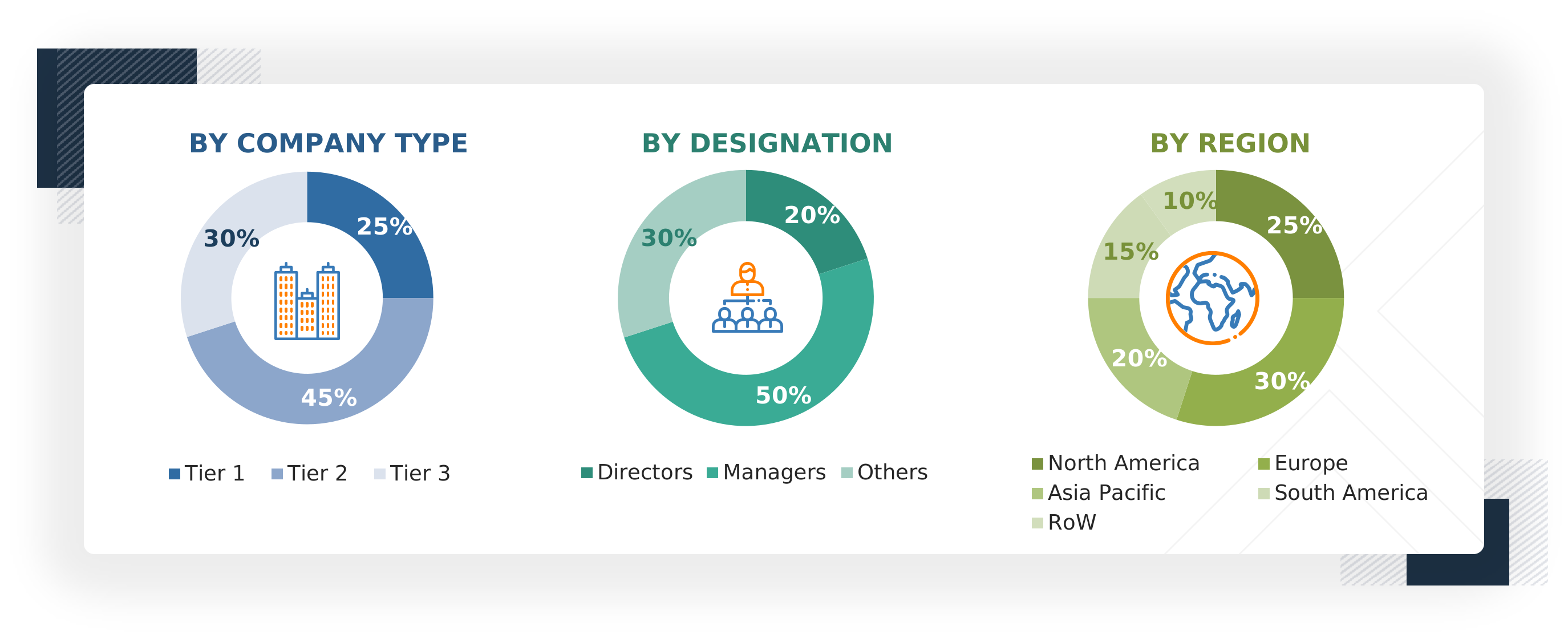
Note: The three tiers of the companies are defined based on their total revenues in 2023 or 2024,
as per the availability of financial data: Tier 1: Revenue >USD 1 billion; Tier 2: USD 100 million = Revenue = USD 1 billion;
Tier 3: Revenue
To know about the assumptions considered for the study, download the pdf brochure
|
COMPANY |
DESIGNATION |
|
Zoe (UK) |
General Manager |
|
Nestle Health Science (New Zealand) |
Sales Manager |
|
Abott (US) |
Manager |
|
Seed Health(US) |
Head of Processing Department |
|
Suggestic (US) |
Marketing Manager |
|
Viome (US) |
Sales Executive |
Market Size Estimation
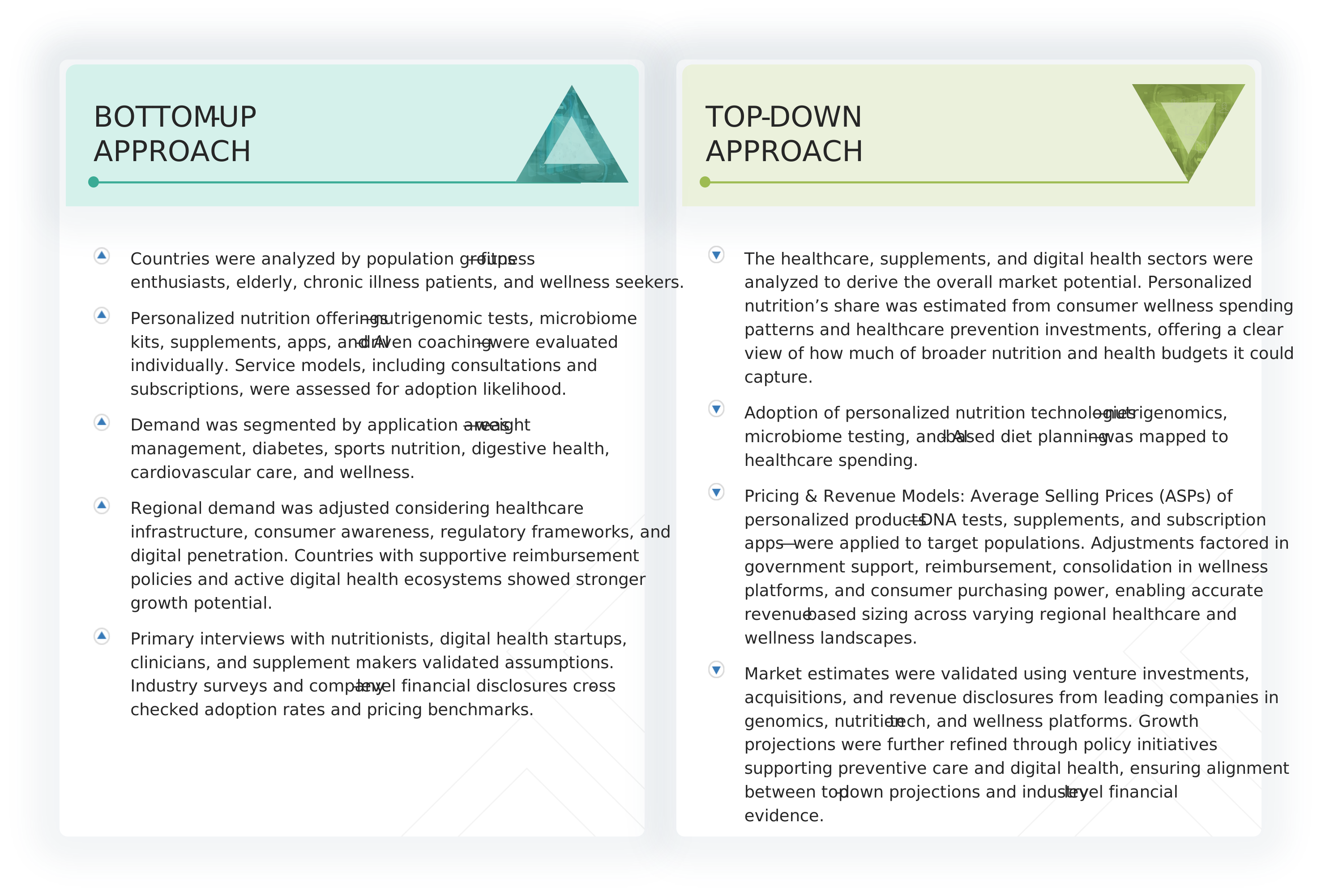
Both the top-down and bottom-up approaches were used to estimate and validate the total size of the personalized nutrition market. These approaches were also used extensively to determine the size of various subsegments in the market. The research methodology used to estimate the market size includes the following details:
- The key players in the industry and the overall markets were identified through extensive secondary research.
- All shares, splits, and breakdowns were determined using secondary sources and verified through primary sources.
- All possible parameters that affect the market covered in this research study were accounted for, viewed in extensive detail, verified through primary research, and analyzed to obtain final quantitative and qualitative data.
- The research included the study of reports, reviews, and newsletters of top market players, along with extensive interviews for opinions from leaders, such as CEOs, directors, and marketing executives.
personalized-nutrition-market : Top-Down and Bottom-Up Approach
Data Triangulation
After arriving at the overall market size from the estimation process explained above, the total market was split into several segments and subsegments. The data triangulation and market breakdown procedures were employed, wherever applicable, to estimate the overall personalized nutrition market and arrive at the exact statistics for all segments and subsegments. The data was triangulated by studying various factors and trends from the demand and supply sides. The market size was also validated using both the top-down and bottom-up approaches.
Market Definition
Personalized nutrition (PN) represents an approach aimed at delivering tailored dietary recommendations, products, or services to support both prevention and treatment of nutrition-related conditions and to improve individual health using genetic, phenotypic, medical, nutritional, and other pertinent information. Technically, personalized nutrition associates with an individual’s genetic, medical, nutritional, phenotypic, metabolic, biochemistry, and other information to produce healthy eating options as per his/her needs. Personalized nutrition is beneficial for both patients and healthy individuals.
Stakeholders
- Technology & Diagnostics Providers
- Personalized supplement manufacturers
- Functional food & beverage companies
- Digital Platforms & Service Providers
- Healthcare & Wellness Ecosystem
- Market research and consulting firms
- Intellectual property vendors
- Pharmaceutical & biotech companies
- Research institutions & universities
- Government & regulatory bodies (FDA, EFSA, regional health agencies setting safety and labeling standards)
Report Objectives
- To determine and project the size of the personalized nutrition market based on product, end-use, type, personalization basis, application, and region in terms of value over five years, ranging from 2025 to 2030
- To identify the attractive opportunities in the market by determining the largest and fastest-growing segments across regions
- To provide detailed information about the key factors influencing market growth (drivers, restraints, opportunities, and challenges)
- To analyze the opportunities in the market for stakeholders and provide details of the competitive landscape for market leaders
- To analyze the micro-markets with respect to individual growth trends, prospects, and their contribution to the total market
- To identify and profile the key players in the personalized nutrition market
- To understand the competitive landscape and identify the major growth strategies adopted by players across the key regions
Available Customizations
With the given market data, MarketsandMarkets offers customizations according to company-specific scientific needs. The following customization options are available for the report:
Product Analysis
- Product Matrix, which gives a detailed comparison of the product portfolio of each company.
Geographic Analysis as per Feasibility
With the given market data, MarketsandMarkets offers customizations according to company-specific scientific needs.
- Further breakdown of the Rest of Europe personalized nutrition market into key countries.
- Further breakdown of the Rest of Asia Pacific personalized nutrition market into key countries.
- Further breakdown of the Rest of South America personalized nutrition market into key countries.
Company Information
- Detailed analyses and profiling of additional market players (up to five)
Need a Tailored Report?
Customize this report to your needs
Get 10% FREE Customization
Customize This ReportPersonalize This Research
- Triangulate with your Own Data
- Get Data as per your Format and Definition
- Gain a Deeper Dive on a Specific Application, Geography, Customer or Competitor
- Any level of Personalization
Let Us Help You
- What are the Known and Unknown Adjacencies Impacting the Personalized Nutrition Market
- What will your New Revenue Sources be?
- Who will be your Top Customer; what will make them switch?
- Defend your Market Share or Win Competitors
- Get a Scorecard for Target Partners

Custom Market Research Services
We Will Customise The Research For You, In Case The Report Listed Above Does Not Meet With Your Requirements
Get 10% Free Customisation



Growth opportunities and latent adjacency in Personalized Nutrition Market