Breath Analyzers Market

Breath Analyzers Market by Technology (Fuel Cells, Semiconductor Oxide Sensors, Other Technologies), Application (Alcohol Detection, Drug Abuse Detection, Medical Applications), End User (Law Enforcement Agencies, Enterprises) - Global Forecast to 2031



OVERVIEW
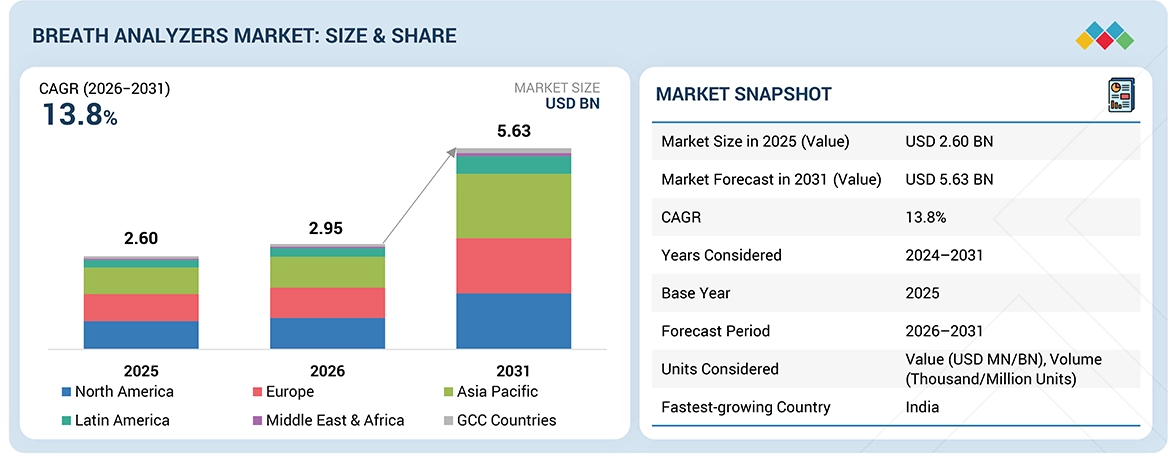
Source: Secondary Research, Interviews with Experts, MarketsandMarkets Analysis
The Breath Analyzers market, valued at US$2.60 billion in 2025, stood at US$2.95 billion in 2026 and is projected to advance at a resilient CAGR of 13.8% from 2026 to 2031, culminating in a forecasted valuation of US$5.63 billion by the end of the period. The global breath analyzers market is experiencing steady growth driven by increasing concerns related to road safety, rising alcohol consumption, and the growing need for rapid and non-invasive diagnostic technologies. Breath analyzers are widely used by law enforcement agencies to measure blood alcohol concentration (BAC) levels in drivers and enforce drunk-driving regulations. Stringent government policies and increasing road safety initiatives across developed and developing countries are significantly supporting market expansion. In addition to alcohol detection, breath analyzers are increasingly being explored for medical applications, including the diagnosis and monitoring of diseases such as asthma, chronic obstructive pulmonary disease (COPD), diabetes, and certain infections through breath biomarker analysis. Technological advancements in sensor technologies, including fuel-cell and semiconductor sensors, are improving device accuracy and portability. Furthermore, the growing adoption of portable and smartphone-connected breath analyzers for personal and workplace monitoring is creating new growth opportunities. Increasing healthcare awareness and expansion of diagnostic infrastructure are also expected to support market growth in the coming years.
KEY TAKEAWAYS
-
MARKET SNAPSHOT:
Base Year Market Size (2025): US$2.60 Billion
Current Market Size (2026): US$2.95 Billion
Forecast Market Size (2031): US$5.63 Billion
CAGR (2026–2031): 13.8% -
SEGMENT LEADERSHIP:
By Region: North America held the largest market share of 30.4% in 2025.
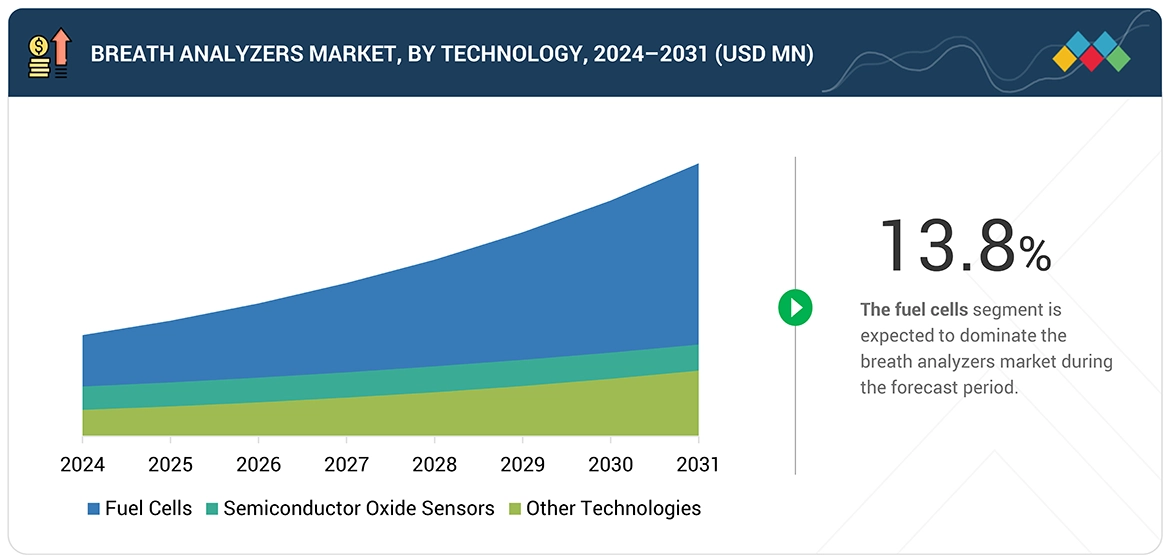
By Technology: Fuel cells dominated the market with a share of 58.0% in 2025.
By Application: Drug abuse detection is expected to record the highest CAGR of 15.7% during the forecast period.
By End User: Law enforcement agencies are likely to register the highest CAGR during the forecast period. -
MARKET OUTLOOK & COMPETITIVE LANDSCAPE:
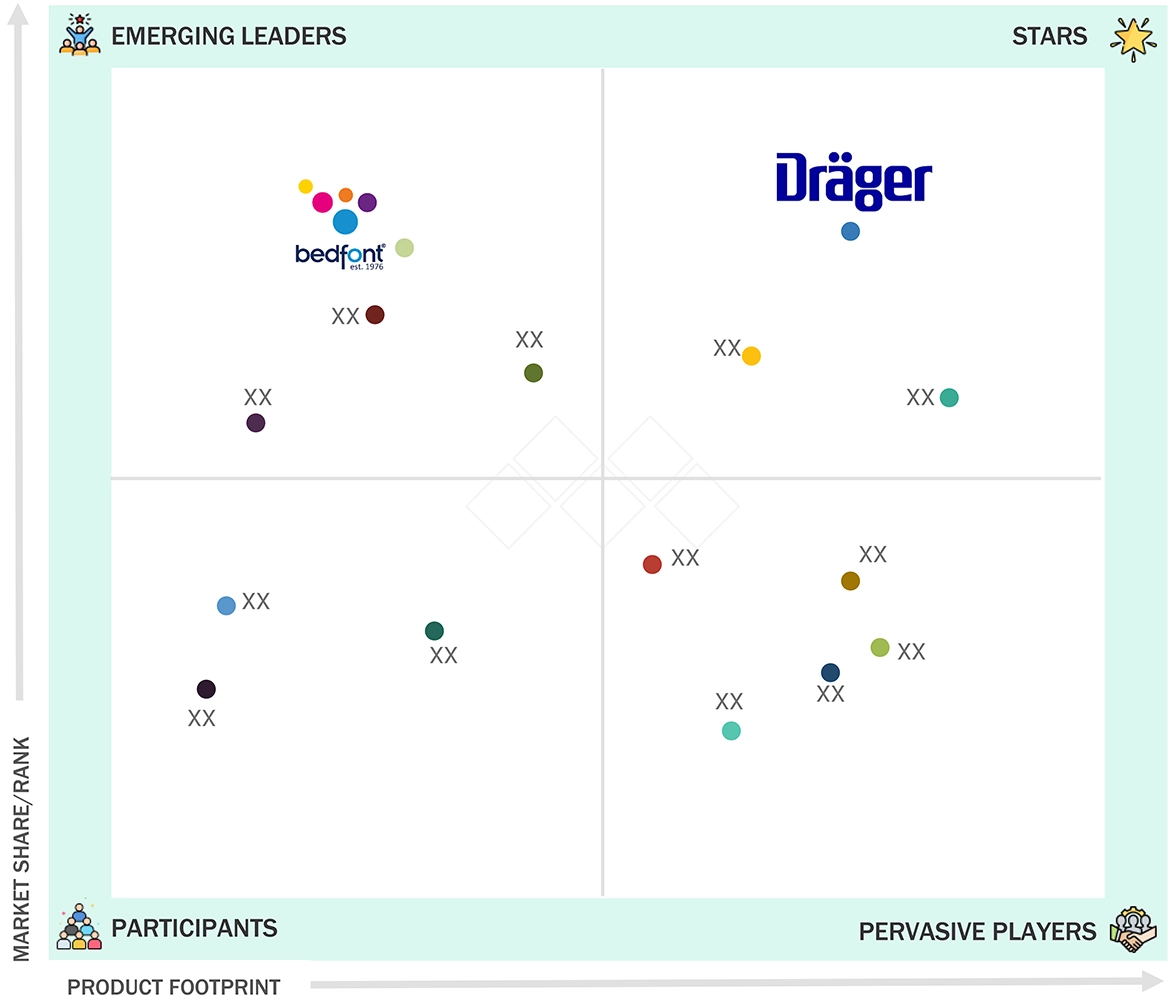
Drägerwerk AG & Co. KGaA (Germany), Alcohol Countermeasure Systems Corporation (ACS) (Canada), and Intoximeters, Inc. (US) were identified as star players due to their focus on innovation, broad industry coverage, and strong operational and financial strength.
Bedfont Scientific Ltd. (UK), Breathomix (Netherlands), Owlstone Medical (UK), and Hound Labs (US) are among the key startups and SMEs due to their strong product portfolios and business strategies.
The global breath analyzers market is witnessing notable growth due to the increasing focus on public safety, technological advancements in alcohol detection devices, and the expanding use of breath analysis in medical diagnostics. Breath analyzers are widely used by law enforcement agencies for roadside alcohol testing to prevent driving under the influence (DUI), which remains a major cause of traffic accidents worldwide. Governments across various countries are implementing stricter regulations and alcohol testing programs, thereby increasing the adoption of breath analyzer devices. In addition to forensic and law enforcement applications, breath analyzers are gaining attention in healthcare settings for detecting biomarkers associated with diseases such as asthma, gastrointestinal disorders, and metabolic conditions. Continuous advancements in sensor technologies, miniaturization of devices, and the development of portable, user-friendly breath analyzers are further supporting market growth. Moreover, increasing workplace safety regulations and growing consumer awareness of alcohol monitoring are driving the global demand for breath analyzer devices.
TRENDS & DISRUPTIONS IMPACTING CUSTOMERS' CUSTOMERS
The breath analyzers market is shifting from traditional alcohol-only, one-time device sales toward connected, multi-analyte platforms that enable medical diagnostics, compliance monitoring, and real-time data insights. Growing demand for non-invasive testing, AI-driven VOC analysis, and point-of-care solutions is reshaping customer expectations. Digital ecosystems integrating cloud analytics, telehealth, and remote monitoring are accelerating adoption. As regulators, healthcare providers, and employers prioritize accuracy, speed, and preventive care, manufacturers focus on sensor innovation, software integration, strategic partnerships, and recurring revenue models.
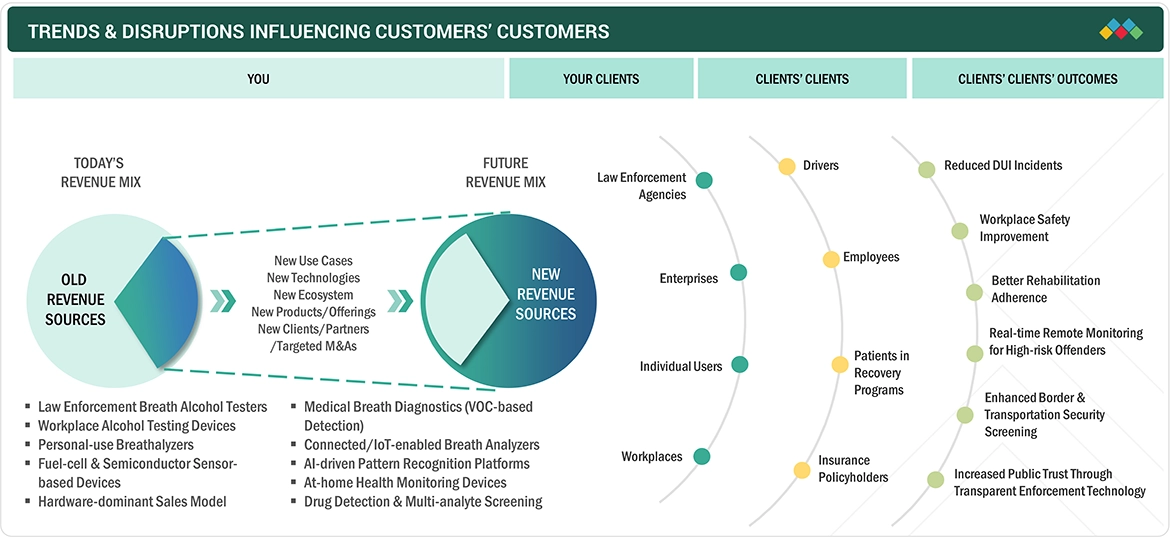
Source: Secondary Research, Interviews with Experts, MarketsandMarkets Analysis
MARKET DYNAMICS

Level
-
Growing alcohol and drug abuse

-
Stringent government regulations


Level
-
Accuracy concerns

-
Hygiene concerns


Level
-
Technological advancements

-
Emerging markets


Level
-
Regulatory fragmentation and legal acceptance

Source: Secondary Research, Interviews with Experts, MarketsandMarkets Analysis
Driver: Growing alcohol and drug abuse
According to the latest reports from the World Health Organization (WHO) and the United Nations Office on Drugs and Crime (UNODC), alcohol and drug abuse remain major global public health concerns. In 2024, approximately 2.6 million deaths annually were attributable to alcohol consumption, accounting for about 4.7% of all global deaths, with men disproportionately affected. An estimated 400 million people were living with alcohol use disorders, including about 209 million with alcohol dependence. Meanwhile, the UNODC World Drug Report 2025 estimates that in 2023 around 316 million people (about 6% of the global population aged 15–64) used drugs, marking a significant increase over the past decade. Drug use is responsible for over half a million deaths annually and substantial loss of healthy life years (DALYs), while access to treatment remains limited in many regions. Alcohol also continues to play a major role in road traffic injuries and fatalities worldwide, reinforcing the growing demand for preventive measures and monitoring technologies.
Restraint: Accuracy concerns
At times, breath analyzers provide inaccurate results, failing to distinguish alcohol from other chemicals that contain a methyl group. Some alcohol testing machines identify not only ethyl alcohol (found in alcoholic drinks) but also any compound with a similar molecular structure. Human breath contains over one hundred compounds, and nearly 70−80% of them contain the methyl group structure. The National Highway Traffic Safety Administration (NHTSA) has found that diabetes is characterized by elevated breath acetone levels. Acetone is one of the many substances that can be falsely identified as ethyl alcohol by some breath machines. In addition, lip gloss, mouthwash, dentures, paint, glue, thinners, cleaning solvents, foam used for hand hygiene, cigarettes, and even inhalers used for asthma can alter the test results of breath analyzers. Some breath analysis machines assume a hematocrit (blood cell volume) of 47%. However, the average hematocrit level for men is 47%, with a range of 42% to 52%; for women, the average hematocrit level is 42% and ranges from 37% to 47%. A person with a lower hematocrit will have false high blood alcohol content (BAC) readings. Breath analyzers are also sensitive to temperature and will give false readings if not adjusted or recalibrated to account for ambient or surrounding air temperatures. The temperature of the subject is also very important. Each degree above normal body temperature will cause a substantial elevation (about 8%) in the apparent BAC. All these factors are expected to hamper their adoption.
Opportunity: Technological advancements
Technological advancement remains one of the strongest opportunities in the breath analyzers market, driven by real-world product innovations and new sensor technologies that improve accuracy, connectivity, and usability. In 2025, Dräger introduced the Alcotest 7000, a next-generation alcohol screening device with dual testing modes, Bluetooth connectivity, and large-scale data storage tailored for law enforcement and workplace safety applications, enhancing both precision and workflow efficiency. Lifeloc Technologies launched Lifeloc GO, a portable, wireless breathalyzer designed for rapid on-site testing with cloud-based results management, reflecting the market shift toward connected, mobile solutions. At the consumer end, BACtrack expanded its product line with the S80 Pro Gen2 personal breathalyzer featuring advanced fuel-cell sensor technology and replaceable hygienic mouthpieces for safer, more reliable use. Additionally, innovators like Cannabix Technologies are deploying autonomous Breath Logix industrial breathalyzers capable of contactless sampling and integrated identity capture, broadening applications from roadside screening to workplace monitoring. Together, these advancements illustrate how improved sensors, connectivity, and automation are expanding the functionality and adoption of breath analysis technologies.
Challenge: Regulatory fragmentation and legal acceptance
Breath analyzers used for law enforcement must meet strict certification and calibration criteria that vary widely between countries and even states. For example, in the US, devices must comply with specific legal requirements set by organizations like the National Highway Traffic Safety Administration (NHTSA), while in the European Union, different member states apply divergent breath-testing standards and procedural rules. A 2024 global regulatory survey found that only 22% of national safety agencies have harmonized standards for breath alcohol testing, and 38% reported gaps in enforcement protocols. This fragmentation increases costs for device manufacturers, who must produce multiple device versions and associated documentation to comply with each jurisdiction. It also affects data reliability: results accepted as admissible evidence in one country may be dismissed in another due to procedural differences. Without harmonized regulations and clearer legal frameworks, the breath analyzers market will face slower uptake in emerging regions and heightened liability risks for service providers.
BREATH ANALYZER MARKET: COMMERCIAL USE CASES ACROSS INDUSTRIES
| COMPANY | USE CASE DESCRIPTION | BENEFITS |
|---|---|---|
 |
Provides advanced fuel-cell-based breath analyzers, such as the Alcotest series, used by law enforcement agencies for evidential and roadside alcohol testing, as well as for workplace safety monitoring in the transportation, mining, and industrial sectors. | High measurement accuracy | fast response time | reliable evidential testing | durable devices for field use |
 |
Develops portable and evidential breath alcohol testing systems used by police departments, corrections facilities, and workplace compliance programs for alcohol monitoring and DUI enforcement. | Portable testing solutions | evidential-grade accuracy | easy device calibration | supports regulatory compliance |
 |
Offers a wide range of professional breath analyzers and ignition interlock devices designed for law enforcement, rehabilitation programs, and driver alcohol monitoring systems. | Prevents drunk driving | continuous alcohol monitoring | integration with vehicle safety systems | high reliability |
 |
Manufactures evidential breath testing instruments used by police departments and forensic laboratories for accurate blood alcohol concentration (BAC) measurement in legal and roadside testing environments. | Forensic-grade accuracy | court-admissible test results | robust device performance | efficient DUI enforcement |
 |
Provides handheld, wall-mounted, and automated breath alcohol testing systems used in workplace safety programs, law enforcement checkpoints, and transportation sector compliance testing. | Rapid alcohol screening | non-invasive testing | improved workplace safety | scalable testing for large organizations |
Logos and trademarks shown above are the property of their respective owners. Their use here is for informational and illustrative purposes only.
MARKET ECOSYSTEM
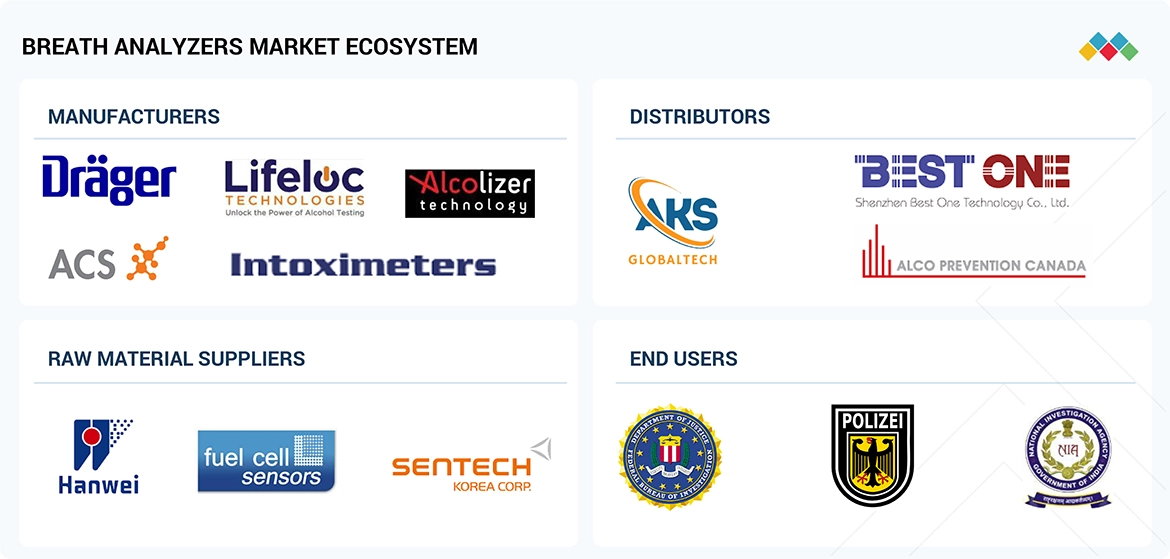
The ecosystem map of the overall breath analyzers market comprises the key elements present in the market and defines these elements through the involvement of various stakeholders. It includes breath analyzer devices, related consumables (such as mouthpieces and calibration solutions), software platforms, and associated services. Manufacturers of breath analyzers include organizations engaged in research, product development, optimization, regulatory approval, and commercialization. These companies may operate through in-house manufacturing facilities or collaborate with contract development and manufacturing organizations (CDMOs) for production and assembly. Distributors in this ecosystem include third-party distributors, medical device suppliers, wholesalers, and e-commerce platforms that facilitate the availability of breath analyzers across different regions. The research and development phase involves in-house R&D centers, academic and research institutions, and technology partners contributing to sensor innovation, software integration, and device miniaturization. Regulatory authorities and certification bodies play a crucial role in ensuring compliance with safety, quality, and performance standards before market entry. The end-user segment refers to the application areas where breath analyzers are deployed. These include law enforcement agencies, enterprises, and individuals. These end users represent primary demand drivers within the ecosystem. On the other hand, investors/funders, regulatory bodies, and government agencies act as major influencers in the breath analyzers market ecosystem, shaping product development, adoption rates, and geographic expansion strategies.
Logos and trademarks shown above are the property of their respective owners. Their use here is for informational and illustrative purposes only.
MARKET SEGMENTS
Source: Secondary Research, Interviews with Experts, MarketsandMarkets Analysis
Breath Analyzers Market, by Technology
Fuel-cell sensors offer a significantly longer operational lifespan compared with other breath analyzer sensor technologies. These sensors are designed to maintain stable performance over thousands of tests before requiring replacement or recalibration. Their durability makes them highly suitable for environments involving frequent testing, such as law enforcement checkpoints, rehabilitation centers, and industrial workplaces. The extended lifespan reduces maintenance costs and device downtime, improving the overall cost efficiency of breath analyzer systems. Organizations that require continuous alcohol monitoring prefer fuel-cell devices because they provide consistent performance over long periods, thereby contributing to the technology’s dominant share in the breath analyzers market.
Breath Analyzers Market, by Application
The increasing number of alcohol-related road accidents globally has significantly driven the demand for alcohol detection breath analyzers. Alcohol-impaired driving remains one of the leading causes of traffic fatalities, prompting governments and law enforcement agencies to strengthen roadside testing measures. Breath analyzers designed for alcohol detection enable quick and non-invasive measurement of blood alcohol concentration (BAC), allowing authorities to identify intoxicated drivers efficiently. Their portability and rapid testing capability make them ideal for roadside screening and sobriety checkpoints. As road safety remains a major global concern, demand for alcohol-detection breath analyzers remains strong across enforcement and safety applications.
Breath Analyzers Market, by End User
Road safety has become a major public policy priority globally due to the high economic and social costs associated with traffic accidents. Governments and international organizations are implementing large-scale initiatives aimed at reducing road fatalities, particularly those caused by drunk driving. Law enforcement agencies are central to these initiatives, as they conduct routine traffic monitoring and sobriety checks. Breath analyzers enable officers to quickly identify intoxicated drivers and enforce road safety regulations effectively. Increased funding for traffic enforcement programs and national road safety campaigns has further strengthened the procurement of breath testing devices by law enforcement agencies worldwide.
REGION
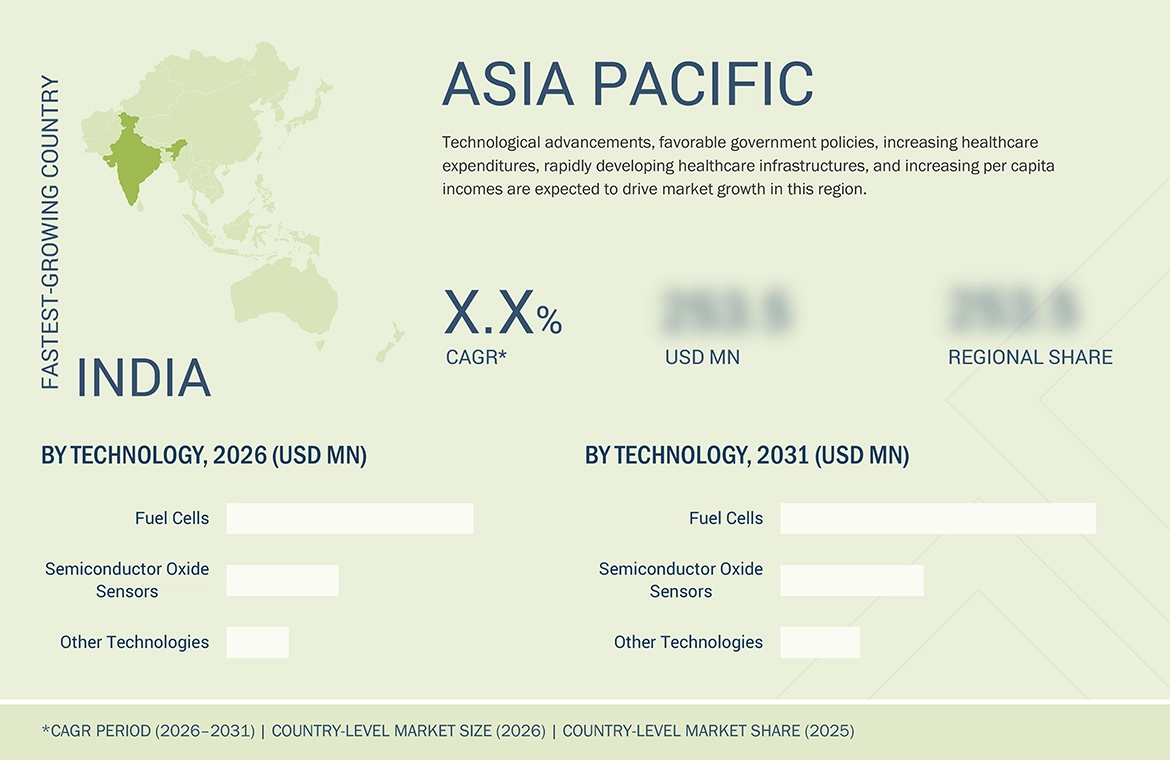
Aasia Pacific to be fastest-growing region in breath analyzers market during forecast period
Many governments in the Asia Pacific region are introducing stricter laws and penalties for drunk driving to reduce road fatalities. Countries such as China, India, Japan, and Australia have implemented strict blood alcohol concentration (BAC) limits and enhanced enforcement mechanisms. Law enforcement agencies are increasingly conducting sobriety checkpoints and alcohol testing campaigns, which require reliable breath analyzer devices. Additionally, government-led road safety initiatives and public awareness programs are encouraging the adoption of alcohol testing technologies. These regulatory developments are driving the procurement of breath analyzers by traffic authorities and law enforcement agencies across the region.
BREATH ANALYZER MARKET: COMPANY EVALUATION MATRIX
In the breath analyzers market, Drägerwerk AG & Co. KGaA (Star) has a strong and established product portfolio and a vast geographic presence. Bedfont Scientific Ltd. (Emerging Leader) has substantial product innovations compared to its competitors. While the company maintains a broad product portfolio, there is an opportunity to further strengthen and refine its growth strategy for business development.
Source: Secondary Research, Interviews with Experts, MarketsandMarkets Analysis
KEY MARKET PLAYERS
- Drägerwerk AG & Co. KGaA (Germany)
- Lifeloc Technologies, Inc. (US)
- Alcohol Countermeasure Systems Corporation (Canada)
- Intoximeters, Inc. (US)
- Alcolizer Pty. Ltd. (Australia)
- AK GlobalTech (India)
- Quest Products, Inc. (US)
- Abbott (US)
- EnviteC Wismar GmbH (Germany)
- Andatech Private Limited (Australia)
- Lion Laboratories (UK)
- CMI, Inc. (US)
- Advanced Safety Devices (UK)
- BACtrack, Inc. (US)
- Bedfont Scientific Ltd. (UK)
- PAS Systems International (US)
- AlcoPro, Inc. (US)
- Akers Biosciences, Inc. (US)
- C4 Development Ltd (UK)
- Guth Laboratories (US)
- Canary Health Technologies (Canada)
- Humors Tech (US)
- Hound Labs (US)
- Breathomix (Netherlands)
- Owlstone Medical (UK)
MARKET SCOPE
| REPORT METRIC | DETAILS |
|---|---|
| Market Size in 2025 (Value) | USD 2.60 Billion |
| Market Forecast in 2031 (Value) | USD 5.63 Billion |
| Growth Rate | 13.8% |
| Years Considered | 2024–2031 |
| Base Year | 2025 |
| Forecast Period | 2026–2031 |
| Units Considered | Value (USD Million/Billion), Volume (Thousand/Million Units) |
| Report Coverage | Revenue Forecast, Company Ranking, Competitive Landscape, Growth Factors, and Trends |
| Segments Covered |
|
| Regions Covered | North America, Europe, Asia Pacific, Latin America, Middle East & Africa, and GCC Countries |
WHAT IS IN IT FOR YOU: BREATH ANALYZER MARKET REPORT CONTENT GUIDE
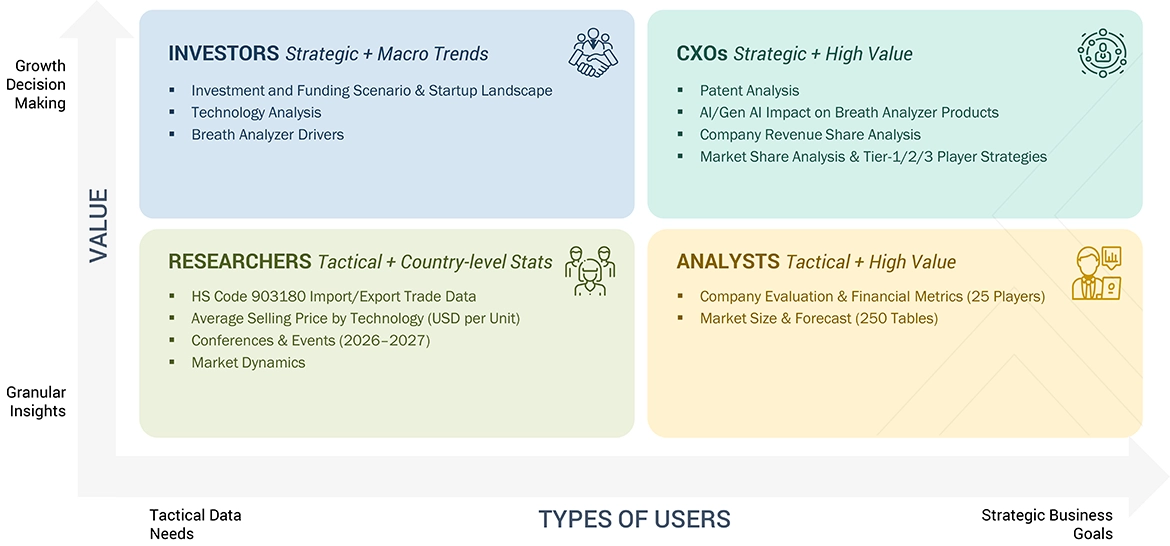
DELIVERED CUSTOMIZATIONS
We have successfully delivered the following deep-dive customizations:
| CLIENT REQUEST | CUSTOMIZATION DELIVERED | VALUE ADDS |
|---|---|---|
| Product Analysis | Comparative analysis of breath analyzer technologies by type, including fuel cells, semiconductor oxide sensors, and infrared spectroscopy devices. This includes an evaluation by application, such as law enforcement testing, workplace alcohol screening, medical diagnostics, and personal alcohol monitoring. | Assessment of device accuracy, detection sensitivity, response time, calibration requirements, portability, and cost per test to support optimal product selection and operational efficiency. |
| Company Information | Detailed profiles of leading global and regional breath analyzer manufacturers, including Drägerwerk AG & Co. KGaA, Lifeloc Technologies, Alcohol Countermeasure Systems Corp., Intoximeters Inc., and Alcolizer Technology, covering product portfolios, technology platforms, regulatory approvals, geographic presence, partnerships, and recent product launches. | Competitive benchmarking across key players, highlighting positioning by sensor technology, device accuracy, portability, product innovation, and pricing strategies. |
| Geographic Analysis | In-depth regional assessment of the global breath analyzers market covering North America, Europe, Asia Pacific, Latin America, and the Middle East & Africa, with analysis of regulatory frameworks and alcohol monitoring policies. | Country-level market sizing, CAGR forecasts, enforcement intensity analysis, workplace safety adoption trends, and demand assessment across major markets, including the US, Germany, UK, China, India, and Australia. |
RECENT DEVELOPMENTS
- April 2025 : Drägerwerk AG & Co. KGaA launched Alcotest 7000, an innovative alcohol screening device that will support DUI prevention, DOT protocols, and workplace safety initiatives.
- April 2025 : The Alcolizer Druglizer LE5 is a handheld oral-fluid drug tester that delivers fast, highly accurate electronic drug screening results in about 60–90 seconds, using advanced sensor technology to eliminate subjective line interpretation. Certified to AS/NZS 4760:2019, it stores test data and supports on-site calibration and data management for reliable workplace and law-enforcement drug testing.
- July 2024 : Intoximeters partnered with Responsibility.org to support the nonprofit’s mission to promote responsible alcohol choices and reduce alcohol- and drug-impaired driving, aiming to improve road safety through education, advocacy, and innovative testing.
- April 2023 : Drägerwerk AG & Co. KGaA launched Alcotest 6000, which identifies individuals who are alcohol-impaired, helping lawmakers and employers make effective decisions.
Table of Contents
 Exclusive indicates content/data unique to MarketsandMarkets and not available with any competitors.
Methodology
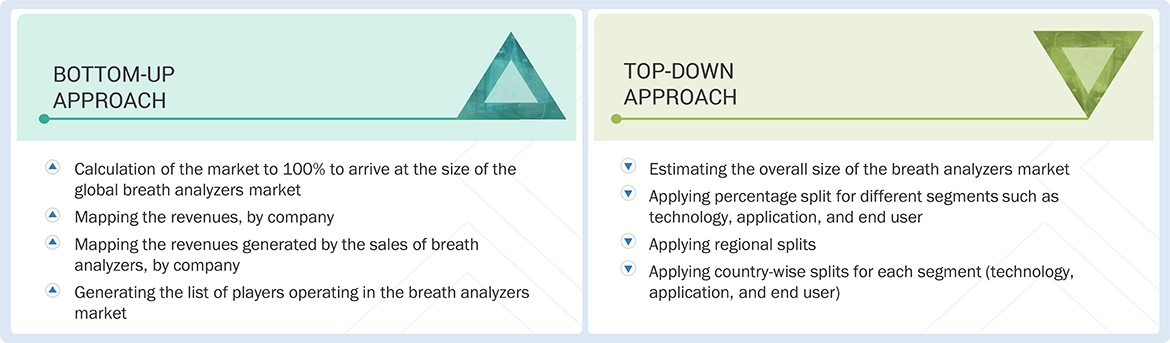
The study involved major activities in estimating the current size of the breath analyzers market. Exhaustive secondary research was done to collect information on the Breath analyzers market. The next step was to validate these findings, assumptions, and sizing with industry experts across the value chain using primary research. Different approaches, such as top-down and bottom-up, were employed to estimate the total market size. After that, the market breakup and data triangulation procedures were used to estimate the market sizes of the segments and subsegments of the breath analyzers market.
Secondary Research
This research study involved the extensive use of secondary sources, directories, databases such as Dun & Bradstreet, Bloomberg Businessweek, and Factiva, whitepapers, and Companies House documents. Secondary research was undertaken to identify and collect information for this extensive, technical, market-oriented, and commercial study of the breath analyzers market. It was also used to obtain important information on the top players, market classification, segmentation by industry trends, bottom-most-level geographic markets, and key developments related to the market. A database of the key industry leaders was also prepared using secondary research.
Primary Research
In the primary research process, various supply- and demand-side sources were interviewed to obtain qualitative and quantitative information for this report. Primary sources from the supply side included industry experts such as CEOs, VPs, managing directors, marketing heads, sales directors, marketing and sales managers, regional or area sales managers, export and import heads or managers, as well as other professionals related to the breath analyzers market from various companies and organizations operating within this sector.
On the demand side, primary sources comprised representatives from law enforcement agencies, including vice presidents and C-level executives, as well as department heads, enterprises, individuals, supply management teams from hospitals, clinic personnel, and laboratory technicians.
Breakdown of Primary Interviews
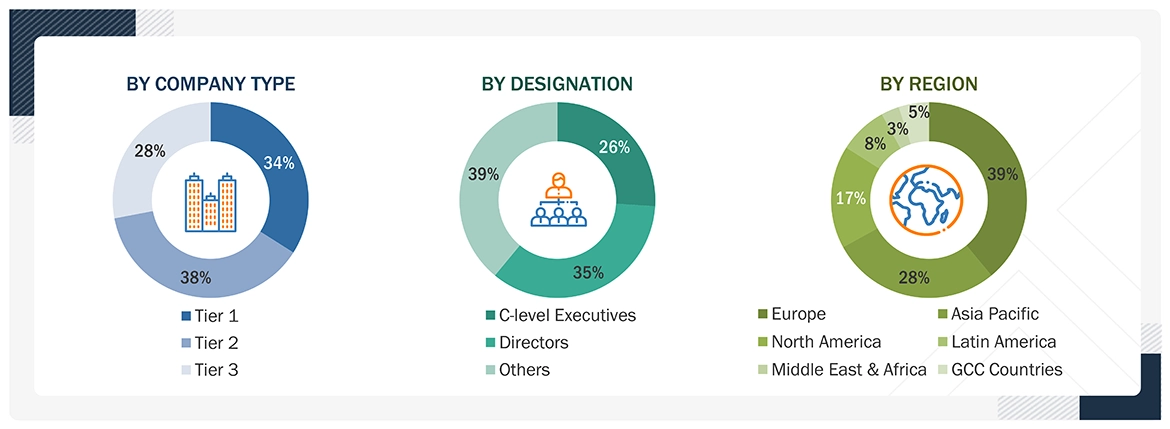
Note 1: C-level executives include CEOs, COOs, CTOs, and VPs.
Note 2: Others include sales, marketing, and product managers.
Note 3: Companies are classified into tiers based on their total revenue. As of 2025: Tier 1 = >USD 1 billion, Tier 2 = USD 500 million to USD 1 billion, and Tier 3 = < USD 500 million.
To know about the assumptions considered for the study, download the pdf brochure
Market Size Estimation
Both top-down and bottom-up approaches were used to estimate and validate the total size of the breath analyzers market. These methods were also widely used to estimate the sizes of various subsegments in the market. The research methodology used to estimate the market size includes the following:
Data Triangulation
The entire market was split into three segments when the market size was determined. Data triangulation and market breakdown processes were used where necessary to complete the entire market engineering process and arrive at precise statistics for all segments. Approach to derive the market size and estimate market growth: Using secondary data from paid and unpaid sources, the market rankings for the major players were determined following a thorough analysis of their sales of breath analyzers. Due to data restrictions, the revenue share in certain cases was determined after a thorough analysis of the product portfolio of big corporations and their individual sales performance. This information was verified at each stage by in-depth interviews with professionals in the field.
Market Definition
Breath analyzers are devices used to determine the presence of different compounds in an individual’s breath sample. These devices are most commonly used to measure the blood alcohol content in a breath sample.
Stakeholders
- Breath analyzer device vendors/manufacturers
- Breath analyzer device distributors and suppliers
- Breath testing service providers
- Venture capitalists
- Corporate entities
- Healthcare institutes, such as hospitals, medical groups, physician practices, diagnostic centers, and outpatient clinics
- Government agencies
Report Objectives
- To describe, analyze, and forecast the breath analyzers market, by technology, application, end user, and region
- To describe and forecast the breath analyzers market for key regions: North America, Europe, the Asia Pacific, Latin America, the Middle East & Africa, and GCC Countries
- To provide detailed information regarding drivers, restraints, opportunities, and challenges influencing the growth of the breath analyzers market
- To strategically analyze the ecosystem, regulations, patenting trend, value chain, Porter’s five forces, and prices pertaining to the market under study
- To strategically analyze micromarkets1 with respect to individual growth trends, prospects, and contributions to the overall market
- To analyze market opportunities for stakeholders and provide details of the competitive landscape for market players
- To profile key players and comprehensively analyze their market shares and core competencies2 in the breath analyzers market
- To analyze competitive developments such as collaborations, acquisitions, product launches, expansions, and R&D activities in the breath analyzers market


Personalize This Research
- Triangulate with your Own Data
- Get Data as per your Format and Definition
- Gain a Deeper Dive on a Specific Application, Geography, Customer or Competitor
- Any level of Personalization
Let Us Help You
- What are the Known and Unknown Adjacencies Impacting the Breath Analyzers Market
- What will your New Revenue Sources be?
- Who will be your Top Customer; what will make them switch?
- Defend your Market Share or Win Competitors
- Get a Scorecard for Target Partners

Custom Market Research Services
We Will Customise The Research For You, In Case The Report Listed Above Does Not Meet With Your Requirements
Get 10% Free CustomisationTESTIMONIALS

JAYANT RAJPUROHIT
Director of Market Insights, Data and Analytics
SFI Health,
Leading Pharmaceutical Companywww.sfihealth.com/
We at SFI Health approached MarketsandMarkets for an Opportunity Assessment on "Incidence and Prevalence of Focus Indications" as we wanted to know the most attractive HCPs like Physician, Functional MD, Naturopath and Pharmacist. The project was critical for us to ensure our focus on the right target which would enable sustainable growth and profitability for SFI Health. The business insights provided exceeded our expectations and we were extremely impressed. The team at MarketsandMarkets is highly professional and detail oriented and very well understood our business needs. MarketsandMarkets offers a unique combination of expertise and dedicated engagement model. We identified 2 new products to be launched in coming months, based on the research findings provided by MarketsandMarkets. We are happy with the services and would strongly recommend MarketsandMarkets to my peers in the industry.

BEATRIZ DE LA CALLE
Head of Commercial Analytics
Qualicaps,
Leading Pharmaceutical Companywww.qualicaps.com/

We partnered with MarketsandMarkets for an assessment study on hard empty capsules. The team was extremely professional in understanding our business requirements and we received timely responses to all our queries. The market intelligence and the recommendations has met our business requirements. We were extremely impressed to see the final study results; it really exceeded our expectations. The market intelligence offered by MarketsandMarkets, and clarity on next steps will help us achieve our business objective for the Year 2021. We are happy with the services and would strongly recommend MarketsandMarkets to my peers in the industry.

Bob Williams,
Senior Director Business Development & Innovation
Bracco Diagnostics Inc.,
Italian Multinational in life sciences sector and a World Leader in imaging diagnosticsimaging.bracco.com/us-en
We were pleased with targeted insights that MarketsandMarkets identified from a custom study on the 'Radiation Dose Management Solutions Market'. Your team identified and characterized the market participants as well as underlying trends accurately. This study was useful to Bracco in formulating business strategies for our dose monitoring product lines and we thank MarketsandMarkets for the job well done.
Cody Coonradt,
Market Development and Strategy Manager
3M Health Information Systems,
Leader in Health care Coding, Payment & Analytics Solutions.www.3m.com/3M/en_US/health-information-systems-us
The value for our organization comes from three things: depth of research, specificity of segments and being easy to work with. As important as the first two are, the third can't be underestimated. MarketsandMarkets, maybe more than any other research vendor, wants to know what is top of mind for our team and what big questions we are grappling to answer.
Their customer first approach and high value engagement model, have given us great analysis and excellent value for money
- US Breath Analyzers Market
- Canada Breath Analyzers Market
- Germany Breath Analyzers Market
- UK Breath Analyzers Market
- France Breath Analyzers Market
- Italy Breath Analyzers Market
- Spain Breath Analyzers Market
- China Breath Analyzers Market
- Japan Breath Analyzers Market
- India Breath Analyzers Market
- Australia Breath Analyzers Market
- South Korea Breath Analyzers Market
- Brazil Breath Analyzers Market
- Mexico Breath Analyzers Market
- GCC Countries Breath Analyzers Market






Growth opportunities and latent adjacency in Breath Analyzers Market