Patient Registry Software Market

Patient Registry Software Market by Disease (Diabetes, Cancer, Rare, Asthma, Kidney), Product (Drugs, Device), Use Case (Population Health, Research), End User [Profit (Pharma, Payer, Hospital), Non-profit (Govt)], and Region - Global Forecast to 2031



PATIENT REGISTRY SOFTWARE MARKET SIZE, SHARE & GROWTH SNAPSHOT
Source: Secondary Research, Interviews with Experts, MarketsandMarkets Analysis
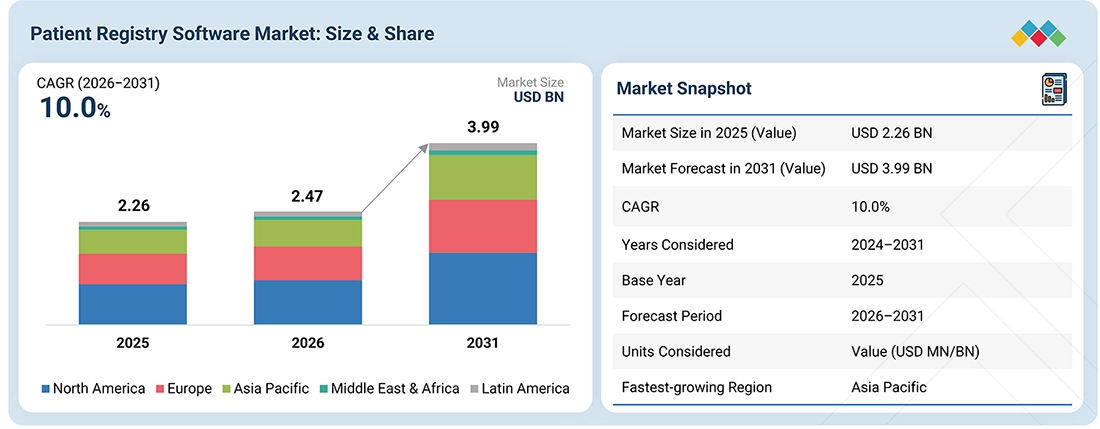
The global patient registry software market is projected to grow from USD 2.47 billion in 2026 to USD 3.99 billion by 2031, at a CAGR of 10.0% during the forecast period. The market was valued at USD 2.26 billion in 2025. Market growth is driven by the prevalence of chronic and rare diseases, increased clinical research activity, and rising demand for real-world evidence. Patient registries are being adopted to collect and manage long-term patient data to track disease progression and treatment outcomes, support safety monitoring, and improve care. Value-based and patient-centered healthcare trends are encouraging healthcare providers, pharmaceutical companies, medical device manufacturers, and public health organizations to implement patient registry software. In addition, EHRs, cloud platforms, and healthcare IT systems are being adopted more widely, promoting data collection and access to reliable patient data. The growing adoption of analytical and AI-powered features in patient registry software is creating opportunities for more advanced patient identification, outcome monitoring, and generating insights for clinical research and healthcare decision-making.
KEY TAKEAWAYS
-
MARKET SNAPSHOT:
Base Year Market Size (2025): USD 2.26 Billion
Current Market Size (2026): USD 2.47 Billion
Forecast Market Size (2031): USD 3.99 Billion
CAGR (2026–2031): 10.0% -
SEGMENT LEADERSHIP:
Regional Leader: North America dominated the market, with a share of 48.4% in 2025.
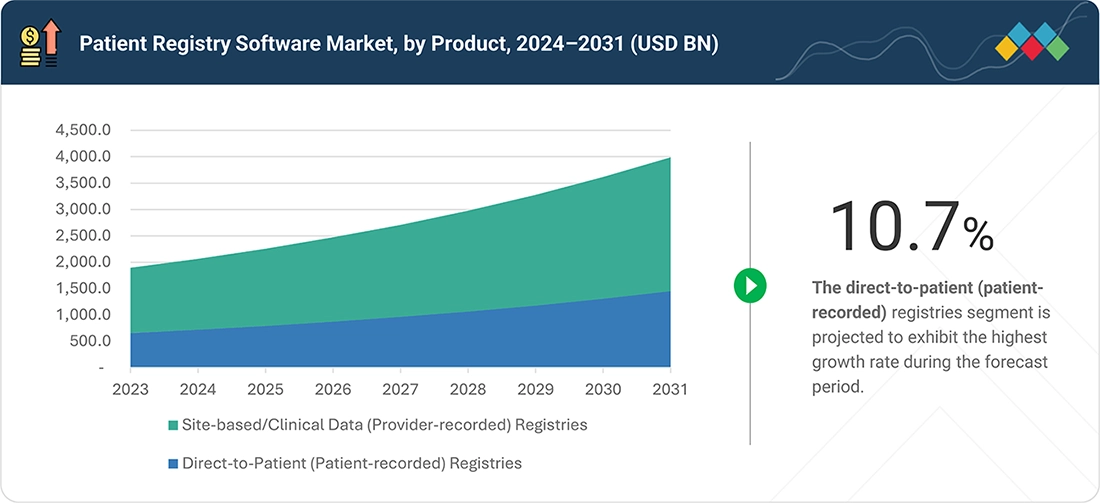
Fastest-Growing Product: Direct-to-patient (patient-recorded) registries are projected to grow at the fastest rate during the forecast period.
Use Case Leader: Medical research & clinical studies accounted for the largest share, at 29.2%, of the patient registry software market in 2025.
Fastest-Growing Registry Type: Disease registries are projected to have the highest CAGR at 10.3% over the forecast period.
Deployment Model Leader: Cloud-based models accounted for the largest share of the patient registry software market in 2025.
End User Leader: Profit registries held the largest share of the patient registry software market in 2025. -
MARKET OUTLOOK & COMPETITIVE LANDSCAPE:
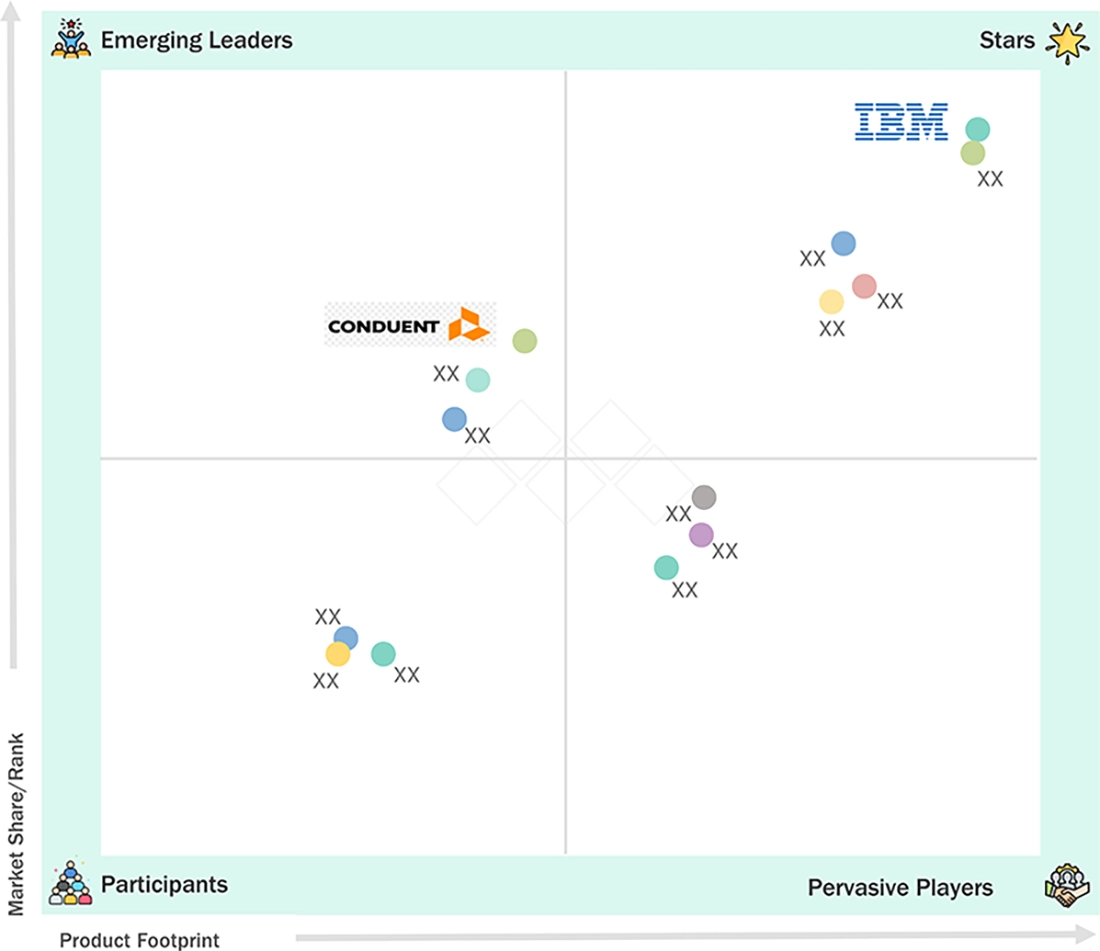
IBM, IQVIA, Health Catalyst, Oracle, and Optum, Inc. were identified as the star players in the patient registry software market, given their strong market share and product footprint.
Companies such as Verana Health, Pusle Infoframe Inc., Amplitude Clinical Outcomes, nPhase, Inc., and OM1 have distinguished themselves among startups and SMEs by securing strong footholds in specialized niche areas, underscoring their potential as emerging market leaders.
The patient registry software market is driven by the growing need to monitor patient outcomes and manage health data, as well as by clinical research and the generation of real-world evidence. The prevalence of chronic and rare diseases, the growing emphasis on patient-centric care, and the increased adoption of digital health technology are driving adoption growth.
TRENDS & DISRUPTIONS IMPACTING CUSTOMERS' CUSTOMERS
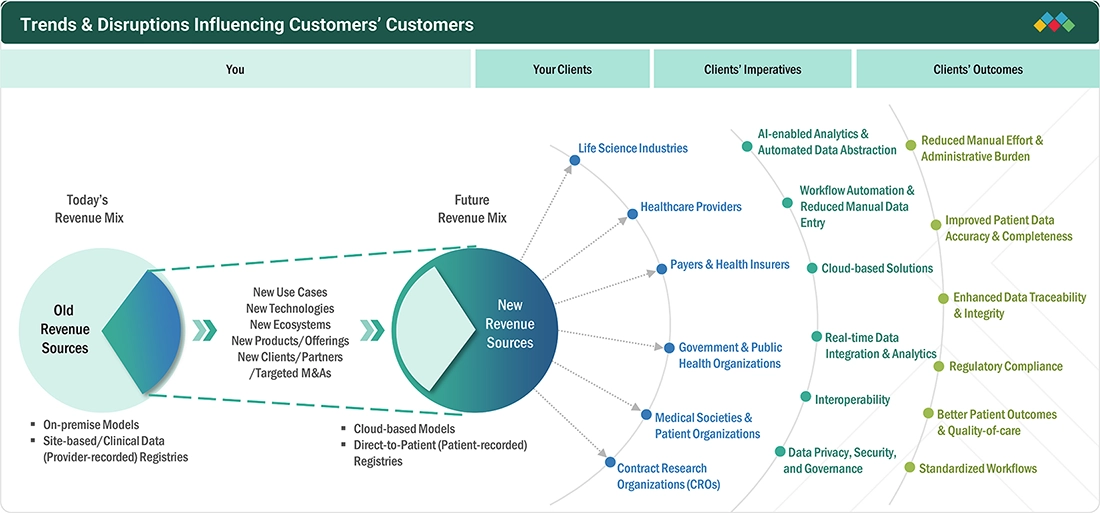
The patient registry software market is driven by the growing reliance on technology to store patient-related information among health care providers, research institutions, pharmaceutical firms, and public health bodies. There is a growing need to track not only disease development but also treatment results and multiple related clinical trials. Growing concerns about data quality and regulatory compliance are driving the adoption of more structured approaches to patient information management. At the same time, cloud computing technology, EHRs, and artificial intelligence help access and analyze data.
Source: Secondary Research, Interviews with Experts, MarketsandMarkets Analysis
MARKET DYNAMICS

Level
-
Rising burden of chronic and rare diseases

-
Expansion of real-world evidence (RWE) and post-marketing surveillance needs


Level
-
Shortage of trained and skilled resources

-
High implementation and maintenance costs


Level
-
Expansion of population health management and outcomes tracking

-
Growing preference for subscription-based deployment models


Level
-
Privacy and data security-related concerns

-
Reluctance to adopt advanced patient registry solutions

Source: Secondary Research, Interviews with Experts, MarketsandMarkets Analysis
Driver: Rising burden of chronic and rare diseases
The rise in chronic and rare diseases highlights the need for efficient disease surveillance and management. Conditions such as diabetes, cardiovascular diseases, cancer, and various rare diseases require continuous monitoring of their progression, treatment responses, and patient outcomes. Patient registries play a crucial role for healthcare providers and research organizations by managing patient information effectively. This helps identify trends, assess treatment efficacy and support research. As the number of patients continues to grow, patient registries will serve as vital tools for disease surveillance and evidence-based decision-making in treatment strategies.
Restraint: Shortage of trained and skilled resources
The use of patient registry software may be limited by a shortage of qualified professionals capable of managing patient registry data and utilizing digital software effectively. Implementing registries involves various activities, including data acquisition, validation, coding, analysis, and integration with electronic health records and other healthcare information systems. Organizations often need staff with expertise in multiple areas, including clinical data standards, data governance, data privacy, and patient registry procedures. Smaller healthcare facilities and research institutions may struggle to recruit these skilled individuals while also managing their normal operational responsibilities. Additionally, insufficient training can lead to inaccurate data entry, improper data handling, and failure to fully leverage the software's capabilities.
Opportunity: Expansion of population health management and outcomes tracking
Population health management, along with a focus on measurable patient outcomes, is driving growth in the patient registry software market. Healthcare providers and public health institutions increasingly rely on data to identify at-risk populations, track disease trends, and evaluate the effectiveness of care delivery interventions. Patient registries serve as vital tools that enable healthcare providers to collect longitudinal data on patients’ diagnoses, treatments, and outcomes. This data allows for assessments of variations in care delivery and identifies potential areas for improvement. Additionally, integrating with electronic medical records and other healthcare data sources can streamline data collection. The ongoing push towards preventive care, value-based care, and evidence-based practices is expected to further increase demand for these solutions.
Challenge: Privacy and data security-related concerns
Patient registry software collects sensitive health data, making data privacy and security major challenges in the market. This software may contain identifiable patient information, medical history, treatment history, and long-term outcomes. Protecting this information from unauthorized access and data breaches is essential. Additionally, organizations must comply with data protection and healthcare regulations, which vary by country.
PATIENT REGISTRY SOFTWARE MARKET: COMMERCIAL USE CASES ACROSS INDUSTRIES
| COMPANY | USE CASE DESCRIPTION | BENEFITS |
|---|---|---|
 |
Healthcare master data management supporting patient identity resolution, deduplication, longitudinal patient records, and integration of patient data across healthcare applications | InfoSphere MDM for Patient supports patient registries and health information exchange environments. | Improves patient data accuracy and consistency, reduces duplicate records, strengthens patient identity management, and supports interoperability and reliable registry data management. |
 |
Patient registry solutions supporting disease-specific, product, safety, and quality-improvement registries | The Clinical Insight Registry Platform collects research-ready real-world data from clinicians and patients across multiple sites and geographies. | Streamlines longitudinal patient data collection, supports patient-reported and clinician-reported data, enables clinical research and real-world evidence generation, and facilitates quality improvement and patient outcome analysis. |
 |
ARMUS clinical registry software supporting registry development, data abstraction, validation, management, submission, and analytics for hospitals, healthcare systems, and medical societies. | Reduces manual data abstraction effort, improves data quality and registry submission efficiency, supports standardized reporting and benchmarking, and enables analysis of clinical outcomes across providers and facilities. |
 |
Healthcare applications supporting patient registration and data management, alongside public-health capabilities such as immunization registry reporting and immunization management. | Streamlines patient registration and healthcare workflows, supports public-health reporting and immunization data management, and facilitates access to consistent patient information across clinical and administrative processes. |
 |
Healthcare data and analytics solutions supporting patient registries, patient cohort identification, longitudinal data management, and population health analysis through integration of electronic medical records and other healthcare data sources. | Supports patient identification and stratification, enables longitudinal monitoring and outcomes analysis, improves population health management, and helps healthcare organizations use clinical and administrative data for informed care decisions. |
Logos and trademarks shown above are the property of their respective owners. Their use here is for informational and illustrative purposes only.
MARKET ECOSYSTEM
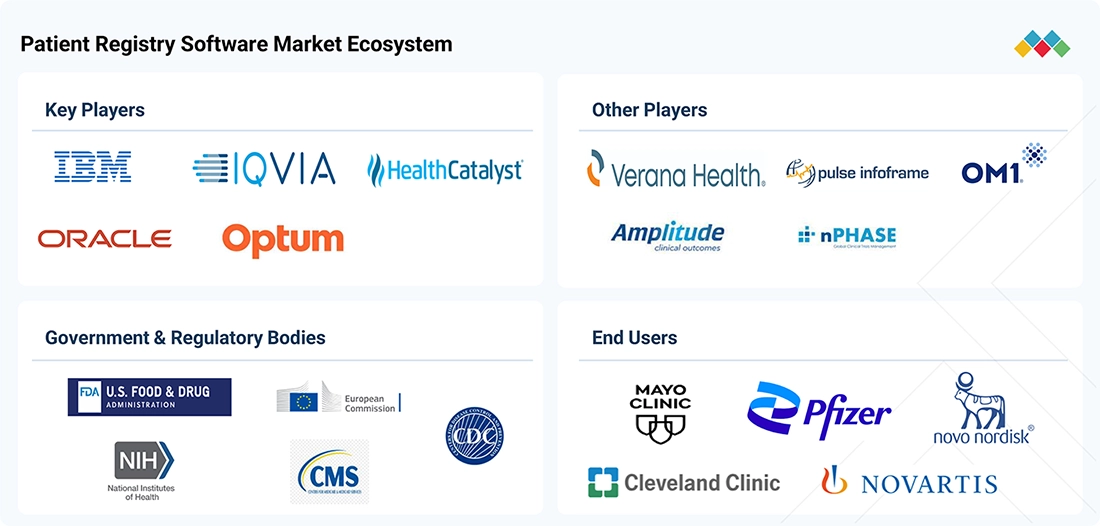
The patient registry software market includes several key players, including IBM, IQVIA, Health Catalyst, Oracle, and Optum, Inc. These companies provide solutions to manage patient data, administer registries, support population health initiatives, and facilitate clinical research. Other players, including Verana Health, Pulse Infoframe, Amplitude Clinical Outcomes, and nPhase OM1, offer specialized platforms that focus on real-world data collection, tracking patient outcomes, and supporting research initiatives. Government and regulatory bodies, such as the US Food and Drug Administration (FDA), European Commission, National Institutes of Health (NIH), Centers for Medicare & Medicaid Services (CMS), and Centers for Disease Control and Prevention (CDC), play a crucial role in influencing data governance, research requirements, public health surveillance, and regulatory compliance. Finally, end users such as Mayo Clinic, Pfizer, Novo Nordisk, Cleveland Clinic, and Novartis utilize patient registry data to support clinical research, monitor diseases, evaluate treatments, and inform healthcare decision-making.
Logos and trademarks shown above are the property of their respective owners. Their use here is for informational and illustrative purposes only.
MARKET SEGMENTS
Source: Secondary Research, Interviews with Experts, MarketsandMarkets Analysis
Patient Registry Software Market, by Product
In 2025, the site-based/clinical data (provider-recorded) registries segment held the largest share of the patient registry software market. This trend can be attributed to the high adoption rates of provider-recorded registries, as many healthcare providers and research organizations utilize these tools to document structured patient records during clinical visits and routine care. These records include clinical history, diagnoses, treatments, and patient outcomes, which are essential for monitoring diseases, conducting clinical research, and enhancing quality initiatives.
Patient Registry Software Market, by Use Case
In 2025, the medical research & clinical studies segment held the largest share of the patient registry software market. Registries are essential for conducting longitudinal patient studies and evaluating drug safety and effectiveness in real-world settings. Patient registries help researchers identify appropriate patient groups for these studies. The growing demand for real-world data, safety monitoring, and new drug development is driving the patient registry software market forward.
Patient Registry Software Market, by Registry Type
In 2025, disease registries accounted for the largest share of the patient registry software market. Patient registry software is utilized by healthcare practitioners, researchers, and public health organizations to collect information about patients with specific diseases, such as cancer, cardiovascular disorders, diabetes, and rare diseases. This software helps monitor the incidence and prevalence of these diseases while tracking patients' progress over time. As a result, clinicians and researchers can conduct studies and assess the effectiveness of treatments for these complex conditions. The rising number of chronic and rare diseases is driving an increasing demand for disease registries.
Patient Registry Software Market, by Deployment Model
In 2025, cloud-based models held the largest share of the patient registry software market. Cloud software lets healthcare providers, research organizations and other users access registries from multiple locations without relying solely on local resources. This technology creates more opportunities for updates and collaboration, expanding the ability to develop the registry database to meet user requirements. Additionally, cloud solutions can be cost-effective by reducing the need to purchase expensive hardware.
Patient Registry Software Market, by End User
In 2025, profit registries held the largest share of the patient registry software market. For-profit registries include patient registries used by pharmaceutical and biotechnology companies, medical device manufacturers, healthcare providers, and payers. These entities utilize structured patient data to evaluate treatment efficacy, assess product safety, generate real-world evidence, and improve care delivery. The growing emphasis on post-marketing surveillance, clinical studies, and evidence-based decision-making is driving the adoption of patient registries. The need to demonstrate value and prove treatment efficacy is increasing the demand for these registries.
REGION
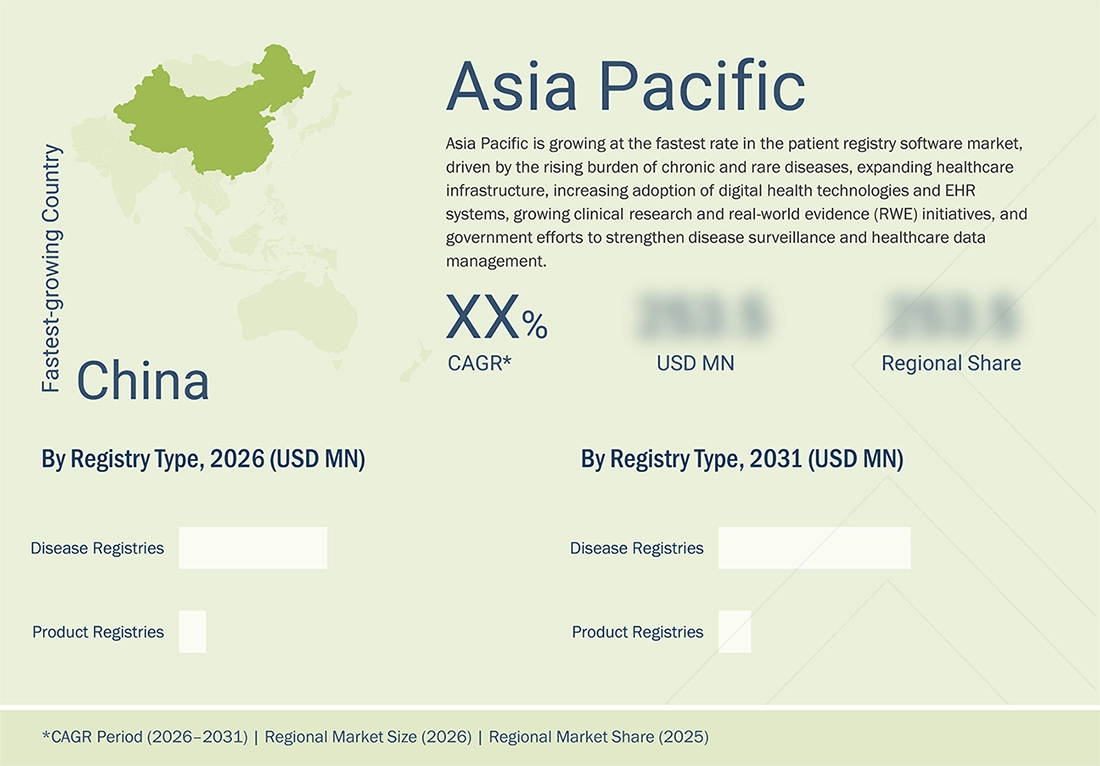
Asia Pacific to be fastest-growing region in patient registry software market during forecast period
Asia Pacific is expected to register the fastest growth in the patient registry software market during the forecast period. This growth is driven by the rising incidence of chronic and rare disorders, improvements in healthcare infrastructure, and increasing investment in digital health across the region. The growing number of clinical trials and the need to generate real-world evidence are further driving adoption among healthcare stakeholders. Furthermore, the ongoing adoption of electronic health records and other digital health technologies is improving patient data management. Government initiatives on disease surveillance, along with a growing focus on patient outcomes and healthcare quality, are expected to drive the use of patient registry software across major Asia Pacific markets.
PATIENT REGISTRY SOFTWARE MARKET: COMPANY EVALUATION MATRIX
In the patient registry software market matrix, IBM (Star) maintains a strong market position. It is supported by its established enterprise presence, healthcare data management capabilities and solutions for patient identity management. These capabilities support consolidating patient information, improving data quality and managing healthcare data across complex systems. Conduent Incorporated (Emerging Leader) is strengthening its position through its healthcare technology and government program solutions, including platforms that support public health administration and registry-related data management.
Source: Secondary Research, Interviews with Experts, MarketsandMarkets Analysis
KEY MARKET PLAYERS
- IBM (US)
- IQVIA (US)
- Health Catalyst (US)
- Oracle (US)
- Optum, Inc. (US)
- Conduent Incorporated (US)
- Elekta (Sweden)
- Medidata (Dassault Systèmes) (France)
- Dacima Software Inc. (EvidentIQ) (Germany)
- FIGmd, Inc.(MRO) (US)
- ImageTrend (US)
- Global Vision Technologies, Inc. (US)
- Syneos Health (US)
- Veradigm LLC (US)
- ESO (US)
- Ordinal Data, Inc. (US)
- NEC Software Solutions UK Limited (Japan)
- Cedaron Medical (US)
- Fivos Health (US)
- Across Healthcare (US)
MARKET SCOPE
| REPORT METRIC | DETAILS |
|---|---|
| Market Size in 2025 (Value) | USD 2.26 Billion |
| Market Forecast in 2026 (Value) | USD 2.47 Billion |
| Market Forecast in 2031 (value) | USD 3.99 Billion |
| Growth Rate | CAGR of 10.0% from 2026–2031 |
| Years Considered | 2024–2031 |
| Base Year | 2025 |
| Forecast Period | 2026–2031 |
| Units Considered | Value (USD Million/Billion) |
| Report Coverage | Revenue Forecast, Company Ranking, Competitive Landscape, Growth Factors, and Trends |
| Segments Covered |
|
| Regions Covered | North America, Asia Pacific, Europe, Latin America, Middle East & Africa |
WHAT IS IN IT FOR YOU: PATIENT REGISTRY SOFTWARE MARKET REPORT CONTENT GUIDE
DELIVERED CUSTOMIZATIONS
We have successfully delivered the following deep-dive customizations:
| CLIENT REQUEST | CUSTOMIZATION DELIVERED | VALUE ADDS |
|---|---|---|
| Local Competitive Landscape |
|
Supports competitive benchmarking and vendor shortlisting by comparing product capabilities, registry coverage, interoperability, and market presence. |
| Regional Market Entry Strategy | Assessment of patient registry software adoption across North America, Europe, Asia Pacific, Latin America, and the Middle East & Africa, considering disease burden, clinical research activity, digital health adoption, regulatory requirements, and healthcare infrastructure. | Helps identify regional growth opportunities and market-entry requirements based on registry demand, digital maturity, and regulatory environments. |
| Local Risk & Opportunity Assessment |
|
Supports investment planning by highlighting adoption risks and areas where registry solutions can address unmet clinical, research, and public health needs. |
| Technology Adoption by Region | Assessment of regional adoption of cloud-based and on-premises registry software, AI-enabled analytics, EHR integration, interoperability, and longitudinal patient data management. | Helps prioritize technology investments and identify regional opportunities based on digital readiness, infrastructure, and registry adoption patterns. |
RECENT DEVELOPMENTS
- February 2026 : ImageTrend launched Carelytics, a platform designed to improve hospital–EMS interoperability, patient encounter matching, and workflow analytics. By connecting patient transport, referral, and outcome information, the platform supports more coordinated data exchange and analysis of patient flow across healthcare settings.
- January 2026 : Oracle introduced the Oracle Life Sciences AI Data Platform, a generative AI-enabled platform that combines customer and public data with Oracle Health Real-World Data, including more than 129 million de-identified longitudinal EHR records. The platform supports research, clinical trials, post-market safety, and life sciences analytics, making it relevant to registry-based research and real-world evidence generation.
- November 2025 : Medidata (Dassault Systèmes) expanded its partnership with the US National Cancer Institute to make Medidata Health Record Connect and Rave Companion available to selected Lead Protocol Organizations. The solutions enable patient data from EHR systems to flow into the Medidata platform.
- October 2025 : ESO partnered with Digital Innovation Corp to help trauma centers preserve historical trauma registry data and prepare for a cloud transition and updated American College of Surgeons requirements. The collaboration focuses on data continuity, integration opportunities, and longitudinal analytics, making it relevant to trauma registry modernization and compliance.
Table of Contents
 Exclusive indicates content/data unique to MarketsandMarkets and not available with any competitors.
Methodology
The study involved several key activities to estimate the current size of the patient registry software market. Extensive secondary research was conducted to gather information on this market. Next, we validated the findings, assumptions, and size estimates through primary research by consulting industry experts across the value chain. We used top-down and bottom-up approaches to estimate the overall market size. Next, we used market segmentation and data triangulation to determine the size of specific segments and subsegments within the patient registry software market.
Secondary Research
This research study relied heavily on secondary sources, including directories and databases such as Dun & Bradstreet, Bloomberg Businessweek, and Factiva; white papers, annual reports, and companies’ house documents; investor presentations; and companies' SEC filings. Secondary research was used to identify and collect information useful for an extensive, technical, market-oriented, and commercial study of the patient registry software market. It was also used to obtain key information on the key players, market classification & segmentation by industry trends to the most granular level, and key developments from market and technology perspectives. The study also prepared a database of key industry leaders using secondary research.
Some of the key secondary sources referred to for this study include:
- Food and Drug Administration (FDA)
- European Medicines Agency (EMA)
- National Institutes of Health (NIH)
- Agency for Healthcare Research and Quality (AHRQ)
- Centers for Disease Control and Prevention (CDC)
- Centers for Medicare & Medicaid Services (CMS)
- World Health Organization (WHO)
- International Council for Harmonisation of Technical Requirements for Pharmaceuticals for Human Use (ICH)
- Health Level Seven International (HL7)
- European Commission (EU)
- International Organization for Standardization (ISO)
- International Society for Pharmacoeconomics and Outcomes Research (ISPOR)
- Investor Presentations, SEC Filings, and Company Annual Reports
- White Papers, Scientific Journals/Magazines, and News Articles
- Paid Databases, such as Factiva, D&B Hoovers, and Bloomberg
Primary Research
In the primary research process, various sources from both the supply and demand sides were interviewed to obtain qualitative and quantitative information for this report. Primary sources mainly included industry experts from core and related industries, as well as preferred suppliers, manufacturers, distributors, technology developers, researchers, and organizations across all segments of the industry’s value chain. We conducted in-depth interviews with primary respondents, including key industry participants, subject-matter experts (SMEs), C-level executives of key market players, and industry consultants, among others, to gather and verify critical qualitative and quantitative information and assess prospects.
Primary research was conducted to identify segmentation types, industry trends, key players, and key market dynamics such as drivers, restraints, opportunities, challenges, and strategies adopted by key players.
Breakdown of primary respondents:
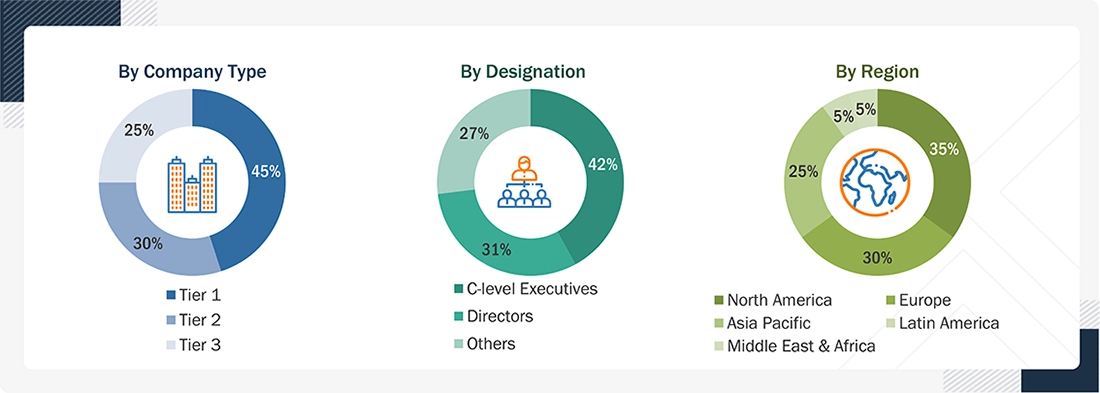
Note 1: Others include sales, marketing, and product managers.
Note 2: Tiers are defined based on a company’s total revenue. As of 2025: Tier 1 = >USD 1 billion, Tier 2 = USD 500 million to USD 1 billion, and Tier 3 = <USD 500 million.
To know about the assumptions considered for the study, download the pdf brochure
Market Size Estimation
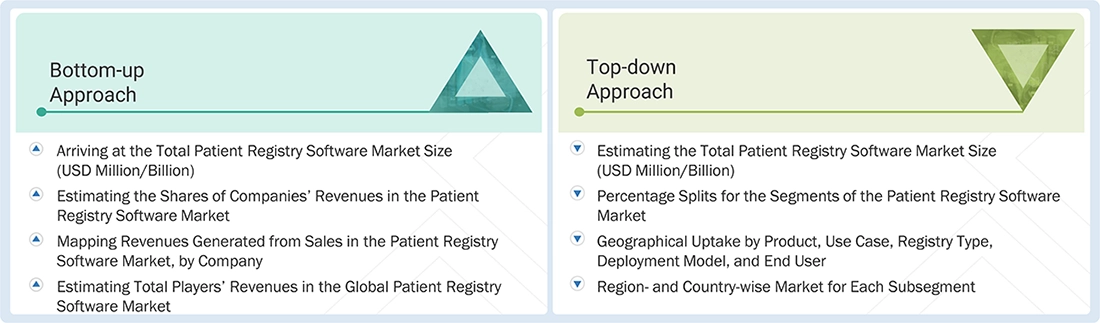
This study's market size estimates and forecasts are derived from a mix of bottom-up (revenue share analysis of leading players) and top-down approaches (assessment of utilization/adoption/penetration trends by product, use case, registry type, deployment model, end user, and region).
Patient Registry Software Market : Top-Down and Bottom-Up Approach
Data Triangulation
After arriving at the overall market size, the market was split into several segments and subsegments using market size estimation processes. To complete the overall market engineering process and arrive at the exact statistics of each market segment and subsegment, the data triangulation and market breakdown procedures were employed, wherever applicable. The data was triangulated by analyzing factors and trends from both the demand and supply sides of the patient registry software market.
Market Definition
Patient registry software is a digital tool that systematically collects, stores, manages, and analyzes patient data on specific diseases, conditions, treatments, or outcomes, enabling real-world evidence generation, research support, and improved clinical decision-making. It facilitates longitudinal tracking of patient outcomes, enhances population health management, and supports regulatory compliance and quality improvement initiatives.
Key Stakeholders
- Patient Registry Software Vendors
- Government Bodies
- Healthcare Providers
- Clinical/Physician Centers
- Healthcare Professionals
- Health IT Service Providers
- Healthcare Associations/Institutes
- Venture Capitalists
- Distributors & Resellers
- Maintenance & Support Service Providers
- Integration Service Providers
- Healthcare Payers
- Advocacy Groups
- Investors & Financial Institutions
- Industry Associations & Trade Groups
Report Objectives
- To define, describe, and forecast the global patient registry software market based on product, use case, registry type, deployment model, end user, and region
- To provide detailed information regarding the major factors influencing the growth of the market (drivers, restraints, opportunities, and challenges)
- To strategically analyze micromarkets with respect to individual growth trends, prospects, and contributions to the overall market
- To analyze the opportunities in the market for stakeholders and provide details of the competitive landscape for market leaders
- To forecast the size of the market segments with respect to five main regions, namely, North America, Europe, Asia, Latin America, and the Middle East & Africa
- To profile key market players and comprehensively analyze their product portfolios, market positions, and core competencies
- To track and analyze competitive developments such as product launches & upgrades; expansions; agreements, partnerships, and acquisitions; and R&D activities in the patient registry software market
Available customizations:
Based on the market data provided, MarketsandMarkets offers customizations to meet your company’s specific needs. The following customization options are available for the report:
Company Information
- Detailed analysis and profiling of additional market players (up to 5)
Geographic Analysis
- Further breakdown of the Rest of Europe patient registry software market into Denmark, Norway, and others
- Further breakdown of the Rest of Asia Pacific patient registry software market into Vietnam, New Zealand, Australia, South Korea, and others
Key Questions Addressed by the Report
Which are the top industry players in the global patient registry market?
Prominent players in the patient registry market include IBM (US), IQVIA Holdings Inc. (US), Health Catalyst Inc. (US), Oracle (US), UnitedHealth Group (US), Conduent Inc. (US), Elekta (Sweden), Dassault Systèmes (France), and NEC Corporation (Japan).
Which registry type has been included in the patient registry market report?
This report includes disease registries (diabetes, cardiovascular, cancer, rare disease, asthma, chronic kidney, orthopedic, immunization, birth defect, and other disease registries) and product registries (medical device and drug registries).
Which geographical region is dominating the global patient registry market?
The patient registry market is segmented into North America, Europe, Asia Pacific, Latin America, and the Middle East & Africa. North America holds the largest share, while Asia Pacific is expected to register the highest growth during the forecast period.
Which end-user segments have been included in the patient registry market report?
End users include profit registries (pharmaceutical, biotechnology, and medical device companies, payers, healthcare providers), non-profit registries (medical specialty societies, patient organizations), government & third-party administrators, and other end users.
What is the total CAGR expected to be recorded for the patient registry market during 2025–2030?
The global patient registry market is expected to record a CAGR of 9.8% during the forecast period from 2025 to 2030.


Personalize This Research
- Triangulate with your Own Data
- Get Data as per your Format and Definition
- Gain a Deeper Dive on a Specific Application, Geography, Customer or Competitor
- Any level of Personalization
Let Us Help You
- What are the Known and Unknown Adjacencies Impacting the Patient Registry Software Market
- What will your New Revenue Sources be?
- Who will be your Top Customer; what will make them switch?
- Defend your Market Share or Win Competitors
- Get a Scorecard for Target Partners

Custom Market Research Services
We Will Customise The Research For You, In Case The Report Listed Above Does Not Meet With Your Requirements
Get 10% Free CustomisationTESTIMONIALS

JAYANT RAJPUROHIT
Director of Market Insights, Data and Analytics
SFI Health,
Leading Pharmaceutical Companywww.sfihealth.com/

We at SFI Health approached MarketsandMarkets for an Opportunity Assessment on "Incidence and Prevalence of Focus Indications" as we wanted to know the most attractive HCPs like Physician, Functional MD, Naturopath and Pharmacist. The project was critical for us to ensure our focus on the right target which would enable sustainable growth and profitability for SFI Health. The business insights provided exceeded our expectations and we were extremely impressed. The team at MarketsandMarkets is highly professional and detail oriented and very well understood our business needs. MarketsandMarkets offers a unique combination of expertise and dedicated engagement model. We identified 2 new products to be launched in coming months, based on the research findings provided by MarketsandMarkets. We are happy with the services and would strongly recommend MarketsandMarkets to my peers in the industry.

BEATRIZ DE LA CALLE
Head of Commercial Analytics
Qualicaps,
Leading Pharmaceutical Companywww.qualicaps.com/

We partnered with MarketsandMarkets for an assessment study on hard empty capsules. The team was extremely professional in understanding our business requirements and we received timely responses to all our queries. The market intelligence and the recommendations has met our business requirements. We were extremely impressed to see the final study results; it really exceeded our expectations. The market intelligence offered by MarketsandMarkets, and clarity on next steps will help us achieve our business objective for the Year 2021. We are happy with the services and would strongly recommend MarketsandMarkets to my peers in the industry.

Bob Williams,
Senior Director Business Development & Innovation
Bracco Diagnostics Inc.,
Italian Multinational in life sciences sector and a World Leader in imaging diagnosticsimaging.bracco.com/us-en
We were pleased with targeted insights that MarketsandMarkets identified from a custom study on the 'Radiation Dose Management Solutions Market'. Your team identified and characterized the market participants as well as underlying trends accurately. This study was useful to Bracco in formulating business strategies for our dose monitoring product lines and we thank MarketsandMarkets for the job well done.
Cody Coonradt,
Market Development and Strategy Manager
3M Health Information Systems,
Leader in Health care Coding, Payment & Analytics Solutions.www.3m.com/3M/en_US/health-information-systems-us
The value for our organization comes from three things: depth of research, specificity of segments and being easy to work with. As important as the first two are, the third can't be underestimated. MarketsandMarkets, maybe more than any other research vendor, wants to know what is top of mind for our team and what big questions we are grappling to answer.
Their customer first approach and high value engagement model, have given us great analysis and excellent value for money
- Canada Patient Registry Software Market
- US Patient Registry Software Market
- UK Patient Registry Software Market
- Germany Patient Registry Software Market
- France Patient Registry Software Market
- Italy Patient Registry Software Market
- Spain Patient Registry Software Market
- Japan Patient Registry Software Market
- China Patient Registry Software Market
- India Patient Registry Software Market
- Brazil Patient Registry Software Market
- Mexico Patient Registry Software Market
- Rest Of Europe Patient Registry Software Market
- Rest Of Asia Pacific Patient Registry Software Market
- Rest Of Latin America Patient Registry Software Market






Growth opportunities and latent adjacency in Patient Registry Software Market