
Specialty Feed Additives Market

Specialty Feed Additives Market by Livestock, Type (Phytogenics, Organic Acids, Probiotics, Mycotoxin Binders & Modifiers, Algae Omega-3, Pellet Binders, Flavors & Sweeteners, Water Disinfectants, and Antioxidants), Form, Source, Function, Manufacturing Technology, and Region - Global Forecast to 2030




OVERVIEW
Source: Secondary Research, Interviews with Experts, MarketsandMarkets Analysis
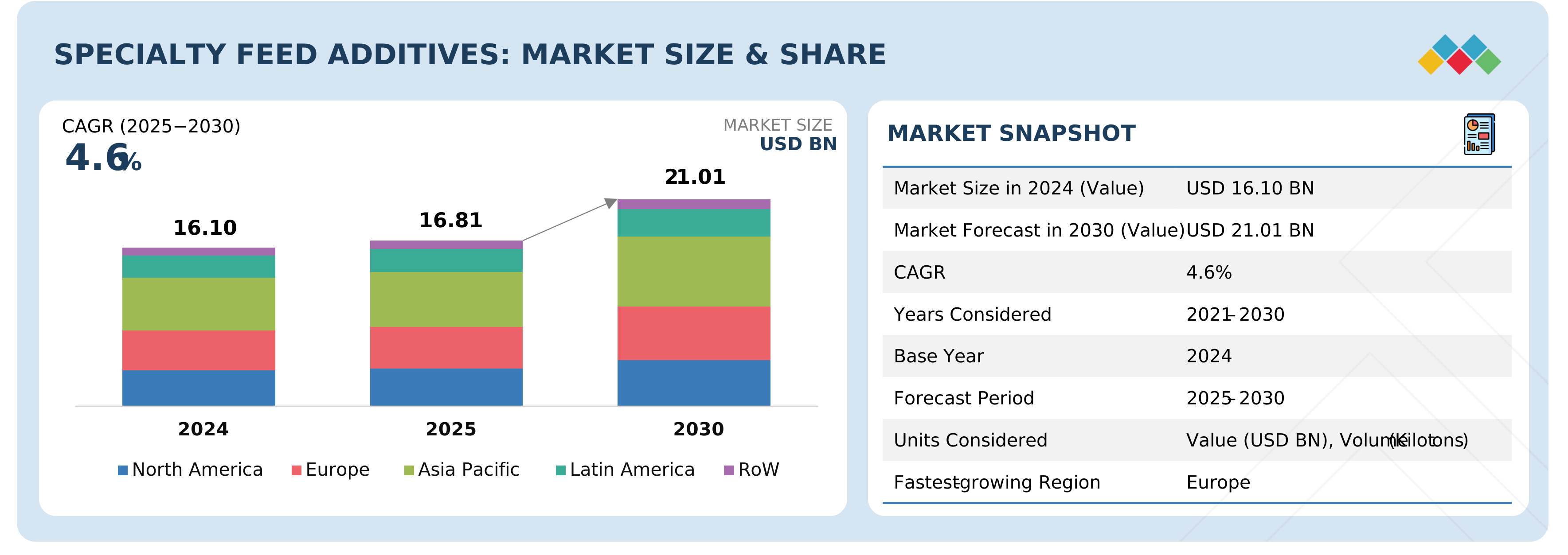
The specialty feed additives market is estimated at USD 16.81 billion in 2025 and is projected to reach USD 21.01 billion by 2030, at a CAGR of 4.6%. The market for specialty feed additives is seeing a stable growth trajectory, and demand for improved health, productivity, and feed efficiency is growing within the livestock sector.
KEY TAKEAWAYS
- The Asia Pacific is expected to account for a 33.2% share of the specialty feed additives market in 2025.
- By type, the phytogenic segment is expected to register the highest CAGR of 7.4%.
- By source, the natural segment is projected to grow at a faster rate from 2025 to 2030.
- By livestock, the poultry segment is expected to dominate the market.
- By form, the dry segment is expected to dominate the market, growing at a CAGR of 4.3%.
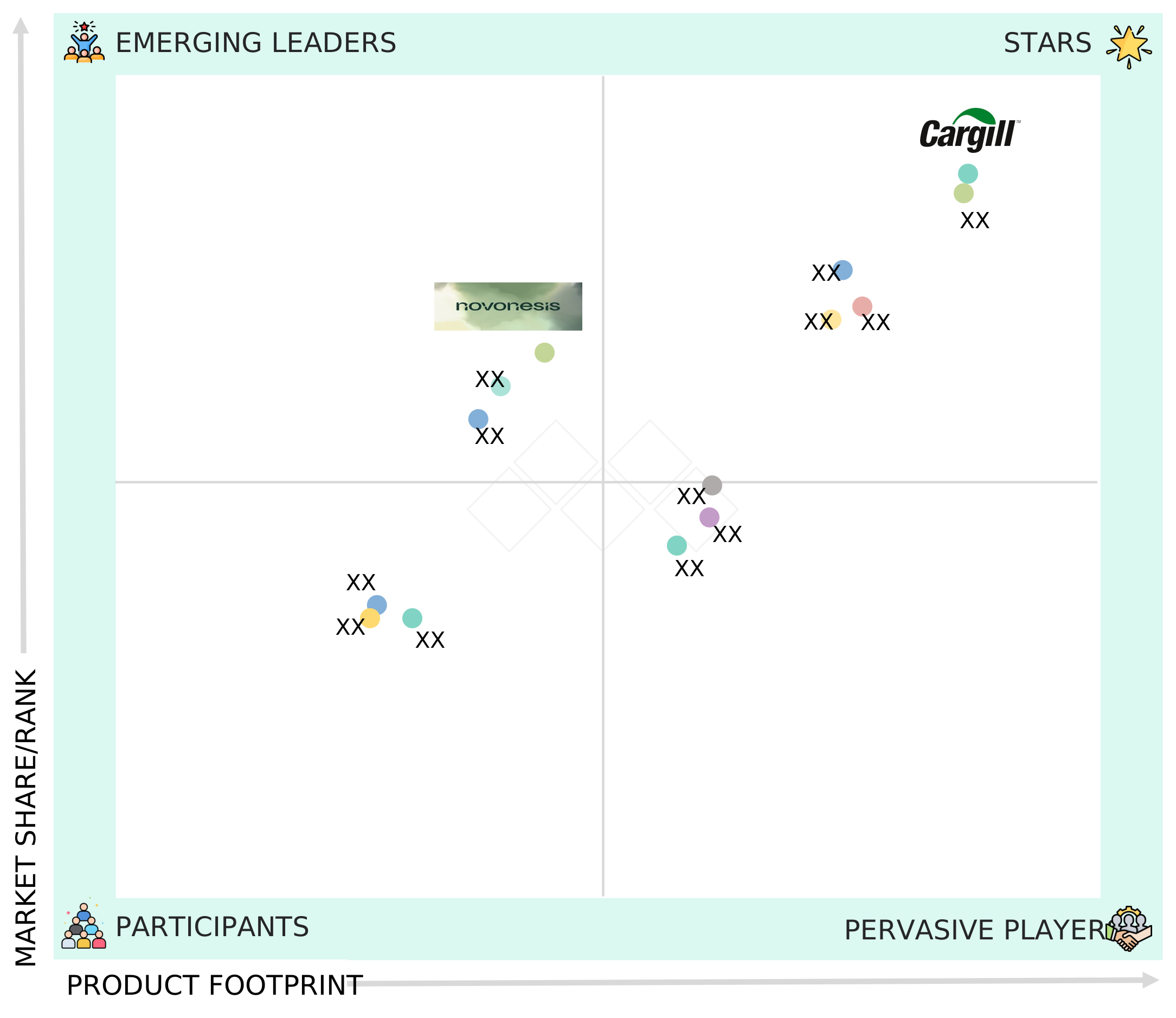
- Cargill, Incorporated, ADM, and IFF were identified as some of the star players in the specialty feed additives market, given their strong market share and product footprint.
- Neospark Drugs and Chemicals Private Limited, Global Nutrition International, and Tex Biosciences (P) Ltd., among others, have distinguished themselves among startups and SMEs by securing strong footholds in specialized niche areas, underscoring their potential as emerging market leaders.
Specialty feed additives are becoming essential components of modern livestock nutrition programs. They enable producers to meet evolving market demands while ensuring animal welfare, environmental sustainability, and economic viability. There are enough attractive opportunities to innovate and develop specialty feed additives across various livestock species.
TRENDS & DISRUPTIONS IMPACTING CUSTOMERS' CUSTOMERS
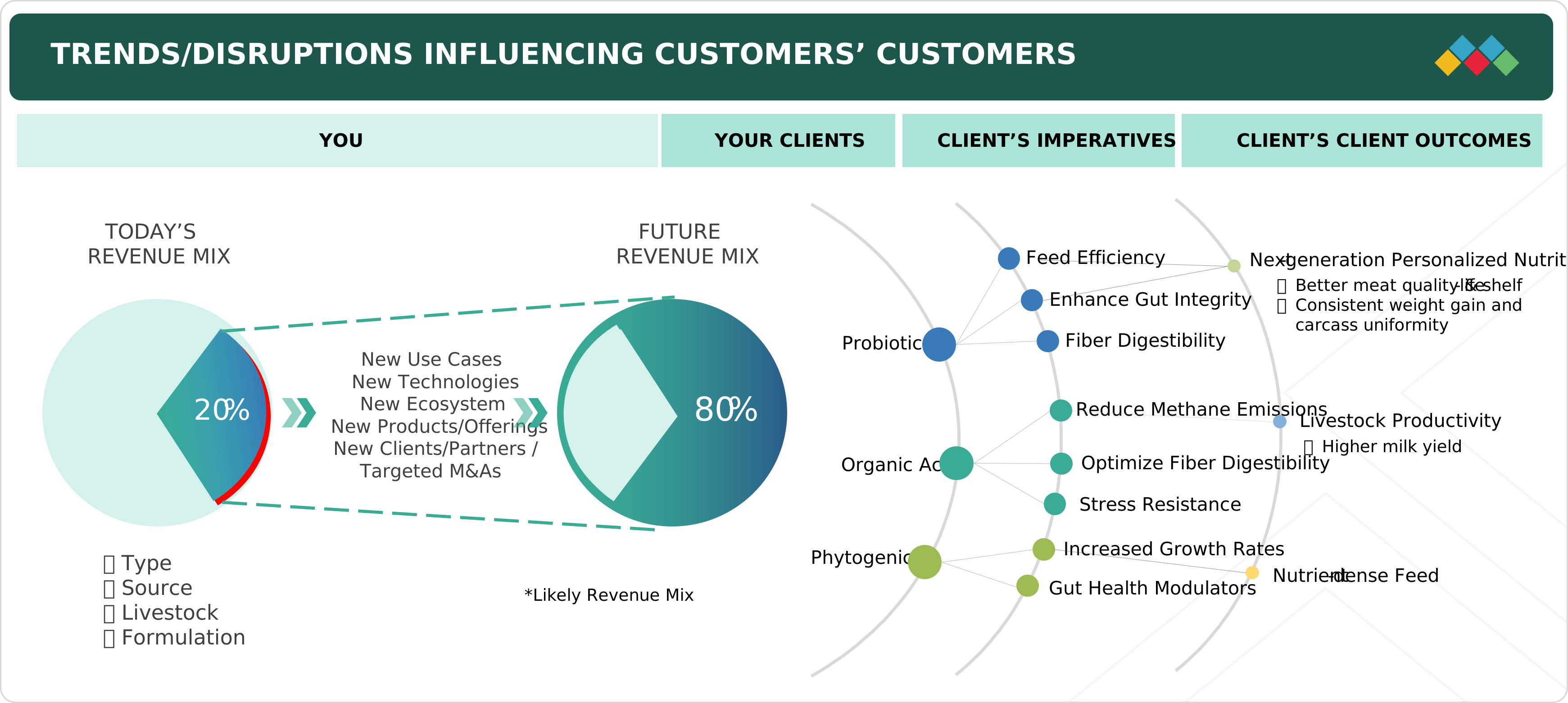
Shifting consumer preferences toward antibiotic-free meat and rising regulatory pressures are reshaping the livestock industry. These changes directly impact feed manufacturers and livestock producers, driving the need for innovative feed solutions. As a result, the demand for specialty feed additives is expected to increase, influencing the revenue streams of both feed additive manufacturers and suppliers.
Source: Secondary Research, Interviews with Experts, MarketsandMarkets Analysis
MARKET DYNAMICS

Level
-
Increase in meat-based products

-
Rising awareness about feed quality


Level
-
Reliance on antibiotics for growth promotion in livestock production

-
Inconsistency in regulatory structure


Level
-
Evolution of precision livestock farming

-
Increase in demand for nutritional supplements for monogastric animals


Level
-
Fluctuating raw material costs

-
Sustainability of feed and livestock chain

Source: Secondary Research, Interviews with Experts, MarketsandMarkets Analysis
Driver: Increase in demand for meat-based products
The increasing global demand for meat, dairy, and eggs is a significant influence on the expansion of specialty feed additives, which are important components to improve animal health, growth performance, and feed efficiency. Poultry meat is the largest component of global meat production, in part because of its relatively low cost, strong demand, good feed cost ratio for production, and availability even in many less developed economies. As the poultry industry seeks to become more productive and sustainable, specialty feed additives are increasingly adopted to improve nutrient uptake and feed conversion ratios, as well as optimize product quality. According to the OECD-FAO Agricultural Outlook 2025-2034, global meat consumption is going to increase by 47.9 million tonnes (52.8 million tons), or 13%, by 2034, with a 62% share increase from poultry. Beef and pork consumption is predicted to decline in high-income regions as meat tax proposals underway are considered, as well as potential limits on health and sustainability issues. Global meat production is expected to increase by 13% to 406 million tons. These trends broadly view specialty feed additives as necessary partners for sustainable intensification in all livestock production, serving economic and environmental goals.
Restraint: Reliance on antibiotics for growth promotion in livestock production
The specialty feed additives market faces a significant hindrance to the use of antibiotics for the growth promotion of livestock, particularly in developing areas. While the challenge of antimicrobial resistance (AMR) is increasingly concerning and recognized globally, many producers continue using antibiotics as they have proven efficacy, are relatively cheap and available, and are easier to implement. The continued dependence on antibiotics hinders farmers from adopting alternatives like probiotics, prebiotics, and organic acids. These approaches often require more precise feeding methods and better management practices, which can discourage adoption, particularly in resource-rich settings where antibiotics offer quicker, broad-spectrum solutions. In contrast, antibiotics provide rapid and broad-spectrum capabilities and are a more convenient and familiar tool. In some markets, antibiotics are a cheaper alternative to specialty feed additives and are even more available. The challenge lies in the market awareness for feed additives and the understanding that the impacts are more systematic and long-term, and there is a lack of technical training and support. If rules around antibiotic use don’t become stricter and the cost benefits of specialty feed additives aren’t clear, it will be hard to grow this market, especially with producers who still prefer using antibiotics.
Opportunity: Evolution of precision livestock farming
The advancement of precision livestock farming (PLF) will change the global livestock production system as it utilizes novel digital technologies such as artificial intelligence, real-time sensors, and automatic feeding systems that allow livestock to be continually monitored in terms of health and productivity. This provides a noteworthy opportunity for the sale of additives in specialty feed markets, primarily by developing precision, data-driven nutritional opportunities. PLF technologies can empower livestock producers to deliver feed formulations individualized for physiological needs, production, and health stages of groups or individual livestock. This could include targeted and strategic feeding and use of functional feed additives, including probiotics, organic acids, and phytogenic active compounds, which enhance gut health, immune system response, and efficiencies regarding nutrient utilization. These additives will enhance animal performance and efficiency and be environmentally sustainable by decreasing prescription and other medical use and nutrient waste. Cargill has partnered with an artificial intelligence-based firm, Cainthus, which uses visual monitoring, measurement, and analysis of the feed consumption and resulting health of livestock. Through smart monitoring, livestock producers can adjust feeds in real time using targeted functional feed additives, including those for enhancing gut health, like probiotics and phytogenics—therefore, helping to drive precision nutrition and ultimately, environmentally responsible, high-performing livestock production.
Challenge: Fluctuating raw material costs
Volatile raw material pricing presents a serious challenge to the specialty feed additives industry, particularly for phytogenics, antioxidants, organic acids, and mycotoxin binders. Numerous specialty additives, such as organic acids and probiotics, depend on basic ingredients obtained from fermentation processes, petrochemicals, or agricultural commodities. Increased production costs for additive manufacturers may result from changes in the price of these inputs, which can be caused by unfavorable weather, geopolitical unrest, trade restrictions, or disruptions in the global supply chain. Rising raw material costs are putting pressure on the cost structure of specialty feed additive manufacturers, making it difficult to maintain stable pricing and profit margins. This ongoing volatility in raw material prices makes it difficult for manufacturers to continue using specialty feed additives, often forcing them to reduce usage, reassess their formulations, or shift to cheaper, less effective alternatives. Such cost pressures are expected to slow down both the growth and innovation of the specialty feed additives industry, particularly in price-sensitive markets. Moreover, this instability poses a major setback to the industry's broader sustainability goals.
Specialty Feed Additives Market: COMMERCIAL USE CASES ACROSS INDUSTRIES
| COMPANY | USE CASE DESCRIPTION | BENEFITS |
|---|---|---|
 |
Use of essential oils and phytogenics in broiler feed | Natural growth promotion, gut health improvement, antibiotic replacement |
 |
Methionine supplementation in poultry and swine diets | Improved growth rates, enhanced feed efficiency, reduced nitrogen excretion |
 |
Precision mineral nutrition for dairy cows | Improved fertility, bone strength, and milk yield |
 |
Enzyme blends for monogastric feed | Better nutrient absorption, reduced feed costs, lower environmental impact |
Logos and trademarks shown above are the property of their respective owners. Their use here is for informational and illustrative purposes only.
MARKET ECOSYSTEM
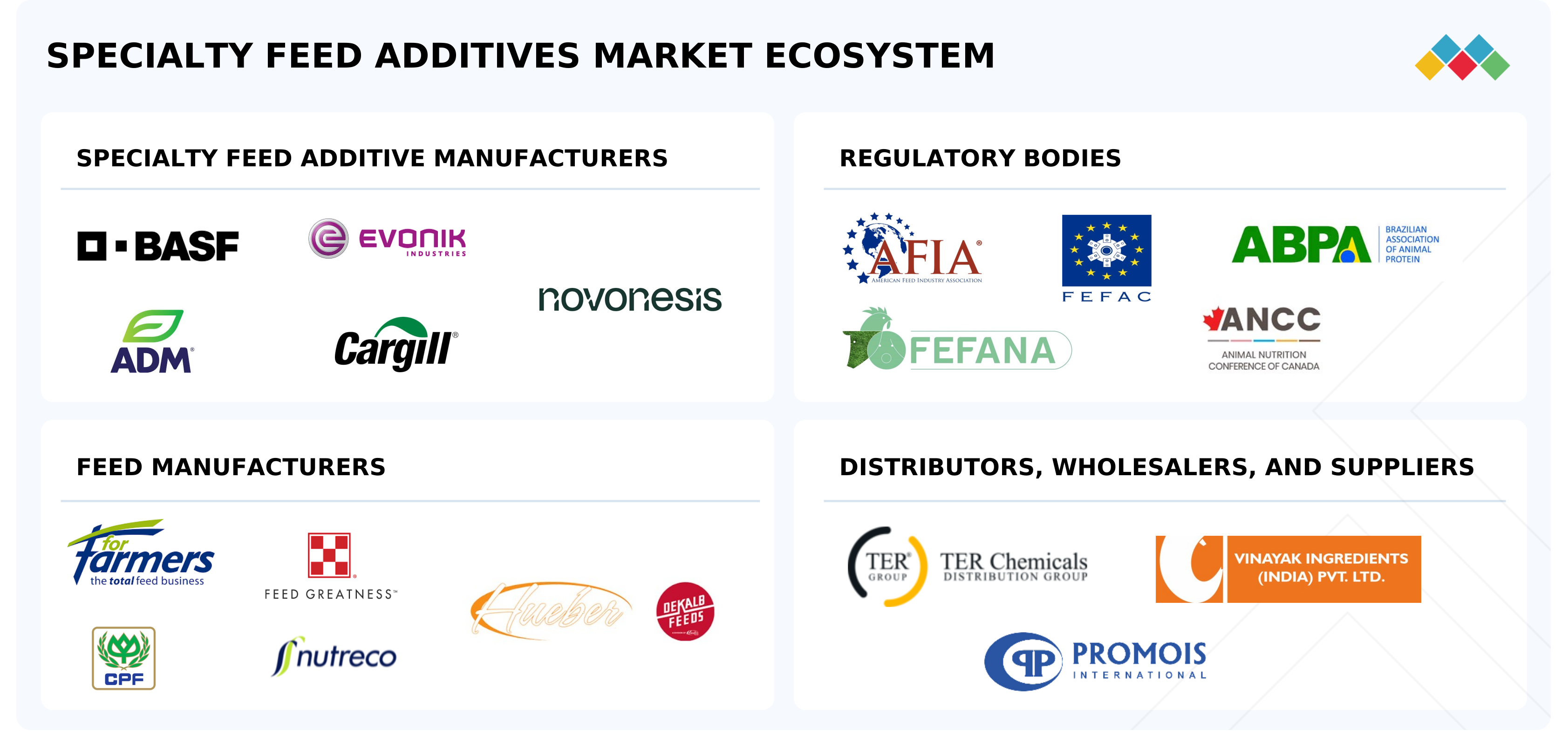
The specialty feed additives market ecosystem involves interconnected relationships among key stakeholders, including raw material suppliers, feed additive manufacturers, distributors, and end users across the animal nutrition and livestock industries. Raw material suppliers provide bio-based, mineral, or synthetic inputs used in the formulation of additives. Manufacturers convert these inputs into functional products such as acidifiers, enzymes, amino acids, phytogenics, and mycotoxin binders. Distributors and suppliers serve as intermediaries, connecting additive manufacturers with compound feed producers, integrators, and livestock farmers. This integrated supply chain structure helps optimize animal performance, improve feed efficiency, and enhance the sustainability and profitability of livestock production systems.
Logos and trademarks shown above are the property of their respective owners. Their use here is for informational and illustrative purposes only.
MARKET SEGMENTS
Source: Secondary Research, Interviews with Experts, MarketsandMarkets Analysis
Specialty Feed Additives Market, By Type
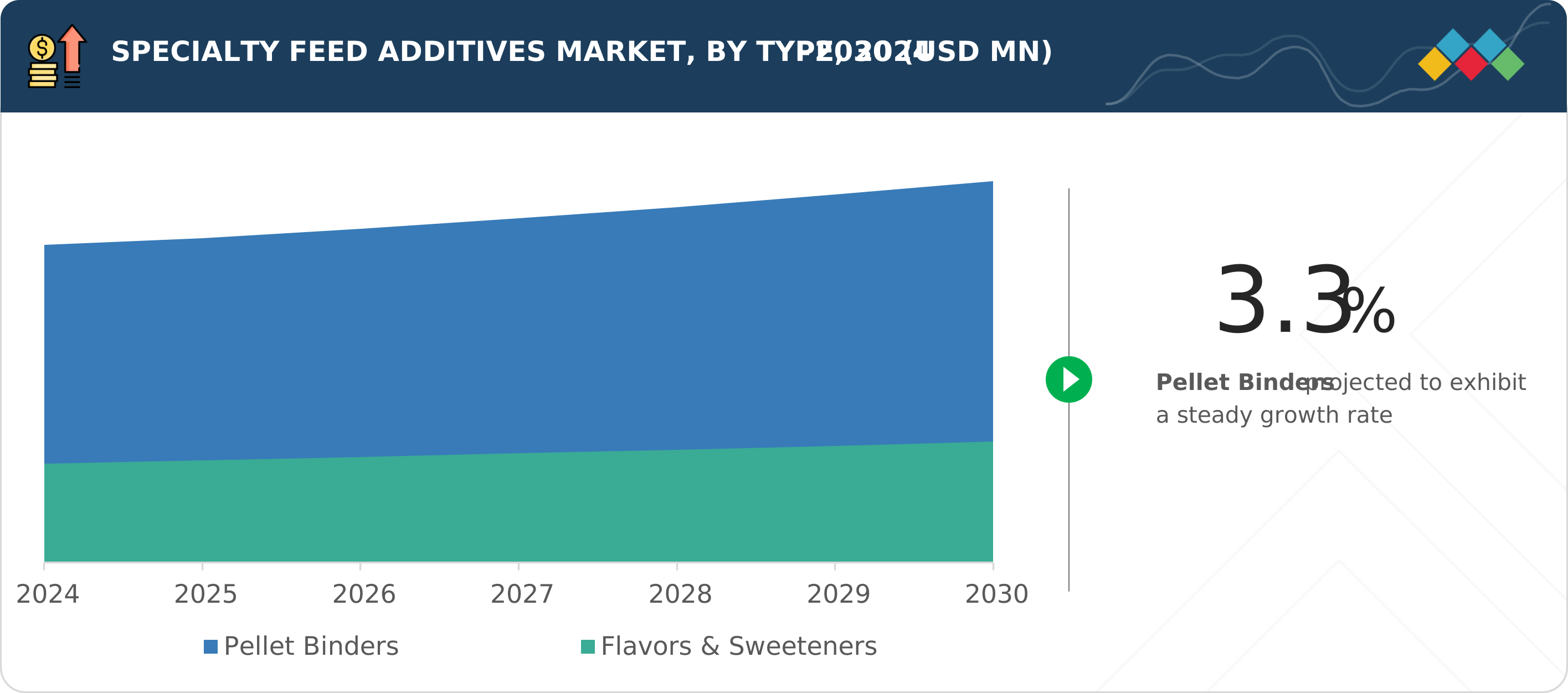
Pellet binders, organic acids, and mycotoxin detoxifiers are among the most dominant types of specialty feed additives, playing a crucial role in enhancing feed quality and livestock performance. Pellet binders help improve the physical integrity of feed, ensuring better durability and reduced dust, which in turn improves feed intake and minimizes wastage. Organic acids are widely used for their antimicrobial properties and ability to promote gut health, making them a preferred alternative to antibiotics in many regions. Their role in improving feed digestibility and nutrient absorption has further increased their adoption across poultry, swine, and aquaculture sectors. Mycotoxin detoxifiers, on the other hand, are essential in neutralizing the harmful effects of mycotoxins commonly found in contaminated feed grains. These additives help prevent toxin-related health issues, protect animal productivity, and reduce economic losses. With growing regulatory restrictions on antibiotic use and rising demand for safe, clean-label animal products, these three additive types are increasingly being integrated into feed formulations. Their strong functional benefits and ability to align with sustainable and preventive animal health strategies make them key drivers in the continued expansion of the specialty feed additives market.
Specialty Feed Additives Market, By Livestock
Ruminants, particularly dairy and beef cattle, hold a significant share in the specialty feed additives industry, as they are a crucial component of global food production. According to the OECD-FAO Agricultural Outlook 2025–2034, global milk production is expected to grow by 1.8% annually to 2034, mostly due to increased yields per animal. The anticipated increased production of milk is positively correlated with improved feed efficiency, animal health, and productivity of the ruminant livestock production system. Countries such as India and Pakistan, the top producers of milk, will continue to grow milk production and will require more effective nutrition to achieve these higher production levels. The use of specialty feed additives, e.g., phytogenics, organic acids, and probiotics, is increasingly being used to enhance digestion, immunity, and absorption of nutrients in ruminants. Potential sources of industry growth, including ruminant livestock, are being impacted by environmental constraints and the demand for efficiency, which will stimulate greater use of specialty feed additives. As ruminant livestock will continue to be the backbone of the dairy and meat industry worldwide, their contribution will continue to drive demand for better feed, reinforcing their position of dominance, and contribute to growth in the specialty feed additives sector over the next decade.
REGION
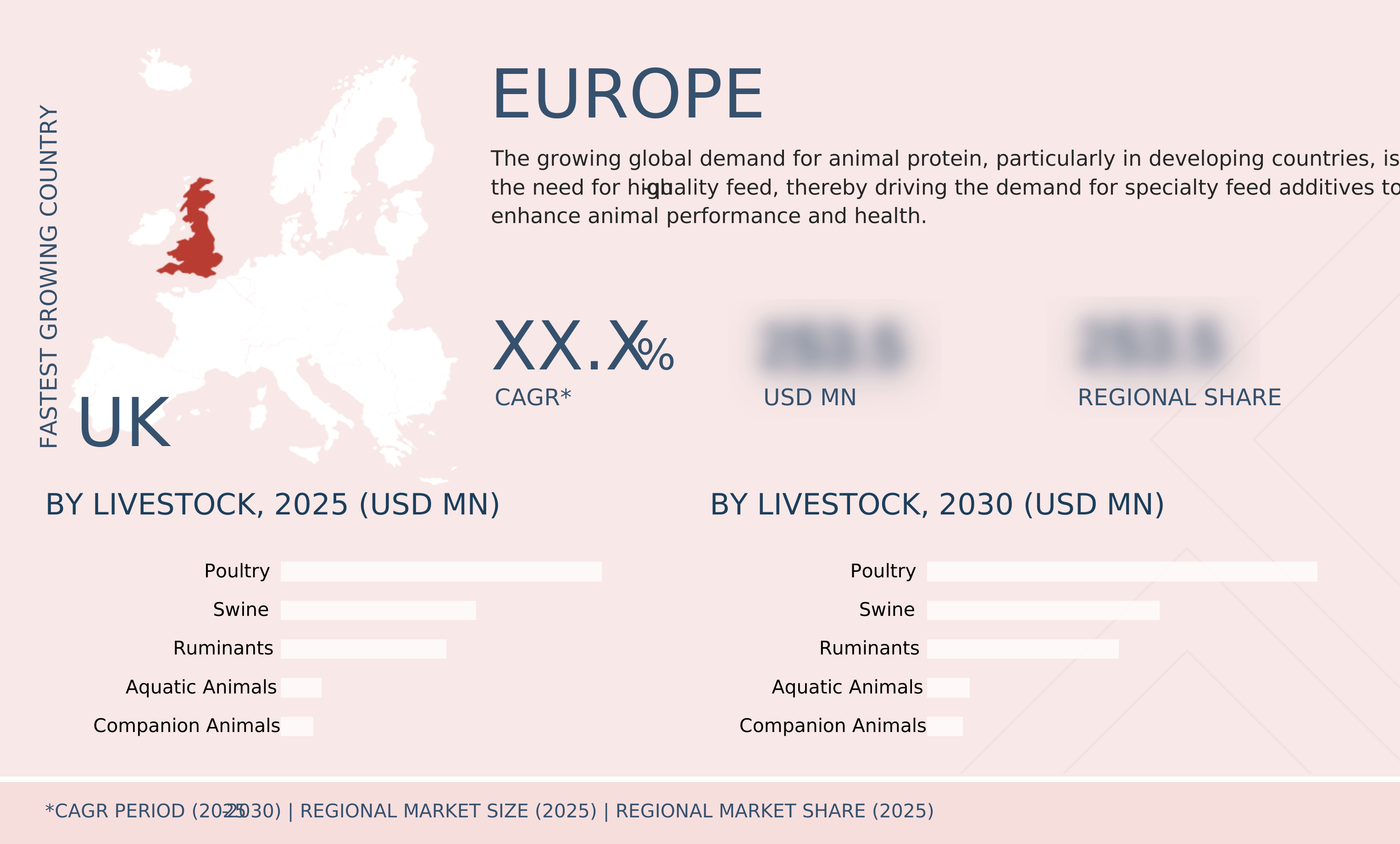
Europe is estimated to be the fastest-growing region in the specialty feed additives market
Europe is projected to grow at the highest CAGR in the specialty feed additives market during the forecast period, driven by a combination of sectoral recovery, evolving regulatory standards, and rising consumer demand for high-quality animal protein. According to a May 2025 report by Feed Strategy, the European poultry sector has shown notable momentum, with broiler feed production increasing by 1.8%, supported by robust exports and growing consumer preference for healthier, sustainable protein options. Despite challenges such as the spread of avian diseases like HPAI and Newcastle disease, along with rising energy and feed costs, the demand for poultry remains strong, pushing chicken prices to record levels. Additionally, regulatory initiatives like the European Chicken Commitment (ECC) have further escalated production costs, prompting producers to adopt more efficient feeding strategies. Meanwhile, according to the Alltech Agri Outlook 2025, total feed production in Europe increased by 2.7%, with recoveries observed in the pig, beef, and aquaculture sectors. These trends are fostering increased reliance on specialty feed additives that support gut health, immunity, nutrient absorption, and sustainable production practices, making them critical for profitability and compliance in the European livestock industry.
Specialty Feed Additives Market: COMPANY EVALUATION MATRIX
In the specialty feed additives market matrix, Cargill, Incorporated (US), positioned as a Star, leads the market with its extensive portfolio of high-performance additives tailored for various livestock segments, including poultry, swine, ruminants, and aquaculture. The company’s robust global presence, strategic collaborations, and commitment to innovation in animal nutrition have solidified its leadership across key markets. Novonesis (Denmark) is recognized as an Emerging Leader, steadily gaining traction through continuous product development in areas such as enzymes, probiotics, and phytogenics. While Cargill continues to dominate with its established distribution networks and species-specific solutions, Novonesis exhibits strong potential to transition into the leaders’ quadrant as it expands its footprint and enhances its specialty additive offerings in response to evolving livestock production needs.
Source: Secondary Research, Interviews with Experts, MarketsandMarkets Analysis
KEY MARKET PLAYERS
MARKET SCOPE
| REPORT METRIC | DETAILS |
|---|---|
| Market Size Value in 2024 | USD 16.10 Billion |
| Market Forecast in 2030 | USD 21.01 Billion |
| Growth Rate | CAGR of 4.6% during 2025-2030 |
| Actual Data | 2021–2030 |
| Base Year | 2024 |
| Forecast Period | 2025–2030 |
| Units Considered | Value (USD Billion), Volume (Tons) |
| Report Coverage | Revenue forecast, company ranking, competitive landscape, growth factors, and trends |
| Segments Covered | • By Type: Phytogenics, Organic Acids, Mycotoxin Detoxifiers, Algae Omega 3, Pellet Binders, Probiotics, Antioxidants, Water Disinfectants, Flavors & Sweeteners • By Source: Natural, Synthetic • By Livestock: Poultry, Swine, Ruminants, Aquatic Animals, Companion Animals • By Form: Dry, Liquid • By Function: Gut Health & Digestive Performance, Mycotoxin Management, Palatability Enhancement, Preservation of Functional Ingredients, Others • By Manufacturing Technology: Fermentation, Extraction & Purification, Microencapsulation/Coating, Other Manufacturing Technologies (Qualitative) |
| Regions Covered | North America, Europe, Asia Pacific, Latin America, RoW |
WHAT IS IN IT FOR YOU: Specialty Feed Additives Market REPORT CONTENT GUIDE
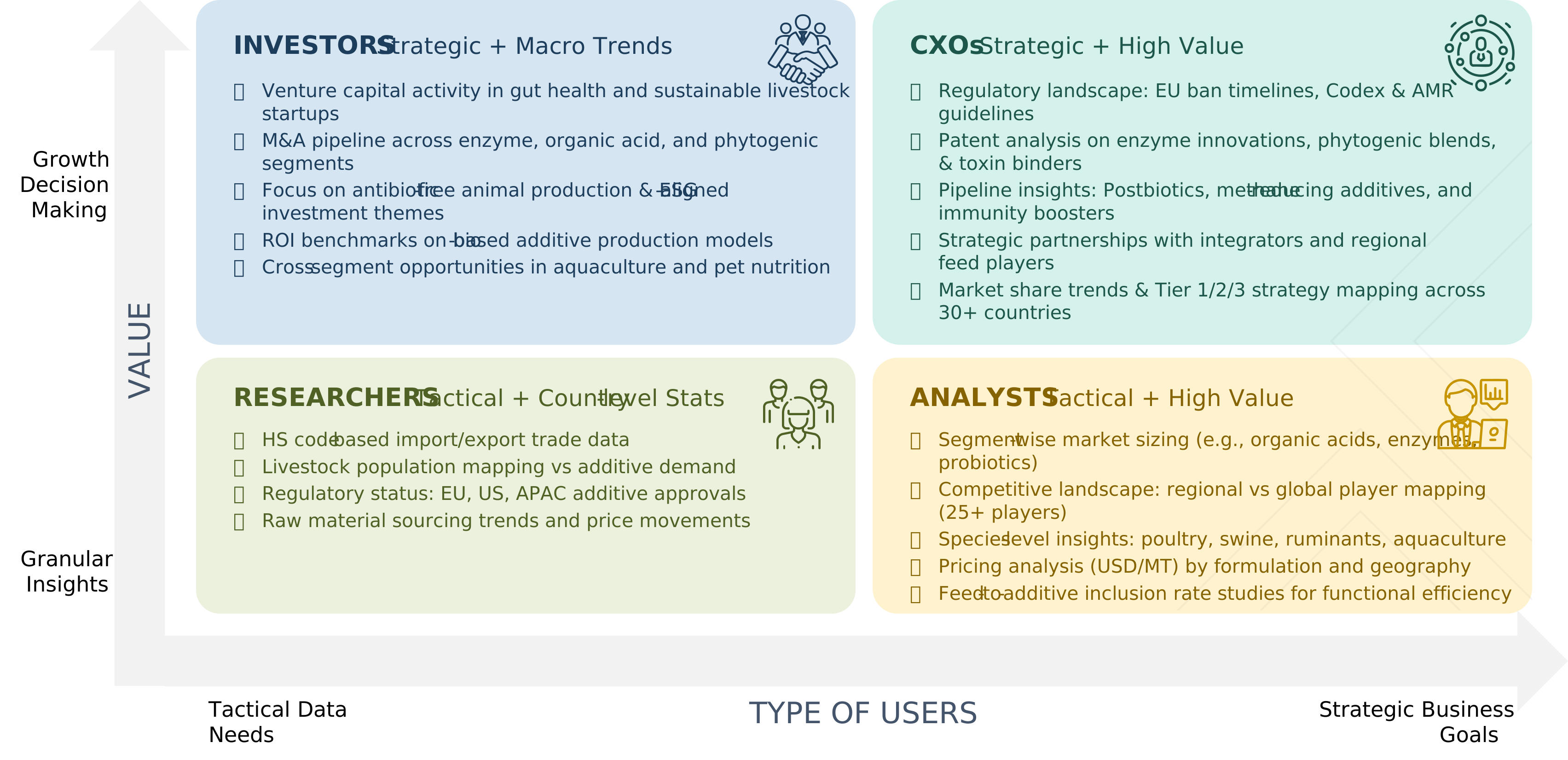
DELIVERED CUSTOMIZATIONS
We have successfully delivered the following deep-dive customizations:
| CLIENT REQUEST | CUSTOMIZATION DELIVERED | VALUE ADDS |
|---|---|---|
| Demand analysis of specialty additives across poultry, swine, ruminants, and aquaculture | • Species-specific additive mapping (e.g., phytogenics in poultry, organic acids in swine, binders in dairy) | • Detailed specialty feed additive demand forecast by livestock |
| Market trend analysis of natural, synthetic, additive sources | • Source-wise demand forecast and cost-benefit analysis • Clean-label positioning strategies for phytogenic and probiotic-based products | • Informed sourcing decisions aligned with sustainability goals • Competitive edge through natural additive integration and labeling advantages |
| Market share of powder, liquid, additive forms | • Regional breakdown of form-wise adoption rates • Performance insights on stability, solubility, and feed mixing compatibility | • Form-specific go-to-market strategy for product differentiation • Improved additive efficacy and user convenience in feed production |
RECENT DEVELOPMENTS
- April 2025 : Cargill, Incorporated launched a specialty feed additive combining a postbiotic (XPC™) and a phytogenic to support gut health and immunity in poultry. It helps mitigate the effects of avian pathogenic E. coli (APEC), improves egg production in layers, reduces bird mortality, and lowers pre-harvest foodborne pathogens.
- January 2025 : International Flavors & Fragrances Inc. (US) announced the launch of Enviva® DUO, a groundbreaking direct-fed microbial (DFM) solution for poultry production. This innovative blend of two non-spore-forming bacterial strains is designed to support the growth of beneficial gut bacteria during challenging conditions and encourage a favorable nutribiotic state.
- October 2024 : Nutreco (Netherlands) officially opened the world’s first dedicated food-grade powder production facility for cell feed in Boxmeer, Netherlands. This facility aims to provide cost-effective and sustainable cell culture media to support the growing cultivated protein industry and enable large-scale production.
- September 2024 : Alltech (US) and EnviroEquine (US) announced a strategic licensing agreement, integrating Alltech’s advanced technologies into EnviroEquine’s equine nutritional supplements. This agreement aims to enhance product efficacy with science-based solutions and boost brand presence in North America and Europe. The partnership aligns with both companies’ commitments to sustainability and high-quality animal nutrition.
- June 2024 : Kemin Industries Inc. (US) introduced FORMYL, a new feed acidifier for swine in the US. This product combines encapsulated calcium formate and citric acid to enhance gut health, combat pathogens, and improve digestion. Designed to reduce gastrointestinal pH and the incidence of diarrhea, FORMYL offers a non-antibiotic solution that ensures effective delivery and safer handling, aligning with Kemin’s focus on innovative, sustainable animal nutrition solutions.
Table of Contents
 Exclusive indicates content/data unique to MarketsandMarkets and not available with any competitors.
Methodology
The study involved two major approaches in estimating the current size of the specialty feed additives market. Exhaustive secondary research collected information on the market, type, livestock, source, form, function & manufacturing technology segments. The next step was to validate these findings, assumptions, and sizing with industry experts across the value chain through primary research. Both top-down and bottom-up approaches were employed to estimate the complete market size. Data triangulation was used to estimate the market size of segments and subsegments.
Secondary Research
This research study involved extensive secondary sources—directories and databases such as Bloomberg Businessweek and Factiva—to identify and collect valuable information for a technical, market-oriented, and commercial market study. In the secondary research process, sources such as annual reports, press releases & investor presentations of companies, white papers, food journals, certified publications, articles from recognized authors, directories, and databases were referred to identify and collect information. Secondary research was mainly used to obtain key information about the industry’s supply chain, the pool of key players, and market classification and segmentation as per the industry trends to the bottom-most level, regional markets, and key developments from market- and technology-oriented perspectives.
Primary Research
Extensive primary research was conducted after obtaining information regarding the specialty feed additives market scenario through secondary research. Several primary interviews were conducted with market experts from the demand and supply sides across major countries of North America, Europe, Asia Pacific, South America, and the Rest of the World. Primary data was collected through questionnaires, emails, and telephonic interviews. The primary sources from the supply side included various industry experts, such as chief officers (CXOs), vice presidents (VPs), directors from business development, marketing, research, and development teams, and related key executives from distributors and key opinion leaders.
Primary interviews were conducted to gather insights such as market statistics, data on revenue collected from the products and services, market breakdowns, market size estimations, market forecasting, and data triangulation. Primary research also helped understand the type, livestock, source, form, and region trend. Stakeholders from the demand side, such as feed additives manufacturers, were interviewed to understand the buyers’ perspective on the suppliers, products, and their business outlook, which will affect the overall market.
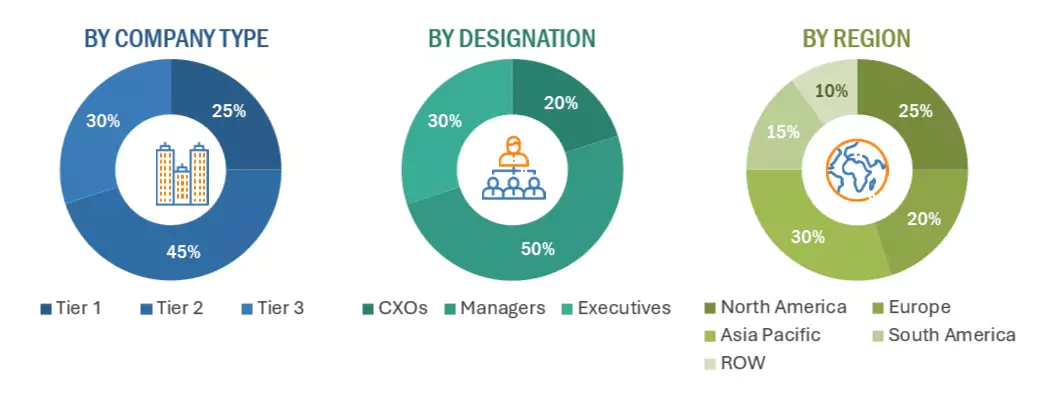
Note: The three tiers of the companies are defined based on their total revenues in 2023 or 2024, as per
the availability of financial data: Tier 1: Revenue > USD 1 billion; Tier 2: USD 100 million
= revenue = USD 1 billion; Tier 3: Revenue < USD 100 million
To know about the assumptions considered for the study, download the pdf brochure
|
COMPANY NAME |
DESIGNATION |
|
Cargill, Incorporated (US) |
Product Development Manager |
|
ADM (US) |
Senior R&D Scientist |
|
International Flavors & Fragrances Inc (US) |
Marketing Director |
|
Evonik Industries AG (Germany) |
Sales Head |
|
BASF (Germany) |
Senior Research Executive |
Market Size Estimation
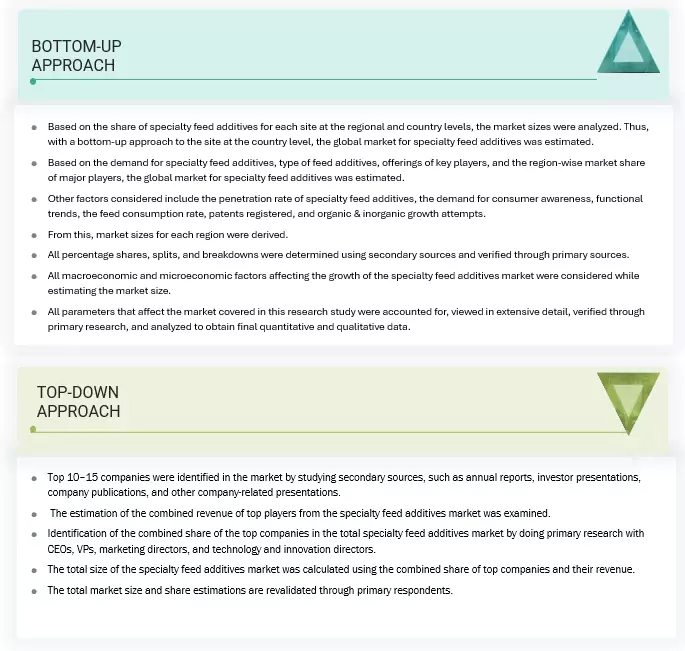
The top-down and bottom-up approaches were used to estimate and validate the total size of the specialty feed additives market. These approaches were also used extensively to determine the size of various subsegments in the market. The research methodology used to estimate the market size includes the following details:
- The key players in the industry and the overall markets were identified through extensive secondary research
- All shares, splits, and breakdowns were determined using secondary sources and verified through primary sources
- All possible parameters that affect the market covered in this research study were accounted for, viewed in extensive detail, verified through primary research, and analyzed to obtain final quantitative and qualitative data
- The research included the study of reports, reviews, and newsletters of top market players, along with extensive interviews for opinions from leaders, such as CEOs, directors, and marketing executives
Specialty Feed Additives Market : Top-Down and Bottom-Up Approach
Data Triangulation
After determining the overall market size from the estimation process explained above, the total market was split into several segments and subsegments. The data triangulation procedure was employed, wherever applicable, to estimate the overall specialty feed additives market and arrive at the exact statistics for all segments and subsegments. The data was triangulated by studying various factors and trends from the demand and supply sides. The market size was also validated using both the top-down and bottom-up approaches.
Market Definition
Specialty feed additives are defined as the non-nutritive functional ingredients that are used to enhance animal health and optimize feed efficiency. These additives are used in small quantities and are typically targeted, high-value products with a specific functional role. These are specific ingredients designed to serve a particular purpose when used in the correct concentrated form. The inclusion of these additives enhances the overall nutritional composition of feed and improves its storage stability. These components are recognized for their essential role in ensuring proper nutrition and promoting the overall health and well-being of animals.
According to the European Food Safety Authority, “Feed additives are products used in animal nutrition to achieve an effect on the feed itself, on the animals, on food products obtained from the animals consuming the feed additive, or on the environment. For instance, feed additives are used to enhance the flavor of feed, to meet the need for certain nutrients, or to increase the performance of animals in good health. They are used in feed for food-producing animals and in pet food.”
According to the European Commission, “Feed additives are defined as products used in animal nutrition for the purpose of improving the quality of feed and the quality of food from animal origin, or to improve the animals’ performance and health, e.g., providing enhanced digestibility of the feed materials. Feed additives may not be put on the market unless authorization has been given, following a scientific evaluation demonstrating that the additive has no harmful effects on human and animal health and the environment.
Stakeholders
- Feed manufacturers
- Dairy farms, poultry farms, and livestock farms
- Feed importers and exporters
- Intermediary suppliers, including traders & distributors of feed additives such as organic acids, mycotoxin binders and modifiers, flavors & sweeteners, antioxidants, phytogenics, water disinfectants, pellet binders, and probiotics
- Government and research organizations
-
Associations and industry bodies:
- Food and Agriculture Organization (FAO)
- United States Department of Agriculture (USDA)
- European Food Safety Authority (EFSA)
- European Association of Specialty Feed Ingredients and their Mixtures (FEFANA)
- International Feed Industry Federation (IFIF)
- Organization for Economic Co-operation and Development (OECD)
- Animal Feed Manufacturers Association (AFMA)
- The Irish Grain and Feed Association (IGFA)
- National Grain and Feed Association (NGFA)
- The Compound Feed Manufacturers Association (CLFMA)
- Brazilian Poultry Association and the Brazilian Chicken Producers and Exporters Association (UBABEF)
- Japan Feed Manufacturers Association (JAFMA)
- Animal Nutrition Association of Canada (ANAC)
Report Objectives
- To determine and project the size of the specialty feed additives market based on type, livestock, source, form, function, manufacturing technology (qualitative), and region over five years, ranging from 2025 to 2030
- To identify the attractive opportunities in the market by determining the largest and fastest-growing segments across regions
- To provide detailed information about the key factors influencing market growth (drivers, restraints, opportunities, and challenges)
- To analyze the opportunities in the market for stakeholders and provide details of the competitive landscape for market leaders
- To analyze the micromarkets concerning individual growth trends, prospects, and their contribution to the total market
- To identify and profile the key players in the specialty feed additives market
- To understand the competitive landscape and identify the major growth strategies adopted by players across the key regions
Available Customizations
With the given market data, MarketsandMarkets offers customizations according to company-specific scientific needs.
The following customization options are available for the report:
Product Analysis
- Product matrix, which gives a detailed comparison of the product portfolio of each company.
Geographic Analysis as per Feasibility
With the given market data, MarketsandMarkets offers customizations according to company-specific scientific needs.
- Further breakdown of the Rest of Europe specialty feed additives market into key countries
- Further breakdown of the Rest of Asia Pacific specialty feed additives market into key countries
- Further breakdown of the Rest of South America specialty feed additives market into key countries
Company Information
- Detailed analyses and profiling of additional market players (up to five)
Key Questions Addressed by the Report
What is the projected size of the specialty feed additives market?
The specialty feed additives market was valued at USD 16.10 billion in 2024 and is projected to reach USD 21.01 billion by 2030, at a CAGR of 4.6% from 2025 to 2030.
Which are the key players in the specialty feed additives market, and how intense is the competition?
Key players include Cargill, Incorporated (US), ADM (US), and International Flavors & Fragrances Inc. (US). The market competition is intense, with continuous R&D investments, mergers, acquisitions, and innovations in encapsulation technologies.
What are the growth prospects for the specialty feed additives market in the next five years?
The specialty feed additives market is expected to grow robustly over the next five years, driven by the global shift toward healthier feed options from the livestock rearers.
What kind of information is provided in the company profiles section?
The company profiles offer valuable information, such as a comprehensive business overview, including details on the company’s various business segments, financial performance, geographical reach, revenue composition, and the breakdown of their business revenue. Additionally, these profiles offer insights into the company’s product offerings, significant milestones, and expert analyst perspectives to further explain the company’s potential.
How is the Asia Pacific region contributing to market growth?
The Asia Pacific region is becoming a key growth driver for the specialty feed additives market. Countries like India, China, and Vietnam significantly increase their livestock and poultry production to meet domestic and export demands, creating a strong demand for feed additives.
Need a Tailored Report?
Customize this report to your needs
Get 10% FREE Customization
Customize This ReportPersonalize This Research
- Triangulate with your Own Data
- Get Data as per your Format and Definition
- Gain a Deeper Dive on a Specific Application, Geography, Customer or Competitor
- Any level of Personalization
Let Us Help You
- What are the Known and Unknown Adjacencies Impacting the Specialty Feed Additives Market
- What will your New Revenue Sources be?
- Who will be your Top Customer; what will make them switch?
- Defend your Market Share or Win Competitors
- Get a Scorecard for Target Partners

Custom Market Research Services
We Will Customise The Research For You, In Case The Report Listed Above Does Not Meet With Your Requirements
Get 10% Free CustomisationTESTIMONIALS

Business Innovation Director
US Based Leading Agribusiness,
Food and Ingredients ManufacturerI highly appreciate the team's efficiency for a well-conducted study that helped us clarify some blind spots in the area of proteins. Although compiling information for B2B ingredients is very difficult, the MnM team pulled out the task successfully. The quality of research, level of insights, and the responsiveness of the team were commendable!






Growth opportunities and latent adjacency in Specialty Feed Additives Market