Genotyping Assay Market

Genotyping Assay Market by Product (Reagents & Kits, Instruments, Bioinformatics), Technology (PCR, NGS, Capillary Electrophoresis, Microarray), Application (Diagnostics, Agricultural Biotechnology), Competition, End User, Region – Global Forecast to 2031


GENOTYPING ASSAY MARKET SIZE, SHARE & GROWTH SNAPSHOT
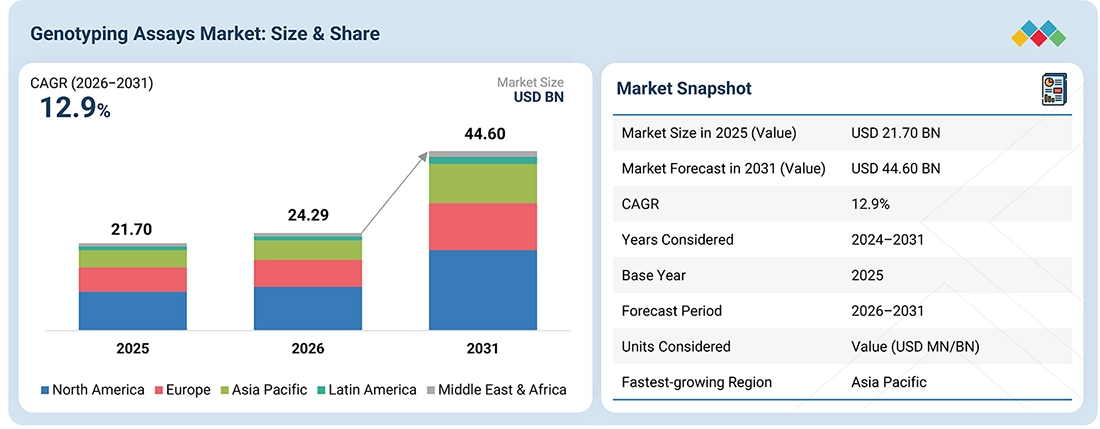
Source: Secondary Research, Interviews with Experts, MarketsandMarkets Analysis
The global genotyping assay market is projected to grow from USD 24.29 billion in 2026 to USD 44.60 billion by 2031, at a CAGR of 12.9% during the forecast period. The market was valued at USD 21.70 billion in 2025. Market growth is driven by technological advances in DNA sequencing, the rising prevalence of genetic disorders, the growing adoption of personalized medicine, and the expanding use of genotyping in drug discovery and development. Demand for pharmacogenomics, clinical genetic testing, and genomic research is further supporting market expansion. Advances in high-throughput genotyping platforms, sequencing technologies, automation, and bioinformatics solutions are expected to improve testing efficiency and broaden the clinical and research applications of genotyping assays.
KEY TAKEAWAYS
-
MARKET SNAPSHOT:
Base Year Market Size (2025): USD 21.70 Billion
Current Market Size (2026): USD 24.29 Billion
Forecast Market Size (2031): USD 44.60 Billion
CAGR (2026–2031): 12.9% -
SEGMENT LEADERSHIP:
Regional Leader: North America accounted for the largest share of the genotyping assay market in 2025.
Product Leader: Reagents & kits accounted for the largest share of the market in 2025.
Fastest-Growing Technology: Sequencing is expected to post the highest CAGR over the forecast period.
Application Leader: Pharmacogenomics accounted for the largest share of the market in 2025, representing 31.4%.
End User Leader: Pharmaceutical and biopharmaceutical companies accounted for the largest share of the market in 2025, at 36.0%. -
MARKET OUTLOOK & COMPETITIVE LANDSCAPE:
Major players include Thermo Fisher Scientific, Illumina, Danaher Corporation, QIAGEN, Roche Diagnostics, Merck KGaA, Bio-Rad Laboratories, Agilent Technologies, and Eurofins Scientific, which are strengthening their positions through assay development, advanced instrumentation, product launches, strategic collaborations, and investments in genomic technologies.
Other emerging companies include Oxford Nanopore Technologies, Pacific Biosciences, Standard BioTools, GenScript, and Paragon Genomics. Technological innovation, application-specific assay development, and collaborations with pharmaceutical and research organizations are expected to influence their competitive positioning.
The genotyping assay market is growing steadily, driven by technological advances in DNA sequencing, the rising prevalence of genetic disorders, and the growing adoption of personalized medicine. Growth is also supported by the expanding use of genotyping in pharmacogenomics, drug discovery, clinical diagnostics, and genomic research. As pharmaceutical and biotechnology companies increasingly integrate genetic analysis into research and development, demand for reliable assays, high-throughput instruments, and bioinformatics solutions continues to rise. Advances in sequencing technologies, automation, and genomic data interpretation are further expanding the clinical and commercial applications of genotyping assays.
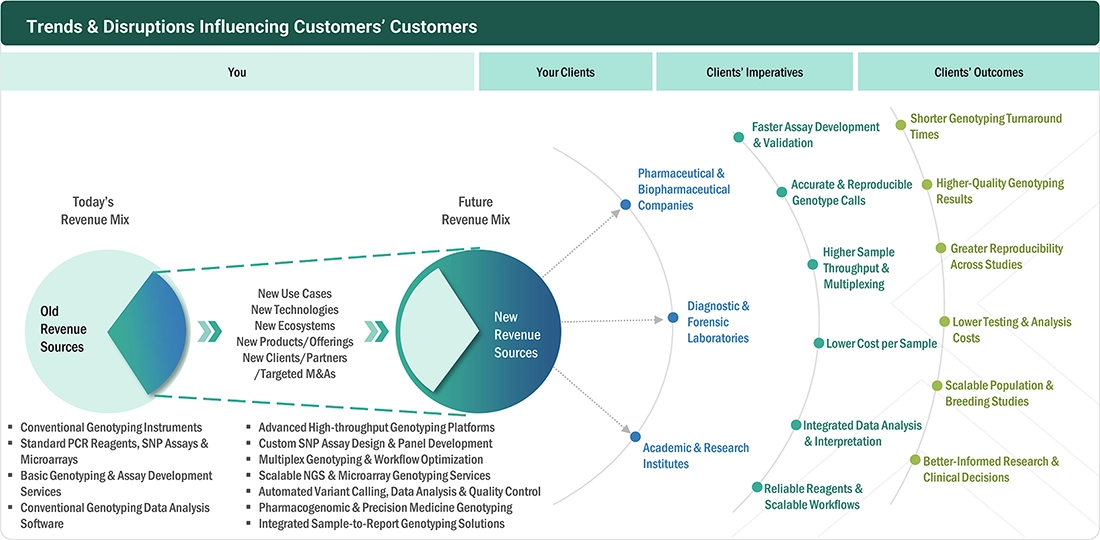
TRENDS & DISRUPTIONS IMPACTING CUSTOMERS' CUSTOMERS
The rapid expansion of genomic research and precision medicine is reshaping the genotyping assay market. From 2026 to 2031, genotyping technologies are expected to see broader adoption across pharmacogenomics, personalized medicine, rare-disease diagnosis, oncology research, and drug discovery and development. This shift is driving stronger demand for advanced genotyping reagents and kits, high-throughput sequencing platforms, automated instruments, and bioinformatics solutions. At the same time, rising investments in genomic research, the growing prevalence of genetic disorders, and advances in DNA sequencing are supporting market growth. However, high instrument costs, data management challenges, and the need for skilled professionals continue to influence adoption, spurring innovation in cost-effective assays, automated workflows, and integrated genomic analysis platforms.
Source: Secondary Research, Interviews with Experts, MarketsandMarkets Analysis
MARKET DYNAMICS

Level
-
Technological advancements and reduced prices of DNA sequencing

-
Increasing demand for bioinformatics solutions in data analysis


Level
-
High manufacturing, installation, and maintenance costs of genotyping instruments


Level
-
Increasing use of genomics in animal genetics and agricultural biotechnology


Level
-
Lack of adequate data management in genomics research

-
Dearth of trained healthcare personnel for genomic sequencing data analysis

Source: Secondary Research, Interviews with Experts, MarketsandMarkets Analysis
Driver: Technological advancements and reduced prices of DNA sequencing
Technological advances in DNA sequencing and the declining cost of genomic analysis are key drivers of the genotyping assay market's growth. Improvements in sequencing throughput, accuracy, and automation are making genetic analysis more accessible to pharmaceutical companies, research institutions, and diagnostic laboratories. The growing availability of high-throughput platforms is enabling applications in pharmacogenomics, rare-disease diagnosis, oncology research, and personalized medicine. Continued innovation in sequencing technologies and assay development is expected to expand the adoption of genotyping assays across clinical and research settings.
Restraint: High manufacturing, installation, and maintenance costs of genotyping instruments
The high costs of purchasing, installing, validating, and maintaining advanced genotyping instruments can limit adoption, particularly among smaller laboratories and institutions in emerging markets. Additional expenses for reagents, consumables, software, calibration, and technical support further increase the overall cost of ownership. These financial barriers may delay instrument upgrades and restrict access to advanced genotyping technologies for budget-constrained end users.
Opportunity: Increasing use of genomics in animal genetics and agricultural biotechnology
The growing use of genetic analysis in livestock breeding, animal health, and crop improvement is creating opportunities for genotyping assay providers. Genotyping technologies help identify desirable genetic traits, support marker-assisted selection, improve breeding efficiency, and enable the development of crops with higher yields and disease resistance. Rising demand for food security, precision breeding, and agricultural biotechnology is expected to expand the applications of genotyping assays beyond human healthcare.
Challenge: Lack of adequate data management in genomics research
Managing the large volumes of data generated by genotyping and sequencing remains a major challenge for research institutions and healthcare organizations. Data integration, storage, standardization, interoperability, and secure sharing can complicate genomic analysis and limit the effective use of research findings. Differences in data formats and analytical workflows can also affect reproducibility and collaboration. Investment in robust data infrastructure and standardized bioinformatics workflows is essential to address these challenges.
GENOTYPING ASSAY MARKET: COMMERCIAL USE CASES ACROSS INDUSTRIES
| COMPANY | USE CASE DESCRIPTION | BENEFITS |
|---|---|---|
 |
Provides genotyping technologies, including TaqMan SNP Genotyping Assays and Applied Biosystems real-time PCR platforms, for detecting genetic variations in research, pharmacogenomics, and clinical applications | Enables accurate detection of genetic variants, supports high-throughput genotyping workflows, and facilitates applications in drug discovery, genetic research, and personalized medicine |
 |
Provides microarray-based genotyping solutions, including Infinium arrays, and sequencing technologies for genome-wide association studies, population genomics, and genetic variation analysis | Supports high-throughput genetic analysis, enables large-scale population studies, and facilitates research into disease susceptibility, pharmacogenomics, and precision medicine |
Logos and trademarks shown above are the property of their respective owners. Their use here is for informational and illustrative purposes only.
MARKET ECOSYSTEM
The genotyping assay market operates through an interconnected value chain spanning reagent and kit manufacturers, instrument developers, genotyping service providers, bioinformatics companies, pharmaceutical and biotechnology companies, diagnostic laboratories, and research organizations. The upstream segment includes manufacturers of assay reagents, primers, probes, enzymes, nucleotides, microarrays, and sequencing-related consumables, as well as developers of genotyping instruments and analytical technologies. In the midstream segment, genotyping service providers and specialized laboratories perform genetic analysis, sample preparation, assay development, high-throughput testing, data processing, and variant interpretation. Downstream, pharmaceutical companies, healthcare providers, diagnostic laboratories, and research institutions use these technologies for pharmacogenomics, personalized medicine, genetic disease diagnosis, drug discovery, agricultural biotechnology, and animal genetics. Across the value chain, assay accuracy, analytical sensitivity, reproducibility, sample quality, data integrity, laboratory automation, and regulatory compliance are critical to reliable genetic analysis and the broader adoption of genotyping technologies.
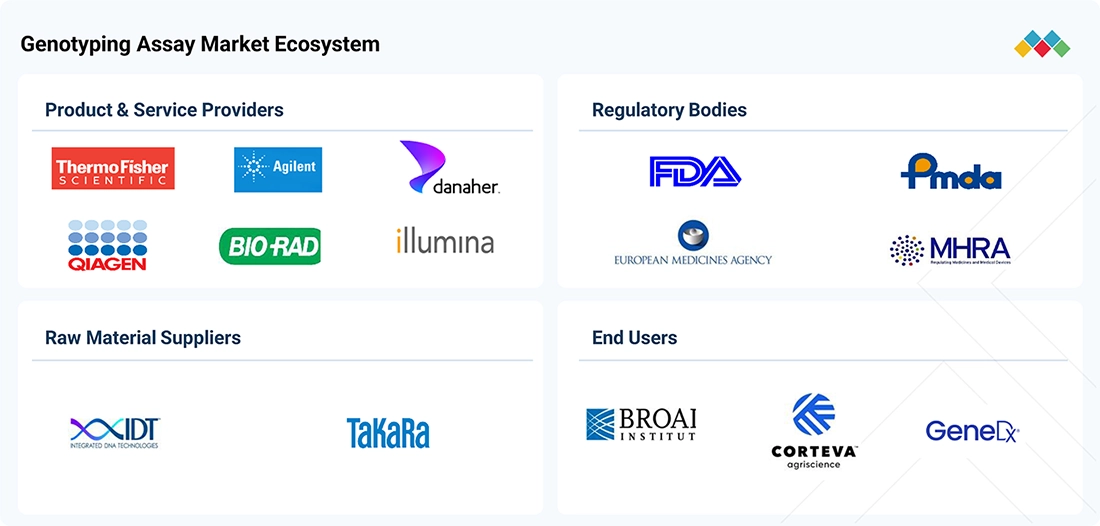
Logos and trademarks shown above are the property of their respective owners. Their use here is for informational and illustrative purposes only.
MARKET SEGMENTS
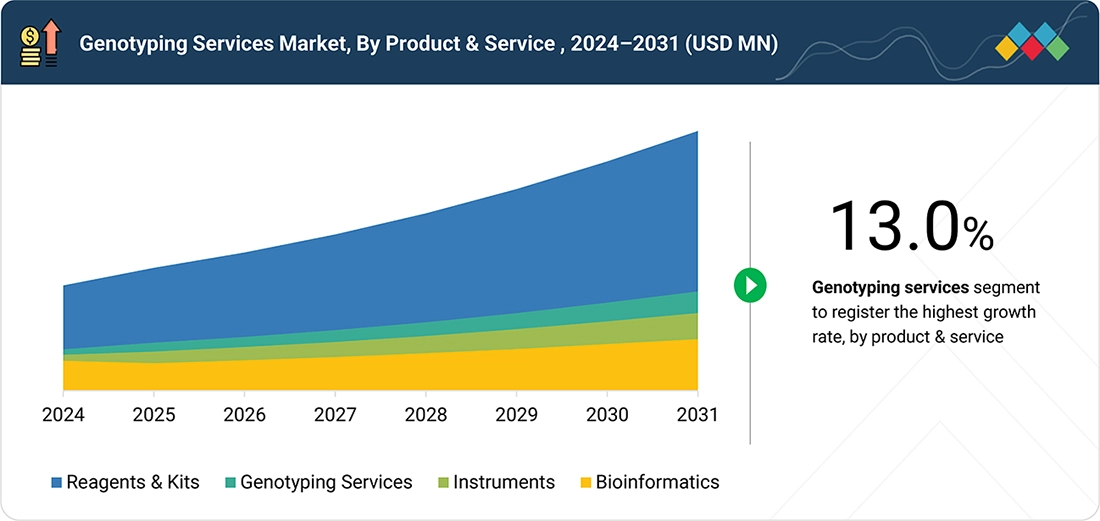
Source: Secondary Research, Interviews with Experts, MarketsandMarkets Analysis
Genotyping Assay Market, By Product
In 2025, the reagents and kits segment accounted for the largest share of the genotyping assay market. Its dominance is driven by the recurring use of primers, probes, enzymes, and other consumables required for PCR-based genotyping, microarray analysis, and sequencing workflows. Rising genetic testing volumes and expanding applications in pharmaceutical research, clinical diagnostics, and academic genomics continue to support demand for genotyping reagents and kits.
Genotyping Assay Market, By Technology
In 2025, the PCR segment accounted for the largest share of the genotyping assay market, supported by its high sensitivity, rapid turnaround time, cost-effectiveness, and widespread use in targeted genetic analysis. PCR-based assays are widely used in genetic research, molecular diagnostics, and pharmacogenomics. Ongoing improvements in assay performance and laboratory automation are expected to sustain the segment's leading position.
Genotyping Assay Market, By Application
In 2025, the pharmacogenomics segment accounted for the largest share of the genotyping assay market, at 31.4% according to the provided estimates. Its leading position is driven by the growing use of genetic analysis to understand variations in drug response, support treatment selection, and improve drug development outcomes. The increasing adoption of precision medicine and biomarker-based research continues to support demand for genotyping assays in pharmacogenomics.
Genotyping Assay Market, By End User
In 2025, the pharmaceutical and biopharmaceutical companies segment accounted for the largest share of the genotyping assay market, at 36.0% according to the supplied estimates. This dominance is driven by the extensive use of genotyping assays in drug discovery, pharmacogenomic research, biomarker identification, and clinical trials. Growing investment in targeted therapies and genetically informed drug development continues to support demand from pharmaceutical and biopharmaceutical companies.
Genotyping Assay Market, By Region
In 2025, North America accounted for the largest share of the genotyping assay market, supported by advanced healthcare infrastructure, substantial investment in genomic research, and a strong presence of pharmaceutical and biotechnology companies. The growing adoption of precision medicine, genetic testing, and sequencing-based technologies continues to support regional demand.
REGION
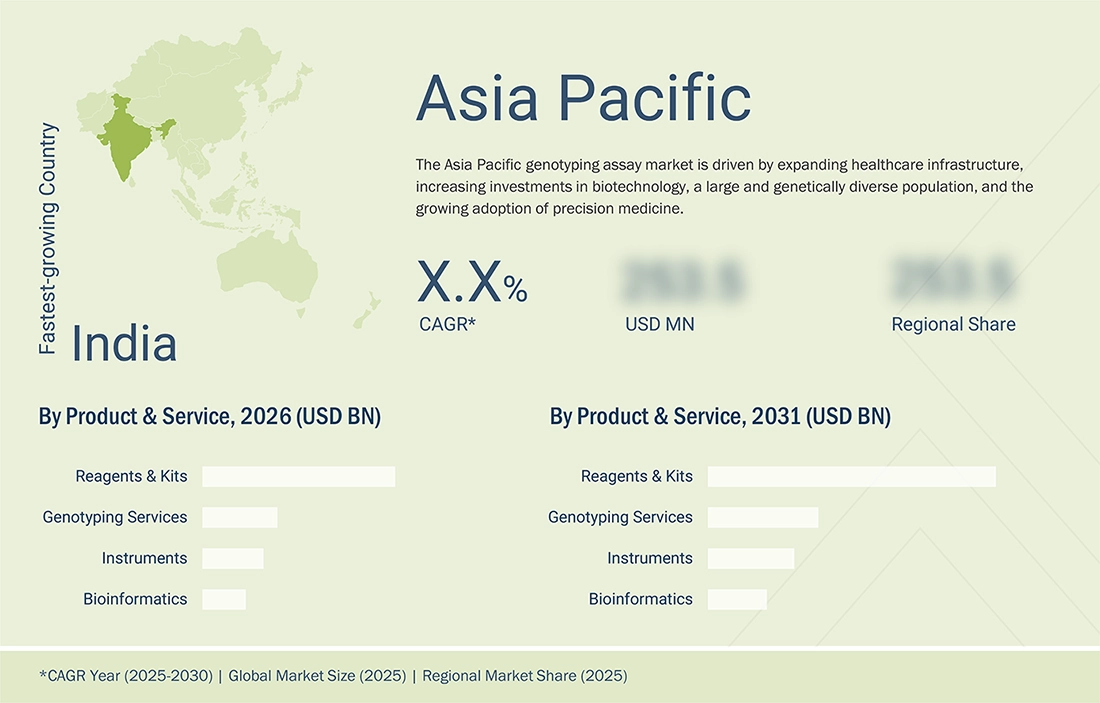
Asia Pacific to be the fastest-growing region in the genotyping assay market during the forecast period
The Asia Pacific genotyping assay market is expected to post the highest CAGR over the forecast period, supported by rising investment in genomics research, expanding healthcare infrastructure, and growing adoption of precision medicine. Countries such as China, Japan, South Korea, and India are strengthening capabilities in genetic testing, molecular diagnostics, and advanced sequencing technologies. Growth is also supported by government initiatives promoting genomics research, rising pharmaceutical and biopharmaceutical R&D spending, and the expanding presence of regional biotechnology companies. As healthcare providers and research institutions increasingly adopt genotyping technologies for pharmacogenomics, rare-disease diagnosis, drug discovery, and agricultural biotechnology, demand for genotyping assays, reagents and kits, and genomic analysis solutions is expected to increase significantly.
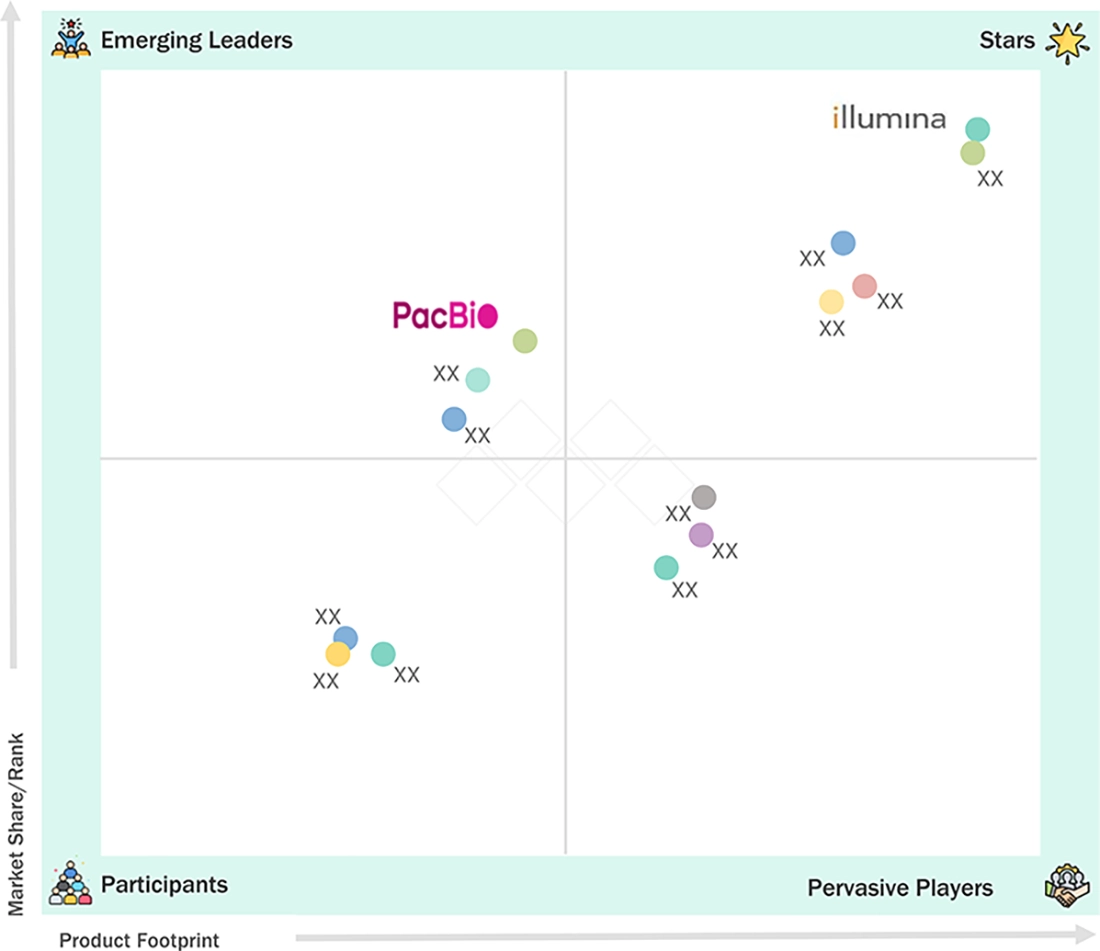
GENOTYPING ASSAY MARKET: COMPANY EVALUATION MATRIX
Within the current market framework, Thermo Fisher Scientific Inc. maintains a strong position in the genotyping assay market through its broad portfolio of genotyping assays, reagents, and molecular analysis technologies. Its TaqMan SNP Genotyping Assays and Applied Biosystems real-time PCR platforms support genetic variation analysis across research, pharmacogenomics, and clinical applications. Illumina, Inc. is another major competitor, supported by its established Infinium microarray portfolio and sequencing technologies for high-throughput genetic analysis. Continued investments in assay development, sequencing platforms, automation, and genomic data analysis are enabling these companies to meet growing demand for genetic testing, personalized medicine, drug discovery, and genomic research. Other prominent participants, including QIAGEN, Danaher Corporation, Roche Diagnostics, and Bio-Rad Laboratories, are strengthening their positions through molecular testing solutions, product innovation, and expanded genomic analysis capabilities.
Source: Secondary Research, Interviews with Experts, MarketsandMarkets Analysis
KEY MARKET PLAYERS
- Thermo Fisher Scientific Inc. (US)
- Bio-Rad Laboratories, Inc. (US)
- Roche Diagnostics (Switzerland)
- Qiagen NV (Netherlands)
- Illumina (US)
- Agilent Technologies (US)
- Danaher Corporation (US)
- Merck KGAA (Germany)
- Standard Bio Tools (US)
- PacBio (US)
- Revvity (US)
- Eurofins Scientific (Luxembourg)
- Luminex Corporation (Diasorin Company) (US)
- Oxford Nanopore Technologies Plc (UK)
- GenScript (China)
- Takara Bio Inc. (Japan)
- New England Biolabs (US)
- Promega Corporation (US)
- Novogene Co., Ltd. (China)
- Paragon Genomics, Inc. (US)
- NeoGenomics Laboratories (US)
- Genewiz, Inc. (US)
- Tecan Trading AG (Switzerland)
- Genotypic Technology Pvt. Ltd. (India)
- BGI GROUP (China)
MARKET SCOPE
| REPORT METRIC | DETAILS |
|---|---|
| Market Size in 2025 (Value) | USD 21.70 billion |
| Market Size in 2026 (Value) | USD 24.29 billion |
| Market Forecast in 2031 (Value) | USD 44.6 billion |
| Growth Rate 2026-2031 | CAGR of 12.90% from 2026 to 2031 |
| Years Considered | 2024-2031 |
| Base Year | 2025 |
| Forecast Period | 2026-2031 |
| Units Considered | Value (USD Billion) |
| Report Coverage | Revenue forecast, company ranking, competitive landscape, growth factors, and trends |
| Segments Covered | By Product: Reagents & Kits, Instruments, Genotyping Services, Bioinformatics. By Technology: PCR, Sequencing, Microarrays, Other Technologies. By Application: Pharmacogenomics, Diagnostics & Personalized Medicine, Agricultural Biotechnology, Animal Genetics, Others. By End User: Pharmaceutical & Biopharmaceutical Companies, Diagnostics & Research Laboratories, Academic Institutes, Others. |
| Regions Covered | North America, Europe, Asia Pacific, Latin America, Middle East & Africa |
WHAT IS IN IT FOR YOU: GENOTYPING ASSAY MARKET REPORT CONTENT GUIDE
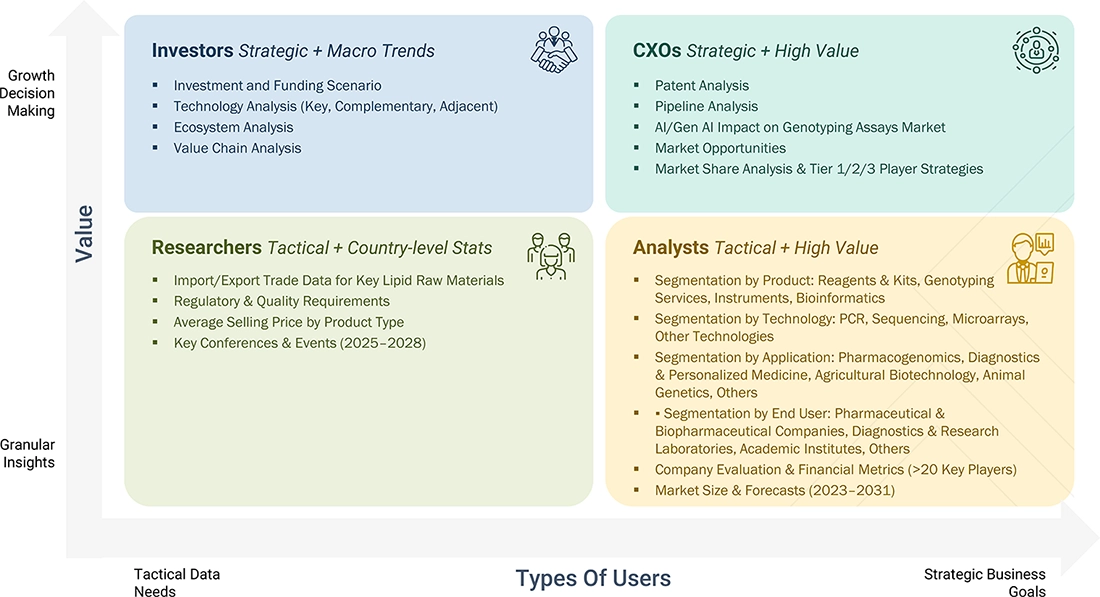
DELIVERED CUSTOMIZATIONS
We have successfully delivered the following deep-dive customizations:
| CLIENT REQUEST | CUSTOMIZATION DELIVERED | VALUE ADDS |
|---|---|---|
| Genotyping Assay Market Assessment & Competitive Analysis | Systematic assessment of the genotyping assay market, including market sizing and forecasting, product and technology analysis, application and end-user evaluation, regional assessment, competitive benchmarking, company profiling, and analysis of key growth drivers, restraints, opportunities, and challenges. | Enables pharmaceutical and biotechnology companies, diagnostic laboratories, and research institutions to identify growth opportunities, evaluate competitive positioning, understand emerging technologies, and make informed strategic decisions regarding genotyping assay adoption and investment. |
RECENT DEVELOPMENTS
- February 2026 : Illumina launched TruPath Genome, a whole-genome analysis solution designed to improve detection of genetic alterations, including variants in difficult-to-analyze genomic regions. The launch supports advances in rare genetic disease research and in comprehensive genomic analysis.
- July 2025 : QIAGEN launched QIAseq xHYB Long Read Panels, expanding its targeted sequencing portfolio for analyzing complex genomic regions. The panels support applications such as HLA typing, repeat-expansion analysis, and structural-variant detection, thereby strengthening the availability of tools for advanced genetic analysis.
- June 2025 : QIAGEN and GENCURIX announced a partnership to develop oncology assays for QIAGEN’s QIAcuityDx digital PCR platform. The collaboration aims to broaden the availability of molecular diagnostic assays for clinical laboratories, supporting the detection and analysis of cancer-associated genetic alterations.
Table of Contents
 Exclusive indicates content/data unique to MarketsandMarkets and not available with any competitors.
Methodology
This study involved four major activities to estimate the current size of the genotyping assay market. Exhaustive secondary research was conducted to gather information on the market, its peer markets, and its parent market. These findings, assumptions, and sizing were then validated with industry experts across the value chain through primary research. Both top-down and bottom-up approaches were employed to estimate the total market size. Following this, data triangulation was used to estimate the market size of segments and subsegments.
Secondary Research
Secondary research was primarily used to identify and gather information for the extensive, technical, market-oriented, and commercial study. Secondary sources for this study included publications from government agencies, such as the National Center for Biotechnology Information (NCBI), National Institutes of Health (NIH), World Health Organization (WHO), Food and Drug Administration (FDA), European Medicines Agency (EMA), Pharmaceutical Research and Manufacturers of America (PhRMA), Global Cancer Observatory (GLOBOCAN), Centers for Disease Control and Prevention (CDC), and European Federation of Biotechnology. Secondary sources also included corporate and regulatory filings (such as annual reports, SEC filings, investor presentations, and financial statements); business magazines and research journals; press releases; and trade, business, and professional associations. These sources were used to obtain key information on major players, global product revenues, market classification, segmentation by industry trends and regional/country-level markets, market developments, and technology perspectives. Secondary data were collected and analyzed to determine the overall size of the global genotyping assay market, and the findings were validated through primary research.
Primary Research
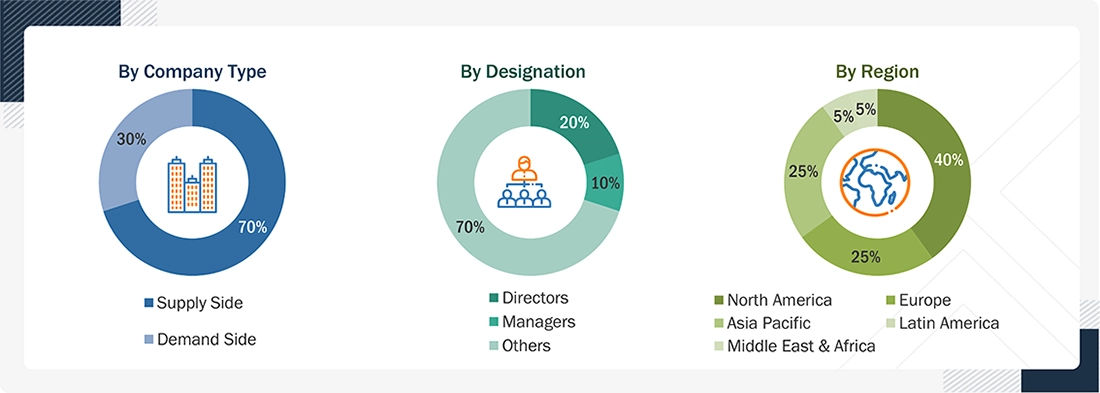
In-depth interviews were conducted with primary respondents, including key industry participants, subject-matter experts (SMEs), C-level executives of key market players, and industry consultants, among others, to obtain and verify critical qualitative and quantitative information and to assess market prospects. Primary sources from both the supply and demand sides of the market were interviewed to gather qualitative and quantitative data. The following is a breakdown of the primary respondents:
To know about the assumptions considered for the study, download the pdf brochure
Market Size Estimation
The global size of the genotyping assay market was estimated using multiple approaches. A detailed market estimation approach was used to estimate and validate the market value and other dependent submarkets. These methods were also used extensively to estimate the size of various subsegments in the market. The research methodology used to estimate the market size includes the following:
Genotyping Assay Market : Top-Down and Bottom-Up Approach

Data Triangulation
After estimating the overall market size through the market size estimation process, the total market was divided into several segments. To complete the overall market engineering process and arrive at the exact statistics for all segments, the data triangulation procedure was employed; it involved analyzing various factors and trends from both the demand and supply sides.
Market Definition
Genotyping assays are laboratory techniques that identify genetic variations in an individual's DNA. These assays detect single-nucleotide polymorphisms (SNPs), insertions, deletions, and other variants using technologies such as polymerase chain reaction (PCR), microarrays, and DNA sequencing. Genotyping assays are widely used in clinical diagnostics, personalized medicine, pharmacogenomics, drug discovery and development, and genetic research. They also have applications in agricultural biotechnology and animal genetics, supporting crop improvement, livestock breeding, and genetic trait identification. Increasing demand for precision medicine, advances in genomic technologies, and the growing use of genetic analysis in biomedical research are driving the adoption of genotyping assays across healthcare, pharmaceutical, biotechnology, and research industries.
Key Stakeholders
- Academic Research Institutes
- Raw Materials Manufacturers & Distributors
- Contract Research Organizations (CROs)
- Manufacturer Service Providers
- Market Research and Consulting Firms
- Pharmaceutical & Biotechnology Companies
- Regulatory Agencies
- Venture Capitalists
- Government organizations
- Private Research Firms
- Contract Development and Manufacturing Organizations (CDMOs)
Report Objectives
- To define, describe, and forecast the genotyping assays market by product & service, technology, application, end user, and region
- To provide detailed information regarding the major factors influencing market growth (such as drivers, restraints, opportunities, and challenges)
- To analyze the micromarkets with respect to individual growth trends, prospects, and contributions to the overall lipid nanoparticles market
- To analyze opportunities for stakeholders and provide details of the competitive landscape for market leaders
- To forecast the size of the market segments with respect to six regions: North America (US and Canada), Europe (Germany, France, the UK, Italy, Spain, and the Rest of Europe), Asia Pacific (China, Japan, India, and Rest of Asia Pacific), Latin America (Brazil, Mexico, and Rest of Latin America), Middle East and Africa
- To profile the key players and analyze their market share and core competencies
- To analyze competitive developments, such as product launches, partnerships, agreements, collaborations, and expansions
- To benchmark players within the market using the proprietary “Company Evaluation Matrix” framework, which analyzes market players on various parameters within the broad categories of business and product excellence strategy
Available customizations:
With the given market data, MarketsandMarkets offers customizations as per the company’s specific needs. The following customization options are available for the report:
Geographical Analysis
- Further breakdown of the Rest of genotyping assay market, by country
- Further breakdown of the Rest of Asia Pacific genotyping assay market, by country
Company Information
- Detailed analysis and profiling of additional market players (up to five)
Segment Analysis
-
Cross-segment analysis


Personalize This Research
- Triangulate with your Own Data
- Get Data as per your Format and Definition
- Gain a Deeper Dive on a Specific Application, Geography, Customer or Competitor
- Any level of Personalization
Let Us Help You
- What are the Known and Unknown Adjacencies Impacting the Genotyping Assay Market
- What will your New Revenue Sources be?
- Who will be your Top Customer; what will make them switch?
- Defend your Market Share or Win Competitors
- Get a Scorecard for Target Partners

Custom Market Research Services
We Will Customise The Research For You, In Case The Report Listed Above Does Not Meet With Your Requirements
Get 10% Free CustomisationTESTIMONIALS

JAYANT RAJPUROHIT
Director of Market Insights, Data and Analytics
SFI Health,
Leading Pharmaceutical Companywww.sfihealth.com/

We at SFI Health approached MarketsandMarkets for an Opportunity Assessment on "Incidence and Prevalence of Focus Indications" as we wanted to know the most attractive HCPs like Physician, Functional MD, Naturopath and Pharmacist. The project was critical for us to ensure our focus on the right target which would enable sustainable growth and profitability for SFI Health. The business insights provided exceeded our expectations and we were extremely impressed. The team at MarketsandMarkets is highly professional and detail oriented and very well understood our business needs. MarketsandMarkets offers a unique combination of expertise and dedicated engagement model. We identified 2 new products to be launched in coming months, based on the research findings provided by MarketsandMarkets. We are happy with the services and would strongly recommend MarketsandMarkets to my peers in the industry.

BEATRIZ DE LA CALLE
Head of Commercial Analytics
Qualicaps,
Leading Pharmaceutical Companywww.qualicaps.com/

We partnered with MarketsandMarkets for an assessment study on hard empty capsules. The team was extremely professional in understanding our business requirements and we received timely responses to all our queries. The market intelligence and the recommendations has met our business requirements. We were extremely impressed to see the final study results; it really exceeded our expectations. The market intelligence offered by MarketsandMarkets, and clarity on next steps will help us achieve our business objective for the Year 2021. We are happy with the services and would strongly recommend MarketsandMarkets to my peers in the industry.

Bob Williams,
Senior Director Business Development & Innovation
Bracco Diagnostics Inc.,
Italian Multinational in life sciences sector and a World Leader in imaging diagnosticsimaging.bracco.com/us-en
We were pleased with targeted insights that MarketsandMarkets identified from a custom study on the 'Radiation Dose Management Solutions Market'. Your team identified and characterized the market participants as well as underlying trends accurately. This study was useful to Bracco in formulating business strategies for our dose monitoring product lines and we thank MarketsandMarkets for the job well done.
Cody Coonradt,
Market Development and Strategy Manager
3M Health Information Systems,
Leader in Health care Coding, Payment & Analytics Solutions.www.3m.com/3M/en_US/health-information-systems-us
The value for our organization comes from three things: depth of research, specificity of segments and being easy to work with. As important as the first two are, the third can't be underestimated. MarketsandMarkets, maybe more than any other research vendor, wants to know what is top of mind for our team and what big questions we are grappling to answer.
Their customer first approach and high value engagement model, have given us great analysis and excellent value for money
- US Genotyping Assay Market
- Canada Genotyping Assay Market
- Germany Genotyping Assay Market
- UK Genotyping Assay Market
- France Genotyping Assay Market
- Italy Genotyping Assay Market
- Spain Genotyping Assay Market
- China Genotyping Assay Market
- Japan Genotyping Assay Market
- India Genotyping Assay Market
- Brazil Genotyping Assay Market
- Mexico Genotyping Assay Market



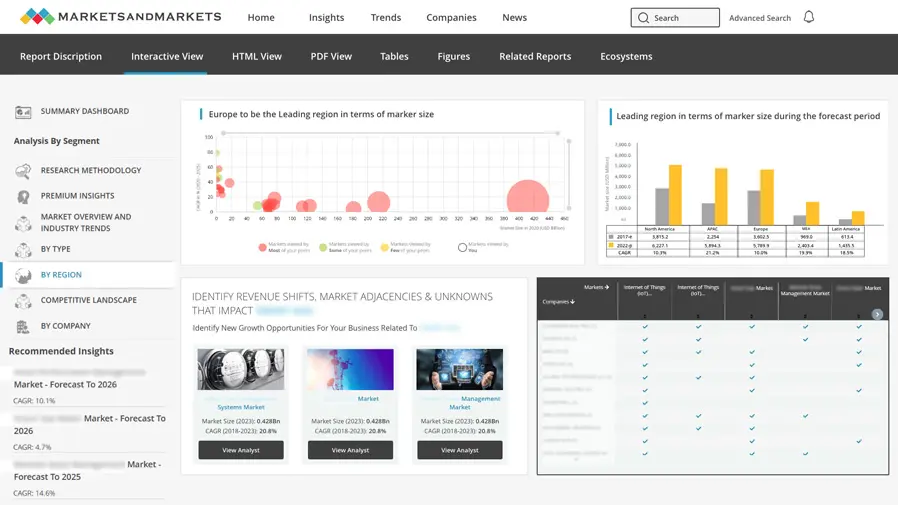
Growth opportunities and latent adjacency in Genotyping Assay Market