



Video on Demand (VoD) Market
Report Code
TC 3143
Published in
Oct, 2026, By MarketsandMarkets™
Video-on-Demand (VoD) Market by Service Type (OTT, IPTV, Cable, Satellite/DTH), Monetization Model (SVOD, TVOD, AVOD, FAST, EST), Platform Type (Smartphones, Tablets/Laptops, Smart TVs, Others), Content Type (Movies, TV/Series, Music, News & Sports), End User, and Region – Global Forecast to 2031

USD USD 390.24 BN
MARKET SIZE, 2031

CAGR 13.0%
(2026-2031)

339
REPORT PAGES

351
MARKET TABLES
OVERVIEW
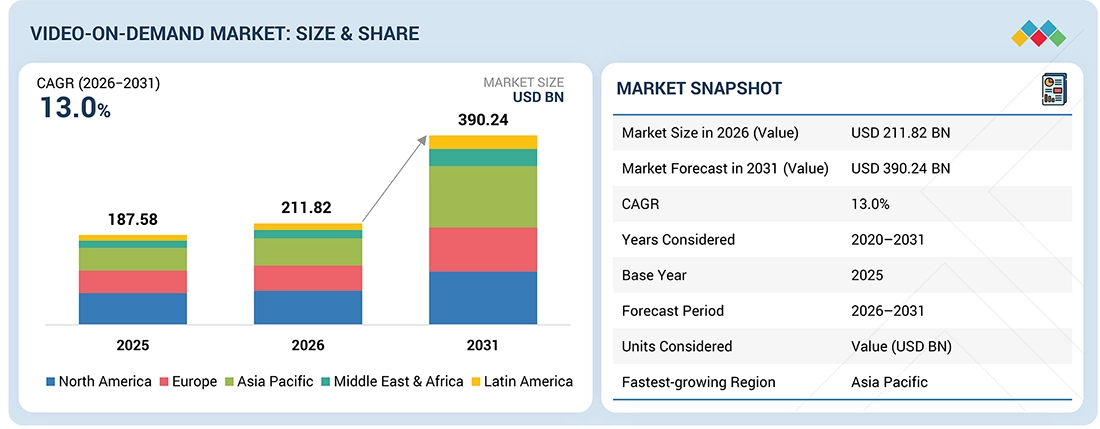
Source: Secondary Research, Interviews with Experts, MarketsandMarkets Analysis
The video-on-demand (VoD) market is projected to grow from USD 211.82 billion in 2026 to USD 390.24 billion by 2031, at a CAGR of 13.0%. This growth is driven by the expansion of the OTT ecosystem and the competition among streaming platforms from different regions. Media companies and technology providers are shifting their distribution strategies toward direct-to-consumer streaming models, enabling them to monitor user interactions and content revenue more efficiently. The platforms are making substantial investments in original series development, regional content creation, and the acquisition of live sports broadcasting rights to enhance their ability to retain subscribers while establishing unique content collections. The market is experiencing the emergence of hybrid monetization methods, which combine subscription services with advertising-based models to attract customers who are sensitive to pricing. Streaming platforms and telecom operators are forming partnerships that lead to increased subscriber acquisition through the bundling of VoD services with mobile and broadband packages. The competing platforms are developing localized content, together with personalized recommendation systems and cross-device viewing options, to attract new users while maintaining their revenue streams.
KEY TAKEAWAYS
-
BY REGIONNorth America is expected to hold largest market value of USD 71.38 billion in 2026.
-
BY SERVICE TYPEThe over-the-top segment is expected to hold the largest market value of USD 168.83 billion in 2026.
-
BY PLATFORM TYPEThe smart TVs segment is expected to register the highest CAGR of 15.7% during the forecast period.
-
BY CONTENT TYPEThe movies segment is expected to hold the largest market share in 2026.
-
BY MONETIZATION MODELThe AVOD segment is expected to grow at highest CAGR during forecast period.
-
BY END USERThe individual user segment is expected to hold the largest market share in 2026.
-
COMPETITIVE LANDSCAPE - KEY PLAYERSMajor market players in the video-on-demand (VoD) market are increasingly focusing on content expansion, platform innovation, and strategic partnerships to strengthen their market positions. Companies such as Netflix, Amazon, Apple, Sony Group Corporation, and Google are investing heavily in original content production, advanced streaming technologies, and global content distribution strategies. These companies leverage strong digital ecosystems, cloud infrastructure, and extensive content libraries to deliver high-quality streaming experiences and expand their subscriber bases across multiple regions.
-
COMPETITIVE LANDSCAPE - STARTUPS/SMESThe competitive landscape of the VoD market also includes emerging SMEs and specialized platform providers such as Muvi, Gumlet, Webnexs, and TargetVideo. These companies focus on enabling businesses and content creators to launch and manage their own streaming services through customizable OTT platforms, video hosting solutions, and monetization tools. By offering scalable infrastructure, white-label streaming platforms, and flexible monetization models, these firms support the broader VoD ecosystem and help media companies, enterprises, and creators deliver digital video content efficiently.
The video-on-demand (VoD) market is experiencing strong growth as consumers increasingly shift from traditional television to internet-based streaming platforms. The market is being driven by rising demand for flexible, on-demand content and the expansion of high-speed internet and connected devices. Streaming providers are investing heavily in original and localized content to attract and retain subscribers. Additionally, the emergence of hybrid monetization models combining subscriptions and advertising is helping platforms reach broader audiences and sustain long-term growth.
TRENDS & DISRUPTIONS IMPACTING CUSTOMERS' CUSTOMERS
There are various trends and disruptions occurring in the video-on-demand market. Some market trends include the growing popularity of hybrid monetization services. Hybrid monetization services involve offering subscription services and advertising services. Another trend occurring in the video-on-demand market is the increasing need for localized content. Localized content allows the streaming platforms to effectively reach the cultural audiences. Another trend occurring in the video-on-demand market is the increasing trend of bundling services. Bundling services involves the offering of internet services with video-on-demand services by telecom operators or digital service providers. Moreover, the increasing need for recommendation algorithms is also a change occurring in the video-on-demand market. However, the increasing need for short-form content is a disruption occurring in the video-on-demand market.
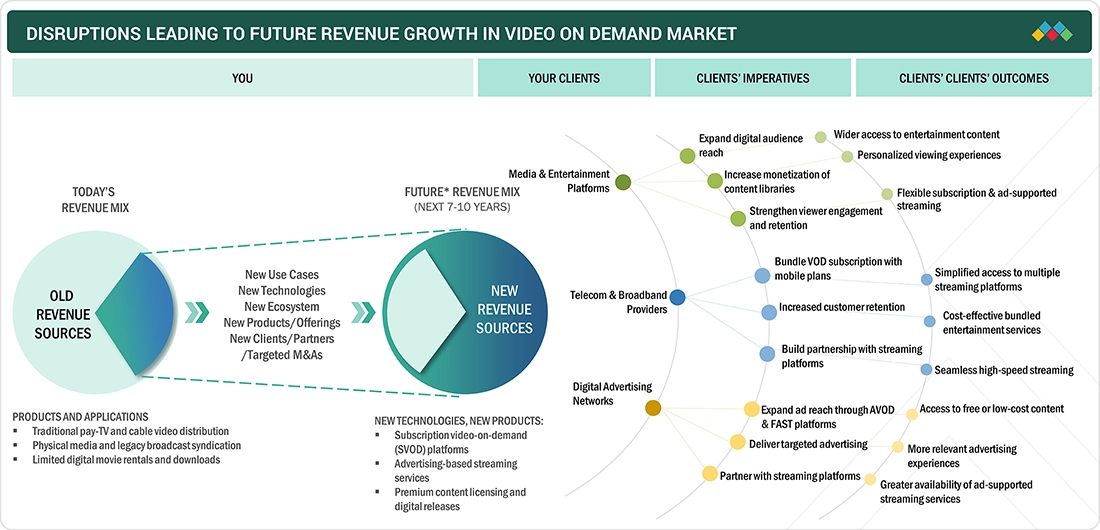
Source: Secondary Research, Interviews with Experts, MarketsandMarkets Analysis
MARKET DYNAMICS

Drivers
Impact
Level
Level
-
Growth of telecom–streaming partnerships and bundled subscriptions

-
Expansion of direct-to-consumer streaming strategies by media companies


RESTRAINTS
Impact
Level
Level
-
Escalating content production and licensing costs

-
Piracy and unauthorized content distribution


OPPORTUNITIES
Impact
Level
Level
-
Expansion of advertising-supported and hybrid monetization models

-
Growing demand for localized and regional content production


CHALLENGES
Impact
Level
Level
-
Content discovery and user engagement in saturated content libraries

-
Increasing regulatory scrutiny across global markets

Source: Secondary Research, Interviews with Experts, MarketsandMarkets Analysis
Driver: Growth of telecom–streaming partnerships and bundled subscriptions
The VoD market is experiencing substantial growth because telecom companies are partnering with streaming services to offer bundled subscription packages, which grant users easier access to streaming services while helping platforms to increase their user base. Telecom companies are increasingly packaging various OTT services into mobile and internet plans, enabling consumers to access a variety of content through a single subscription. For example, in May 2025, Bharti Airtel launched prepaid entertainment packs that bundled access to over 25 OTT platforms, including Netflix, Zee5, SonyLiv, and JioHotstar, along with mobile data and calling benefits. The bundled services permit consumers to access different content through one subscription, which removes the requirement to handle several subscriptions. The telecom partnerships provide streaming services with a cost-effective method to acquire new customers in mobile-first markets where telecom companies have built a large subscriber network.
Restraint: Escalating content production and licensing costs
The competition among streaming platforms to secure premium content rights has significantly increased the cost of producing and acquiring high-quality programming. Leading VoD providers are investing heavily in original films, exclusive series, and live sports rights to differentiate their platforms and attract subscribers. As more players enter the market, competition for popular content and franchises has intensified, driving up content acquisition costs. These higher investments increase operational expenses and put pressure on profitability, especially for platforms that depend on steady subscriber growth. Smaller and emerging providers often find it difficult to sustain such spending levels, making it challenging for them to compete with well-established global streaming platforms.
Opportunity: Expansion of advertising-supported and hybrid monetization models
The expansion of advertising-supported streaming models is creating new growth opportunities for VoD platforms by enabling them to attract price-sensitive audiences who may be unwilling to pay for full subscriptions. Most of the streaming services are adopting hybrid business models that will enable viewers to choose between premium and ad-supported services. On the other hand, the rise of Free Ad-Supported Streaming TV (FAST) services is opening up opportunities for VoD services to offer curated content libraries for free. These business models will enable VoD services to generate revenue from advertising and subscription services while increasing their reach. As advertisers continue to allocate more funds to digital video platforms, VoD services will be able to benefit from targeted advertising and analytics that will improve their profitability.
Challenge: Content discovery and user engagement in saturated content libraries
VoD platforms are rapidly expanding their content libraries to attract viewers, often offering thousands of movies, series, and documentaries. However, the abundance of available content can make it difficult for users to easily discover programs that match their interests. Without effective recommendation systems and intuitive user interfaces, viewers may struggle to navigate large content catalogs, which can reduce viewing time and overall engagement. As a result, streaming providers must rely heavily on advanced algorithms, personalized recommendations, and curated content collections to guide user choices. Maintaining high levels of viewer engagement is essential for improving retention and maximizing the value of extensive content libraries.
VIDEO ON DEMAND (VOD) MARKET: COMMERCIAL USE CASES ACROSS INDUSTRIES
| COMPANY | USE CASE DESCRIPTION | BENEFITS |
|---|---|---|
 |
TopGolf used online video to effectively communicate its unique entertainment concept that combines golf with games, food, and a social atmosphere. Since the experience is difficult to explain through text alone, the company adopted a video-driven marketing strategy to showcase the lively environment and attract new visitors. By using a video hosting platform, TopGolf integrated videos and playlists into its website to highlight different locations and promote its brand experience to a wider audience. | The use of video helped TopGolf clearly demonstrate its fun and interactive environment, making it easier for potential customers to understand the concept before visiting. Video content improved customer engagement and strengthened brand awareness across digital channels and social media. The platform also simplified video management through tagging and labeling tools, allowing the marketing team to organize location-specific content efficiently. As a result, TopGolf successfully delivered engaging, shareable video campaigns that supported its marketing efforts. |
 |
Present Communications wanted to develop a digital platform to simplify and manage the entire workflow of live event broadcasting. Previously, several processes, such as event creation, invitations, and event management, were handled manually alongside video streaming. The company required a unified platform that could support live and on-demand video streaming, audience interaction through Q&A and polls, and synchronized presentations for a better event experience. | The new platform enabled automated event management and integrated video streaming within a single system, improving operational efficiency. It allowed organizations to host interactive live events with features such as audience polling, Q&A sessions, and presentation sharing. The platform also provided scalability, secure data storage, and analytics to measure viewer engagement and event reach. Additionally, low-latency streaming and automatic scaling ensured reliable performance even during large events. |
 |
Mid-State Technical College adopted a video platform to improve accessibility and support hybrid learning for its students and faculty. The institution required an efficient solution to automatically caption learning videos and manage large volumes of lecture recordings and instructional content. The platform was integrated with the college’s learning management system, allowing faculty to easily create, edit, and share course videos while maintaining accessibility standards. | The implementation enabled the college to create and manage thousands of educational videos while ensuring accurate automatic captions for improved accessibility. Faculty benefited from an easy-to-use platform that simplified video creation and editing, saving time in course development. The solution also supported hybrid learning by allowing students to access lectures and instructional content on demand. In addition, video analytics and engagement tools helped the institution improve teaching strategies and learning outcomes. |
Logos and trademarks shown above are the property of their respective owners. Their use here is for informational and illustrative purposes only.
MARKET ECOSYSTEM
The video-on-demand (VoD) market ecosystem consists of several interconnected stakeholders that enable the production, distribution, and consumption of digital video content. The ecosystem is built by content creators, film studios, broadcasters, and independent production houses that produce movies, series, and other video programming. Streaming platforms and VoD service providers aggregate, manage, and distribute this content through internet-based platforms to global audiences. Technology providers, including cloud infrastructure vendors and content delivery network (CDN) operators, support the reliable storage, processing, and streaming of high-quality video across multiple regions. Telecom operators and broadband providers play a critical role in delivering network connectivity and often partner with streaming platforms to bundle services with mobile and broadband plans. The digital streaming value chain reaches its endpoint when end users access VoD services through connected devices that include smartphones, smart TVs, tablets, and laptops.
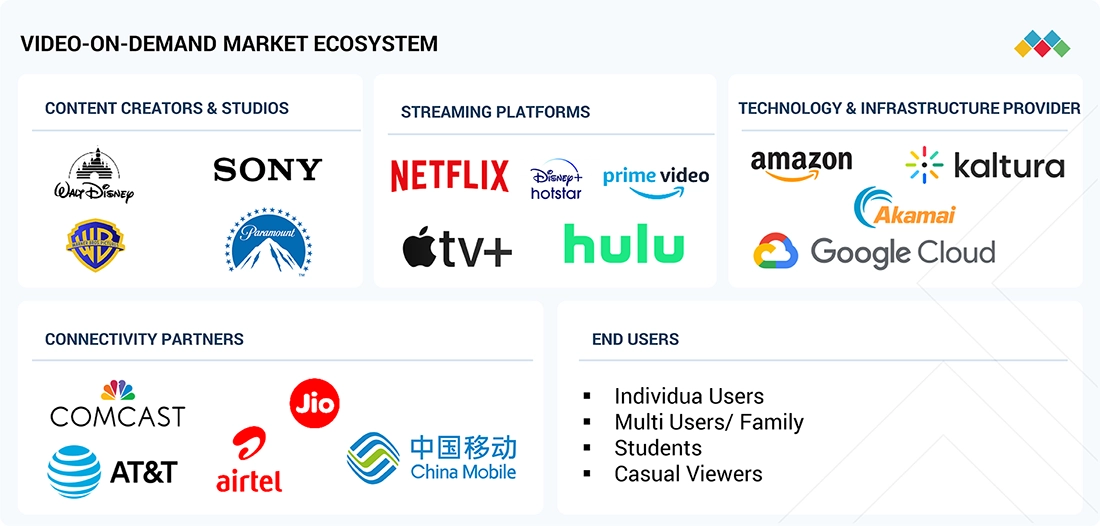
Logos and trademarks shown above are the property of their respective owners. Their use here is for informational and illustrative purposes only.
MARKET SEGMENTS
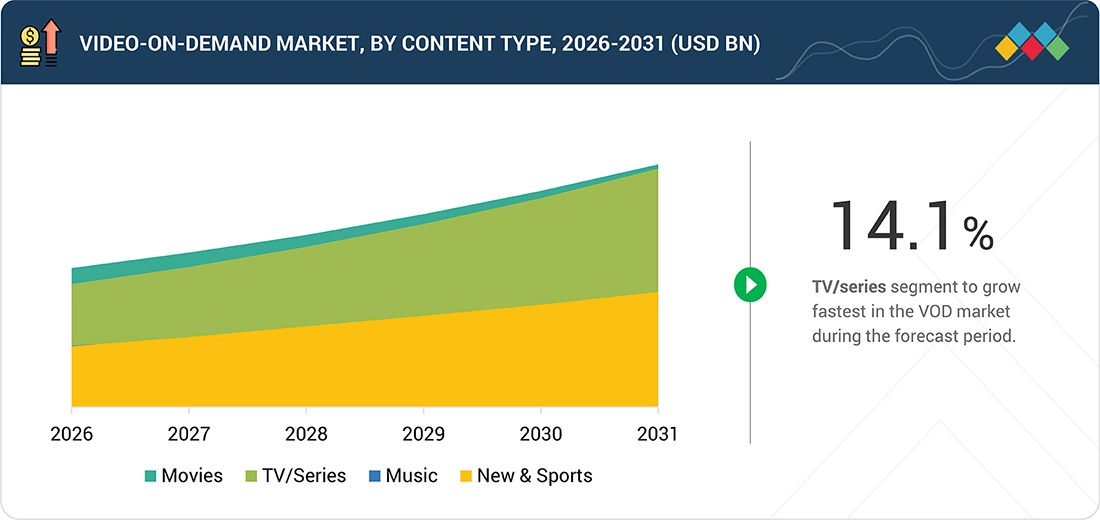
Source: Secondary Research, Interviews with Experts, MarketsandMarkets Analysis
Video on Demand Market, By Service Type
The OTT video-on-demand segment is expected to generate the highest market value as it allows users to stream content directly through internet-based systems without needing traditional cable or satellite systems. The content distribution model enables platforms to stream content to devices such as smartphones, smart TVs, and laptops, helping them reach a wider audience. OTT platforms enable content creators to choose between three monetization options, which include subscription-based, advertising-supported, and hybrid models. Media companies are increasingly prioritizing OTT distribution to maintain control over content rights and viewer data. Global streaming platforms are making major investments in exclusive content and localized programming, which solidifies OTT as the main distribution method for VoD content.
Video on Demand Market, By Platform Type
The smart TV segment is expected to grow at the highest rate in the market during the forecast period. This can be attributed to the increasing trend of watching digital content on large screens within households. Smart TVs offer the benefit of streaming apps and internet connectivity, providing access to VoD services without the need to connect external devices. This enables longer viewing hours for movies, TV programs, and live sports compared to mobile devices. Additionally, streaming services are optimizing their services for smart TV platforms, providing features like easy navigation, voice search, and high definition streaming. With the development of broadband technology and the declining prices of smart TVs, households are adopting them as entertainment devices.
Video on Demand Market, By Content Type
The movies segment is expected to have the largest market value due to the growing demand for blockbuster movies, movie libraries, and direct-to-streaming movie premieres. Streaming services are acquiring rights to distribute movies and investing in original productions, which is expected to increase overall content offerings. Movies have a wide range of audiences, making them an essential component of user acquisition for streaming services. In addition, some movie production companies are using a hybrid model for releasing movies, where the movies are released both in theaters and online. This increases the overall viewership for movies, hence increasing the overall value for movie libraries.
Video on Demand Market, By Monetization Model
The advertising-based video-on-demand (AVOD) market is anticipated to register the highest growth rate as demand for free or low-cost video streaming options increases. This is because the streaming platforms' target audience is price-sensitive. Users of AVOD services do not pay subscription costs, as the service earns revenue from digital advertising. This service is most effective in developing countries, as the target audience there is interested in watching free content with ads. The advertisers are also allocating their budgets to digital video platforms to target their audience through data-driven advertising.
Video on Demand Market, By End User
The individual users segment is expected to maintain the largest market share as personal streaming usage continues to rise on mobile and other connected devices. Individual users are also prominent, as most people prefer personal subscriptions to view content individually rather than sharing a family subscription. Individual usage of streaming services is also common on smartphones and laptops, where users view content while commuting, traveling, or engaging in other personal activities. Streaming services are also developing personalized screens to meet individual user requirements. This leads to increased user engagement and extended duration of usage, making individual users the most dominant segment of the VoD end-user market.
REGION
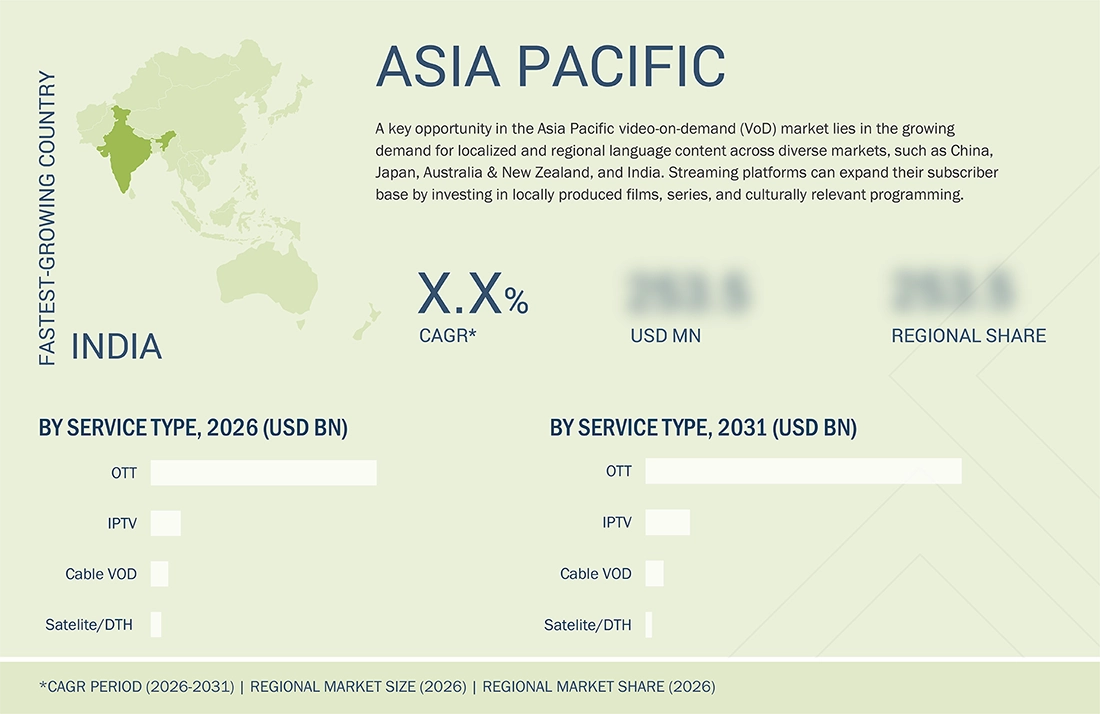
Asia Pacific to register highest CAGR during forecast period
The Asia Pacific region is expected to grow at the fastest rate in the video-on-demand (VoD) market, driven by the rapid expansion of digital streaming ecosystems across key markets such as China, India, Japan, Australia, and Southeast Asian countries, including Singapore and Malaysia. China continues to represent one of the largest streaming markets, led by domestic platforms such as iQIYI, Tencent Video, and Youku that offer extensive localized content libraries. In India and Southeast Asia, the widespread availability of affordable mobile data and smartphone adoption is accelerating mobile-first streaming consumption. Mature markets such as Japan and Australia are witnessing growth through premium subscription services and high-quality content offerings. In addition, the rising popularity of regional productions, including Korean dramas, Japanese anime, and Indian web series, is driving strong cross-border viewership. As both global and regional streaming platforms increase investments in localized content and telecom partnerships, Asia Pacific is expected to remain the fastest-growing VoD market during the forecast period.
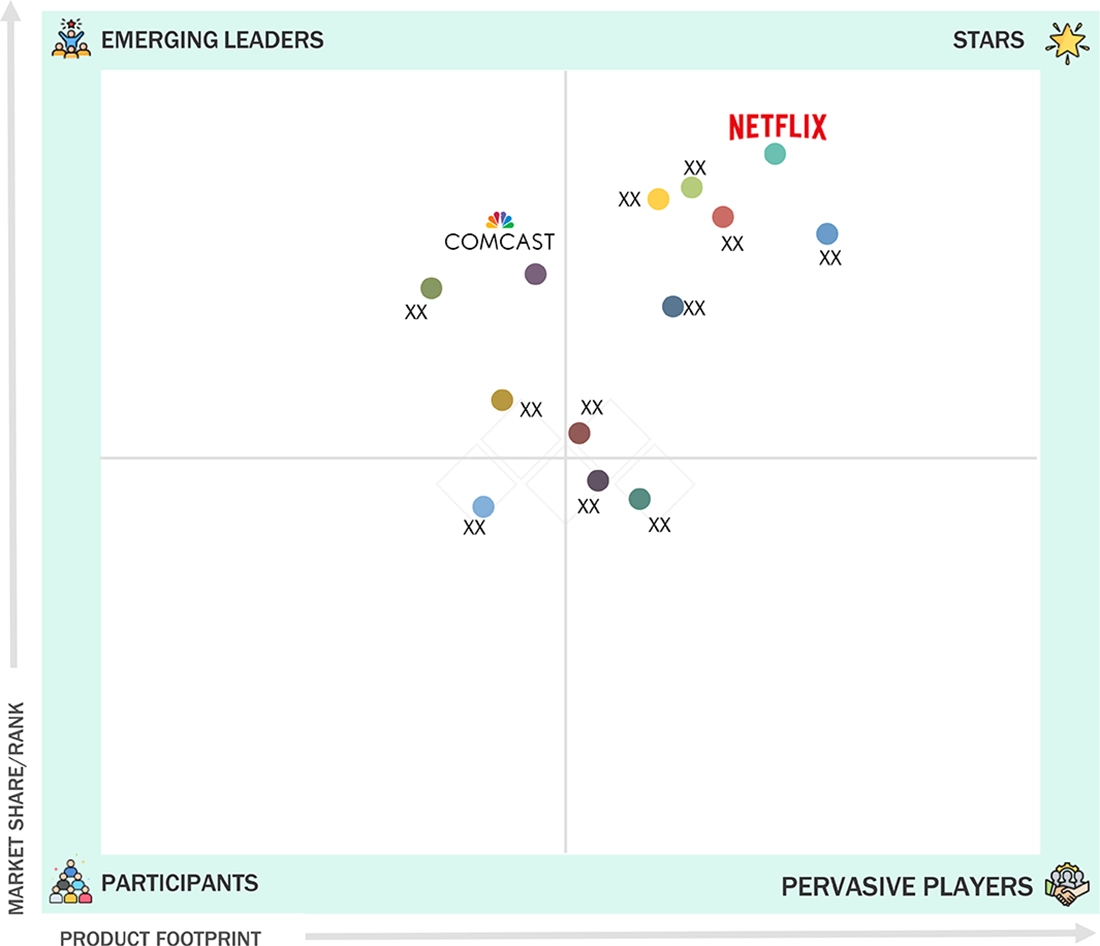
VIDEO ON DEMAND (VOD) MARKET: COMPANY EVALUATION MATRIX
In the video-on-demand market, Netflix (Star) maintains its position as the leading company because it has a vast worldwide subscriber base, invests heavily in creating original content, and operates advanced user engagement recommendation algorithms. The company gains a competitive edge in streaming services by creating exclusive, region-specific content that viewers want to watch. Comcast Corporation (Emerging Leader) is expanding its business through the streaming service it has acquired, along with other media companies. Comcast has a large library of content, which is being leveraged for the business. With more investment going into the digital streaming business, Comcast is becoming more powerful.
Source: Secondary Research, Interviews with Experts, MarketsandMarkets Analysis
KEY MARKET PLAYERS
- Netflix (US)
- Amazon (US)
- The Walt Disney Company (US)
- Warner Bros. Discovery (US)
- Apple (US)
- Comcast Corporation (US)
- Paramount Global (US)
- Sony Pictures (Japan)
- Google (US)
- Fox Corporation (US)
- JioCinema (India)
- iQIYI (China)
- Tencent (China)
- Youku (China)
- Rakuten Group (Japan)
- Hulu (US)
- Roku (US)
- Vimeo (US)
- Viaplay (Sweden)
- Viu (Hong Kong)
- iflix (Malaysia)
- Zee (India)
- Lionsgate (US)
- BBC Studios (UK)
- Crunchyroll (Japan)
- Plex (US)
- Hoichoi (India)
MARKET SCOPE
| REPORT METRIC | DETAILS |
|---|---|
| Market Size in 2025 (Value) | USD 187.54 Billion |
| Market Size in 2026 (Value) | USD 211.82 Billion |
| Market Forecast in 2031 (Value) | USD 390.24 Billion |
| CAGR | 13.00% |
| Years Considered | 2020-2031 |
| Base Year | 2025 |
| Forecast Period | 2026-2031 |
| Units Considered | Value (USD Billion) |
| Report Coverage | Revenue forecast, company ranking, competitive landscape, growth factors, and trends |
| Segments Covered |
|
| Regions Covered | North America, Asia Pacific, Europe, the Middle East & Africa, Latin America |
WHAT IS IN IT FOR YOU: VIDEO ON DEMAND (VOD) MARKET REPORT CONTENT GUIDE
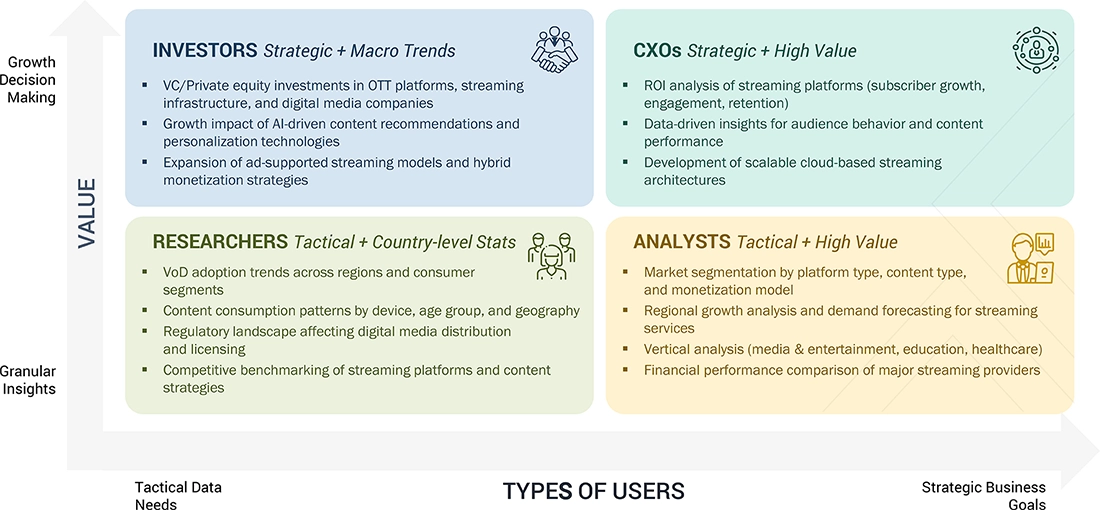
DELIVERED CUSTOMIZATIONS
We have successfully delivered the following deep-dive customizations:
| CLIENT REQUEST | CUSTOMIZATION DELIVERED | VALUE ADDS |
|---|---|---|
| Streaming Platform Provider |
|
|
| Telecom Operator |
|
|
| Media & Entertainment Company |
|
|
RECENT DEVELOPMENTS
- January 2026 : Amazon expanded the reach of Prime Video in Europe by integrating local live TV channels from Groupe M6 in France and RTVE in Spain. The update enables Prime Video users to access channels such as M6, W9, La 1, and La 2 directly within the streaming platform. This move combines traditional linear TV with digital streaming, enhancing localized content offerings and improving user engagement. The initiative reflects Amazon’s strategy to strengthen its presence in European markets through hybrid live and on-demand viewing experiences.
- October 2025 : Swift Networks partnered with Wowza to deliver reliable streaming services in remote and bandwidth-limited environments. Using Wowza Streaming Engine, Swift deployed more than 150 edge-based streaming instances to support live and on-demand video even with bandwidth below 1 Mbps. The solution enables streaming in locations such as mining camps, offshore oil rigs, and aged care facilities. This collaboration expands access to entertainment, company communications, and wellness content for over 25,000 daily users in isolated regions.
- July 2025 : Netflix entered its first bundled streaming partnership in the Middle East with MBC Group. Through this agreement, Netflix content will be available on MBCNOW, alongside Shahid and MBC’s live TV channels under a single subscription package in Saudi Arabia. The bundle, launched in July 2025, offers more than 20% cost savings compared to separate subscriptions. This move helps Netflix expand its reach in the MENA region while strengthening MBCNOW’s position as a unified digital entertainment hub.
Table of Contents
 Exclusive indicates content/data unique to MarketsandMarkets and not available with any competitors.
TITLE
PAGE NO
1
INTRODUCTION
15
2
EXECUTIVE SUMMARY
3
PREMIUM INSIGHTS
4
MARKET OVERVIEW
Highlights the market structure, growth drivers, restraints, and near-term inflection points influencing performance.
4.1
INTRODUCTION
4.2
MARKET DYNAMICS
4.2.1
DRIVERS
4.2.2
RESTRAINTS
4.2.3
OPPORTUNITIES
4.2.4
CHALLENGES
4.3
UNMET NEEDS AND WHITE SPACES
4.4
INTERCONNECTED MARKETS AND CROSS-SECTOR OPPORTUNITIES
4.5
STRATEGIC MOVES BY TIER-1/2/3
5
INDUSTRY TRENDS
Outlines emerging trends, technology impact, and regulatory signals affecting growth trajectory and stakeholder decisions.
5.1
PORTER'S FIVE FORCES ANALYSIS
5.2
MACROECONOMIC OUTLOOK
5.2.1
INTRODUCTION
5.2.2
GDP TRENDS AND FORECAST
5.2.3
TRENDS IN OVER-THE-TOP MARKET
5.2.4
TRENDS IN IPTV MARKET
5.3
SUPPLY CHAIN ANALYSIS
5.4
ECOSYSTEM ANALYSIS
5.5
PRICING ANALYSIS
5.5.1
AVERAGE SELLING PRICE TREND OF KEY PLAYERS, BY OFFERING
5.5.2
AVERAGE SELLING PRICE TREND, BY REGION
5.6
KEY CONFERENCES AND EVENTS, 2025-2026
5.7
TRENDS/DISTRUPTIONS IMPACTING CUSTOMER BUSINESS
5.8
INVESTMENT FUNDING SCENARIO
5.9
CASE STUDY ANALYSIS
5.10
IMPACT OF 2025 US TARIFF – VIDEO-ON-DEMAND MARKET
5.10.1
INTRODUCTION
5.10.2
KEY TARIFF RATES
5.10.3
PRICE IMPACT ANALYSIS
5.10.4
IMPACT ON COUNTRY/REGION
5.10.4.1
NORTH AMERICA
5.10.4.2
EUROPE
5.10.4.3
ASIA PACIFIC
5.10.4.4
MIDDLE EAST & AFRICA
5.10.4.5
LATIN AMERICA
5.10.5
IMPACT ON END-USE INDUSTRIES
6
TECHNOLOGICAL ADVANCEMENTS, AI-DRIVEN IMPACT, PATENTS, INNOVATIONS, AND FUTURE APPLICATIONS
6.1
KEY TECHNOLOGIES/EMERGING TECHNOLOGIES
6.1.1
CONTENT DELIVERY NETWORK (CDNS)
6.1.2
DIGITAL RIGHTS MANAGEMENT (DRM)
6.1.3
STREAMING TECHNOLOGY
6.1.4
UI & UX
6.2
COMPLEMENTARY TECHNOLOGIES
6.2.1
5G TECHNOLOGY
6.2.2
BLOCKCHAIN
6.2.3
EDGE COMPUTING
6.3
ADJACENT TECHNOLOGIES
6.3.1
AI & ML
6.3.2
ARTIFICIAL INTELLIGENCE & MACHINE LEARNING
6.4
TECHNOLOGY/PRODUCT ROADMAP
6.5
PATENT ANALYSIS
6.6
IMPACT OF AI/GEN AI ON VIDEO-ON-DEMAND MARKET
6.6.1
TOP USE CASE AND MARKET POTENTIAL
6.6.2
BEST PRACTICES FOLLOWED BY PROVIDERS IN VIDEO-ON-DEMAND MARKET
6.6.3
CASE STUDIES RELATED TO AI IMPLEMENTATION IN VIDEO-ON-DEMAND MARKET
6.6.4
INTERCONNECTED ECOSYSTEM AND IMPACT OF MARKET PLAYERS
6.6.5
CLIENT'S READINESS TO ADOPT AI-INTEGRATED VIDEO-ON-DEMAND MARKET
7
REGULATORY LANDSCAPE
7.1
REGULATIONS AND COMPLIANCE
7.1.1
REGULATORY BODIES, GOVERNMENT AGENCIES, AND OTHER ORGANIZATIONS
7.1.2
INDUSTRY STANDARDS
7.1.3
IMPACT OF REGULATORY POLICIES ON SUSTAINABILITY INITIATIVES
8
CUSTOMER LANDSCAPE & BUYING BEHAVIOR
8.1
INTRODUCTION
8.2
DECISION-MAKING PROCESS
8.3
KEY STAKEHOLDERS INVOLVED IN BUYING PROCESS AND EVALUATION CRITERIA
8.3.1
KEY STAKEHOLDERS IN BUYING PROCESS
8.3.2
BUYING CRITERIA
8.3.3
ADOPTION BARRIERS AND INTERNAL CHALLENGES
8.3.4
UNMET NEEDS OF VARIOUS END USERS
9
VIDEO-ON-DEMAND MARKET, BY SERVICE TYPE (MARKET SIZE & FORECAST TO 2031 -IN VALUE, USD BILLION) (COMPARATIVE ASSESSMENT OF KEY OFFERINGS, THEIR MARKET POTENTIAL, AND DEMAND PATTERNS BY VARIOUS PROVIDERS)
9.1
INTRODUCTION
9.1.1
SERVICE TYPE: VIDEO-ON-DEMAND (VOD) MARKET DRIVERS
9.2
OVER THE TOP (OTT) SERVICES
9.3
INTERNET PROTOCOL TELEVISION (IPTV)
9.4
CABLE VIDEO ON DEMAND
9.5
SATELITE/DTH VIDEO ON DEMAND
10
VIDEO-ON-DEMAND MARKET, BY PLATFORM TYPE (MARKET SIZE & FORECAST TO 2031 -IN VALUE, USD BILLION) (PLATFORM TYPE WISE DEMAND POTENTIAL AND GROWTH PATHWAYS SHAPING OF VIDEO-ON-DEMAND ADOPTION IN DIVERSE INDUSTRIES)
10.1
INTRODUCTION
10.1.1
PLATFORM TYPE: VIDEO-ON-DEMAND (VOD) MARKET DRIVERS
10.2
SMARTPHONES
10.3
TABLETS/LAPTOP
10.4
SMART TVS
10.5
OTHER PLATFORM TYPES (GAMING CONSOLE, STREAMING DEVICES)
11
VIDEO-ON-DEMAND MARKET, BY MONETIZATION MODEL (MARKET SIZE & FORECAST TO 2031 -IN VALUE, USD BILLION) (MONETIZATION MODEL WISE DEMAND POTENTIAL AND GROWTH PATHWAYS SHAPING OF VIDEO-ON-DEMAND ADOPTION IN DIVERSE INDUSTRIES)
11.1
INTRODUCTION
11.1.1
MONETIZATION MODEL: VIDEO-ON-DEMAND (VOD) MARKET DRIVERS
11.2
SUBSCRIPTION VIDEO ON DEMAND (SVOD)
11.3
TRANSACTIONAL VIDEO ON DEMAND (TVOD)
11.4
ADVERTISING-SUPPORTED VIDEO ON DEMAND (AVOD)
11.5
FREE AD-SUPPORTED STREAMING TV (FAST)
11.6
ELECTRONIC-SELL-THROUGH (EST)
12
VIDEO-ON-DEMAND MARKET, BY CONTENT TYPE (MARKET SIZE & FORECAST TO 2031 -IN VALUE, USD BILLION) (CONTENT TYPE WISE DEMAND POTENTIAL AND GROWTH PATHWAYS SHAPING OF VIDEO ON DEMAND ADOPTION IN DIVERSE INDUSTRIES)
12.1
INTRODUCTION
12.1.1
CONTENT TYPE: VIDEO-ON-DEMAND (VOD) MARKET DRIVERS
12.2
MOVIES
12.3
MUSIC
12.4
TV / SERIES
12.5
NEWS & SPORTS
13
VIDEO-ON-DEMAND MARKET, BY VERTICAL (MARKET SIZE & FORECAST TO 2031 -IN VALUE, USD BILLION) (SECTOR-SPECIFIC ADOPTION DRIVERS, DEMAND DYNAMICS AND MARKET POTENTIAL ACROSS EACH VERTICAL)
13.1
INTRODUCTION
13.1.1
VERTICALS: VIDEO-ON-DEMAND (VOD) MARKET DRIVERS
13.2
MEDIA & ENTERTAINMENT
13.2.1
MEDIA & ENTERTAINMENT: APPLICATION AREAS
13.2.1.1
CONTENT DISCOVERY & PERSONALIZATION
13.2.1.2
LIVE STREAMING & EVENTS
13.2.1.3
CROSS-PLATFORM ACCESSIBILITY
13.2.1.4
OTHER APPLICATION AREAS
13.3
EDUCATION
13.3.1
EDUCATION: APPLICATION AREAS
13.3.1.1
PARENTAL ENGAGEMENT & HOME-SCHOOL COLLABORATION
13.3.1.2
EDUCATIONAL CONTENT LIBRARIES
13.3.1.3
RESEARCH & ACADEMIC COLLABORATION
13.3.1.4
OTHER APPLICATION AREAS
13.4
HEALTHCARE & LIFE SCIENCES
13.4.1
HEALTHCARE: APPLICATION AREAS
13.4.1.1
PATIENT DATA MANAGEMENT
13.4.1.2
TELEMEDICINE & REMOTE CONSULTATIONS
13.4.1.3
HEALTHCARE MARKETING & PROMOTIONAL CONTENT
13.4.1.4
OTHER APPLICATION AREAS
13.5
BFSI
13.5.1
BFSI: APPLICATION AREAS
13.5.1.1
EMPLOYEE TRAINING & DEVELOPMENT
13.5.1.2
MARKETING & CUSTOMER ENGAGEMENT
13.5.1.3
FINANCIAL ADVISORY SERVICES
13.5.1.4
OTHER APPLICATION AREAS
13.6
GOVERNMENT & PUBLIC SECTOR
13.6.1
GOVERNMENT & PUBLIC SECTOR: APPLICATION AREAS
13.6.1.1
PUBLIC INFRASTRUCTURE & PROJECT UPDATES
13.6.1.2
LEGISLATIVE PROCEEDINGS & GOVERNMENT MEETINGS
13.6.1.3
GOVERNMENT INITIATIVES & POLICIES
13.6.1.4
OTHER APPLICATION AREAS
13.7
OTHER VERTICALS
14
VIDEO-ON-DEMAND MARKET, BY REGION (MARKET SIZE & FORECAST TO 2031 -IN VALUE, USD BILLION) (ASSESSING GROWTH PATTERNS, INDUSTRY FORCES, REGULATORY LANDSCAPE, AND MARKET POTENTIAL ACROSS KEY GEOGRAPHIES AND COUNTRIES)
14.1
INTRODUCTION
14.2
NORTH AMERICA
14.2.1
NORTH AMERICA: MARKET DRIVERS
14.2.2
US
14.2.3
CANADA
14.3
EUROPE
14.3.1
EUROPE: MARKET DRIVERS
14.3.2
UK
14.3.3
GERMANY
14.3.4
FRANCE
14.3.5
REST OF EUROPE
14.4
ASIA PACIFIC
14.4.1
ASIA PACIFIC: MARKET DRIVERS
14.4.2
CHINA
14.4.3
JAPAN
14.4.4
INDIA
14.4.5
AUSTRALIA & NEW ZEALAND
14.4.6
REST OF ASIA PACIFIC
14.5
MIDDLE EAST & AFRICA
14.5.1
MIDDLE EAST & AFRICA: MARKET DRIVERS
14.5.2
GCC COUNTRIES
14.5.2.1
UAE
14.5.2.2
SAUDI ARABIA
14.5.2.3
REST OF GCC COUNTRIES
14.5.3
SOUTH AFRICA
14.5.4
REST OF MIDDLE EAST & AFRICA
14.6
LATIN AMERICA
14.6.1
LATIN AMERICA: MARKET DRIVERS
14.6.2
BRAZIL
14.6.3
MEXICO
14.6.4
REST OF LATIN AMERICA
15
COMPETITIVE LANDSCAPE (STRATEGIC ASSESSMENT OF LEADING PLAYERS, MARKET SHARE, REVENUE ANALYSIS, COMPANY POSITIONING, AND COMPETITIVE BENCHMARKS INFLUENCING MARKET POTENTIAL)
15.1
OVERVIEW
15.2
KEY PLAYERS' STRATEGIES/RIGHT TO WIN
15.3
REVENUE ANALYSIS (2020-2025)
15.4
MARKET SHARE ANALYSIS,
15.5
PRODUCT COMPARISON
15.6
COMPANY EVALUATION MATRIX: KEY PLAYERS,
15.6.1
STARS
15.6.2
EMERGING LEADERS
15.6.3
PERVASIVE PLAYERS
15.6.4
PARTICIPANTS
15.6.5
COMPANY FOOTPRINT: KEY PLAYERS,
15.6.5.1
COMPANY FOOTPRINT
15.6.5.2
REGION FOOTPRINT
15.6.5.3
OFFERING FOOTPRINT
15.6.5.4
CONTENT TYPE
15.7
COMPANY EVALUATION MATRIX: STARTUPS/SMES,
15.7.1
PROGRESSIVE COMPANIES
15.7.2
RESPONSIVE COMPANIES
15.7.3
DYNAMIC COMPANIES
15.7.4
STARTING BLOCKS
15.7.5
COMPETITIVE BENCHMARKING: STARTUPS/SMES,
15.7.5.1
DETAILED LIST OF KEY STARTUPS/SMES
15.7.5.2
COMPETITIVE BENCHMARKING OF KEY STARTUPS/SMES
15.8
COMPANY VALUATION AND FINANCIAL METRICS
15.9
COMPETITIVE SCENARIO
15.9.1
PRODUCT LAUNCHES
15.9.2
DEALS
15.9.3
EXPANSIONS
16
COMPANY PROFILES (IN-DEPTH REVIEW OF COMPANIES, PRODUCTS, SERVICES, RECENT INITIATIVES, AND POSITIONING STRATEGIES IN THE VIDEO-ON-DEMAND MARKET)
16.1.1
NETFLIX
16.1.2
AMAZON
16.1.3
THE WALT DISNEY COMPANY
16.1.4
WARNER BROS.
16.1.5
APPLE
16.1.6
COMCAST CORPORATION
16.1.7
PARAMOUNT GLOBAL
16.1.8
SONY PICTURES
16.1.9
GOOGLE
16.1.10
FOX CORPORATION
16.1.11
JIO CINEMA
16.1.12
IQIYI
16.1.13
TENCENT
16.1.14
YOUKU
16.1.15
RAKUTEN GROUP
16.1.16
HULU
16.1.17
ROKU
16.1.18
VIMEO
16.1.19
VIAPLAY
16.1.20
VIU
16.1.21
IFLIX
16.1.22
ZEE
16.1.23
LIONSGATE
16.1.24
BBC STUDIO
16.1.25
CRUNCHYROLL
16.1.26
PLEX
16.1.27
HOICHOI
17
RESEARCH METHODOLOGY
17.1
RESEARCH DATA
17.1.1
SECONDARY DATA
17.1.1.1
KEY DATA FROM SECONDARY SOURCES
17.1.1.2
LIST OF KEY SECONDARY SOURCES
17.1.2
PRIMARY DATA
17.1.2.1
KEY DATA FROM PRIMARY SOURCES
17.1.2.2
KEY PRIMARY PARTICIPANTS
17.1.2.3
BREAKUP OF PRIMARY INTERVIEWS
17.1.2.4
KEY INDUSTRY INSIGHTS
17.2
MARKET SIZE ESTIMATION
17.2.1
BOTTOM-UP APPROACH
17.2.2
TOP-DOWN APPROACH
17.2.3
MARKET SIZE CALCULATION FOR BASE YEAR
17.3
MARKET FORECAST APPROACH
17.3.1
SUPPLY SIDE
17.3.2
DEMAND SIDE
17.4
DATA TRIANGULATION
17.5
FACTOR ANALYSIS
17.6
RESEARCH ASSUMPTIONS AND LIMITATIONS
17.7
RISK ASSESSMENT
18
APPENDIX
18.1
DISCUSSION GUIDE
18.2
KNOWLEDGE STORE: MARKETSANDMARKETS' SUBSCRIPTION PORTAL
18.3
CUSTOMIZATION OPTIONS
18.4
RELATED REPORTS
18.5
AUTHOR DETAILS
Methodology
The study comprised four main activities to estimate the size of the video on demand market. We conducted significant secondary research to gather data on the market, the competing market, and the parent market. The following stage involved conducting primary research to confirm these conclusions and hypotheses and sizing with industry experts throughout the value chain. The overall market size was evaluated using a blend of top-down and bottom-up approach methodologies. After that, we estimated the market sizes of the various video on demand market segments using the market breakup and data triangulation techniques.
Secondary Research
Multiple secondary sources were consulted throughout the secondary research process to identify and gather information for this study. These included annual reports, white papers, certified publications, press releases, investor presentations of companies, and articles from recognized associations and government publishing sources. Other sources include journals such as the Information Technology and Security (IJCSITS) and The Journal of Network and Computer Applications and associations such as the International Journal of Computer Science, Journal of Information Security and Applications, and the Technology Services Industry Association (TSIA) and The World Information Technology and Services Alliance (WITSA).
Secondary research was mainly used to obtain critical information about the industry insights, the market’s monetary chain, the extensive collection of key stakeholders, market segmentation, industry trend-based categorization down to the regional level, and notable developments in market and technology.
Primary Research
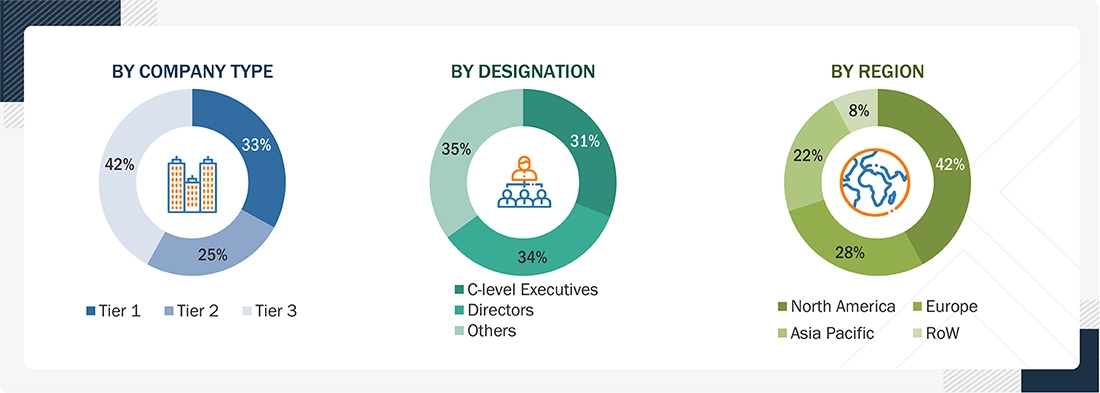
In the initial research stage, we interviewed multiple primary resources from both the supply and demand sides of the video on demand market to collect qualitative and quantitative data to enhance the study. The primary sources from the supply side included industry experts, such as technology and innovation directors, Chief Executive Officers (CEOs), marketing directors, Vice Presidents (VPs), related vital executives from vendors providing VoD offerings, associated service providers, and SIs operating in the targeted countries. All possible parameters that affect the market covered in this research study have been accounted for, viewed in extensive detail, verified through primary research, and analyzed to arrive at the final quantitative and qualitative data.
After the complete market engineering process (including calculations for market statistics, market breakup, market size estimations, market forecasting, and data triangulation), extensive primary research was conducted to gather information and verify and validate the critical numbers arrived at. The primary research also helped identify and validate the segmentation, industry trends, key players, competitive landscape, and market dynamics, such as drivers, restraints, opportunities, challenges, and key strategies. In the complete market engineering process, the bottom-up approach and several data triangulation methods were extensively used to perform market estimation and market forecasting for the overall market segments and subsegments listed in this report. An extensive qualitative and quantitative analysis of the complete market engineering process was performed to document the key information/insights throughout the report.
To know about the assumptions considered for the study, download the pdf brochure
Video on Demand Market Size Estimation
The video on demand market and related submarkets were estimated and forecasted using top-down and bottom-up methodologies. Using the revenues and product offerings of the major market players, the bottom-up method was used to determine the size of the market overall. This research ascertained and validated the precise value of the total parent market size through data triangulation techniques and primary interview validation. Next, using percentage splits of the market segments, the overall market size was utilized in the top-down approach to estimate the size of other individual markets.
Top Down and Bottom Up Approach of Video on Demand Market.
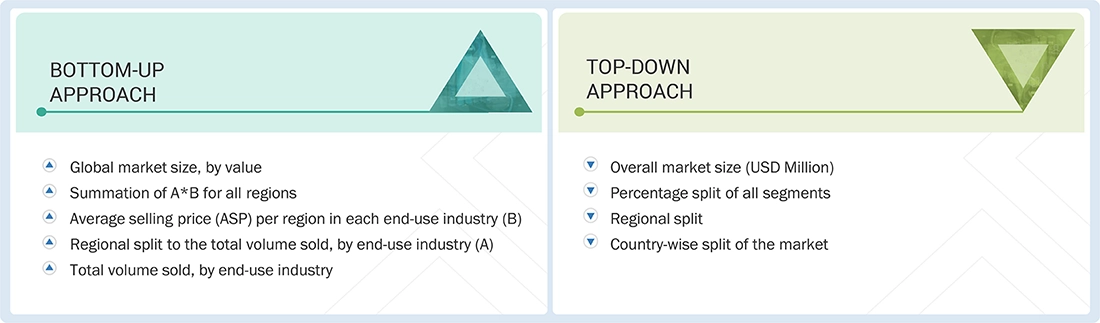
The research methodology used to estimate the market size included the following:
- Primary and secondary research was utilized to determine the revenue contributions of the major market participants in each country after secondary research helped identify them.
- Throughout the process, critical insights were obtained by conducting in-depth interviews with industry professionals, including directors, CEOs, VPs, and marketing executives, and by reading the annual and financial reports of the top firms in the market.
- Primary sources were used to verify all percentage splits and breakups, which were calculated using secondary sources.
Data Triangulation
The market was divided into several segments and subsegments using the previously described market size estimation procedures once the overall market size was determined. When required, market breakdown and data triangulation procedures were employed to complete the market engineering process and specify the exact figures for every market segment and subsegment. The data was triangulated by examining several variables and patterns from government entities' supply and demand sides.
Video on Demand Market Definition
MarketsandMarkets defines Video on Demand as the infrastructure and systems to deliver video content to end-users online. This typically involves streaming technology, content delivery networks (CDNs), digital rights management (DRM), and other components to ensure reliable and secure delivery of video content. VoD systems utilize streaming protocols to deliver video content to users in real-time or near-real-time. These protocols, such as Dynamic Adaptive Streaming over HTTP (DASH), HTTP Live Streaming (HLS), or MPEG-DASH, facilitate the transmission of video data in a format that can be decoded and played back by the user's device as it is received. VoD systems may implement user authentication mechanisms to verify the identity of users and grant appropriate access permissions to content. This can involve user accounts, passwords, access tokens, or other authentication methods to control who can view specific videos and under what conditions.
Key Stakeholders
- VoD Services Providers (VSPs)
- VoD platform providers
- Technology services providers
- Government organizations
- Consultants/consultancies/advisory firms
- Support and maintenance services providers
- Information Technology (IT) infrastructure providers
- System Integrators (SIs)
- Regional associations
- Independent software vendors
- Value-added resellers and distributors
Report Objectives
- To define, describe, and forecast the global VoD market based on offering type, monetization model, deployment model, platform type, content type, vertical, and region
- To provide detailed information about the major factors (drivers, opportunities, restraints, and challenges) influencing the growth of the VoD market
- To analyze the opportunities in the market for stakeholders by identifying the high-growth segments of the VoD market
- To forecast the market size concerning five central regions - North America, Europe, Asia Pacific, the Middle East, Africa, and Latin America
- To analyze the subsegments of the market concerning individual growth trends, prospects, and contributions to the overall market
- To profile the key players of the VoD market and comprehensively analyze their market size and core competencies
- To track and analyze the competitive developments, such as product enhancements and product launches, acquisitions, and partnerships and collaborations, in the VoD market globally
Available Customizations
MarketsandMarkets provides customizations based on the company's unique requirements using market data. The following customization options are available for the report:
Product Analysis
- The product matrix provides a detailed comparison of the product portfolio of each company.
Geographic Analysis
- Further breakup of the VoD market
Company Information
- Detailed analysis and profiling of five additional market players
Fact checked
Personalize This Research
- Triangulate with your Own Data
- Get Data as per your Format and Definition
- Gain a Deeper Dive on a Specific Application, Geography, Customer or Competitor
- Any level of Personalization
Let Us Help You
- What are the Known and Unknown Adjacencies Impacting the Video-on-Demand (VoD) Market
- What will your New Revenue Sources be?
- Who will be your Top Customer; what will make them switch?
- Defend your Market Share or Win Competitors
- Get a Scorecard for Target Partners

Custom Market Research Services
We Will Customise The Research For You, In Case The Report Listed Above Does Not Meet With Your Requirements
Get 10% Free CustomisationTESTIMONIALS
- US Video on Demand (VoD) Market
- Canada Video on Demand (VoD) Market
- UK Video on Demand (VoD) Market
- Germany Video on Demand (VoD) Market
- France Video on Demand (VoD) Market
- Italy Video on Demand (VoD) Market
- China Video on Demand (VoD) Market
- Japan Video on Demand (VoD) Market
- India Video on Demand (VoD) Market
- South Africa Video on Demand (VoD) Market
- Brazil Video on Demand (VoD) Market
- Mexico Video on Demand (VoD) Market
- Rest Of Europe Video on Demand (VoD) Market
- Rest Of Asia Pacific Video on Demand (VoD) Market
Growth opportunities and latent adjacency in Video-on-Demand (VoD) Market






Julia
Apr, 2026
What is driving the growth of the Video on Demand market?.
Gary
Apr, 2026
As a content owner investing in VoD, how critical is secure media delivery compared to performance and scalability.
Larry
Apr, 2026
As a media company planning to launch an OTT platform, how scalable is the Video on Demand (VOD) market in terms of global reach and monetization?.