
Medical Simulation Market

Medical Simulation Market by Offering (Anatomical Models [Patient (High Fidelity), Surgical (Laparoscopic, Ortho, Gynae), Trainers, Ultrasound], Software), Technology (3D Printing, Virtual Patient, Procedural Rehearsal), End User - Forecast to 2031




MEDICAL SIMULATION MARKET SIZE, SHARE & GROWTH SNAPSHOT
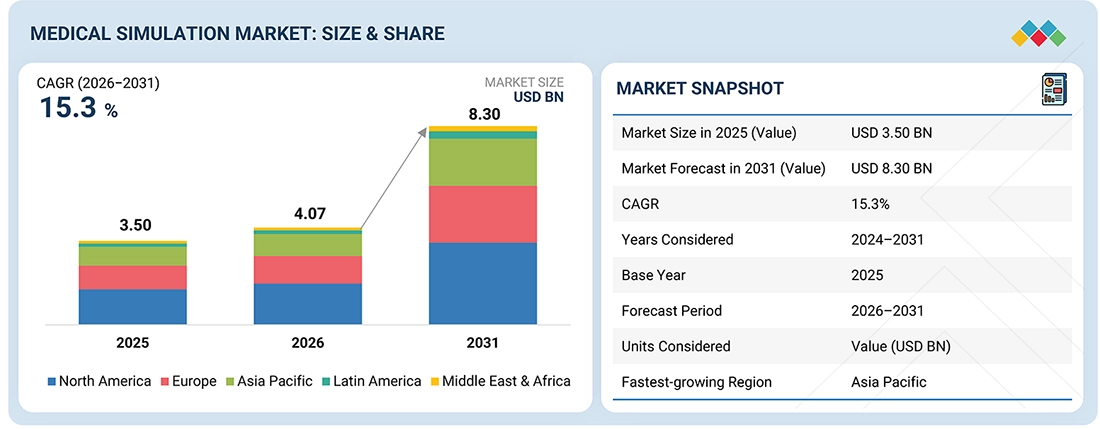
Source: Secondary Research, Interviews with Experts, MarketsandMarkets Analysis
The global medical simulation market is projected to grow from USD 4.07 billion in 2026 to USD 8.30 billion by 2031, at a CAGR of 15.3% during the forecast period. The market was valued at USD 3.50 billion in 2025. The medical simulation market growth drivers include the increasing demand for advanced clinical training, rising focus on patient safety, growing adoption of simulation-based medical education, and the increasing use of virtual reality and high-fidelity simulators in healthcare training.
KEY TAKEAWAYS
-
By RegionNorth America dominated the market with a share of 42.6% in 2025.
-
By OfferingBy offering, the web-based simulation segment is expected to register the highest CAGR of 16.9% during the forecast period.
-
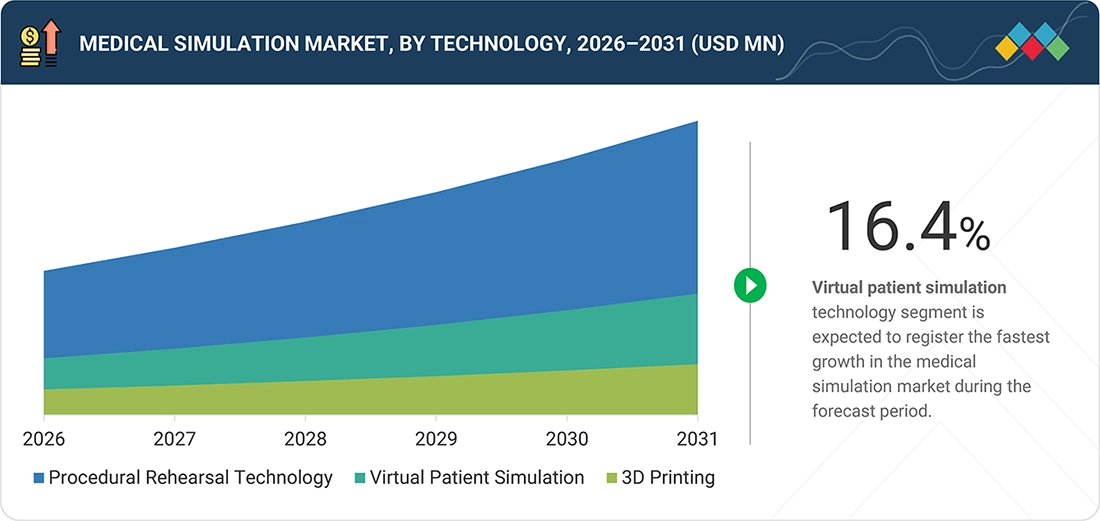
By TechnologyBy technology, the virtual patient simulation segment is expected to register the highest CAGR of 16.4% during the forecast period.
-
By End UserBy end user, the academic institutes segment held the largest market share in 2025.
-
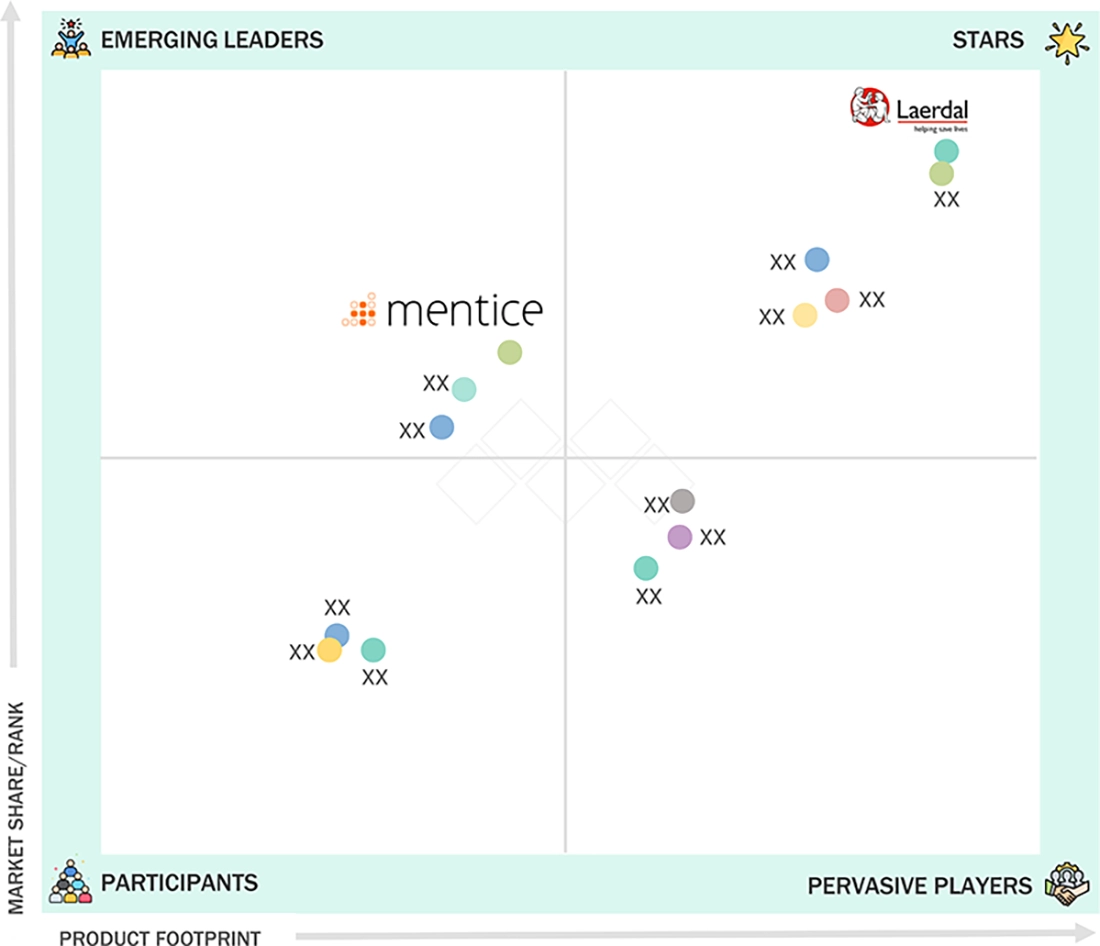
Competitive LandscapeSurgical Science Sweden AB, Laerdal Medical, and Kyoto Kagaku were identified as some of the star players in the medical simulation market, given their strong market share and product footprint.
-
Competitive LandscapeHaag-Streit AG and HRV Simulation, among others, have distinguished themselves among startups and SMEs by securing strong footholds in specialized niche areas, underscoring their potential as emerging market leaders.
The medical simulation market is growing as healthcare institutions increase their use of practical and technology-enabled training. Simulation tools help students and clinicians practice procedures in a safe setting before working with patients. They are used for surgical training, emergency response, nursing education, anesthesia, obstetrics, and critical care. High-fidelity simulators, anatomical models, virtual patients, and procedural rehearsal systems also support repeated practice and skill assessment. The need for trained healthcare professionals and safer clinical education is prompting more hospitals and academic institutions to adopt medical simulation solutions.
TRENDS & DISRUPTIONS IMPACTING CUSTOMERS' CUSTOMERS
In the medical simulation market, consumer impact is driven by the shift toward practical, technology-based training. Hospitals, academic institutes, medical device companies, and defense healthcare organizations are adopting simulation to strengthen skills assessment, surgical training, and emergency response preparation. The rising use of VR/AR platforms, procedural rehearsal tools, and high-fidelity simulators is changing how learners prepare for real clinical cases. This is creating growth opportunities for players such as Surgical Science Sweden AB, Laerdal Medical, Gaumard Scientific Co., Mentice AB, and Limbs & Things Ltd.
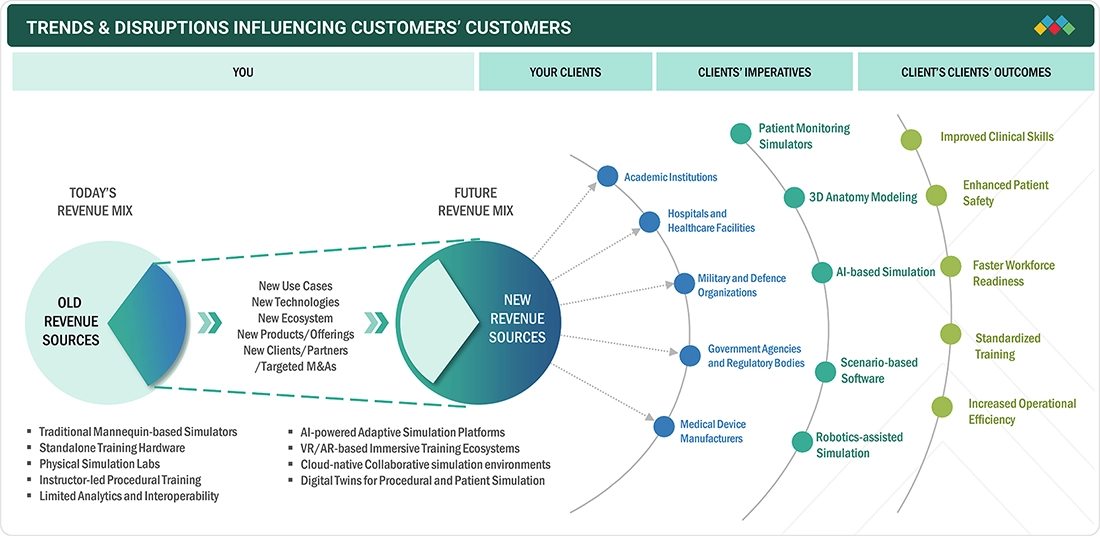
Source: Secondary Research, Interviews with Experts, MarketsandMarkets Analysis
MARKET DYNAMICS

Level
-
Rising demand for realistic and risk-free training environments in medical education

-
Rapid technological advancements in medical education


Level
-
Limited availability of funds to establish simulation training centers

-
Poorly designed medical simulators


Level
-
Widening workforce gaps creating demand for simulation-based training solutions

-
Growing awareness about simulation training in emerging economies


Level
-
High cost of simulators

-
Operational challenges

Source: Secondary Research, Interviews with Experts, MarketsandMarkets Analysis
Driver: Rising demand for realistic and risk-free training environments in medical education
The medical simulation market is expanding due to the growing need to prepare healthcare professionals for complex clinical cases before real patient interaction. Medical colleges and hospitals are using simulation labs to train learners in emergency situations and rare complications. These tools also support procedure based practice in controlled settings without patient risk. Faculty members use simulation to evaluate clinical response, communication, and teamwork more effectively. This shift is becoming more important as healthcare education moves toward competency based training models. For instance, the Cleveland Clinic uses simulation based programs to train physicians and surgical teams across different clinical scenarios. Such initiatives improve readiness and reduce training gaps while supporting safer patient care.
Restraint: Limited availability of funds to establish simulation training centers
The establishment of simulated learning environments and simulation programs requires high capital investment. The major costs are linked to high-fidelity simulators and virtual environments. Healthcare simulation training facilities usually depend heavily on government and private funding. In the US, Medicare supports teaching hospitals with USD 7.8 billion per year for graduate medical education, while Medicaid provides over USD 2 billion. Other bodies, including the Department of Defense, the Veterans Administration, and private payers, also fund parts of resident physician education. Despite this support, teaching hospitals continue to face financial pressure in meeting challenging medical education standards.
Opportunity: Widening workforce gaps creating demand for simulation-based training solutions
The shortage of healthcare professionals is becoming a major challenge for healthcare quality and patient access. The WHO projects a shortage of nearly 11 million health workers by 2030 with the largest impact expected in low and middle income countries. In US, AAMC estimates a shortage of up to 86,000 physicians by 2036 due to demographic shifts and rising healthcare demand. This workforce gap is increasing the need for faster and more effective training methods. Medical simulation allows institutions to train students and healthcare professionals in clinical procedures and emergency response and decision making without relying only on live patient exposure. As a result simulation-based education is becoming more important for improving workforce readiness.
Challenge: High cost of simulators
Patient simulators are highly expensive devices, priced between USD 50,000 and USD 400,000 in developed countries (depending on type, service, brand, and feature). This is a key deterrent to their adoption in countries with limited government funding. In developing countries, ensuring the affordability of healthcare simulation is a major challenge for manufacturers. The costs of simulated training include products, services, software, and maintenance. The requirements for simulation training vary depending on the solutions selected, ranging from manikins to web-based virtual environments or both. Thus, economic evaluations play a significant role in determining the return on investments. A lack of proper economic evaluation results in low returns on investment for end users, increasing the overall cost of their projects. Thus, the lack of economic evaluation, coupled with the high cost of simulators, often restricts the adoption of simulated training solutions among end users.
MEDICAL SIMULATION MARKET: COMMERCIAL USE CASES ACROSS INDUSTRIES
| COMPANY | USE CASE DESCRIPTION | BENEFITS |
|---|---|---|
 |
Offers high-fidelity simulators like LapSim and TraumaVR for surgical training, including robotic surgery and endovascular procedures | Provides customizable training modules through MentorLearn and iCase | Improves surgical proficiency and reduces error rates through evidence-based, proficiency-based training |
 |
Develops immersive simulation solutions, including SimMan and virtual reality training for emergency, obstetric, and neonatal care | Collaborates with Unity for scalable simulation platforms | Enhances team communication and coordination, leading to improved patient safety outcomes |
 |
Provides advanced patient simulators like HAL S5301 and robotic obstetric simulators for training across specialties, including trauma, pediatrics, and obstetrics | Facilitates safe, repeatable training scenarios, enabling learners to practice rare or high-risk events without patient risk |
 |
Manufactures anatomical models, imaging phantoms, and simulators for medical imaging and procedural training | Provides realistic, hands-on training tools that enhance understanding of anatomy and procedural techniques |
 |
Offers simulation products like the Laparoscopic Skills Trainer and AR-based trainers for catheterization and wound care | Provides augmented reality training apps to visualize internal anatomy | Improves clinical skills and team coordination, leading to better patient outcomes |
Logos and trademarks shown above are the property of their respective owners. Their use here is for informational and illustrative purposes only.
MARKET ECOSYSTEM
The medical simulation ecosystem includes various participants, including simulation hardware vendors (CAE Healthcare, Laerdal Medical), software/platform vendors, and curriculum developers. Technology vendors bring AI, VR/AR devices, and infrastructure to support training. The end users are medical and nursing education institutions, hospitals, government, and associations that demand simulation education. The regulators check for safety, quality, and compliance with data protection norms. Accrediting agencies develop the criteria for simulation programs. Governments and funding bodies develop policies, grant funds, and encourage innovation in healthcare simulation solutions.
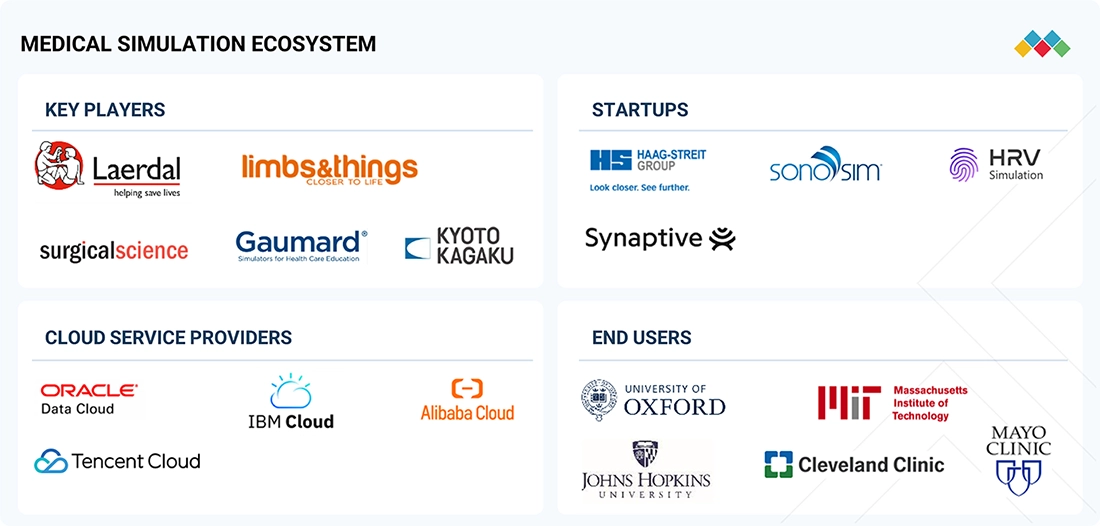
Logos and trademarks shown above are the property of their respective owners. Their use here is for informational and illustrative purposes only.
MARKET SEGMENTS
Source: Secondary Research, Interviews with Experts, MarketsandMarkets Analysis
Medical Simulation Market, by Offering
In 2025, healthcare simulation anatomical models held the largest share of the medical simulation market due to their growing use in basic education and procedural training. Medical colleges and teaching hospitals use these models for anatomy learning, clinical skill practice and early-stage procedure training before patient exposure. Institutions such as Harvard Medical School, Karolinska Institute, and the National University of Singapore use simulation-based learning to train students and healthcare professionals in controlled settings. The segment also benefits from cost-effectiveness, durability, and consistent training value across medical and nursing education.
Medical Simulation Market, by Technology
In 2025, virtual patient simulation held the largest share in the medical simulation market due to its strong role in case-based learning and clinical decision training. These platforms allow learners to assess patient history, review symptoms, select diagnostic steps, and make treatment decisions in a simulated environment. They are useful for training large batches of students because cases can be repeated and accessed through digital platforms. A 2025 study on immersive virtual patient simulation found that VR-based simulation can improve medical students’ clinical communication and decision-making skills in a safe setting. This supports the growing use of virtual patient platforms in modern medical education.
Medical Simulation Market, by End User
In 2025, academic institutions accounted for the largest share of the medical simulation market, as simulation has become integrated into medical, nursing, and allied health education. These institutions use simulation labs to train students before clinical rotations and to evaluate practical competencies in structured settings. In 2023, the AAMC surveyed medical schools, teaching hospitals, universities, and health science centers across the US and Canada to assess current use of medical simulation in education. This reflects the growing institutional focus on simulation-based healthcare training. Simulation supports learning in anatomy, clinical procedures, communication, emergency response, and interprofessional teamwork.
REGION
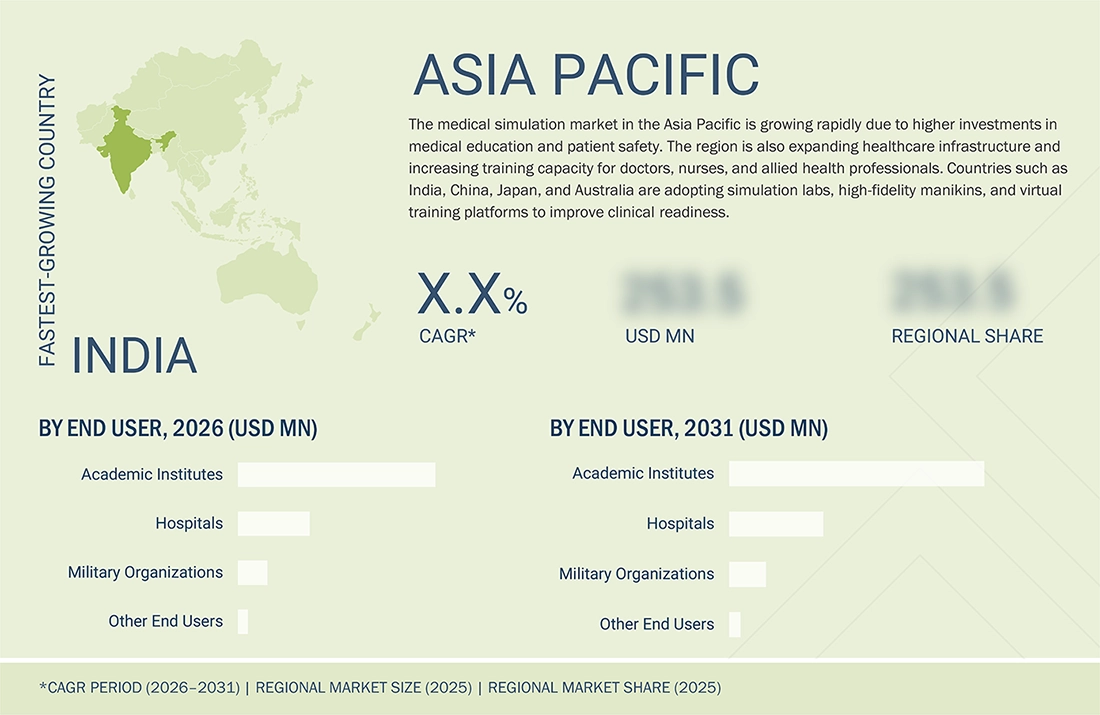
Asia Pacific region to register fastest growth in medical simulation market during forecast period
The medical simulation market is segmented into North America, Europe, Asia Pacific, Latin America, and the Middle East & Africa. Asia Pacific is growing at the fastest rate in the medical simulation market. Growth is driven by expanding healthcare infrastructure, rising medical education capacity, and increasing demand for trained healthcare professionals. Countries like China, India, Japan, South Korea, and Australia are increasingly investing in simulation labs, digital training platforms, and skills-based medical education. The region is also experiencing a broader adoption of high-fidelity simulators, virtual patient platforms, and anatomical models among users. Efforts by governments to enhance workforce readiness and improve patient safety are further promoting the adoption of medical simulation solutions across the Asia Pacific region.
MEDICAL SIMULATION MARKET: COMPANY EVALUATION MATRIX
In the medical simulation market matrix, Laerdal Medical (Star) leads with a strong product footprint and global presence in the market. Its wide use across hospitals, academic institutions, emergency care training, and military programs strengthens its market position. Mentice AB (Emerging Leader) is gaining momentum with its endovascular and interventional simulation solutions. The company offers high clinical realism and supports training for image-guided procedures. Its expanding partnerships with healthcare institutions and medical device companies are further improving its position in the market.
Source: Secondary Research, Interviews with Experts, MarketsandMarkets Analysis
KEY MARKET PLAYERS
- Surgical Science Sweden AB (Sweden)
- Laerdal Medical (Norway)
- Gaumard Scientific Co. (US)
- Kyoto Kagaku Co., Ltd. (Japan)
- Limbs & Things Ltd. (UK)
- Mentice AB (Sweden)
- Simulab Corporation (US)
- Simulaids (US)
- Anatomage Inc. (US)
- Operative Experience, Inc. (US)
- CAE Inc. (Canada)
- 3B Scientific (Germany)
- VirtaMed AG (Switzerland)
- SYNBONE AG (Switzerland)
- Erler-Zimmer Medical GmbH (Germany)
- Medical-X (Netherlands)
- KaVo Dental GmbH (Germany)
- Altay Scientific (Italy)
- TruCorp Ltd. (Ireland)
- Simendo B.V. (Netherlands)
MARKET SCOPE
| REPORT METRIC | DETAILS |
|---|---|
| Market Size in 2025 (Value) | USD 3.50 Billion |
| Market Size in 2026 (Value) | USD 4.07 Billion |
| Market Forecast in 2031 (Value) | USD 8.30 Billion |
| CAGR | CAGR of 15.3% from 2026-2031 |
| Years Considered | 2024-2031 |
| Base Year | 2025 |
| Forecast Period | 2026-2031 |
| Units Considered | Value (USD Billion) |
| Report Coverage | Revenue Forecast, Company Ranking, Competitive Landscape, Growth Factors, and Trends |
| Segments Covered |
|
| Regions Covered | North America, Europe, Asia Pacific, Latin America, Middle East & Africa |
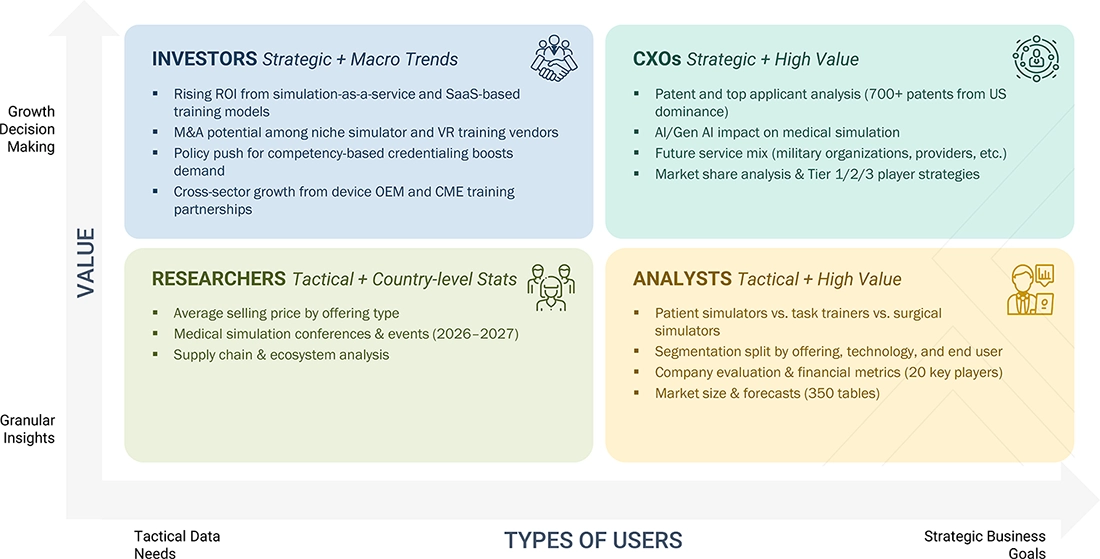
WHAT IS IN IT FOR YOU: MEDICAL SIMULATION MARKET REPORT CONTENT GUIDE
DELIVERED CUSTOMIZATIONS
We have successfully delivered the following deep-dive customizations:
| CLIENT REQUEST | CUSTOMIZATION DELIVERED | VALUE ADDS |
|---|---|---|
| Need for scalable, standardized clinical training across distributed healthcare networks | Developed cloud-enabled simulation ecosystems integrating VR modules, centralized content libraries, and remote instructor access | Expanded training scalability, improved standardization, and reduced dependency on physical simulation centers |
| Requirement to improve procedural competency and reduce medical errors | Integrated AI-driven adaptive learning engines with high-fidelity simulators and real-time performance analytics | Enhanced clinical proficiency, accelerated skill acquisition, and improved patient safety outcomes |
| Demand for immersive and realistic training experiences | Implemented AR/VR-based simulation environments with scenario-based emergency, surgical, and trauma workflows | Increased learner engagement, strengthened decision-making skills, and improved procedural confidence |
| Need for measurable competency assessment and accreditation alignment | Built digital assessment dashboards with automated scoring, competency benchmarking, and certification tracking | Improved compliance visibility, streamlined accreditation processes, and enabled data-driven training evaluation |
| Requirement for interdisciplinary and collaborative simulation training | Designed multi-user virtual simulation platforms supporting team-based emergency response and coordinated care scenarios | Strengthened care coordination, improved communication efficiency, and enhanced crisis preparedness |
RECENT DEVELOPMENTS
- May 2025 : The Society for Imaging Informatics in Medicine (SIIM) unveiled the enhanced Virtual Hospital Platform (VHP) 2.0 at the SIIM25 Annual Meeting. Developed in partnership with MEDIC at Mohawk College (Canada), this platform delivers an immersive, scalable training environment for imaging informatics professionals.
- April 2025 : Munster Technological University (MTU), Kerry Campus, launched a state-of-the-art healthcare simulation center to address Ireland's nursing shortage. Funded by the Higher Education Authority, the facility features high-fidelity labs, AI-powered manikins, and interprofessional training spaces.
- March 2025 : The University of Texas at Arlington (UTA) launched its Mobile Simulation Lab, a cutting-edge training facility from the College of Nursing and Health Innovation's Center for Rural Health and Nursing. This initiative aims to improve healthcare education in rural Texas communities, where nearly a quarter of Texans live and access to clinical training is often limited.
- March 2025 : Surgical Science Sweden AB acquired Intelligent Ultrasound Group Plc through a strategic deal. The acquisition strengthens Surgical Science’s portfolio by adding expertise in volumetric ultrasound technology. It also expands the company’s presence in ultrasound simulation and increases its footprint in the UK.
Table of Contents
 Exclusive indicates content/data unique to MarketsandMarkets and not available with any competitors.
Methodology
The study involved five major activities to estimate the current size of the medical simulation market. Exhaustive secondary research was conducted to gather information on the market and its subsegments. The next step was to validate these findings, assumptions, and sizing with industry experts across the value chain through primary research. Both top-down and bottom-up approaches were employed to estimate the complete market size. Thereafter, market breakdown and data triangulation procedures were used to estimate the market size of the segments and subsegments.
Secondary Research
This research study used secondary sources, directories, and databases such as Dun & Bradstreet, Bloomberg Business, and Factiva; white papers, annual reports and companies’ house documents; investor presentations; and companies’ SEC filings. The market for medical simulation solutions is assessed using secondary data from both paid and free sources. This involves analyzing the product portfolios of major industry players and evaluating them based on performance and quality. Various resources were utilized in the secondary research process to gather information for this study. The sources include annual reports, press releases, investor presentations, white papers, academic journals, certified publications, articles by recognized authors, directories, and databases. The secondary research process involved consulting various sources to identify and collect information for the study. These sources included annual reports, press releases, investor presentations of medical simulation vendors, forums, certified publications, and white papers. Secondary research was used to obtain critical information on the industry’s value chain, the total pool of key players, and market classification and segmentation from market- and technology-oriented perspectives.
Primary Research
In the primary research process, various supply and demand sources were interviewed to obtain qualitative and quantitative information for this report. Primary sources are primarily industry experts from core and related industries, as well as preferred suppliers, manufacturers, distributors, technology developers, researchers, and organizations across all segments of this industry’s value chain. In-depth interviews were conducted with various primary respondents, including key industry participants, subject-matter experts (SMEs), C-level executives of key market players, and industry consultants, among other experts, to obtain and verify critical qualitative and quantitative information and assess prospects.
Primary research was conducted to identify segmentation types, industry trends, key players, and key market dynamics, including drivers, restraints, opportunities, and challenges, as well as the strategies adopted by key players.
After completing the market engineering process, which includes calculations for market statistics, market breakdown, size estimations, forecasting, and data triangulation, extensive primary research was conducted. This research aimed to gather information and verify the critical numbers obtained during the market analysis. Additionally, primary research was conducted to identify market segmentation types, analyze industry trends, evaluate the competitive landscape of medical simulation solutions offered by various players, and understand key market dynamics, including drivers, restraints, opportunities, challenges, and strategies employed by key market participants.
Throughout the complete market engineering process, the top-down and bottom-up approaches, along with several data triangulation methods, were extensively used to estimate and forecast the overall market segments and subsegments listed in this report. Extensive qualitative and quantitative analysis was performed on the complete market engineering process to list the key information/insights throughout the report.
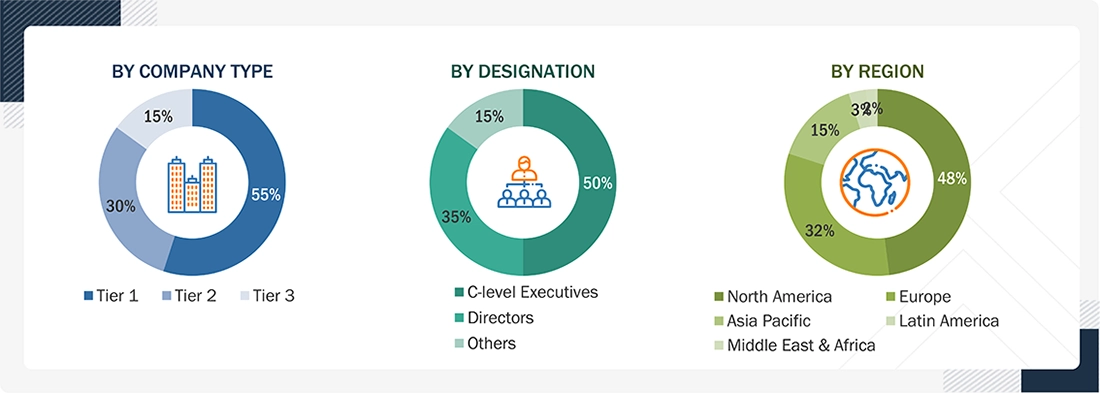
Note: Other designations include sales, marketing, and product managers.
Tiers are defined based on a company’s total revenue as of 2025: Tier 1 = >USD 1 billion, Tier 2 = USD 500 million to USD 1 billion, and Tier 3 = <USD 500 million.
To know about the assumptions considered for the study, download the pdf brochure
Market Size Estimation
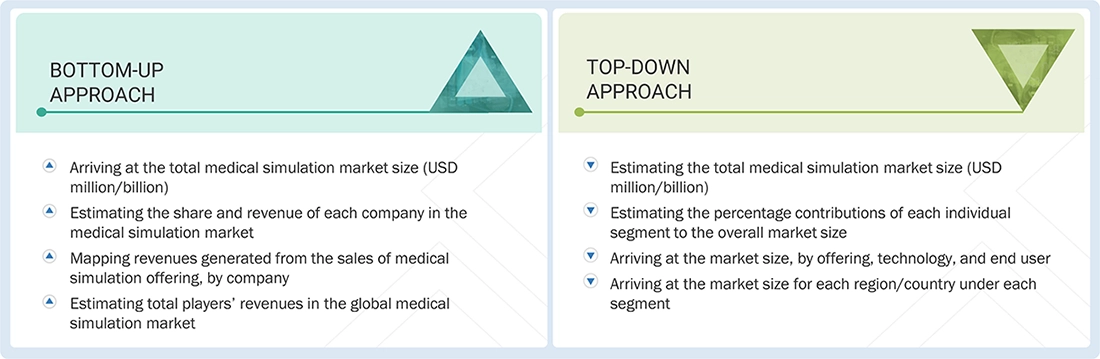
The market size estimates and forecasts provided in this study are derived through a mix of the bottom-up approach (revenue share analysis of leading players) and the top-down approach (assessment of utilization/adoption/penetration trends by offering, technology, end user, and region).
Data Triangulation
After determining the overall market size, the estimation process divided the market into several segments and subsegments. To complete the overall market engineering process and arrive at the exact statistics of each market segment and subsegment, the data triangulation and market breakdown procedures were employed, wherever applicable. The data was triangulated by studying various factors and trends from both the demand and supply sides in the medical simulation market.
Market Definition
Medical simulation uses virtual patients, mannequins, task trainers, or computer-based environments to replicate real-life clinical situations for training, education, evaluation, or system improvement without risking patient safety. It is a strategic tool that enables safe, repeatable, and immersive learning experiences, enhancing clinical performance, reducing medical errors, and improving healthcare delivery outcomes.
Key Stakeholders
- Medical simulation vendors
- Government bodies
- Healthcare service providers
- Clinical/physician centers
- Healthcare professionals
- Health IT service providers
- Healthcare associations/institutes
- Ambulatory care centers
- Venture capitalists
- Distributors and resellers
- Maintenance and support service providers
- Integration service providers
- Military organizations
- Advocacy groups
- Investors and financial institutions
- Industry associations and trade groups
Report Objectives
- To define, describe, and forecast the medical simulation market by offering, technology, end user, and region
- To provide detailed information regarding the major factors, such as drivers, restraints, opportunities, and challenges, influencing the market growth
- To analyze micromarkets with respect to individual growth trends, prospects, and contributions to the overall medical simulation market
- To assess the medical simulation market with regard to Porter’s five forces, regulatory landscape, value chain, ecosystem map, patent protection, impact of 2025 US tariff, AI/Gen AI impact on the market under study, and key stakeholders’ buying criteria
- To analyze opportunities in the market for stakeholders and provide details of the competitive landscape for market leaders
- To forecast the size of the medical simulation market with respect to five main regions, namely, North America, Europe, Asia Pacific, Latin America, and the Middle East & Africa
- To profile the key players in the medical simulation market and comprehensively analyze their core competencies and market shares
- To track and analyze competitive developments such as agreements, partnerships, acquisitions, expansions, product launches and enhancements, and R&D activities in the medical simulation market.
Available customizations:
With the given market data, MarketsandMarkets offers customizations according to your company’s specific needs. The following customization options are available for the report:
Company Information
- Detailed analysis and profiling of additional market players (up to 5)
Geographic Analysis
- Further breakdown of the medical simulation market in the Rest of Europe (Denmark, Norway, and other countries)
- Further breakdown of the medical simulation market in the Rest of Asia Pacific (Vietnam, New Zealand, the Philippines, and other countries)
Frequently Asked Questions(FAQ)
Which are the top industry players in the global healthcare simulation market?
CAE Inc. (Canada), Laerdal Medical (Norway), Gaumard Scientific Co. (US), Kyoto Kagaku (Japan), Limbs & Things (UK), Mentice AB (Sweden), Simulab Corporation (US), and Surgical Science Sweden AB (Sweden).
Which products & services have been included in the healthcare simulation market report?
The report includes: Healthcare Simulation Anatomical Models, Patient Simulators (by type and application), Task Trainers, Interventional/Surgical Simulators (Laparoscopic, Gynecology, Cardiovascular, Orthopedic, Spine, Endovascular, Other), Ultrasound Simulators, Dental Simulators, Eye Simulators, Web-based Simulation, Healthcare Simulation Software, and Healthcare Simulation Training Services (Vendor-based Training, Educational Societies, Custom Consulting Services).
Which region is likely to dominate the global healthcare simulation market?
North America holds the largest share in the healthcare simulation market, while Asia Pacific is expected to register the highest CAGR during the forecast period.
Which end users have been included in the healthcare simulation market report?
Academic Institutes, Hospitals, Military Organizations, and Other End Users.
At what CAGR is the market expected to grow from 2025 to 2030?
The healthcare simulation market is projected to grow at a CAGR of 15.6% from 2025 to 2030.
Need a Tailored Report?
Customize this report to your needs
Get 10% FREE Customization
Customize This ReportPersonalize This Research
- Triangulate with your Own Data
- Get Data as per your Format and Definition
- Gain a Deeper Dive on a Specific Application, Geography, Customer or Competitor
- Any level of Personalization
Let Us Help You
- What are the Known and Unknown Adjacencies Impacting the Medical Simulation Market
- What will your New Revenue Sources be?
- Who will be your Top Customer; what will make them switch?
- Defend your Market Share or Win Competitors
- Get a Scorecard for Target Partners

Custom Market Research Services
We Will Customise The Research For You, In Case The Report Listed Above Does Not Meet With Your Requirements
Get 10% Free CustomisationTESTIMONIALS

JAYANT RAJPUROHIT
Director of Market Insights, Data and Analytics
SFI Health,
Leading Pharmaceutical Companywww.sfihealth.com/

We at SFI Health approached MarketsandMarkets for an Opportunity Assessment on "Incidence and Prevalence of Focus Indications" as we wanted to know the most attractive HCPs like Physician, Functional MD, Naturopath and Pharmacist. The project was critical for us to ensure our focus on the right target which would enable sustainable growth and profitability for SFI Health. The business insights provided exceeded our expectations and we were extremely impressed. The team at MarketsandMarkets is highly professional and detail oriented and very well understood our business needs. MarketsandMarkets offers a unique combination of expertise and dedicated engagement model. We identified 2 new products to be launched in coming months, based on the research findings provided by MarketsandMarkets. We are happy with the services and would strongly recommend MarketsandMarkets to my peers in the industry.

BEATRIZ DE LA CALLE
Head of Commercial Analytics
Qualicaps,
Leading Pharmaceutical Companywww.qualicaps.com/

We partnered with MarketsandMarkets for an assessment study on hard empty capsules. The team was extremely professional in understanding our business requirements and we received timely responses to all our queries. The market intelligence and the recommendations has met our business requirements. We were extremely impressed to see the final study results; it really exceeded our expectations. The market intelligence offered by MarketsandMarkets, and clarity on next steps will help us achieve our business objective for the Year 2021. We are happy with the services and would strongly recommend MarketsandMarkets to my peers in the industry.

Bob Williams,
Senior Director Business Development & Innovation
Bracco Diagnostics Inc.,
Italian Multinational in life sciences sector and a World Leader in imaging diagnosticsimaging.bracco.com/us-en
We were pleased with targeted insights that MarketsandMarkets identified from a custom study on the 'Radiation Dose Management Solutions Market'. Your team identified and characterized the market participants as well as underlying trends accurately. This study was useful to Bracco in formulating business strategies for our dose monitoring product lines and we thank MarketsandMarkets for the job well done.
Cody Coonradt,
Market Development and Strategy Manager
3M Health Information Systems,
Leader in Health care Coding, Payment & Analytics Solutions.www.3m.com/3M/en_US/health-information-systems-us
The value for our organization comes from three things: depth of research, specificity of segments and being easy to work with. As important as the first two are, the third can't be underestimated. MarketsandMarkets, maybe more than any other research vendor, wants to know what is top of mind for our team and what big questions we are grappling to answer.
Their customer first approach and high value engagement model, have given us great analysis and excellent value for money
Growth opportunities and latent adjacency in Medical Simulation Market

Still Researching the
Medical Simulation Ecosystem?
See the competitors, opportunities, and growth signals shaping it - instantly.
Generate 15+ consulting-grade strategic insights tailored to your growth question.







John
Jun, 2022
Which are the top companies hold the market share in medical simulation market?.
Kahlill
Jun, 2022
What are the key trends in the healthcare simulation market report?.
Ethan
Jun, 2026
After reviewing the Healthcare Simulation Market report, I see strong commercial potential driven by the shift toward risk-free clinical training environments and I would evaluate it as a high-priority segment for long-term healthcare investments..
Olivia
Jun, 2026
The Healthcare Simulation Market analysis clarified for me how advancements in VR, AR, and high-fidelity manikins are reshaping clinical education workflows, especially in critical care and surgical training applications..
Marcus
Jun, 2026
From an operational standpoint, I understand that the Healthcare Simulation Market is increasingly being adopted by hospitals and academic institutes to standardize competency-based training and reduce procedural variability..