Cancer Biomarkers Market

Cancer Biomarkers Market by Profiling Technology (Omics, Imaging), Cancer (Lung, Breast, Leukemia, Melanoma, Colorectal), Product (Instruments, Consumables), Application (Diagnostics, R&D, Prognostics), Enduser, and Region - Global Forecast to 2032



CANCER BIOMARKERS MARKET SIZE, SHARE & GROWTH SNAPSHOT
Source: Secondary Research, Interviews with Experts, MarketsandMarkets Analysis
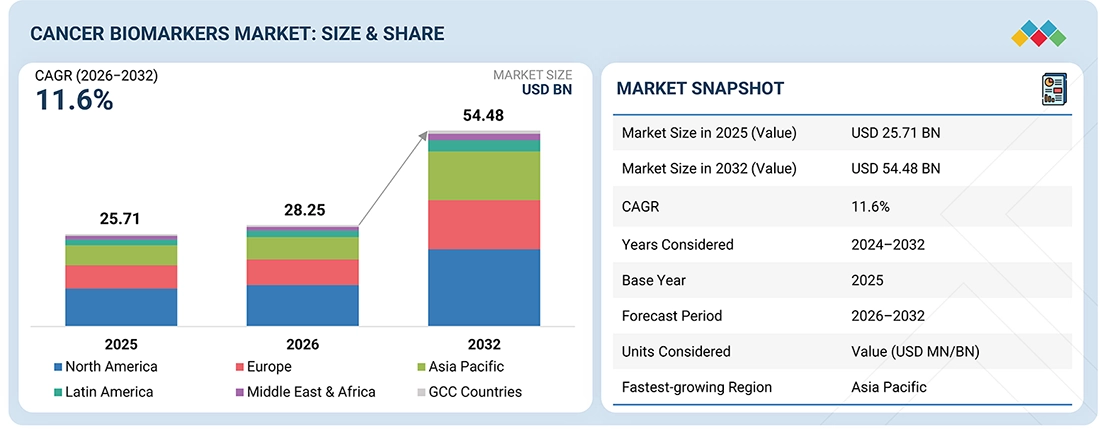
The global cancer biomarkers market is projected to grow from USD 28.25 billion in 2026 to USD 54.48 billion by 2032, at a CAGR of 11.6% during the forecast period. The market was valued at USD 25.71 billion in 2025. Revenue growth in the cancer biomarkers market is increasingly shifting toward precision oncology solutions, biomarker-driven treatment approaches, and advanced molecular profiling technologies. The growing use of biomarkers in oncological treatment strategies, along with rising cancer incidence worldwide, is expanding market opportunities for diagnostic and therapeutic decision-making applications. Revenue opportunities are further shifting toward genomics, proteomics, and multi-omics-based approaches, as healthcare providers and researchers increasingly focus on identifying actionable biomarkers to support personalized treatment strategies. The continued adoption of precision medicines and innovative biomarker identification methods is expected to accelerate the transition toward more targeted and data-driven cancer care models globally.
KEY TAKEAWAYS
-
MARKET SNAPSHOT:
Base Year Market Size (2025): USD 25.71 Billion
Current Market Size (2026): USD 28.25 Billion
Forecast Market Size (2032): USD 54.48 Billion
CAGR (2026–2032): 11.6% -
SEGMENT LEADERSHIP:
Regional Leader: North America led the market share in 2025.
Technology Leader: Omics technologies segment held the highest market share in 2025.
Product Leader: Consumables segment is expected to register the highest growth rate of 12.0%.
Cancer Type Leader: Breast cancer segment held the highest market share in 2025.
Application Leader: Diagnostics segment led the market with a share of 51.0% in 2025.
End User Leader: Diagnostic laboratory segment accounted for the largest market share in 2025. -
MARKET OUTLOOK & COMPETITIVE LANDSCAPE:
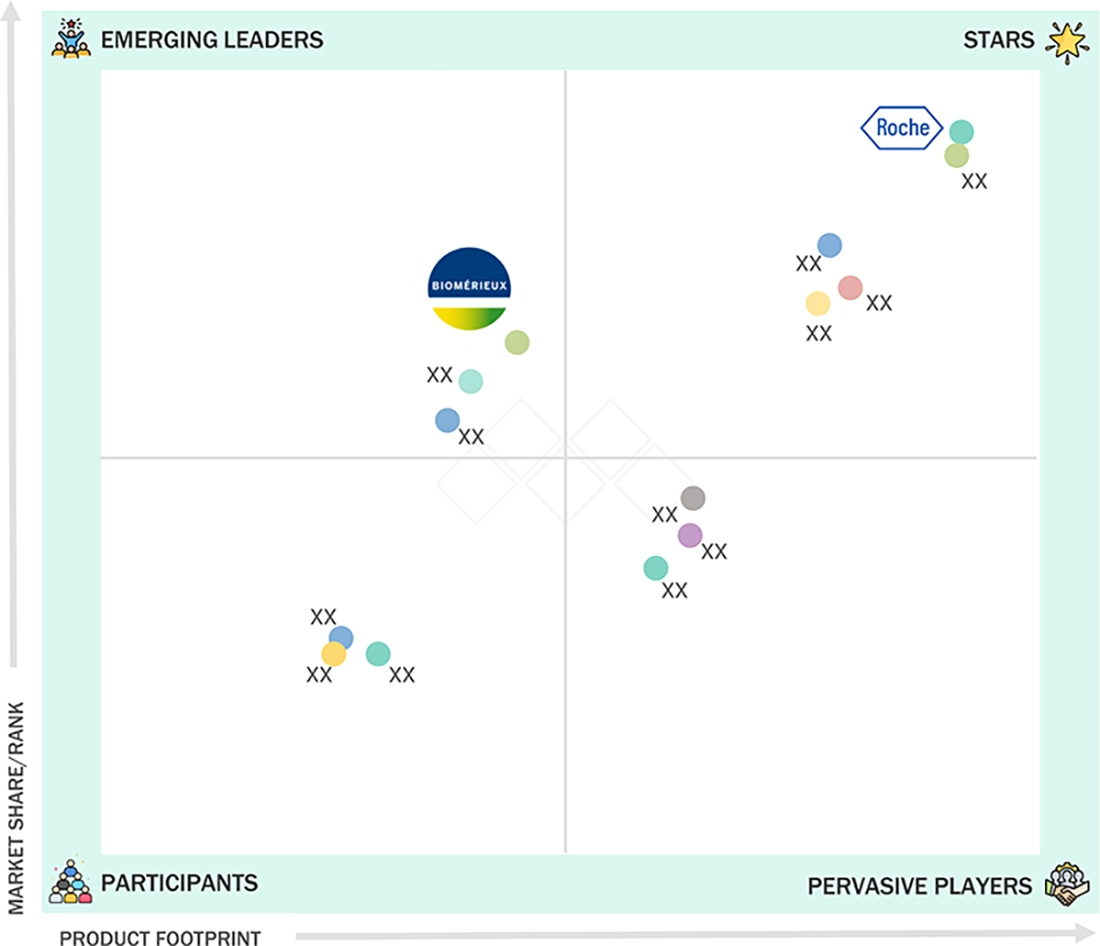
Roche (Switzerland), Thermo Fisher (US), Illumina (US), Agilent Technologies (US), and QIAGEN (Netherlands), among others, were identified in the cancer biomarker market as star players, supported by their strong market presence and extensive product portfolios.
Companies such as Quest Diagnostics (US), Invivoscribe, Inc. (US), and Asuragen, Inc. (US), among others, have distinguished themselves among startups and SMEs by securing strong footholds in specialized niche areas.
The driving force behind the growth of the cancer biomarkers market is the increasing emphasis placed on the early detection and monitoring of cancer cases. Growing adoption of cancer biomarkers in drug discovery and development, increasing investments in research and development for biomarker innovation, and growing adoption of non-invasive diagnostics are increasing the demand for cancer biomarkers.
TRENDS & DISRUPTIONS IMPACTING CUSTOMERS' CUSTOMERS
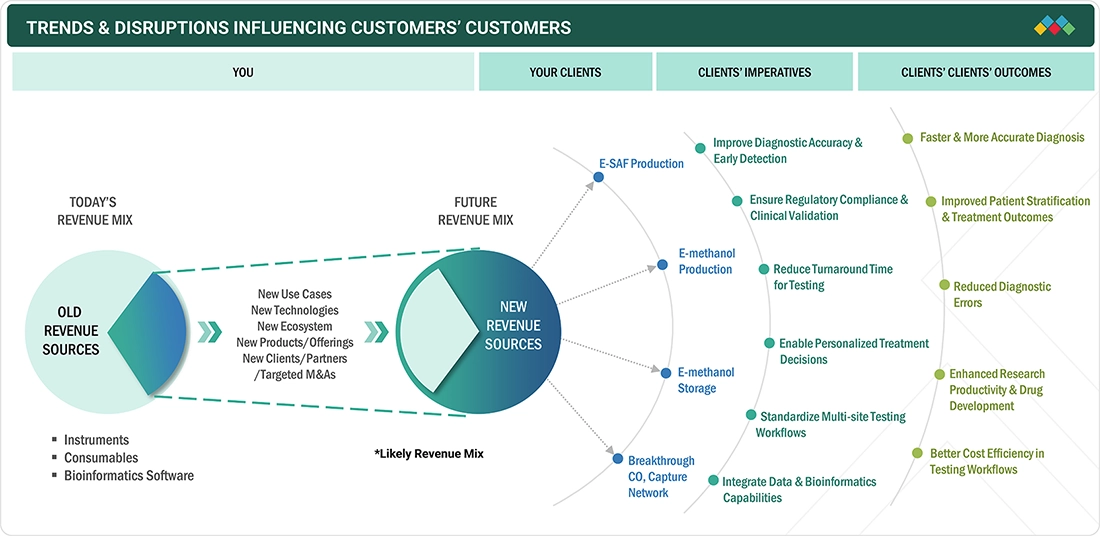
The cancer biomarkers market is seeing several emerging trends, driven primarily by rapid advancements in genomic and multiomic technologies, which are further fueling the need for precision oncology and personalized targeted therapies. The adoption of next-generation sequencing (NGS), non-invasive liquid biopsies, and AI-driven digital pathology platforms has enabled efficient, timely, and accurate detection of complex tumor mutations, thereby significantly improving patient outcomes. The need to handle highly specialized molecular assays and manage capital equipment costs has led community hospitals and oncology clinics to outsource advanced genomic testing services to centralized reference laboratories, further driving the cancer biomarkers market. The market is also trending towards the development of comprehensive pan-cancer profiling solutions and companion diagnostics (CDx) that are efficient, timely, and accurate, and cost-effective in healthcare resource utilization by ensuring patients are matched to the correct therapies on the first attempt.
Source: Secondary Research, Interviews with Experts, MarketsandMarkets Analysis
MARKET DYNAMICS

Level
-
Technological advancements in cancer biomarkers

-
Increasing incidence of cancer


Level
-
High capital requirements and long development timelines for biomarker commercialization

-
Unfavorable regulatory frameworks and reimbursement limitations


Level
-
Expanding role of personalized and precision medicine

-
Increasing applications of companion diagnostics in oncology


Level
-
Technical challenges related to sample collection, handling, and storage

-
Complexities associated with biomarker validation and standardization

Source: Secondary Research, Interviews with Experts, MarketsandMarkets Analysis
Driver: Technological advancements in cancer biomarkers
In recent years, significant technological advancements have been observed across diagnostic imaging, immunoassays, omics technologies, and bioinformatics, leading to improved accuracy, efficiency, and accessibility of cancer biomarker detection. Companies are increasingly focusing on developing cost-effective, user-friendly, and technologically advanced diagnostic solutions that enhance patient safety and operational efficiency. At the same time, continuous innovations in next-generation sequencing (NGS), PCR-based assays, and multiplex testing platforms are improving the sensitivity, specificity, and turnaround time of biomarker identification, thereby supporting more reliable clinical decision-making.
Restraint: High capital requirements and long development timelines for biomarker commercialization
The discovery, development, and validation of cancer biomarkers require substantial capital investment, which acts as a key restraint on the growth of the cancer biomarkers market, as well as related segments such as in vitro diagnostics (IVD), companion diagnostics, and personalized medicine. While advancements in molecular biology and genomics have accelerated the identification of potential biomarkers, the ability to clinically validate these biomarkers has not kept pace. This gap between discovery and validation creates a bottleneck, limiting the translation of promising biomarkers into commercially viable diagnostic tools.
Opportunity: Expanding role of personalized and precision medicine
Cancer biomarkers are a fundamental component of personalized medicine, with applications spanning diagnosis, prognosis, and the selection of targeted therapies. The increasing shift from conventional “one-size-fits-all” treatment approaches toward individualized care has accelerated the adoption of biomarker-based diagnostics. Personalized medicine enables treatment decisions based on a patient’s genetic profile and clinical characteristics, improving treatment effectiveness and clinical outcomes across oncology and other therapeutic areas.
Challenge: Technical challenges related to sample collection, handling, and storage
The use of cancer biomarkers in epidemiological and clinical studies requires high-quality biological samples across different stages of disease progression. These samples are often limited and valuable, making proper collection, handling, and storage critical to ensure reliable results. Biomarker research relies on diverse sample types such as blood, tissue, and other biofluids for applications including risk assessment, screening, diagnosis, and disease monitoring. As a result, inconsistencies in sample collection methods or limited access to well-characterized specimens can pose significant challenges for research and clinical applications.
CANCER BIOMARKERS MARKET: COMMERCIAL USE CASES ACROSS INDUSTRIES
| COMPANY | USE CASE DESCRIPTION | BENEFITS |
|---|---|---|
 |
Offers comprehensive oncology diagnostic solutions across immunoassay, molecular diagnostics, sequencing, and tissue-based testing (IHC/ISH). Supports biomarker testing across the full patient journey from risk assessment and screening to therapy selection and monitoring. | Enables personalized treatment decisions | Improves diagnostic accuracy | Supports companion diagnostics | Enhances patient outcomes through precise and timely clinical insights |
 |
Provides advanced genomics and proteomics platforms, including NGS, PCR, and mass spectrometry, for biomarker discovery, validation, and clinical research applications. Supports multi-omics workflows in oncology research. | Accelerates biomarker discovery and translational research | Enables early detection and therapy monitoring | Improves efficiency in research-to-clinical pipeline development |
 |
Delivers next-generation sequencing (NGS) platforms and consumables for genomic profiling of tumors, enabling identification of mutations and molecular signatures in cancer. | Supports precision oncology | Enables comprehensive genomic profiling | Facilitates targeted therapy selection | Improves understanding of tumor biology |
 |
Offers solutions across pathology (IHC/ISH), genomics, and proteomics, including companion diagnostics and tissue-based biomarker analysis systems. Enables integration of molecular and histopathological data. | Enhances tissue-based biomarker analysis | Improves diagnostic accuracy in oncology | Supports drug development (CDx) | Enables standardized lab workflows |
 |
Provides end-to-end “sample-to-insight” solutions, including PCR assays, NGS workflows, and bioinformatics tools for detecting and analyzing cancer biomarkers such as gene mutations and circulating tumor cells. | Enables rapid and sensitive biomarker detection | Supports liquid biopsy and molecular diagnostics | Improves turnaround time | Facilitates precision medicine through integrated workflows |
Logos and trademarks shown above are the property of their respective owners. Their use here is for informational and illustrative purposes only.
MARKET ECOSYSTEM
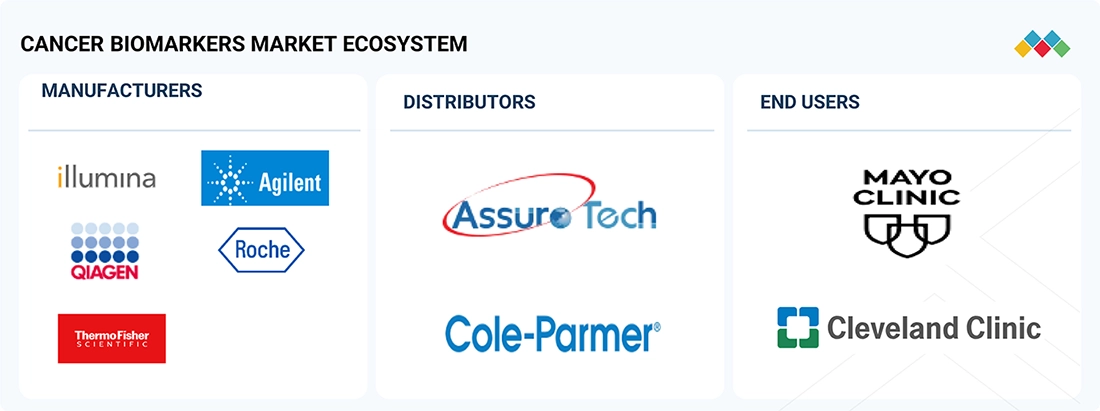
The cancer biomarkers market ecosystem comprises all the key stakeholders in the entire value chain, including product manufacturers, technology suppliers, and users. The cancer biomarker market ecosystem comprises all the companies involved in the development, commercialization, and distribution of cancer biomarker products through third-party channels, including e-commerce websites. Additionally, the cancer biomarker market ecosystem comprises research centers, contract service suppliers, hospital laboratories, reference laboratories, contract testing laboratories, and academic institutes, which are the users of cancer biomarker tests. The above-mentioned entities are the key stakeholders in the cancer biomarkers market value chain.
Logos and trademarks shown above are the property of their respective owners. Their use here is for informational and illustrative purposes only.
MARKET SEGMENTS
Source: Secondary Research, Interviews with Experts, MarketsandMarkets Analysis
Cancer Biomarker Market, By Profiling Technology
On the basis of profiling technology, the cancer biomarkers market is segmented into omics technologies and imaging technologies. The omics technologies segment accounted for largest share of the cancer biomarkers market in 2025. The demand for advanced omics technologies has increased significantly in recent years, mainly due to the high-throughput nature of these technologies.
Cancer Biomarker Market, By Cancer Type
The market for cancer biomarkers is divided into categories according on the kind of cancer, including non-Hodgkin's lymphoma, kidney cancer, bladder cancer, thyroid cancer, colorectal cancer, prostate cancer, melanoma, leukemia, thyroid cancer, bladder cancer, and other cancer types. In the market for cancer biomarkers in 2025, the breast cancer category had the fastest growth rate. increasing progress in technology The increasing global prevalence of cancer and the development of cancer biomarkers are two important aspects driving this segment's growth.
Cancer Biomarker Market, By Product Type
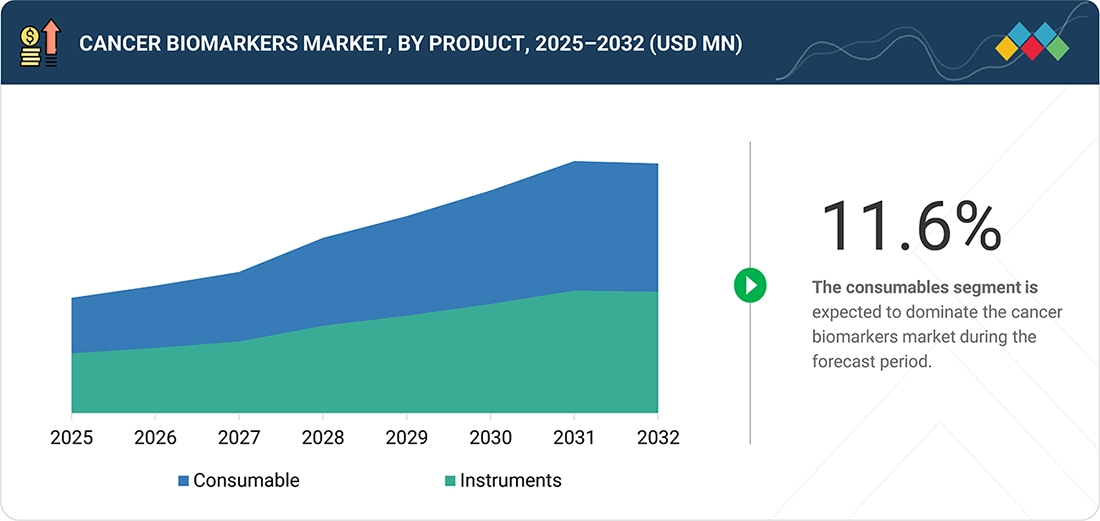
Based on products, the cancer biomarkers market is segmented into consumables, instruments, and bioinformatics software. The consumables segment is further divided into antibodies, kits & reagents, and probes. Similarly, the instruments segment is further divided into imaging instruments, pathology-based instruments, and biopsy instruments. Pathology-based instruments include slide-staining systems, scanners, tissue-processing systems, PCR instruments, NGS instruments, microarrays, and other instruments (automated cover slippers, flow cytometers, microtomes, paraffin dispensers, and slide labelers). Imaging instruments include ultrasound, MRI, computed tomography, mammography, and nuclear imaging systems. In 2025, the consumables segment dominated this market owing to their repeated purchase and high consumption.
Cancer Biomarker Market, By Application
Based on application, the cancer biomarkers market is segmented into diagnostics, research & development, prognostics, risk assessment, and other cancer applications. In 2025, the diagnostics segment accounted for the largest share of the cancer biomarkers market. The increasing prevalence of cancer, technological advancements, and the need for early diagnosis are driving the growth of this segment.
Cancer Biomarker Market, By End User
By end user, the cancer biomarker market is segmented into diagnostic laboratories, biopharmaceutical companies & CROs, research and academic institutes, and other end users. In 2025, the diagnostic laboratories segment accounted for a larger share of the cancer biomarkers market. The expanding number of clinical laboratories performing cancer biomarker-based diagnostics tests worldwide and the rising prevalence of malignancies are responsible for this end-user segment's sizeable share.
REGION
Asia Pacific is expected to register the highest CAGR in the cancer biomarkers market
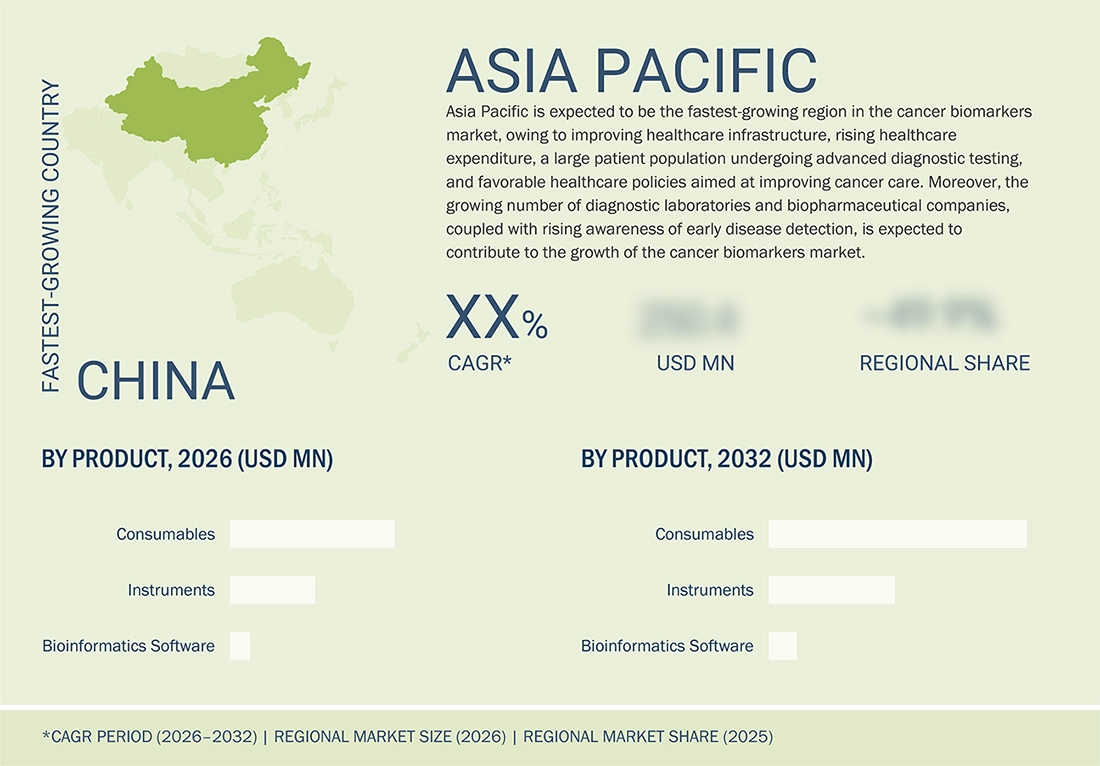
Asia Pacific is expected to be the fastest-growing region in the cancer biomarkers market, owing to improving healthcare infrastructure, rising healthcare expenditure, a large patient population undergoing advanced diagnostic testing, and favorable healthcare policies aimed at improving cancer care. Moreover, the growing number of diagnostic laboratories and biopharmaceutical companies, coupled with rising awareness of early disease detection and preventive healthcare, is expected to contribute to the growth of the cancer biomarker market.
North America dominated the cancer biomarkers market in 2026
North America held the largest share of the cancer biomarkers market in 2026, supported by advanced healthcare infrastructure, high cancer incidence, increasing adoption of advanced diagnostic testing, and the presence of high-end diagnostic centers and hospitals. The region's market growth is further driven by rising demand for cancer biomarkers for early disease detection, precision medicine applications, and improved diagnostic accuracy. Additionally, stringent regulatory requirements for diagnostic quality and increasing investments in oncology research and healthcare technologies are supporting the adoption of cancer biomarkers across North America.
CANCER BIOMARKERS MARKET: COMPANY EVALUATION MATRIX
Roche is one of the leading organizations in the cancer biomarker market, largely due to its extensive portfolio of diagnostic and cancer biomarker solutions. The company's large global footprint, along with its advanced immunoassay technologies, has also helped it maintain its market position. On the other hand, the organization has also been focusing on technological advancements in high-sensitivity testing. Thermo Fisher (US) holds a significant share of the cancer biomarker testing market, offering a broad portfolio of assays, software, and services under its Oncomine brand. Illumina (US) further strengthens its foothold in the cancer biomarker testing market through its advanced NGS technology platforms and focuses on both organic and inorganic strategies to bolster its market position.
Source: Secondary Research, Interviews with Experts, MarketsandMarkets Analysis
KEY MARKET PLAYERS
MARKET SCOPE
| REPORT METRIC | DETAILS |
|---|---|
| Base Year | 2025 |
| Base Year Market Size (2025) | USD 25.71 Billion |
| Current Market Size (2026) | USD 28.25 Billion |
| Projected Market Size (2032) | USD 54.48 Billion |
| Growth Rate | CAGR of 11.6% from 2026–2032 |
| Forecast Period | 2026–2032 |
| Years Considered | 2024–2032 |
| Units Considered | Value (USD Billion) |
| Report Coverage | Revenue Forecast, Company Ranking, Competitive Landscape, Growth Factors, and Trends |
| Segments Covered | By Profiling Technology, Cancer Type, Product, Application, End User, and Region |
| Regional Scope | North America, Europe, Asia Pacific, Latin America, Middle East & Africa |
| Report Code | MD 5627 |
| Published | 2026-05-18 |
| Prepared By | MarketsandMarkets™ Healthcare Research Team |
| Last Reviewed | 2026-07-24 |
WHAT IS IN IT FOR YOU: CANCER BIOMARKERS MARKET REPORT CONTENT GUIDE
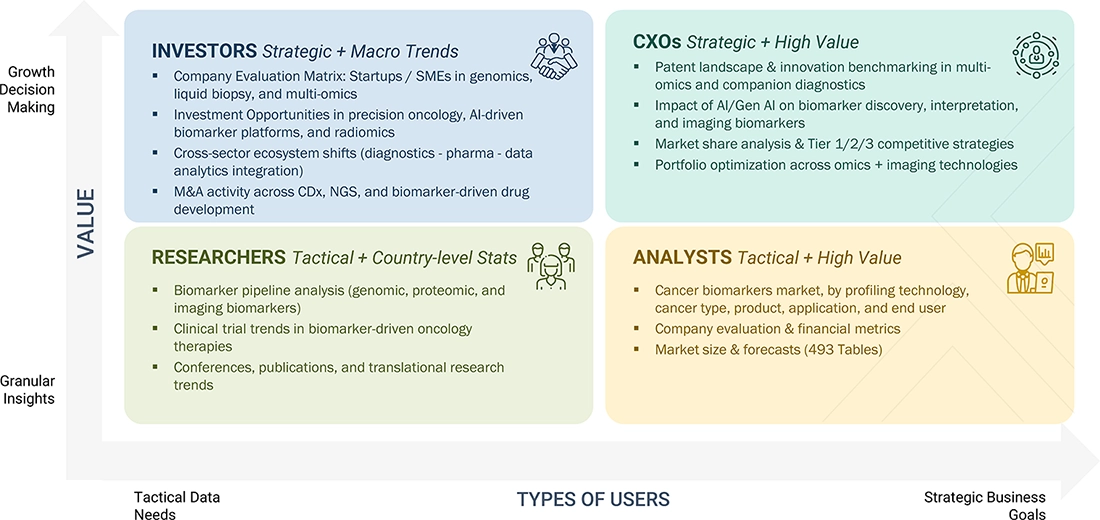
DELIVERED CUSTOMIZATIONS
We have successfully delivered the following deep-dive customizations:
| CLIENT REQUEST | CUSTOMIZATION DELIVERED | VALUE ADDS |
|---|---|---|
| Product Analysis | Product matrix, which provides a detailed comparison of the product portfolio of each company in the cancer biomarkers market | Enables easy comparison of competitors’ offerings, helping identify gaps, overlaps, and differentiation opportunities |
| Company Information | Additional five company profiles of players operating in the cancer biomarkers market | Provides insights into competitors’ strategies, innovation focus, and partnerships to support strategic planning |
RECENT DEVELOPMENTS
The oncology biomarkers market continues to witness strategic product launches and acquisitions as leading companies expand their precision oncology and companion diagnostics portfolios. Recent developments highlight the industry's focus on advancing biomarker research, strengthening clinical pathology capabilities, and supporting comprehensive genomic profiling for cancer diagnosis and treatment selection.
- April 2026 : QIAGEN unveiled its QIAseq xHYB HRD Panel, developed in collaboration with Myriad Genetics, to support research into homologous recombination deficiency (HRD) as a key cancer biomarker. The company also launched the QIAseq xHYB Trinity DNA/RNA Kit, enabling comprehensive genomic profiling from both DNA and RNA in a single workflow on the Element Biosciences AVITI platform.
- March 2026 : Agilent entered into a definitive agreement to acquire Biocare Medical in an all-cash transaction valued at USD 950 million. The acquisition expands Agilent's clinical pathology portfolio by adding more than 300 immunohistochemistry (IHC), in situ hybridization (ISH), and fluorescence in situ hybridization (FISH) biomarker antibodies, strengthening its position in precision oncology and cancer biomarker research.
Table of Contents
 Exclusive indicates content/data unique to MarketsandMarkets and not available with any competitors.
Methodology
The objective of the study is to analyze key market dynamics, including drivers, opportunities, restraints, challenges, and key players' strategies. To track company developments such as acquisitions, product launches, expansions, agreements, and partnerships of the leading players, the competitive landscape of the cancer biomarkers market will be analyzed, and market players will be evaluated on various parameters within the broad categories of business and product strategy. Top-down and bottom-up approaches were used to estimate the market size. To estimate the market size of segments and subsegments, the market breakdown and data triangulation were used.
The four steps involved in estimating the market size are
Secondary Research
In the secondary research process, various secondary sources such as annual reports, press releases & investor presentations of companies, white papers, certified publications, articles by recognized authors, gold-standard & silver-standard websites, regulatory bodies, and databases (such as D&B Hoovers, Bloomberg Business, and Factiva) were referred to identify and collect information for this study.
Primary Research
In the primary research process, various sources from both the supply and demand sides were interviewed to obtain qualitative and quantitative information for this report. Primary sources were mainly industry experts from the core and related industries, as well as preferred suppliers, manufacturers, distributors, service providers, technology developers, researchers, and organizations across all segments of this industry’s value chain. In-depth interviews were conducted with primary respondents, including key industry participants, subject-matter experts, C-level executives of key market players, and industry consultants, to obtain and verify critical qualitative and quantitative information and to assess prospects.
The following is a breakdown of the primary respondents
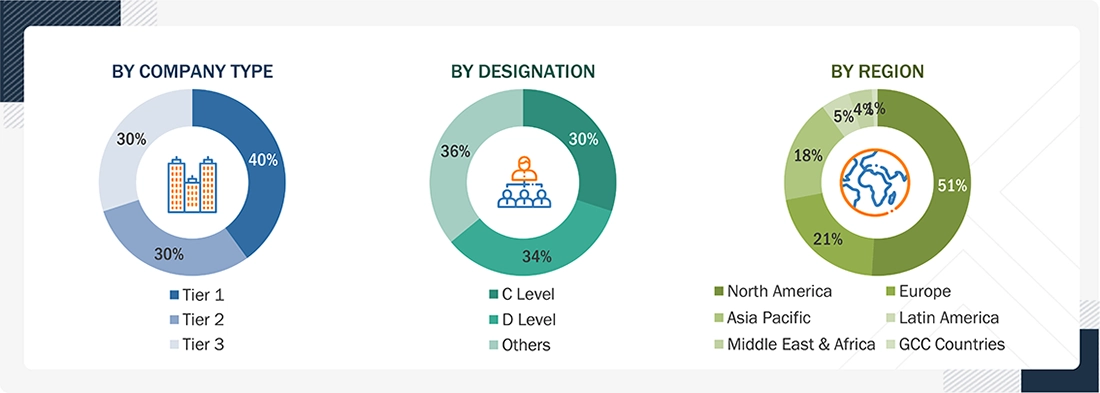
Note 1: Others include sales, marketing, and product managers.
Note 2: Companies are classified into tiers based on their total revenues. As of 2024, Tier 1 = >USD 100 million, Tier 2 = USD 10 million to USD 100 million, and Tier 3 = <USD 10 million.
|
COMPANY NAME |
DESIGNATION |
|
Thermo Fisher (US) |
Sales Manager |
|
F. Hoffmann-La Roche AG (Switzerland) |
Product Manager |
To know about the assumptions considered for the study, download the pdf brochure
Market Size Estimation
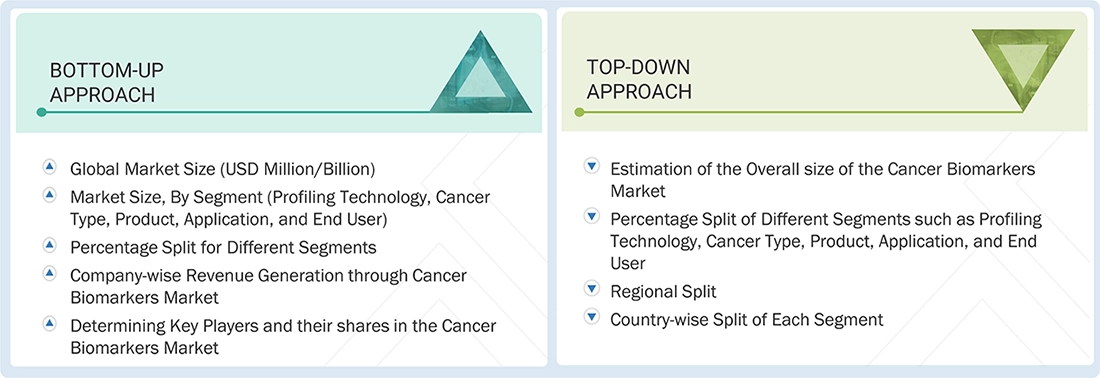
Both top-down and bottom-up approaches were used to estimate and validate the total market size of cancer biomarkers. These methods were also used extensively to estimate the size of various subsegments in the market. The research methodology used to estimate the market size includes the following:
- The key players in the industry have been identified through extensive secondary research
- The revenues generated by leading players operating in the cancer biomarkers market have been determined through primary and secondary research
- All percentage shares, splits, and breakdowns have been determined using secondary sources and verified through primary sources
Cancer Biomarkers Market : Top-Down and Bottom-Up Approach
Data Triangulation
After arriving at the overall market size using the process described above, the total market was segmented into several segments and subsegments. To complete the overall market engineering process and arrive at the exact statistics for all segments and subsegments, data triangulation and market breakdown procedures were employed, wherever applicable. The data was triangulated by studying various factors and trends from both the demand and supply sides.
Market Definition
Cancer biomarkers are biological molecules produced by the body or a tumor in a person with cancer. Cancer biomarker testing helps differentiate alterations in the tumor. Biomarkers may be produced by the cancer tissue itself or by other cells in the body in response to cancer. It can also be found in the blood, stool, urine, tumor tissue, or other tissues or bodily fluids. Biomarkers can be DNA, RNA, proteins, or metabolomic profiles specific to the tumor. They enhance cancer detection and facilitate high-speed, noninvasive diagnosis using profiling technologies such as omics, imaging, immunoassays, and cytogenetics.
Key Stakeholders
- Product Manufacturers, Distributors, and Suppliers
- Diagnostic Laboratories
- Research Laboratories and CROs
- Ambulatory Testing Centers
- Contract Testing Laboratories
- Academic Universities and Medical Research Centers
- Research and Development (R&D) Centers
Report Objectives
- To define, segment, and forecast the cancer biomarkers market by profiling technology, cancer type, product, application, end user, and region
- To provide detailed information regarding the major factors influencing market growth (such as drivers, restraints, opportunities, and challenges)
- To analyze micromarkets with respect to individual growth trends, prospects, and contributions to the overall market
- To analyze market opportunities for stakeholders and provide details of the competitive landscape for key players
- To forecast the size of the market segments with respect to six regions: North America, Europe, Asia Pacific, Latin America, the Middle East & Africa, and GCC Countries
- To profile key players and comprehensively analyze their product portfolios, market positions, and core competencies
- To benchmark players within the market using the proprietary company evaluation matrix framework, which analyzes market players on various parameters within the broad categories of business and product excellence
- To study the impact of AI on the market, along with the macroeconomic outlook for each region
Available customizations:
MarketsandMarkets offers the following customizations for this market report.
Product Analysis
- Product matrix, which provides a detailed comparison of the product portfolio of each company in the cancer biomarkers market
Country Information
- Additional country-level analysis of the cancer biomarkers market
Company Profiles
- Additional five company profiles of players operating in the cancer biomarkers market.
Key Questions Addressed by the Report
What is the projected growth outlook for the global cancer biomarkers market through 2032?
The global cancer biomarkers market is projected to grow from USD 28.25 billion in 2026 to USD 54.48 billion by 2032, registering a CAGR of 11.6% during the forecast period. The market was valued at USD 25.71 billion in 2025, driven by increasing adoption of precision oncology, biomarker-based diagnostics, and advancements in cancer research.
Which region dominated the cancer biomarkers market in 2025?
North America led the cancer biomarkers market share in 2025. The region's leadership is supported by advanced healthcare infrastructure, high adoption of molecular diagnostics, strong research activities, and the presence of leading biotechnology and pharmaceutical companies.
Which technology segment held the largest share of the cancer biomarkers market?
The omics technologies segment held the highest market share in the cancer biomarkers market in 2025. Omics-based approaches such as genomics, proteomics, and transcriptomics are increasingly used for cancer detection, patient stratification, and personalized treatment strategies.
Which product segment is expected to register the highest growth in the cancer biomarkers market?
The consumables segment is expected to register the highest growth rate of 12.0% during the forecast period. Increasing demand for biomarker testing, molecular assays, and diagnostic workflows is contributing to the growth of this segment.
Which cancer type accounted for the largest share of the cancer biomarkers market?
The breast cancer segment held the highest market share in the cancer biomarkers market in 2025. Increasing prevalence of breast cancer and growing adoption of biomarker-based diagnosis and targeted therapies are supporting segment growth.
Which application segment dominated the cancer biomarkers market in 2025?
The diagnostics segment led the cancer biomarkers market with a share of 51.0% in 2025. Cancer biomarkers play a critical role in early detection, disease monitoring, treatment selection, and improving clinical outcomes.
Which end user segment accounted for the largest share of the cancer biomarkers market?
Diagnostic laboratories accounted for the largest market share in 2025. These laboratories are increasingly adopting advanced biomarker testing platforms to support cancer diagnosis and precision medicine applications.
Who are the key players operating in the global cancer biomarkers market?
Key players profiled in the cancer biomarkers market include F. Hoffmann La-Roche AG, Thermo Fisher Scientific, Illumina, Agilent Technologies, and QIAGEN. These companies offer advanced biomarker analysis solutions and maintain strong positions through extensive product portfolios.
Which companies are recognized as star players and emerging companies in the cancer biomarkers market?
Roche, Thermo Fisher, Illumina, Agilent Technologies, and QIAGEN were identified as star players in the cancer biomarkers market due to their strong market presence and extensive product portfolios. Quest Diagnostics, Invivoscribe, Inc., and Asuragen, Inc. have distinguished themselves among startups and SMEs by securing strong footholds in specialized niche areas.


Personalize This Research
- Triangulate with your Own Data
- Get Data as per your Format and Definition
- Gain a Deeper Dive on a Specific Application, Geography, Customer or Competitor
- Any level of Personalization
Let Us Help You
- What are the Known and Unknown Adjacencies Impacting the Cancer Biomarkers Market
- What will your New Revenue Sources be?
- Who will be your Top Customer; what will make them switch?
- Defend your Market Share or Win Competitors
- Get a Scorecard for Target Partners

Custom Market Research Services
We Will Customise The Research For You, In Case The Report Listed Above Does Not Meet With Your Requirements
Get 10% Free CustomisationTESTIMONIALS

JAYANT RAJPUROHIT
Director of Market Insights, Data and Analytics
SFI Health,
Leading Pharmaceutical Companywww.sfihealth.com/

We at SFI Health approached MarketsandMarkets for an Opportunity Assessment on "Incidence and Prevalence of Focus Indications" as we wanted to know the most attractive HCPs like Physician, Functional MD, Naturopath and Pharmacist. The project was critical for us to ensure our focus on the right target which would enable sustainable growth and profitability for SFI Health. The business insights provided exceeded our expectations and we were extremely impressed. The team at MarketsandMarkets is highly professional and detail oriented and very well understood our business needs. MarketsandMarkets offers a unique combination of expertise and dedicated engagement model. We identified 2 new products to be launched in coming months, based on the research findings provided by MarketsandMarkets. We are happy with the services and would strongly recommend MarketsandMarkets to my peers in the industry.

BEATRIZ DE LA CALLE
Head of Commercial Analytics
Qualicaps,
Leading Pharmaceutical Companywww.qualicaps.com/

We partnered with MarketsandMarkets for an assessment study on hard empty capsules. The team was extremely professional in understanding our business requirements and we received timely responses to all our queries. The market intelligence and the recommendations has met our business requirements. We were extremely impressed to see the final study results; it really exceeded our expectations. The market intelligence offered by MarketsandMarkets, and clarity on next steps will help us achieve our business objective for the Year 2021. We are happy with the services and would strongly recommend MarketsandMarkets to my peers in the industry.

Bob Williams,
Senior Director Business Development & Innovation
Bracco Diagnostics Inc.,
Italian Multinational in life sciences sector and a World Leader in imaging diagnosticsimaging.bracco.com/us-en
We were pleased with targeted insights that MarketsandMarkets identified from a custom study on the 'Radiation Dose Management Solutions Market'. Your team identified and characterized the market participants as well as underlying trends accurately. This study was useful to Bracco in formulating business strategies for our dose monitoring product lines and we thank MarketsandMarkets for the job well done.
Cody Coonradt,
Market Development and Strategy Manager
3M Health Information Systems,
Leader in Health care Coding, Payment & Analytics Solutions.www.3m.com/3M/en_US/health-information-systems-us
The value for our organization comes from three things: depth of research, specificity of segments and being easy to work with. As important as the first two are, the third can't be underestimated. MarketsandMarkets, maybe more than any other research vendor, wants to know what is top of mind for our team and what big questions we are grappling to answer.
Their customer first approach and high value engagement model, have given us great analysis and excellent value for money
- US Cancer Biomarkers Market
- Canada Cancer Biomarkers Market
- Germany Cancer Biomarkers Market
- UK Cancer Biomarkers Market
- France Cancer Biomarkers Market
- Italy Cancer Biomarkers Market
- Spain Cancer Biomarkers Market
- China Cancer Biomarkers Market
- Japan Cancer Biomarkers Market
- India Cancer Biomarkers Market
- Australia Cancer Biomarkers Market
- Brazil Cancer Biomarkers Market
- Mexico Cancer Biomarkers Market
- Roe Cancer Biomarkers Market
- Rest Of Asia Pacific Cancer Biomarkers Market
- Rest Of Latin America Cancer Biomarkers Market
Growth opportunities and latent adjacency in Cancer Biomarkers Market






Alia
May, 2022
Is it possible to share the study on Cancer Biomarkers Market Size, Share, Growth Research Report 2027.
Julia
May, 2022
In this Cancer Biomarkers Study do you also cover cancer biomarker testing market ?.
Danny
May, 2022
We want to know about the cancer biomarker companies prevailing in Cancer Biomarkers Market.